
Popular Options and Variations
There are various calculator mean median mode range for kids tools available, catering to different age groups and learning styles.
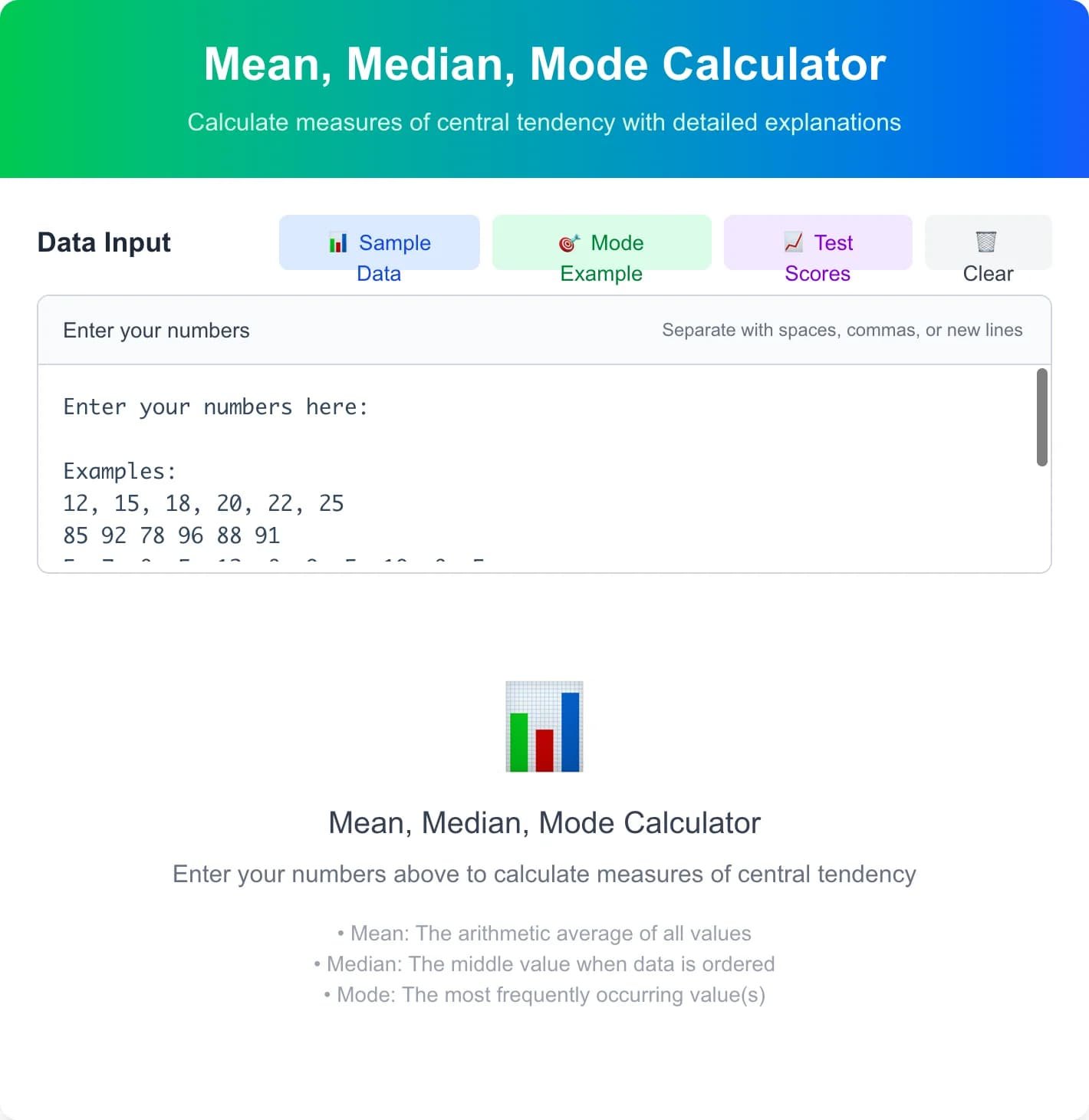
Interactive Online Calculators: These are often visual and engaging, with colorful interfaces and simple steps. They provide an instant calculation of the mean, median, mode, and range, making them ideal for younger kids.
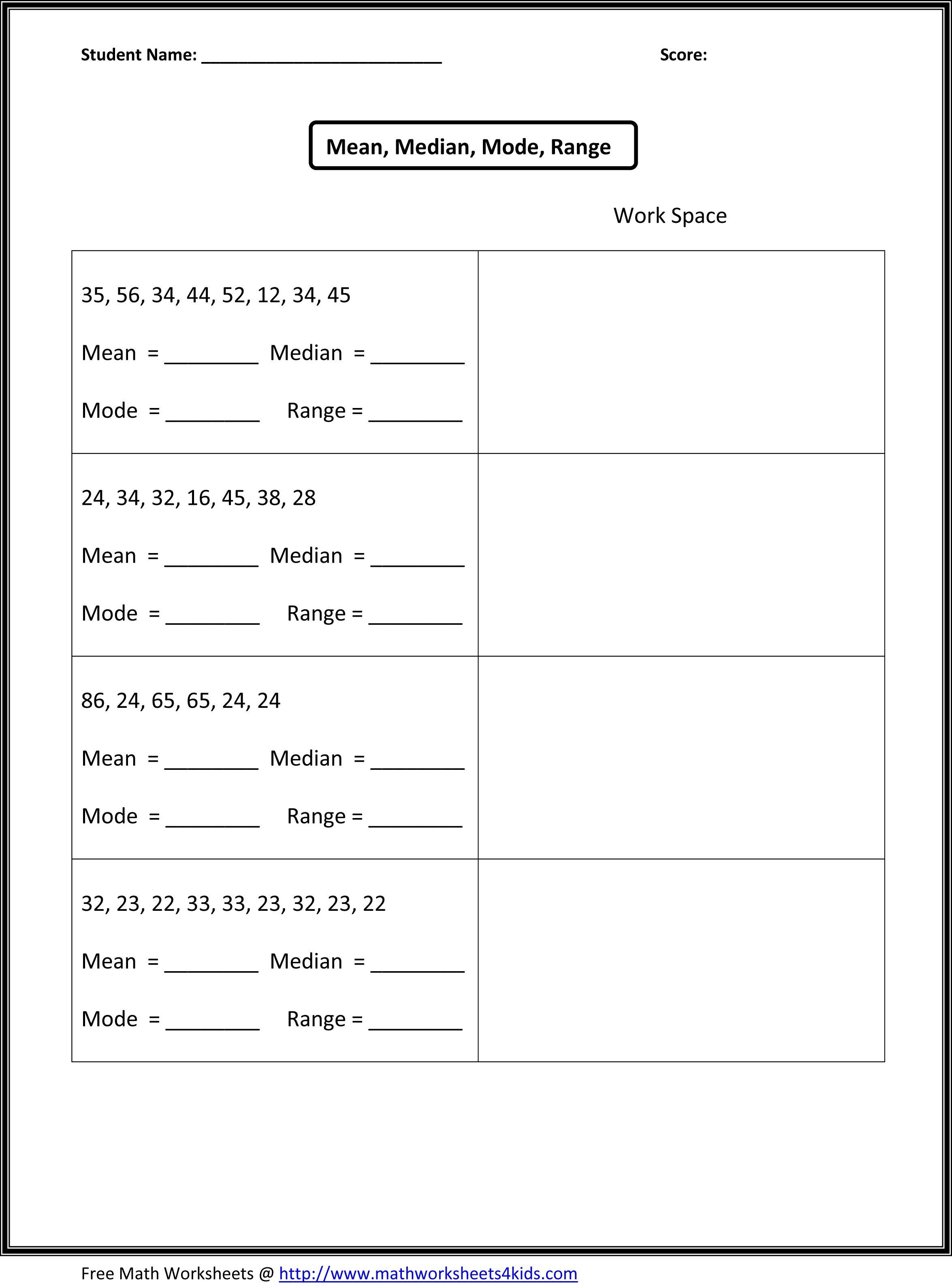
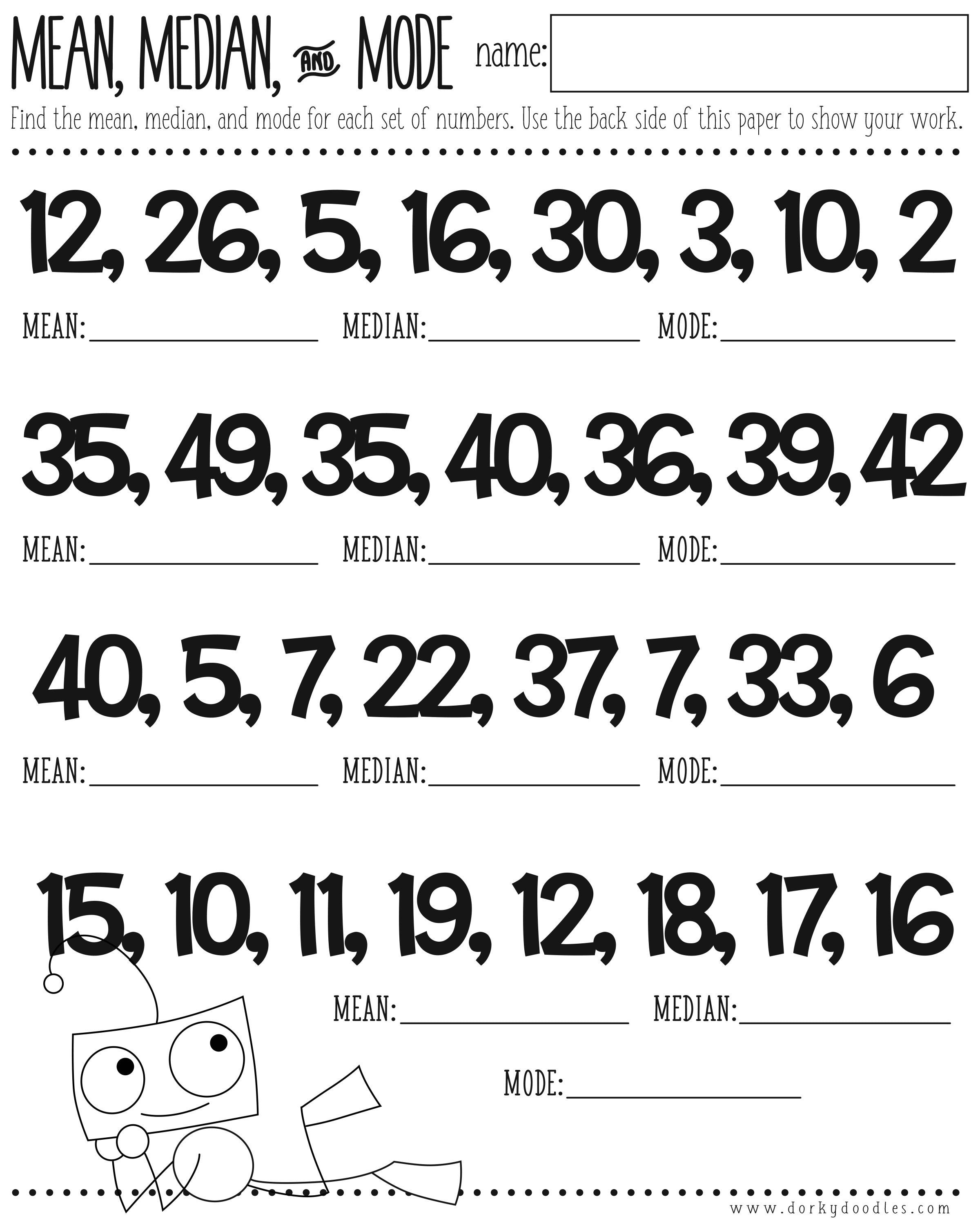
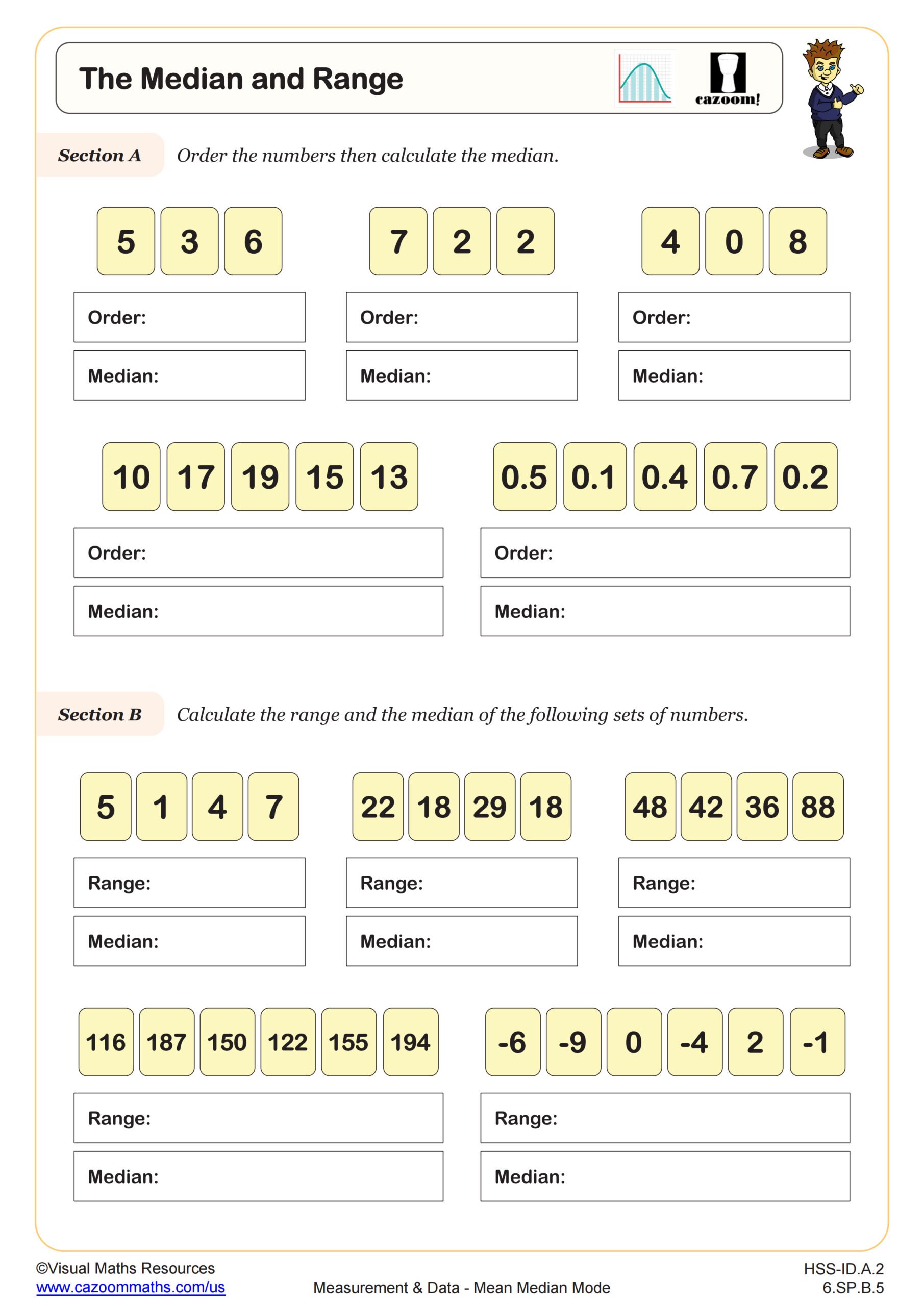
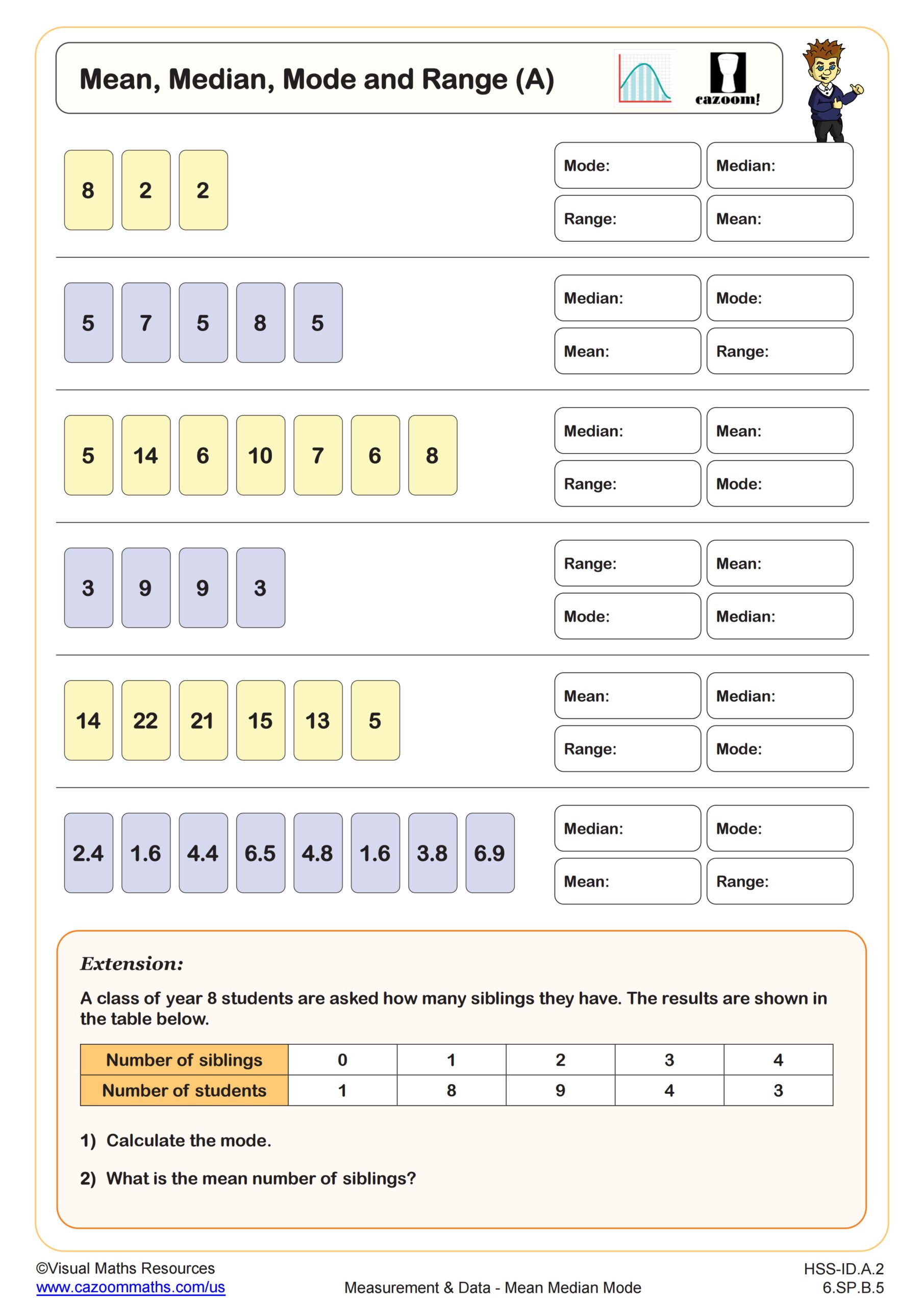
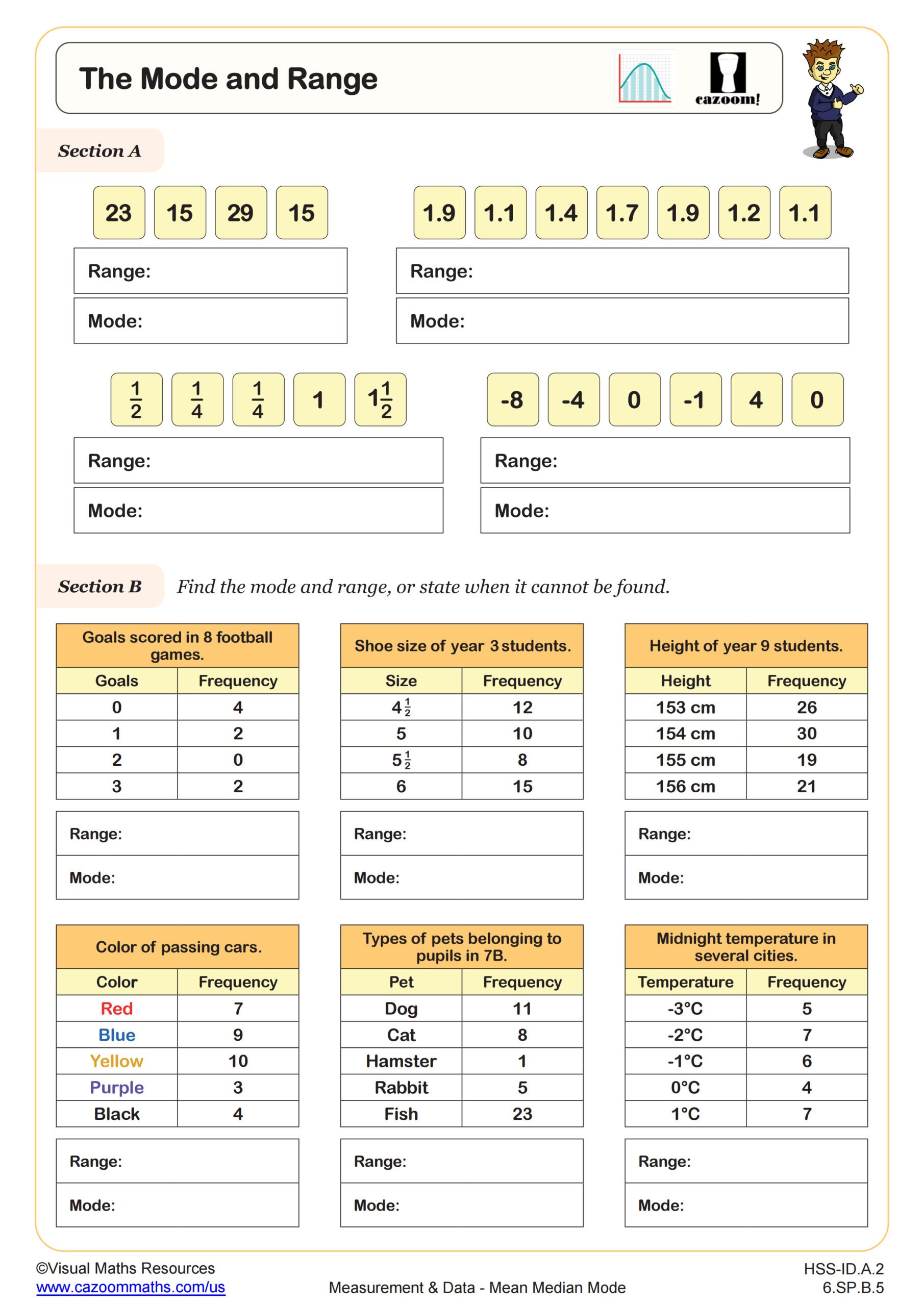
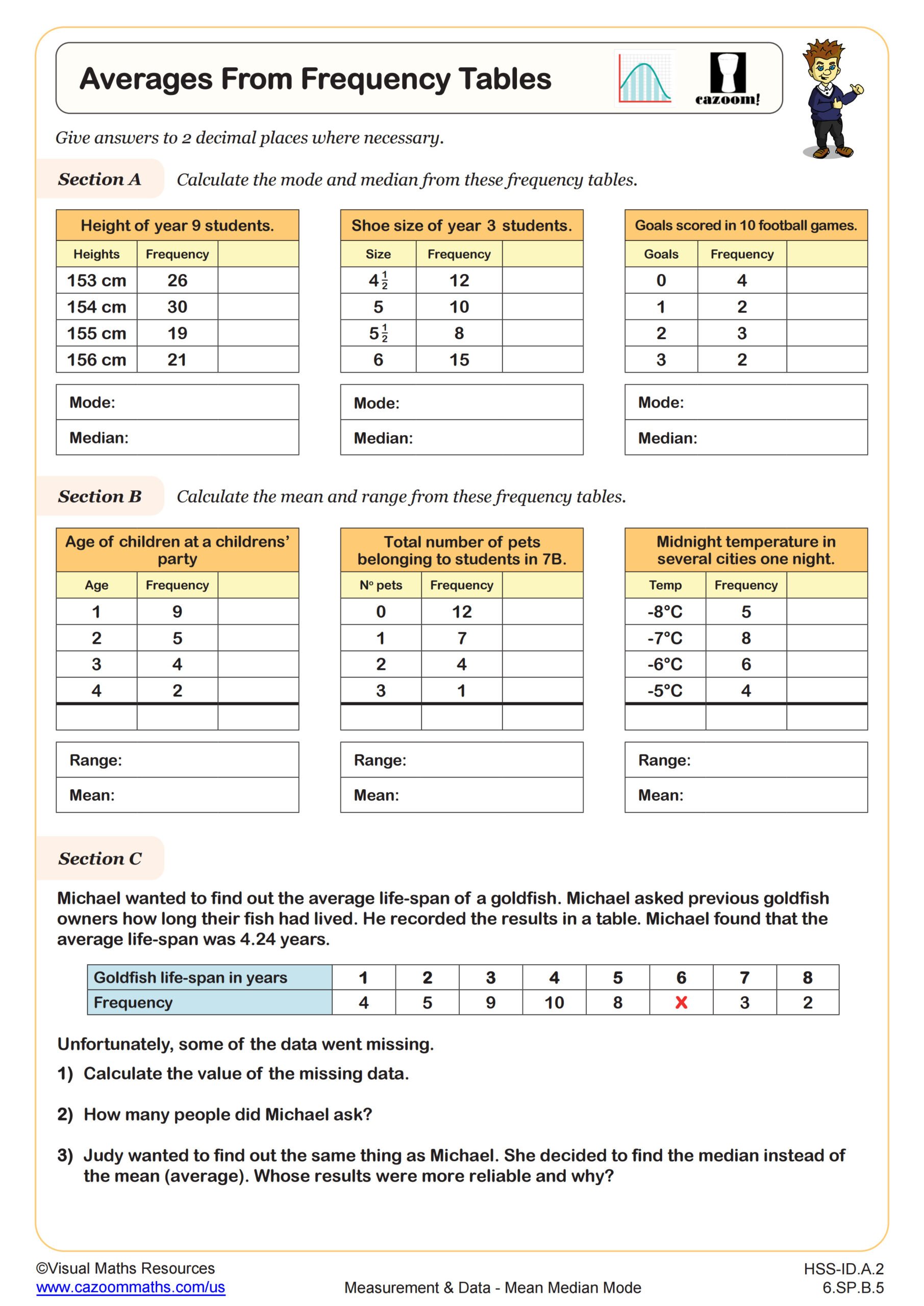
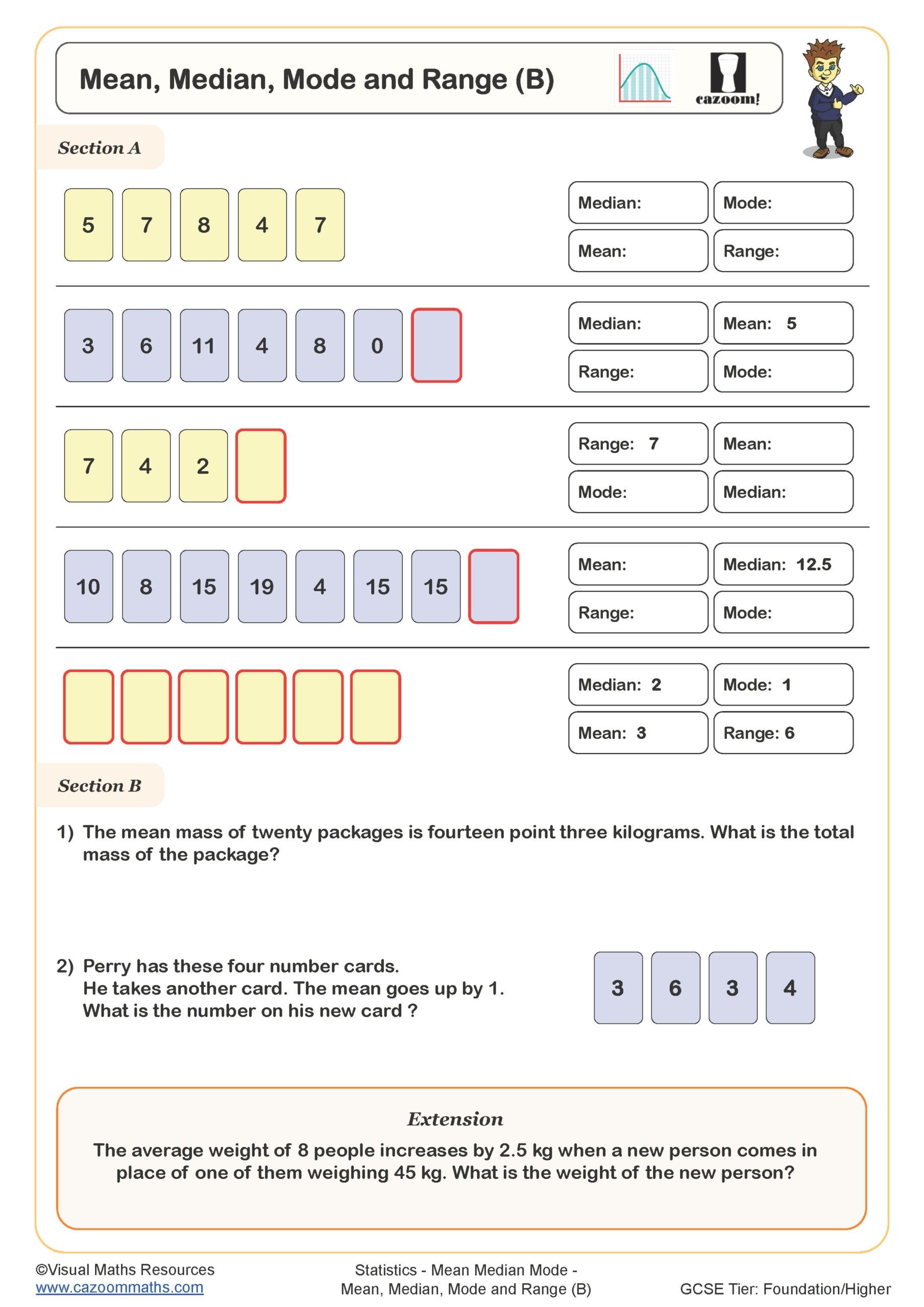
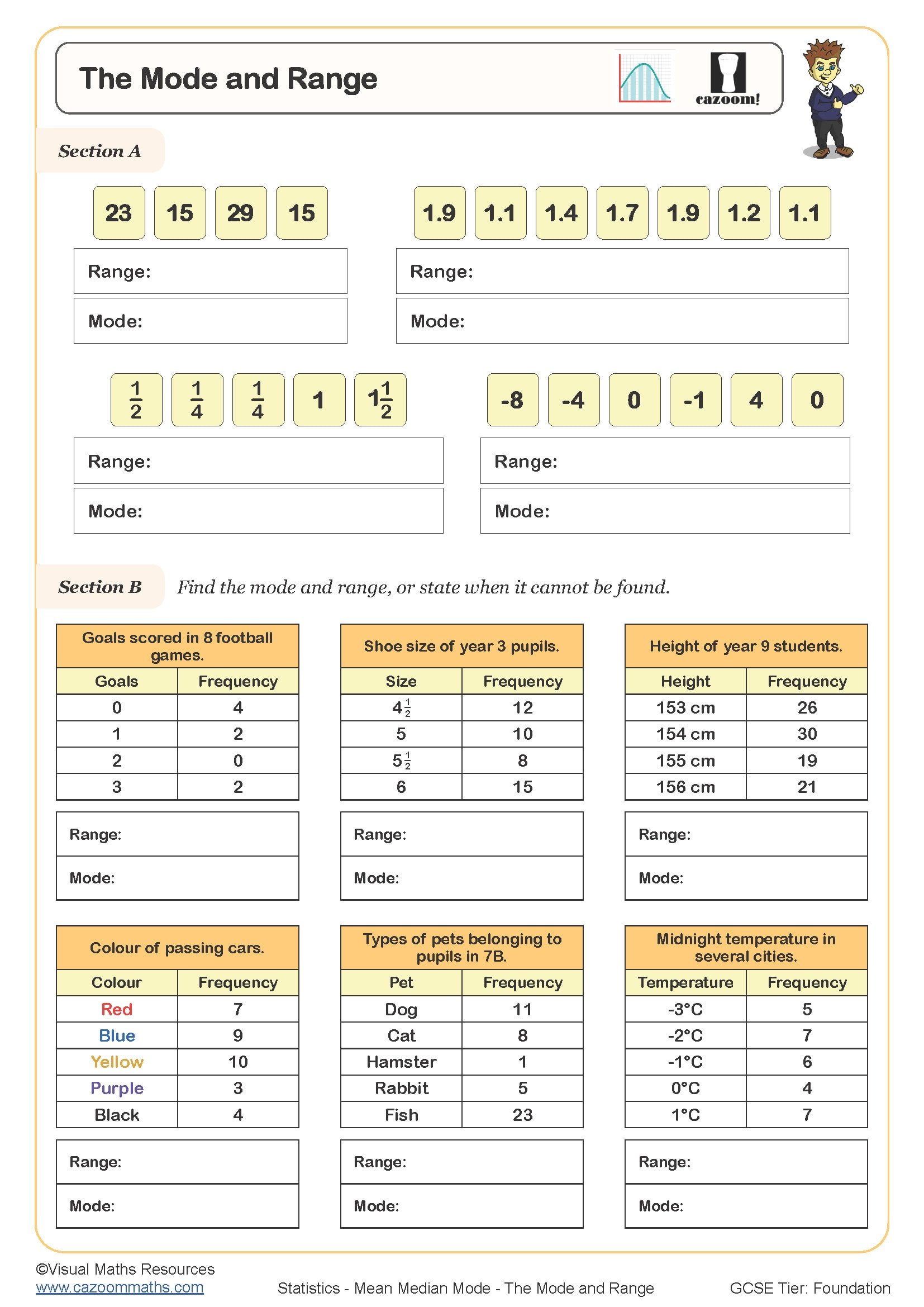
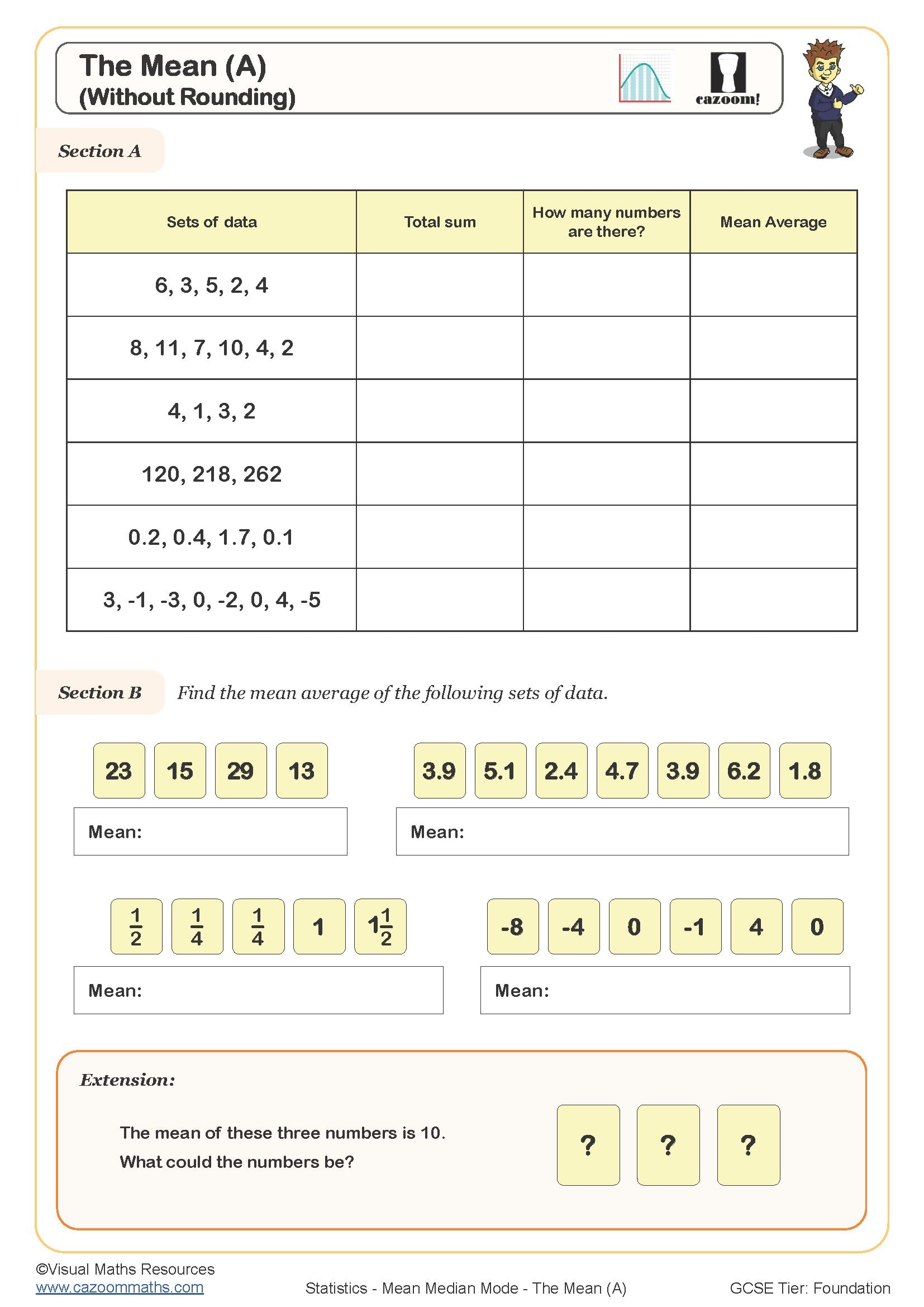
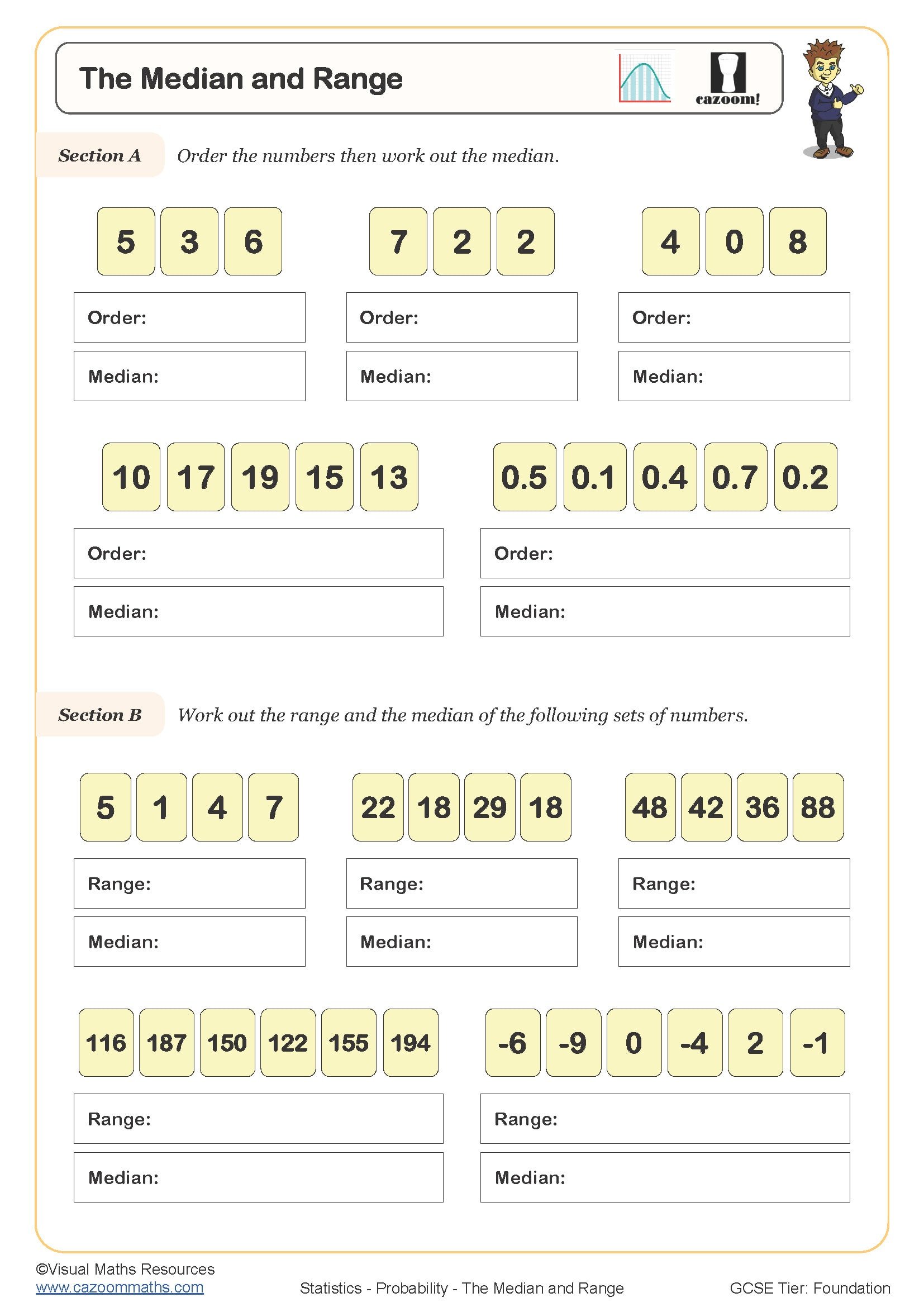
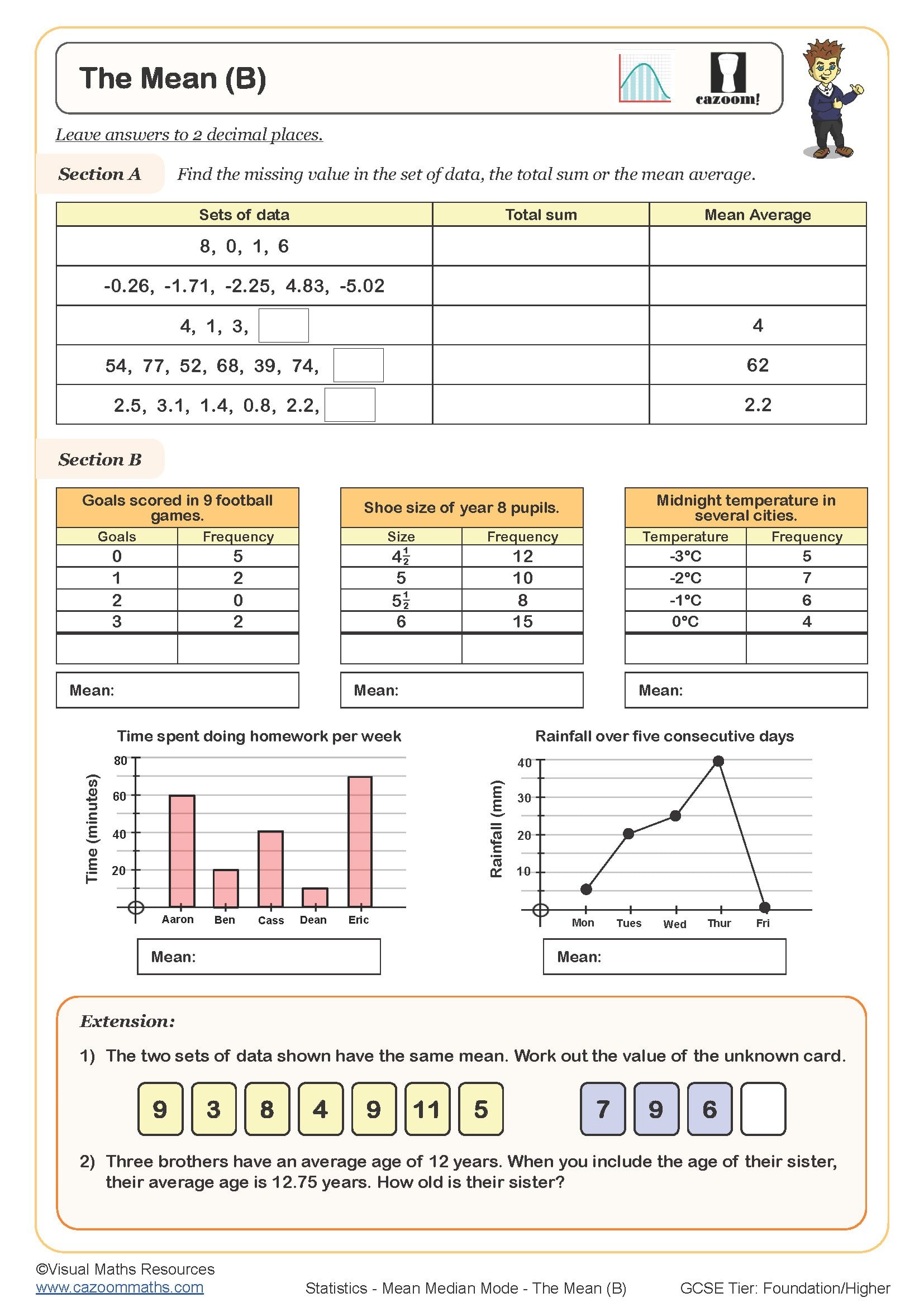
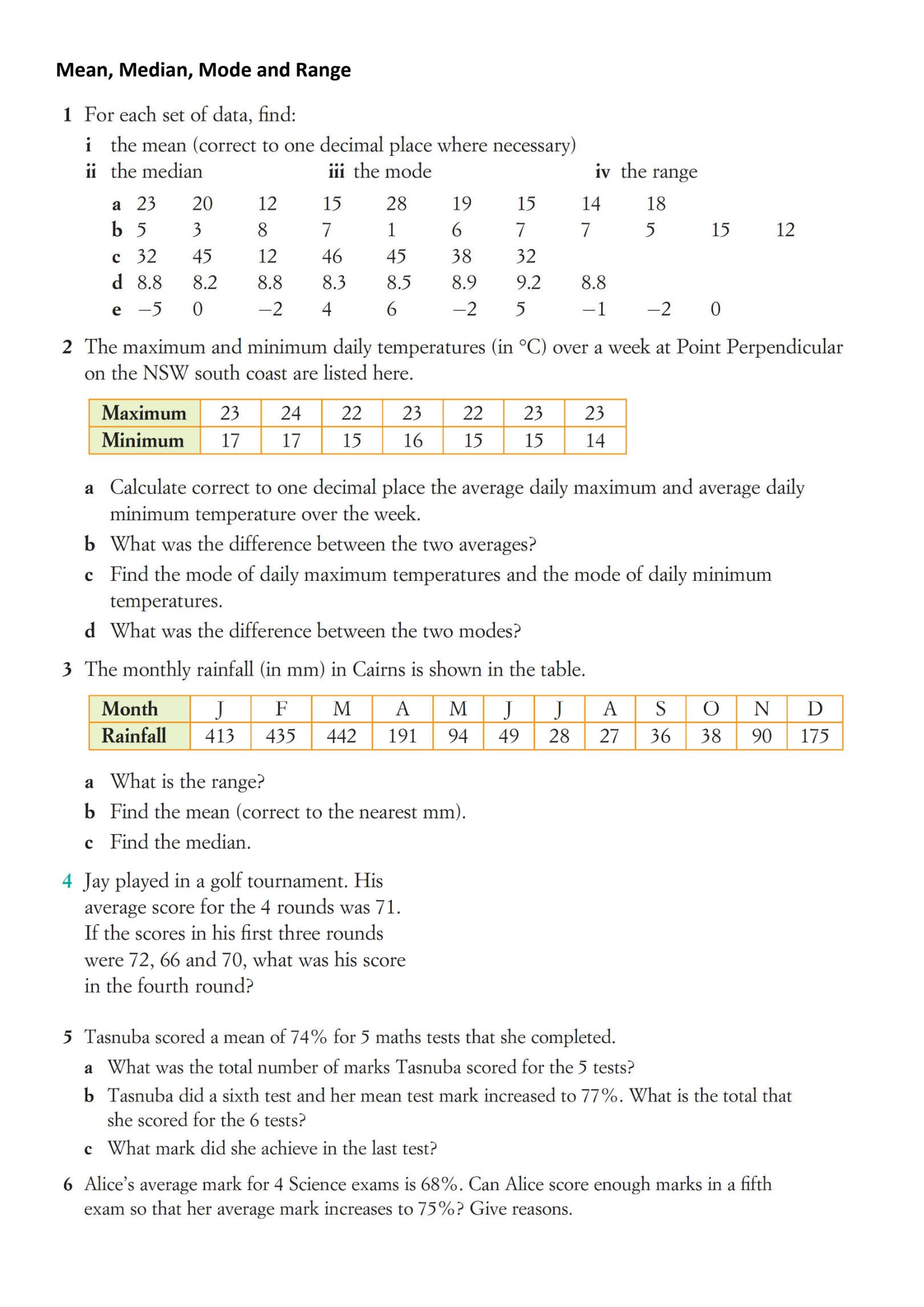
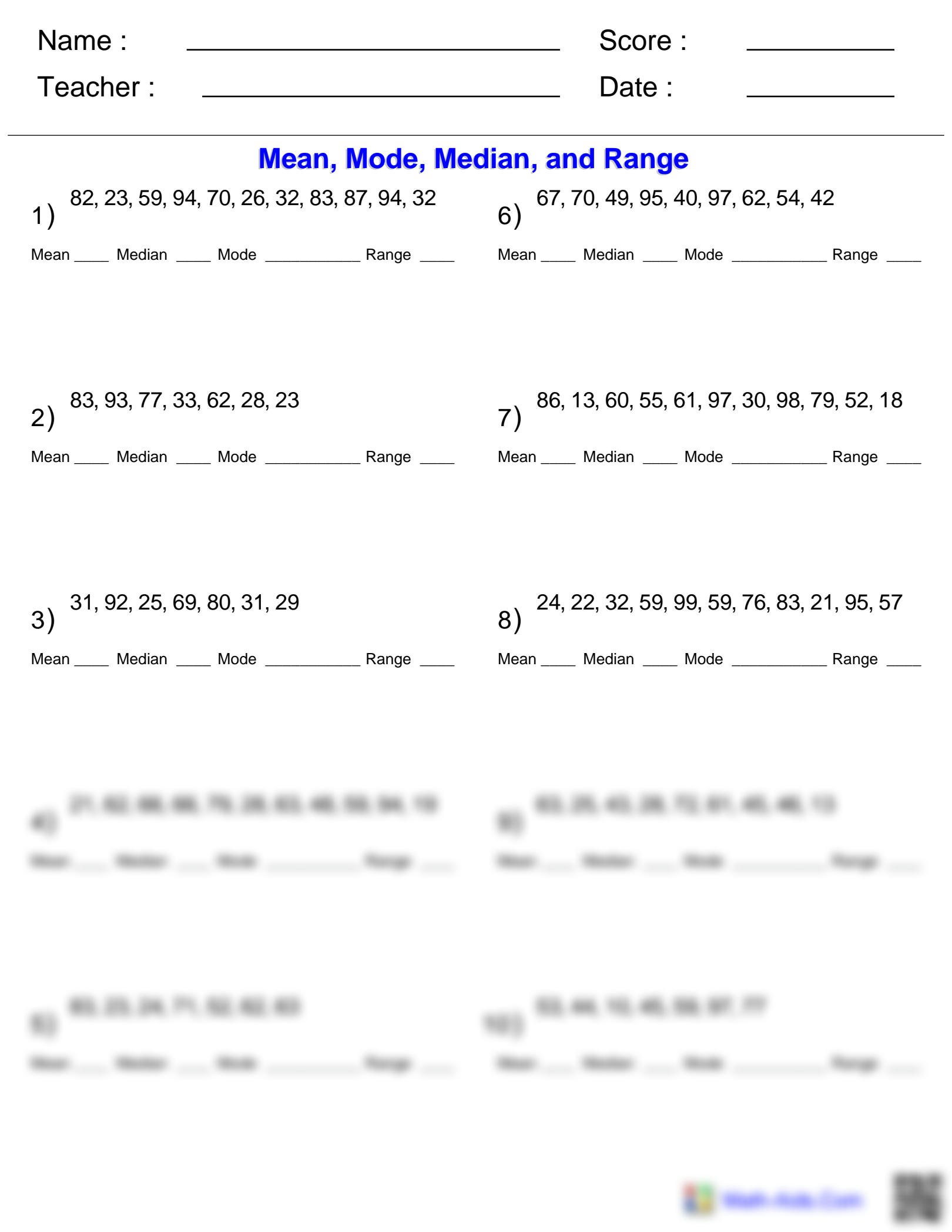
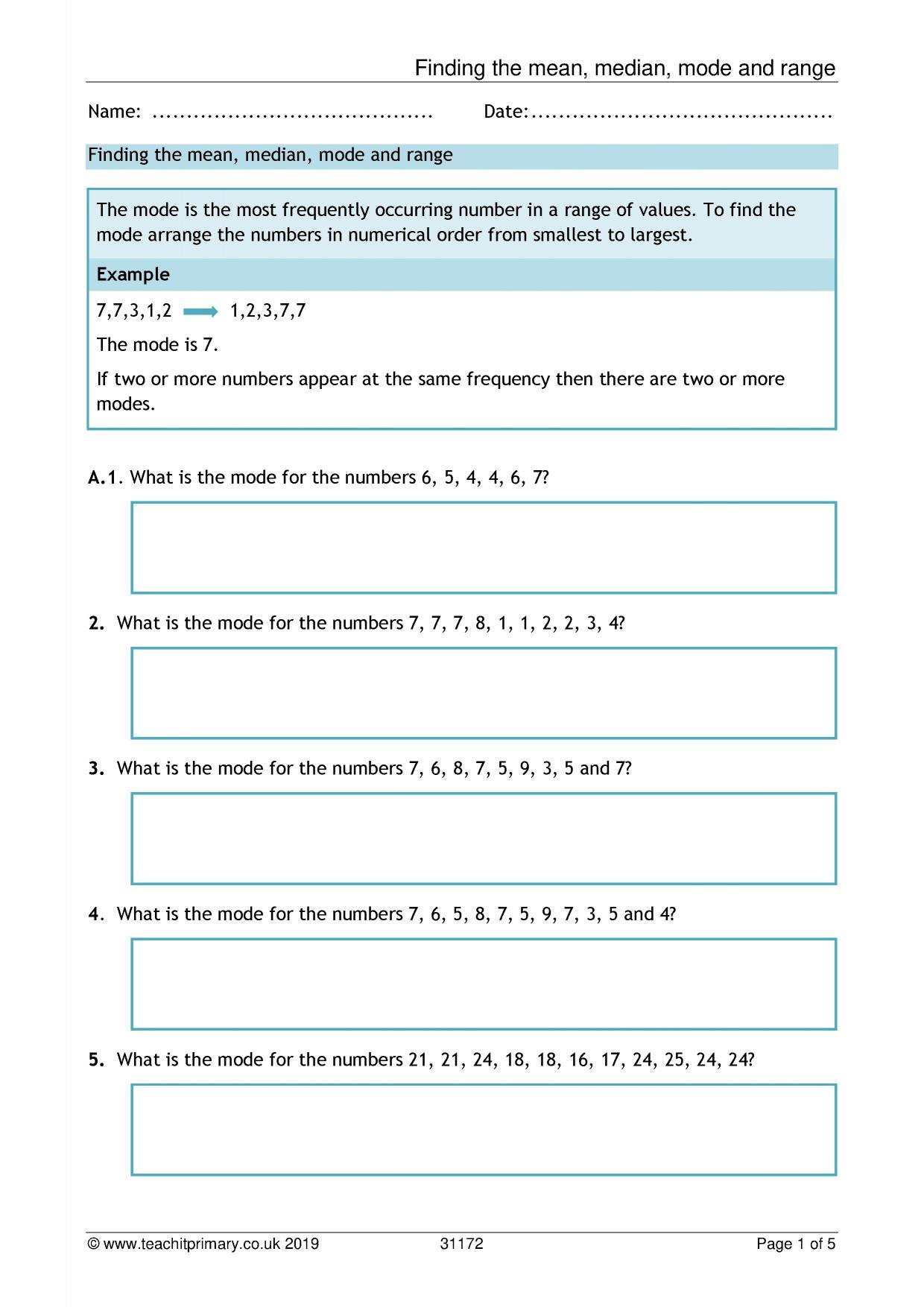
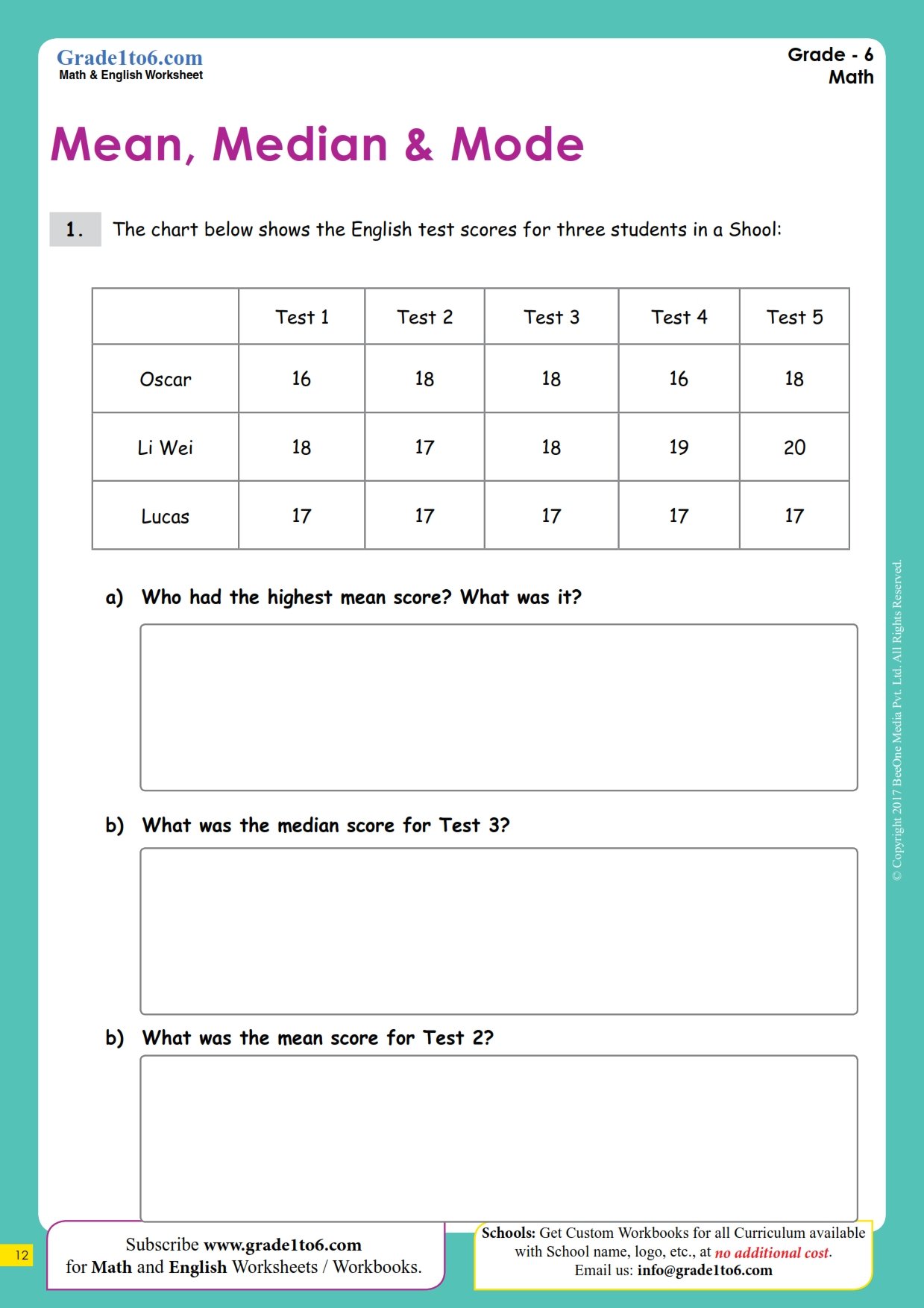
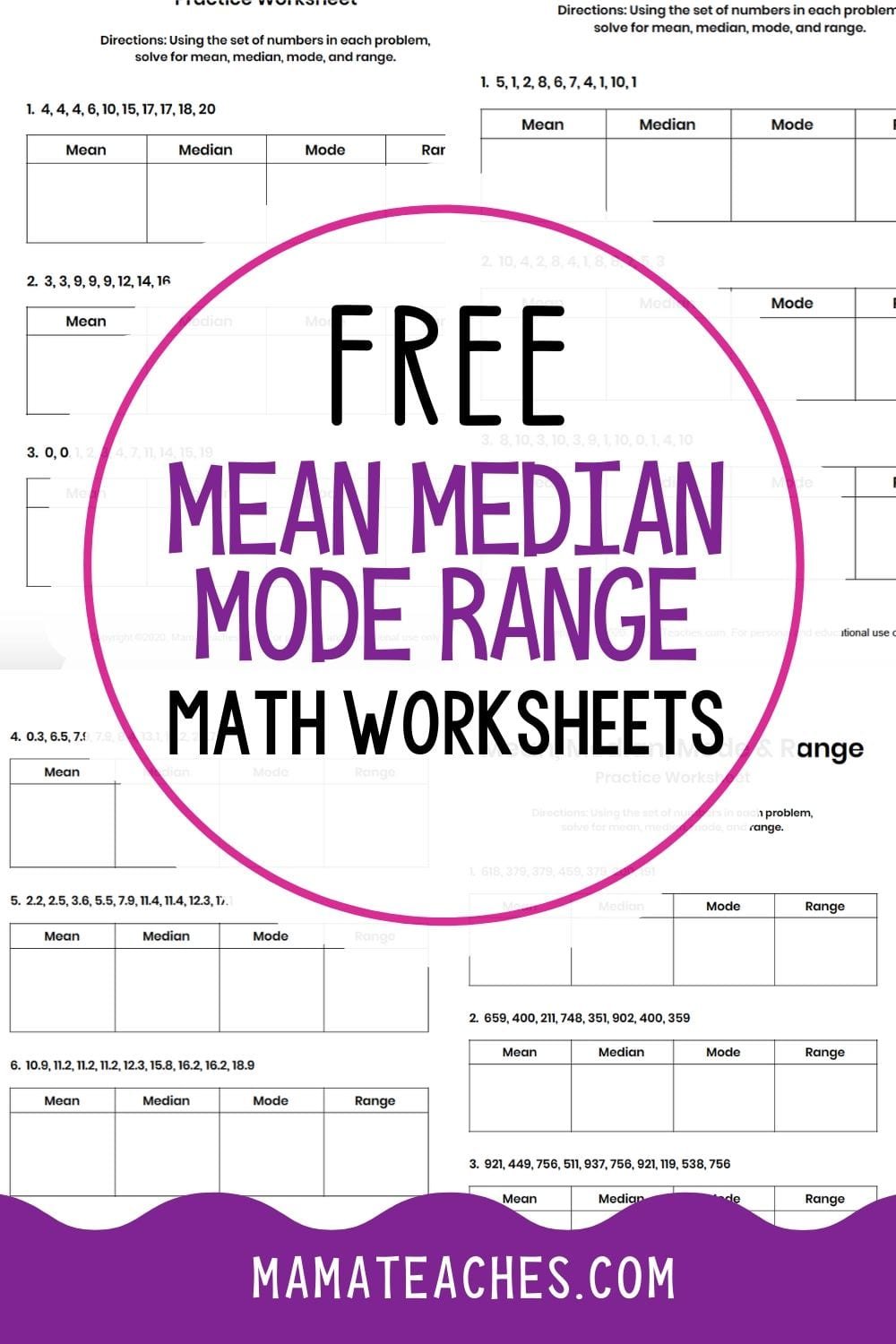
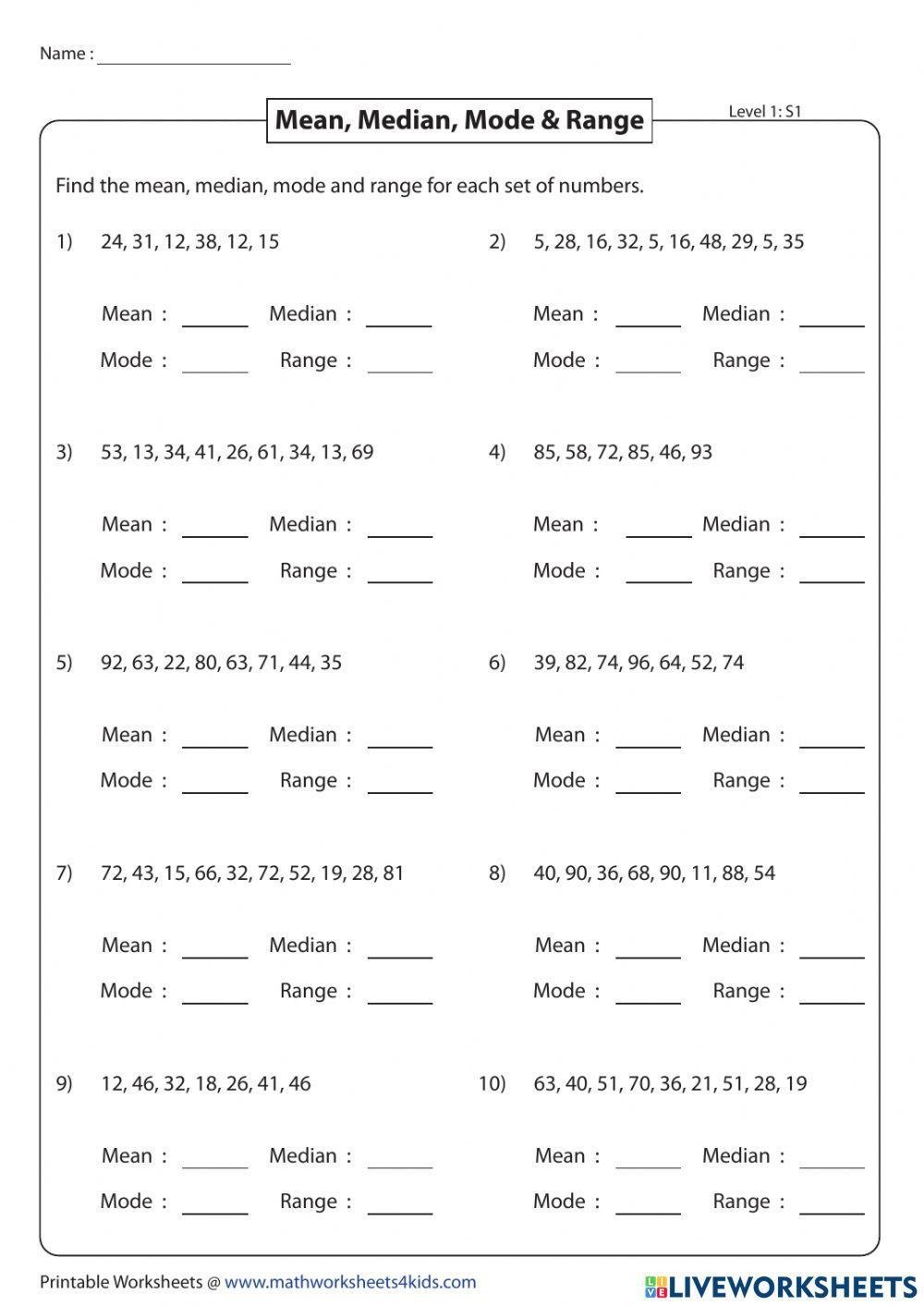
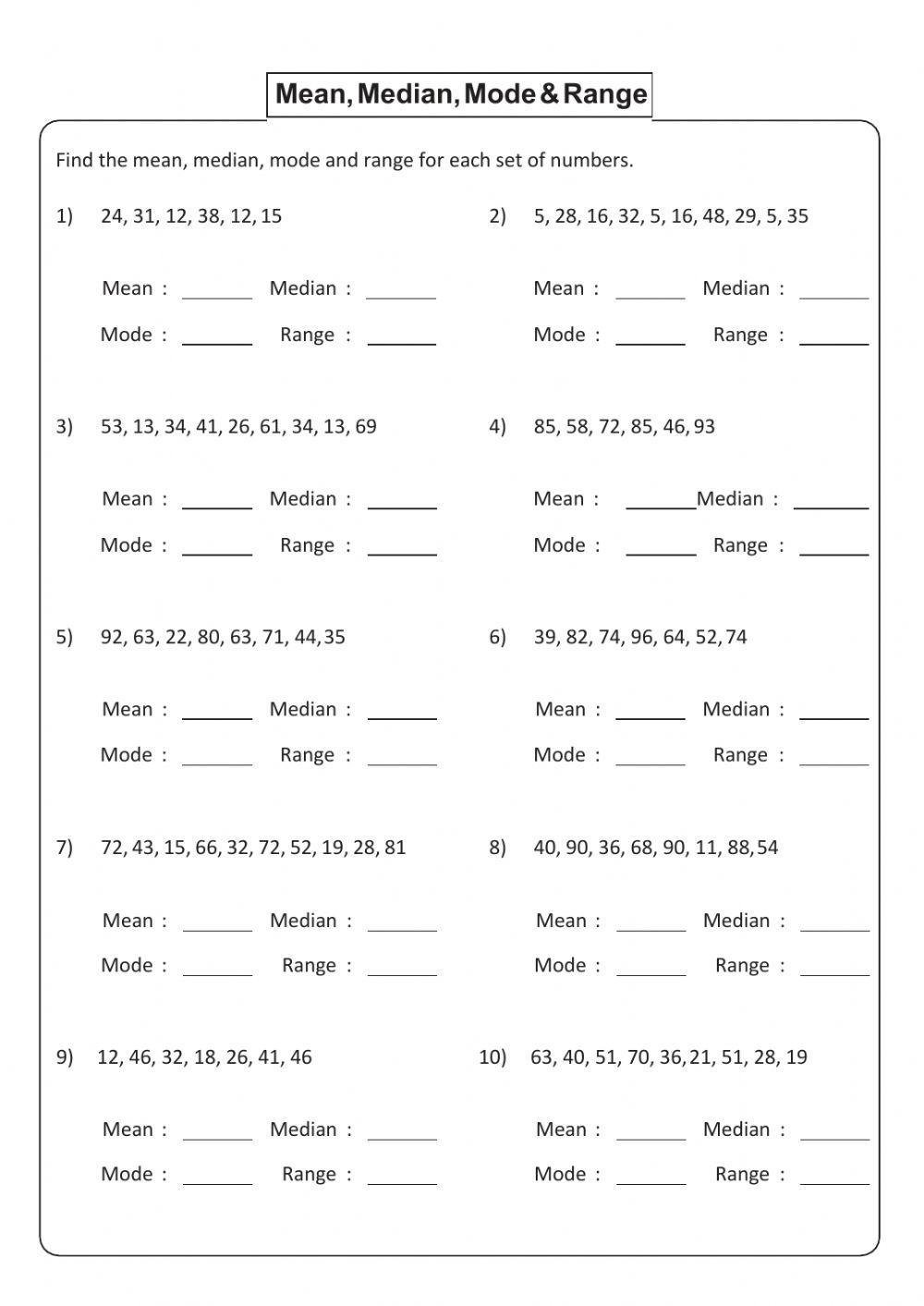
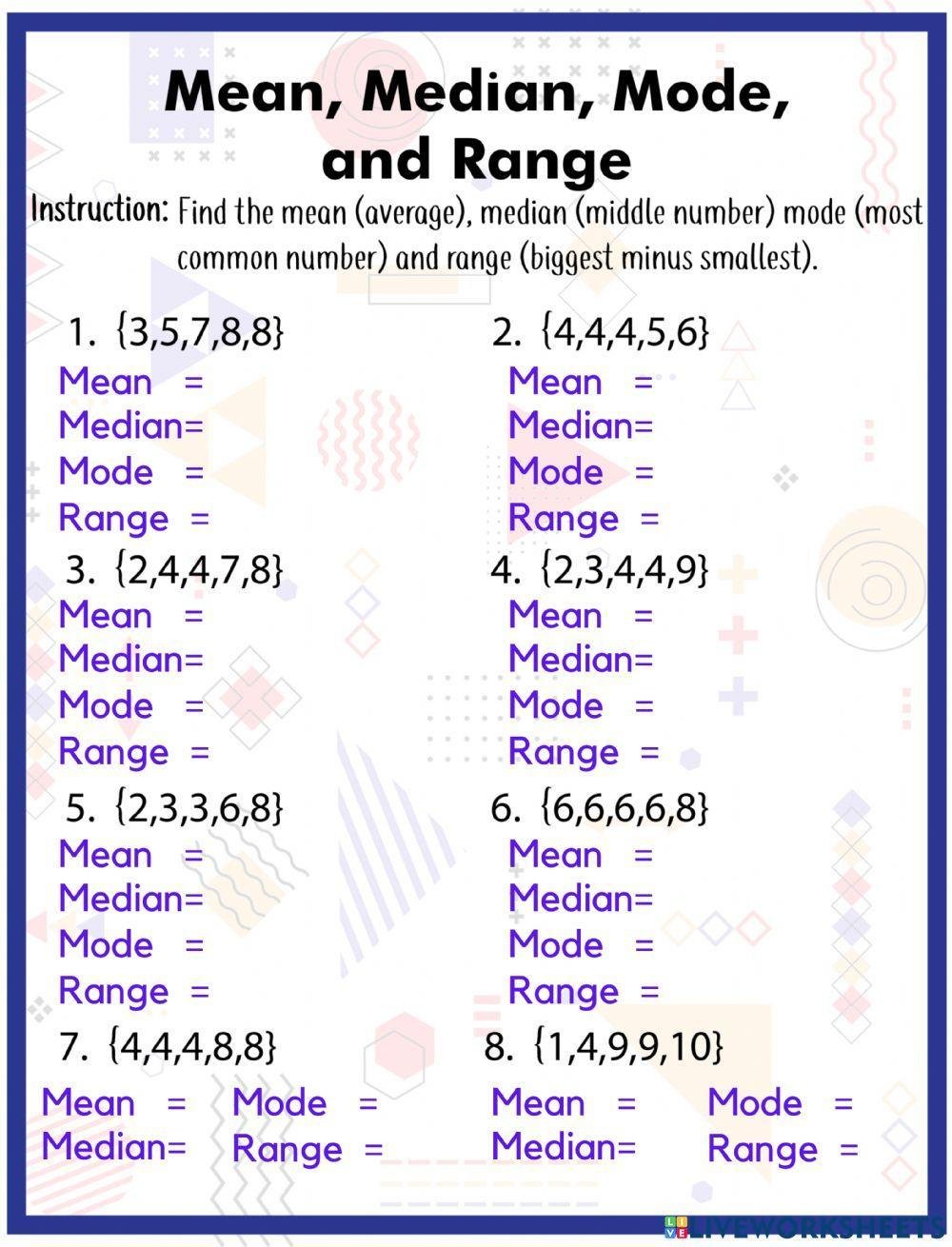
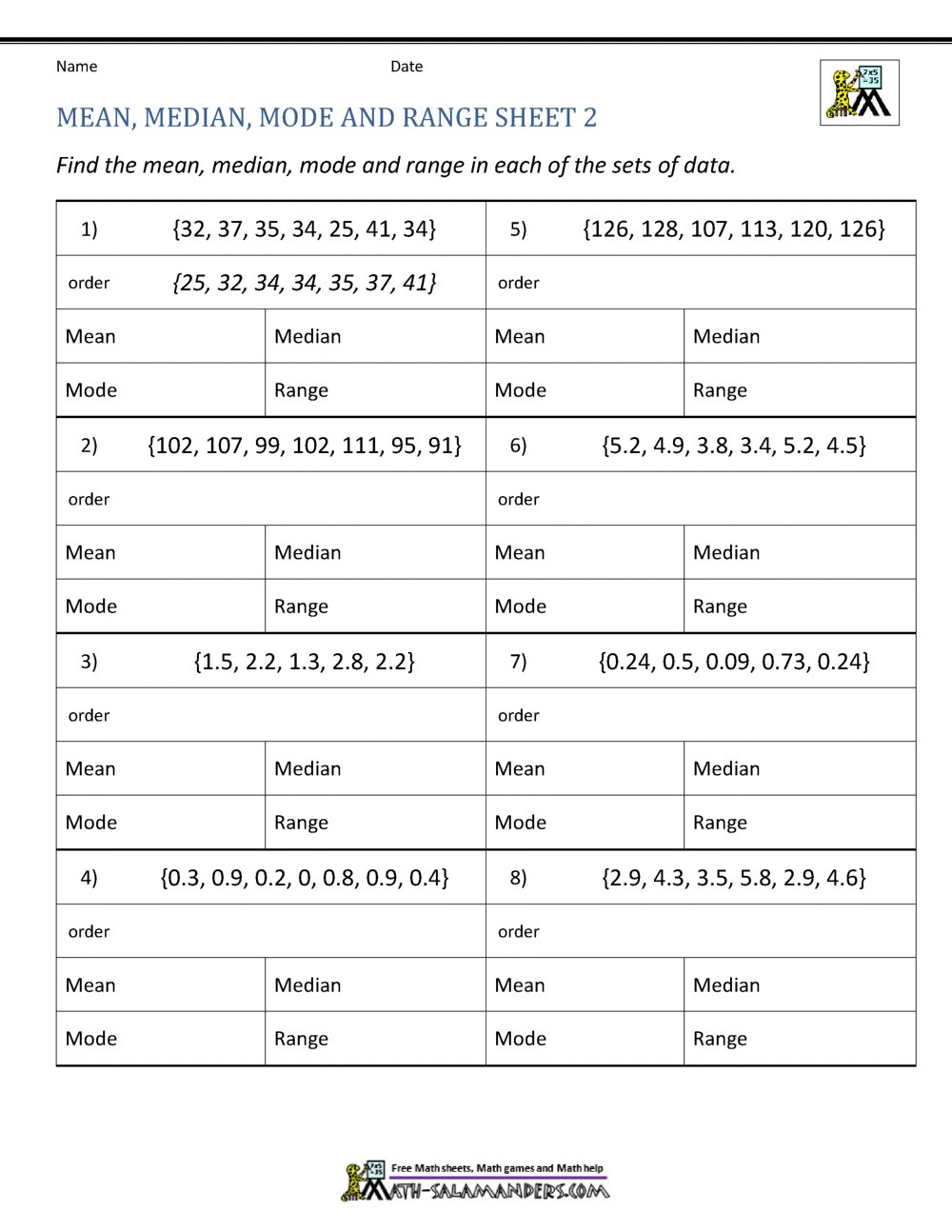
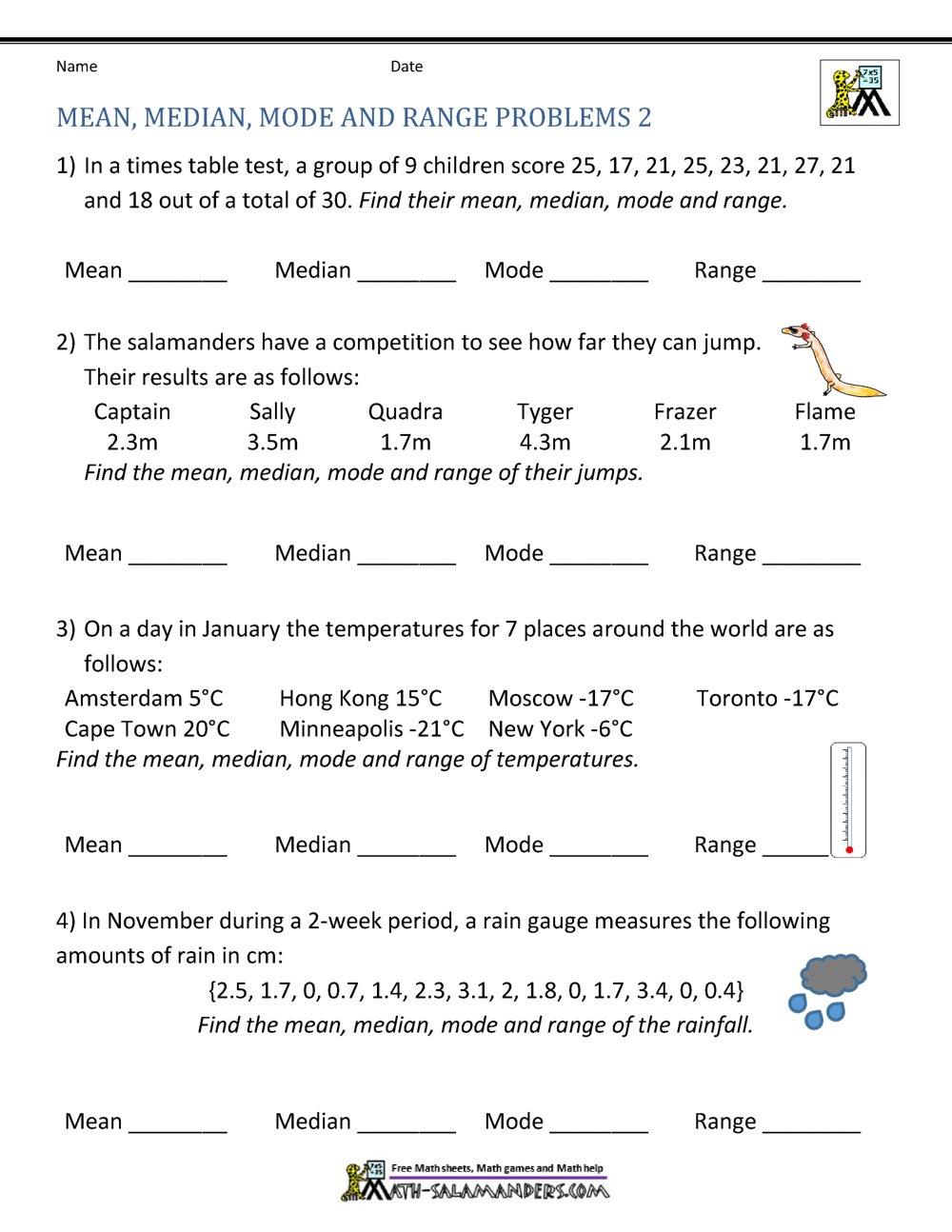
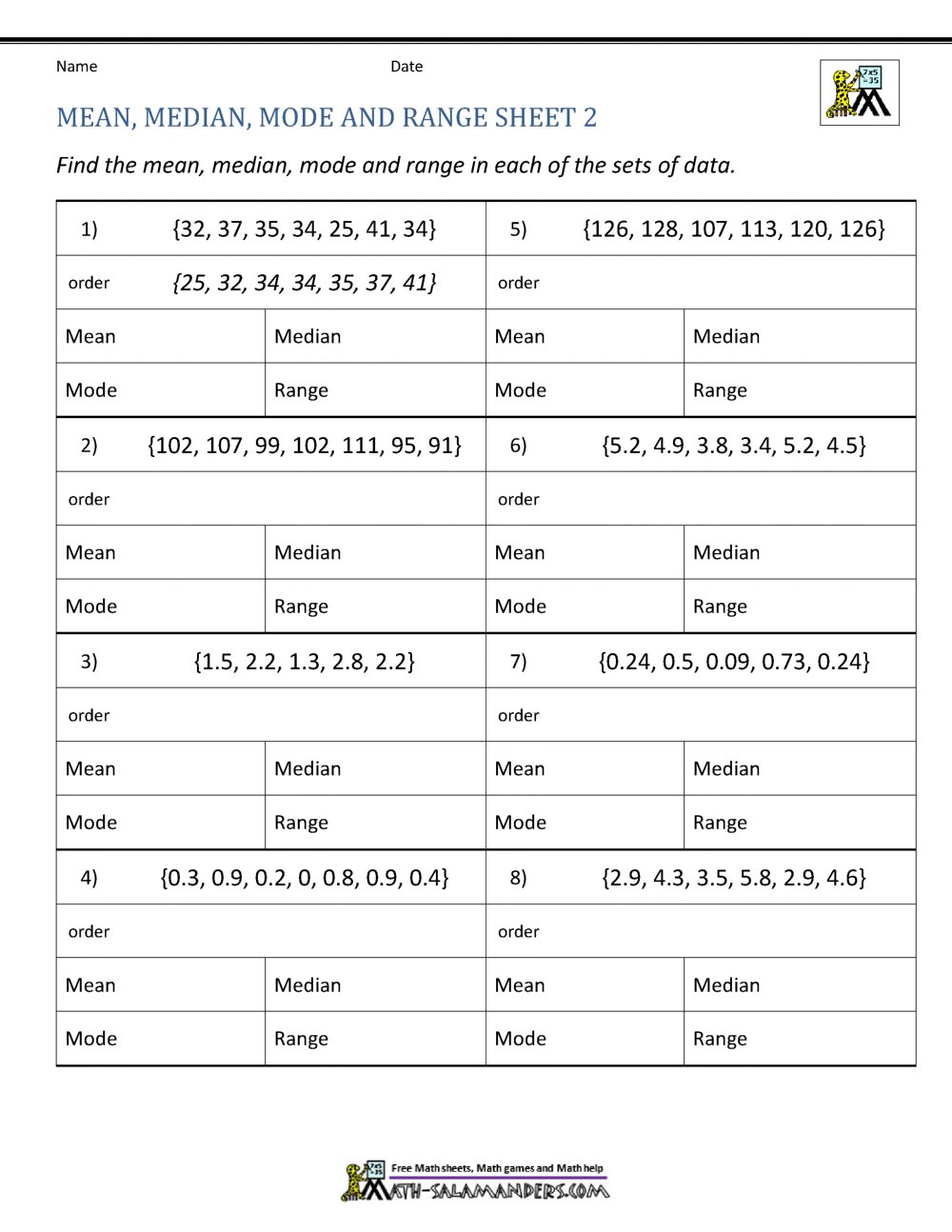
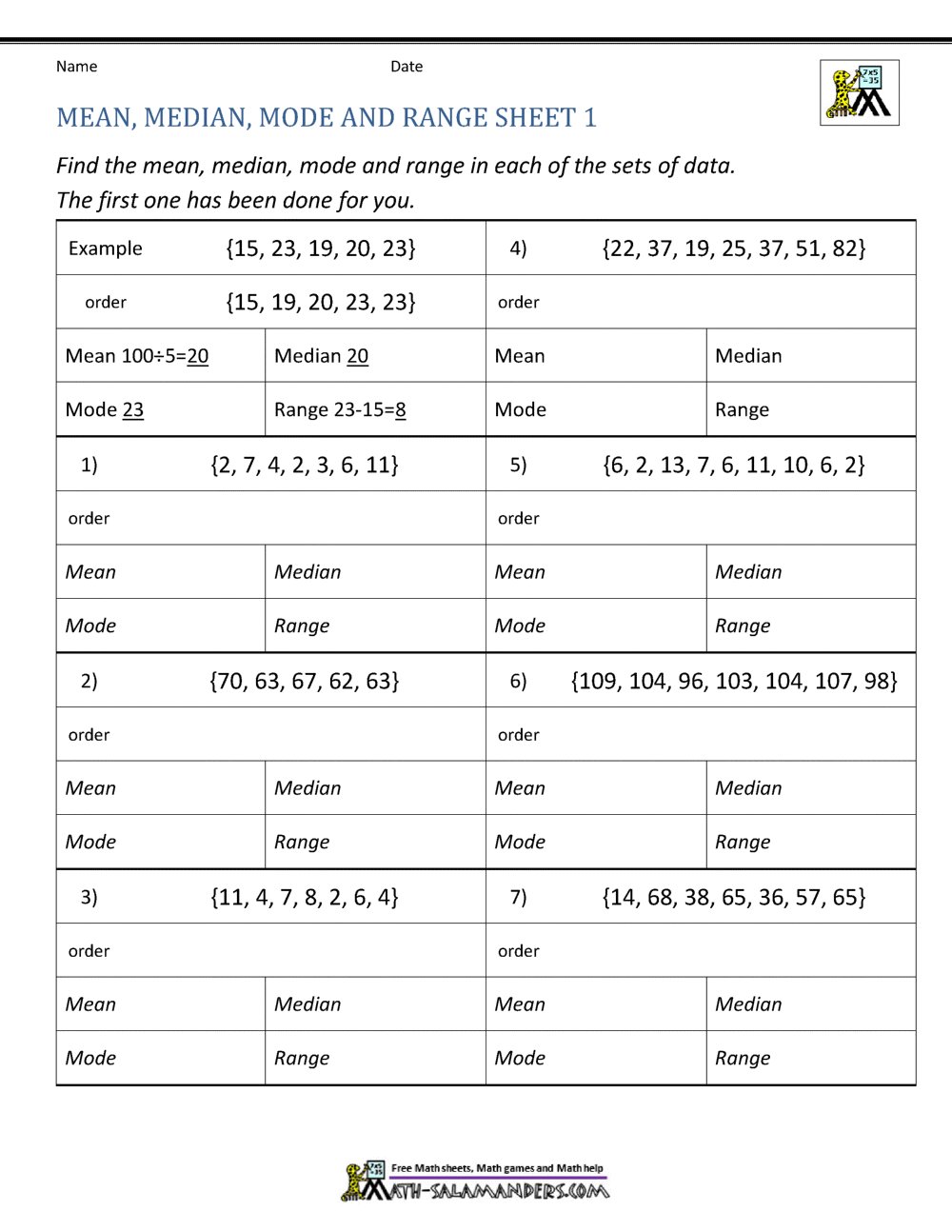
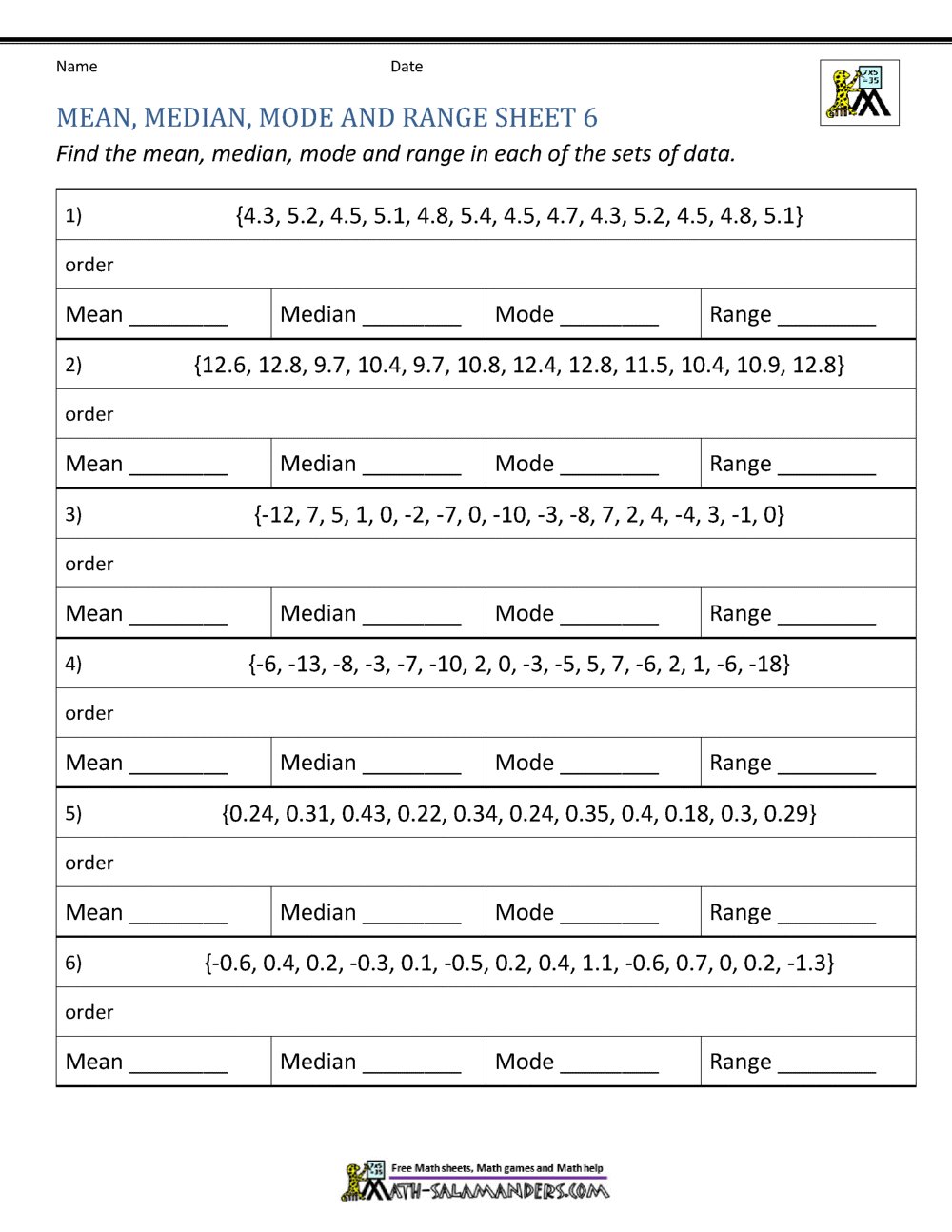
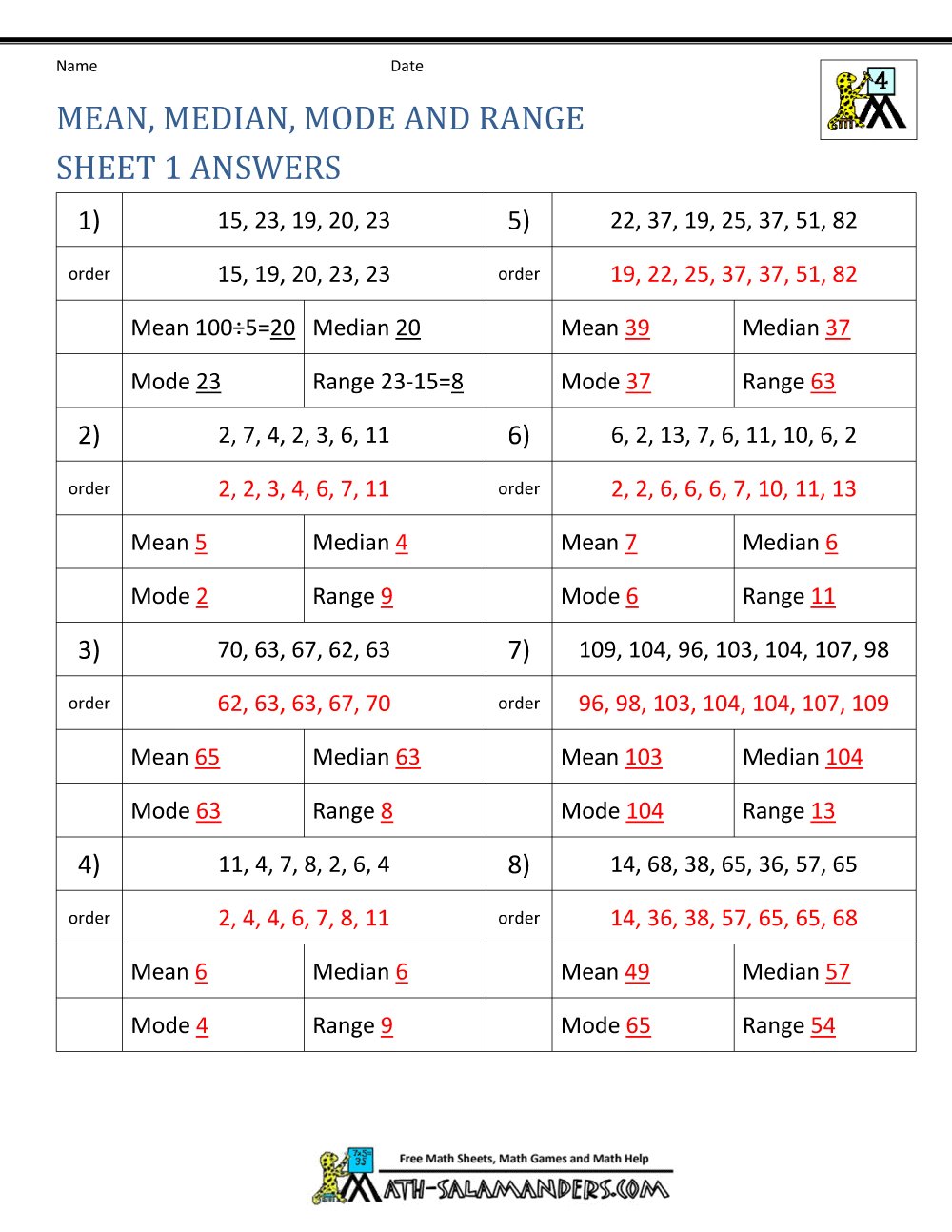
Printable Worksheets: Median mode worksheets and mode worksheets are a great option for practicing these concepts. They allow kids to write down and organize data, calculate the measures, and then check their answers using a calculator.
Endolab Worksheets: Endolab offers a range of mode worksheets endolab resources, including printable sheets and online tools, making it a versatile option for teachers and parents.
Understanding the Basics
Before using a calculator mean median mode range for kids, ensure they grasp the fundamental concepts:
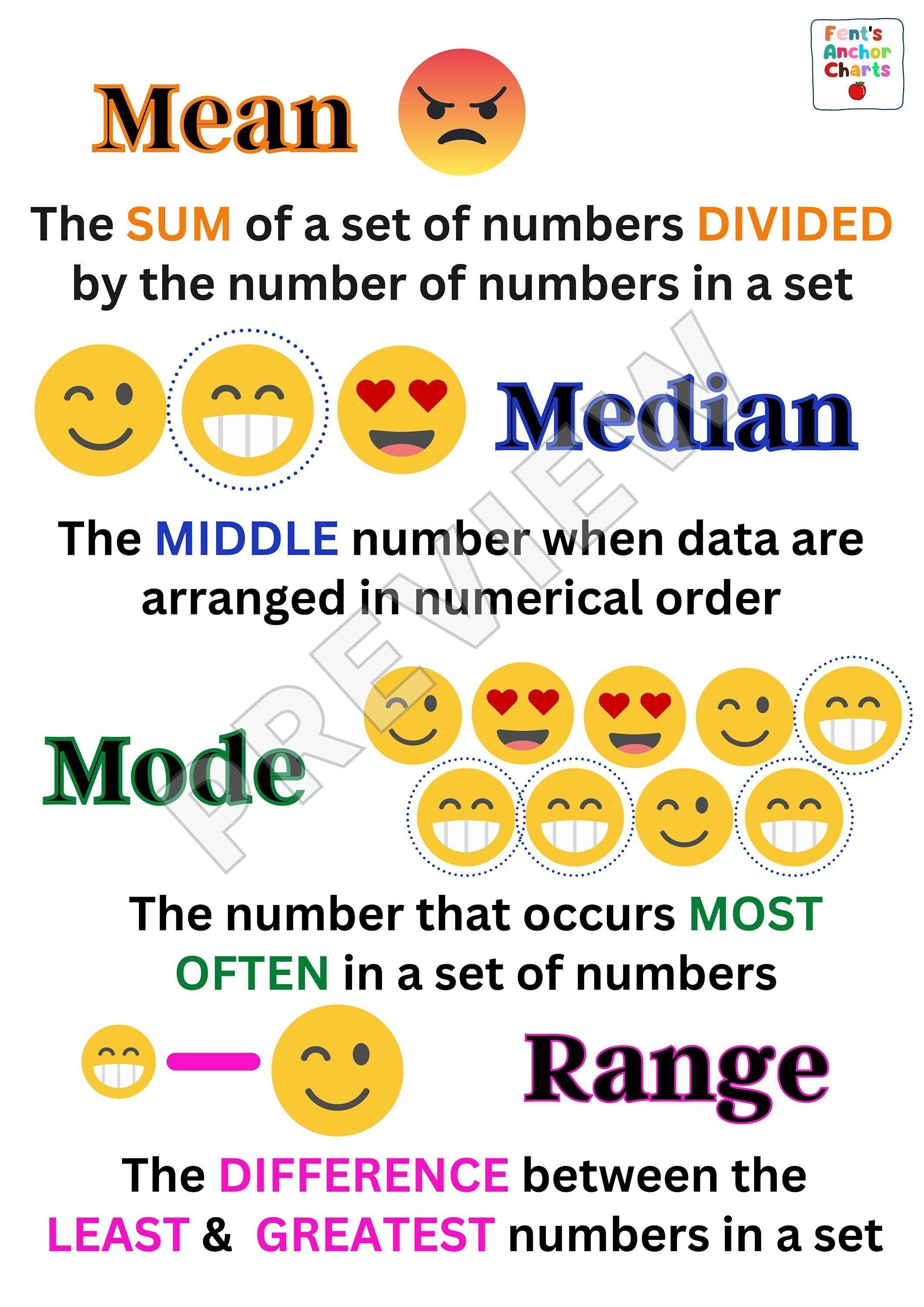
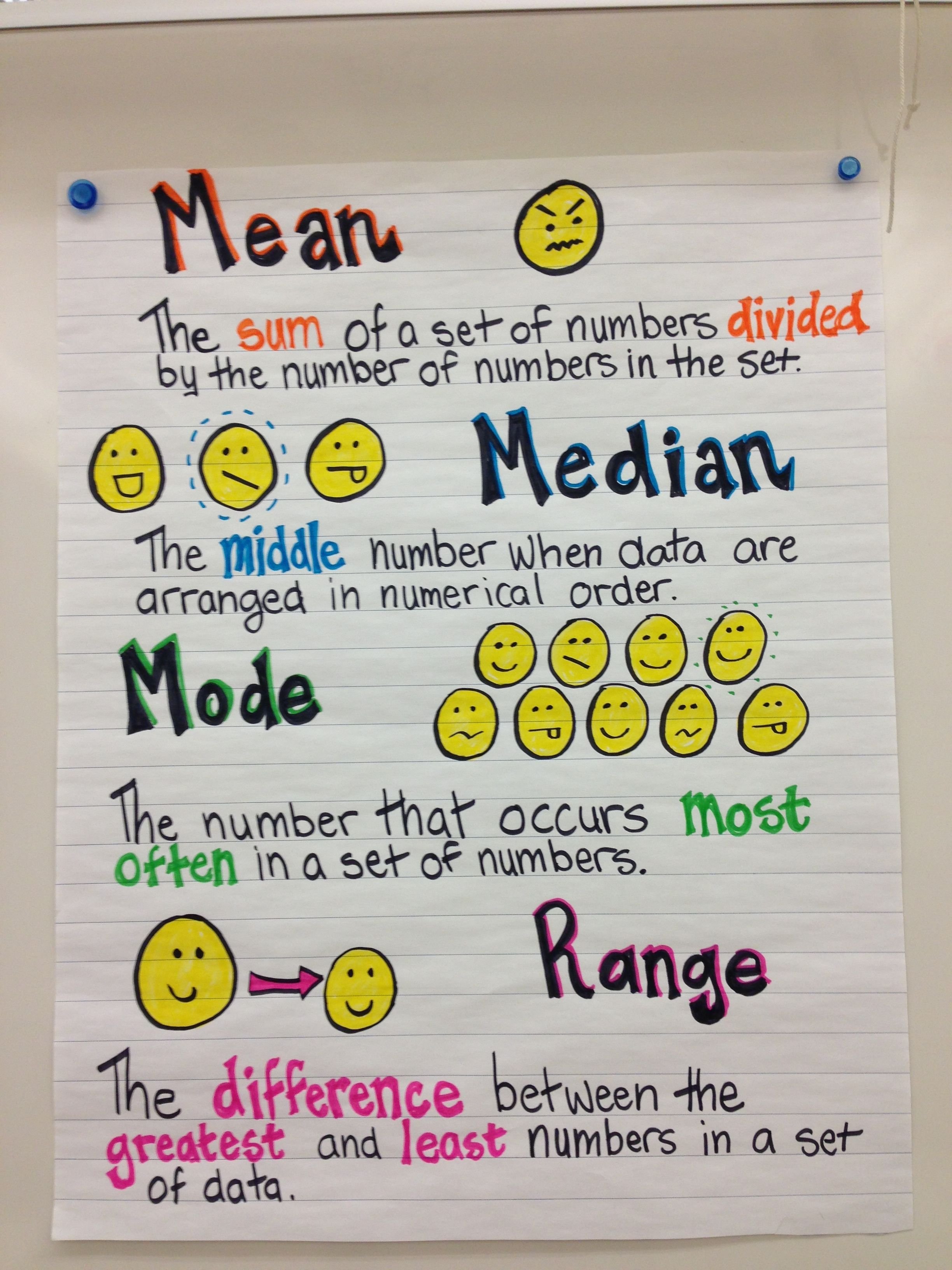
Mean
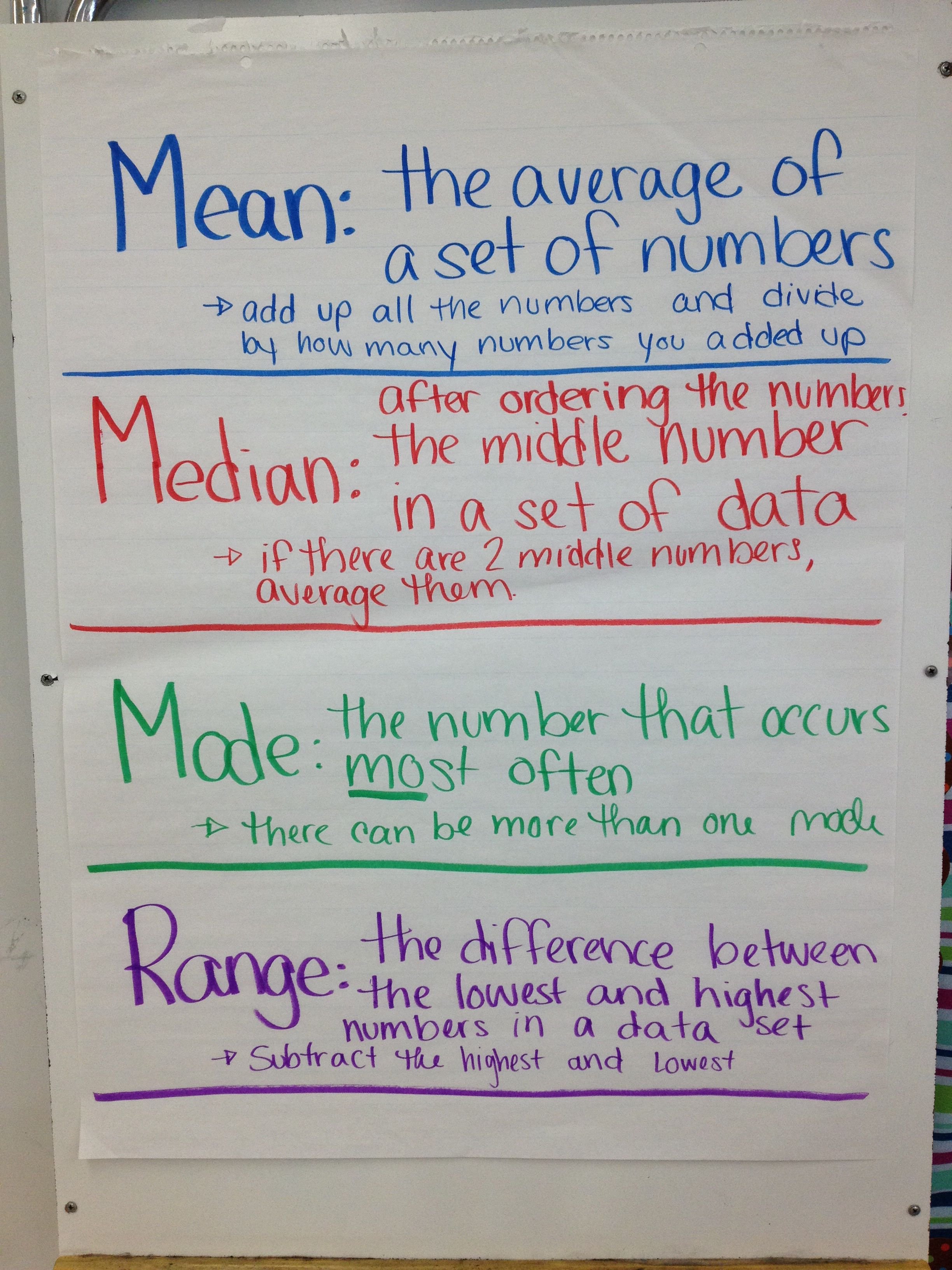
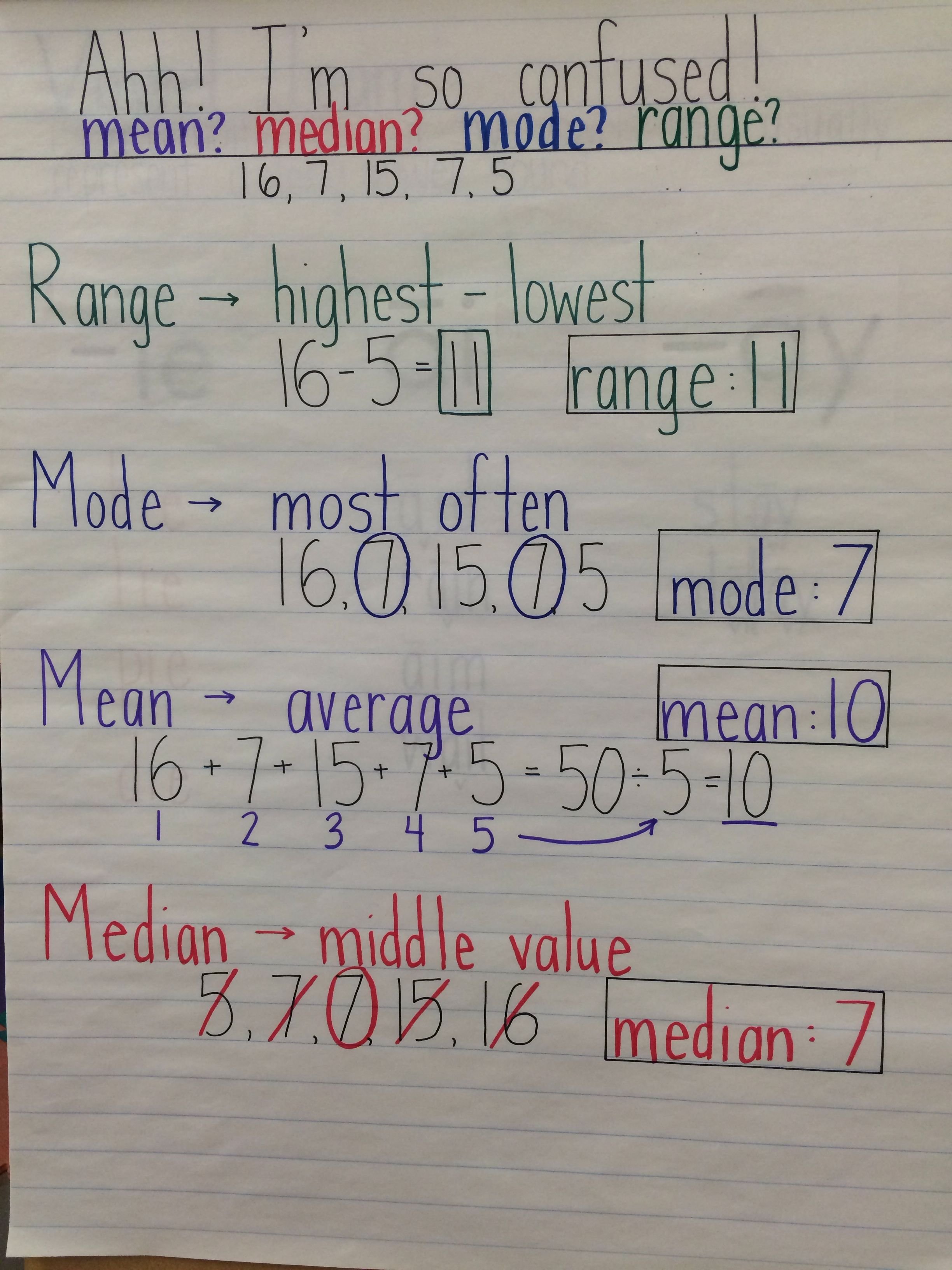
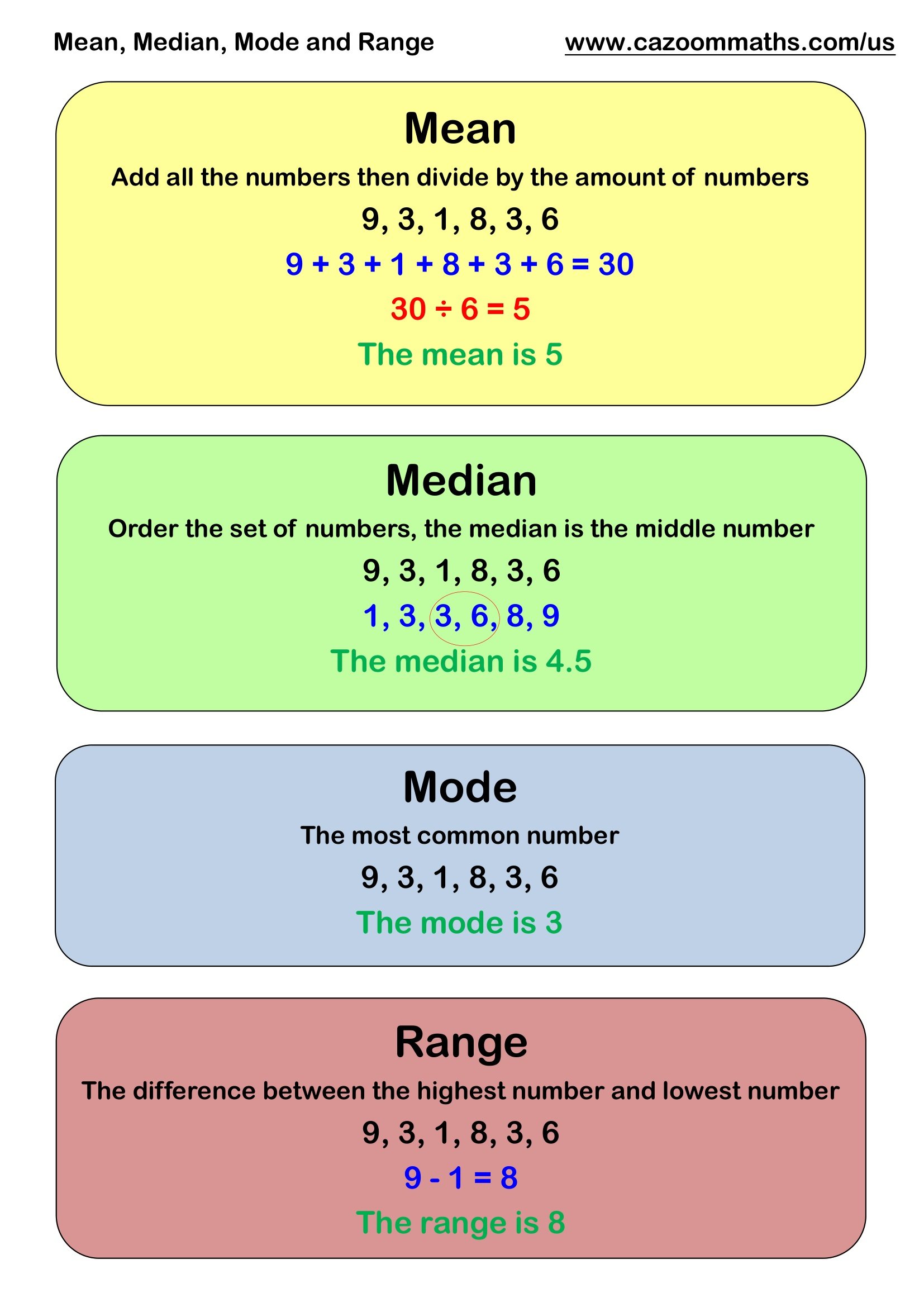
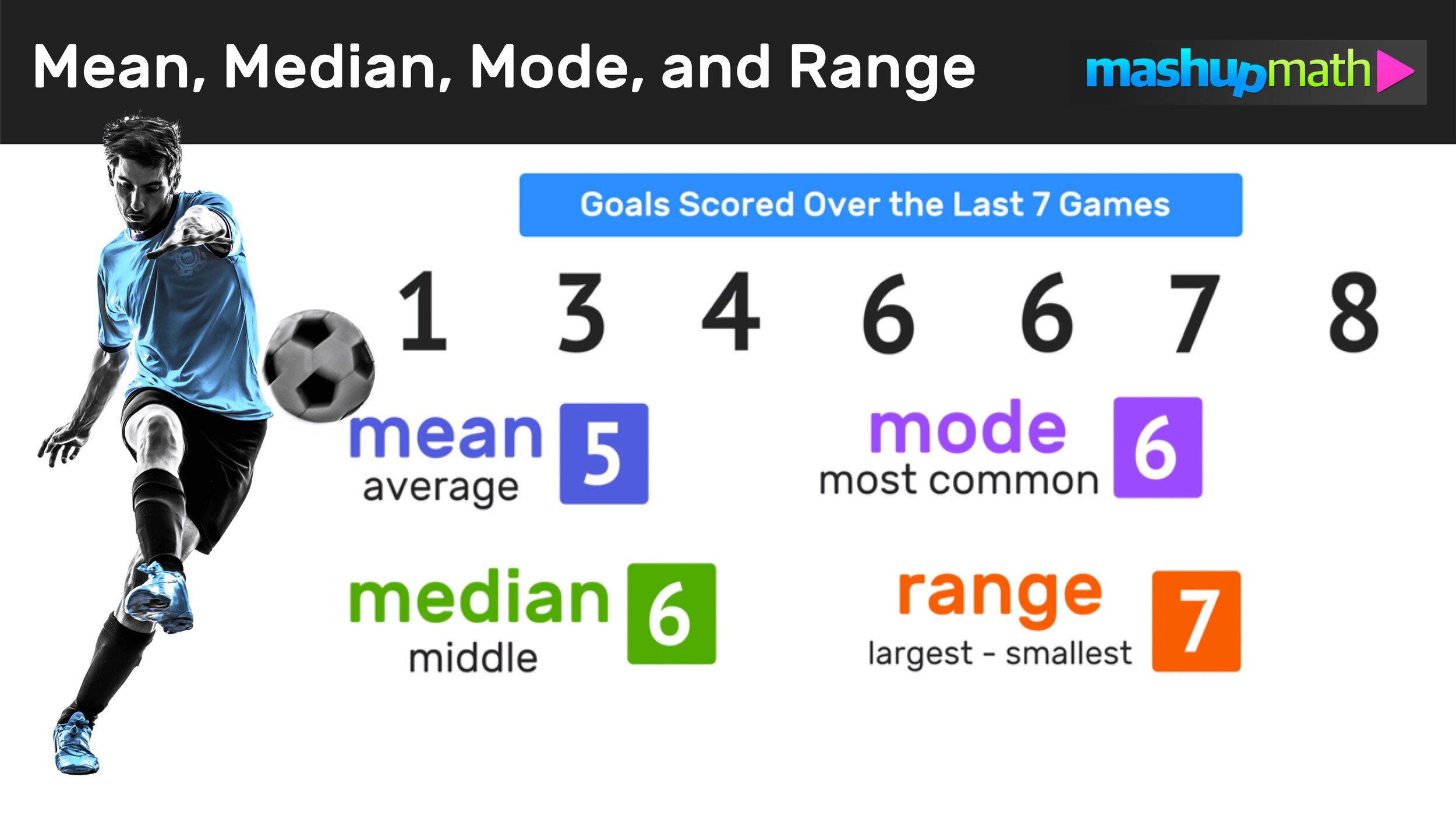
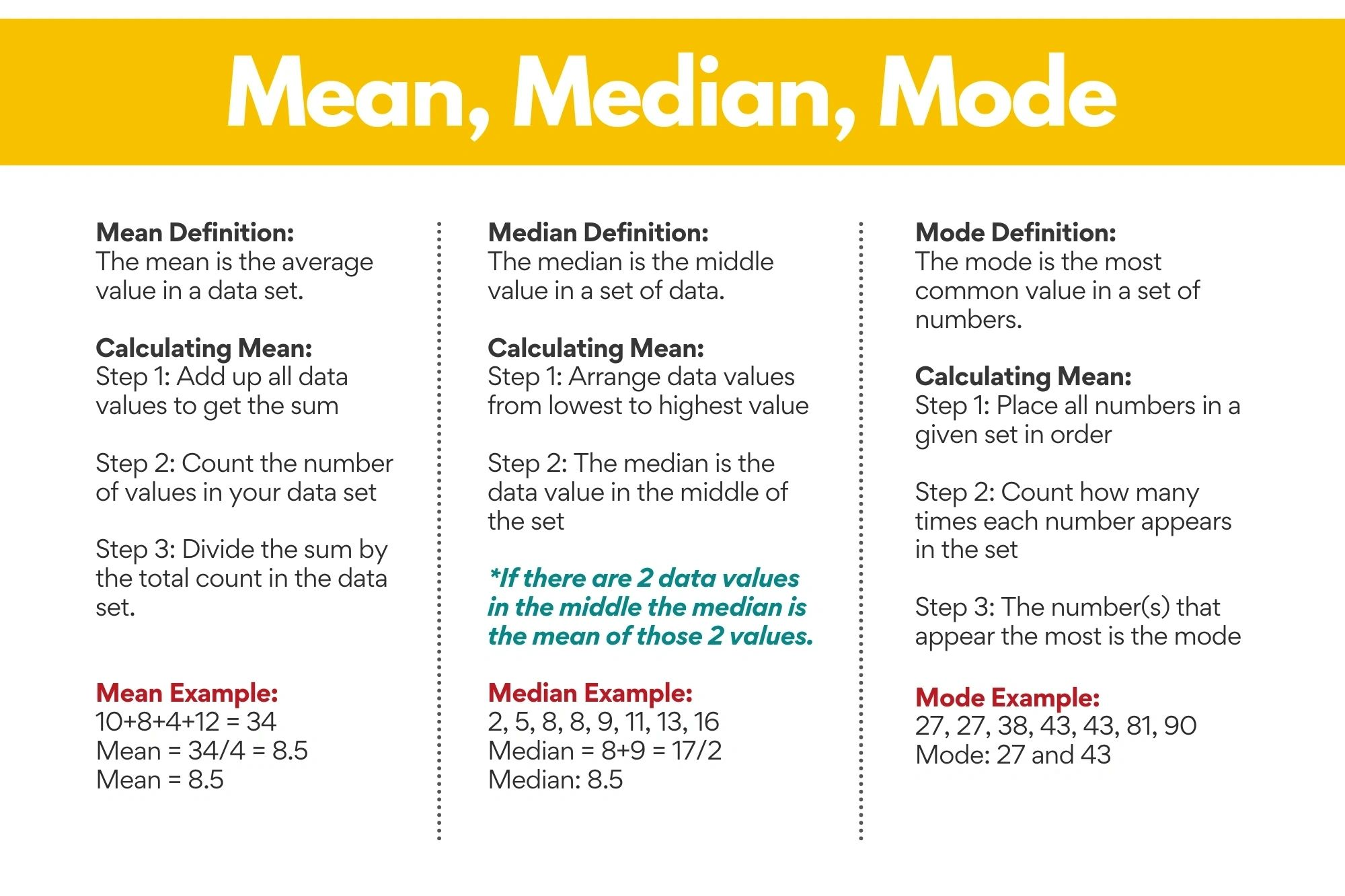
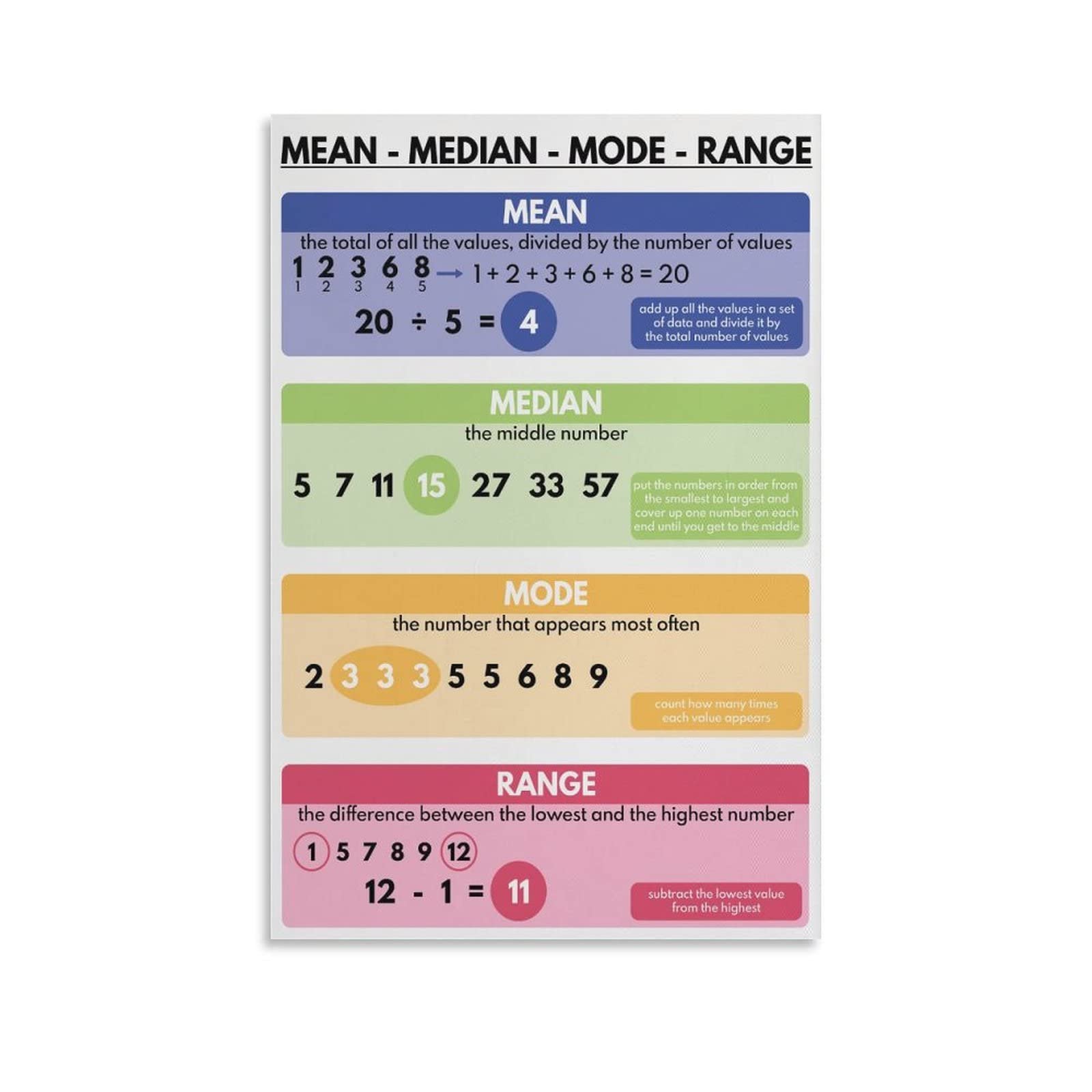
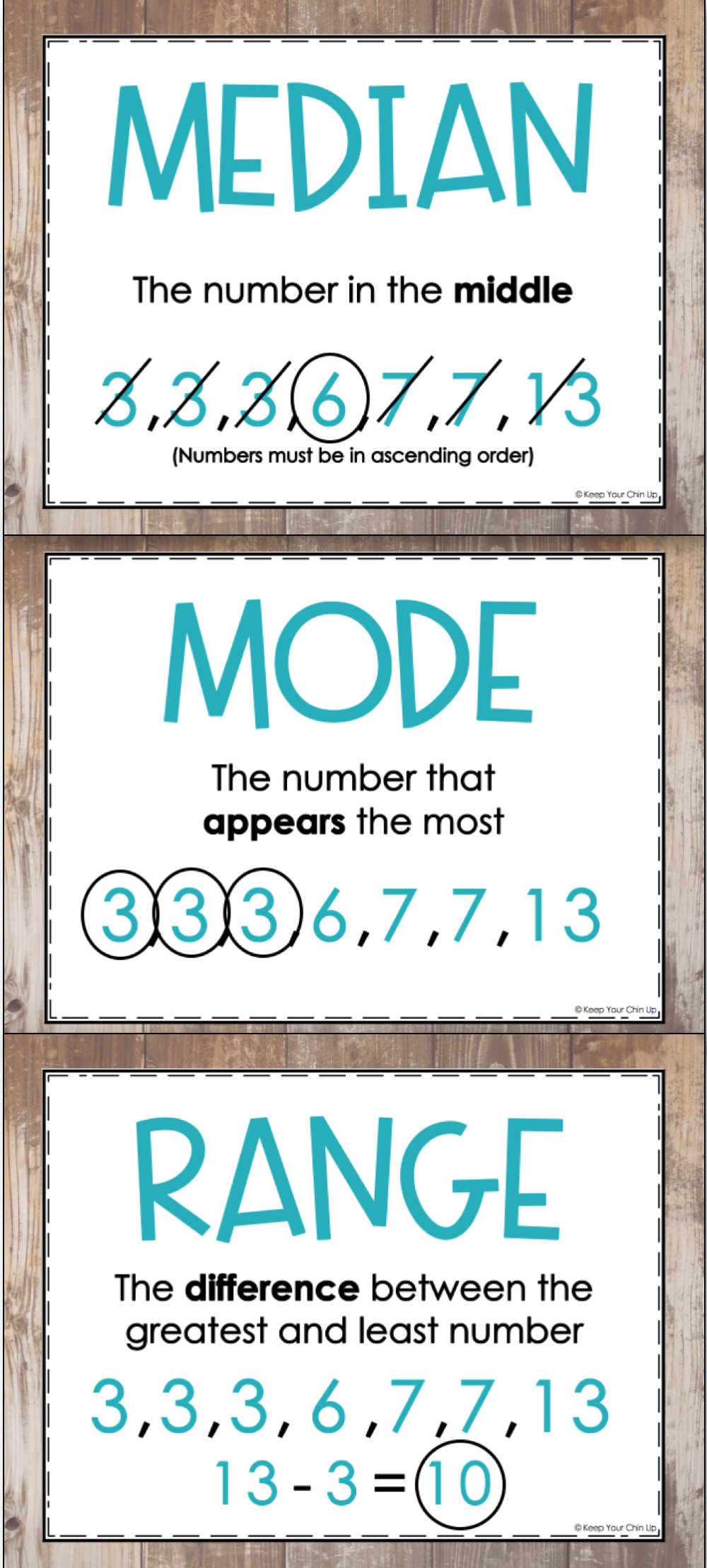
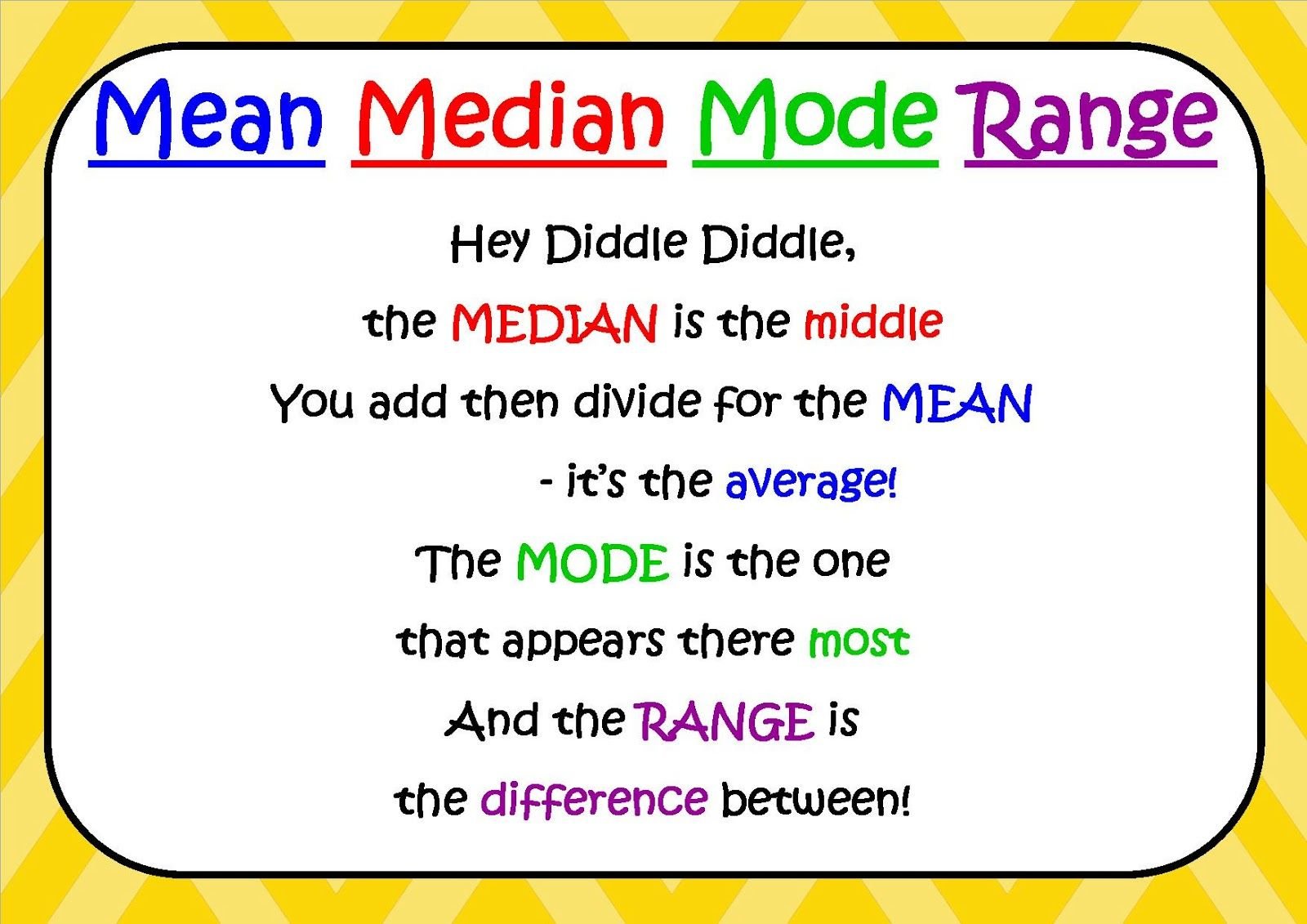
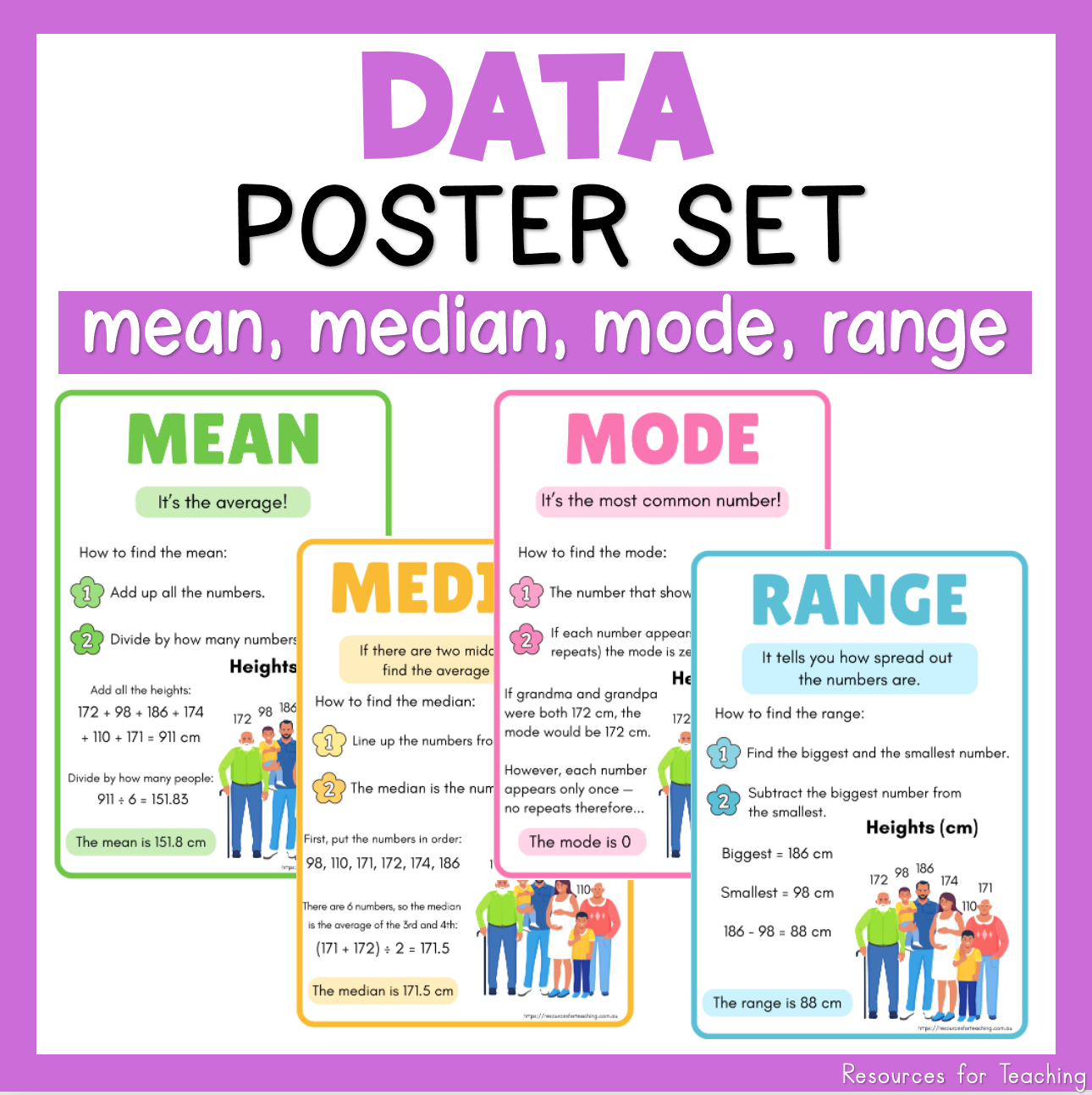
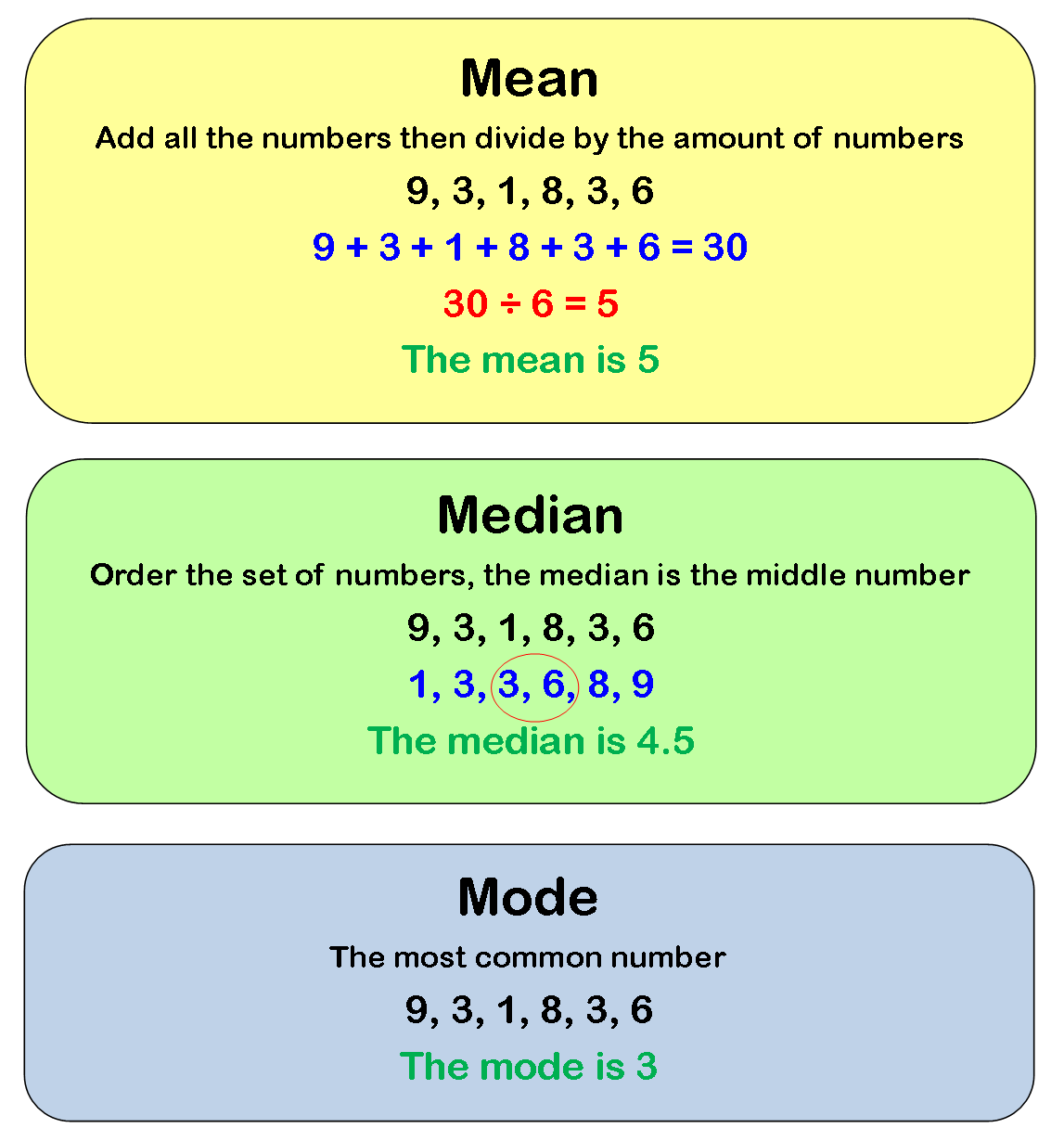
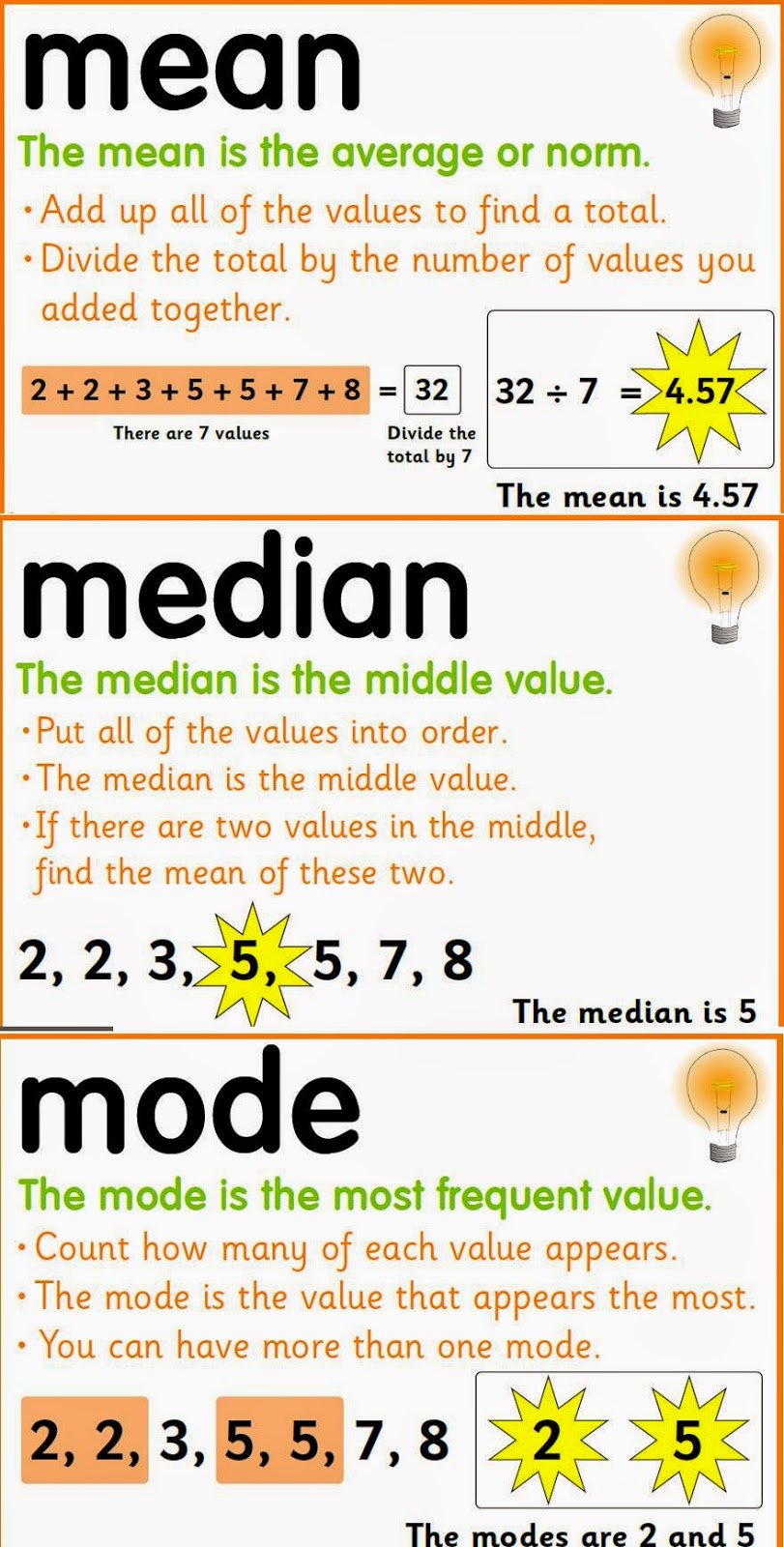
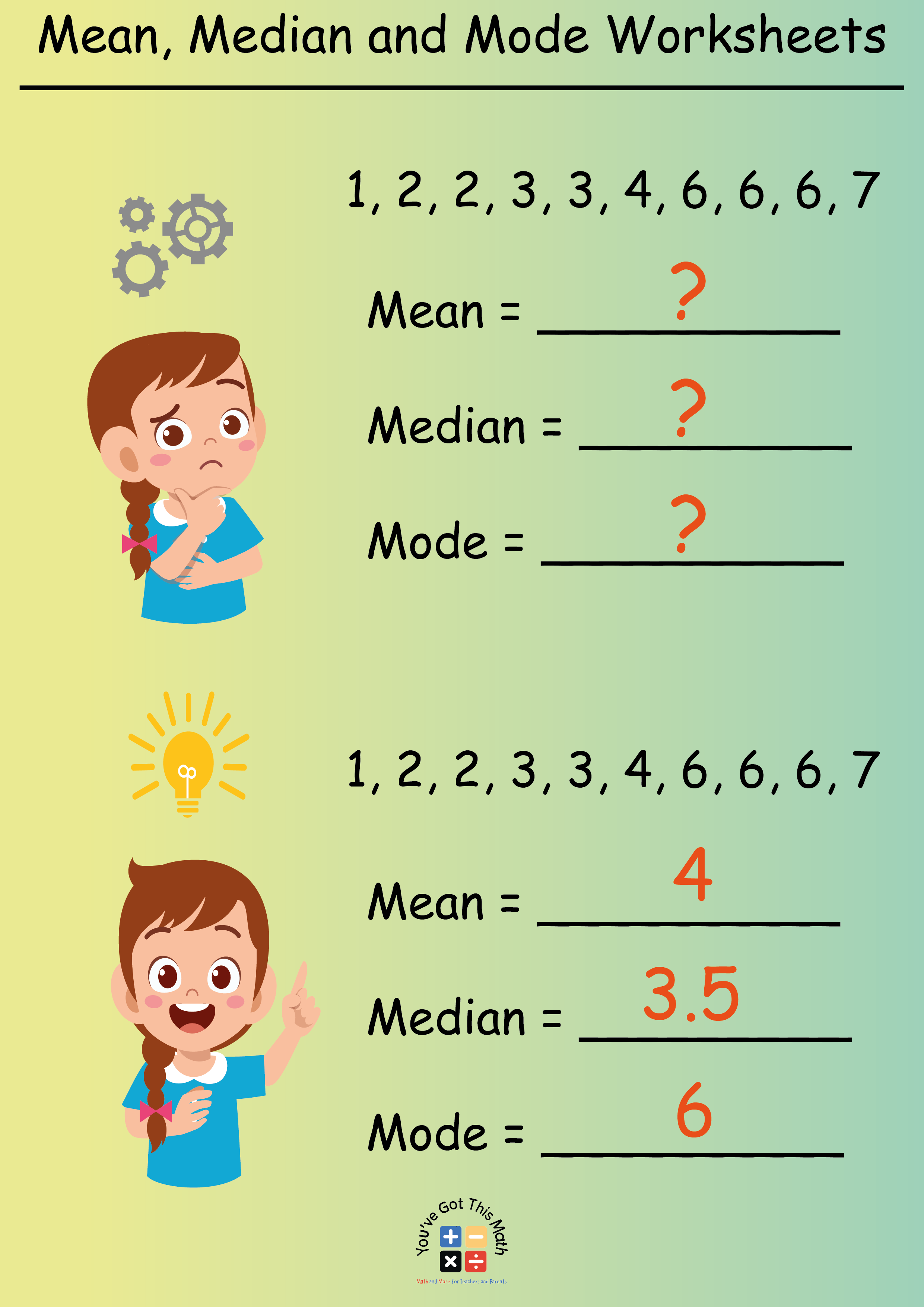
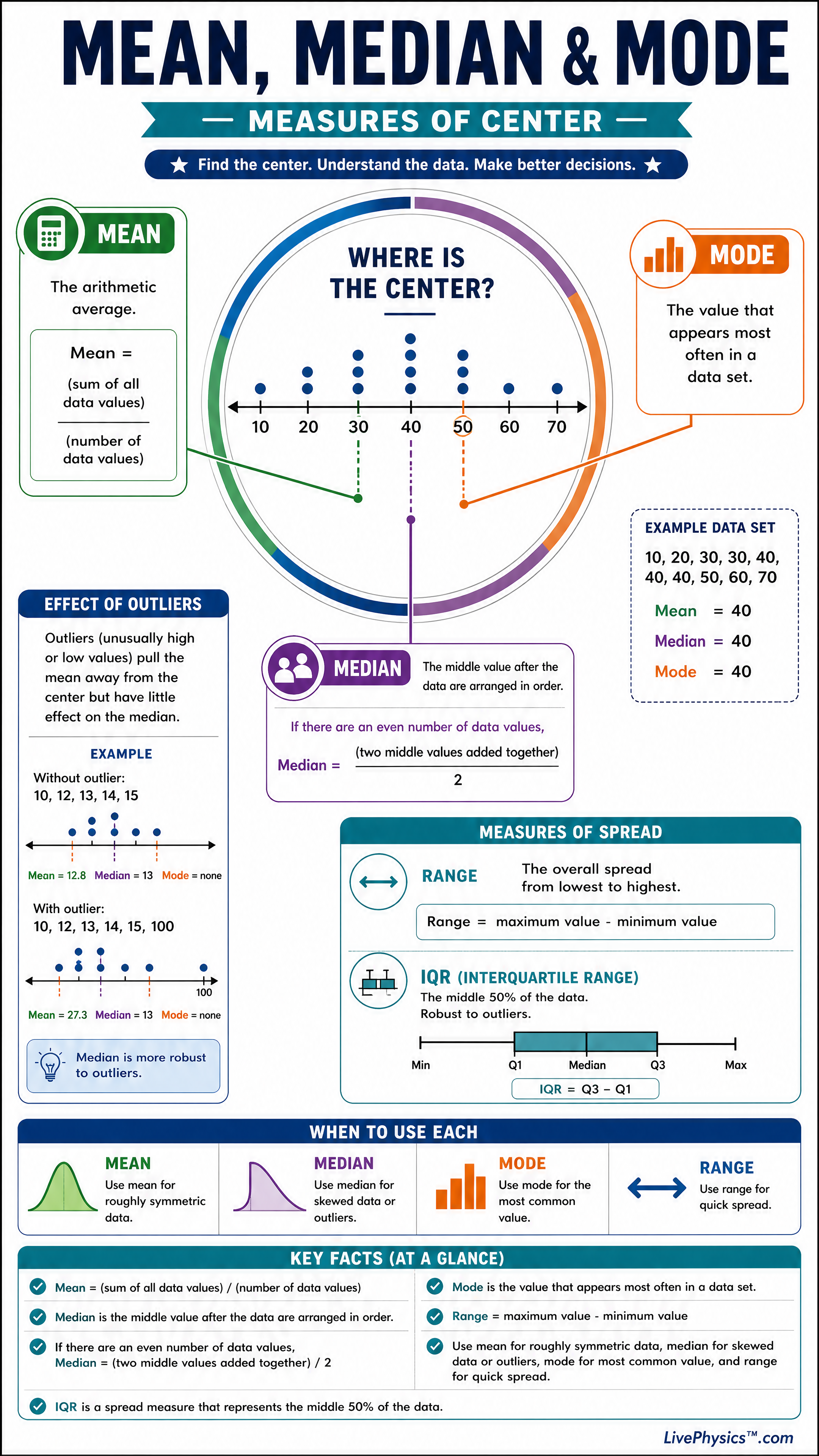
The mean is the average of a set of numbers. It's calculated by adding all the values and dividing by the count.
Median
The median is the middle value in a sorted list of numbers. If there's an even count, the median is the average of the two middle numbers.
Mode
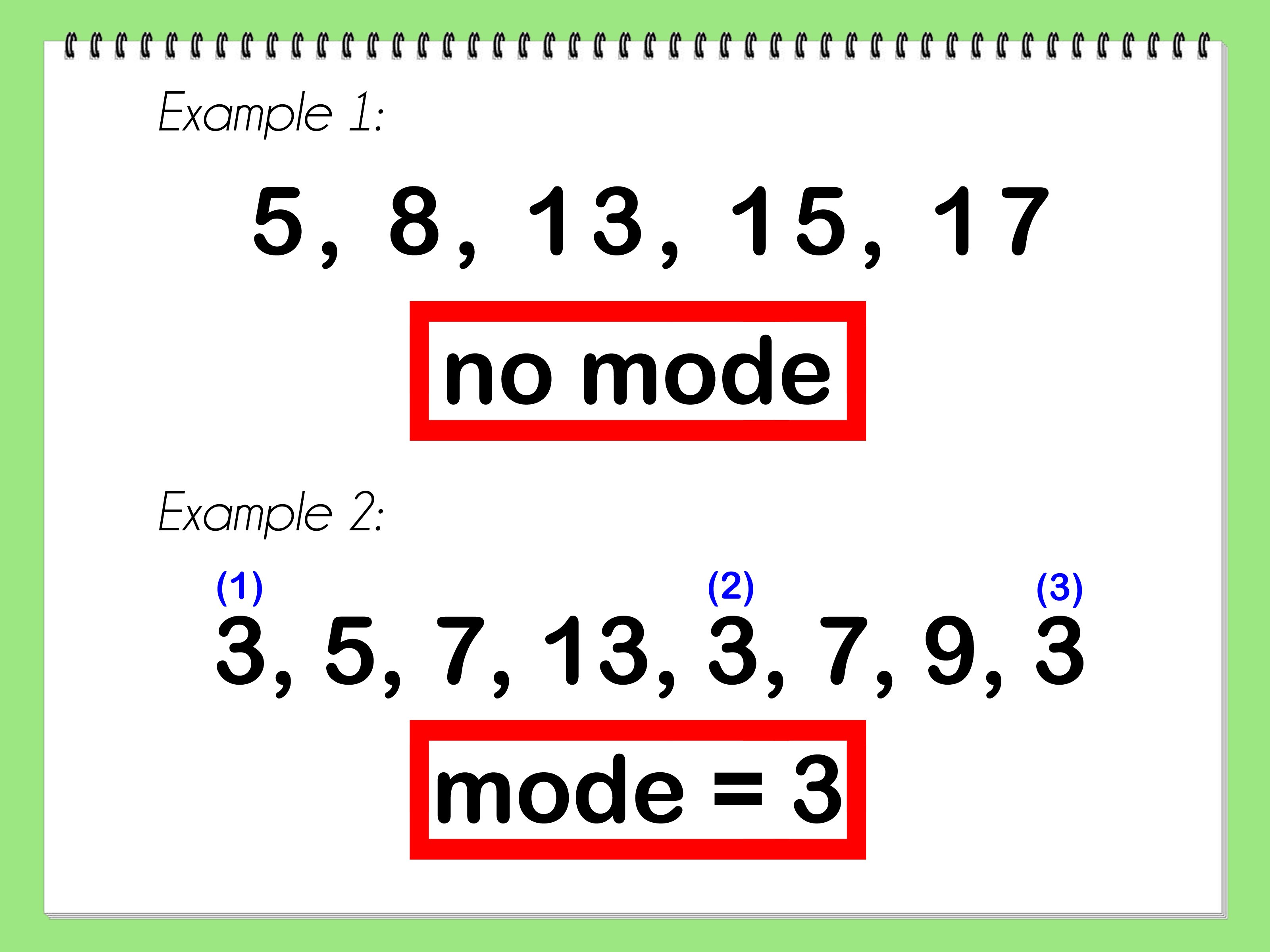
The mode is the value that appears most frequently in a data set. There can be more than one mode if multiple values appear with the same frequency.
Range
The range shows the spread of values in a data set. It's calculated by subtracting the smallest value from the largest.
Using a Calculator
When using a calculator mean median mode range for kids, guide them through the process:
Input the data set, ensuring the numbers are entered correctly.
Select the measure you want to calculate: mean, median, mode, or range.
The calculator will provide the result, often with a visual representation or a simple explanation.
Encourage kids to check their understanding by calculating the measures manually and comparing the results.
Real-World Applications
Understanding mean, median, mode, and range is essential for analyzing data in various contexts. These concepts are used in:
Statistics and Probability: To describe and compare data sets.
Science and Research: For interpreting experimental results.
Everyday Life: From calculating averages in sports to understanding population statistics.
Further Resources
For a more in-depth understanding, explore:
Meaning of Conflict in a Story: A guide to help kids understand conflict in narratives.
Photography Follow-up XLSX Easy: A simple spreadsheet for organizing and analyzing photography data.
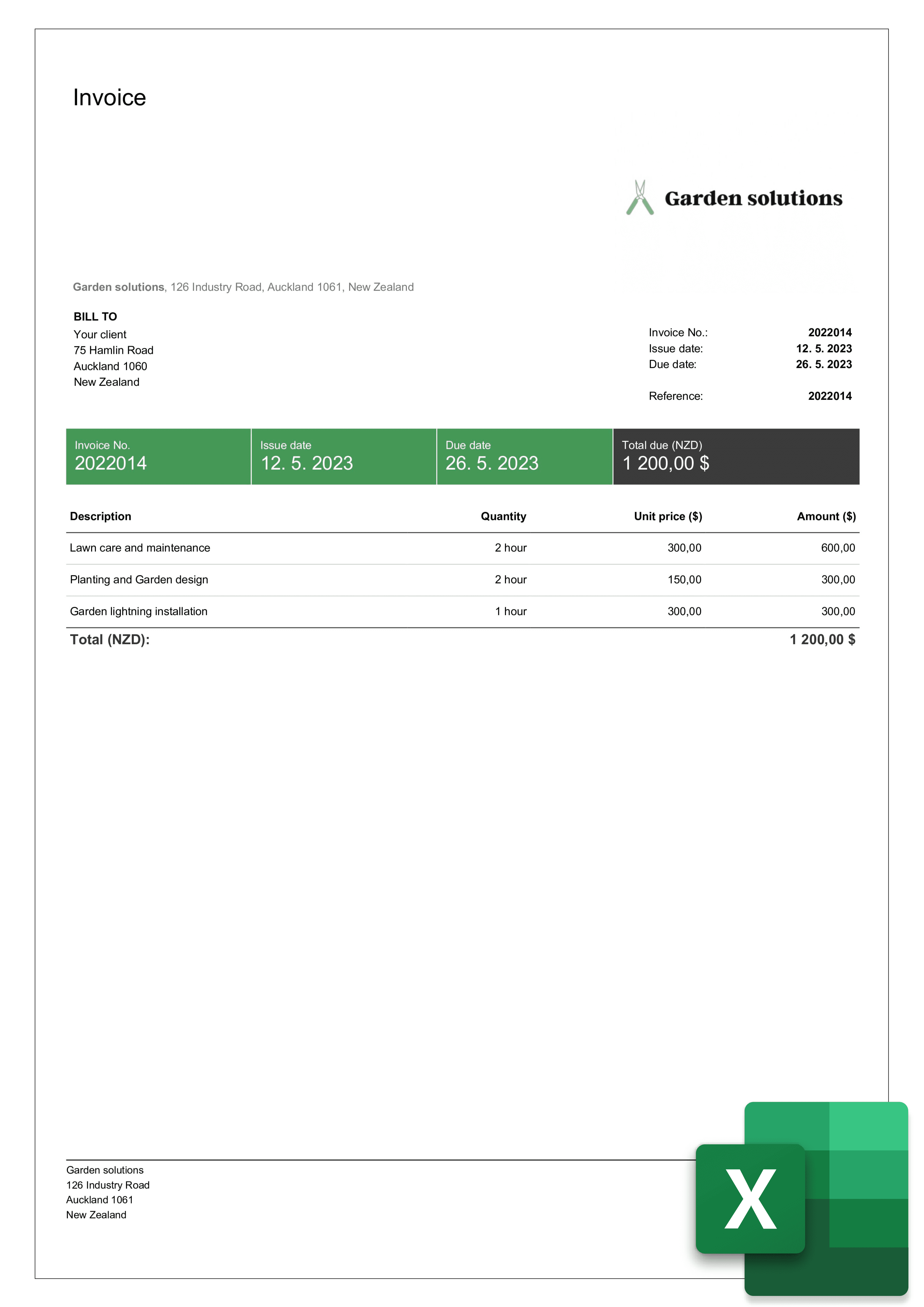
Ladies Shopee Bill Format Letter Size: A template for creating professional invoices.
These resources offer a range of practical applications and further reinforce the importance of mean, median, mode, and range in different fields.