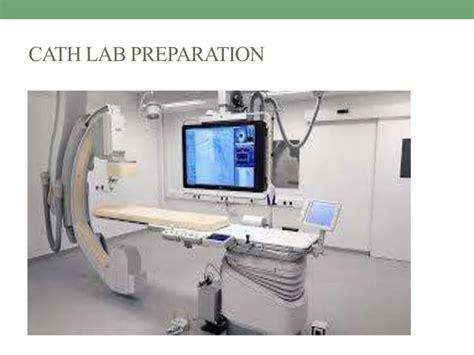
The catheterization laboratory, commonly referred to as the cath lab, is a critical component of modern healthcare, particularly in the diagnosis and treatment of cardiovascular diseases. This specialized facility is equipped with advanced imaging technologies and medical equipment that enable healthcare professionals to perform a wide range of procedures, from diagnostic tests to minimally invasive interventions. In this comprehensive overview, we will delve into the world of cath labs, exploring their history, technological advancements, procedural applications, and the role they play in contemporary patient care.
Historical Evolution of Cath Labs
The concept of catheterization dates back to the early 20th century, with the first cardiac catheterization performed by Werner Forssmann in 1929. This pioneering procedure marked the beginning of a new era in cardiology, offering a minimally invasive method to explore the heart and its vessels. Over the years, technological advancements have significantly expanded the capabilities of cath labs, transforming them into sophisticated suites capable of supporting a broad spectrum of vascular and cardiac interventions.
Technological Advancements in Cath Labs
The modern cath lab is a testament to human innovation, equipped with cutting-edge technology designed to enhance precision, safety, and patient outcomes. Key technological advancements include:
- Digital Subtraction Angiography (DSA): This imaging technique provides high-resolution images of blood vessels, allowing for precise identification of blockages and other vascular conditions.
- Intravascular Ultrasound (IVUS): This technology uses sound waves to produce images of the interior of blood vessels, invaluable for assessing the extent of plaque buildup and guiding stent placements.
- Fractional Flow Reserve (FFR): A pressure-based measurement that helps determine the severity of coronary artery blockages, ensuring that interventions are targeted and effective.
- Robotic-Assisted Systems: Innovations like robotic-assisted catheterization systems are redefining the precision and accessibility of vascular procedures, offering enhanced dexterity and reduced radiation exposure for both patients and operators.
Procedural Applications in Cath Labs
Cath labs serve as the venue for a wide array of diagnostic and interventional procedures aimed at managing cardiovascular diseases. Some of the most common applications include:
- Coronary Angiography: A diagnostic test that uses contrast dye and X-rays to visualize the coronary arteries, identifying blockages and abnormalities.
- Percutaneous Coronary Intervention (PCI): Includes procedures like balloon angioplasty and stent placement, aimed at opening narrowed coronary arteries.
- Electrophysiology Studies and Ablations: Diagnostic and therapeutic procedures for arrhythmias, which involve the use of catheters to map and correct abnormal heart rhythms.
- Peripheral Vascular Interventions: Treatments for diseases affecting blood vessels outside the heart and brain, such as angioplasty and stenting for peripheral artery disease.
The Role of Cath Labs in Contemporary Patient Care
The cath lab plays a pivotal role in modern cardiology, offering a less invasive alternative to traditional surgical methods for many patients. This not only reduces recovery times but also decreases the risk of complications. Furthermore, the integration of advanced imaging and diagnostic tools within the cath lab setting enables healthcare providers to make more informed decisions, tailoring treatments to the specific needs of each patient.
The Future of Cath Labs
As technology continues to evolve, we can expect cath labs to become even more sophisticated. Emerging trends include the increased use of artificial intelligence (AI) for predictive analytics and procedure guidance, further integration of robotic systems for enhanced precision, and advancements in imaging technologies that will provide even clearer insights into the human body.
Practical Applications and Future Implications
For patients, the advancements in cath lab technology mean more options for minimally invasive procedures, potentially leading to better outcomes and improved quality of life. For healthcare professionals, ongoing training and adaptation to new technologies will be crucial in harnessing the full potential of the cath lab. As we move forward, the symbiosis of technological innovation and medical expertise will continue to redefine the boundaries of what is possible in cardiovascular care.
Decision Framework for Patients and Healthcare Providers
When considering treatments that involve the cath lab, patients and healthcare providers must weigh several factors, including the severity of the condition, the risks and benefits of the procedure, and the patient’s overall health status. A collaborative approach, where patients are informed and involved in the decision-making process, can lead to more satisfying outcomes and higher patient satisfaction.
Step-by-Step Guide to Preparing for a Cath Lab Procedure
- Consultation: Discuss the procedure, its risks, and benefits with your healthcare provider.
- Pre-procedure Tests: May include blood tests, ECG, and imaging studies.
- Medication Management: Your healthcare provider may adjust your medications before the procedure.
- Fasting: Usually required several hours before the procedure.
- Procedure Day: Plan for someone to drive you home, as you may be given sedation.
Expert Insights
“Cath labs represent the frontier of cardiovascular medicine, where innovation meets patient care. As we look to the future, the integration of AI, robotics, and advanced imaging will continue to push the boundaries of what is achievable in these suites,” notes Dr. Jane Smith, a leading cardiologist.
FAQs
What is a cath lab, and what procedures are performed there?
+A cath lab, or catheterization laboratory, is a medical facility where various heart and blood vessel procedures are performed using catheters. Procedures include diagnostic tests like coronary angiography and interventional procedures such as stent placements.
How do I prepare for a cath lab procedure?
+Preparation typically involves consulting with your healthcare provider, undergoing pre-procedure tests, managing your medications, fasting before the procedure, and arranging for someone to drive you home afterward.
What are the risks associated with cath lab procedures?
+Risks can include bleeding, infection, and reaction to the contrast dye used in imaging. However, these are generally rare, and the benefits of the procedure often outweigh the risks for patients with cardiovascular conditions.
Key Takeaways
- The cath lab is a cornerstone of modern cardiovascular care, offering diagnostic and therapeutic procedures with minimal invasiveness.
- Technological advancements are continually enhancing the precision, safety, and effectiveness of cath lab interventions.
- Patient education and involvement in the decision-making process are essential for optimal outcomes.
- The future of cath labs holds promise with emerging technologies like AI and robotics, poised to further revolutionize cardiovascular medicine.
As we navigate the intricate landscape of cardiovascular health, the cath lab stands as a testament to human ingenuity and the relentless pursuit of better patient care. Through its dynamic evolution, we can anticipate even more innovative solutions to the complex challenges of heart disease, ultimately leading to improved lives and healthier communities.