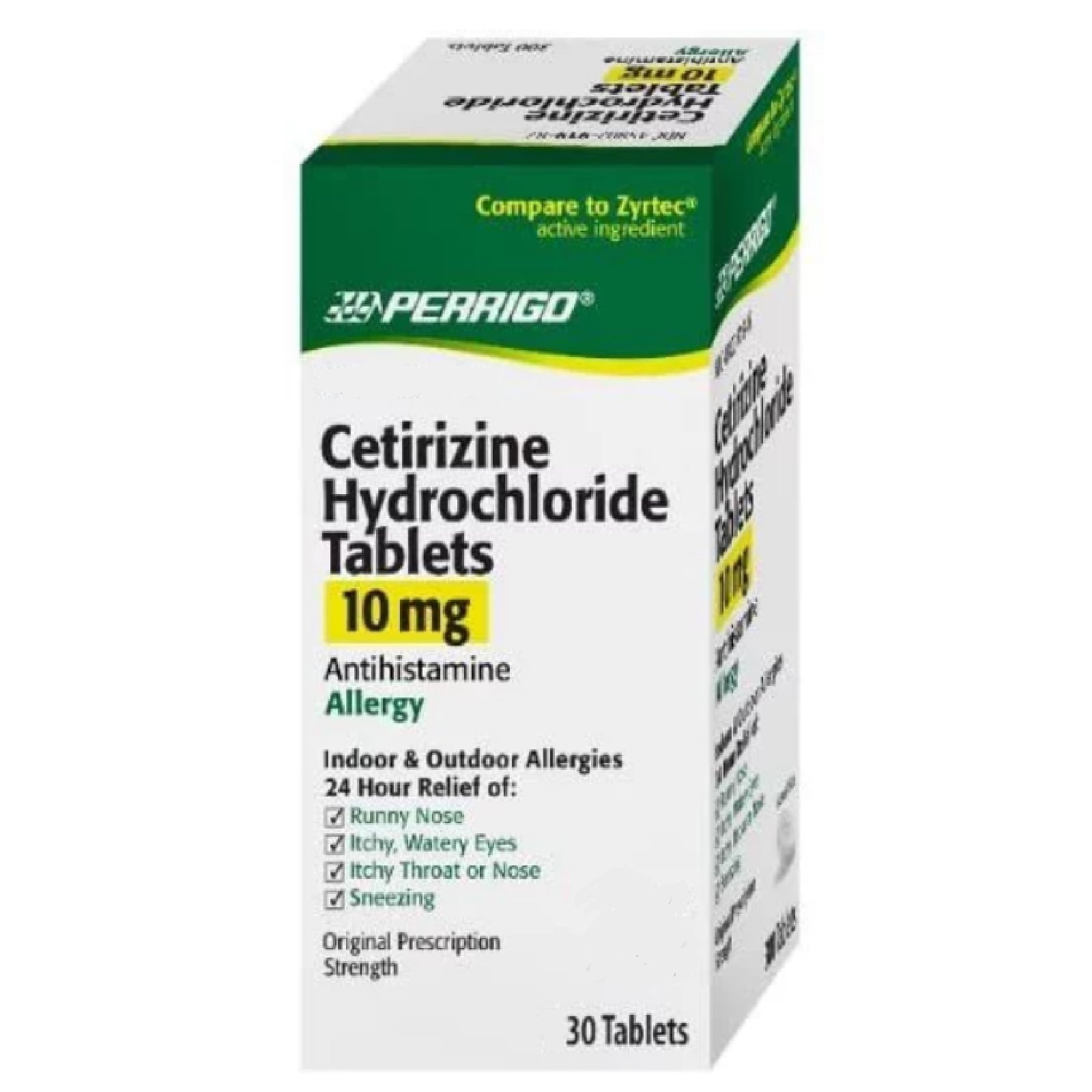
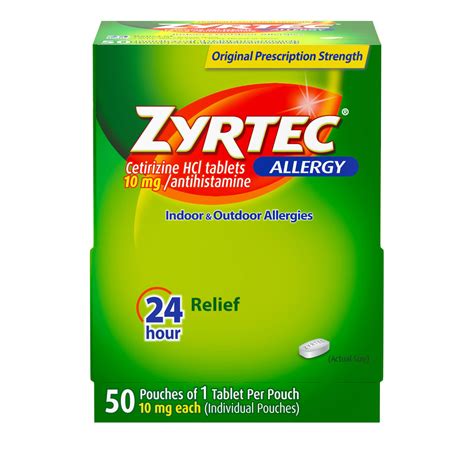
Cetirizine, commonly known by its brand name Zyrtec, is a widely used antihistamine that provides relief from allergy symptoms such as itching, sneezing, runny nose, and hives. It is available over-the-counter (OTC) and by prescription, in various forms including tablets, capsules, and oral solutions. One of the common dosages of cetirizine is 10 mg, which is often taken once daily.
How Cetirizine 10 Mg Works
Cetirizine works by blocking the action of histamine, a substance in the body that causes allergy symptoms. Histamine is released from mast cells in response to allergens like pollen, dust mites, or pet dander. By blocking histamine receptors, cetirizine reduces the symptoms associated with allergies, providing quick and effective relief.
Indications for Use
Cetirizine 10 mg is indicated for the relief of symptoms associated with seasonal and perennial allergic rhinitis, including:
- Sneezing
- Runny or itchy nose
- Itchy, watery eyes
- Itching of the throat or nose
It is also used to treat chronic idiopathic urticaria (hives without a known cause) and atopic dermatitis (eczema), where it helps to relieve itching and reduce the occurrence of hives.
Dosage and Administration
The recommended dose of cetirizine for adults and children 6 years and older is 10 mg once daily. For children aged 2 to 5 years, the dose is 5 mg once daily, and for children aged 12 to 23 months, the dose is 2.5 mg once daily. It is essential to follow the dosage instructions provided by the healthcare provider or the label on the medication packaging.
Side Effects
While generally well-tolerated, cetirizine can cause side effects. The most common side effects include:
- Drowsiness
- Dry mouth
- Headache
- Fatigue
- Dizziness
In rare cases, more severe side effects can occur, such as allergic reactions (difficulty breathing, swelling of the face, lips, tongue, or throat), fast or uneven heartbeat, or seizures. If any severe side effects are experienced, medical attention should be sought immediately.
Precautions and Interactions
Before taking cetirizine 10 mg, it is essential to inform the healthcare provider about any other medications being taken, including prescription and non-prescription drugs, vitamins, and herbal supplements. Cetirizine can interact with other medications, such as sedatives, tranquilizers, and alcohol, which can increase the risk of drowsiness.
Additionally, individuals with certain medical conditions, such as kidney or liver disease, should use cetirizine with caution and under the guidance of a healthcare provider. Pregnant or breastfeeding women should also consult their healthcare provider before taking cetirizine.
Conclusion
Cetirizine 10 mg is a commonly used and effective medication for the relief of allergy symptoms. By understanding how it works, its indications, proper dosage, potential side effects, and necessary precautions, individuals can safely and effectively manage their allergy symptoms. Always consult with a healthcare provider before starting any new medication.
Steps to Safely Use Cetirizine 10 Mg
- Read and follow the label instructions or the healthcare provider's advice.
- Inform the healthcare provider about all medications being taken.
- Report any side effects or concerns to the healthcare provider.
- Use the medication as directed and avoid exceeding the recommended dose.
Can I take cetirizine 10 mg with other allergy medications?
+It is generally not recommended to take cetirizine with other antihistamines unless advised by a healthcare provider. Combining these medications can increase the risk of side effects such as drowsiness.
How long does it take for cetirizine 10 mg to start working?
+Cetirizine starts to work within one hour of taking the medication, with peak effects observed between 2 to 4 hours after administration.