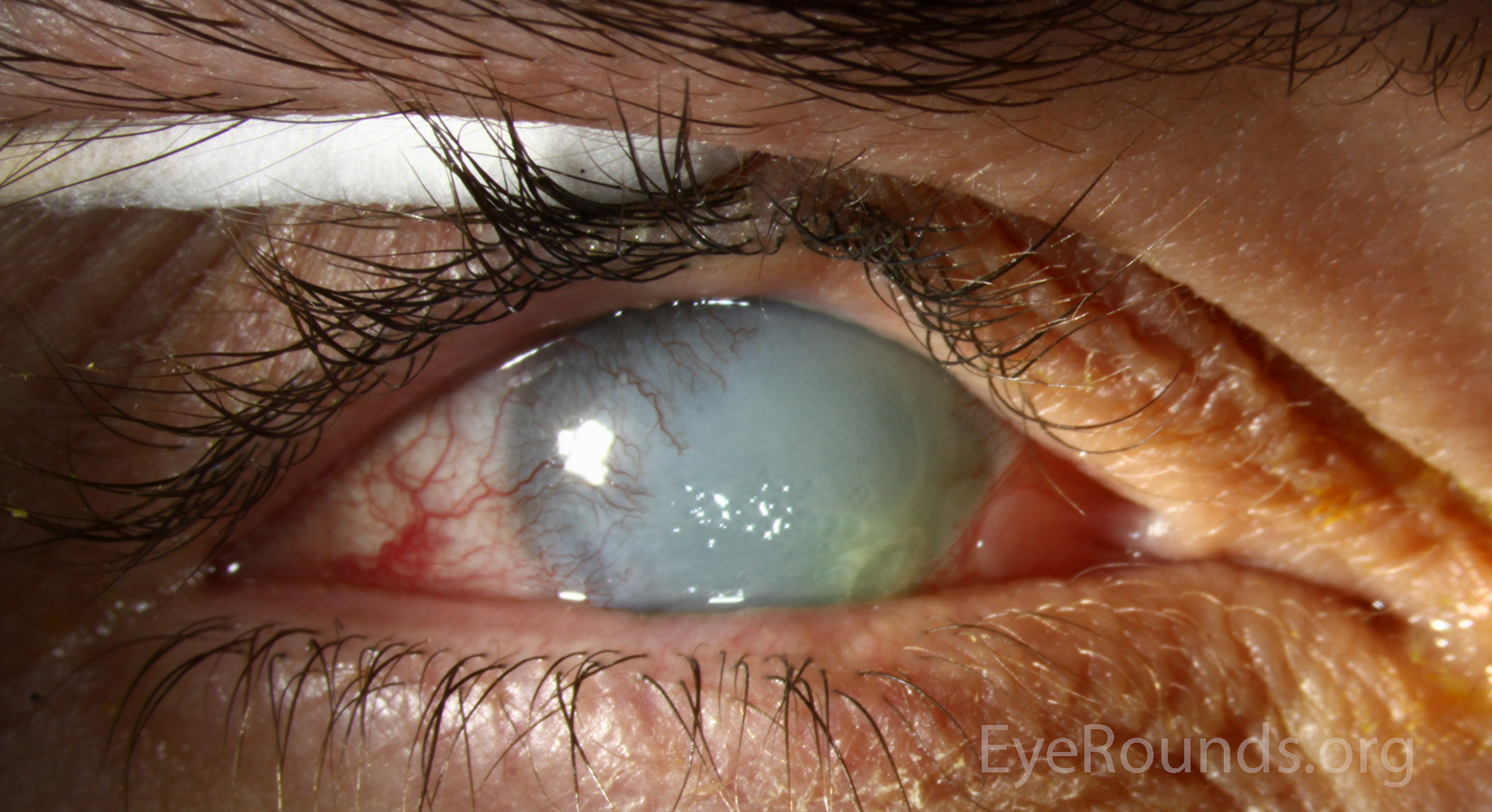
Chemical burns to the eye, also known as ocular chemical burns, are a serious and potentially vision-threatening condition that requires immediate medical attention. These burns occur when the eye comes into contact with a corrosive substance, such as a strong acid or base, leading to damage to the eye’s surface and potentially deeper structures.
Understanding the severity and urgency of chemical eye burns is crucial for prompt and effective treatment. The severity of a chemical burn to the eye depends on several factors, including the type of chemical involved, the concentration of the chemical, the duration of exposure, and the promptness and adequacy of the initial treatment. Chemicals that are highly alkaline (such as lye or ammonia) tend to cause more severe burns than acidic substances because they penetrate deeper into the tissues.
Signs and Symptoms
The signs and symptoms of a chemical burn to the eye can vary depending on the severity of the injury but may include:
- Severe eye pain: This is often one of the first and most noticeable symptoms.
- Redness and irritation: The eye may become red, swollen, and inflamed.
- Blurred vision: Chemical burns can cause temporary or, in severe cases, permanent vision loss.
- Excessive tearing: The eye may produce excess tears in an attempt to flush out the irritant.
- Sensitivity to light: People with chemical burns may find it painful to look at lights.
- A feeling of something in the eye: Even after the chemical has been flushed out, there may be a lingering sensation of having something in the eye.
- Discharge or pus: In severe cases, the eye may produce a discharge or pus, indicating an infection.
Immediate Care
If a chemical burn occurs, it is essential to act quickly to minimize damage:
- Flush the eye: Immediate and thorough flushing of the eye with plenty of water is the first line of treatment. Tilt the head to the side so the affected eye is lower than the unaffected one to prevent the chemical from spreading. Flush for at least 20 minutes, ideally under a faucet or shower, or with a saline solution if available.
- Remove contact lenses: If the person wears contact lenses, remove them if possible.
- Seek medical attention: After flushing, seek immediate medical care. Do not delay.
Medical Treatment
Medical treatment for chemical burns to the eye typically involves a thorough examination by an ophthalmologist or another eye care professional. The treatment may include:
- Continued irrigation: Further flushing of the eye may be necessary.
- Topical antibiotics: To prevent infection.
- Steroid eye drops: To reduce inflammation.
- Pain management: To alleviate discomfort.
- Monitoring: Regular follow-up appointments to monitor healing and check for potential complications, such as cataracts, glaucoma, or vision loss.
Prevention
Prevention is key to avoiding chemical burns to the eye. This can include:
- Wearing protective gear: When handling chemicals, always wear protective goggles or safety glasses.
- Reading labels: Understand the hazards of the chemicals you are using.
- Keeping chemicals away from children: Prevent accidental exposure by storing chemicals securely.
- Following safety protocols: In work environments, adhere to safety procedures for handling chemicals.
Conclusion
Chemical burns to the eye are medical emergencies that can result in significant and potentially permanent vision loss if not treated promptly and properly. Understanding the risks, recognizing the signs and symptoms, and knowing the appropriate immediate care can significantly improve outcomes. Given the potential severity of these injuries, prevention through proper safety measures is also of paramount importance.
FAQ Section
What should I do first if I get a chemical in my eye?
+Immediately start flushing your eye with plenty of water for at least 20 minutes. Tilt your head so the affected eye is lower than the other eye to prevent the chemical from spreading. After flushing, seek immediate medical care.
Can I use any water to flush my eye, or does it have to be sterile?
+Use the cleanest water available to you. Ideally, tap water is fine for flushing out the eye in an emergency. The goal is to dilute and remove the chemical as quickly as possible.
How can I prevent chemical burns to the eye in the workplace?
+Always wear protective goggles or safety glasses when handling chemicals. Ensure you understand the hazards of the chemicals you are using by reading safety data sheets (SDS) and follow all safety protocols established by your employer.
Can chemical burns to the eye lead to permanent vision loss?
+Yes, severe chemical burns can cause permanent vision loss. The extent of the damage depends on the type of chemical, the concentration of the chemical, and how quickly the eye was flushed and treated. Prompt and proper treatment can help minimize the risk of permanent vision loss.
What are some common household chemicals that can cause eye burns?
+Common household chemicals that can cause eye burns include bleach, drain cleaners, oven cleaners, and any other strong acids or bases. It’s essential to handle all chemicals with care and keep them out of reach of children.