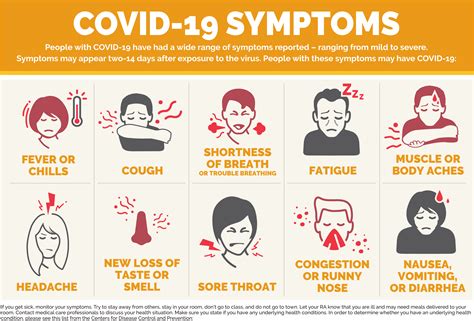
The coronavirus pandemic has brought unprecedented challenges to the global health community, with Covid-19 symptoms ranging from mild to severe. Early recognition of these symptoms is crucial for timely treatment, reducing the risk of complications, and preventing the spread of the virus. Understanding the signs of Covid-19 and when to seek medical attention can significantly impact outcomes.
Introduction to Covid-19 Symptoms
Covid-19, caused by the SARS-CoV-2 virus, affects different people in various ways. Most individuals will experience mild to moderate symptoms, but some may develop severe illness. The symptoms can appear 2-14 days after exposure to the virus, making it essential to monitor your health closely after potential exposure.
Common Symptoms
The most common symptoms of Covid-19 include: - Fever or Chills: An elevated body temperature is often one of the first signs of infection. - Cough: A dry cough can be an early symptom, which may later produce mucus. - Shortness of Breath or Difficulty Breathing: This can be a sign of a more severe infection affecting the lungs. - Fatigue: Feeling extremely tired or weak is common. - Muscle or Body Aches: Muscle pain, back pain, and general body aches are frequent complaints. - Headache: A headache can be a bothersome symptom. - Sore Throat: Pain or discomfort in the throat can occur, though it’s less common. - Runny Nose or Stuffy Nose: Nasal congestion or a runny nose may be present. - Diarrhea: Some people may experience gastrointestinal symptoms like diarrhea. - Nausea or Vomiting: Stomach upset can also be a symptom.
Serious Symptoms
Some people may develop more severe symptoms that require immediate medical attention. These include: - Difficulty Breathing or Shortness of Breath: Severe respiratory distress is a medical emergency. - Prolonged Chest Pain or Pressure: This could indicate serious heart or lung involvement. - Severe Headache: A very bad headache could be a sign of serious complications. - New Confusion: A sudden inability to wake up or confusion is a severe symptom. - Pale, Gray, or Blue-colored Skin, Lips, or Nail Beds: This can indicate poor oxygenation. - Sudden Severe Dizziness: This could indicate a drop in blood pressure or other complications.
Variants and Mutations
As the virus mutates, the profile of symptoms may evolve. For instance, some variants have been associated with different initial symptoms, such as a loss of smell (anosmia) or taste (ageusia) without the typical respiratory issues. Staying informed about current variants and their symptom profiles can aid in early detection.
Importance of Early Detection
Early detection of Covid-19 is crucial for several reasons: - Treatment Effectiveness: The sooner treatment begins, the higher the chance of reducing symptom severity and preventing complications. - Spread Prevention: Identifying cases early can help in isolating the individual and reducing the spread of the virus to others. - Reduced Risk of Long-term Effects: There is evidence suggesting that early intervention can reduce the risk of long-term effects, such as long Covid.
Testing and Diagnosis
Covid-19 can be diagnosed through various tests, including PCR (polymerase chain reaction) tests, which are highly sensitive and can detect the genetic material of the virus, and rapid antigen tests, which provide quicker results but may be less sensitive. Testing is critical for confirming the diagnosis and guiding treatment decisions.
Treatment Options
The treatment for Covid-19 depends on the severity of symptoms and the presence of underlying health conditions. Mild cases may only require supportive care, such as rest, hydration, and over-the-counter medications for symptom relief. Severe cases may necessitate hospitalization, oxygen therapy, and specific treatments aimed at reducing the severity of the disease, such as antiviral medications or corticosteroids.
Prevention
Preventing the spread of Covid-19 involves several key strategies: - Vaccination: Getting vaccinated is the most effective way to prevent severe illness and reduce the risk of transmission. - Masking: Wearing masks, especially in crowded areas or when social distancing is not possible, can significantly reduce the spread. - Social Distancing: Maintaining a distance of at least 6 feet from others can help prevent close contact. - Hygiene Practices: Frequent handwashing and proper hygiene are crucial in preventing the spread of the virus.
Conclusion
Understanding Covid-19 symptoms is the first step in managing the disease effectively. Early recognition of symptoms, coupled with prompt medical attention when needed, can significantly improve outcomes. As the pandemic continues to evolve, staying informed about the latest developments in symptom recognition, testing, treatment, and prevention strategies is vital for individuals and communities worldwide.
What are the most common symptoms of Covid-19?
+The most common symptoms of Covid-19 include fever, cough, shortness of breath, fatigue, muscle or body aches, headache, and sore throat. Some people may also experience nausea, vomiting, or diarrhea.
When should I seek medical attention for Covid-19 symptoms?
+You should seek medical attention immediately if you experience difficulty breathing, severe chest pain, severe headache, confusion, or if your skin, lips, or nail beds turn pale, gray, or blue. Additionally, if your symptoms worsen over time or if you are at high risk for severe illness, you should consult a healthcare provider.
How can I prevent the spread of Covid-19?
+Preventing the spread of Covid-19 involves getting vaccinated, wearing masks in crowded areas, maintaining social distancing, and practicing good hygiene, such as frequent handwashing and avoiding touching your face.
What is the importance of early detection of Covid-19?
+Early detection of Covid-19 is crucial for starting treatment early, which can reduce the severity of symptoms and prevent complications. It also helps in isolating the individual to prevent the spread of the virus to others.
Can Covid-19 variants present with different symptoms?
+Yes, different variants of Covid-19 can present with slightly different symptom profiles. For example, some variants may cause a loss of smell or taste as initial symptoms more frequently than traditional respiratory symptoms. Staying updated on the latest information about circulating variants is important for early detection.
In the fight against Covid-19, knowledge and vigilance are our most potent tools. By understanding the signs of the disease, taking preventive measures, and supporting global efforts to combat the pandemic, we can work towards a future where Covid-19 is manageable and its impact minimized.


