Identifying symptoms of depression can be a crucial step towards seeking help and beginning the recovery process. Depression is a complex condition that affects millions of people worldwide, manifesting differently in each individual. It’s not just about feeling sad or blue; depression can impact every aspect of life, from physical health and relationships to daily activities and overall well-being.
To better understand whether you or someone you know might be experiencing depression, let’s explore some common symptoms and considerations. This is not a diagnostic tool but rather an informative guide to help you recognize potential signs of depression.
Emotional Symptoms
- Persistent Sadness or Empty Feeling: One of the most recognized symptoms of depression is a lasting feeling of sadness or emptiness. This emotional state can be so profound that it interferes with daily life.
- Loss of Interest: Activities that once brought joy or excitement might start to feel meaningless or boring. This loss of interest can be in hobbies, social activities, or even sexual activities.
- Guilt or Worthlessness: Feelings of guilt, worthlessness, or helplessness are common. These feelings can be overwhelming and may not be based on reality.
- Irritability: Some people experience irritability, which can manifest as impatience, frustration, or even anger.
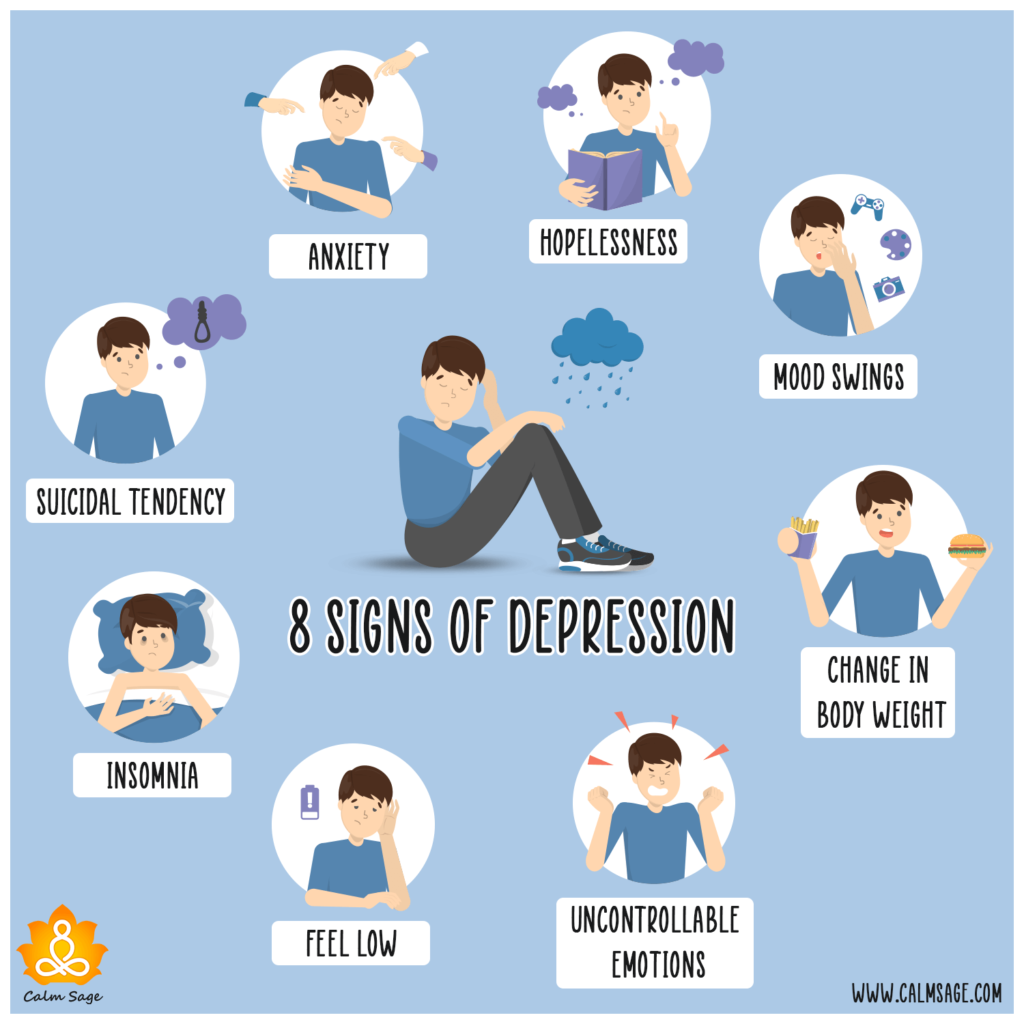
- Anxiety: Anxiety and depression often go hand in hand. You might feel anxious about the future, your health, or specific situations.
Physical Symptoms
- Changes in Appetite: Depression can lead to significant changes in appetite. Some people might experience weight loss due to reduced appetite, while others might gain weight due to increased eating.
- Sleep Disturbances: Sleep patterns can be severely affected. Insomnia or excessive sleepiness are common symptoms.
- Fatigue: Feeling tired or lacking energy, even after getting enough sleep, is a common complaint among people with depression.
- Physical Pain: Depression can manifest as unexplained physical pain, such as headaches or back pain.
- Digestive Issues: Some individuals might experience nausea, diarrhea, or constipation.
Behavioral Symptoms
- Withdrawal: Withdrawing from social activities or avoiding social interactions is a significant symptom. This can include avoiding friends, family, or public places.
- Difficulty Concentrating: Depression can affect cognitive function, making it hard to concentrate, remember things, or make decisions.
- Substance Abuse: Sometimes, people turn to alcohol or drugs as a way to cope with their feelings, which can worsen depression.
- Reckless Behavior: Engaging in reckless or risky behavior, such as unsafe sex, reckless driving, or excessive spending, can be a cry for help or a sign of deeper issues.
Cognitive Symptoms
- Negative Thoughts: Depression often involves persistent negative thoughts about oneself, the world, or the future.
- Hopelessness: Feeling hopeless about the future or believing that things will never get better is a dangerous symptom that requires immediate attention.
- Memory Problems: Depression can impair memory and the ability to make sound judgments.
Identifying Symptoms in Others
It can be challenging to recognize depression in others, as people often hide their feelings or symptoms. However, looking out for changes in behavior, mood, or physical well-being can be a good starting point.
- Changes in Behavior: Notice if someone has withdrawn from activities they once enjoyed, is avoiding social interactions, or seems disinterested in life.
- Mood Changes: Persistent sadness, irritability, or mood swings can be indicative of depression.
- Physical Changes: Weight changes, sleep disturbances, or noticeable fatigue can be physical symptoms of depression.
What to Do Next
If you or someone you know is experiencing several of these symptoms, it’s essential to seek help. Depression is treatable, and the sooner help is sought, the better the outcomes can be. Here are some steps you can take:
- Consult a Healthcare Professional: A doctor or a mental health professional can provide a proper diagnosis and treatment plan.
- Therapy: Cognitive-behavioral therapy (CBT), interpersonal therapy (IPT), or other forms of talk therapy can be highly effective.
- Medication: In some cases, medication may be prescribed to help manage symptoms.
- Lifestyle Changes: Regular exercise, a healthy diet, sufficient sleep, and avoiding alcohol and drugs can also play a crucial role in managing depression.
Additional Resources
- Hotlines: Many countries have helplines or hotlines for mental health support. These can provide immediate help and guidance.
- Online Support Groups: Connecting with others who are going through similar experiences can offer emotional support and practical advice.
- Educational Materials: Learning more about depression can empower you to make informed decisions about your health or to support someone else effectively.
Conclusion
Depression is a serious condition, but with the right support and treatment, it is possible to manage symptoms and improve quality of life. Recognizing the signs and seeking help are the first steps towards recovery. Remember, you are not alone, and there is help available.
What are the primary symptoms of depression?
+The primary symptoms of depression include persistent sadness, loss of interest in activities, changes in appetite, sleep disturbances, fatigue, feelings of guilt or worthlessness, and difficulty concentrating. Physical symptoms can also occur, such as unexplained pain or digestive issues.
How can I help someone with depression?
+Can depression be treated?
+Yes, depression is treatable. Treatment often involves a combination of therapy (such as CBT or IPT) and medication. Lifestyle changes, including regular exercise, a healthy diet, and sufficient sleep, can also help manage symptoms. It’s crucial to work with a healthcare provider to find the most effective treatment plan.
Where can I find support for depression?
+Support for depression can be found through various channels, including mental health professionals, hotlines, online support groups, and educational resources. Many organizations provide helplines, online forums, and local support groups where you can connect with others who understand what you’re going through.
How long does it take to recover from depression?
+The time it takes to recover from depression can vary significantly from person to person. Recovery depends on the severity of the depression, the effectiveness of the treatment plan, and the individual’s response to therapy and medication. With the right support and treatment, many people are able to manage their symptoms and lead fulfilling lives.
Can I prevent depression?
+While not all cases of depression can be prevented, there are steps you can take to reduce your risk. Maintaining a healthy lifestyle, including regular exercise, a balanced diet, and sufficient sleep, can help. Building strong social connections, engaging in stress-reducing activities, and seeking help early if you’re experiencing symptoms can also make a difference.