Dupuytren’s contracture is a debilitating condition that affects the hands, causing one or more fingers to bend into the palm, leading to a loss of hand function and flexibility. This condition, also known as Dupuytren’s disease, is characterized by the formation of thick, scar-like tissue in the palm, which can lead to a range of complications, from mild discomfort to severe disability. While various treatment options are available, surgery remains the most effective way to restore hand function and alleviate symptoms in advanced cases.
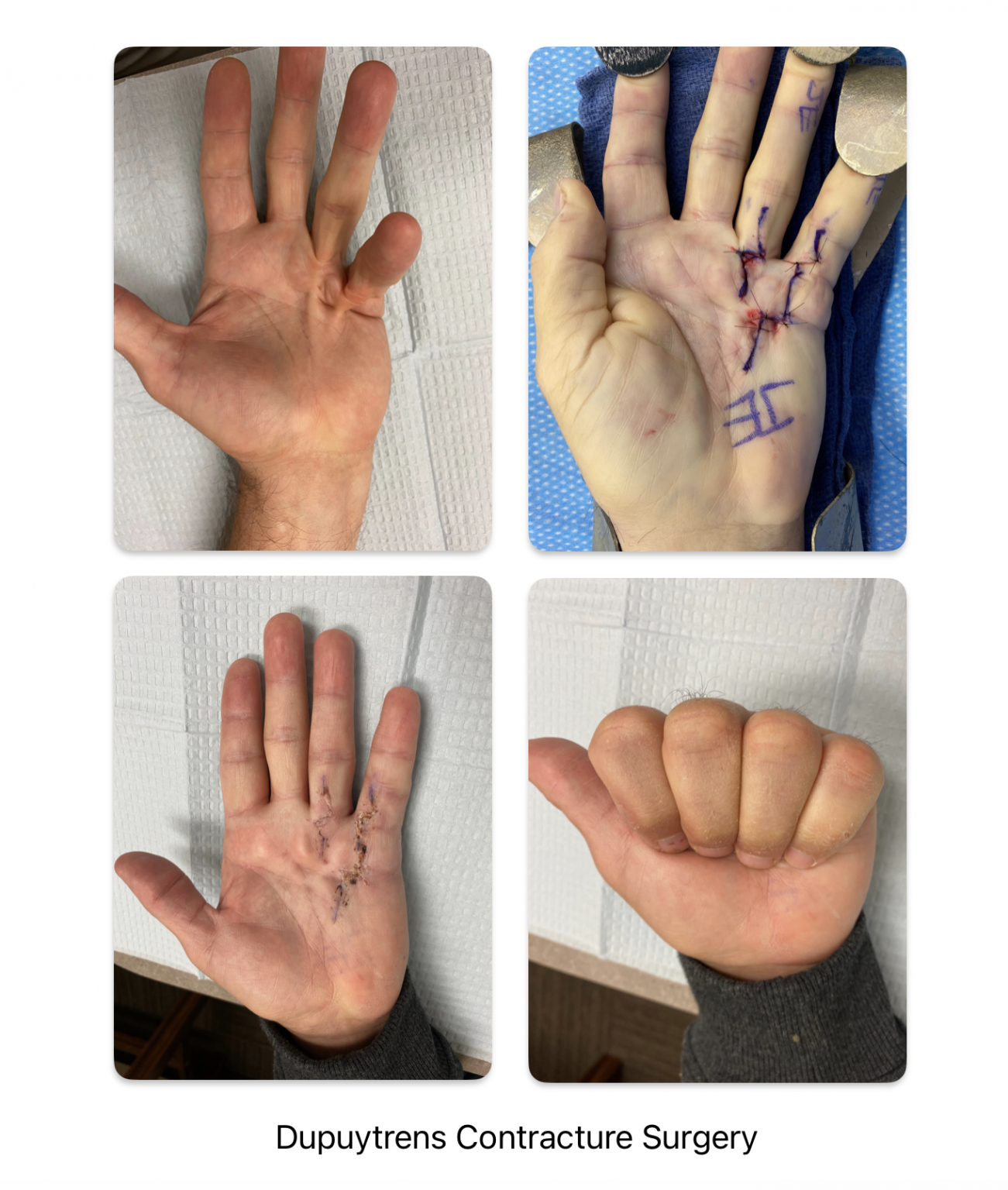
The primary goal of Dupuytren’s contracture surgery is to remove the thickened tissue, known as the palmar fascia, which is causing the finger contracture. This procedure, also referred to as fasciectomy, involves making an incision in the palm to access the affected tissue. The surgeon then carefully removes the thickened tissue, taking care to preserve the surrounding nerves, blood vessels, and tendons. In some cases, the surgeon may also need to remove any affected skin or other tissues to ensure optimal results.
There are several surgical techniques used to treat Dupuytren’s contracture, each with its own advantages and potential risks. One of the most common approaches is the open fasciectomy, which involves making a single incision in the palm to access the affected tissue. This technique provides excellent visibility and allows for precise removal of the thickened tissue. However, it can also lead to a longer recovery period and a higher risk of complications, such as infection or nerve damage.
Another approach is the percutaneous needle fasciotomy, which involves using a needle to break up the thickened tissue. This technique is less invasive than open fasciectomy and can be performed under local anesthesia. However, it may not be as effective in removing all the affected tissue and can lead to a higher risk of recurrence.
In recent years, there has been increasing interest in minimally invasive techniques, such as enzymatic fasciotomy, which uses a combination of collagenase injections and manual manipulation to break up the thickened tissue. This approach has shown promising results, with reduced recovery times and lower complication rates. However, more research is needed to fully understand its efficacy and safety.
Regardless of the surgical technique used, the goal of Dupuytren’s contracture surgery is to restore hand function and alleviate symptoms. Patients can expect to experience a significant improvement in finger mobility and flexibility, as well as a reduction in pain and discomfort. However, it’s essential to note that surgery is not a guarantee of complete recovery, and some patients may experience residual symptoms or recurrence of the condition.
To minimize the risk of complications and ensure optimal results, it’s crucial to choose a skilled and experienced surgeon who specializes in hand surgery. The surgeon should have a thorough understanding of the condition and the various surgical techniques available, as well as the ability to tailor the treatment to the individual patient’s needs.
In addition to surgical treatment, there are several other approaches that can help manage Dupuytren’s contracture, including physical therapy, stretching exercises, and splinting. These conservative treatments can help improve finger mobility and reduce symptoms, but they may not be sufficient to address advanced cases of the condition.
It’s also essential to address the potential risks and complications associated with Dupuytren’s contracture surgery. These can include infection, nerve damage, and recurrence of the condition. Patients should be thoroughly informed about these risks and work closely with their surgeon to develop a personalized treatment plan that minimizes the risk of complications.
In conclusion, Dupuytren’s contracture surgery is a highly effective treatment option for restoring hand function and alleviating symptoms in advanced cases of the condition. While various surgical techniques are available, each with its own advantages and potential risks, the goal of surgery remains the same: to remove the thickened tissue causing the finger contracture and restore optimal hand function. By choosing a skilled and experienced surgeon and following a comprehensive treatment plan, patients can expect to experience significant improvements in finger mobility and flexibility, as well as a reduction in pain and discomfort.
According to the American Society for Surgery of the Hand, Dupuytren's contracture affects approximately 5% of the general population, with men being more likely to develop the condition than women. Early diagnosis and treatment can significantly improve outcomes, highlighting the importance of seeking medical attention if symptoms persist or worsen over time.
Dupuytren's Contracture Surgery: What to Expect

Dupuytren’s contracture surgery is typically performed under general anesthesia or regional anesthesia, depending on the patient’s preferences and medical history. The procedure can take anywhere from 30 minutes to several hours, depending on the complexity of the case and the surgical technique used.
After the procedure, patients can expect to experience some pain, swelling, and bruising in the affected hand. These symptoms can be managed with pain medication, ice packs, and elevation of the hand. Patients should also follow a comprehensive rehabilitation program, including physical therapy and stretching exercises, to promote optimal healing and restore hand function.
It’s essential to note that Dupuytren’s contracture surgery is not a guarantee of complete recovery, and some patients may experience residual symptoms or recurrence of the condition. However, with proper treatment and follow-up care, patients can expect to experience significant improvements in finger mobility and flexibility, as well as a reduction in pain and discomfort.
Preparation for Dupuytren's Contracture Surgery
- Stop taking any medications that may increase the risk of bleeding, such as aspirin or ibuprofen, at least 1 week before the procedure.
- Avoid eating or drinking anything for at least 6 hours before the procedure.
- Remove any jewelry or other items that may interfere with the procedure.
- Plan for someone to drive you home and provide assistance after the procedure.
Recovery and Rehabilitation
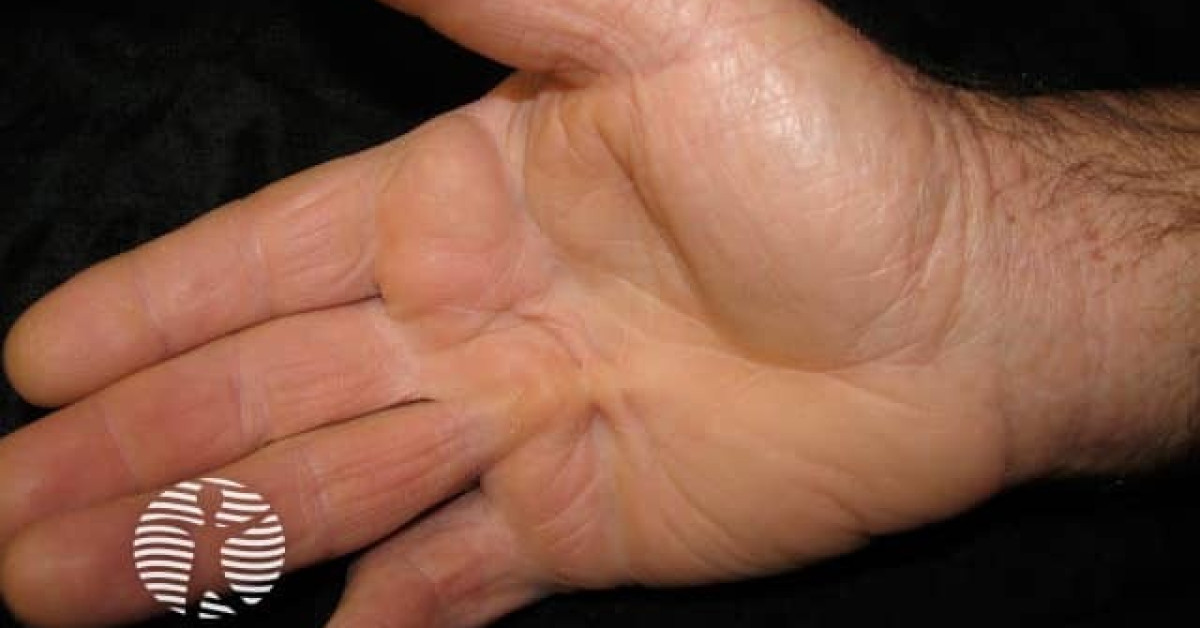
The recovery process after Dupuytren’s contracture surgery can vary depending on the individual patient and the surgical technique used. In general, patients can expect to experience some pain, swelling, and bruising in the affected hand, which can be managed with pain medication, ice packs, and elevation of the hand.
Physical therapy and stretching exercises play a crucial role in promoting optimal healing and restoring hand function. Patients should work closely with their physical therapist to develop a personalized rehabilitation program that addresses their specific needs and goals.
Benefits and Risks of Dupuytren's Contracture Surgery
| Benefits | Risks |
|---|---|
| Restores hand function and flexibility | Infection |
| Relieves pain and discomfort | Nerve damage |
| Improves finger mobility | Recurrence of the condition |
What are the symptoms of Dupuytren's contracture?
+The symptoms of Dupuytren's contracture can include a lump or nodule in the palm, thickening of the skin, and finger contracture. Patients may also experience pain, stiffness, and limited finger mobility.
What are the causes of Dupuytren's contracture?
+The exact causes of Dupuytren's contracture are not fully understood, but they may include genetic predisposition, age, and trauma to the hand.
What are the treatment options for Dupuytren's contracture?
+The treatment options for Dupuytren's contracture include surgery, physical therapy, stretching exercises, and splinting. The choice of treatment depends on the severity of the condition and the individual patient's needs.
In conclusion, Dupuytren’s contracture surgery is a highly effective treatment option for restoring hand function and alleviating symptoms in advanced cases of the condition. By understanding the procedure, its benefits and risks, and the recovery process, patients can make informed decisions about their treatment and work closely with their surgeon to achieve optimal results. With proper care and attention, patients can expect to experience significant improvements in finger mobility and flexibility, as well as a reduction in pain and discomfort.