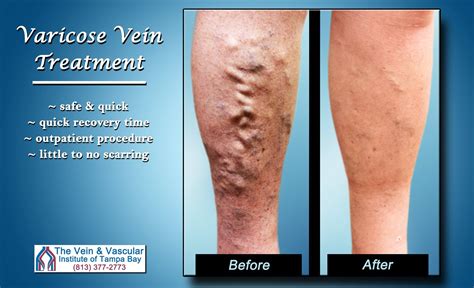
Varicose vein removal is a medical procedure designed to treat varicose veins, which are enlarged, twisted veins that can be seen under the skin, typically on the legs. These veins can cause a range of symptoms, including pain, swelling, and cosmetic concerns. The goal of varicose vein removal is to alleviate these symptoms, improve the appearance of the affected area, and prevent potential complications.
Understanding Varicose Veins
Before diving into the removal procedures, it’s essential to understand what varicose veins are and how they develop. Varicose veins occur when the valves within the veins, which are supposed to prevent blood from flowing backward, become faulty. This allows blood to pool in the veins, causing them to enlarge. Factors such as genetics, age, gender, obesity, and prolonged periods of standing can contribute to the development of varicose veins.
Symptoms of Varicose Veins
The symptoms of varicose veins can vary from person to person but often include:
- Visible Veins: The most obvious sign, varicose veins can appear bulging and rope-like under the skin.
- Pain: Aching or heavy sensation in the legs, which can worsen throughout the day.
- Swelling: Swelling in the feet and ankles, which can be more pronounced at the end of the day.
- Skin Discoloration: Changes in skin color around the varicose veins, such as red, purple, or brown.
- Ulcers: In severe cases, varicose veins can lead to the formation of ulcers.
Treatment Options for Varicose Vein Removal
There are several treatment options available for varicose vein removal, and the best approach depends on the severity of the condition, the size and location of the veins, and the patient’s overall health.
1. Sclerotherapy
Sclerotherapy involves injecting a solution into the vein that causes it to close off and eventually disappear. This method is typically used for smaller varicose veins and spider veins. The procedure is minimally invasive, done in a doctor’s office, and usually requires multiple sessions.
2. Endovenous Laser Therapy (EVLT)
EVLT is a minimally invasive procedure where a laser fiber is inserted into the varicose vein through a small incision. The laser heats up the vein from the inside, causing it to close. This procedure is usually done under local anesthesia and can be performed in a doctor’s office.
3. Radiofrequency Ablation
Similar to EVLT, radiofrequency ablation involves using radiofrequency energy to heat the vein, causing it to close. This method is also minimally invasive and can be performed in a doctor’s office under local anesthesia.
4. Ambulatory Phlebectomy
For larger varicose veins, ambulatory phlebectomy may be recommended. This is a surgical procedure where the vein is removed through small incisions. The procedure is typically performed under local anesthesia, and the patient can usually walk immediately after.
5. Ligation and Stripping
Ligation and stripping involve tying off the varicose vein and removing it through small incisions. This procedure is usually performed under general anesthesia and may require a hospital stay.
Recovery and Aftercare
The recovery time for varicose vein removal procedures varies depending on the method used:
- Minimally Invasive Procedures (Sclerotherapy, EVLT, Radiofrequency Ablation): Patients can usually resume their normal activities immediately or within a few days. Compression stockings are often recommended to aid healing.
- Surgical Procedures (Ambulatory Phlebectomy, Ligation and Stripping): Recovery may take longer, typically several weeks. Patients are advised to avoid strenuous activities and wear compression stockings.
It’s crucial to follow the doctor’s instructions for aftercare to ensure proper healing and minimize the risk of complications.
Complications and Risks
While generally safe, varicose vein removal procedures carry potential risks and complications, including:
- Infection
- Bleeding or Hematoma
- Nerve Damage
- Recurrent Varicose Veins
Discussing these risks with a healthcare provider can help manage expectations and ensure the best possible outcomes.
Prevention
Preventing varicose veins involves lifestyle modifications and taking care of your veins:
- Regular Exercise: Improves blood flow and muscle strength.
- Maintaining a Healthy Weight: Reduces pressure on veins.
- Elevating Legs: Helps reduce swelling.
- Wearing Compression Stockings: Aids in blood flow.
- Avoiding Prolonged Standing or Sitting: Takes pressure off veins.
Conclusion
Varicose vein removal offers significant relief from the discomfort and aesthetic concerns associated with varicose veins. With various treatment options available, it’s essential to consult with a healthcare professional to determine the best course of action. By understanding the causes, symptoms, and treatment options, individuals can make informed decisions about their vein health and take the first step towards a more comfortable, confident life.
What causes varicose veins to form?
+Varicose veins are caused by faulty valves within the veins that allow blood to pool, leading to enlargement. Factors such as genetics, age, obesity, and prolonged standing can increase the risk.
Are varicose vein removal procedures painful?
+Most varicose vein removal procedures are minimally invasive and performed under local anesthesia, which minimizes pain. Some discomfort or swelling may occur after the procedure, but this is typically managed with pain medication and compression stockings.
How long does it take to recover from varicose vein removal?
+Recovery time varies depending on the procedure. Minimally invasive procedures usually require little to no downtime, while surgical procedures may take several weeks to recover from.
Can varicose veins recur after removal?
+Yes, varicose veins can recur. However, with proper treatment and preventive measures, the risk of recurrence can be minimized. Regular follow-ups with a healthcare provider are important to monitor vein health.
Are there any non-surgical treatments for varicose veins?
+