
ESL Worksheets: Vocabulary about the Environment
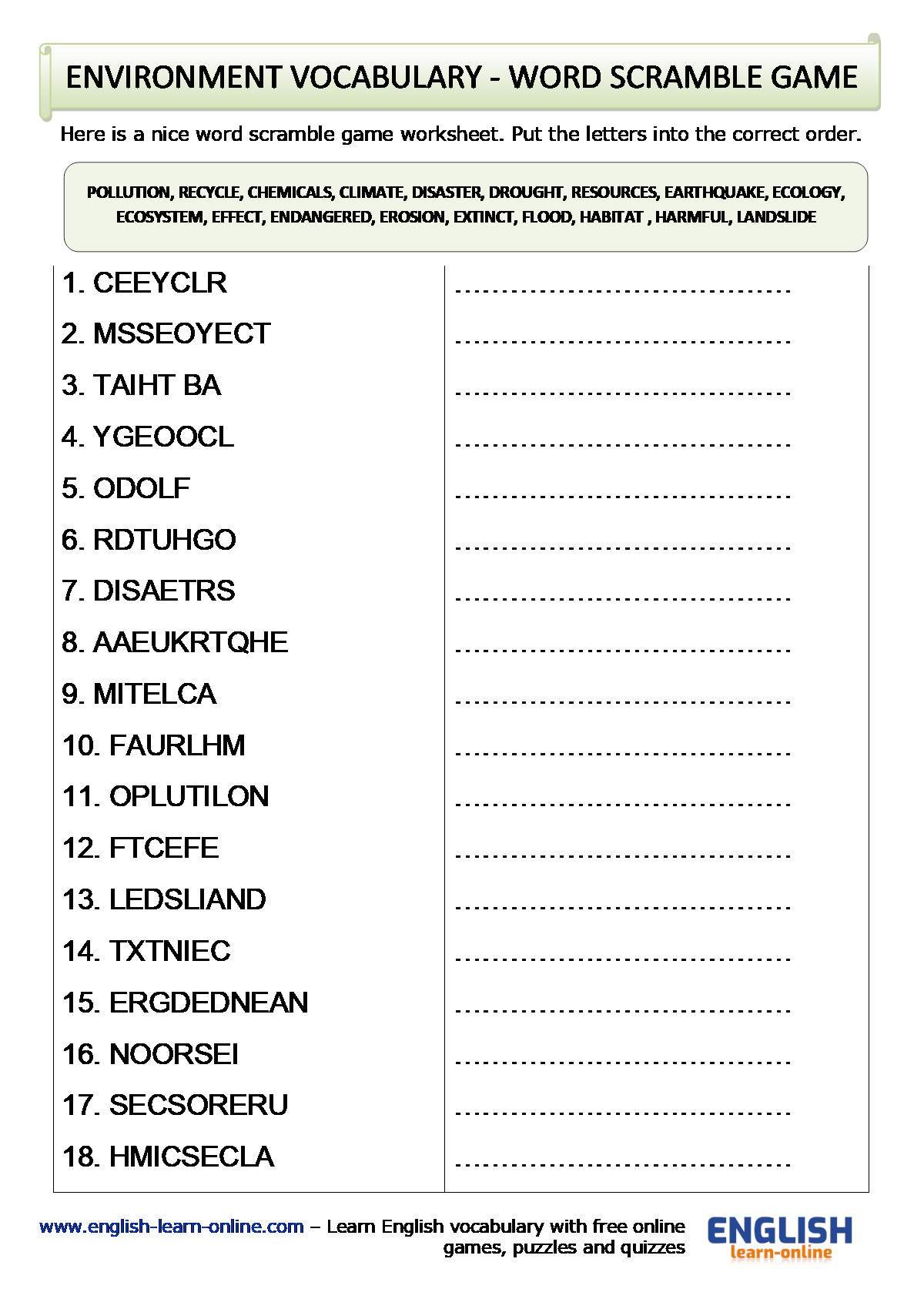
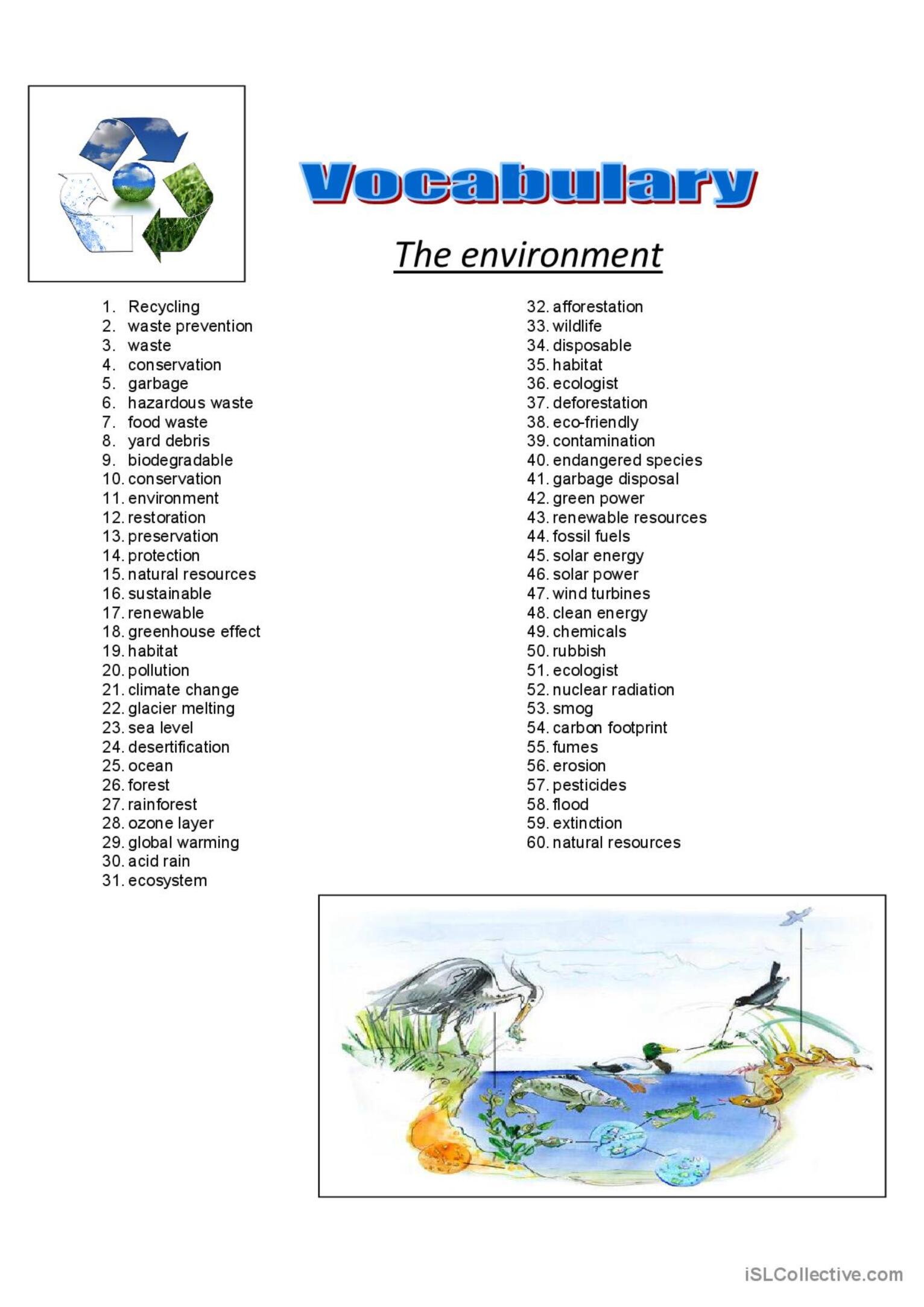
ESL worksheets focused on environmental vocabulary offer a practical way to teach and learn essential terms related to the natural world and its protection. When looking into esl worksheets vocabulary about environment, the details quickly stand out. These resources are designed to enhance language skills while raising awareness about environmental issues.
Popular Options
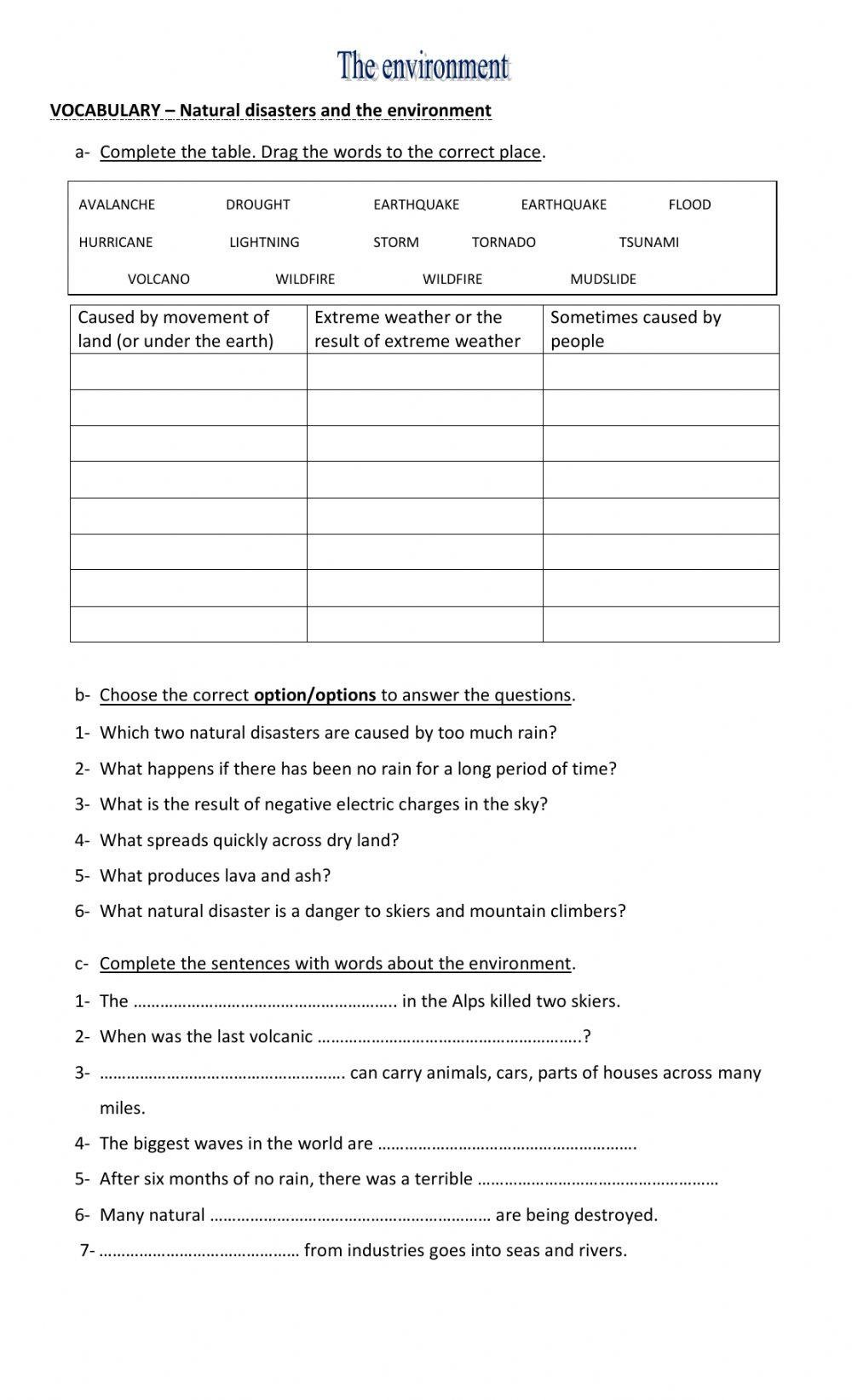
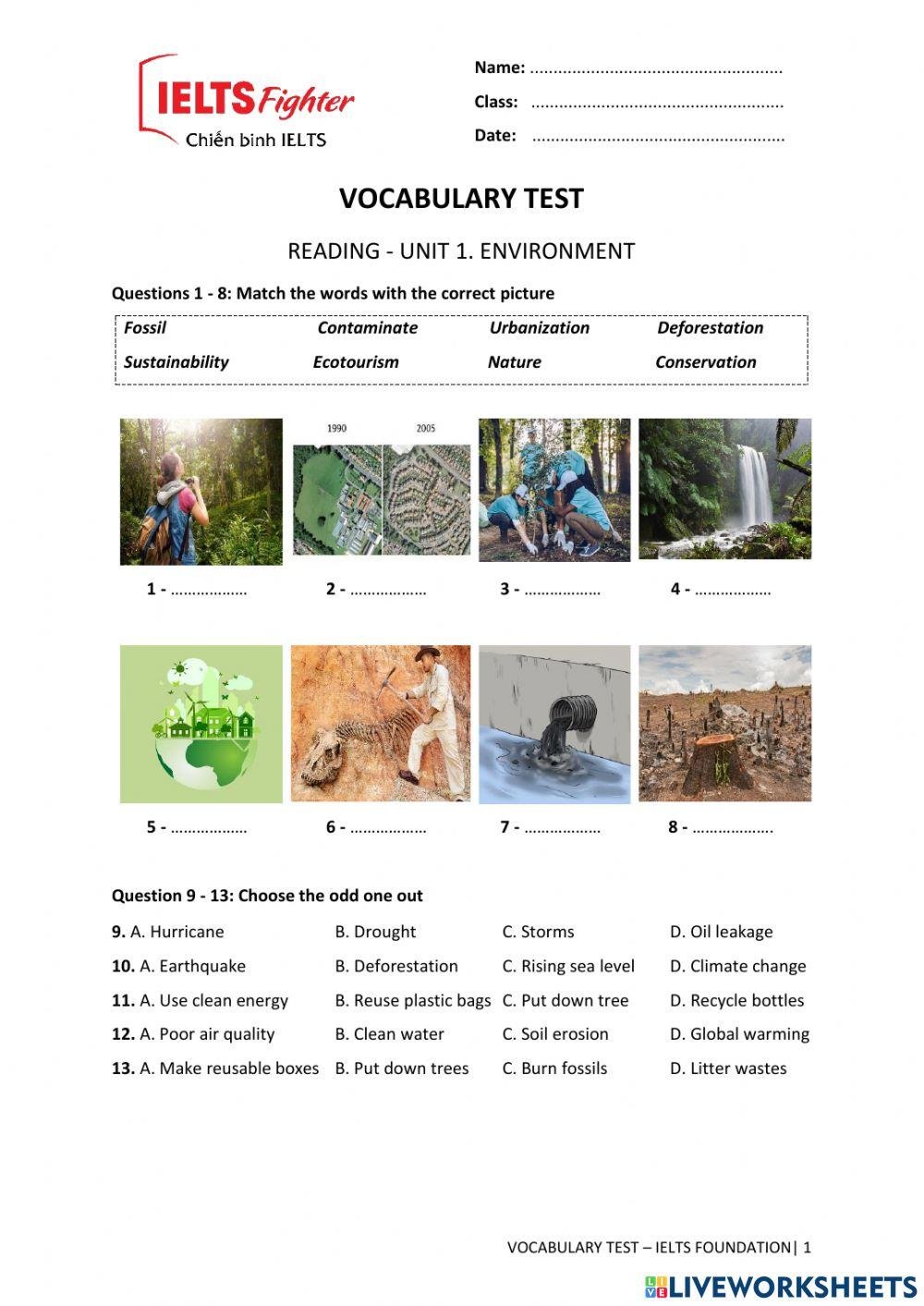
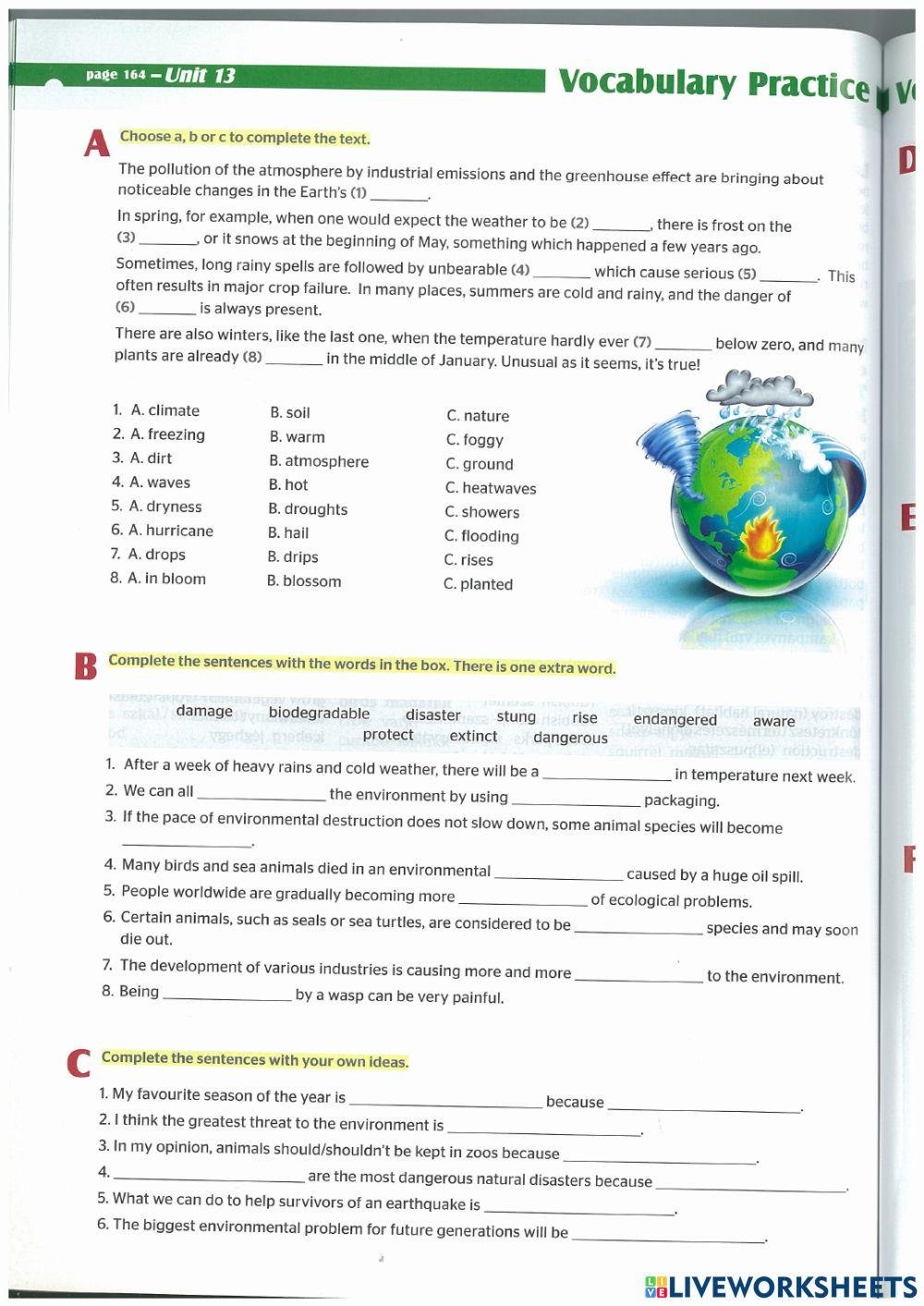
- Natural Disasters Vocabulary Test: This worksheet helps students review and evaluate their knowledge of vocabulary related to natural disasters. It's an interactive way to learn and test understanding.
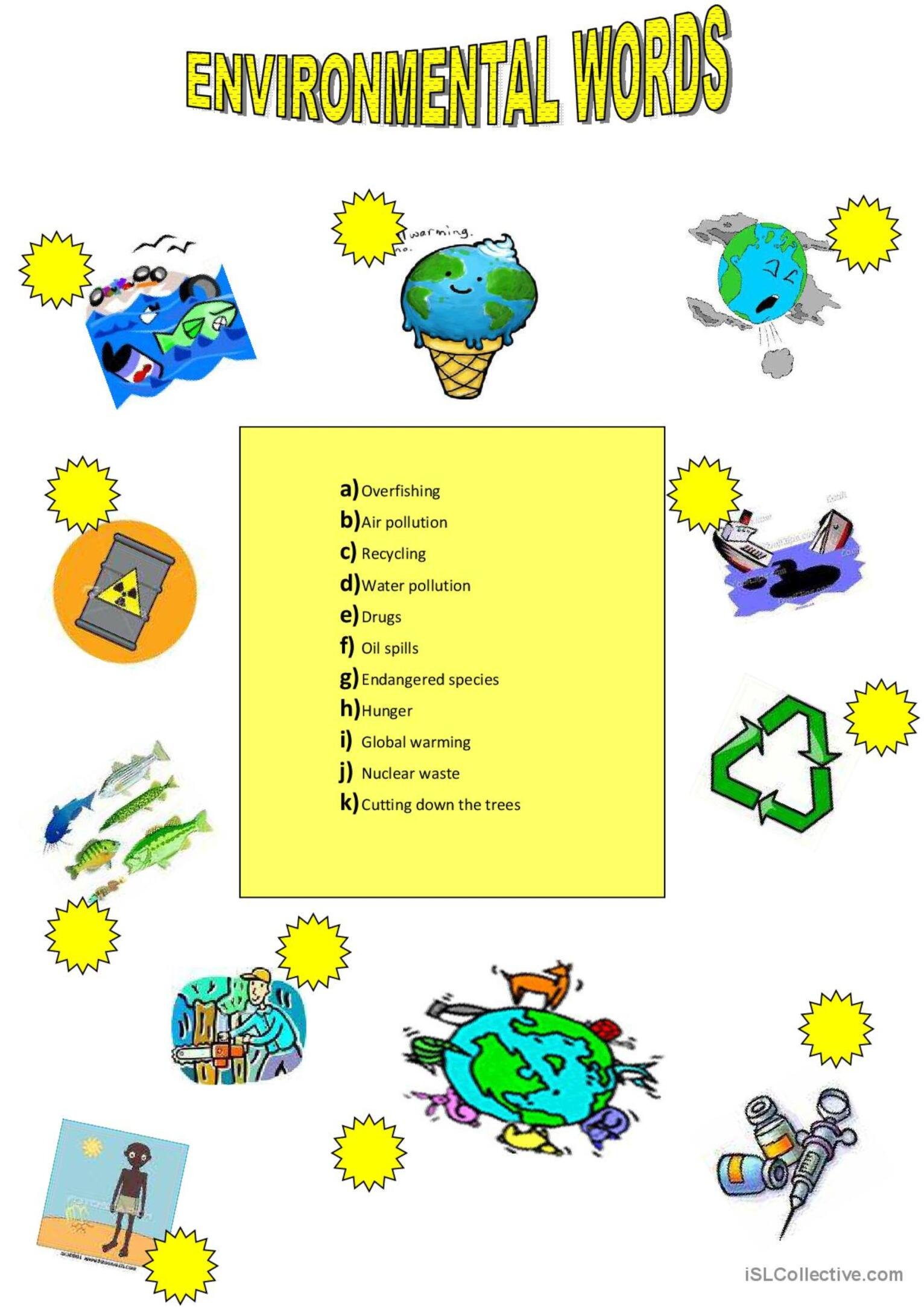
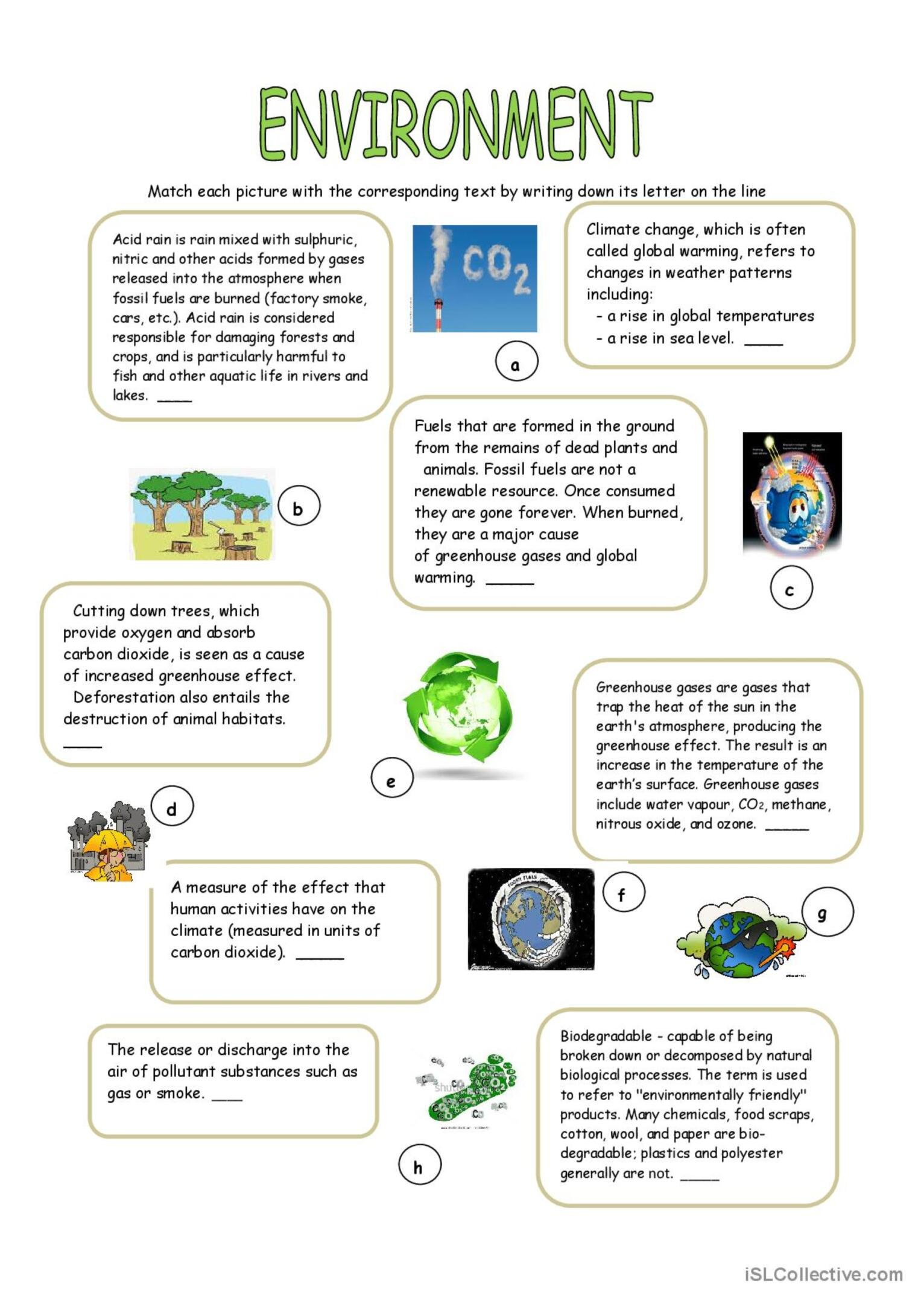
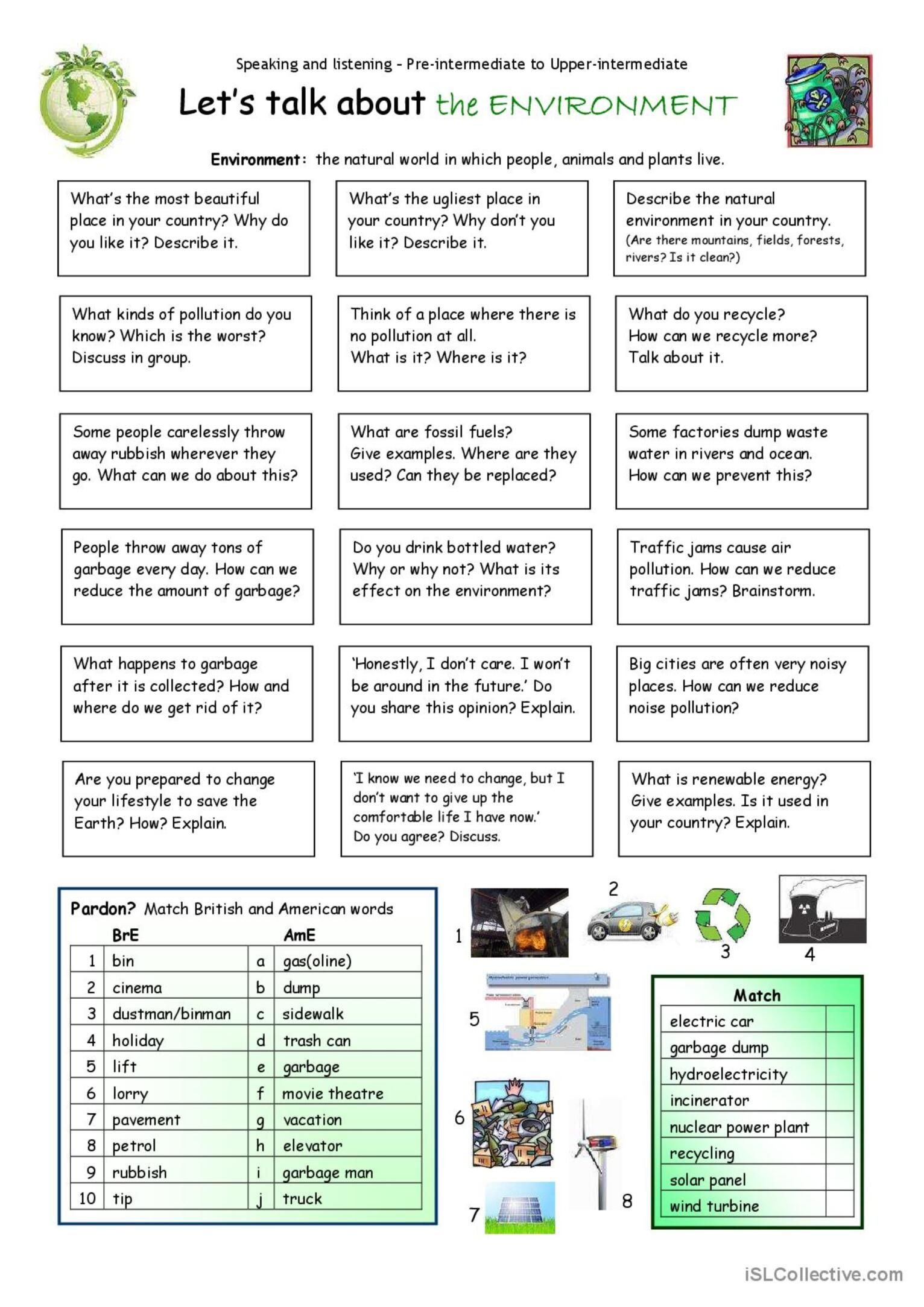
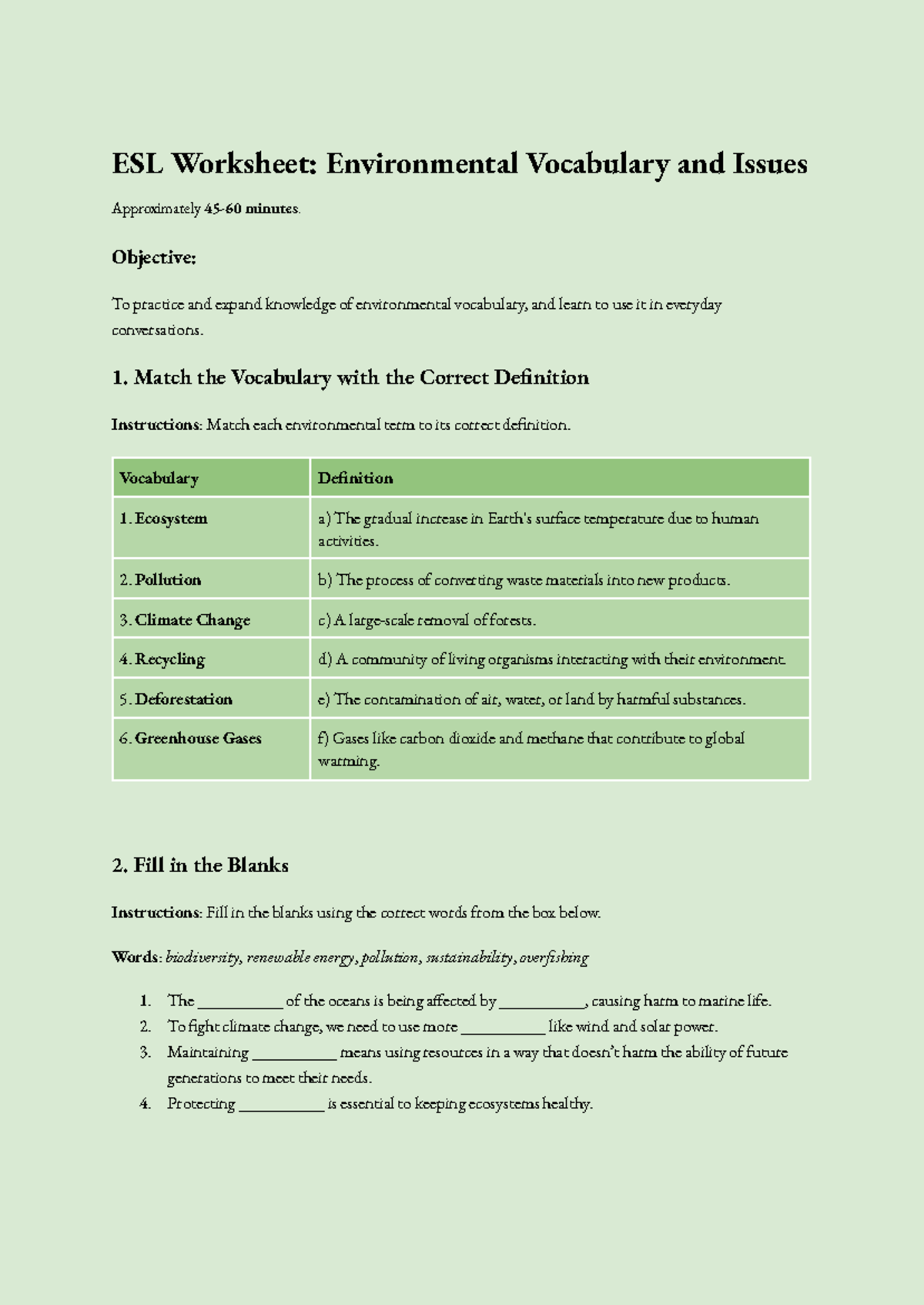
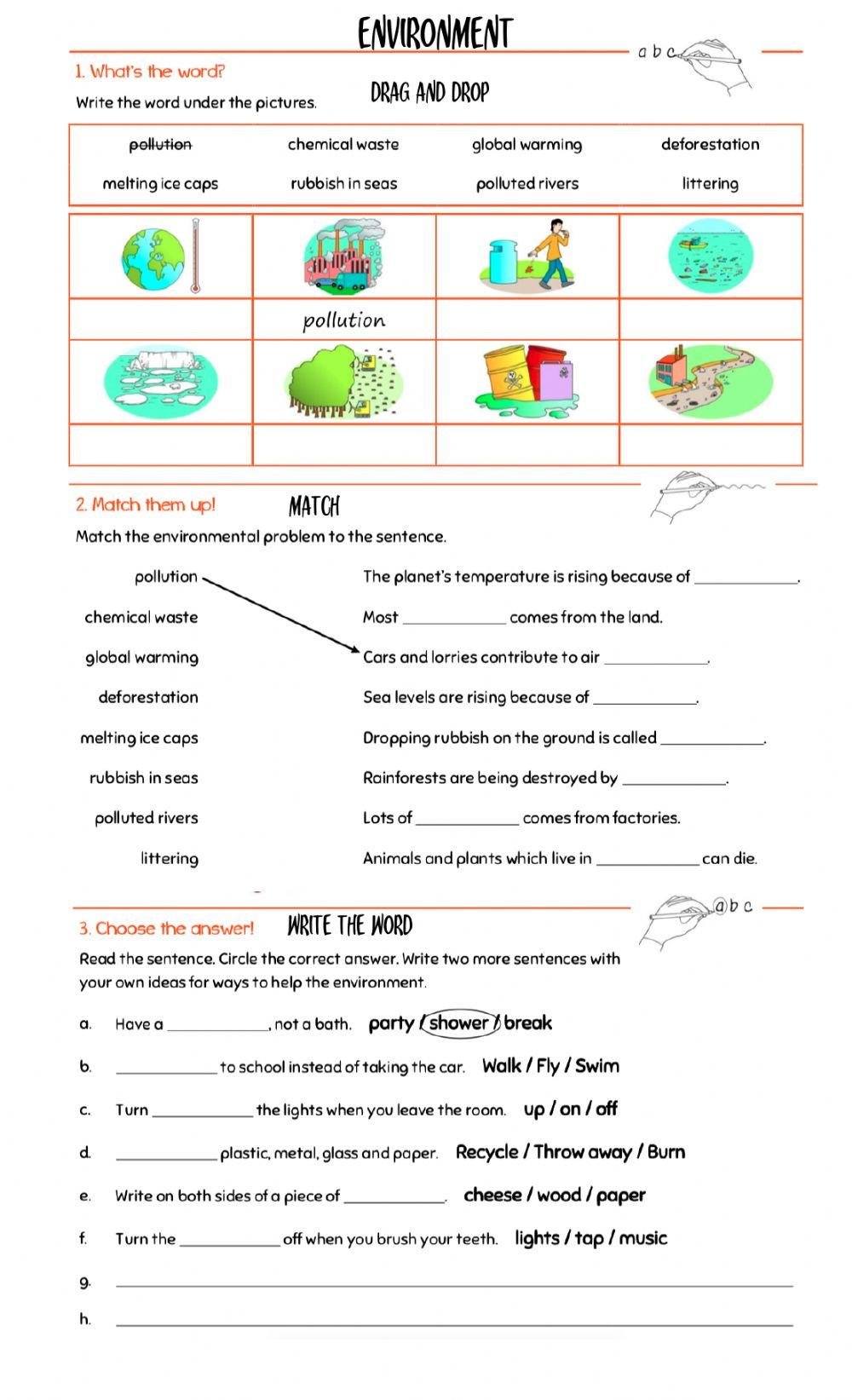
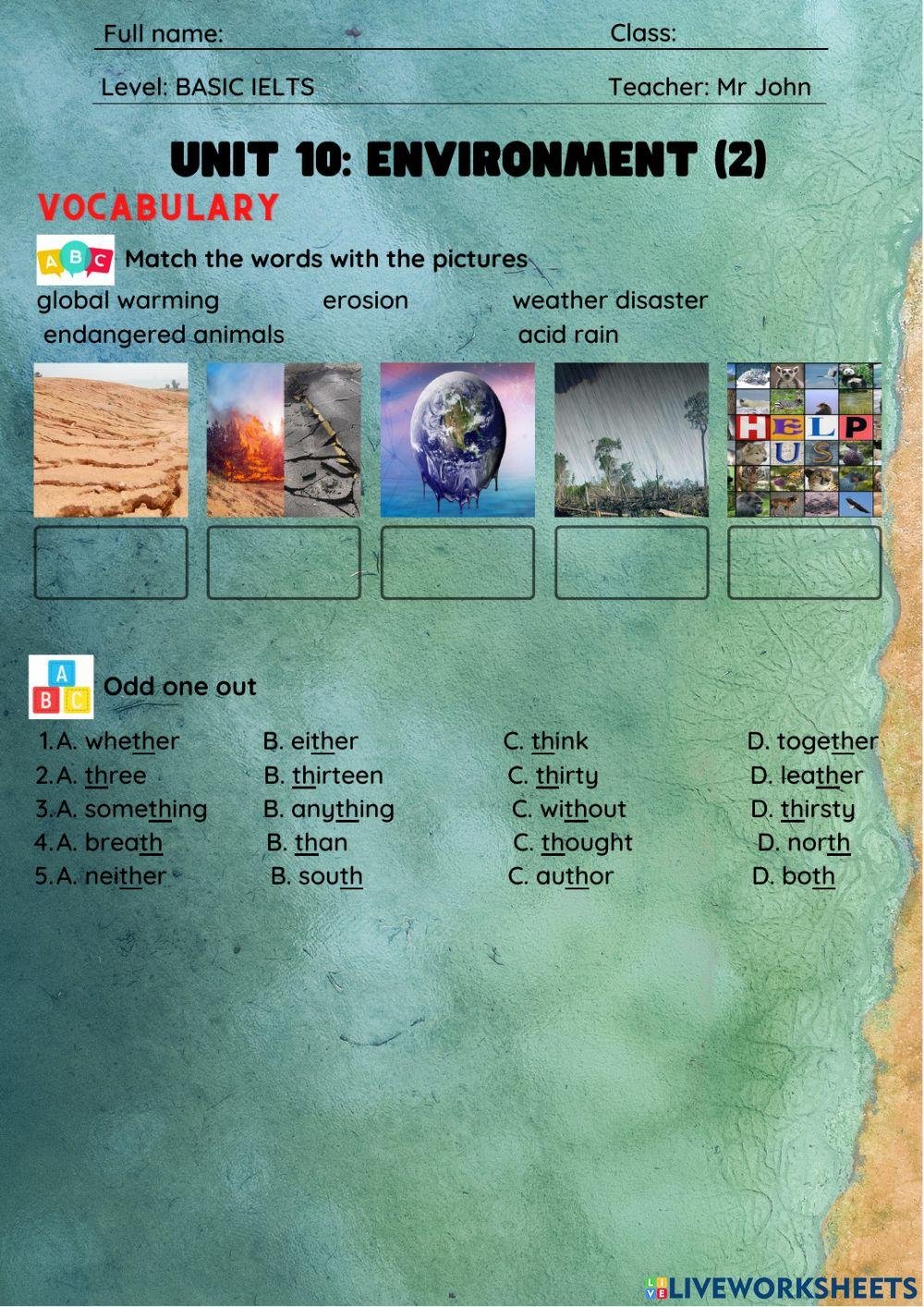
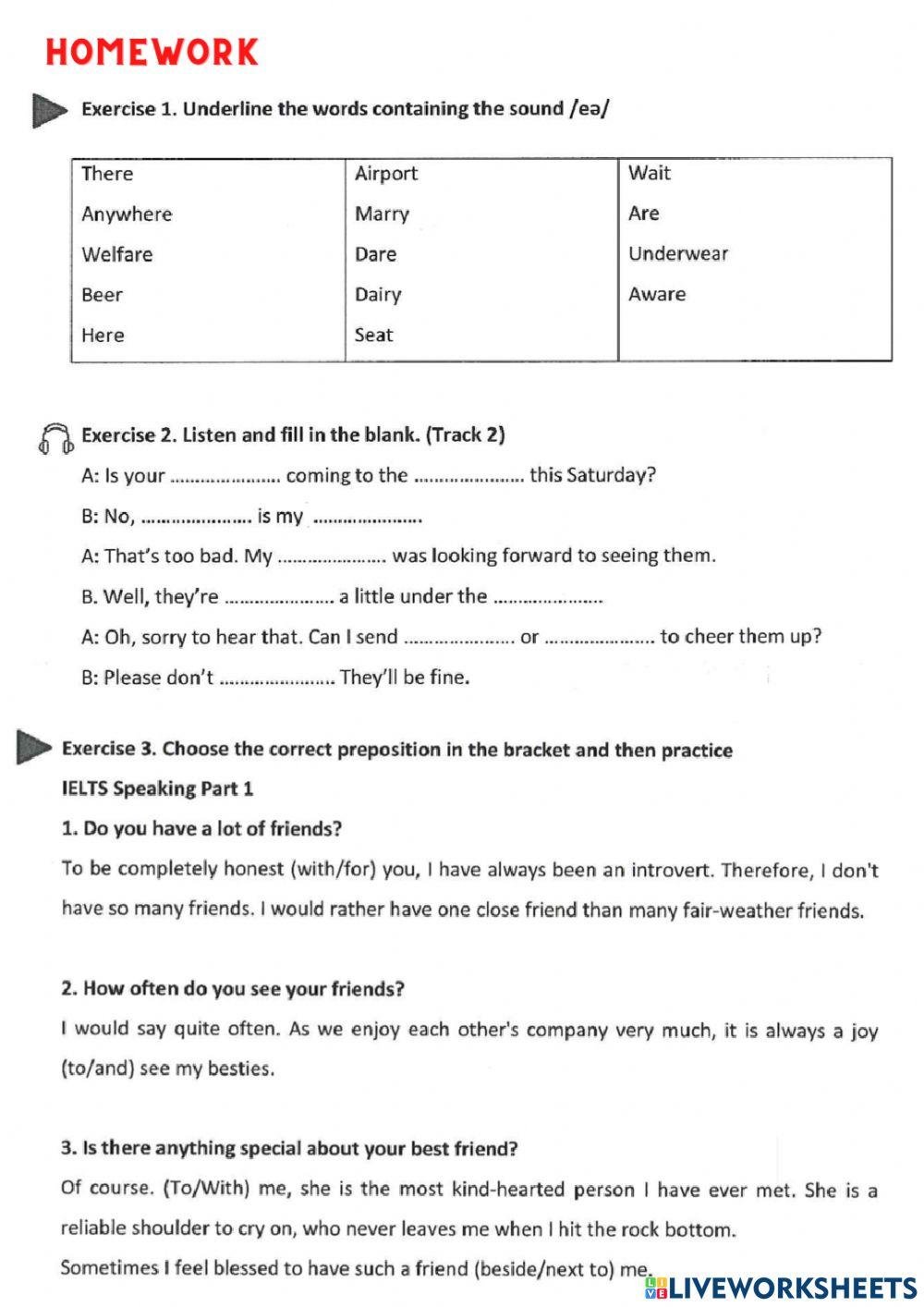
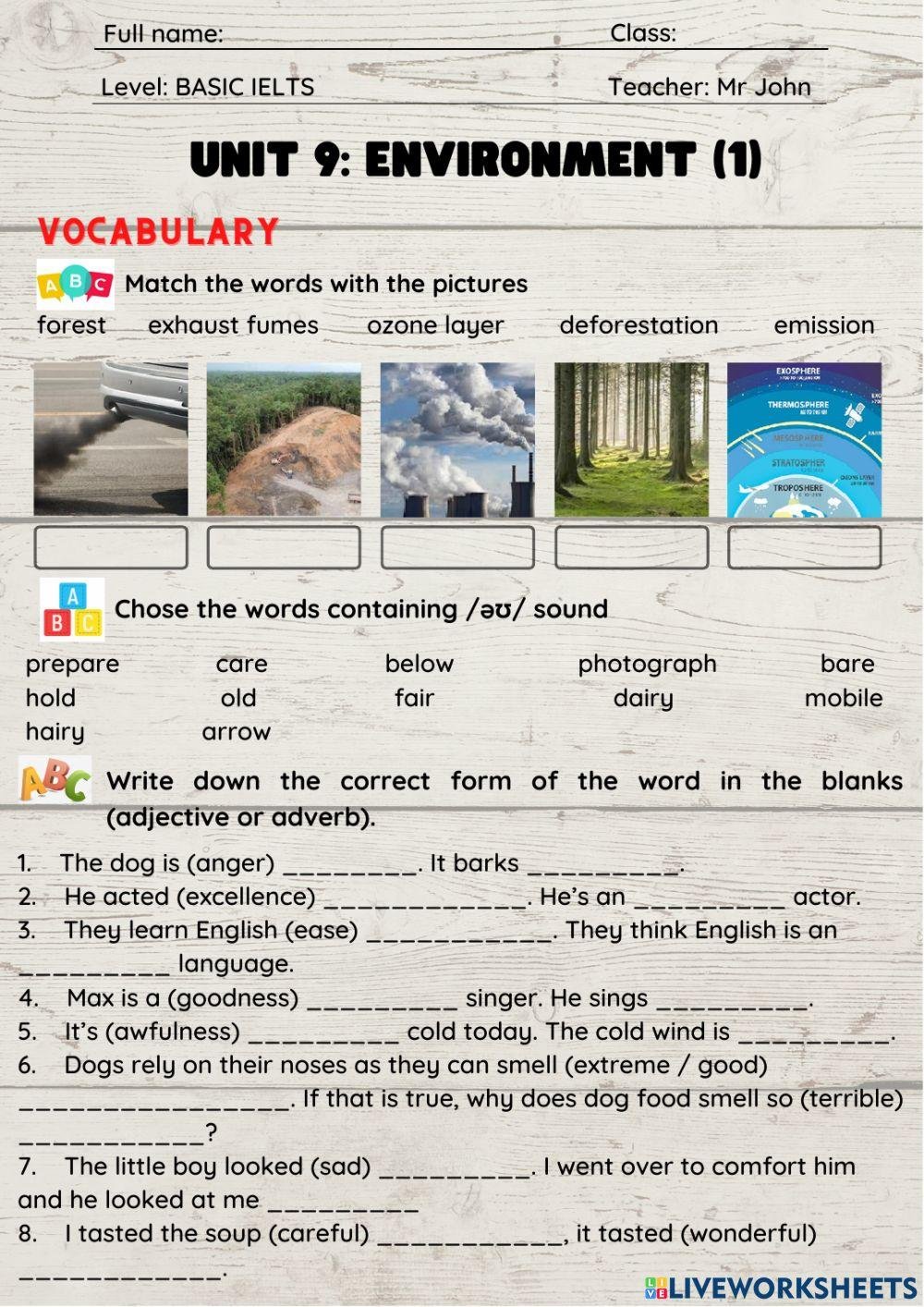
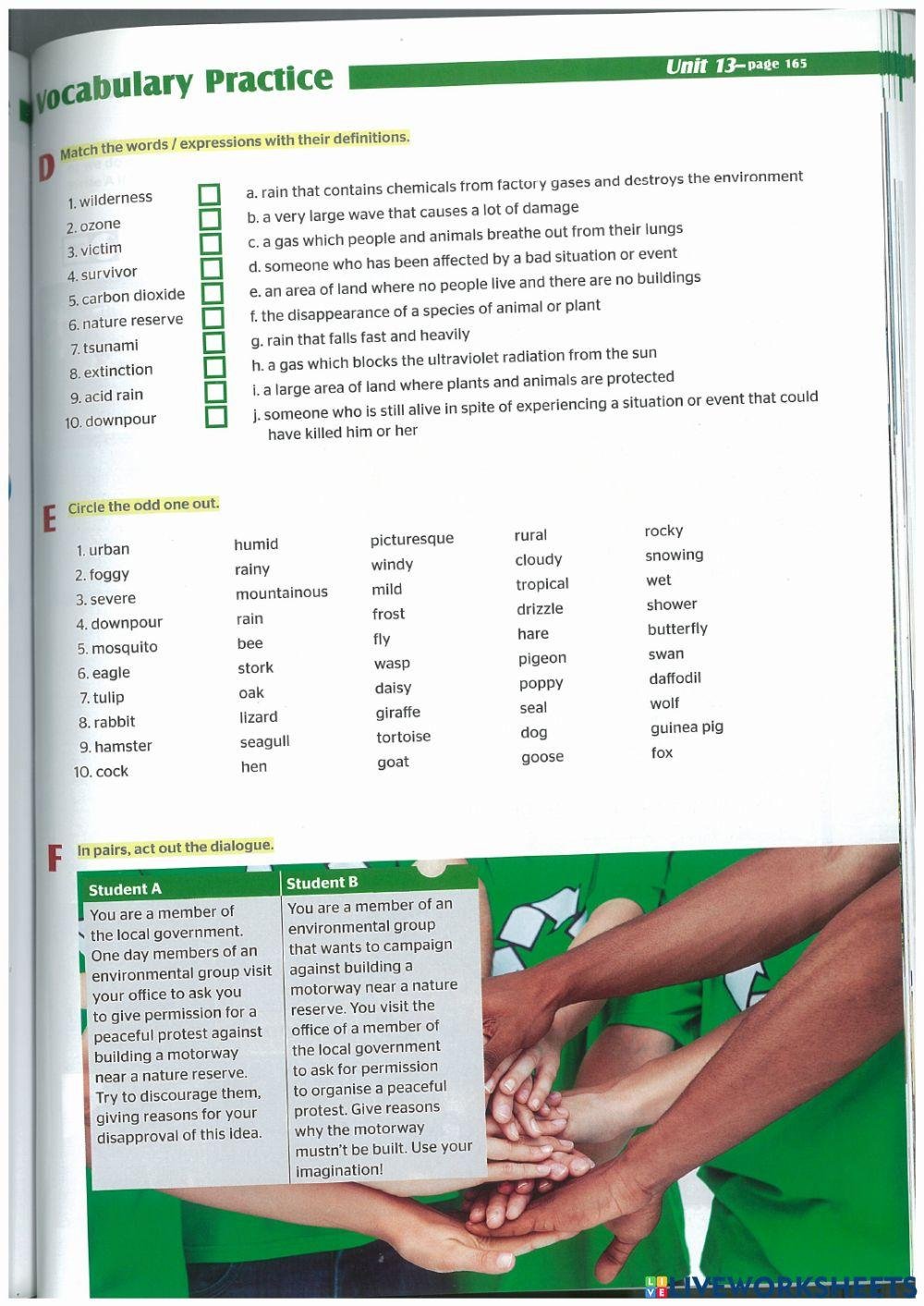
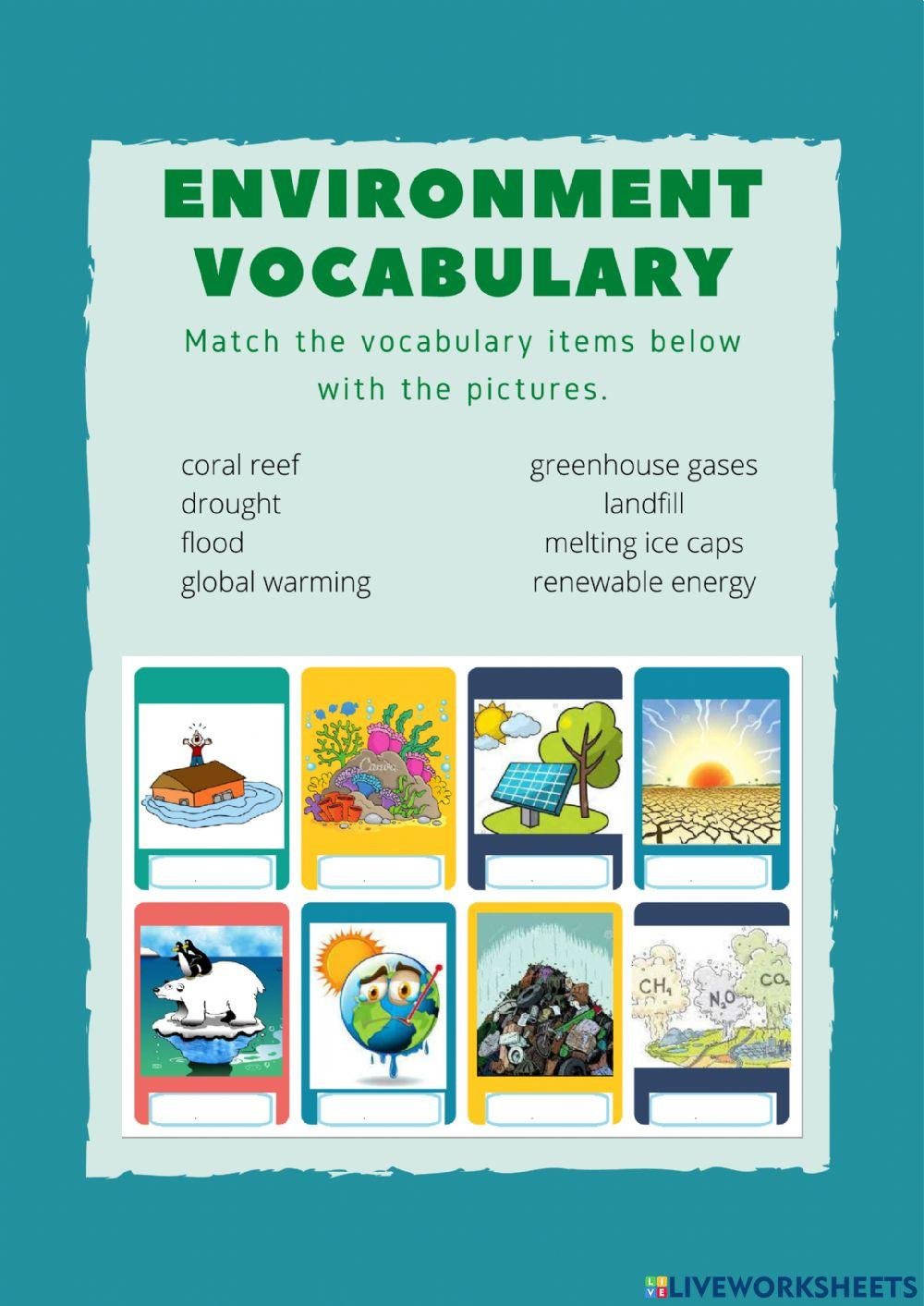
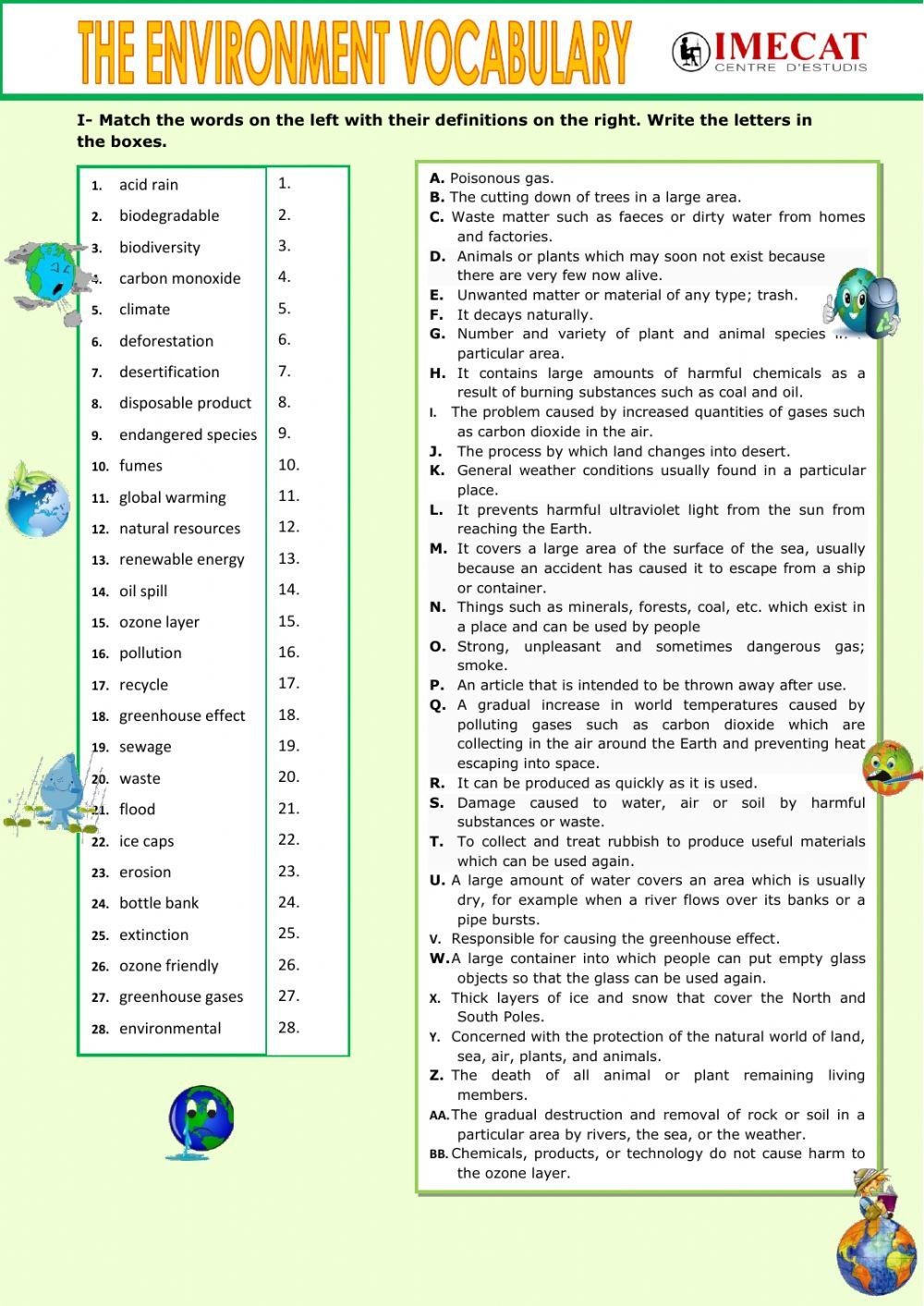
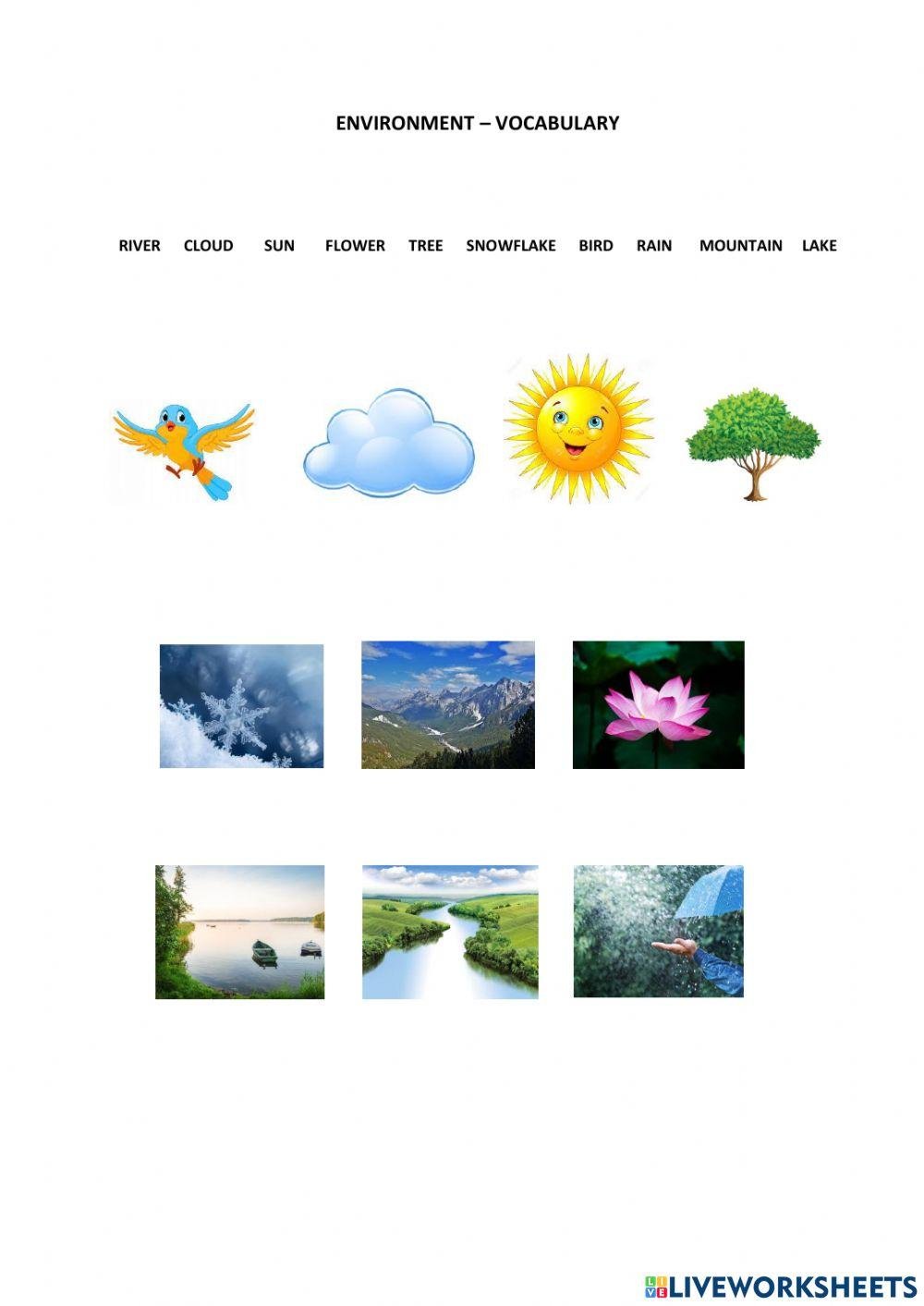
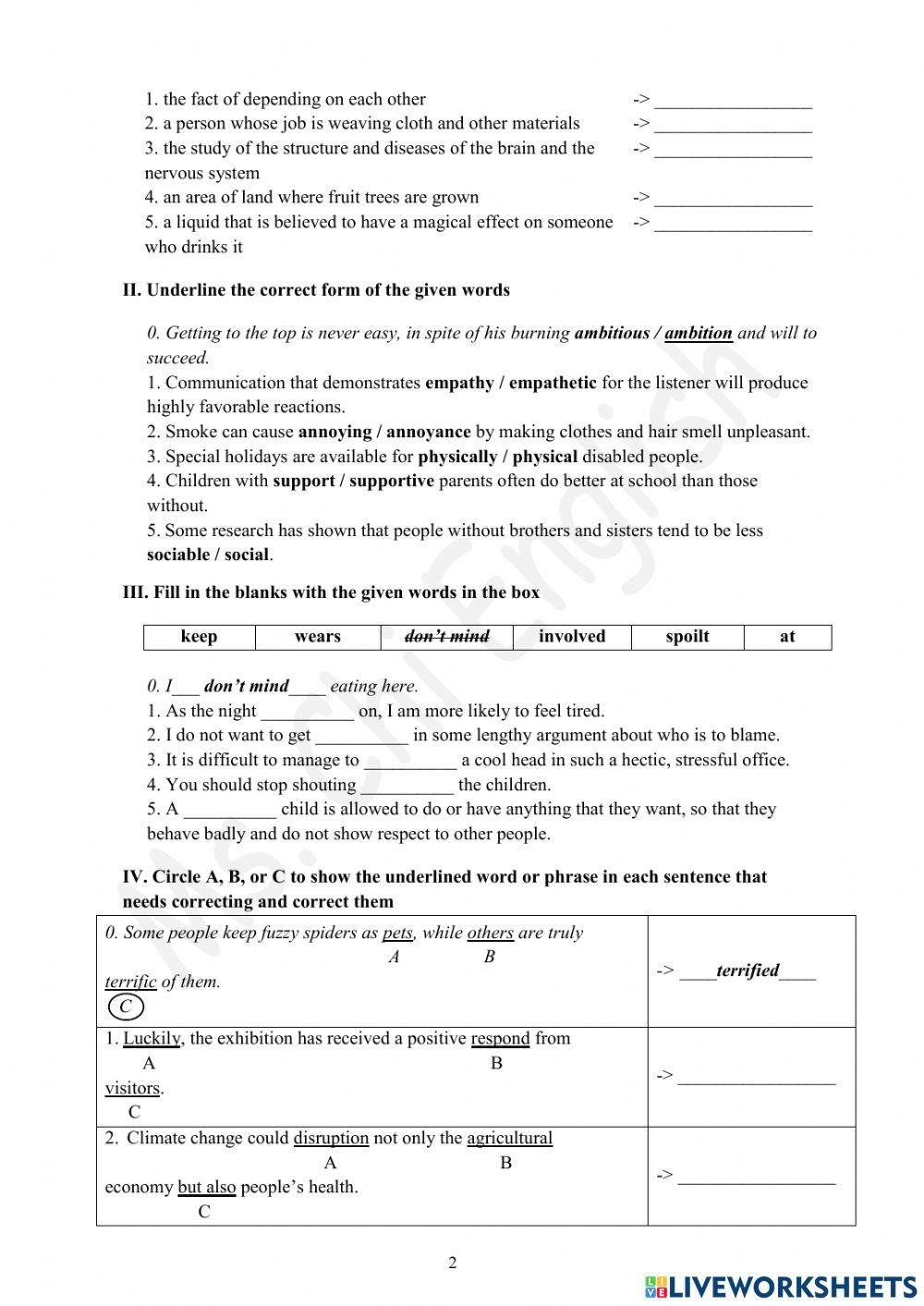
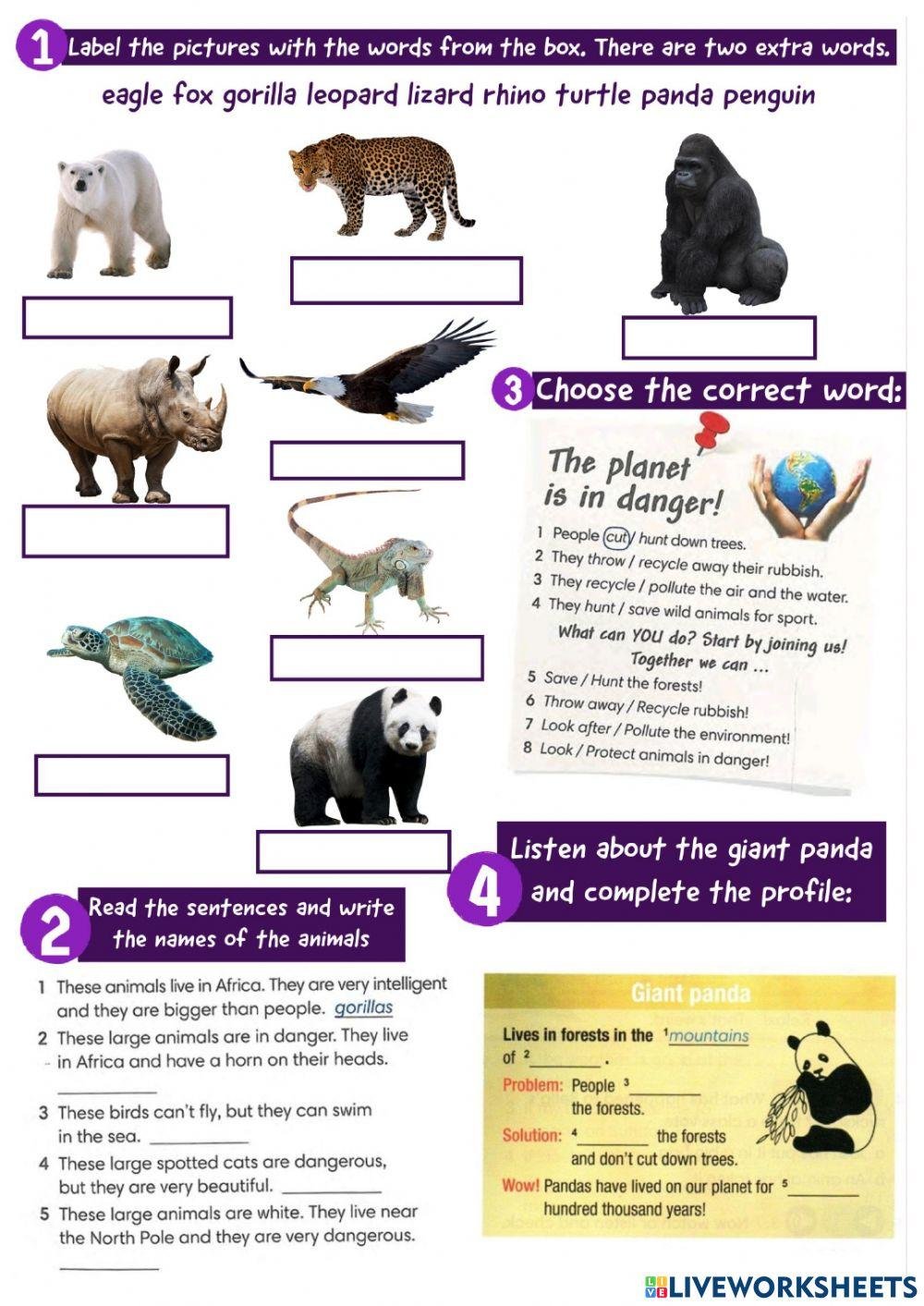
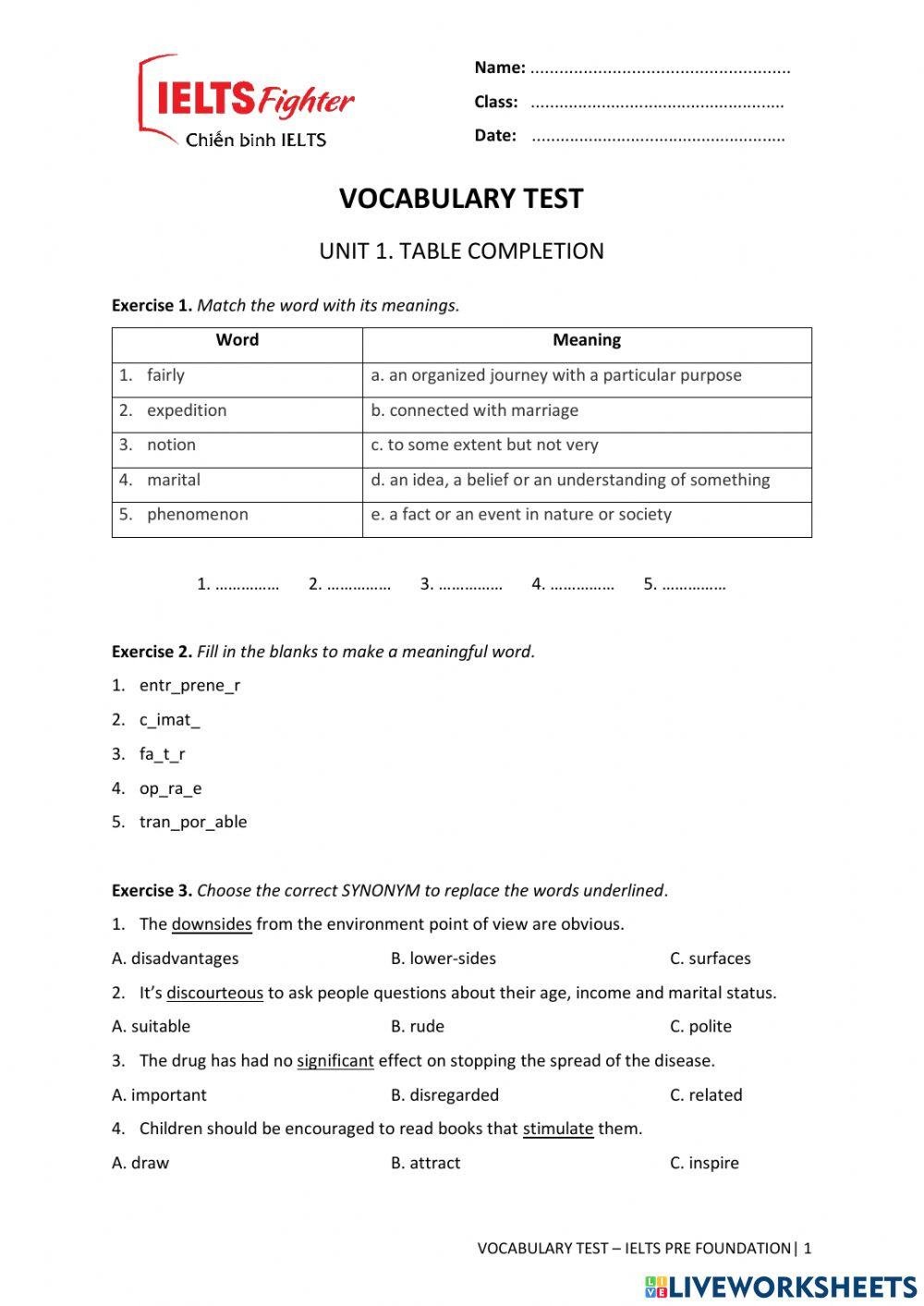
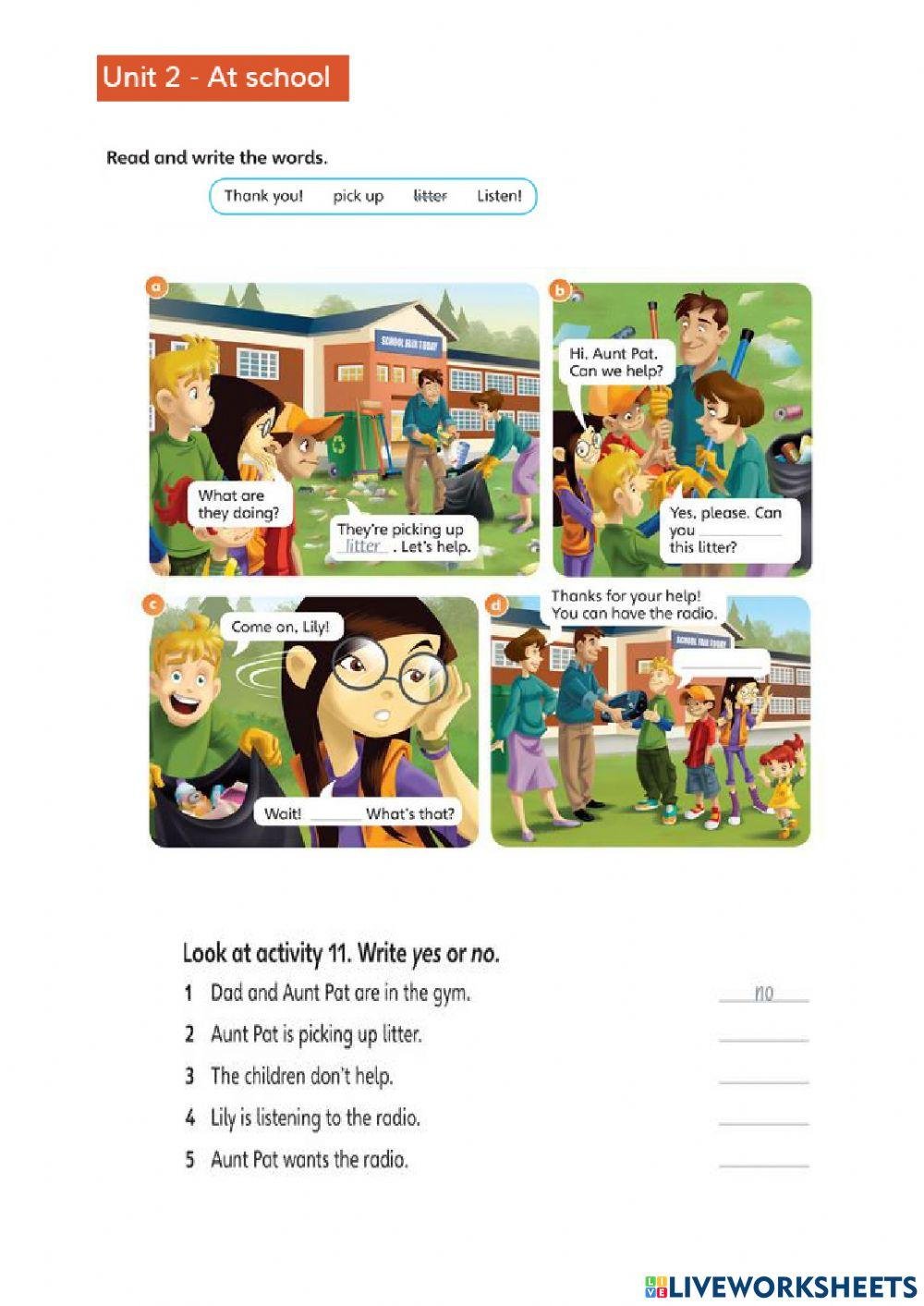
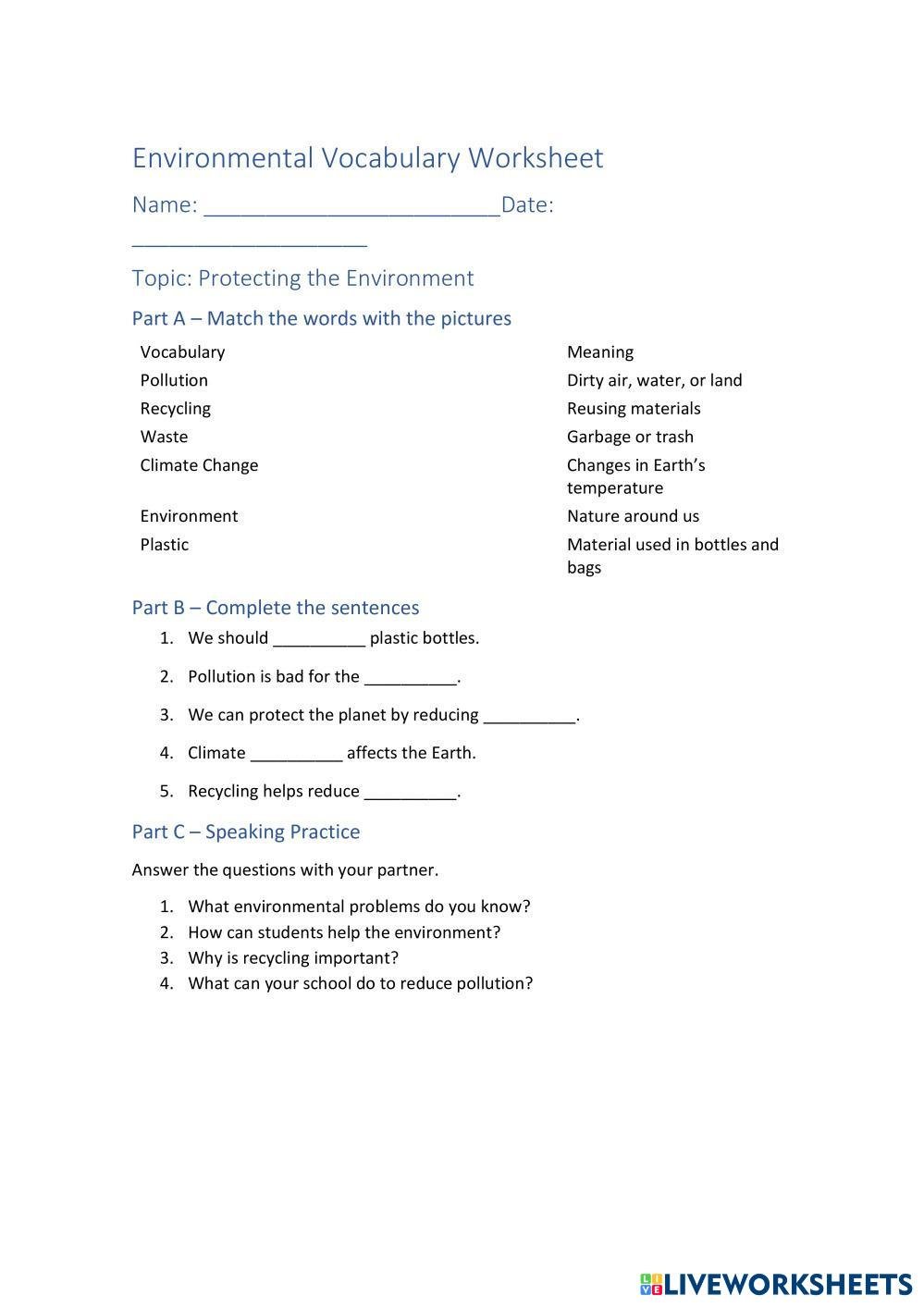
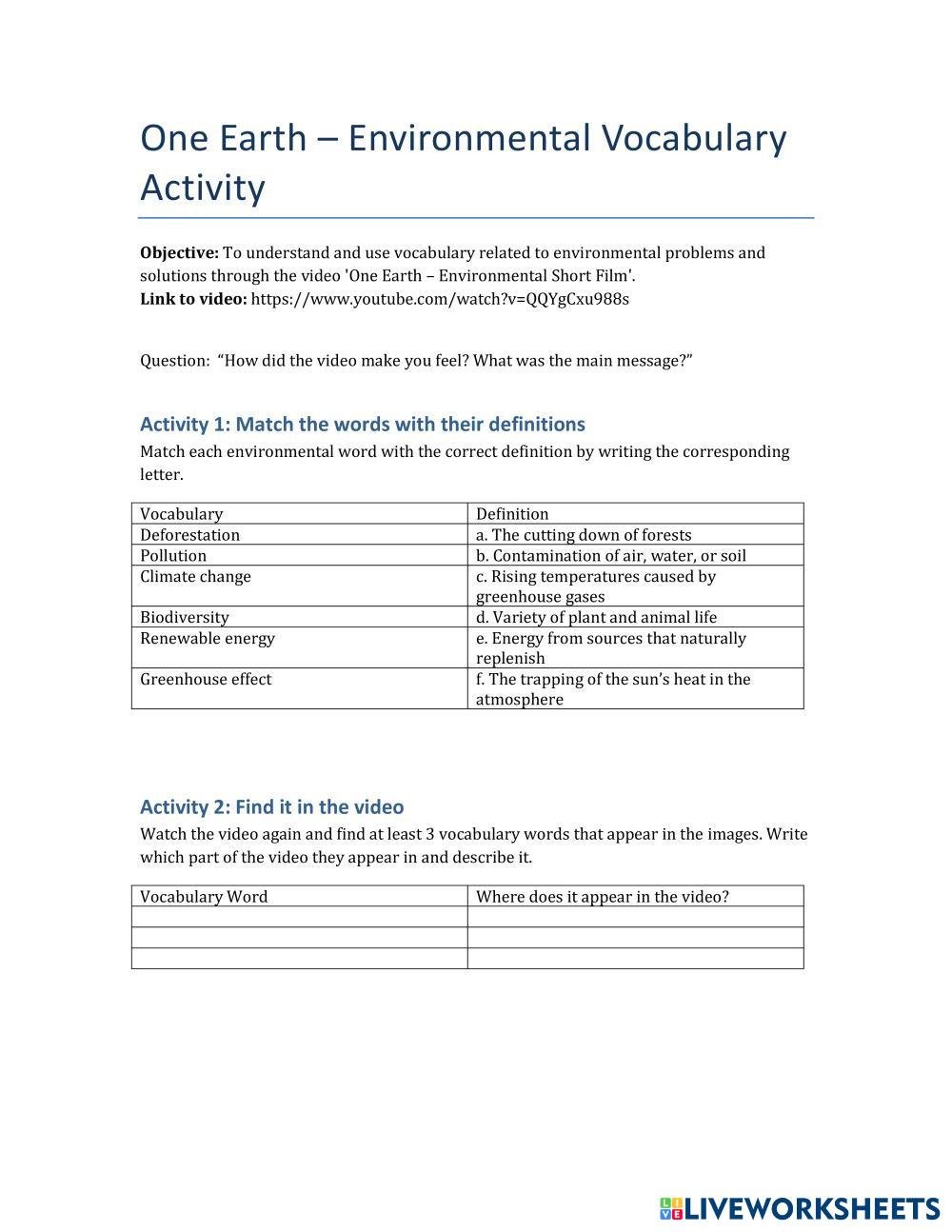
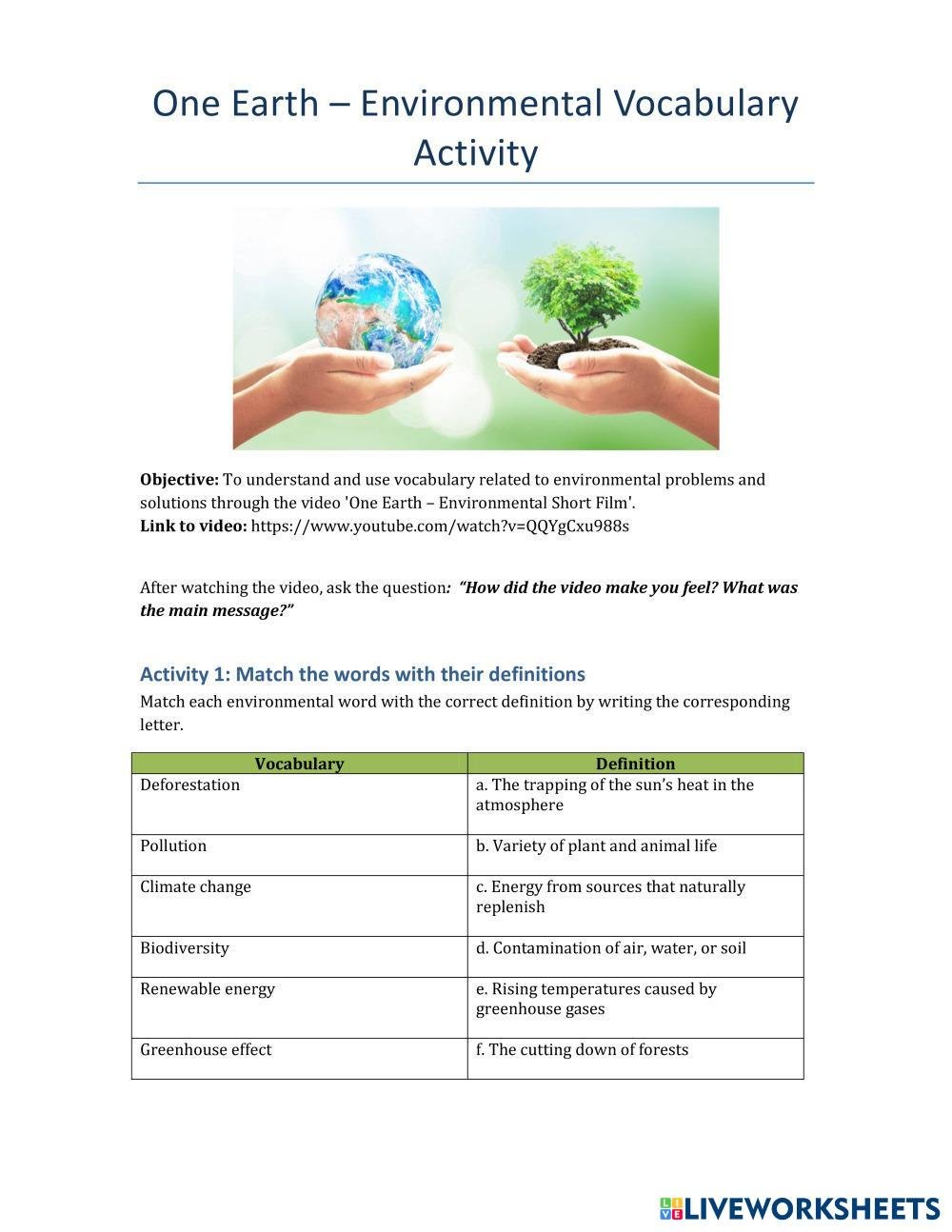
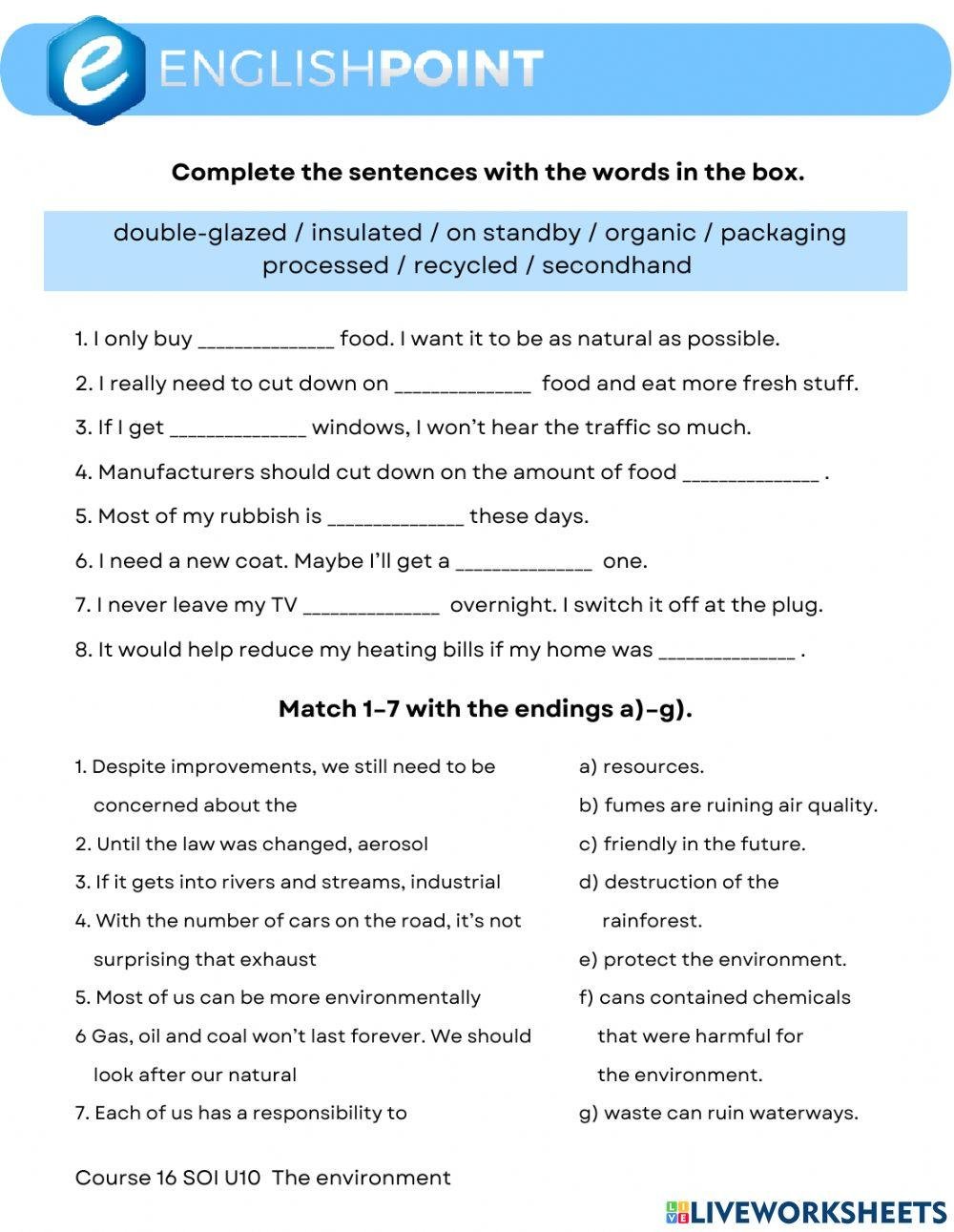
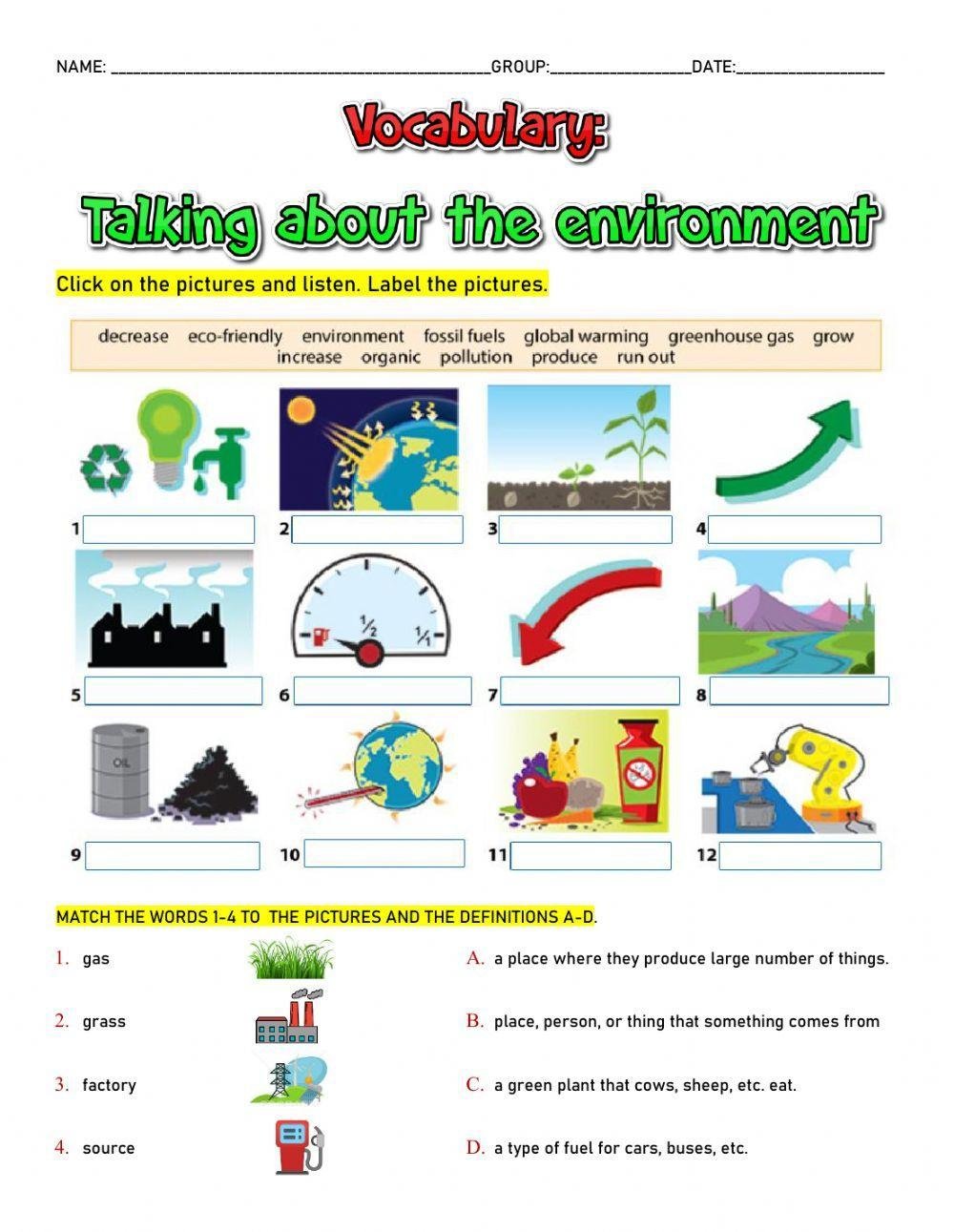
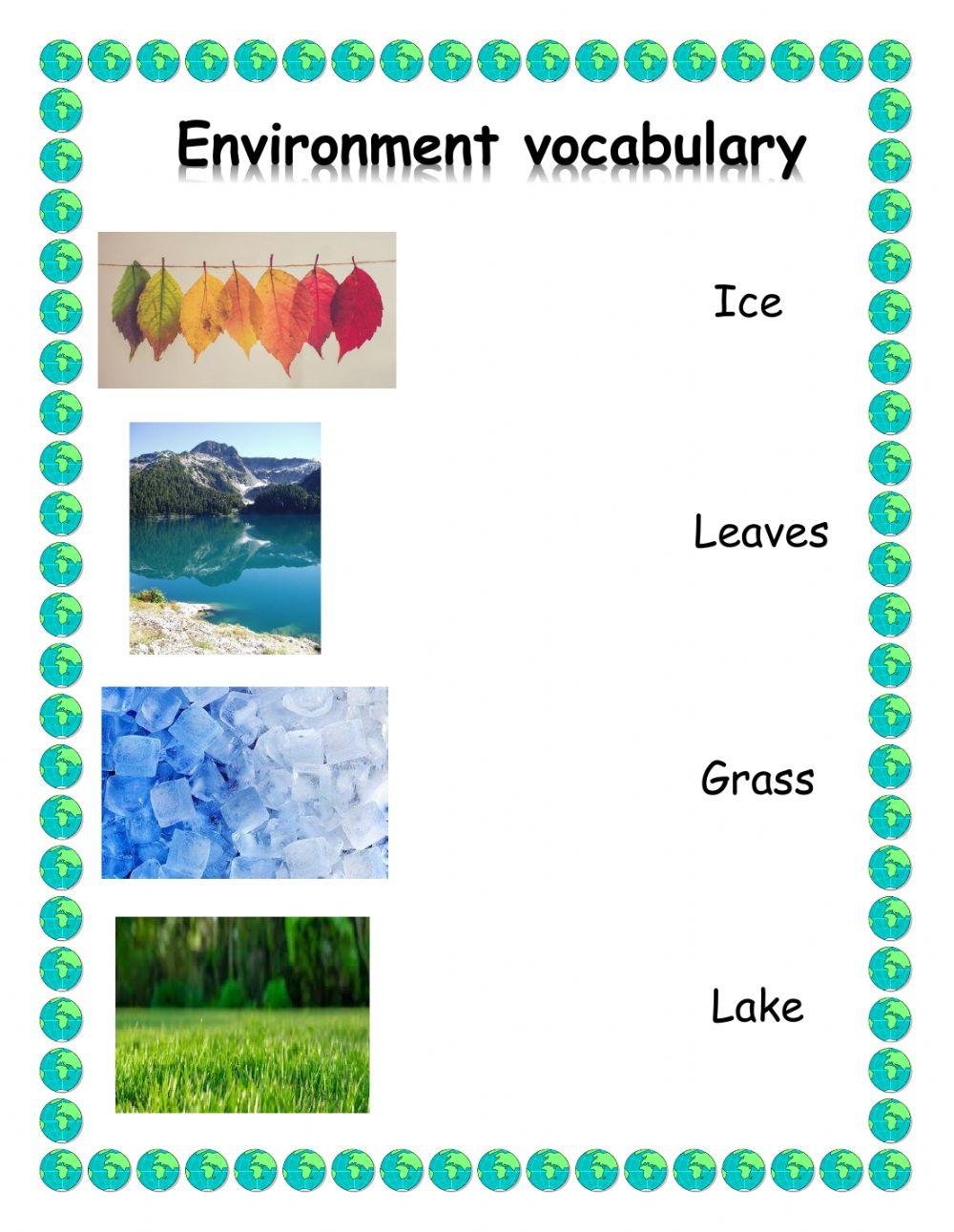
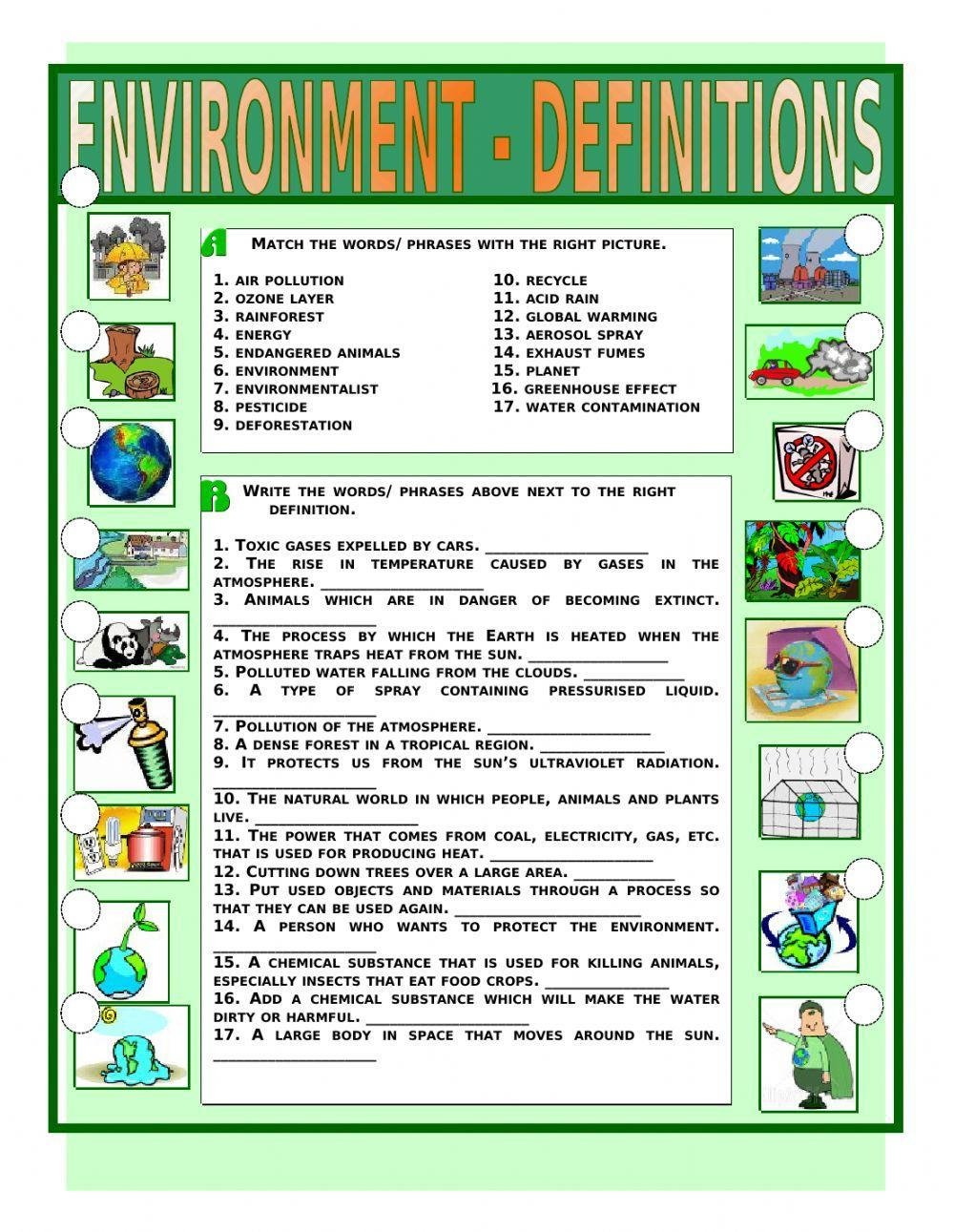
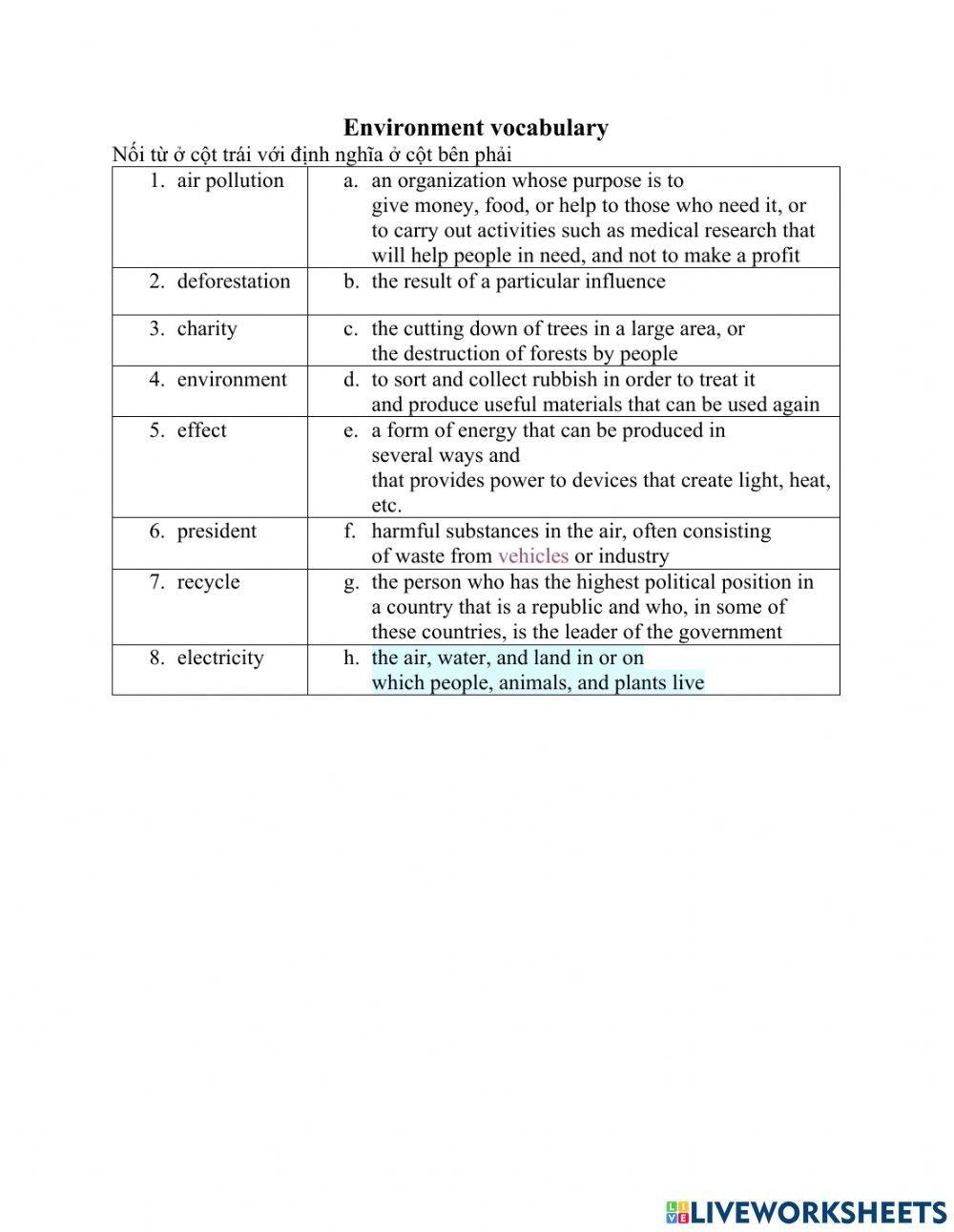
- Matching and Labeling Activities: Worksheets with matching exercises and picture labeling tasks are effective for reinforcing vocabulary. Students can match words to their definitions or label images with the correct terms.
- Recycling Sorting: An engaging activity that teaches students about recycling and sustainable practices. It involves sorting items into different recycling categories.
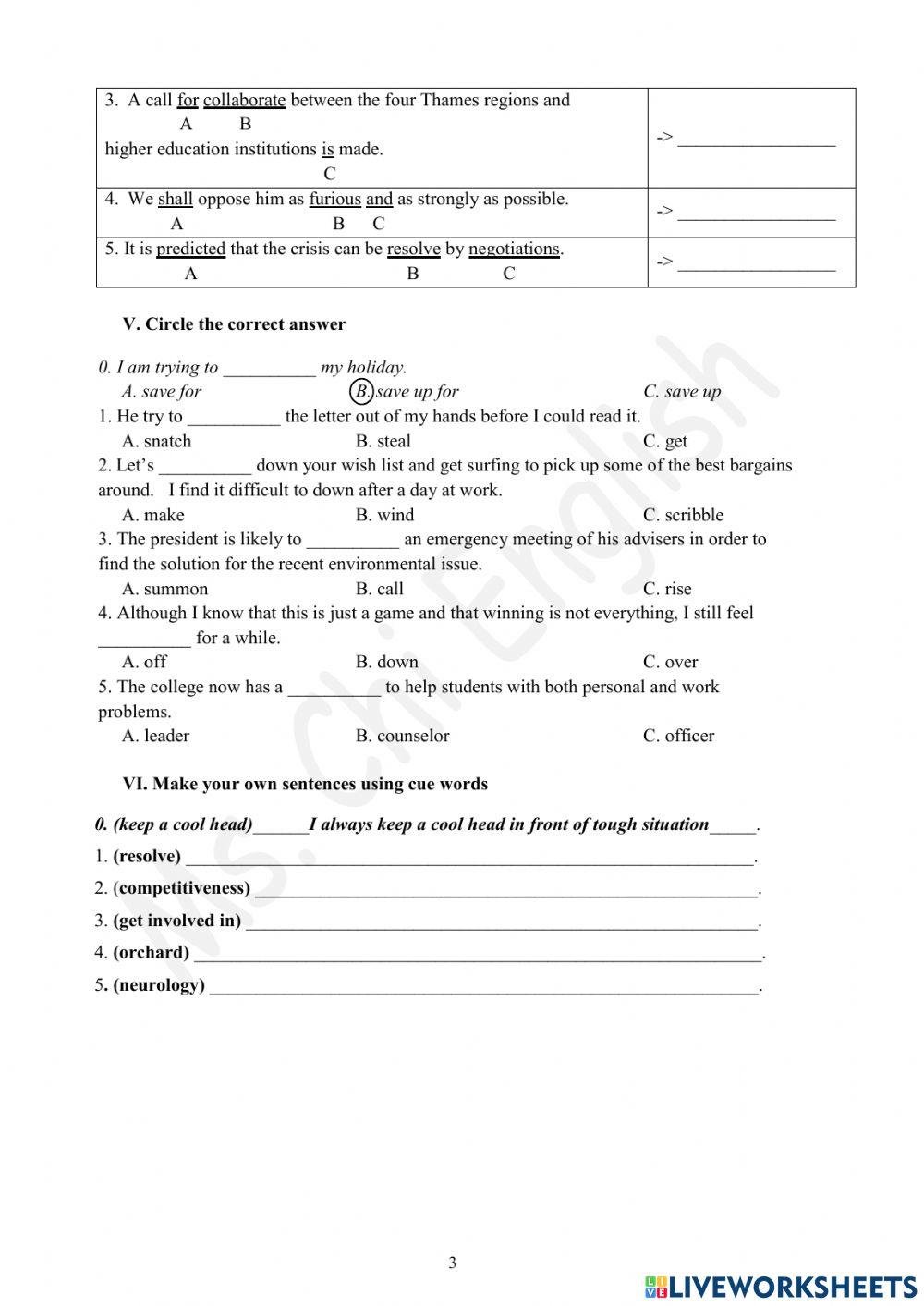
- Multiple Choice and Odd One Out: These classic quiz formats are great for testing comprehension. Multiple-choice questions and odd-one-out challenges keep students engaged while assessing their knowledge.
Interactive Features
Online Platforms
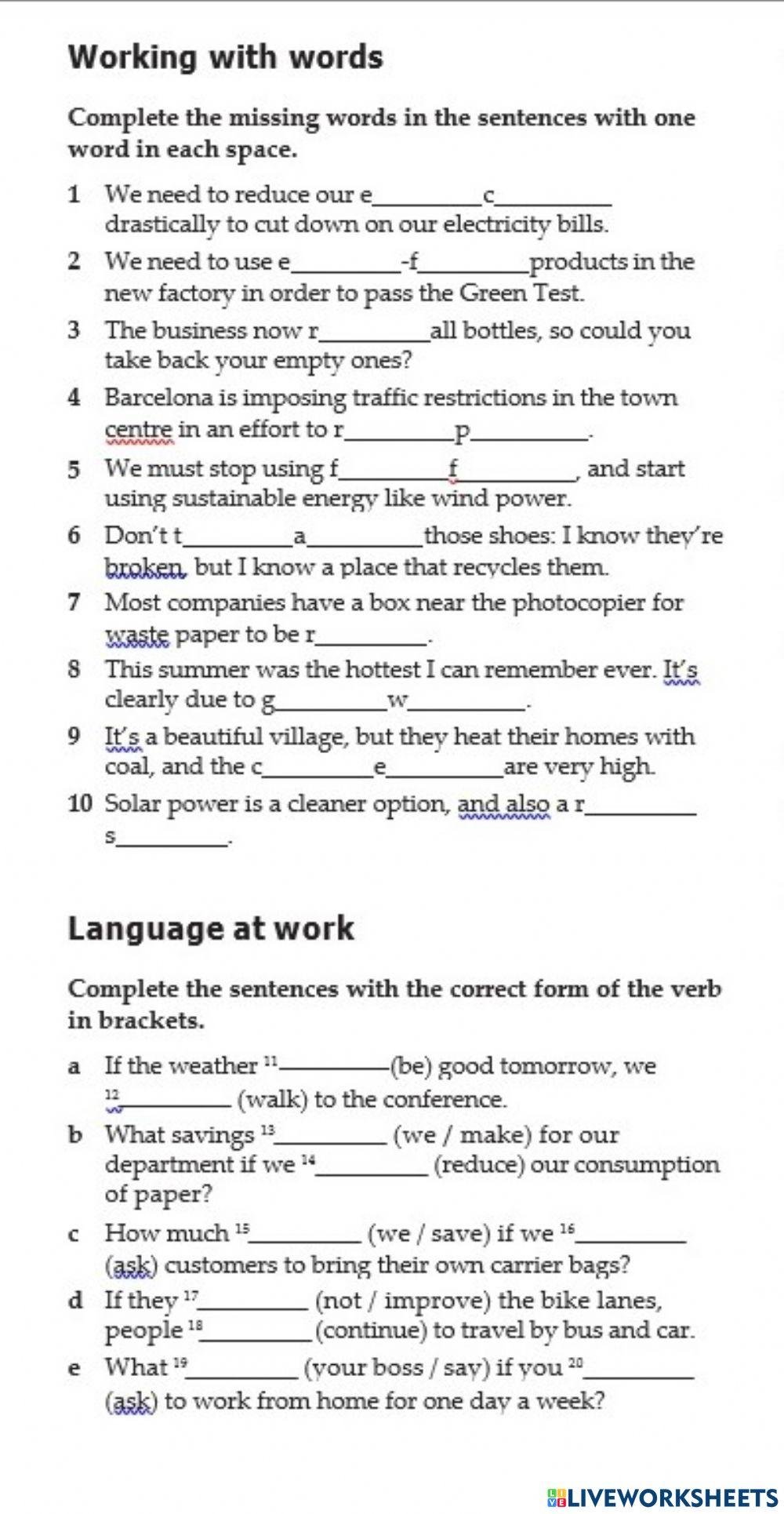
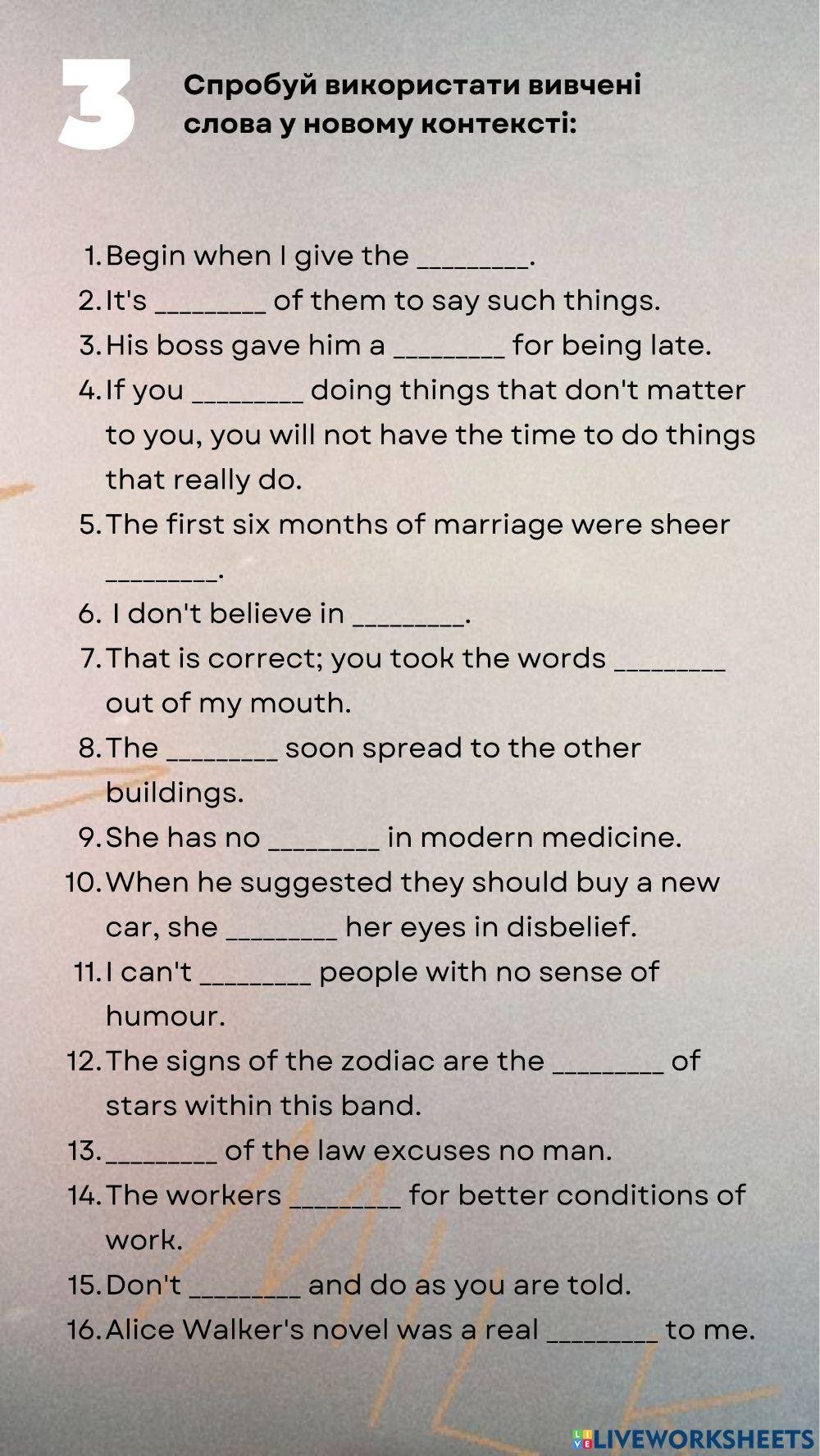
LiveWorksheets transforms traditional printouts into interactive online exercises, allowing students to complete and submit work digitally. This adds a modern twist to traditional worksheets.
Teaching and Learning Resources
- ESL Printable Worksheets: A valuable collection of free, printable resources covering various environmental topics. These worksheets are designed to be easily accessible and adaptable.
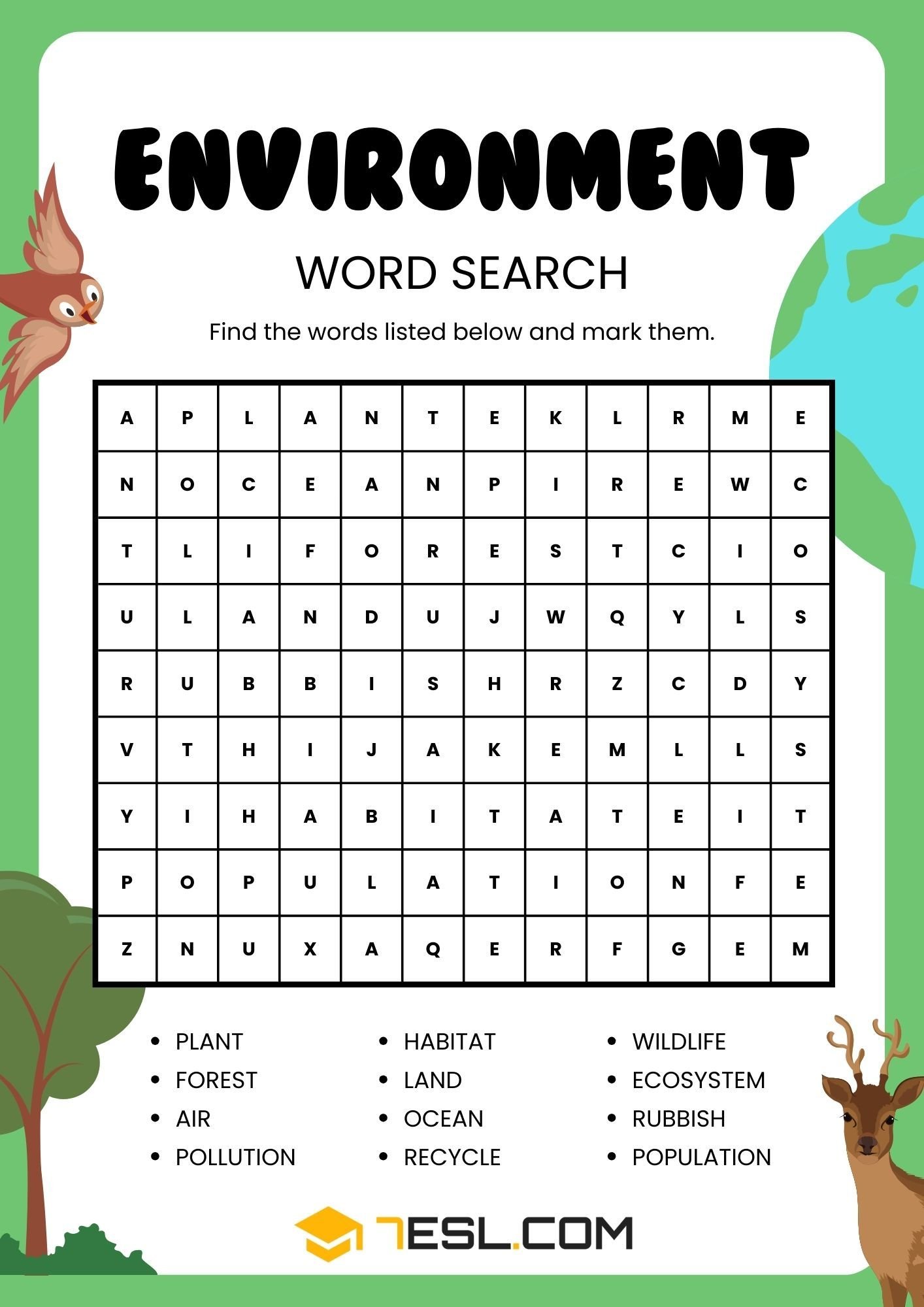
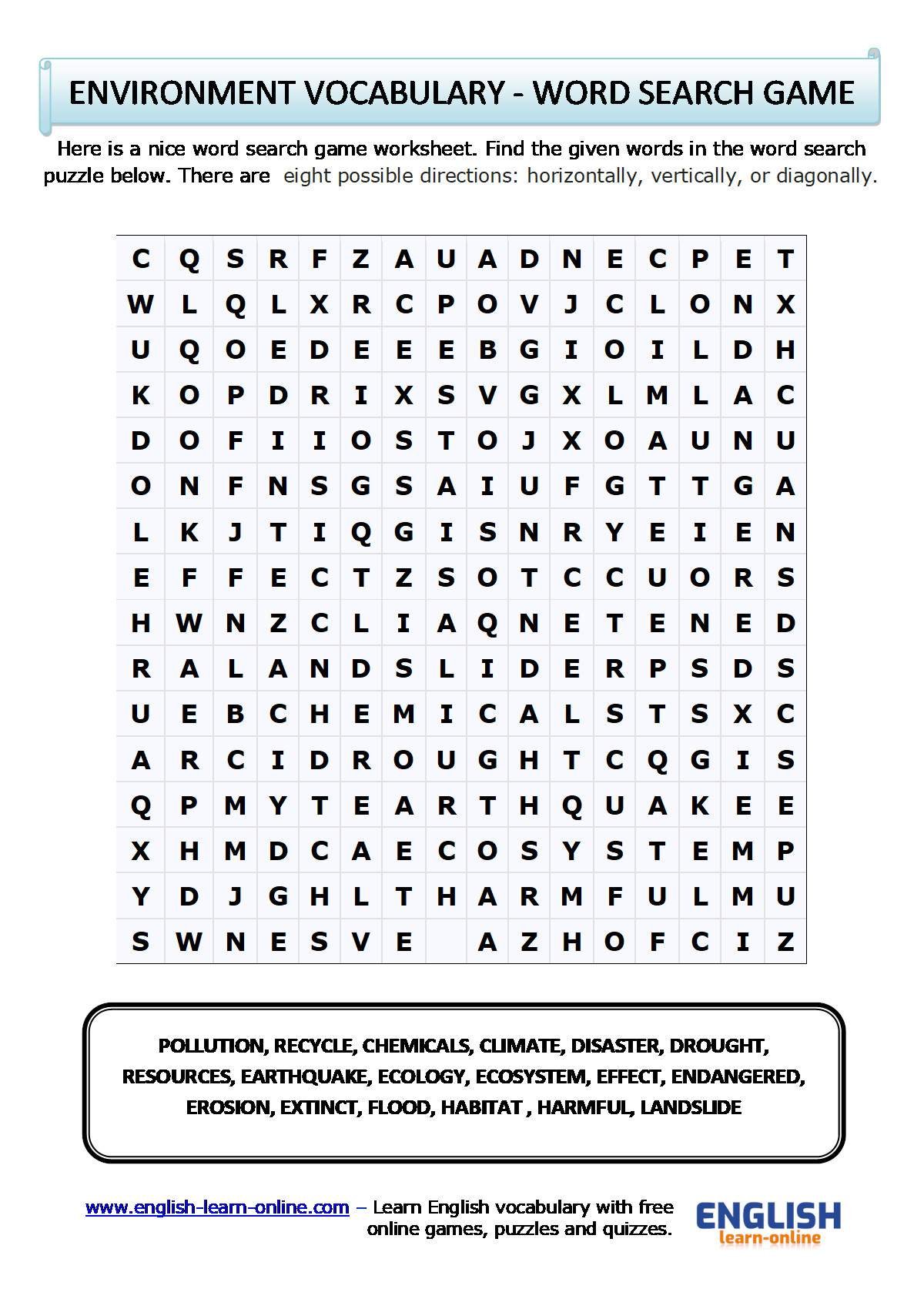
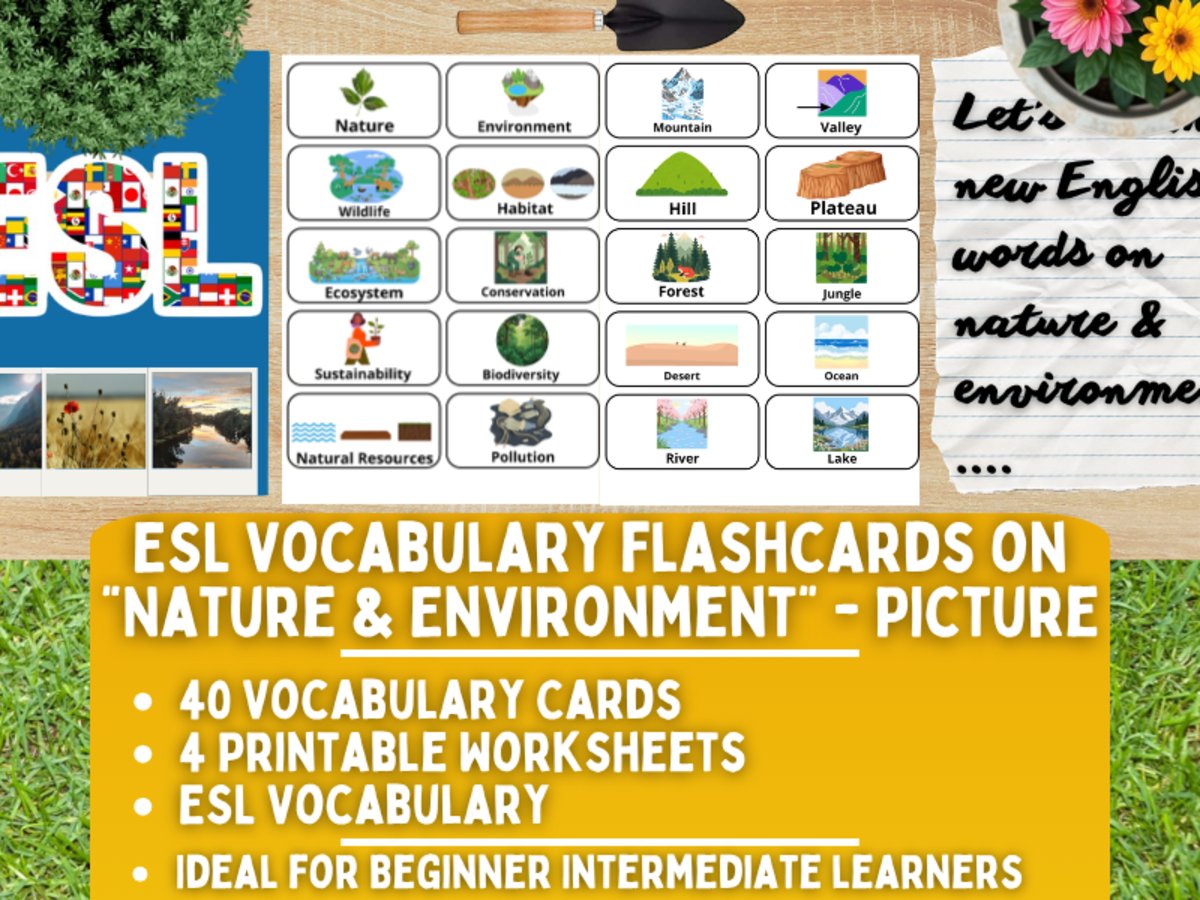
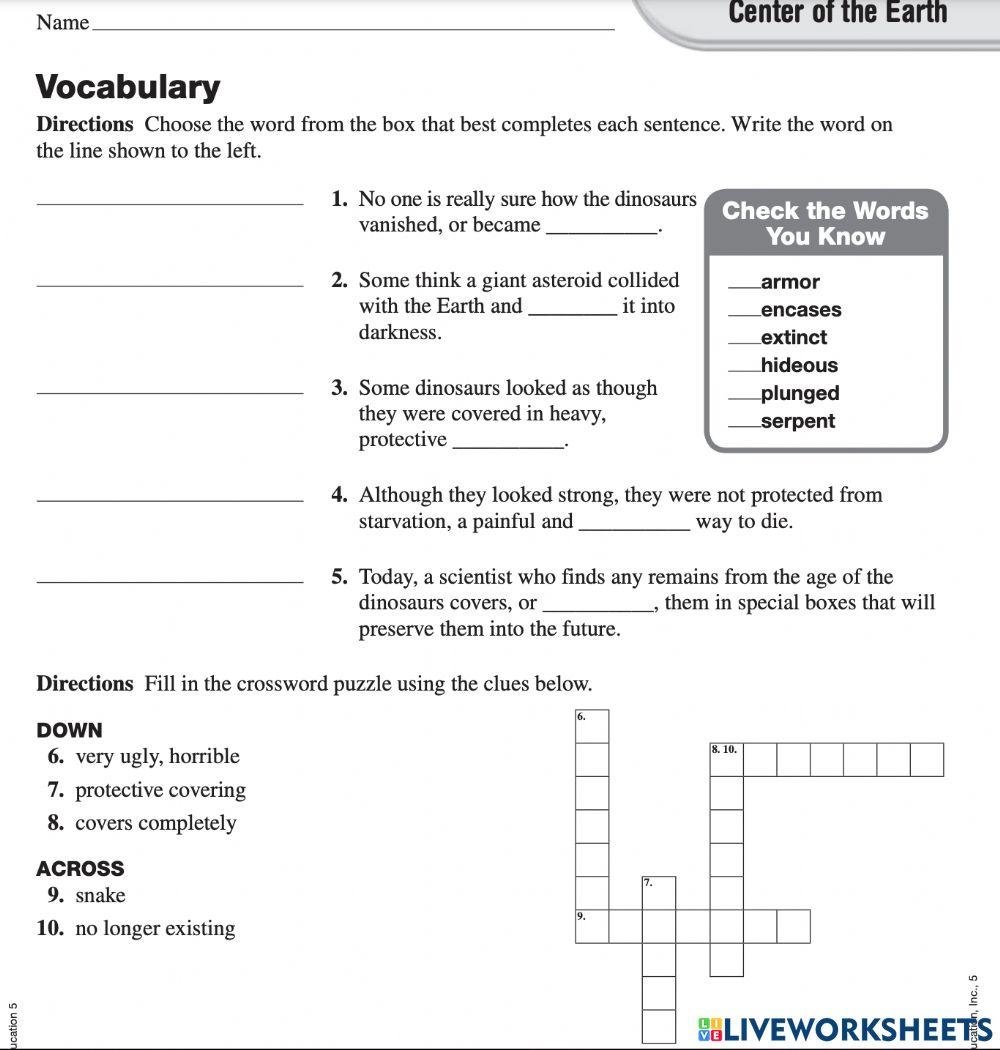
- Picture Dictionaries and Puzzles: Visual aids and interactive puzzles enhance vocabulary learning. Picture dictionaries provide a visual reference, while puzzles make learning fun.
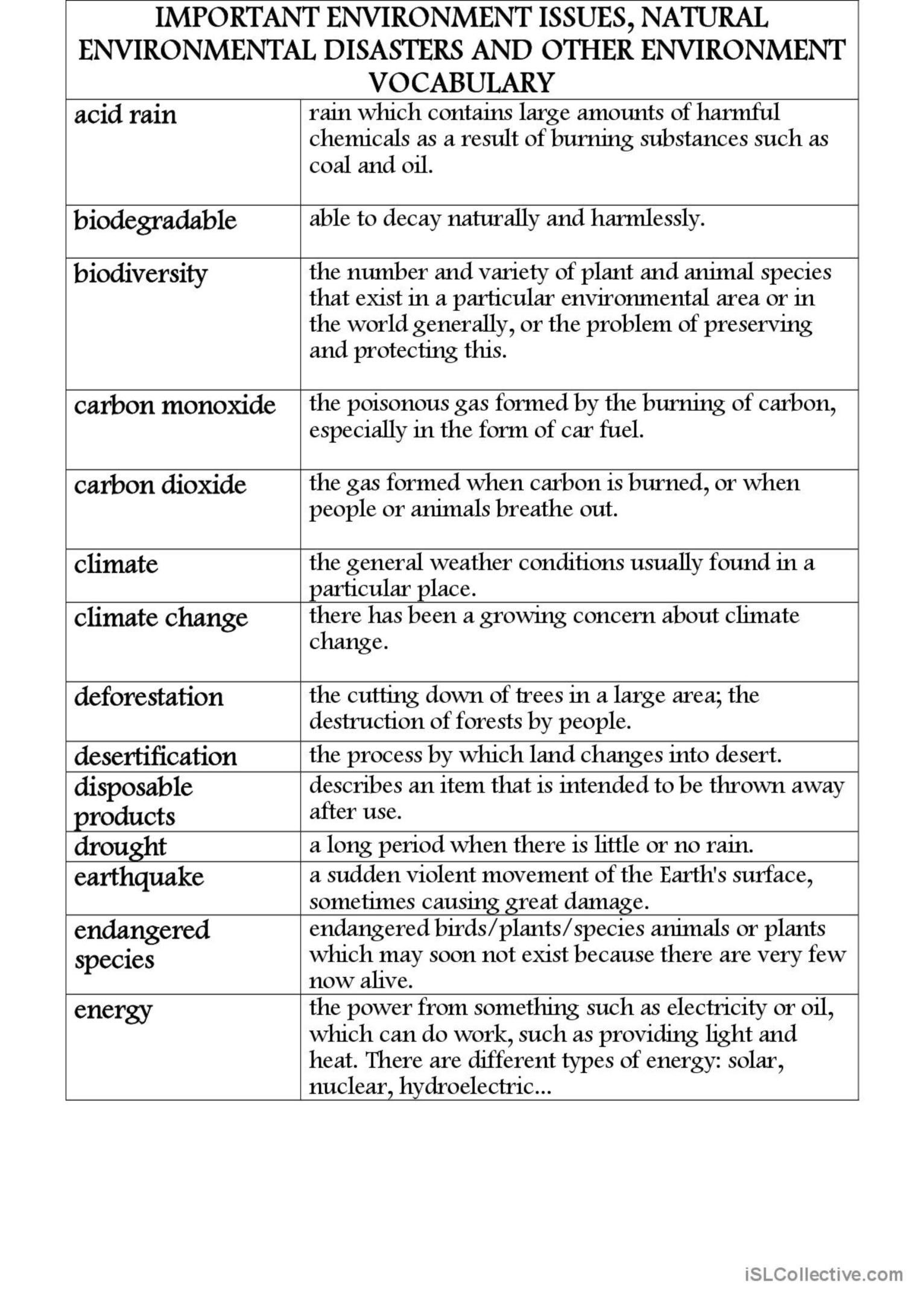
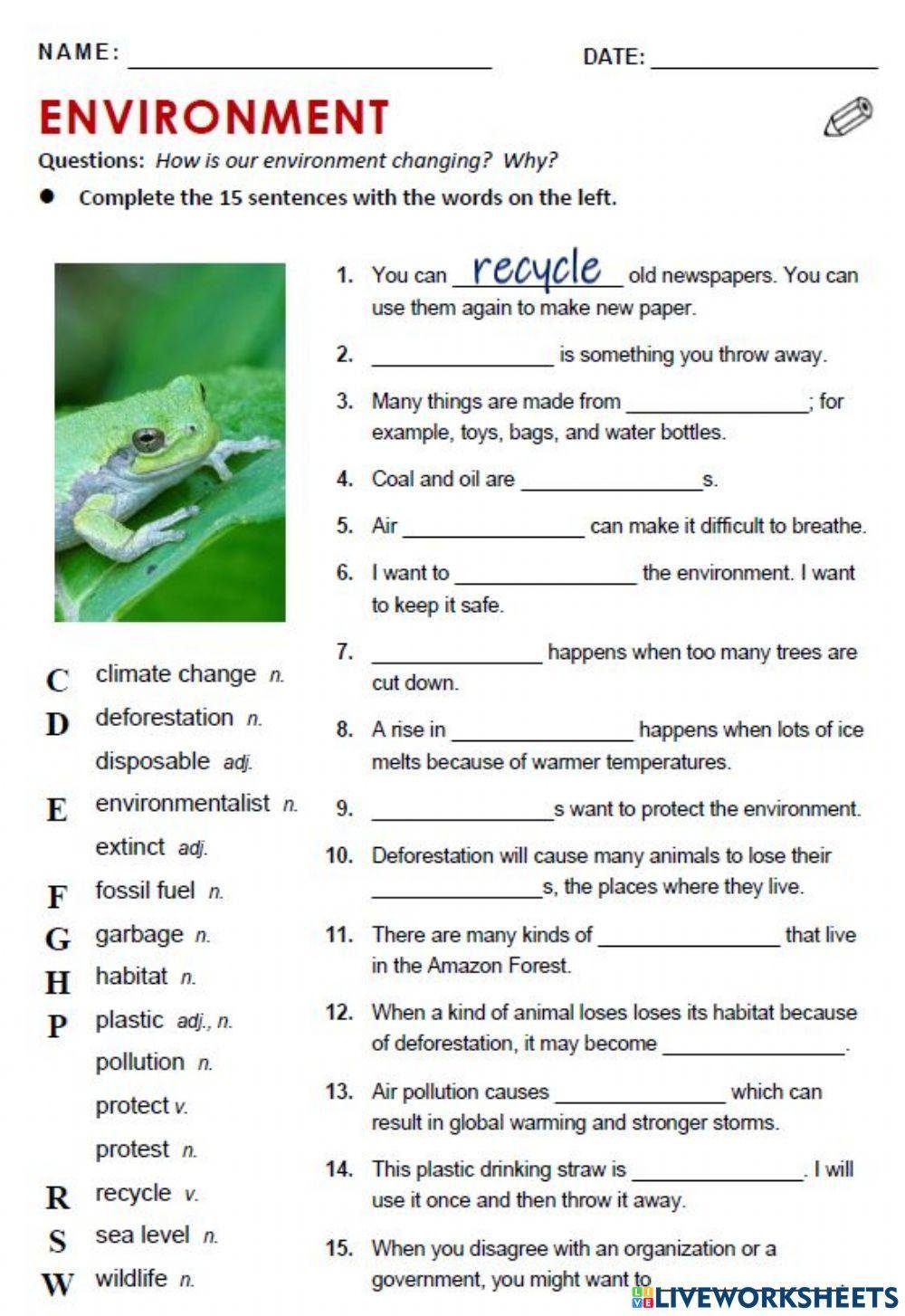
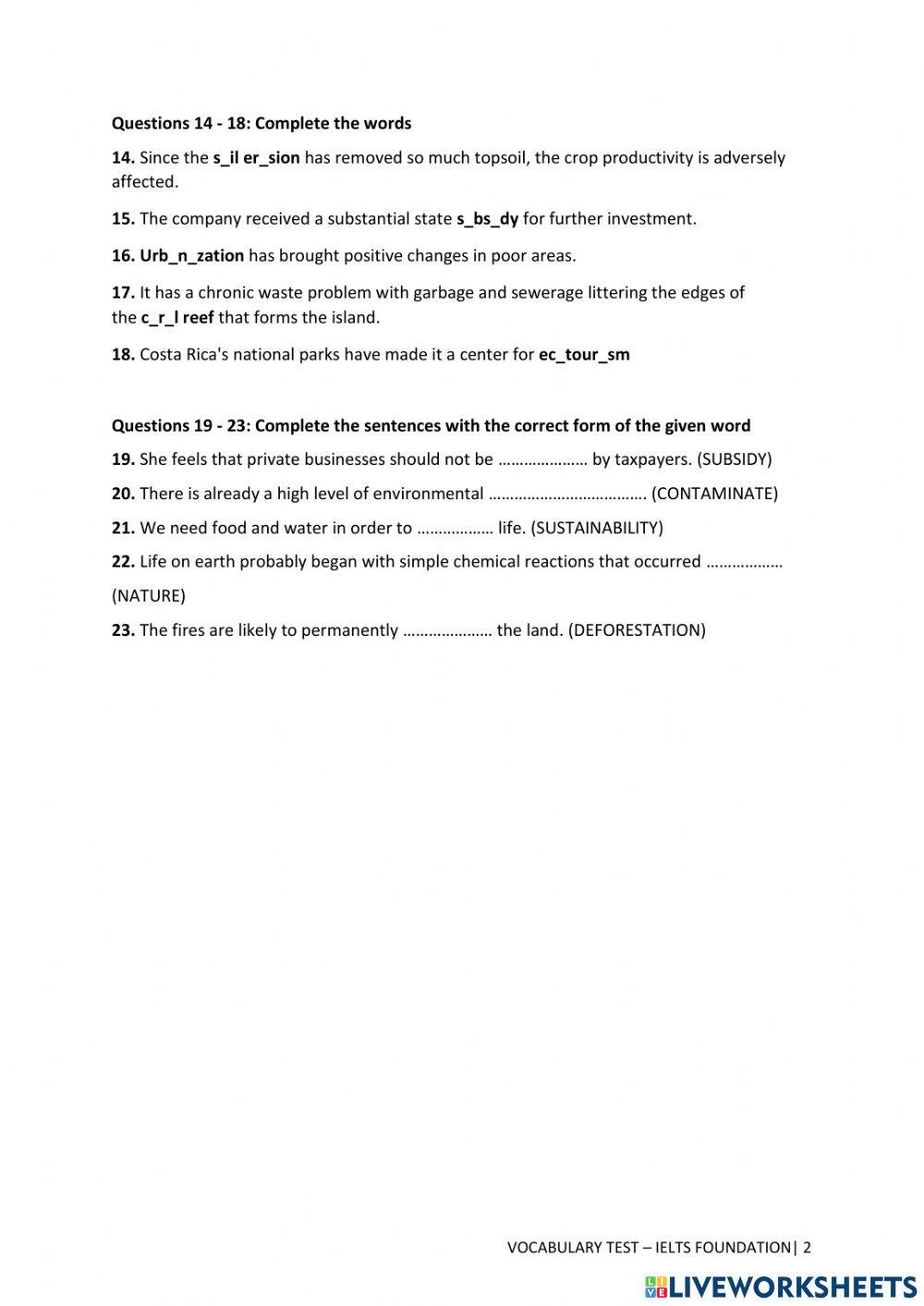
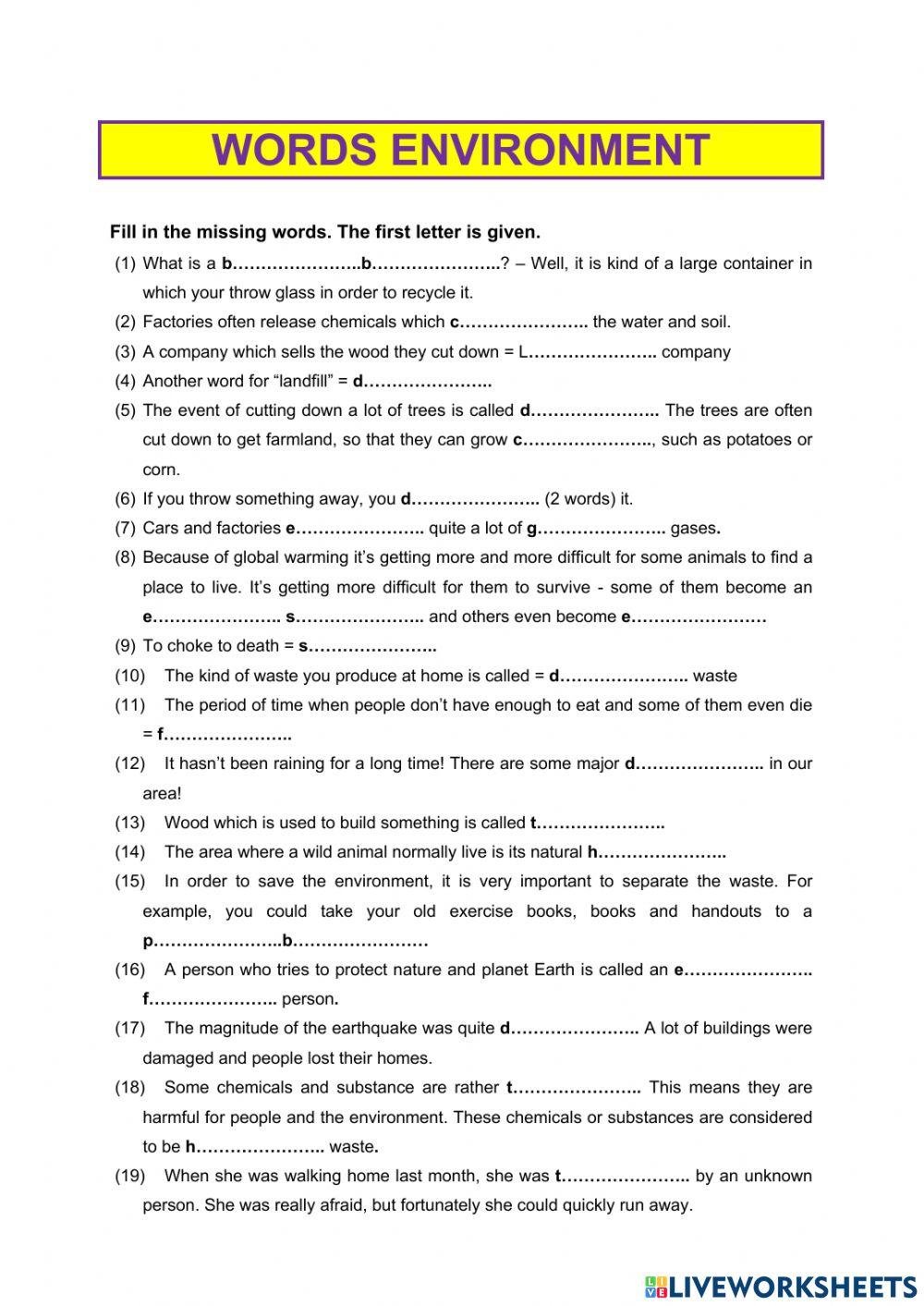
- ESL Vocabulary Worksheets: These worksheets focus specifically on building environmental vocabulary, ensuring students learn relevant terms.
Benefits and Practices
- ESL worksheets about the environment offer a structured approach to learning, with carefully tailored exercises.
- Students can consolidate their understanding of environmental vocabulary through targeted practice.
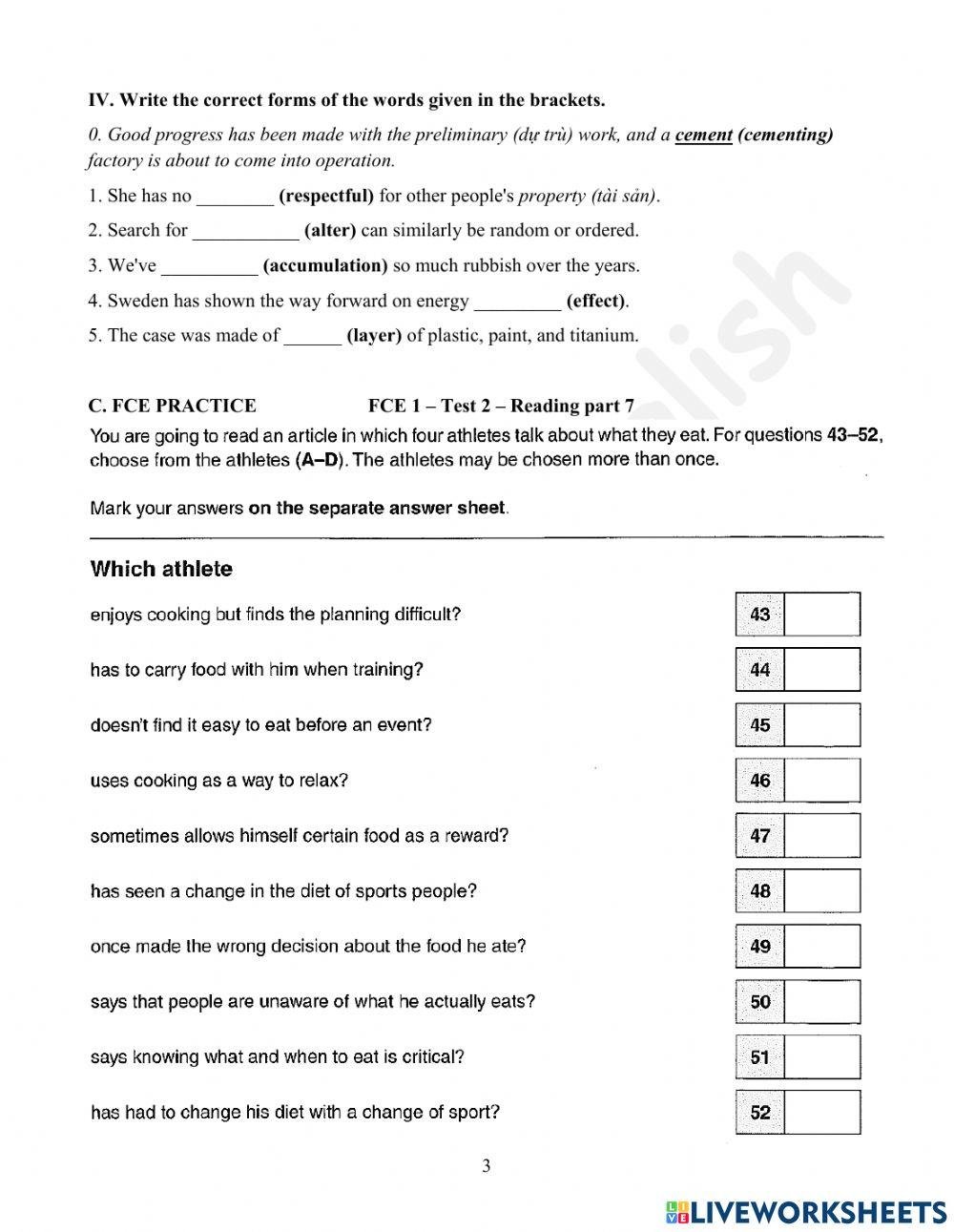
- Gap-fill activities encourage question formation and conversation, promoting active language use.
- Interactive elements, like online platforms, add variety and engagement to traditional learning methods.