Lower back pain is one of the most common health complaints worldwide, affecting millions of people and significantly impacting their quality of life. The causes of lower back pain can be diverse, ranging from muscle strain and poor posture to more serious conditions like herniated discs and degenerative disc disease. Fortunately, a well-structured exercise program can play a crucial role in both preventing and managing lower back pain. Exercises tailored for the lower back can help strengthen the muscles that support the spine, improve flexibility, and enhance posture, all of which are critical for reducing and preventing pain.
Understanding Lower Back Pain
Before embarking on an exercise program for lower back pain, it’s essential to understand the nature of your pain. Lower back pain can be acute or chronic. Acute pain is typically sudden and caused by an injury or sudden movement, while chronic pain persists over a longer period. Identifying the cause of your lower back pain, whether it’s due to muscle overuse, poor lifting techniques, or a medical condition, will help in selecting the most appropriate exercises.
Core Strengthening Exercises
Strengthening the core muscles, which include the abdominals and back muscles, is fundamental for stabilizing the spine and alleviating lower back pain. Here are a few core-strengthening exercises:
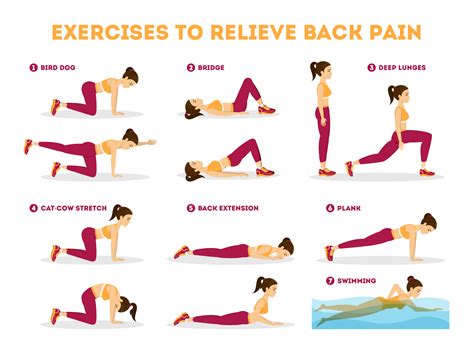
- Plank: Start in a push-up position, with your hands shoulder-width apart. Instead of lowering your body toward the ground, hold yourself up in a straight line from head to heels. Hold this position for as long as you can, aiming for at least 30 seconds.
- Pelvic Tilt: Lie on your back with your knees bent and feet flat on the floor. Tilt your pelvis upwards and then back down again, repeating the motion for several repetitions. This helps in strengthening the abdominal muscles.
- Bird Dog: Start on your hands and knees. Lift your right arm and left leg off the ground and hold them straight out, keeping your core muscles tight. Hold for a few seconds, then lower and repeat with the left arm and right leg.
Stretching Exercises
Stretching is crucial for maintaining flexibility and reducing stiffness in the lower back. Regular stretching can help improve your range of motion and reduce pain.
- Knee to Chest Stretch: Lie on your back and bring one knee towards your chest. Hold onto your knee with your hand and gently pull it towards your chest. You should feel a stretch in your lower back. Hold for 30 seconds and then switch sides.
- Cat-Cow Stretch: Start on your hands and knees. Arch your back, lifting your tailbone and head towards the ceiling (like a cat). Then, round your back, tucking your chin to your chest and your tailbone towards the floor (like a cow). Repeat several times.
- Hamstring Stretch: Sit on the floor with your legs straight out in front of you. Lean forward, reaching for your toes, and hold for 30 seconds. This stretch is particularly useful because tight hamstrings can contribute to lower back pain.
Strengthening Exercises for the Back
In addition to core strengthening, exercises that target the back muscles themselves can provide additional support to the spine.
- Lat Pulldowns: Using a resistance band or a lat pulldown machine, pull the bar down towards your chest, squeezing your lats at the top of the movement.
- Seated Row: Similar to lat pulldowns, this exercise targets the middle and upper back muscles, which are also crucial for posture and spine support.
- Superman: Lie on your stomach with your arms extended in front of you. Lift your arms, shoulders, and legs off the ground, holding for a few seconds before lowering back down. This exercise targets the erector spinae muscles in the lower back.
Aerobic Exercises
Aerobic exercises, such as walking, swimming, or cycling, can help improve cardiovascular health and reduce muscle tension, which can in turn help alleviate lower back pain. These exercises are low-impact and can be modified to suit different fitness levels.
Lifestyle Modifications
In addition to a regular exercise program, several lifestyle modifications can help in managing lower back pain. These include:
- Maintaining a Healthy Weight: Excess weight can put additional strain on the spine, exacerbating back pain.
- Improving Posture: Keeping your spine in alignment can reduce the strain on your back muscles.
- Avoiding Smoking: Smoking can reduce blood flow to the spine, leading to disc degeneration.
- Managing Stress: Stress can cause muscle tension, which can worsen back pain. Engaging in stress-reducing activities like meditation, deep breathing, or yoga can be beneficial.
Conclusion
Exercises for lower back pain are a critical component of both prevention and treatment. By combining core strengthening, stretching, and aerobic exercises, individuals can significantly reduce their risk of developing lower back pain and alleviate existing pain. It’s essential to approach any new exercise program gradually and listen to your body, especially if you’re experiencing pain. Consulting with a healthcare professional or a physical therapist can provide personalized advice and help tailor an exercise program to your specific needs.
What are the most common causes of lower back pain?
+The most common causes of lower back pain include muscle strain, poor posture, herniated discs, and degenerative disc disease. Muscle strain can occur from overuse of the back muscles or ligaments, often due to heavy lifting or sudden movement. Poor posture, both during the day and while sleeping, can also lead to strain on the back muscles and spine, resulting in pain.
How often should I exercise to help with lower back pain?
+It’s recommended to engage in exercises for lower back pain at least 2-3 times a week, with a gradual increase in intensity and frequency as your body adapts. Consistency is key, but it’s also crucial to allow for rest and recovery days to avoid overexertion.
Can exercises alone cure lower back pain, or are other treatments necessary?
+While exercises can significantly help manage and prevent lower back pain, other treatments may be necessary depending on the cause and severity of the pain. This can include physical therapy, medication for pain and inflammation, lifestyle changes, and in some cases, surgical intervention. A comprehensive approach that includes exercise, along with medical evaluation and treatment, is often the most effective way to address lower back pain.