As the seasons change, it’s common for respiratory illnesses like the flu to start circulating in communities. The flu, or influenza, is a highly contagious viral infection that affects the respiratory system, causing symptoms such as fever, cough, sore throat, and body aches. When the flu is going around, it’s essential to take precautions to protect yourself and your loved ones from getting infected.
Understanding the Flu Virus
The flu virus is spread through droplets released when an infected person talks, coughs, or sneezes. These droplets can land in the mouths or noses of people nearby, or be inhaled into the lungs. The flu virus can also survive on surfaces for up to 24 hours, allowing people to become infected by touching contaminated objects and then touching their mouths, noses, or eyes.
There are three main types of flu viruses: A, B, and C. Type A and B viruses are responsible for the seasonal outbreaks that occur almost every year, while type C viruses are typically milder and don’t cause widespread outbreaks. The flu virus is constantly mutating, which means that even if you’ve had the flu before, you can still get infected again with a different strain.
Symptoms and Complications
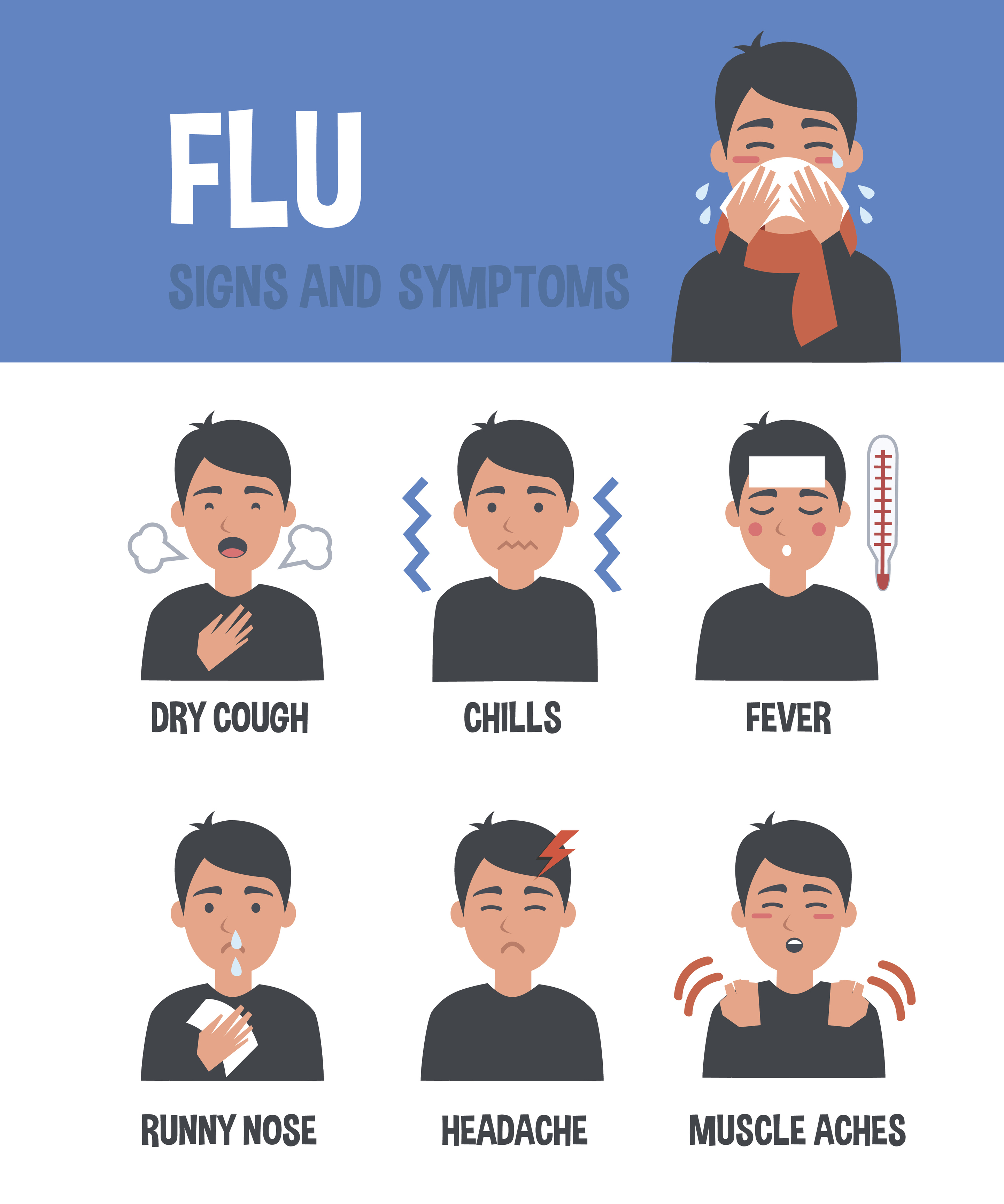
The symptoms of the flu can range from mild to severe, and can include:
- Fever and chills
- Cough and sore throat
- Runny or stuffy nose
- Headache and fatigue
- Muscle or body aches
- Diarrhea and vomiting (more common in children)
In some cases, the flu can lead to serious complications, such as pneumonia, bronchitis, or sinus and ear infections. People with certain underlying health conditions, such as heart disease, diabetes, or asthma, are at higher risk of developing complications from the flu.
Prevention and Treatment
The best way to prevent the flu is to get vaccinated every year. The flu vaccine is available in two forms: a shot and a nasal spray. The Centers for Disease Control and Prevention (CDC) recommends that everyone six months and older get vaccinated against the flu. It’s especially important for certain groups, such as young children, pregnant women, and older adults, to get vaccinated because they are at higher risk of developing complications from the flu.
In addition to getting vaccinated, there are several other ways to protect yourself from the flu:
- Practice good hygiene by washing your hands frequently with soap and water
- Avoid close contact with people who are sick
- Avoid touching your eyes, nose, and mouth
- Clean and disinfect surfaces and objects that may be contaminated with the flu virus
- Stay home from work or school if you’re sick to avoid spreading the virus to others
If you do get the flu, there are several treatments available to help alleviate symptoms. Over-the-counter medications, such as pain relievers and decongestants, can help reduce fever and relieve congestion. Antiviral medications, such as oseltamivir (Tamiflu) and zanamivir (Relenza), can help shorten the duration and severity of the flu, but they must be started within 48 hours of symptom onset.
It's essential to note that antibiotics are not effective against the flu virus, as they only work against bacterial infections. Taking antibiotics when you have the flu can actually do more harm than good, as it can contribute to the development of antibiotic-resistant bacteria.
Flu Outbreaks and Epidemics
When the flu is going around, it’s not uncommon for outbreaks to occur in communities. An outbreak is defined as an increase in the number of cases of a disease above what is normally expected. In some cases, outbreaks can escalate into epidemics, which are widespread outbreaks that affect a large number of people.
During an outbreak or epidemic, public health officials may take several steps to control the spread of the flu, such as:
- Implementing vaccination campaigns to immunize as many people as possible
- Encouraging people to stay home from work or school if they’re sick
- Closing schools or other public places to reduce the risk of transmission
- Distributing antiviral medications to high-risk groups, such as healthcare workers and people with underlying health conditions
Steps to Take During a Flu Outbreak
- Stay informed about the outbreak and follow public health recommendations
- Get vaccinated against the flu
- Practice good hygiene, such as washing your hands frequently
- Avoid close contact with people who are sick
- Stay home from work or school if you're sick
Flu Season and Climate Change
The flu season typically runs from October to May, with the peak season usually occurring between December and February. However, the timing and severity of the flu season can vary from year to year, and can be influenced by several factors, including climate change.
Warmer temperatures and changing weather patterns can affect the circulation and transmission of the flu virus, potentially leading to more severe outbreaks. Additionally, climate change can increase the spread of other respiratory illnesses, such as pneumonia and bronchitis, which can further exacerbate the flu season.
What are the most common symptoms of the flu?
+The most common symptoms of the flu include fever, cough, sore throat, runny or stuffy nose, headache, and fatigue. In some cases, people may also experience diarrhea and vomiting, especially children.
How can I protect myself from getting the flu?
+The best way to protect yourself from getting the flu is to get vaccinated every year. You can also practice good hygiene, such as washing your hands frequently, and avoid close contact with people who are sick.
What are the potential complications of the flu?
+The potential complications of the flu include pneumonia, bronchitis, and sinus and ear infections. People with certain underlying health conditions, such as heart disease, diabetes, or asthma, are at higher risk of developing complications from the flu.
In conclusion, when the flu is going around, it’s essential to take precautions to protect yourself and your loved ones from getting infected. By getting vaccinated, practicing good hygiene, and avoiding close contact with people who are sick, you can reduce your risk of getting the flu and help prevent the spread of the virus. Additionally, being aware of the potential complications of the flu and taking steps to mitigate them can help ensure a swift and full recovery.