The presence of Helicobacter pylori (H. pylori) bacteria in the stomach is a significant health concern, as it can lead to various gastrointestinal issues, including peptic ulcers, gastritis, and even stomach cancer. Accurate detection of H. pylori is crucial for effective treatment and prevention of these conditions. In recent years, significant advancements have been made in the development of H. pylori tests, providing healthcare professionals with quick and reliable detection methods.
Understanding H. Pylori Infection
H. pylori bacteria are spiral-shaped microorganisms that thrive in the acidic environment of the stomach. They can cause inflammation of the stomach lining, leading to various symptoms such as abdominal pain, bloating, and nausea. If left untreated, H. pylori infection can lead to more severe complications, including ulcers, stomach cancer, and malabsorption of essential nutrients.
Traditional Detection Methods
Traditional methods for detecting H. pylori include endoscopy, biopsy, and blood tests. Endoscopy involves the insertion of a flexible tube with a camera into the stomach to visually inspect the stomach lining for signs of inflammation or ulcers. Biopsy involves the removal of a tissue sample from the stomach lining for laboratory analysis. Blood tests, such as the enzyme-linked immunosorbent assay (ELISA), detect the presence of antibodies against H. pylori in the blood.
Advancements in H. Pylori Testing
Recent advancements in H. pylori testing have led to the development of quicker, more reliable, and non-invasive detection methods. Some of these advancements include:
- Urea Breath Test (UBT): This test measures the amount of carbon dioxide in the breath, which is produced by H. pylori bacteria as they break down urea. The UBT is a quick, non-invasive, and highly accurate test for detecting H. pylori.
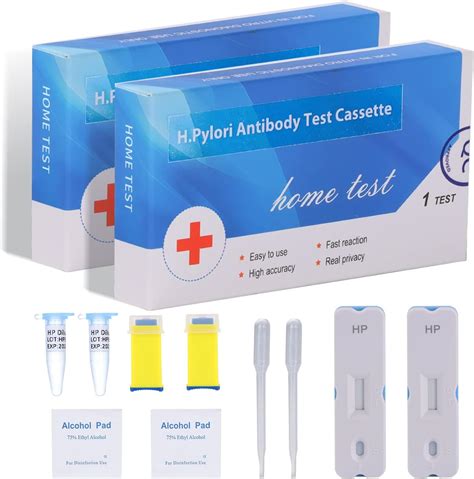
- Stool Antigen Test (SAT): This test detects the presence of H. pylori antigens in the stool, which are proteins produced by the bacteria. The SAT is a non-invasive test that can be performed at home, with results available within a few hours.
- Rapid Urease Test (RUT): This test detects the presence of urease, an enzyme produced by H. pylori bacteria, in a biopsy sample. The RUT is a quick and accurate test that provides results within 24 hours.
Comparison of H. Pylori Tests
| Test | Sensitivity | Specificity | Accuracy | Invasiveness |
|---|---|---|---|---|
| UBT | 90-95% | 95-100% | 92-97% | Non-invasive |
| SAT | 85-90% | 90-95% | 87-92% | Non-invasive |
| RUT | 80-85% | 90-95% | 85-90% | Minimally invasive |
| Endoscopy | 95-100% | 100% | 97-100% | Invasive |
| Biopsy | 90-95% | 95-100% | 92-97% | Invasive |
Current State of H. Pylori Research
Recent studies have focused on the development of more accurate and non-invasive H. pylori tests, such as the use of artificial intelligence and machine learning algorithms to analyze breath samples. Additionally, research has been conducted on the use of nanoparticles and other biomarkers to detect H. pylori infection.
Future Trends in H. Pylori Detection
The future of H. pylori detection is expected to involve the development of even more accurate and non-invasive tests, such as:
- Point-of-care tests: These tests will enable healthcare professionals to detect H. pylori infection at the point of care, without the need for laboratory analysis.
- Artificial intelligence-powered tests: These tests will use machine learning algorithms to analyze breath samples or other biological samples to detect H. pylori infection.
- Nanoparticle-based tests: These tests will use nanoparticles to detect H. pylori antigens or other biomarkers in biological samples.
Practical Application of H. Pylori Tests
H. pylori tests have a range of practical applications, including:
- Diagnosis: H. pylori tests can be used to diagnose H. pylori infection in patients with symptoms of gastrointestinal disease.
- Monitoring: H. pylori tests can be used to monitor the effectiveness of treatment and detect reinfection.
- Screening: H. pylori tests can be used to screen for H. pylori infection in asymptomatic individuals, particularly in high-risk populations.
FAQ Section
What is the most accurate test for detecting H. pylori?
+The urea breath test (UBT) is considered the most accurate test for detecting H. pylori, with an accuracy rate of over 90%.
Can H. pylori infection be treated?
+Yes, H. pylori infection can be treated with antibiotics and other medications. Treatment typically involves a combination of medications, including proton pump inhibitors, antibiotics, and bismuth subsalicylate.
Can H. pylori infection be prevented?
+Yes, H. pylori infection can be prevented by practicing good hygiene, avoiding close contact with infected individuals, and avoiding contaminated food and water.
What are the complications of untreated H. pylori infection?
+Untreated H. pylori infection can lead to complications such as ulcers, stomach cancer, and malabsorption of essential nutrients.
How often should I be tested for H. pylori?
+The frequency of H. pylori testing depends on individual risk factors and symptoms. Healthcare professionals may recommend testing every 1-2 years for individuals with a history of H. pylori infection or symptoms of gastrointestinal disease.
Can H. pylori infection be diagnosed with a blood test?
+Yes, H. pylori infection can be diagnosed with a blood test, such as the enzyme-linked immunosorbent assay (ELISA). However, blood tests may not be as accurate as other tests, such as the UBT or SAT.
In conclusion, the detection of H. pylori infection is a critical step in the diagnosis and treatment of gastrointestinal diseases. With the development of quick and reliable tests, such as the UBT and SAT, healthcare professionals can accurately diagnose H. pylori infection and provide effective treatment. By understanding the different tests available and their advantages and disadvantages, healthcare professionals can make informed decisions about the best course of treatment for their patients.