The Hepatitis A antibody test, commonly referred to as the Hep A Ab Total test, is a crucial diagnostic tool used to determine if an individual has been infected with the Hepatitis A virus (HAV) at some point in their lives. This test is essential for assessing immunity and for diagnosing acute or past infections. Understanding the implications of this test can empower individuals to take proactive steps towards maintaining their health and preventing the spread of this highly contagious virus.
Introduction to Hepatitis A
Hepatitis A is a liver infection caused by the Hepatitis A virus. It is primarily spread through the fecal-oral route, meaning that the virus is shed in the stool of infected individuals and can be ingested by others through contaminated food, water, or direct contact. In many parts of the world, especially in areas with poor sanitation, Hepatitis A is a significant public health problem. However, due to the availability of an effective vaccine, the incidence of Hepatitis A has dramatically decreased in countries with access to clean water, proper waste disposal, and widespread vaccination.
The Role of Hep A Ab Total Test
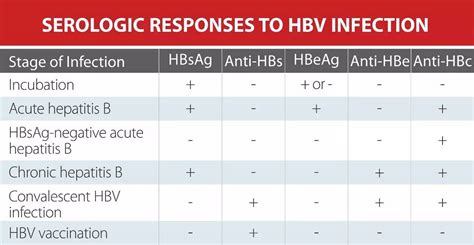
The Hep A Ab Total test measures the total antibodies (both IgM and IgG) against Hepatitis A in the blood. Antibodies are proteins produced by the immune system in response to foreign substances, such as viruses.
- IgM antibodies are the first to be produced in response to an infection and typically indicate a recent or acute infection. Their presence usually signifies that the individual is currently infected or has been infected very recently.
- IgG antibodies are produced later in the course of the infection and provide long-term immunity. The presence of IgG antibodies indicates that the individual has been infected in the past and has developed immunity to the virus.
The Hep A Ab Total test is particularly useful for determining if an individual has immunity to Hepatitis A, whether through past infection or vaccination. This information is crucial for several reasons:
- Travel Planning: For individuals planning to travel to areas where Hepatitis A is common, knowing their immune status can inform decisions about vaccination.
- Occupational Health: Certain professions, such as food handlers or healthcare workers, may require proof of immunity to Hepatitis A to prevent outbreaks.
- Personal Health Management: Understanding one’s immune status can help in making informed decisions about health practices and in assessing the risk of infection.
Interpreting Test Results
Interpreting the results of the Hep A Ab Total test requires understanding the different possible outcomes and what they imply about an individual’s immune status:
- Positive Test: Indicates the presence of antibodies against Hepatitis A, suggesting current, past, or vaccinated immunity.
- Negative Test: Suggests that the individual has not been infected with Hepatitis A and is not immune. Such individuals are at risk of infection and may benefit from vaccination.
Vaccination as Prevention
The Hepatitis A vaccine is highly effective in preventing infection and is recommended for all children at age 1, travelers to certain countries, and individuals at high risk for infection. The vaccine is administered in two doses, six to twelve months apart, and provides long-term protection against Hepatitis A.
Conclusion
The Hep A Ab Total test is a vital tool for diagnosing Hepatitis A infection and assessing immunity. By understanding the results of this test, individuals can take proactive steps to protect their health and prevent the spread of this virus. Whether through vaccination or good hygiene practices, empowering oneself with knowledge about Hepatitis A is the first step towards a healthier life.
Frequently Asked Questions
What does a positive Hep A Ab Total test result mean?
+A positive result indicates that you have antibodies against Hepatitis A, meaning you are immune either due to past infection or vaccination.
How is Hepatitis A typically spread?
+Hepatitis A is primarily spread through the fecal-oral route, where the virus is ingested through contaminated food, water, or direct contact with an infected person.
Is the Hepatitis A vaccine effective?
+Yes, the Hepatitis A vaccine is highly effective in preventing Hepatitis A infection and is recommended for individuals at risk, including travelers to endemic areas and certain occupational groups.
How long does immunity from the Hepatitis A vaccine last?
+Immunity from the Hepatitis A vaccine is thought to last for at least 20 years and possibly a lifetime after completion of the two-dose series.
Can I get infected with Hepatitis A if I've been vaccinated?
+The risk of infection after vaccination is extremely low. The Hepatitis A vaccine is highly effective, but as with any vaccine, it is not 100% effective in all individuals.
Key Takeaways
- The Hep A Ab Total test is essential for determining immunity and diagnosing Hepatitis A infections.
- Understanding one’s immune status can inform decisions about vaccination, travel, and occupational practices.
- The Hepatitis A vaccine is highly effective and offers long-term protection against the virus.
- Empowering oneself with knowledge about Hepatitis A is crucial for taking proactive steps towards better health and preventing the spread of the virus.