The use of tubes in ears, also known as tympanostomy tubes, is a common medical procedure designed to help alleviate hearing issues and ear problems in individuals, particularly children. To understand how these tubes function and the benefits they provide, it’s essential to delve into the anatomy of the ear and the conditions these tubes are meant to address.
The Ear’s Structure and Function
The human ear is divided into three main parts: the outer ear, the middle ear, and the inner ear. The outer ear collects sound waves and directs them into the ear canal, which leads to the eardrum (tympanic membrane). The eardrum vibrates from the sound waves and transfers these vibrations to the middle ear bones (ossicles), which then relay the vibrations to the fluid in the inner ear. The inner ear converts these vibrations into electrical signals that are interpreted by the brain as sound.
Middle Ear Problems
One of the primary functions of the middle ear is to maintain air pressure on both sides of the eardrum. The Eustachian tube, connecting the middle ear to the back of the nose and throat, is responsible for this regulation. It opens and closes to equalize the air pressure in the middle ear with the surrounding environment. However, in some cases, the Eustachian tube may not function correctly, leading to a buildup of fluid in the middle ear. This condition can result from allergies, colds, sinus infections, or anatomy issues, particularly in children due to their shorter and more horizontal Eustachian tubes.
The Role of Tympanostomy Tubes
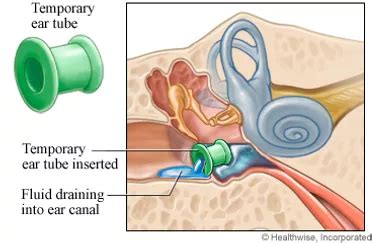
Tympanostomy tubes are small, cylindrical devices inserted into the eardrum during a minor surgical procedure. Their primary purpose is to drain fluid from the middle ear and to ventilate the middle ear space, thereby helping to restore normal hearing and reduce the risk of recurring infections.
Drainage of Fluid: By creating a small hole in the eardrum, the tube allows fluid that has built up in the middle ear to drain out. This drainage is crucial for preventing the growth of bacteria and reducing the risk of ear infections.
Ventilation: The tube also serves as a ventilation device, allowing air to enters the middle ear and helping to regulate air pressure on both sides of the eardrum. Proper ventilation and pressure regulation are essential for the normal vibration of the eardrum and the middle ear bones, which in turn are necessary for clear hearing.
Hearing Improvement: By alleviating the fluid buildup and pressure issues in the middle ear, tympanostomy tubes can significantly improve hearing in affected individuals. The improvement in hearing can be particularly notable in children, as their ability to hear and interpret sounds is crucial for speech and language development.
Procedure and Aftercare
The insertion of tympanostomy tubes is typically performed under general anesthesia and takes about 15 minutes. After the procedure, patients usually experience minimal discomfort and can resume normal activities within a day or two. It’s crucial to follow the doctor’s instructions regarding ear care, especially to prevent water from entering the ear canal during bathing or swimming, to minimize the risk of infection.
Conclusion
Tubes in ears, or tympanostomy tubes, are an effective medical intervention for addressing middle ear problems, such as persistent fluid buildup and recurrent infections, which can lead to hearing issues. By facilitating the drainage of fluid and the ventilation of the middle ear, these tubes play a critical role in restoring hearing and promoting healthy auditory development, especially in children. As with any medical procedure, it’s essential to consult with a healthcare provider to discuss the potential benefits and risks and to determine the best course of treatment for specific ear-related conditions.
How long do tympanostomy tubes stay in the ear?
+Tympanostomy tubes usually fall out on their own after about 6 to 12 months, although the duration can vary. In some cases, they may need to be removed by a doctor if they don't come out naturally within a certain timeframe.
Can adults benefit from tympanostomy tubes?
+Yes, adults can also benefit from tympanostomy tubes, especially if they experience recurring ear infections or significant hearing loss due to middle ear fluid buildup. However, the decision to insert tubes in adults is made on a case-by-case basis, considering the underlying condition and potential risks.
What are the potential risks or complications of tympanostomy tubes?
+While generally safe, the insertion of tympanostomy tubes carries potential risks, including infection, tube blockage, and in rare cases, permanent perforation of the eardrum. Regular follow-up with a healthcare provider is important to monitor the tubes and address any issues promptly.
In conclusion, tympanostomy tubes are a valuable treatment option for individuals experiencing hearing issues due to middle ear problems. By understanding how these tubes work and their benefits, patients can make informed decisions about their treatment and take steps towards improving their hearing and overall quality of life.