
























How to Become a Kindergarten Teacher
To become a kindergarten teacher, you'll typically need a bachelor's degree, teacher certification, and hands-on training. When looking into how to become a kindergarten teacher, the details quickly stand out. The process involves several steps, each with its own requirements and considerations.
Popular Options and Variations
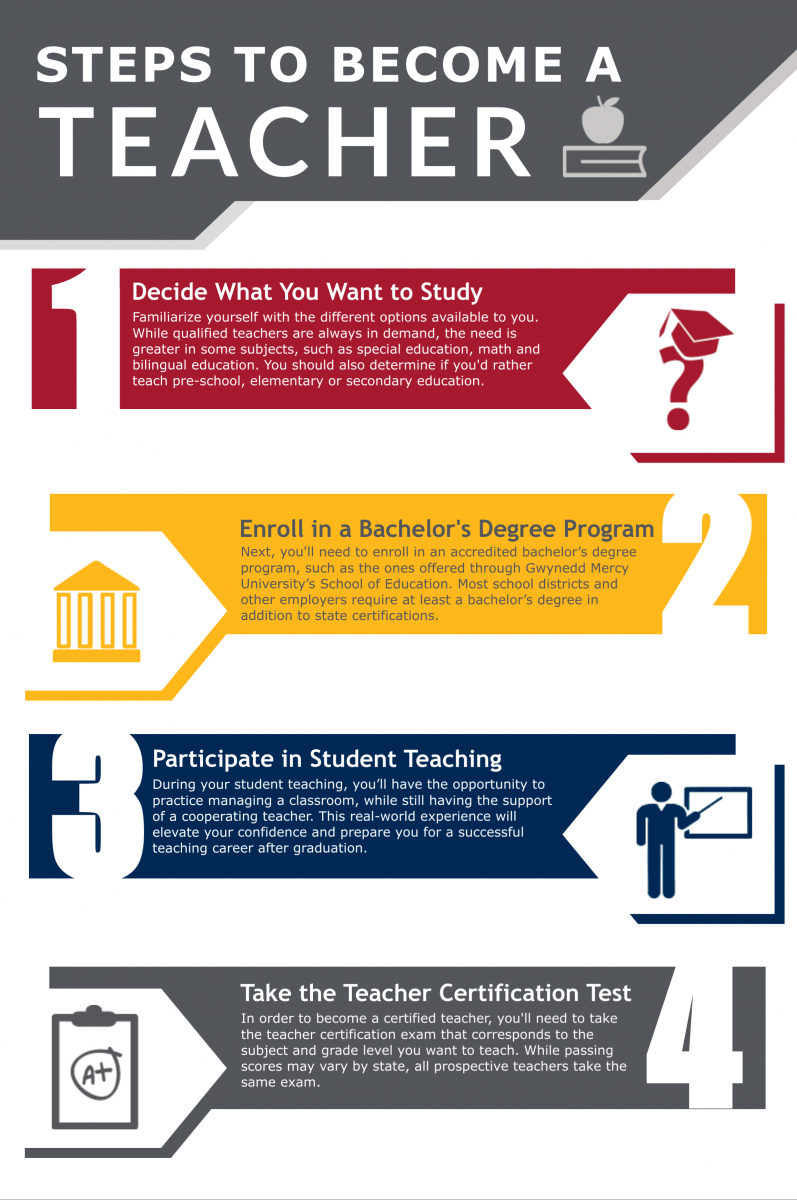
The standard path to becoming a kindergarten teacher involves a few key steps:
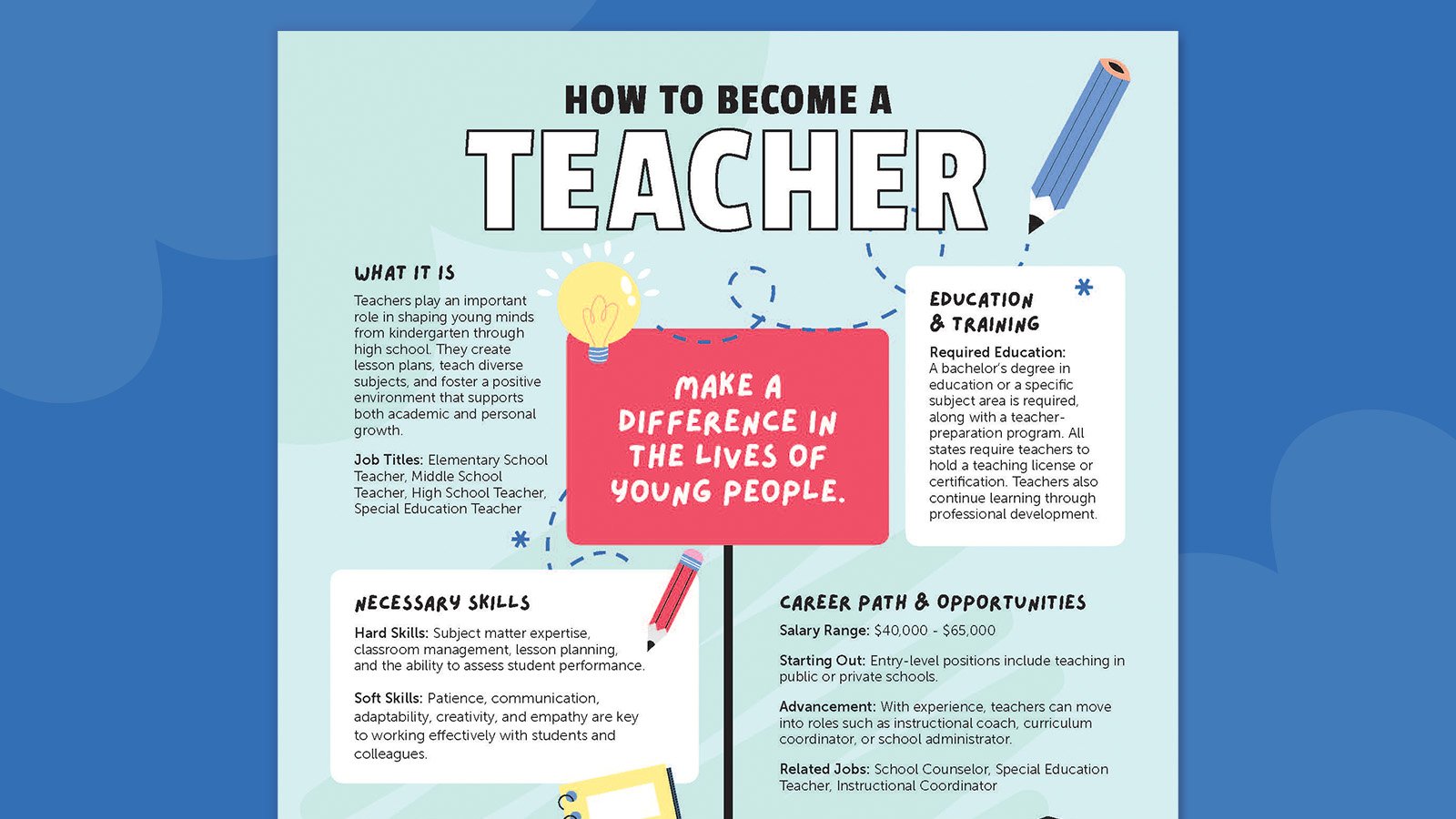
- Bachelor's Degree: Obtain a bachelor's degree in education or a related field. In Texas, for instance, you must earn a degree from an accredited institution recognized by the Texas Higher Education Coordinating Board.
- Teacher Preparation Program: Ensure your degree includes a state-approved teacher preparation program. This program provides the necessary training and skills for effective teaching.
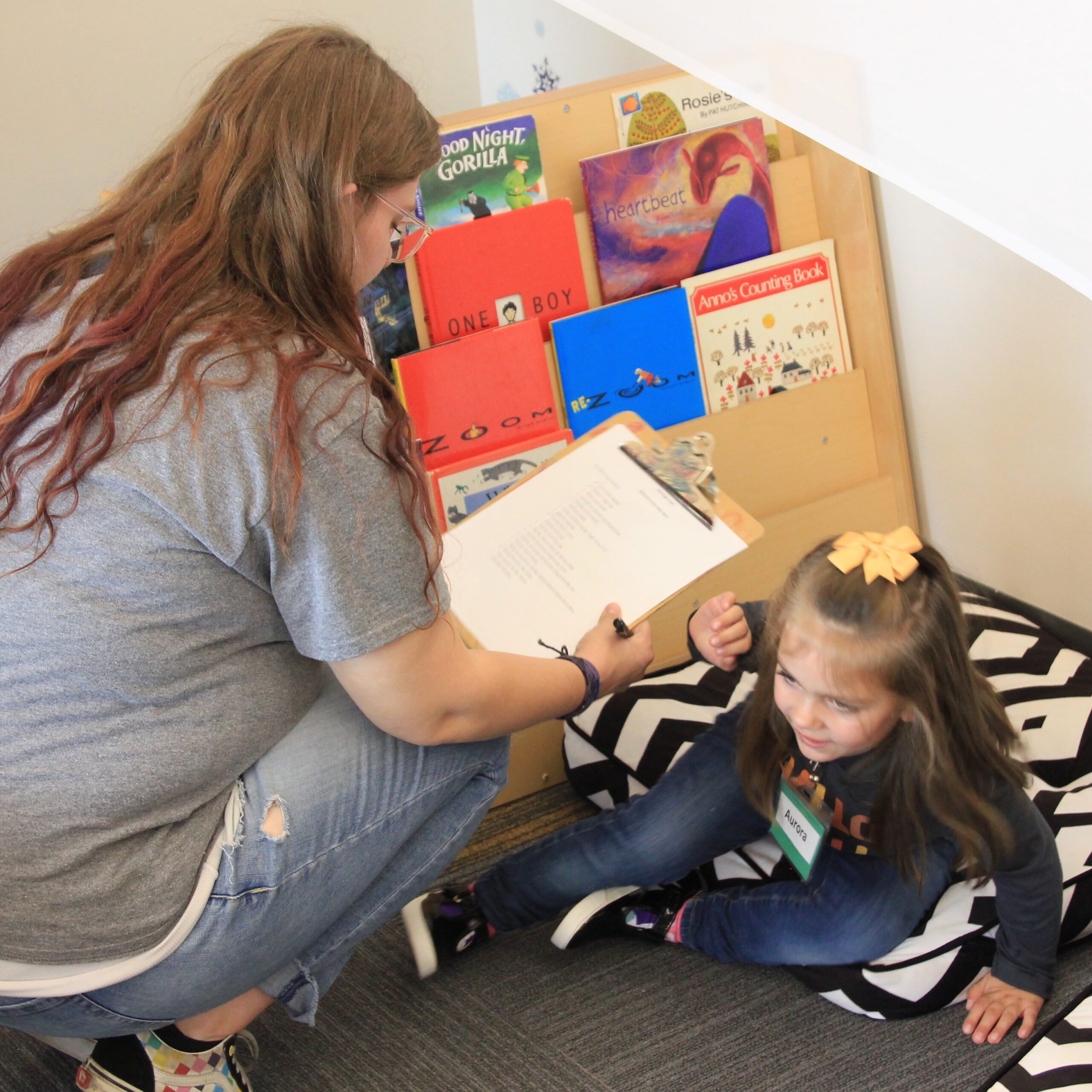
- Student Teaching Practicum: Gain hands-on experience through a student teaching practicum. This allows you to apply your knowledge in a real classroom setting, under the guidance of experienced mentors.
State-Specific Requirements
Each state has its own licensing and certification processes. Here's a breakdown:

- Texas Teacher Certification: Texas requires a bachelor's degree and completion of a teacher preparation program. You can explore teacher certification programs specifically designed for career changers and those with diverse backgrounds.
- Early Childhood Education Degree: Consider an AS in Early Childhood Education, which provides a strong foundation for teaching young children. These programs often include field experience tracks for practical learning.
- Teacher Certification Programs: Look for TEA-approved certification programs that offer flexible, remote learning options. These programs can help you get certified quickly and efficiently.
Salary and Job Outlook
The salary and job prospects for kindergarten teachers vary. According to recent data, the median annual wage for kindergarten and elementary school teachers was [X amount]. The job outlook is generally positive, with a projected [Y%] growth rate over the next decade.

Clinical Placement and Licensure
Most traditional paths to becoming a kindergarten teacher involve a clinical placement, where you gain practical experience in a real classroom. This step is key for developing your teaching skills and meeting state licensing requirements.
Skills and Qualifications
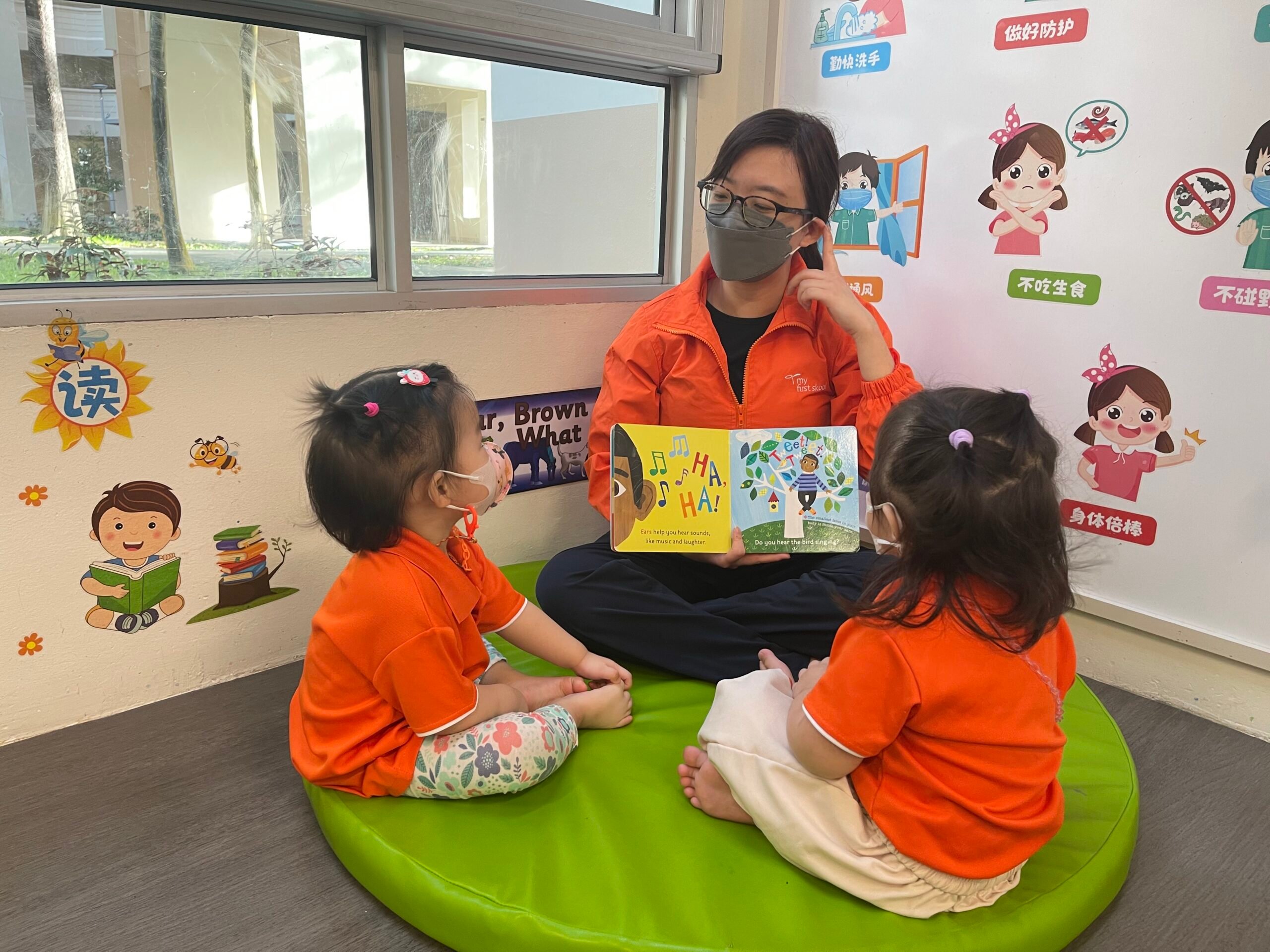
Kindergarten teachers need a range of skills, including:
- Patience and Creativity: Creating engaging learning environments and activities requires a creative mindset and the ability to adapt to young learners' needs.
- Communication: Effective communication with students, parents, and colleagues is essential for building a supportive learning community.
- Organization: Managing a classroom and its resources demands strong organizational skills.
- Knowledge of Child Development: Understanding the cognitive, social, and emotional development of young children is key to effective teaching.
Further Considerations
- Research the specific requirements and assessments for your state's teaching licensure.
- Consider pursuing a master's degree to enhance your qualifications and potentially increase your earning potential.
- Stay updated with the latest teaching methodologies and educational research to improve your practice.
Remember, becoming a kindergarten teacher is a rewarding journey, and with the right preparation and dedication, you can make a positive impact on young minds.