




Popular Options and Variations
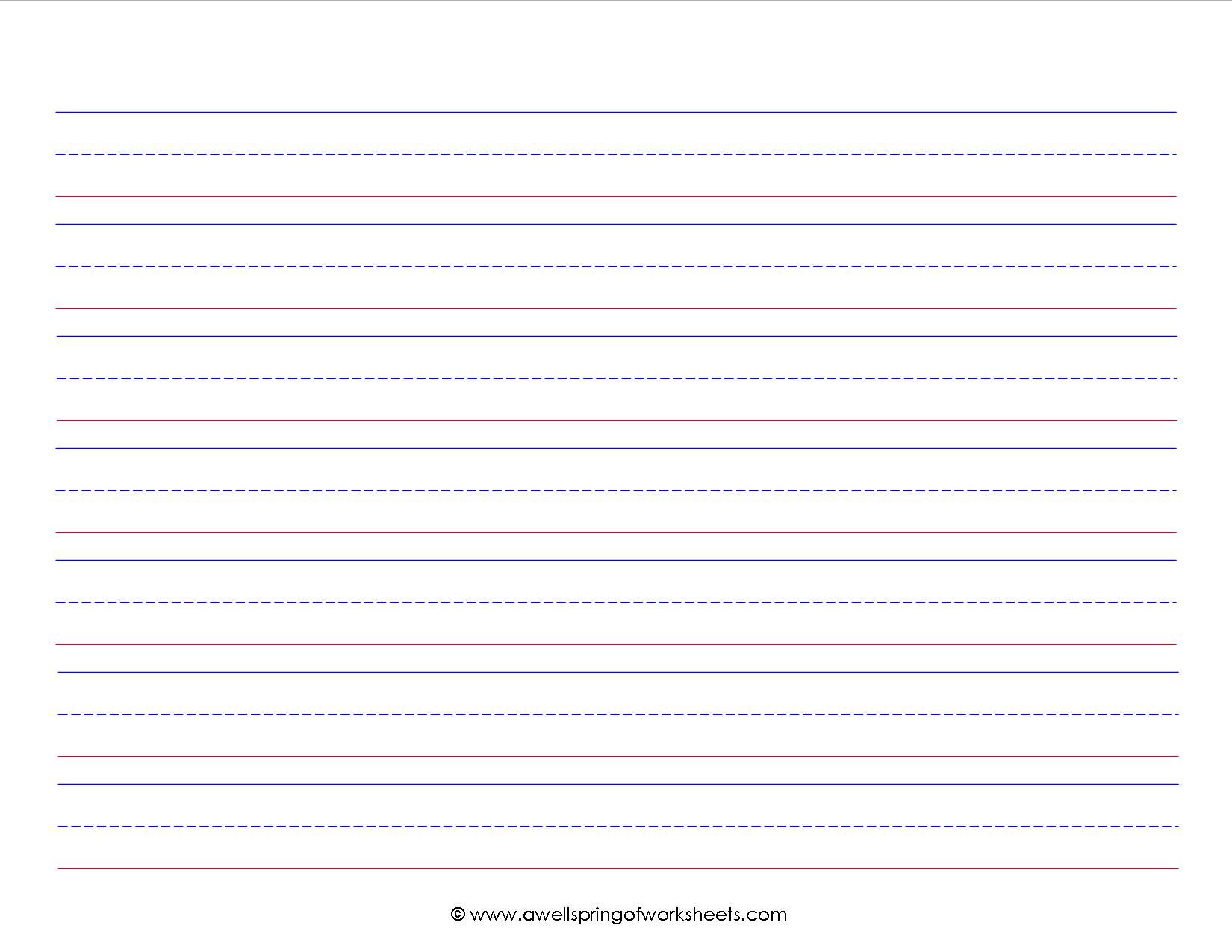
When it comes to kindergarten handwriting paper, you'll find a range of options to suit different learning needs and preferences. Here are some common types: For a closer look at something similar, my post on games kindergarteners play covers the details.
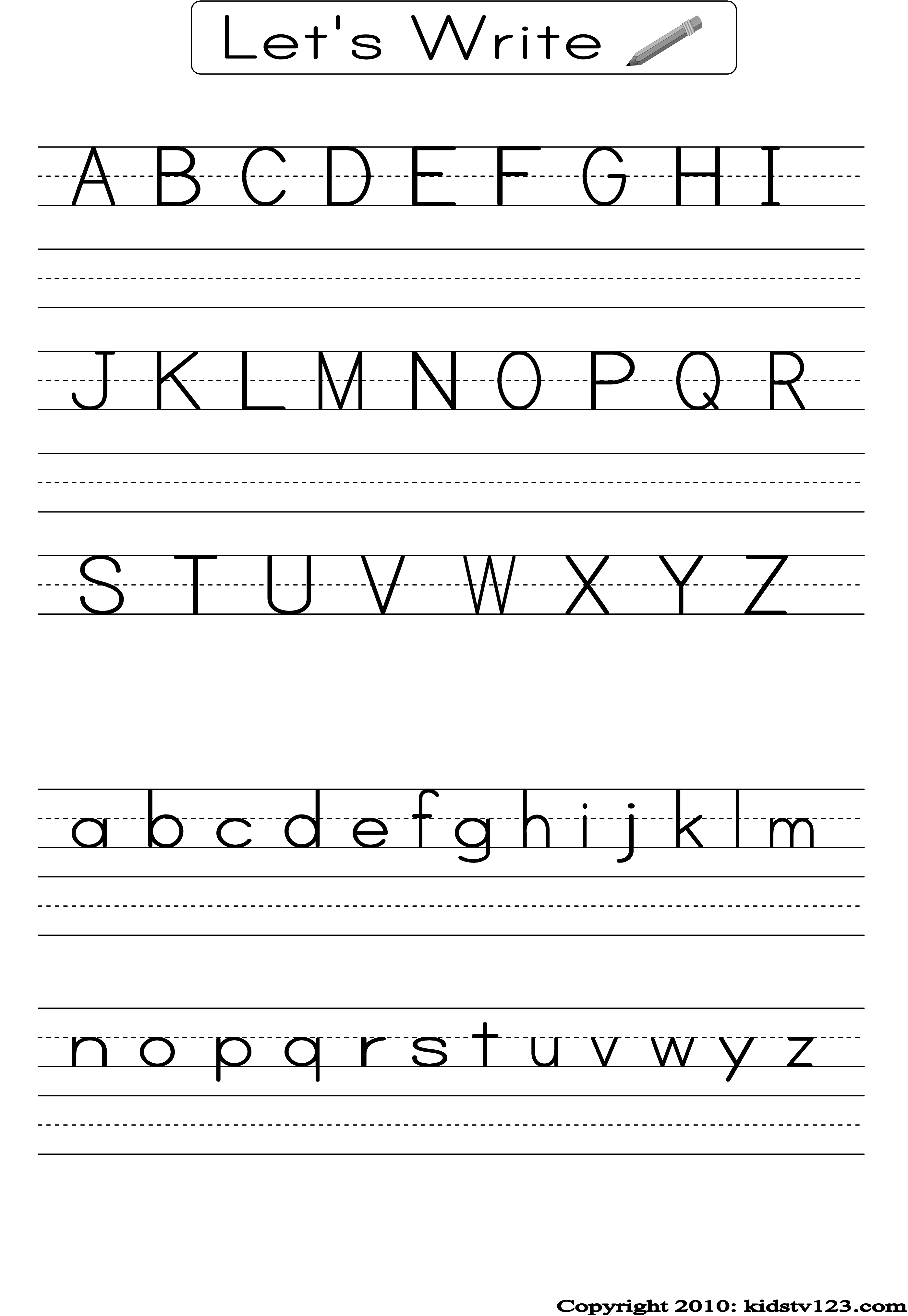
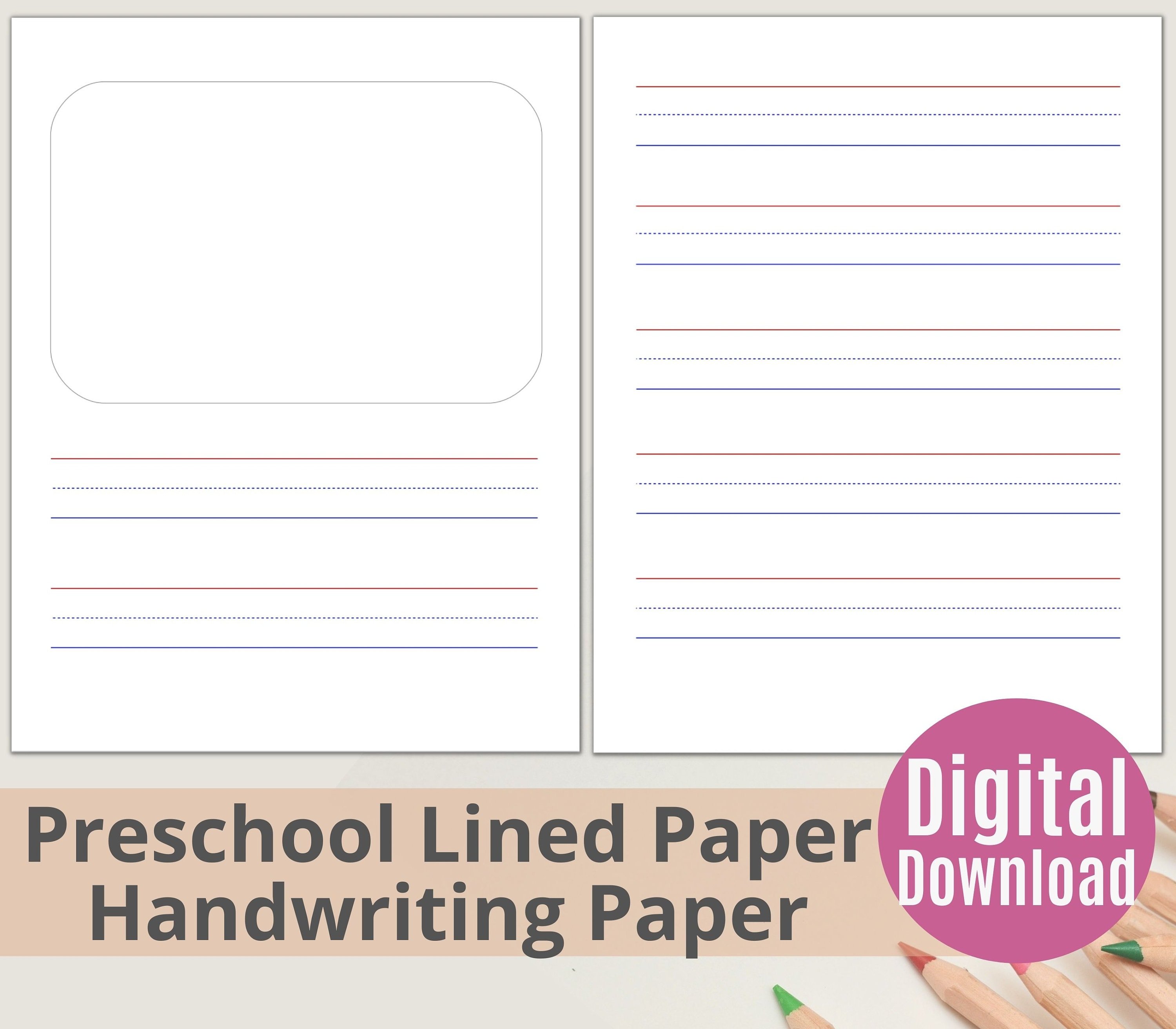
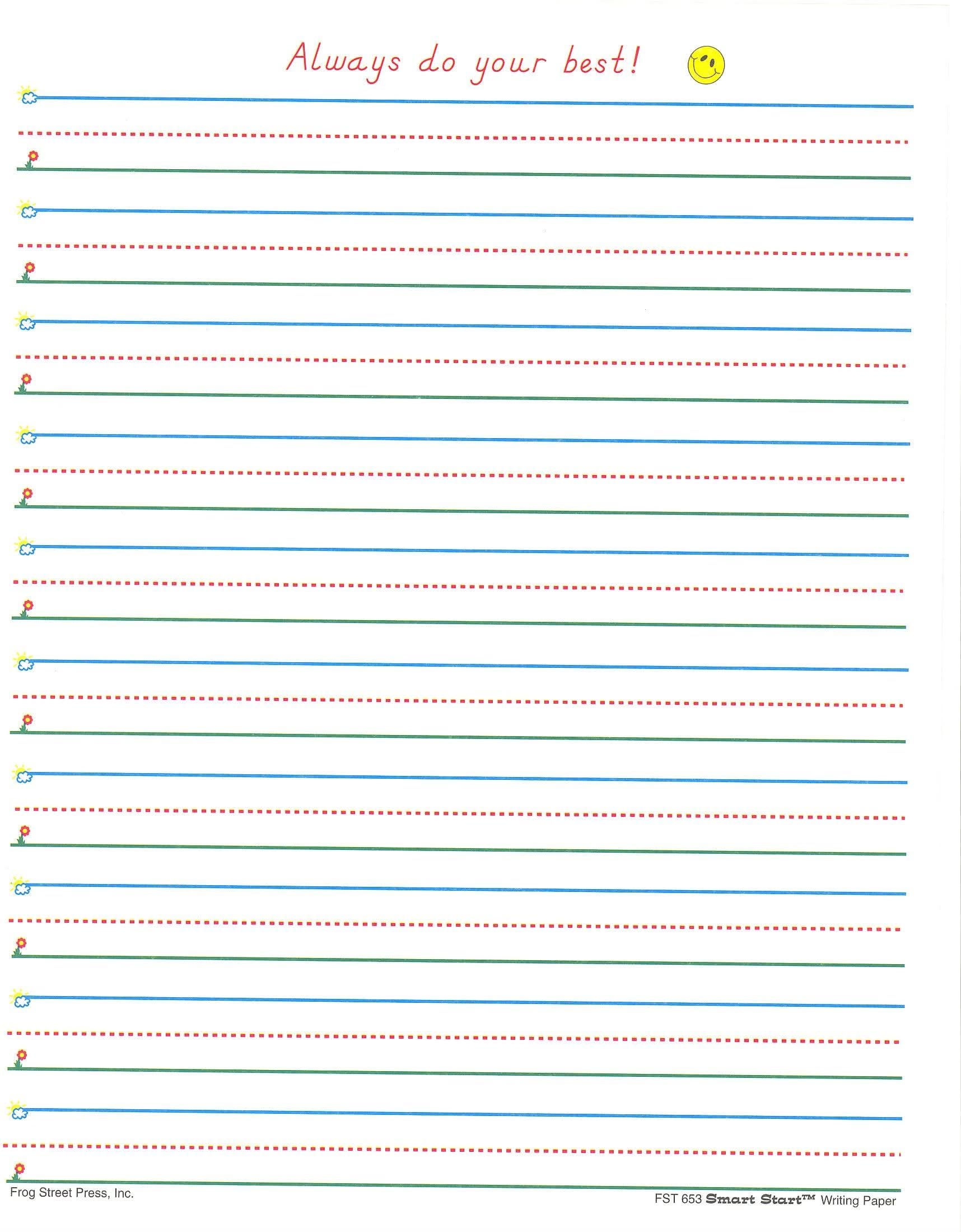
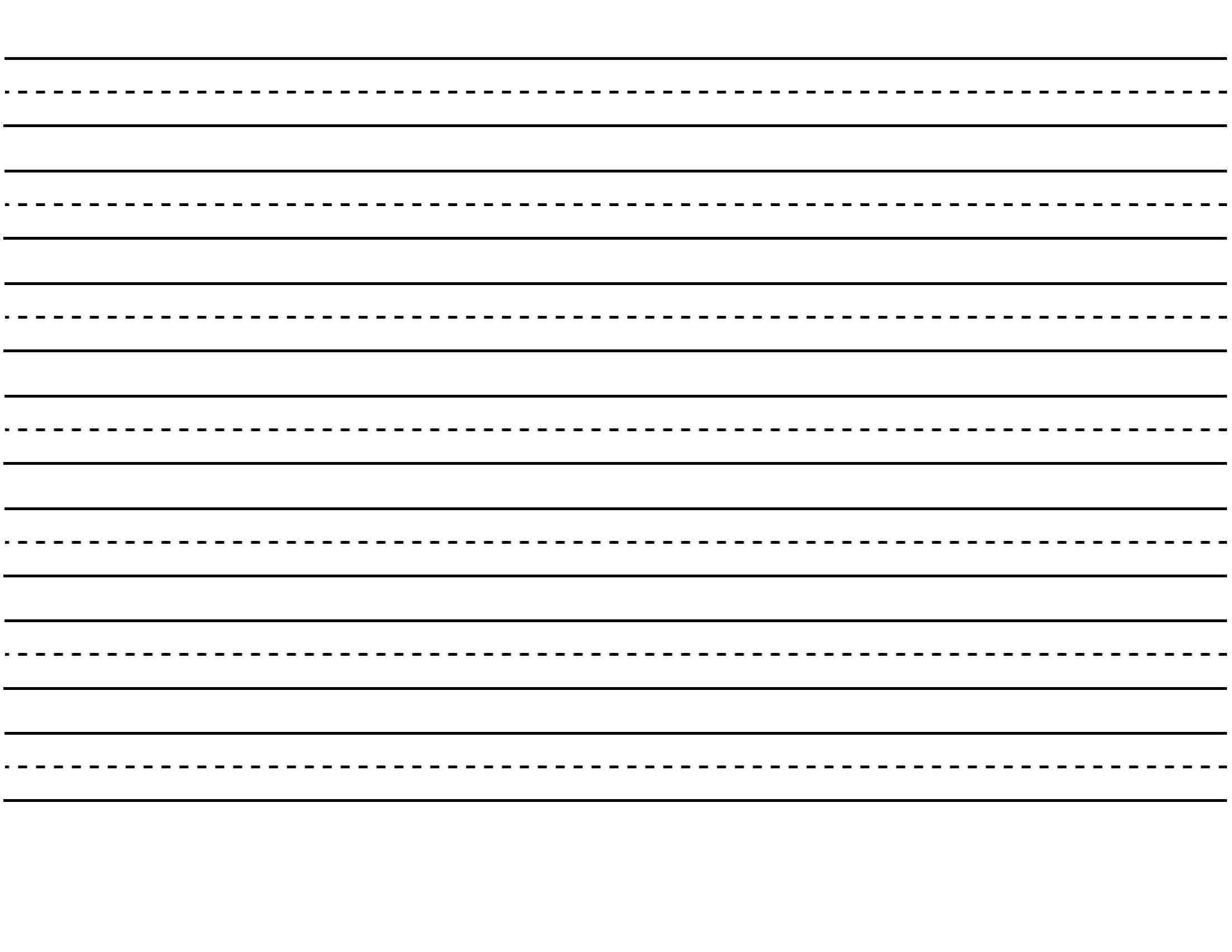
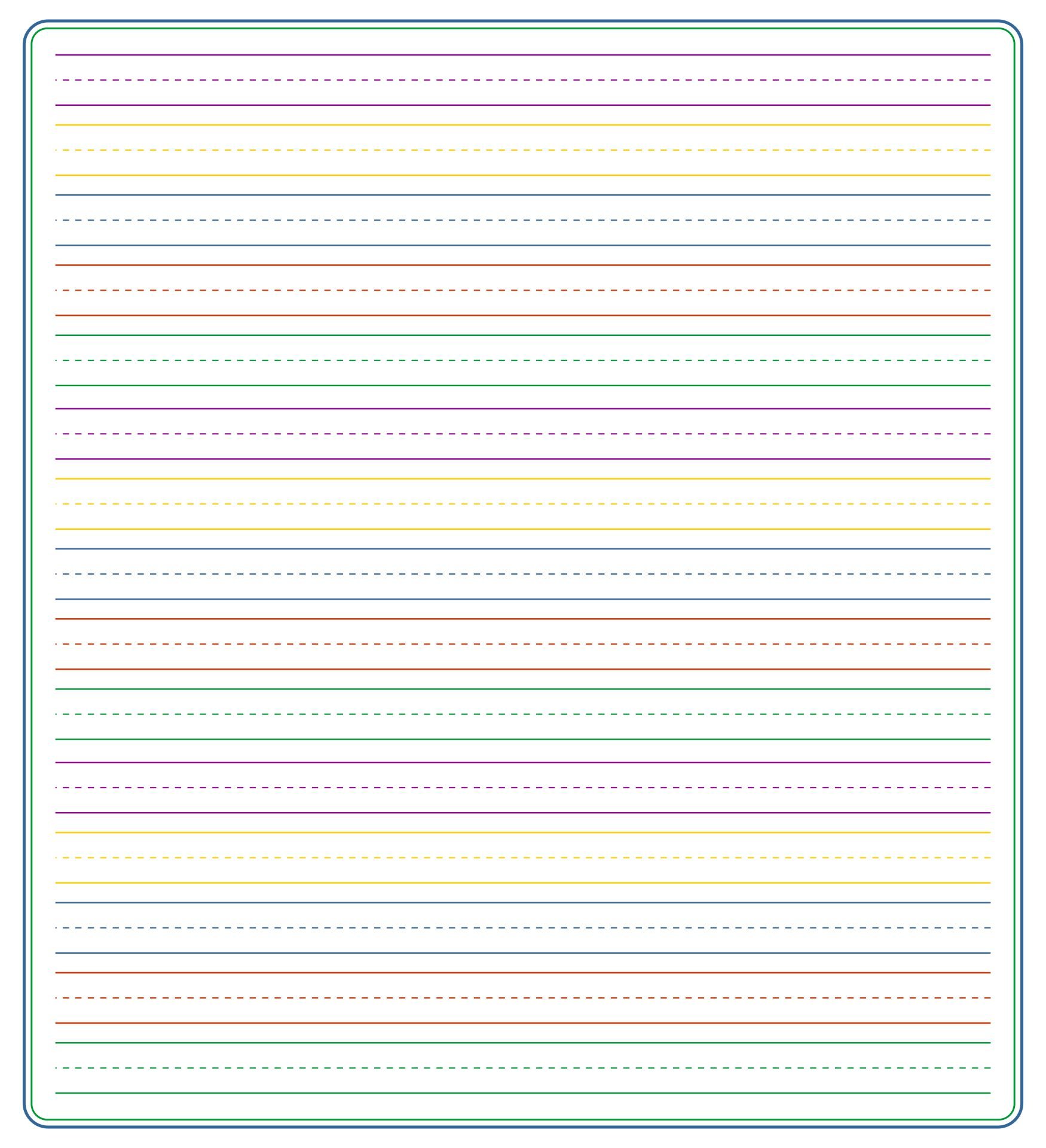
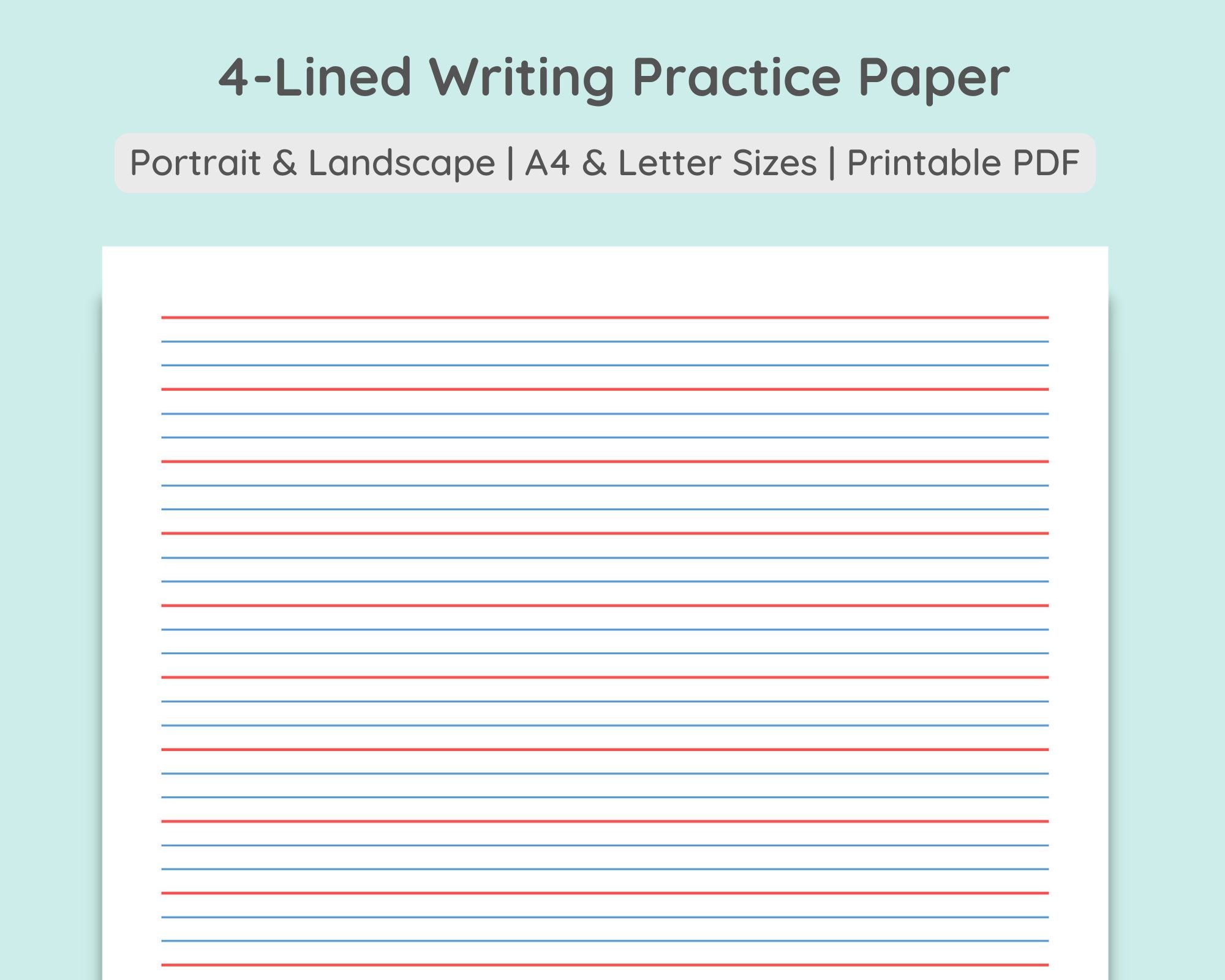
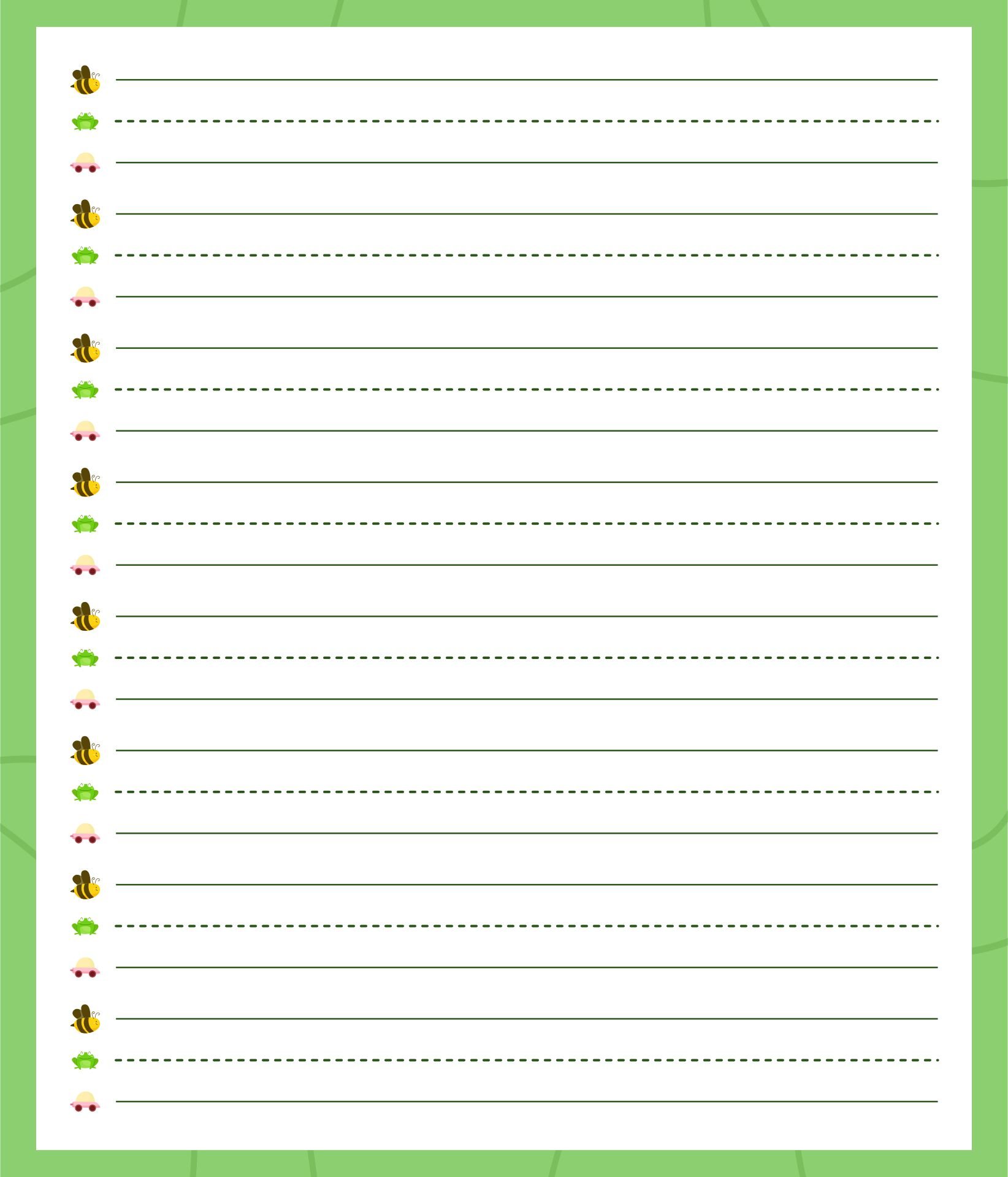
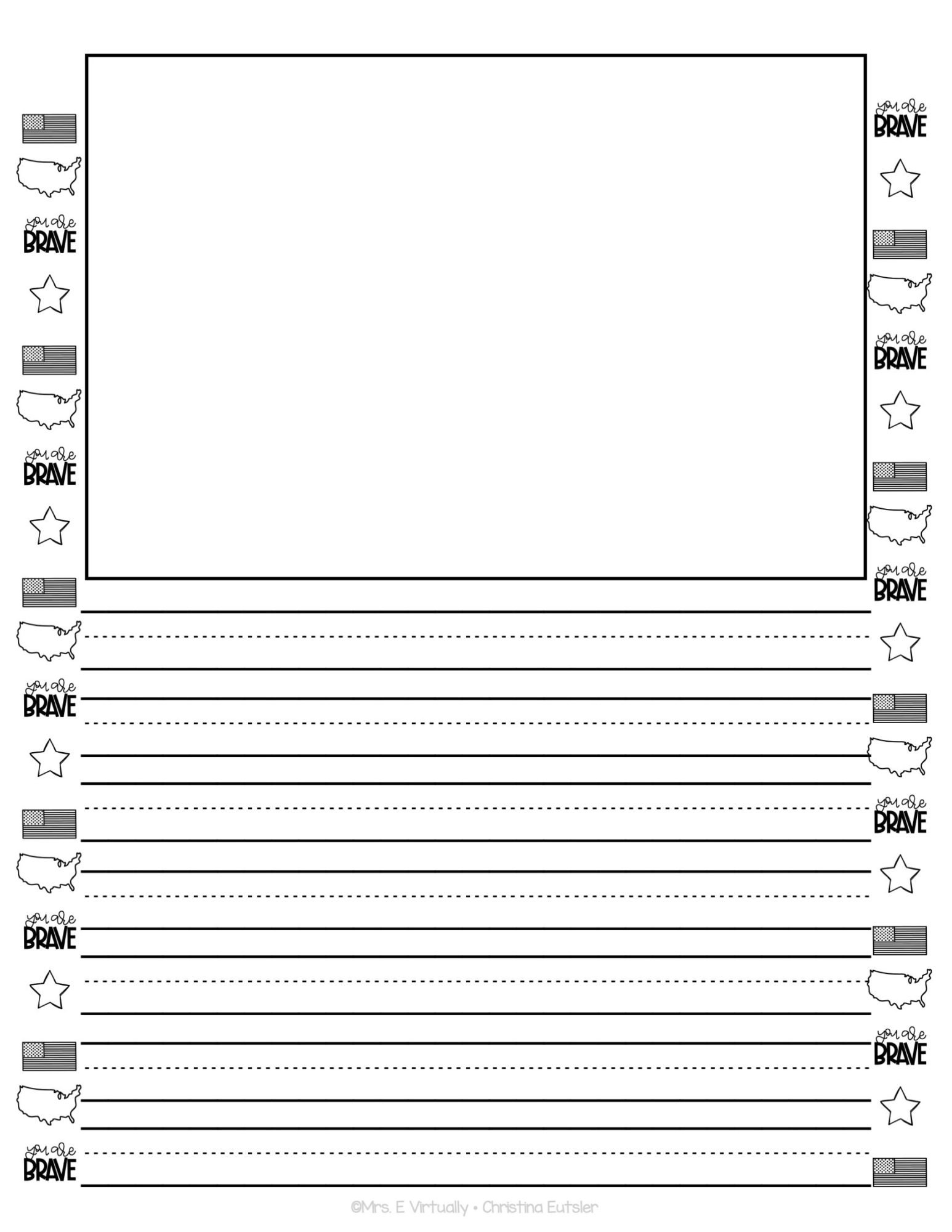
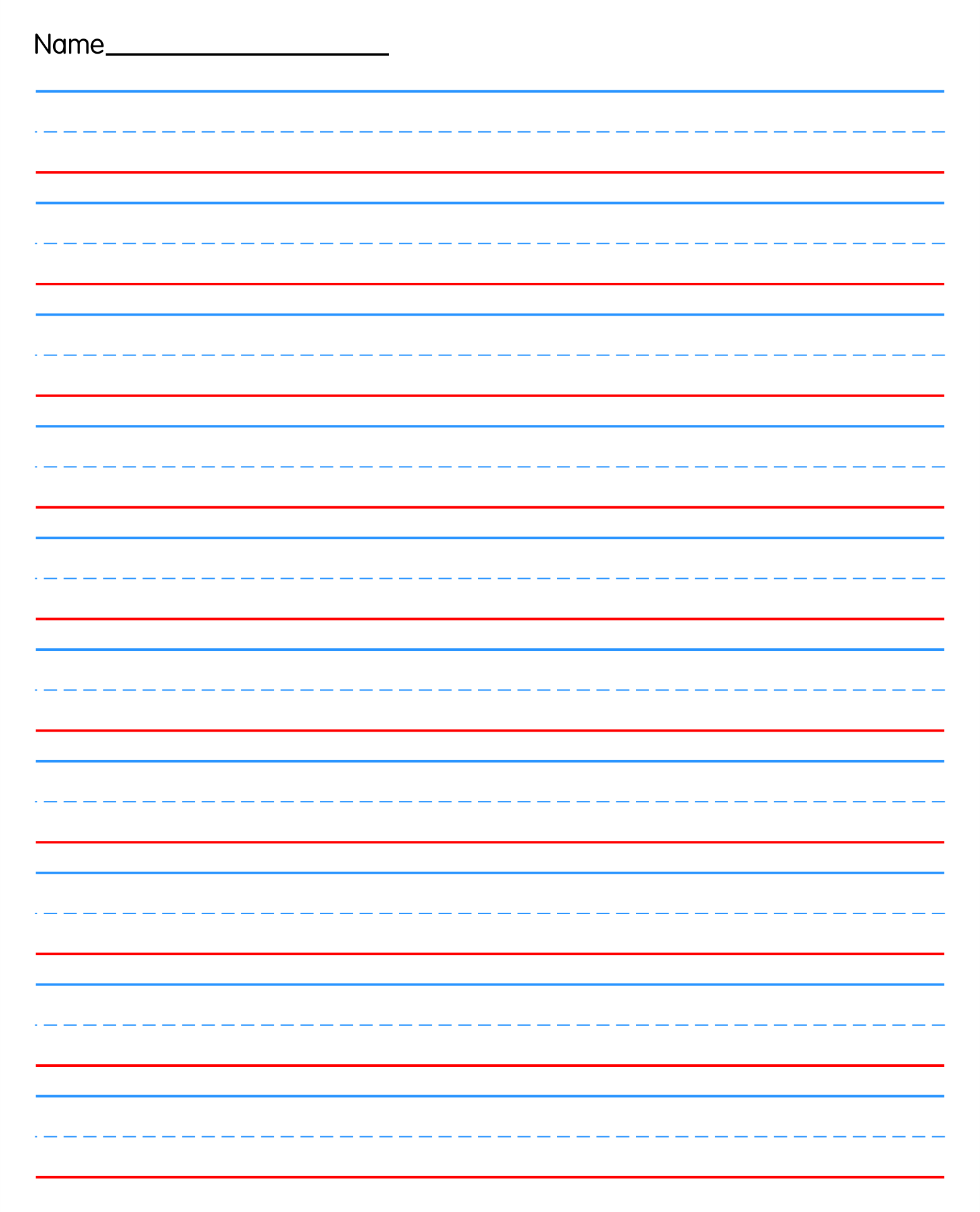
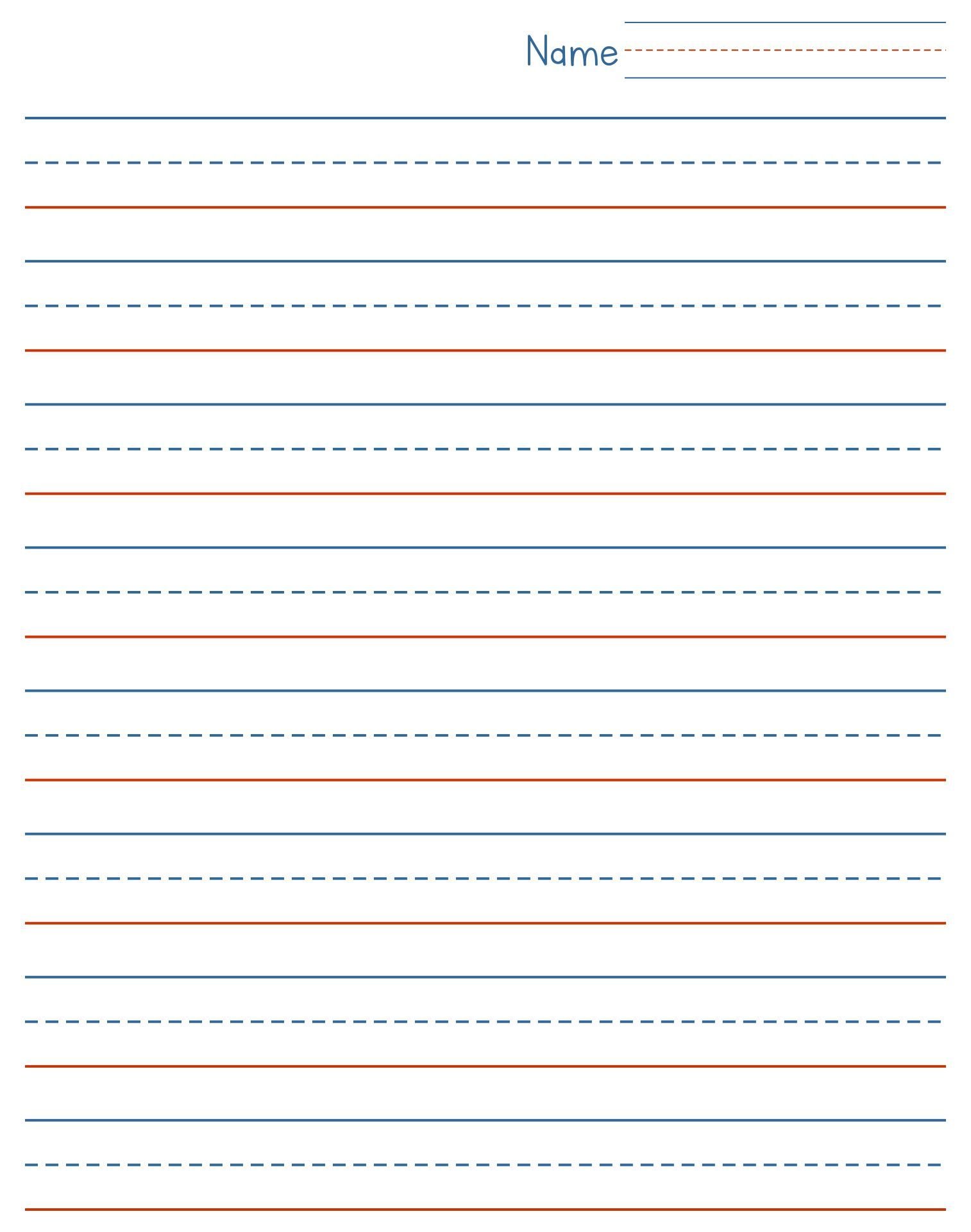
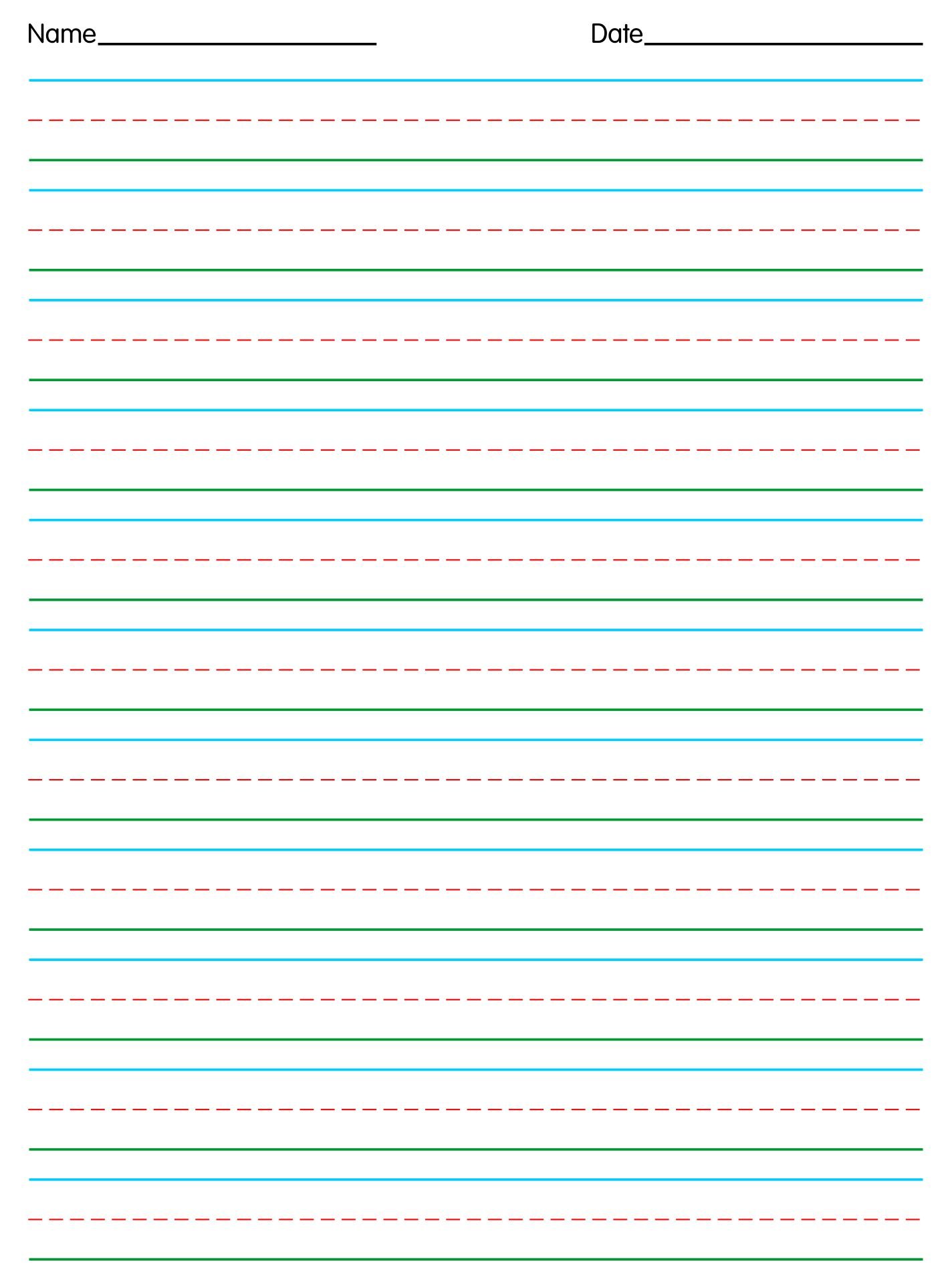
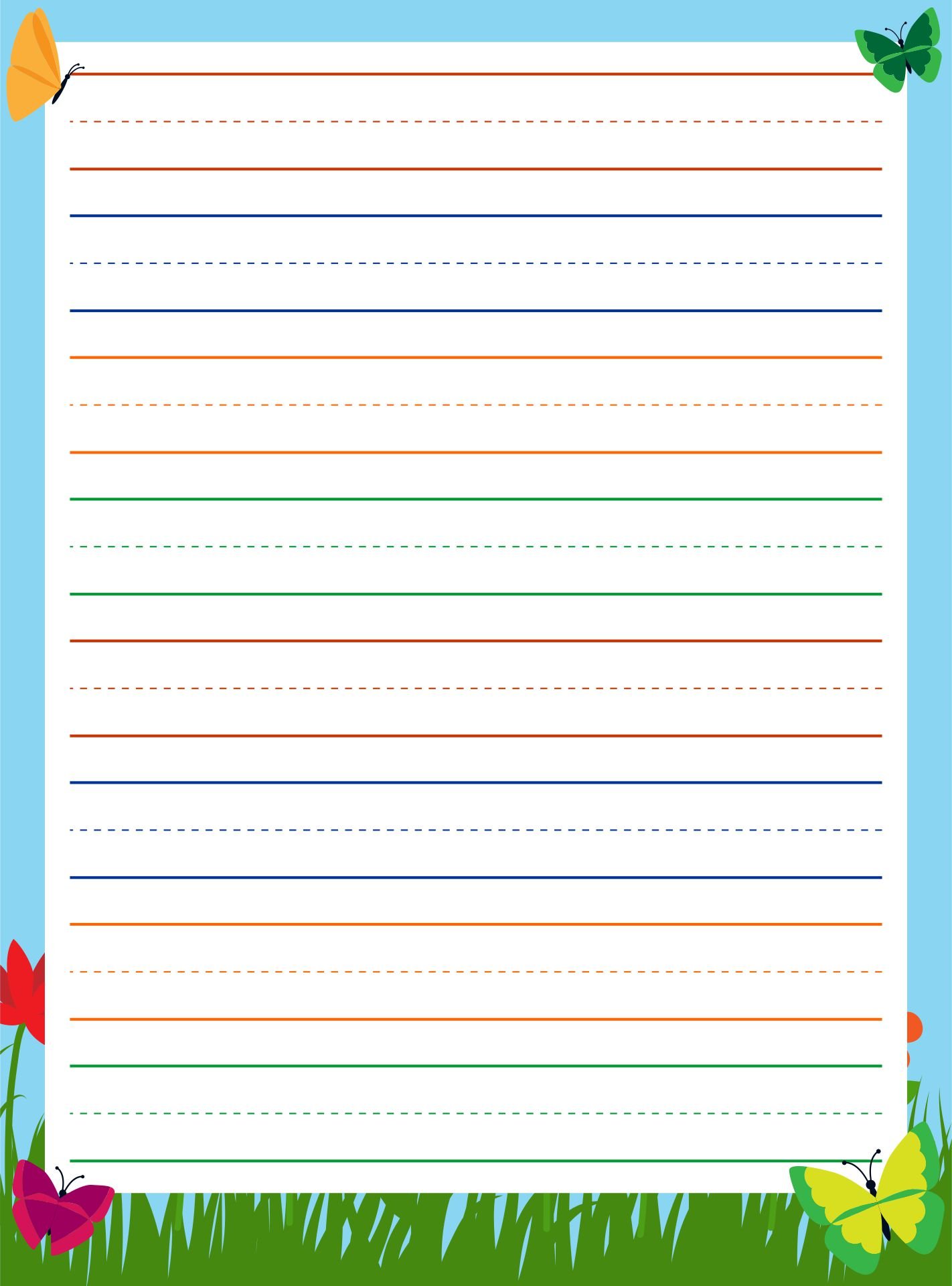
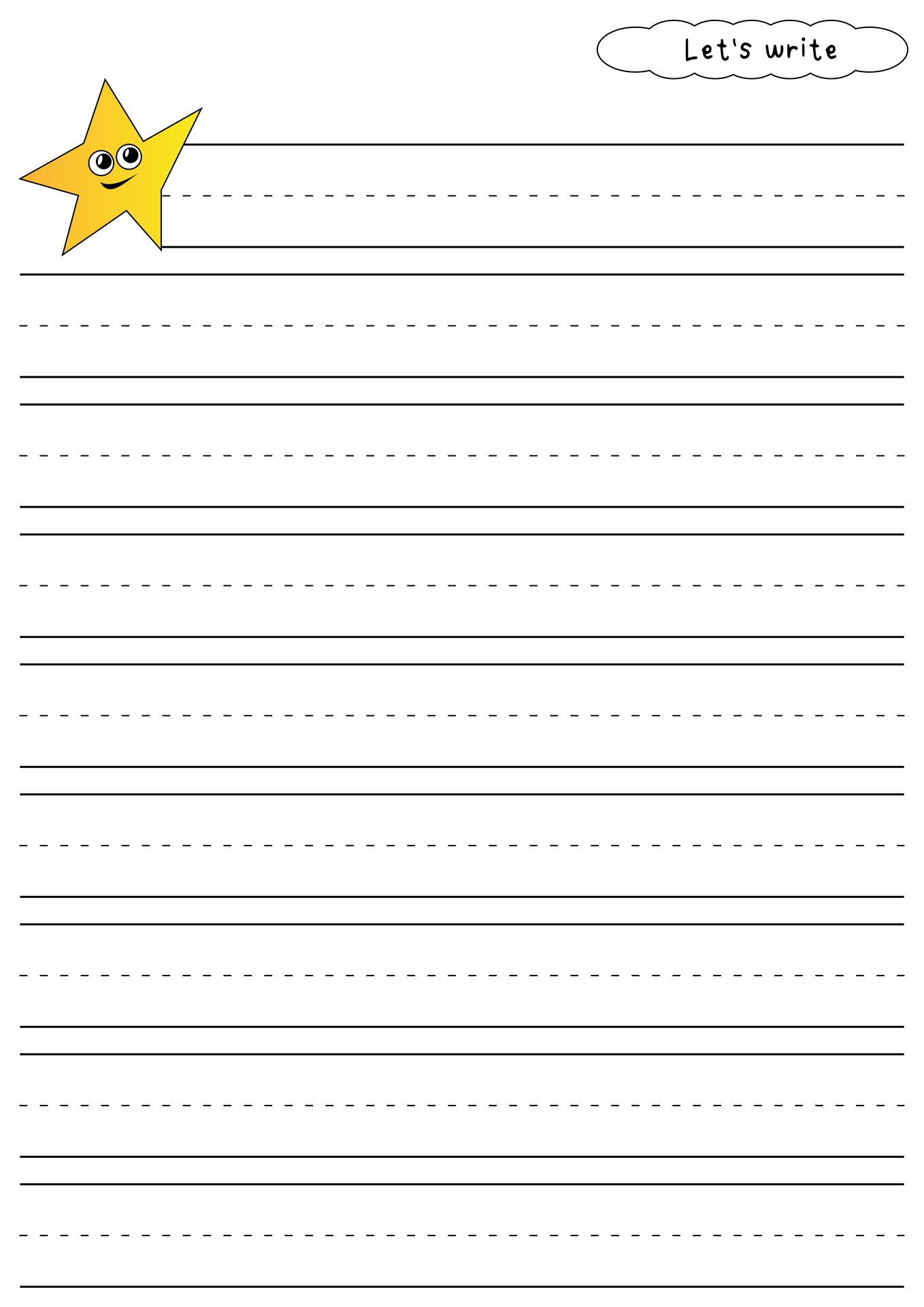
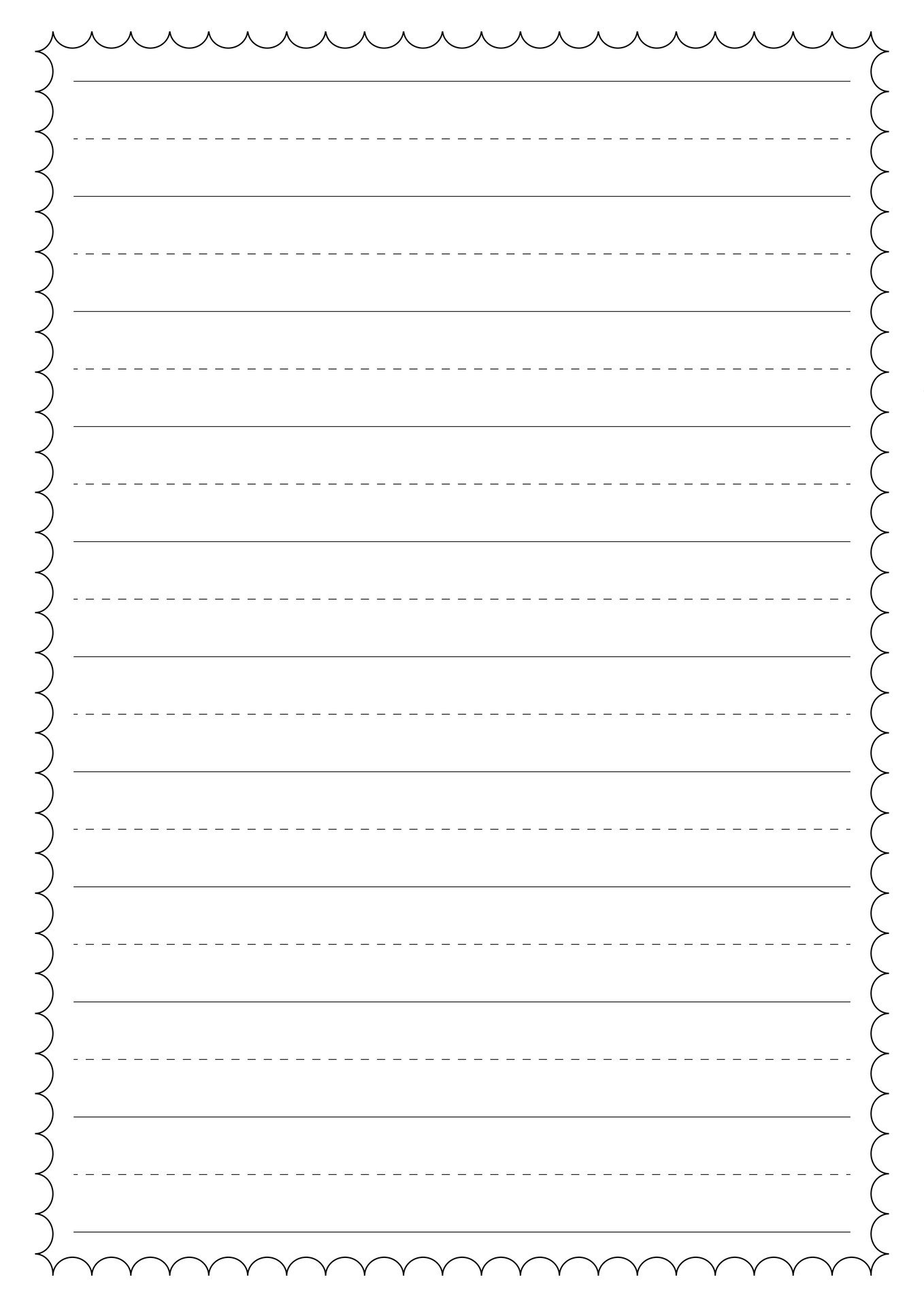
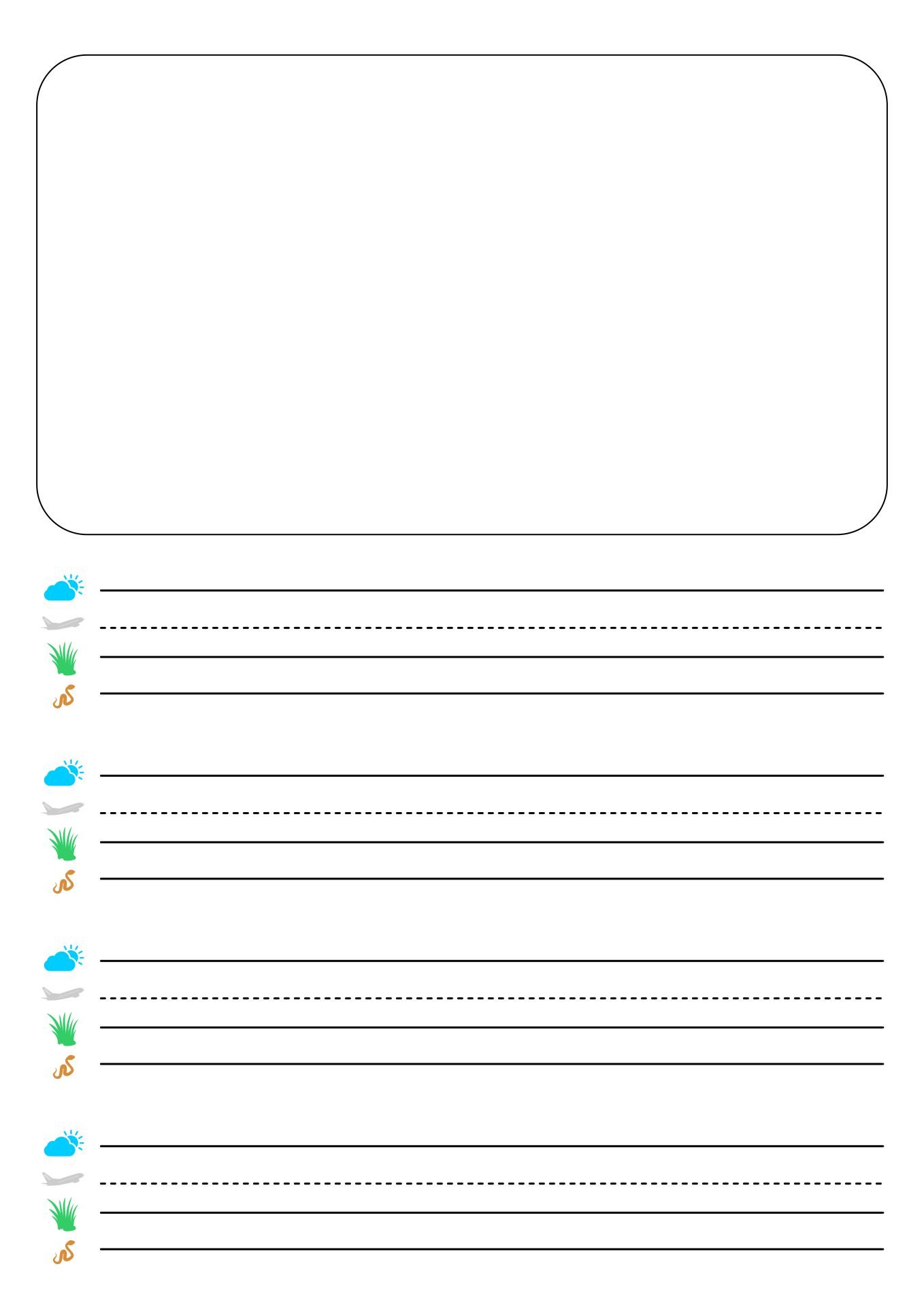
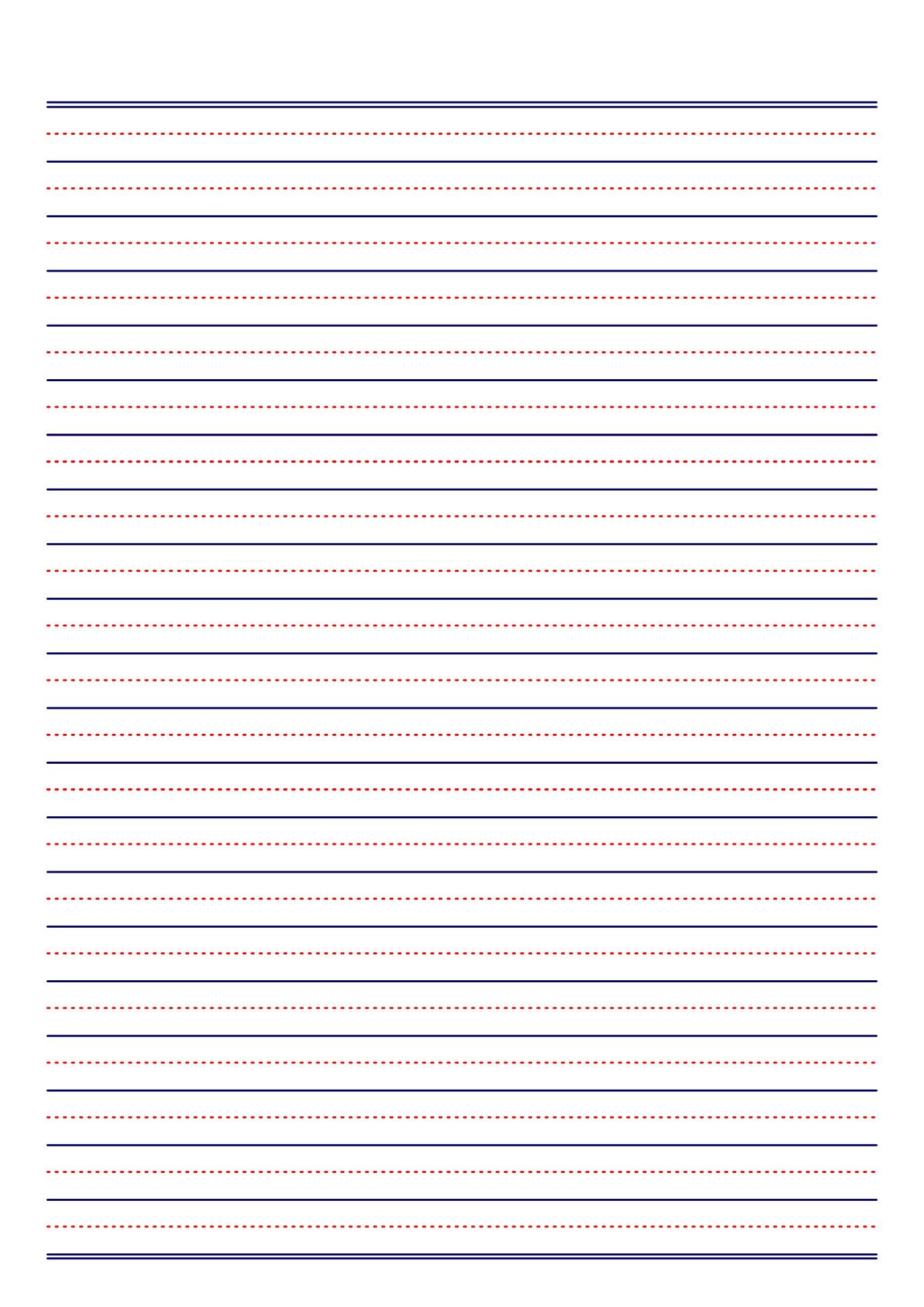
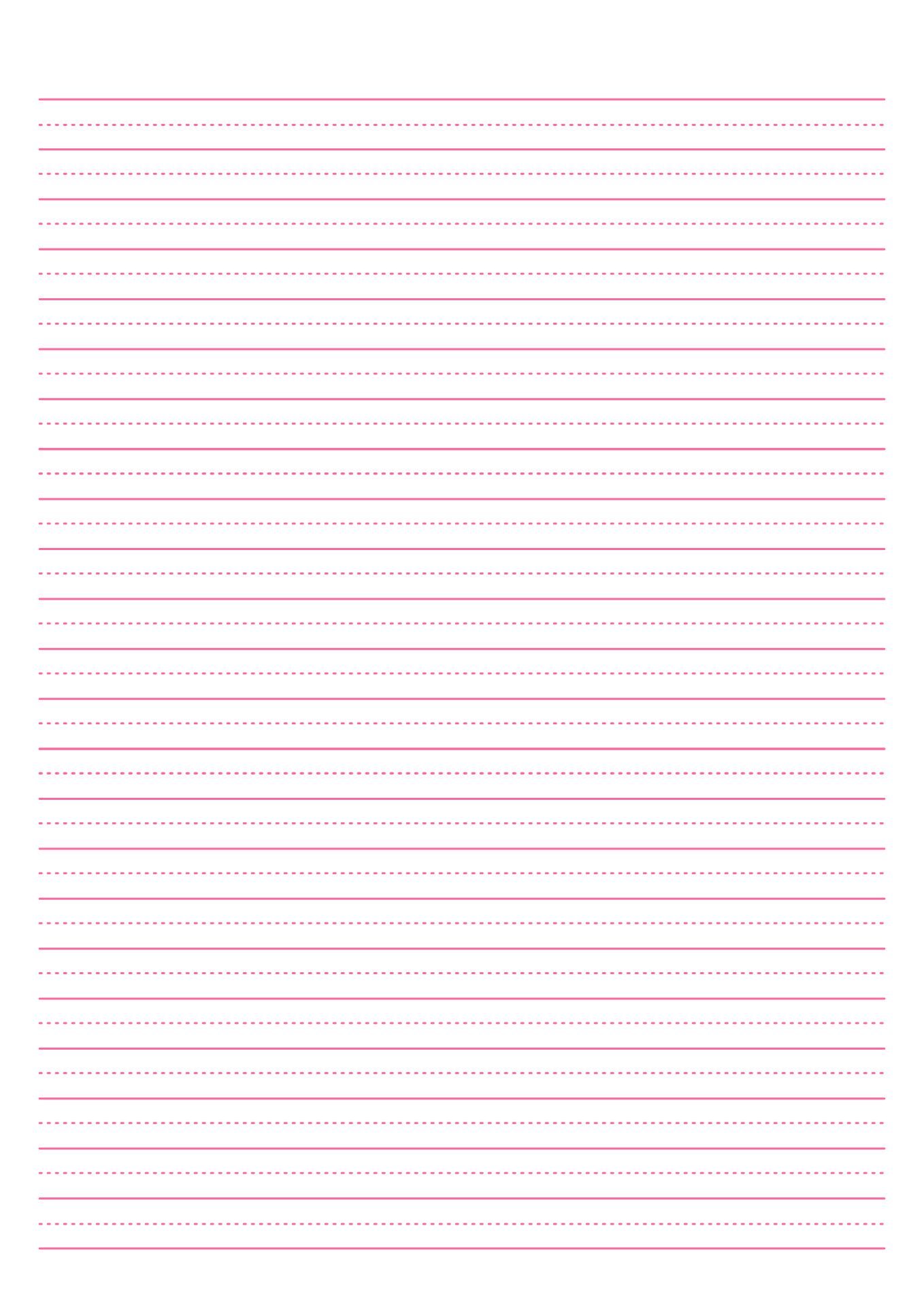
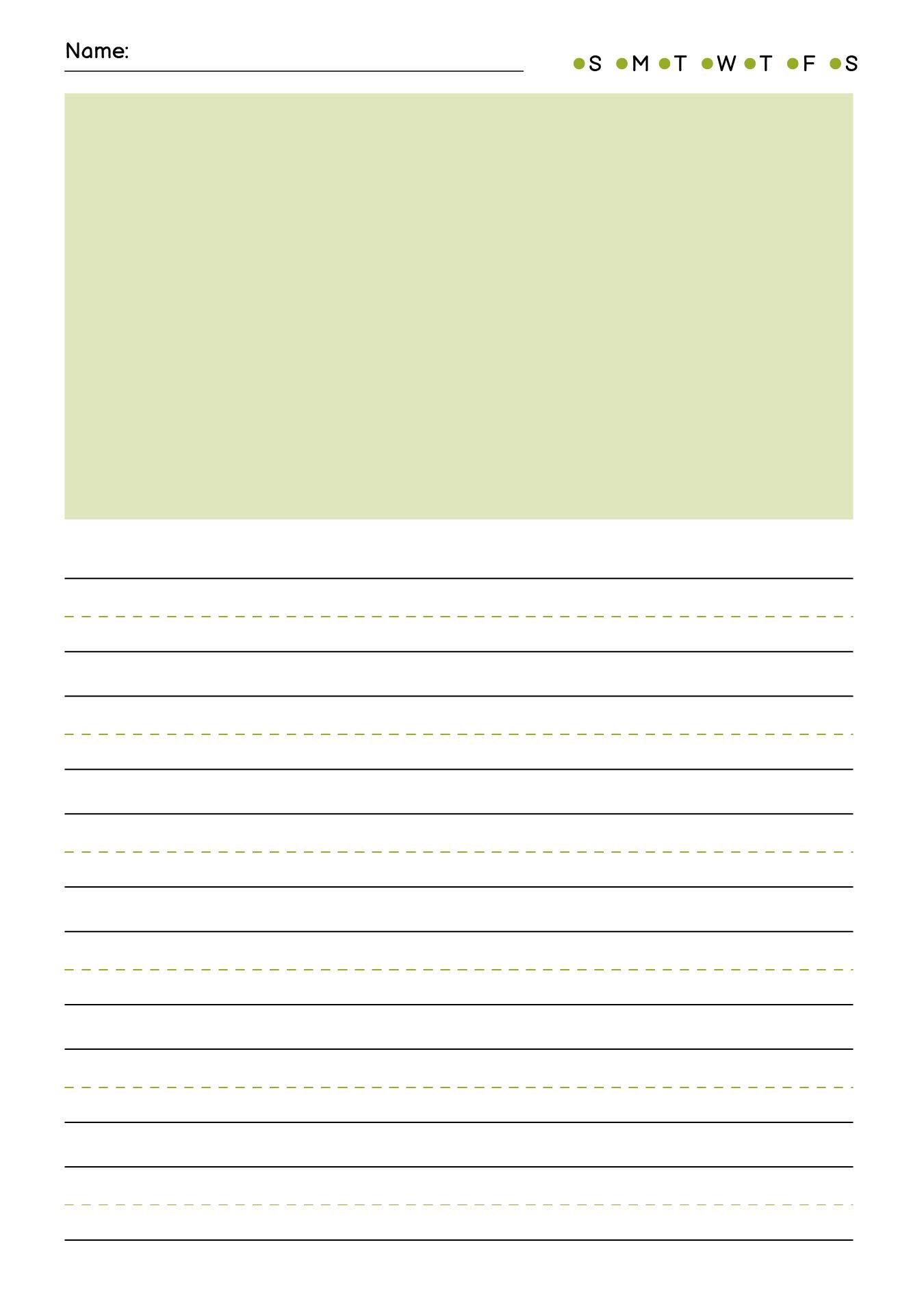
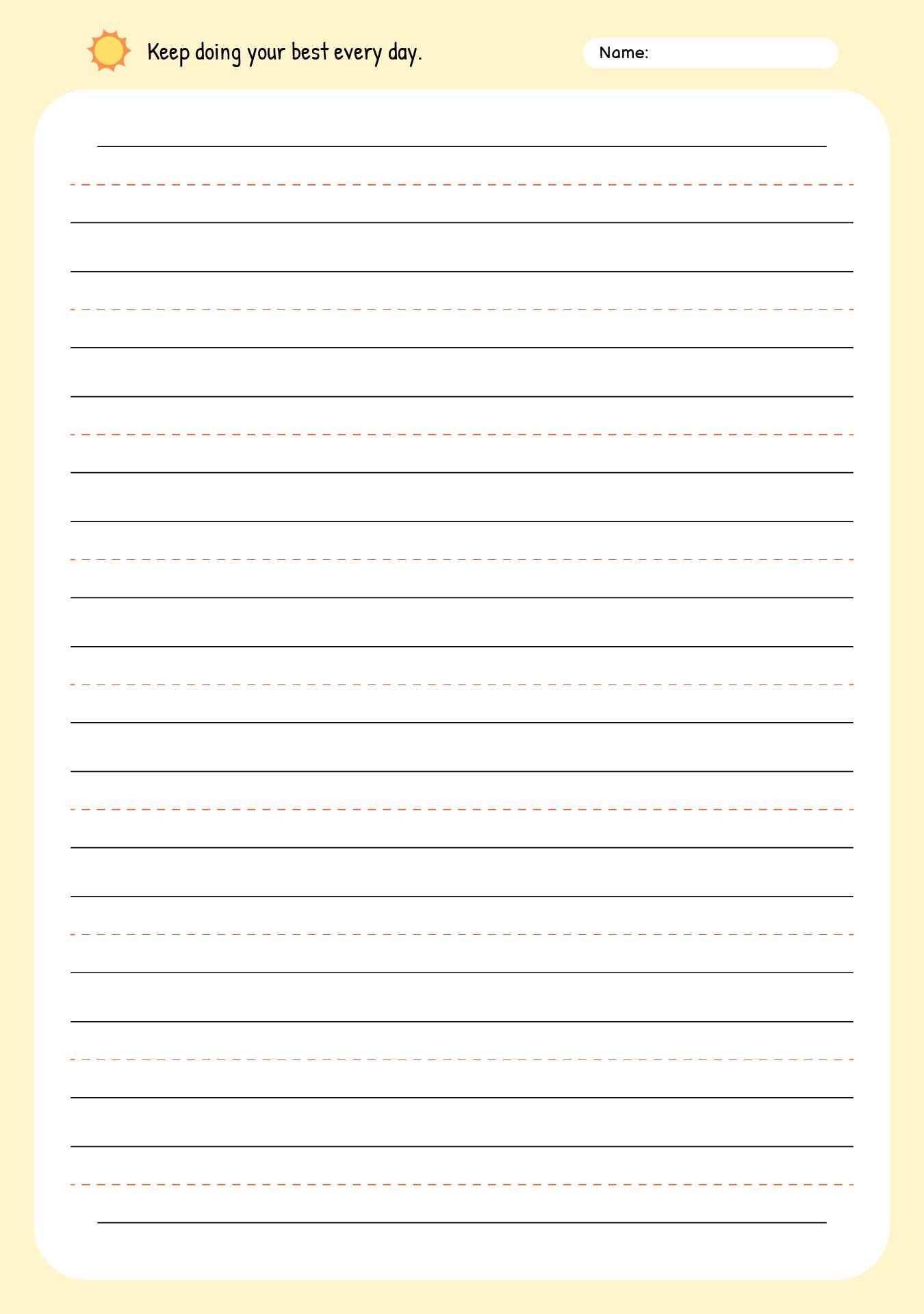
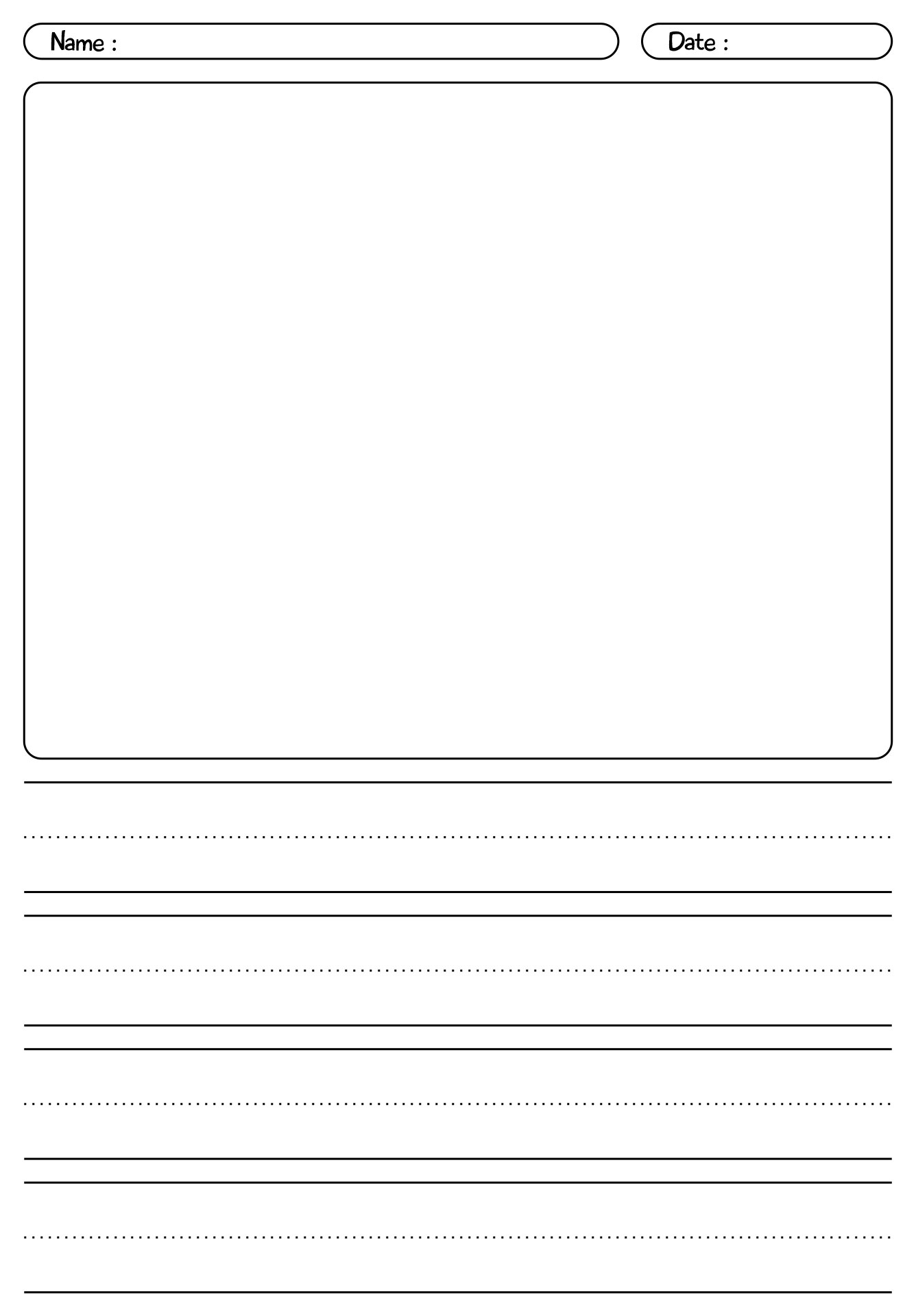
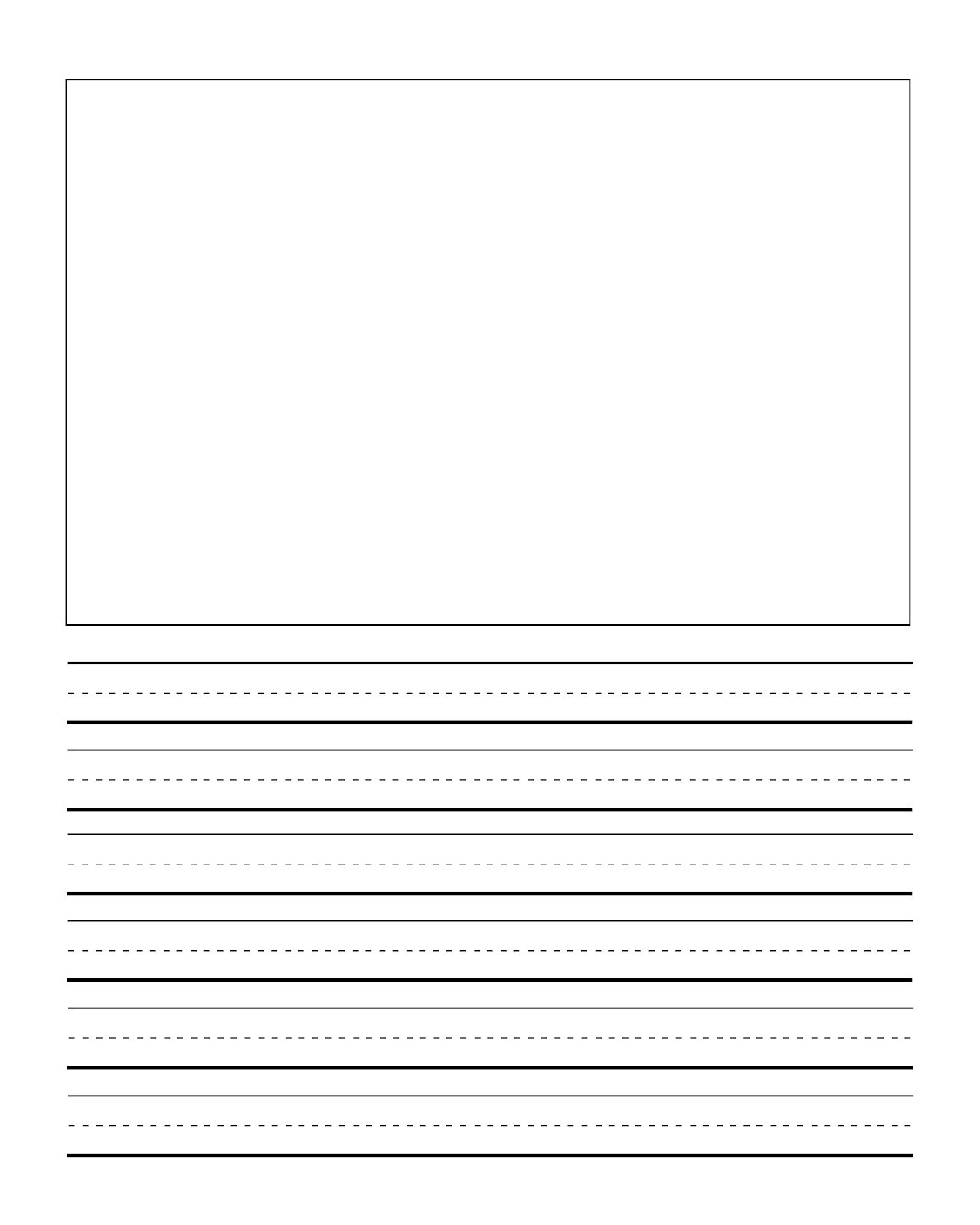
- Printable Writing Paper: This is a versatile option, often available as a printable paper or lined paper printable. It offers various line styles and spacers to guide letter formation.
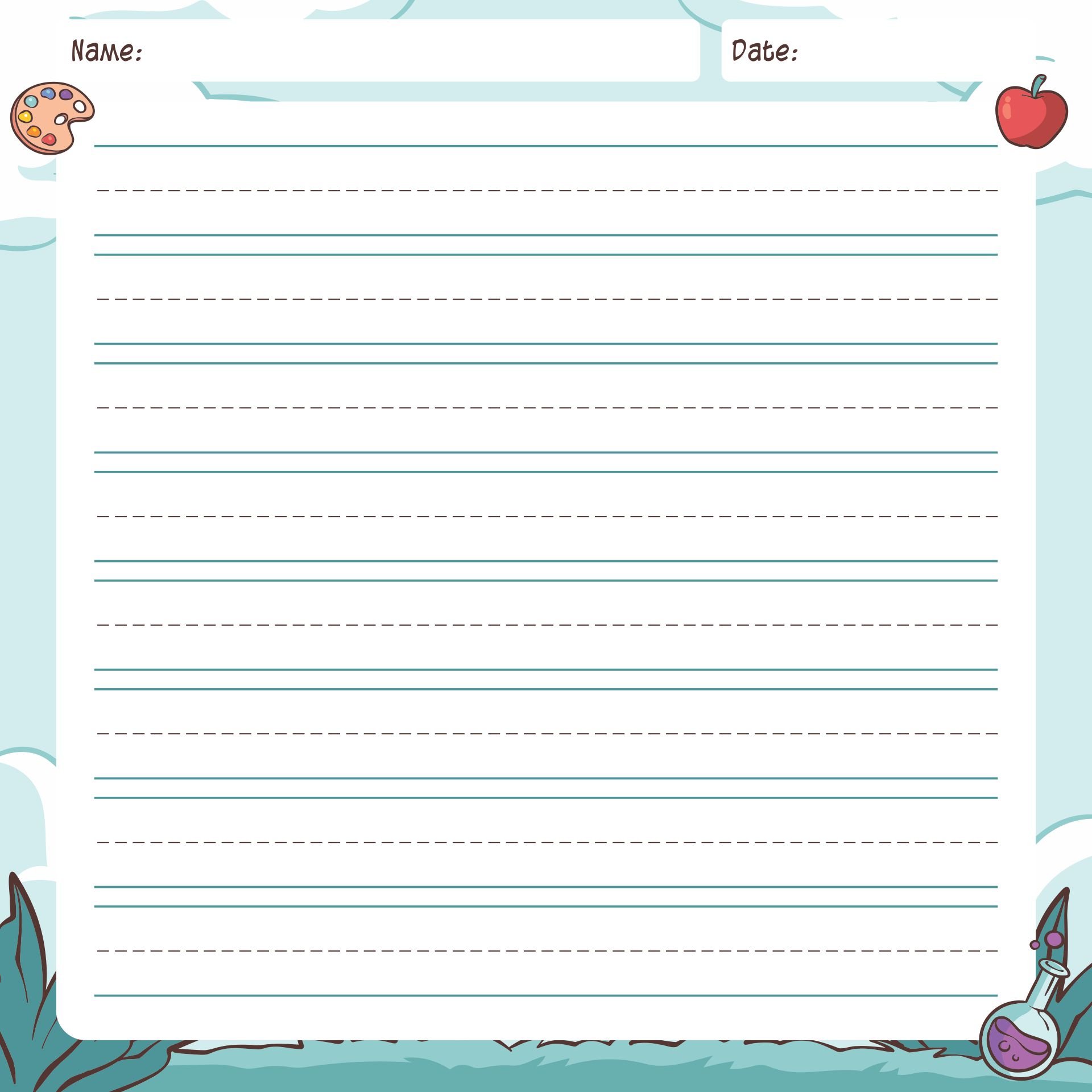
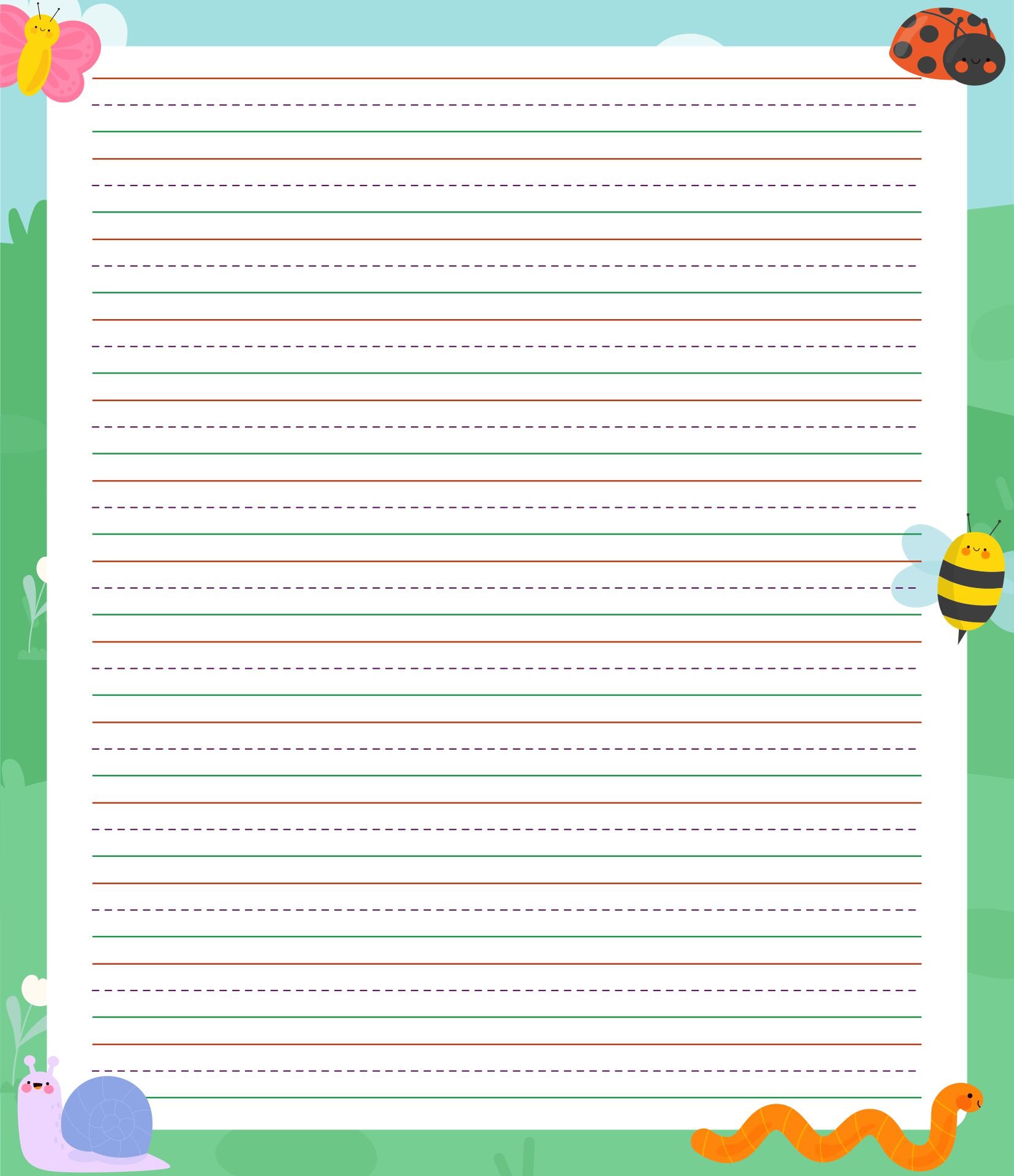
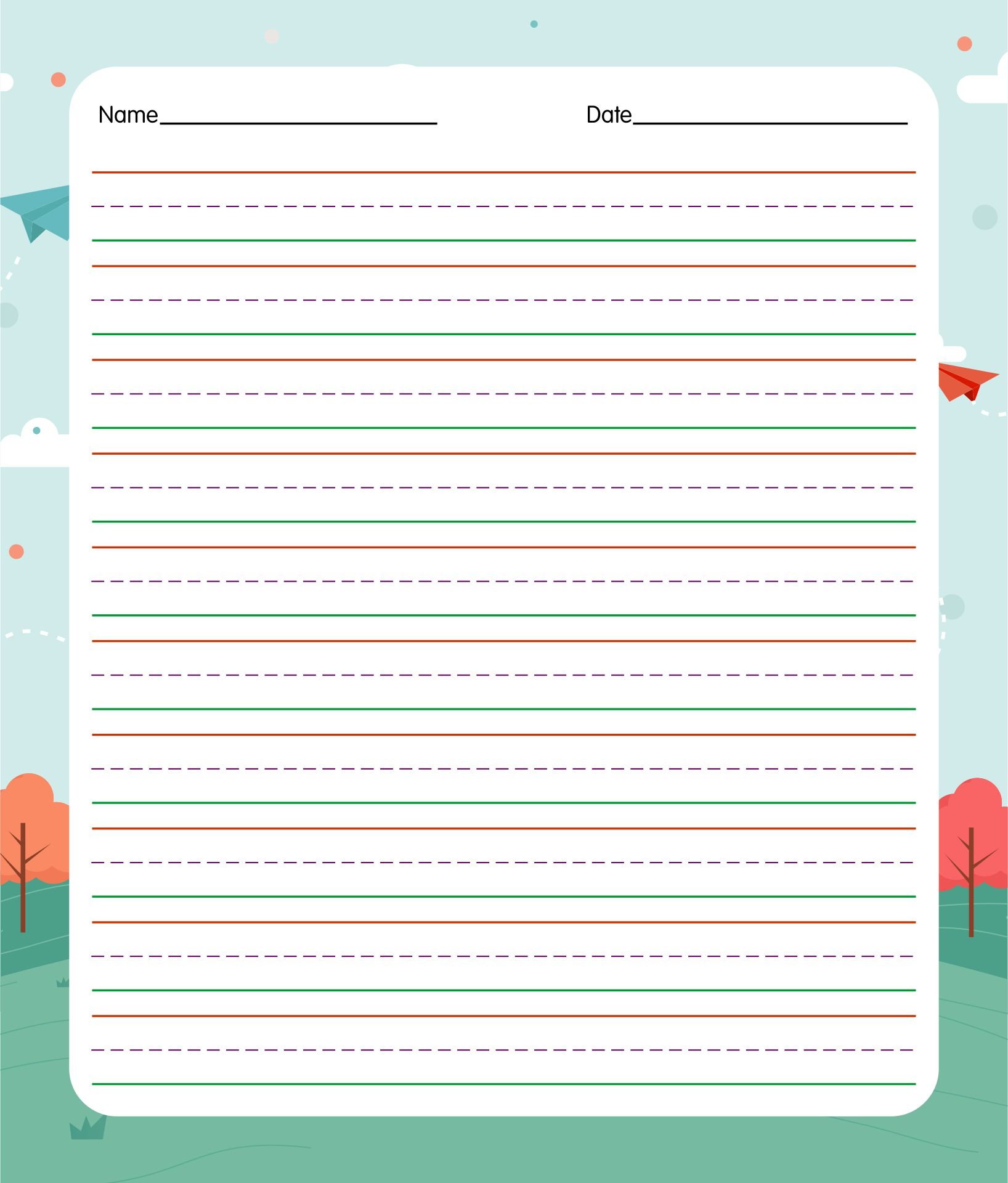
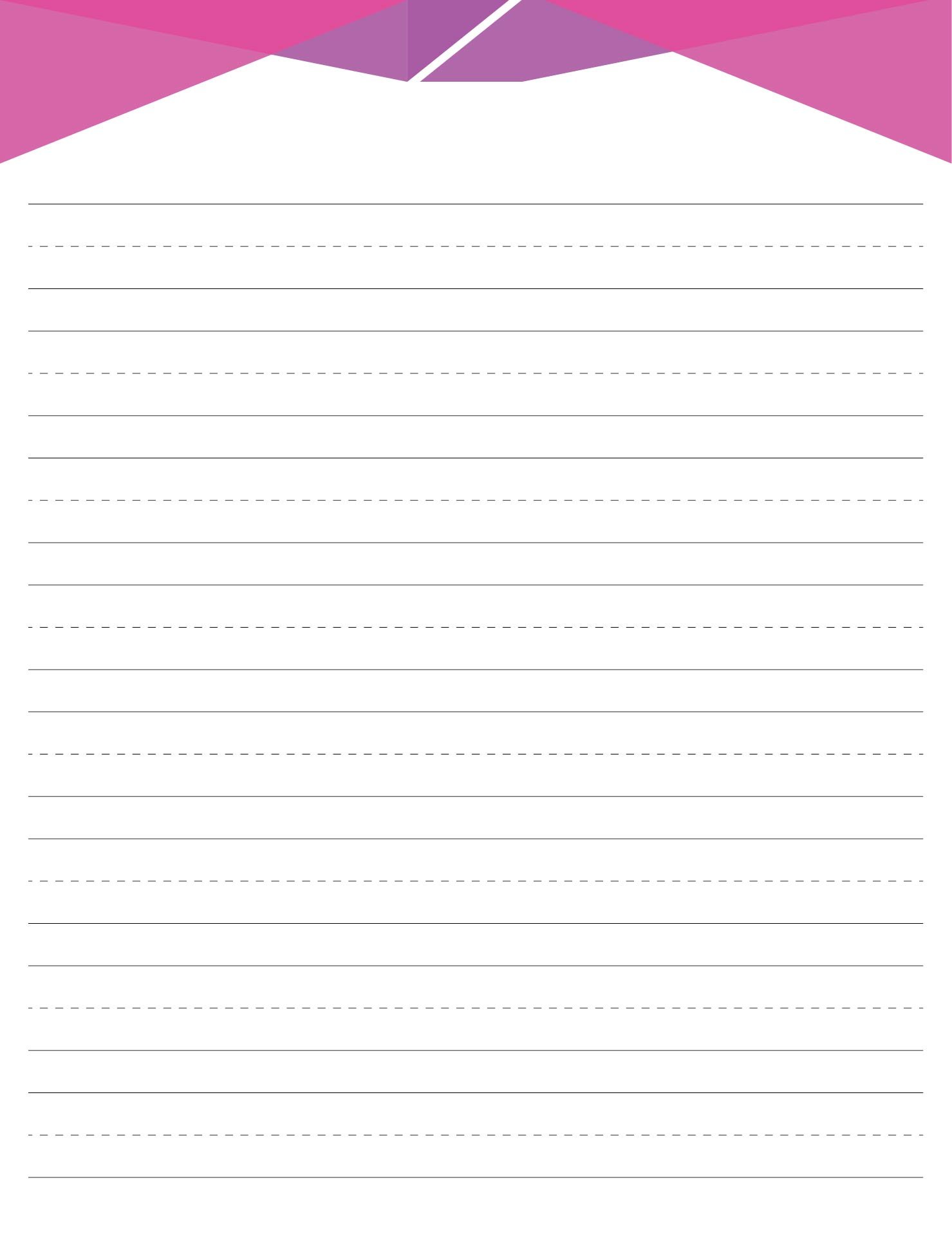
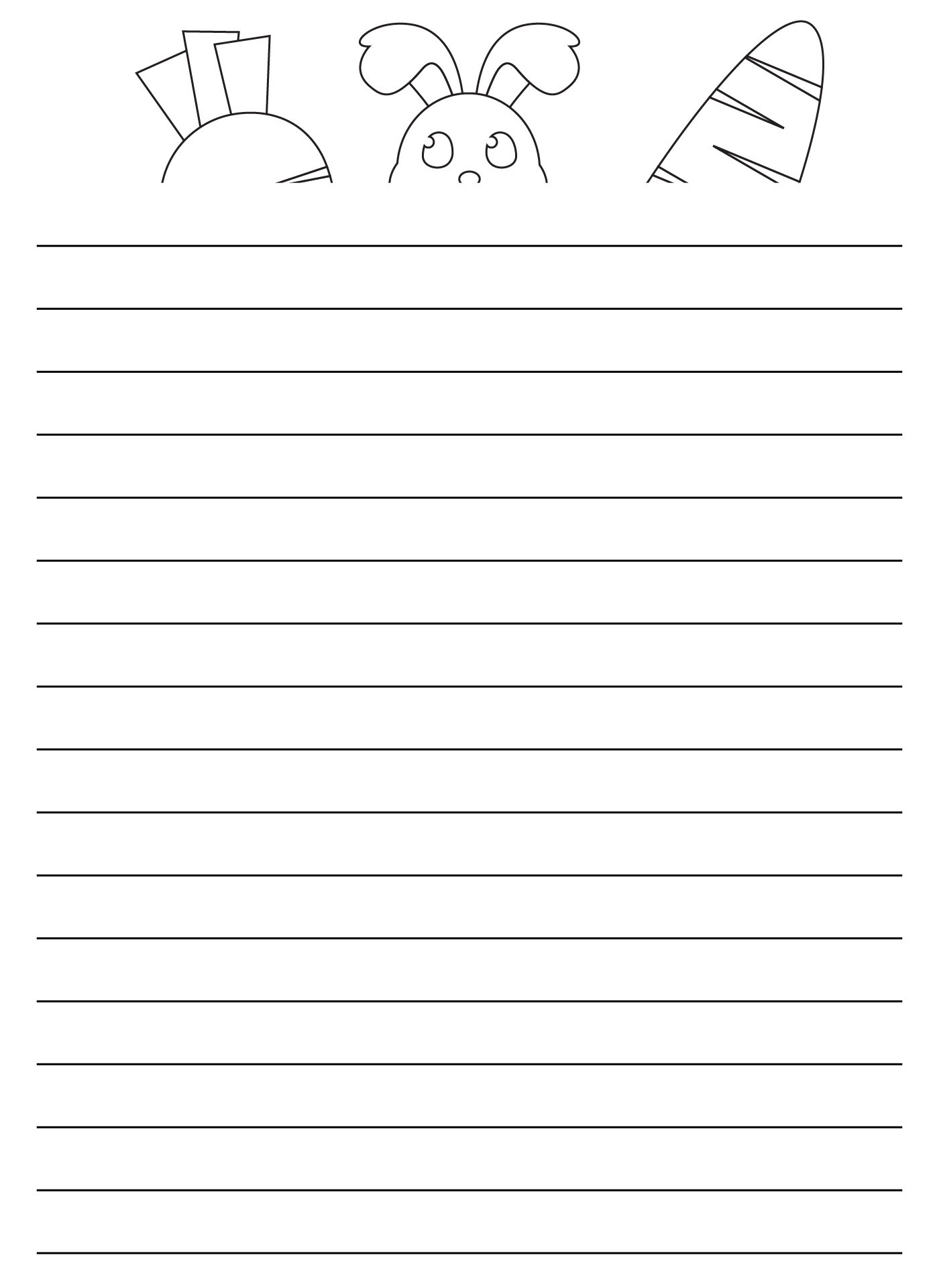
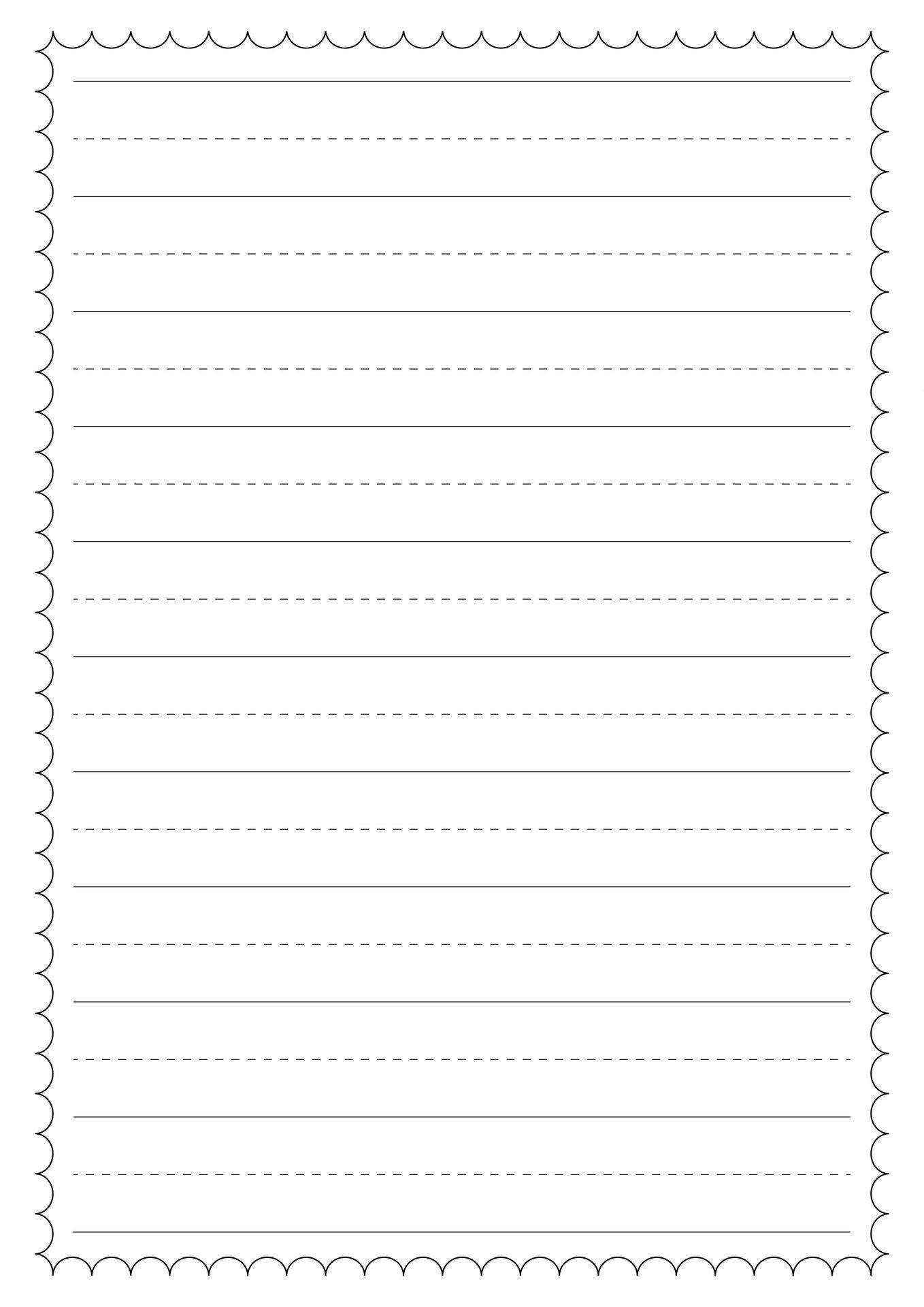
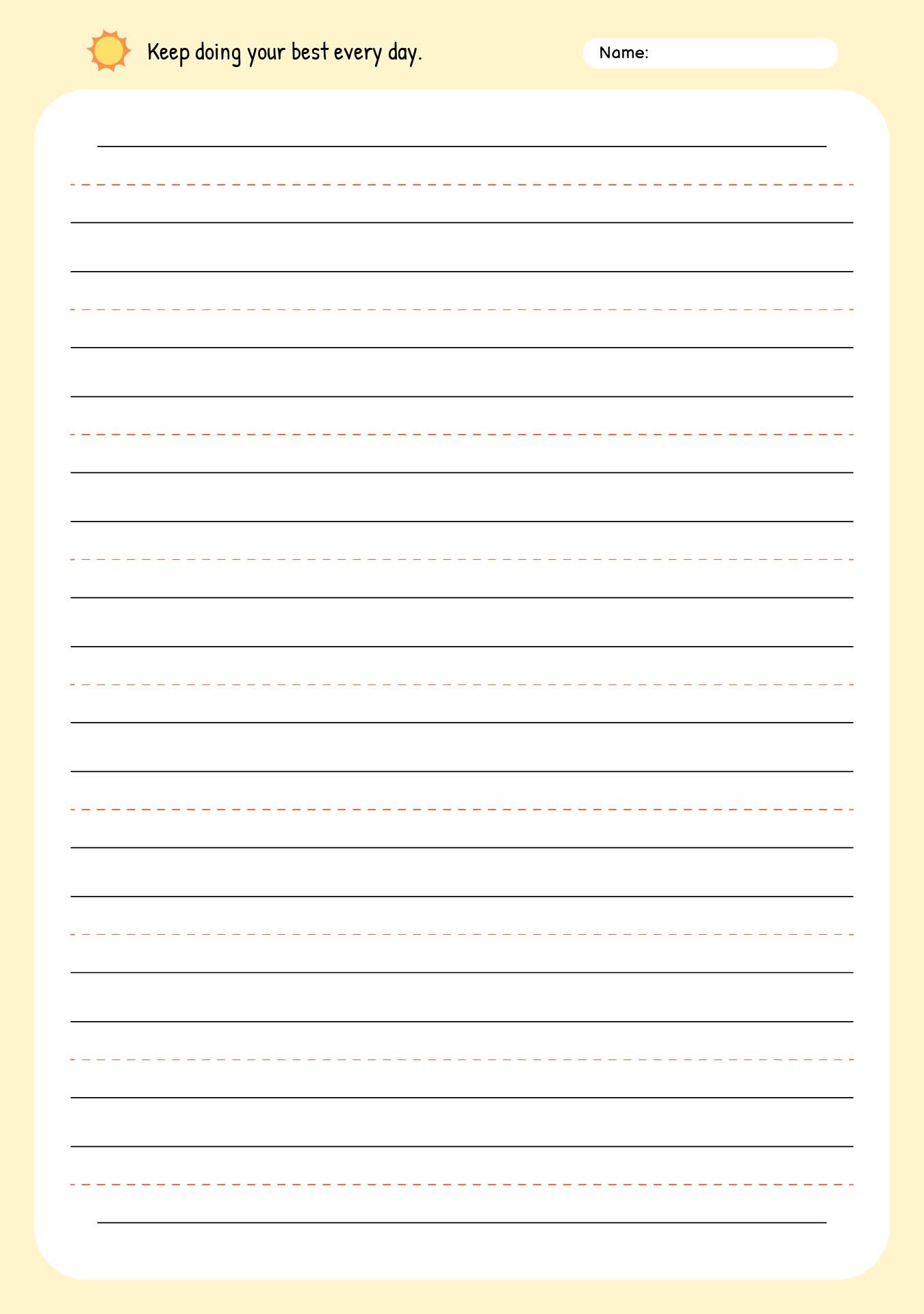
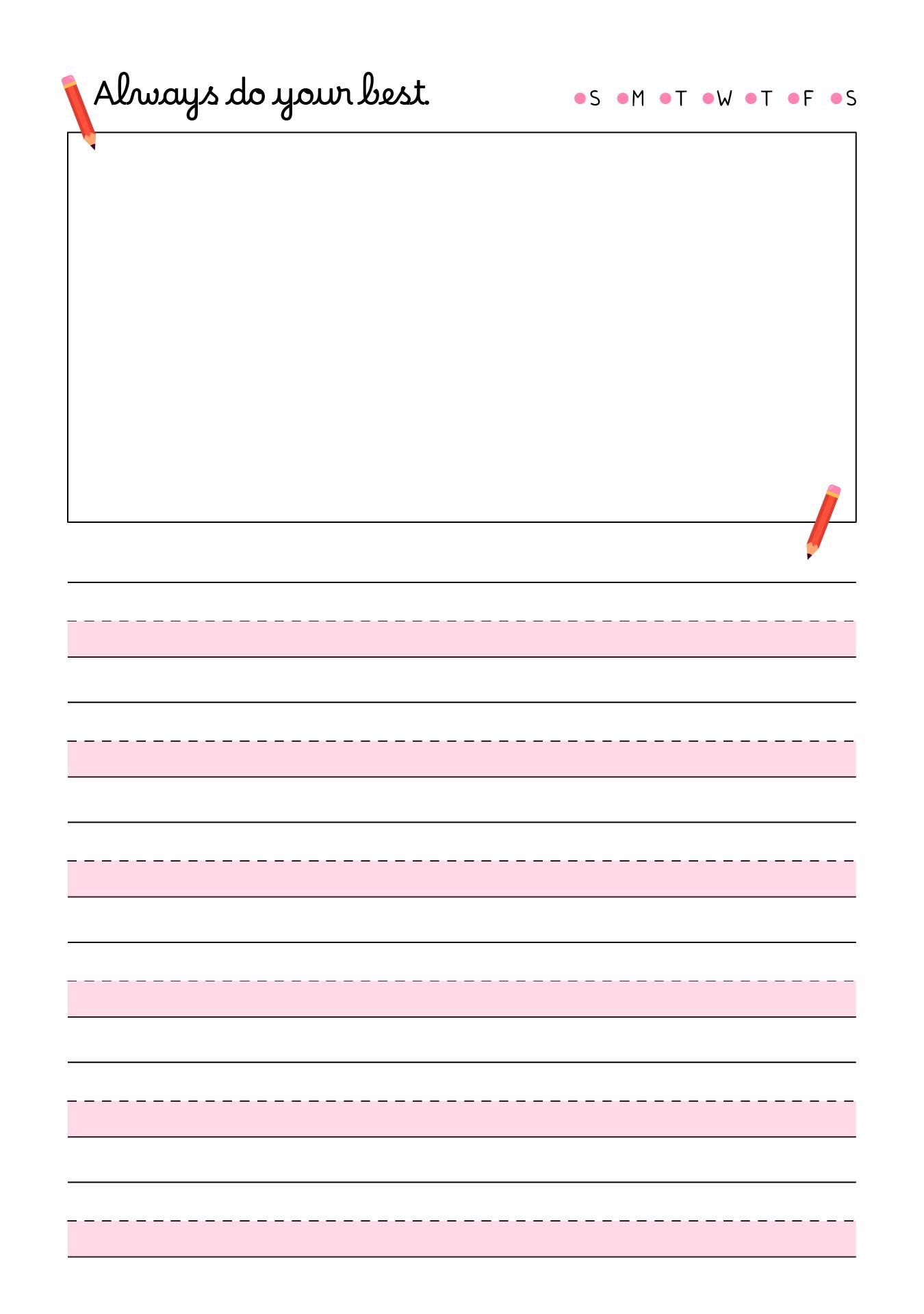
- Themed Paper: For added engagement, themed kindergarten writing paper with seasonal or holiday designs is popular. These can inspire creativity and make writing practice more enjoyable.
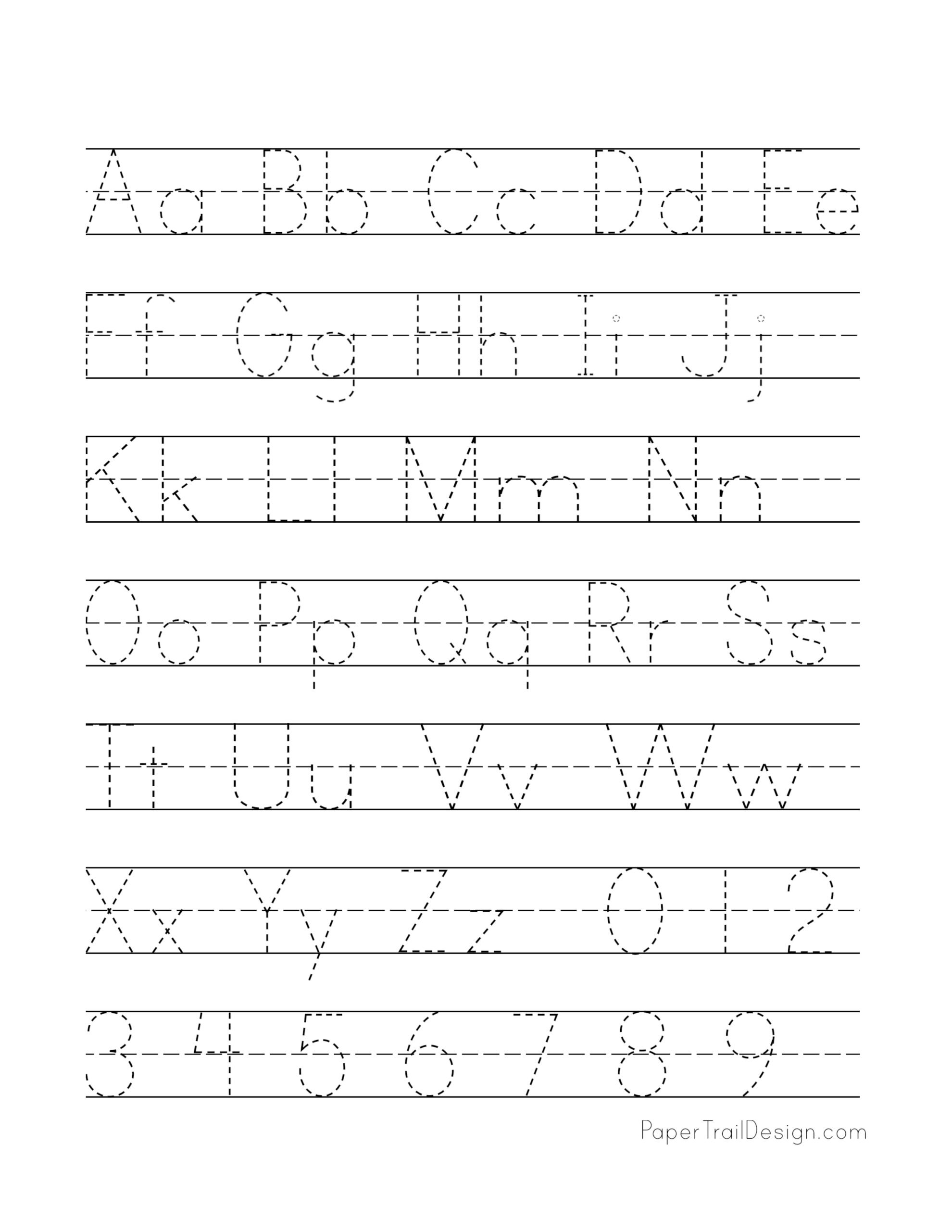
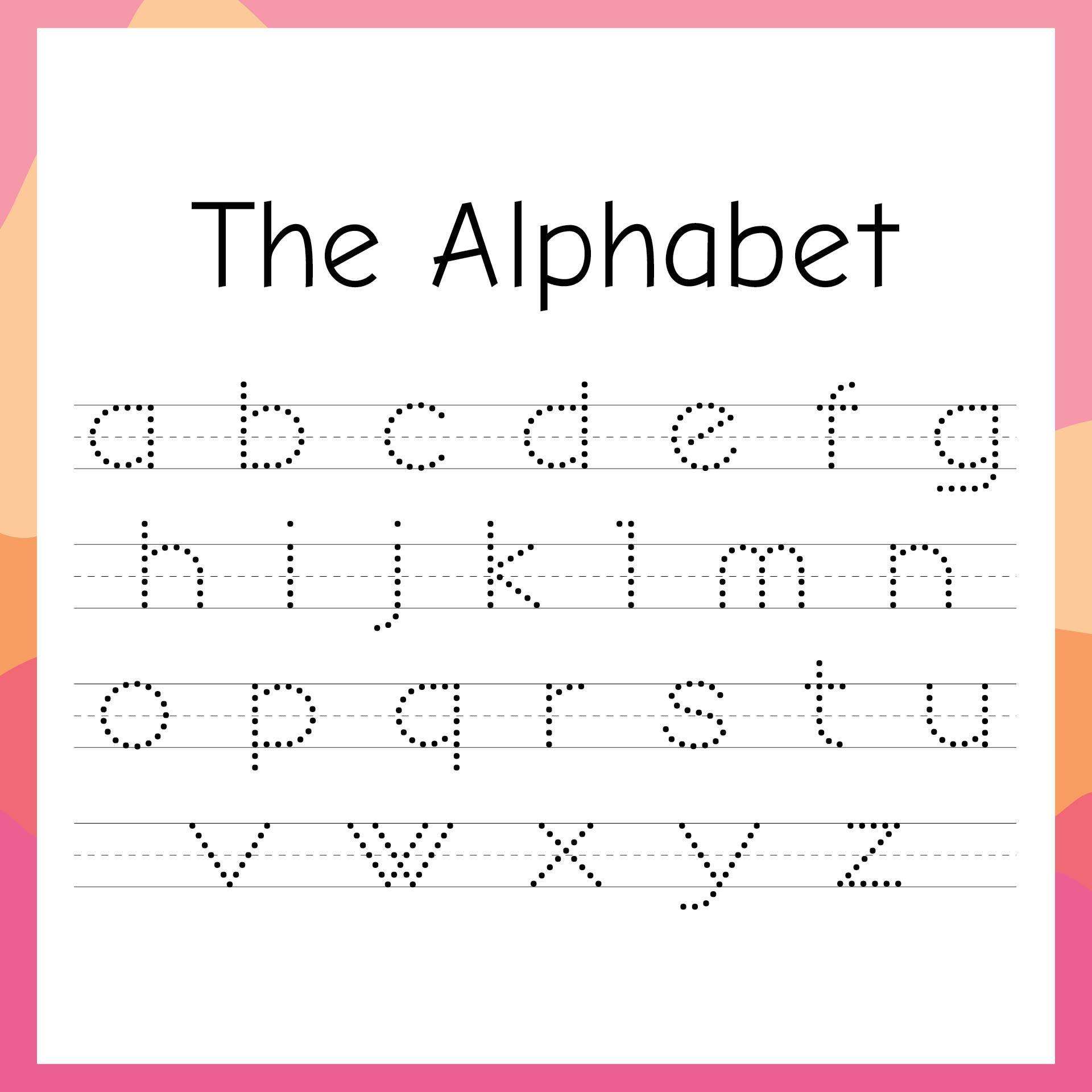
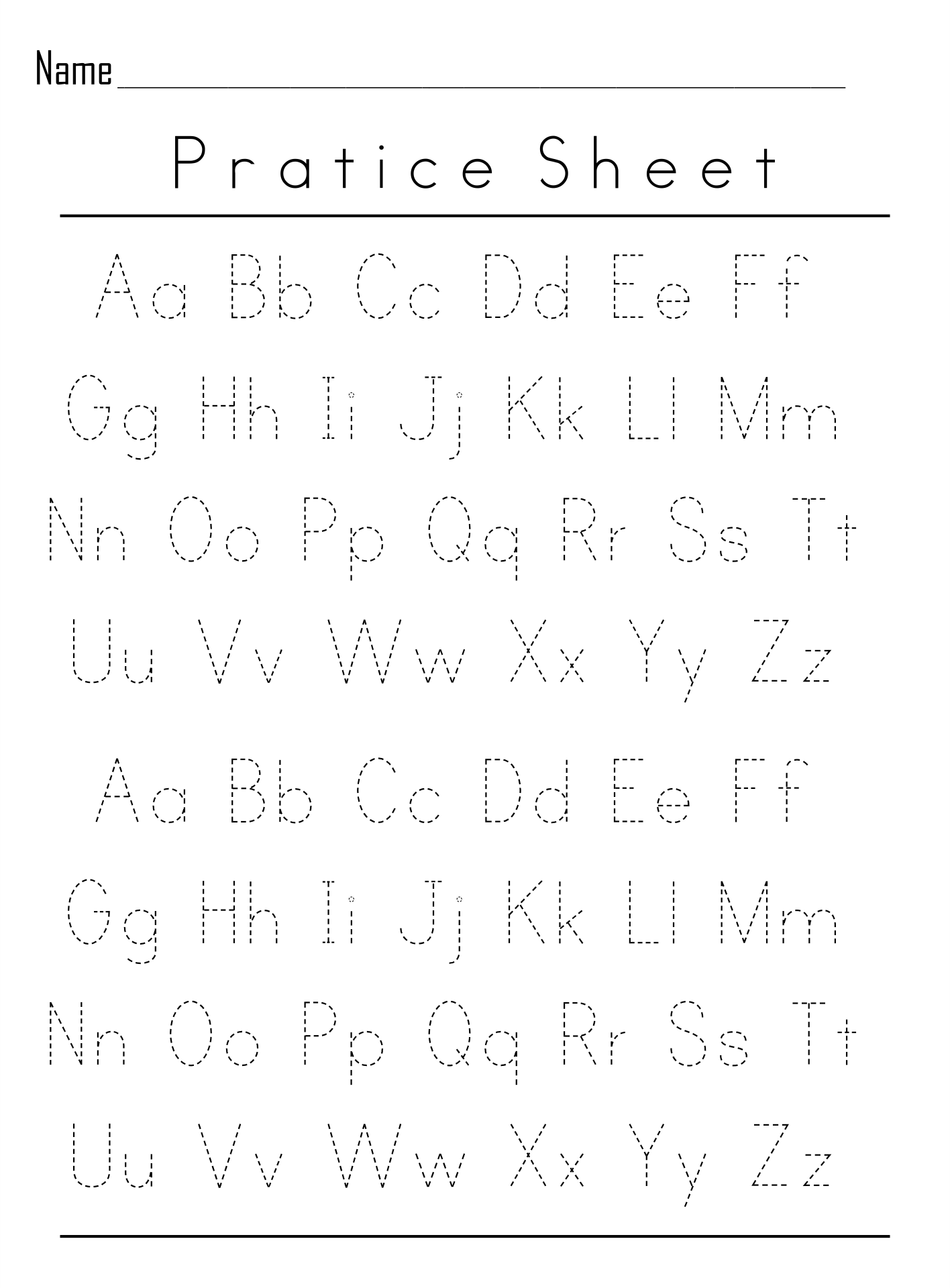
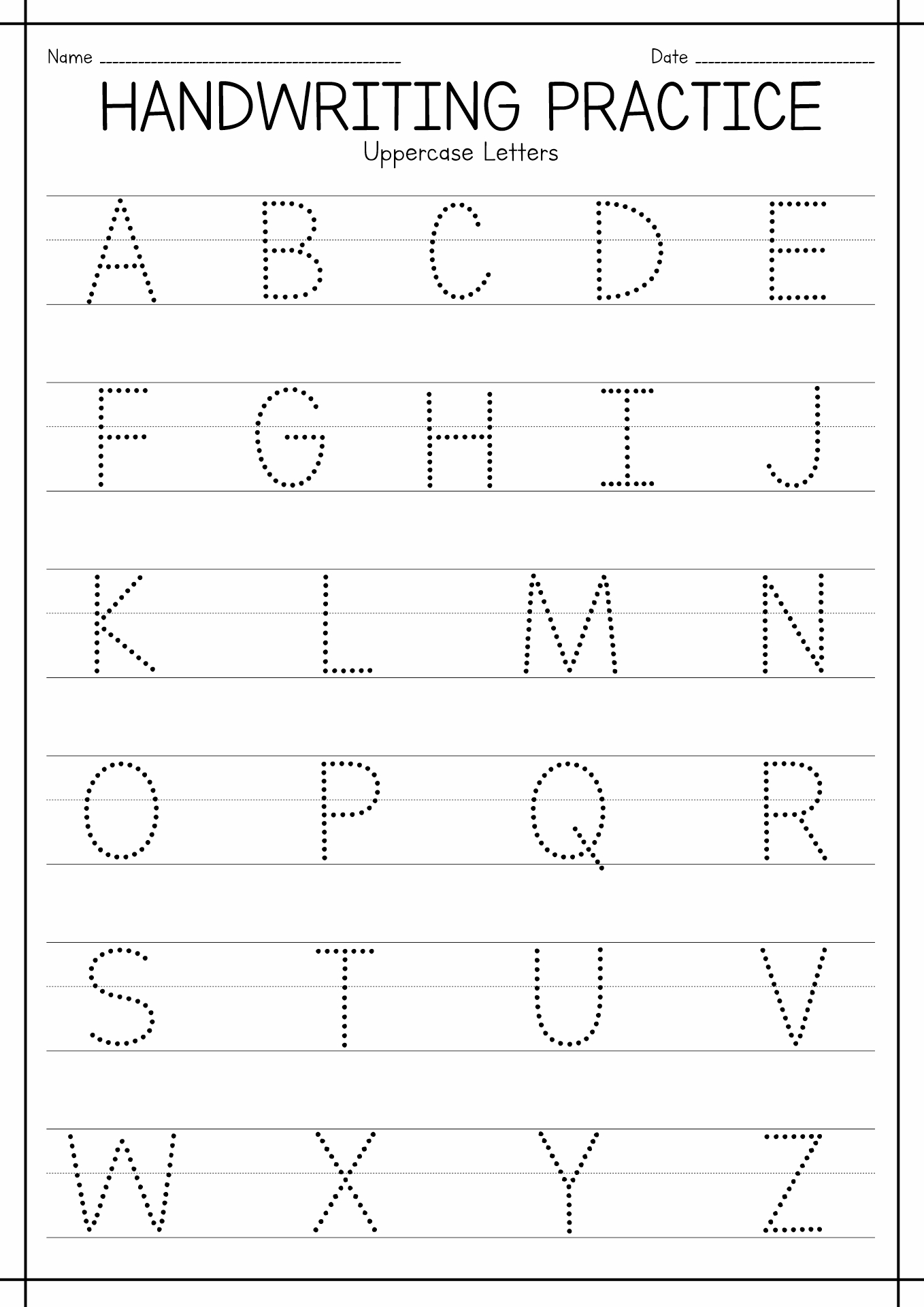
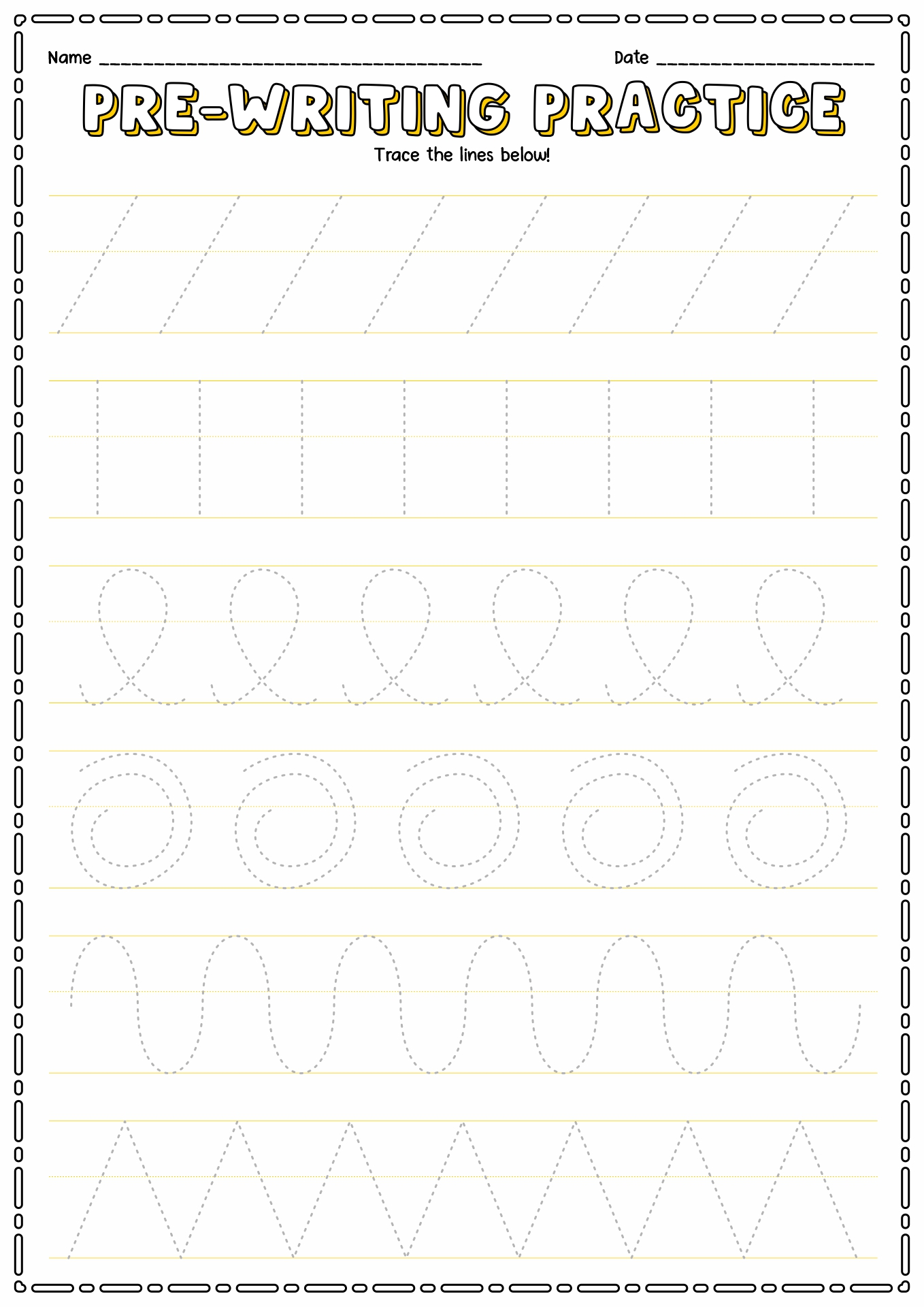
- Penmanship Practice Paper: Specifically designed for handwriting practice, this paper often includes guidelines and prompts to improve letter formation and handwriting skills.
Sizing and Specifications
Kindergarten handwriting paper typically comes in standard sizes, ensuring it fits comfortably in young hands. Look for the following dimensions: You can also compare this directly with nugget from kindergarten to see how they stack up.
- Letter Size: 8.5 x 11 inches, a common size for ease of use and availability.
- Half-Letter Size: 5.5 x 8.5 inches, perfect for smaller hands and focused practice.
- Quarter-Letter Size: 4.25 x 5.5 inches, ideal for targeted exercises and portable use.
Materials and Styling
The material and styling of kindergarten handwriting paper can impact the learning experience. Consider these factors: If you want another perspective, check out my notes on cvc words for kindergarten as well.
- Paper Type: Opt for high-quality, smooth paper that is easy to write on and doesn't bleed through.
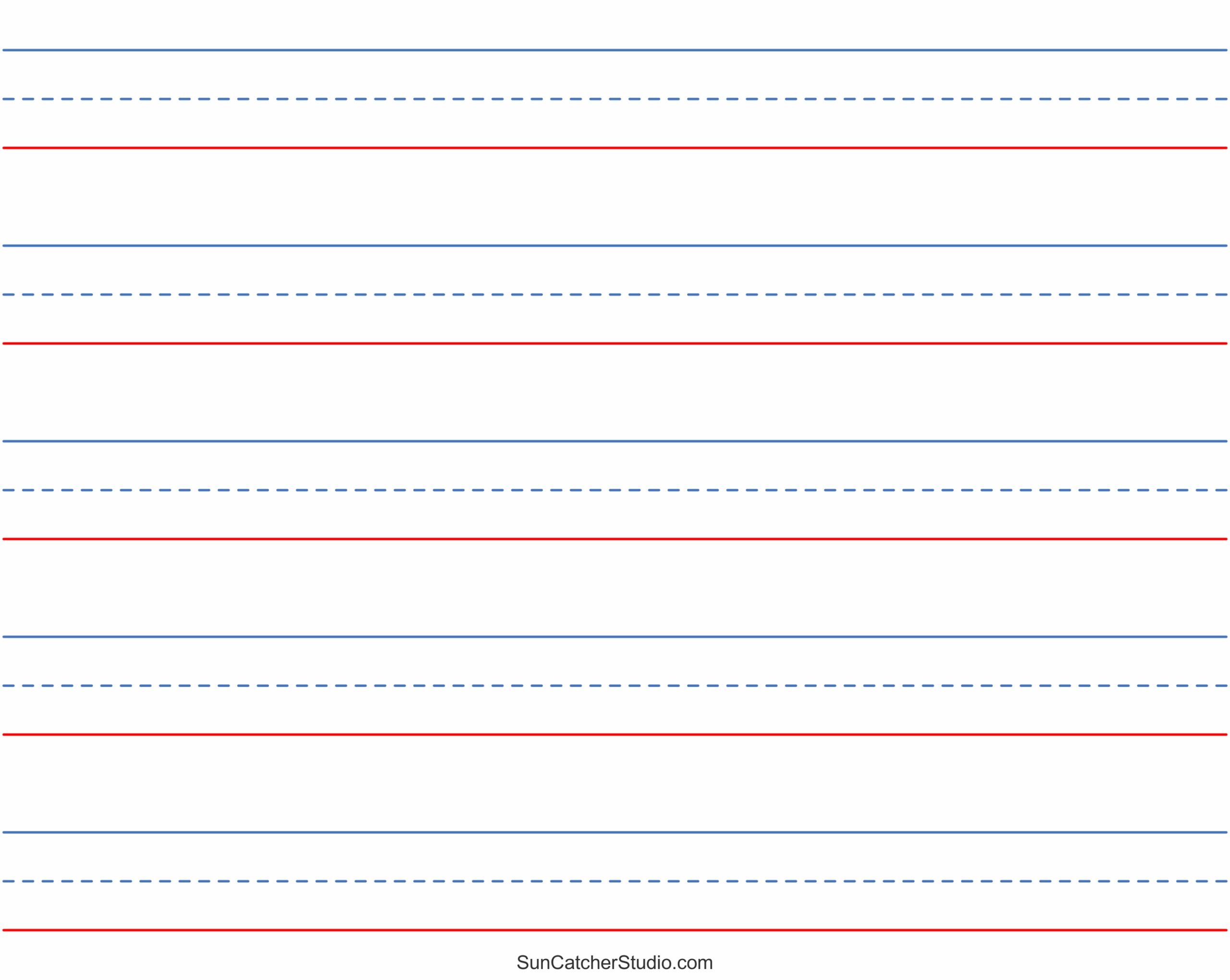
- Line Spacing: Choose line spacing that suits the child's age and writing abilities. Wider lines are great for beginners, while narrower lines can challenge more advanced writers.
- Line Style: Different line styles, like dashed or dotted lines, can guide letter formation and improve handwriting.
Placement and Usage
Kindergarten handwriting paper can be used in various settings to enhance learning: For a closer look at something similar, my post on kindergarten lined paper covers the details.
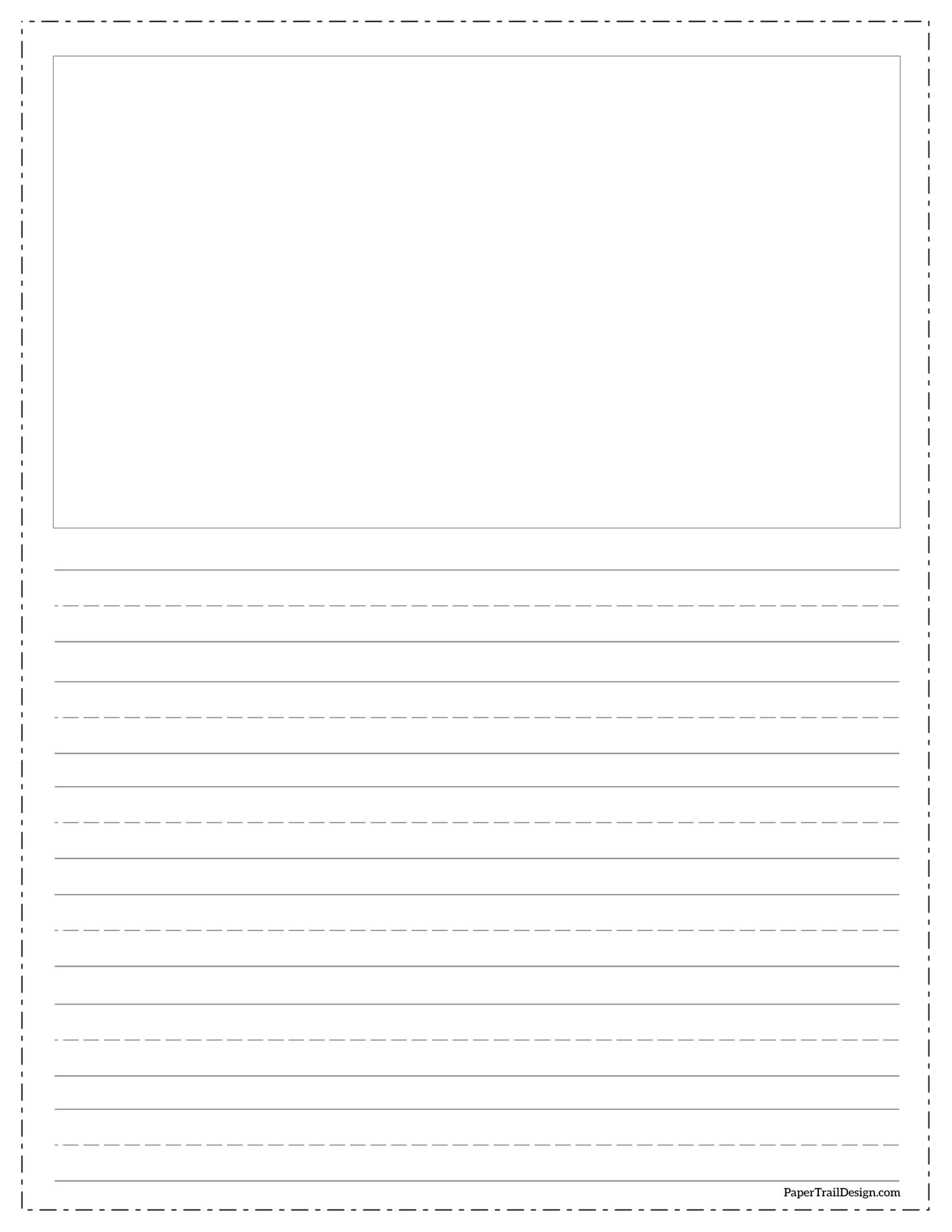
- Classroom: Provide a dedicated space for writing practice, encouraging students to focus and improve their handwriting.
- Homework: Send kindergarten writing paper home with students for practice, allowing parents to monitor progress and offer guidance.
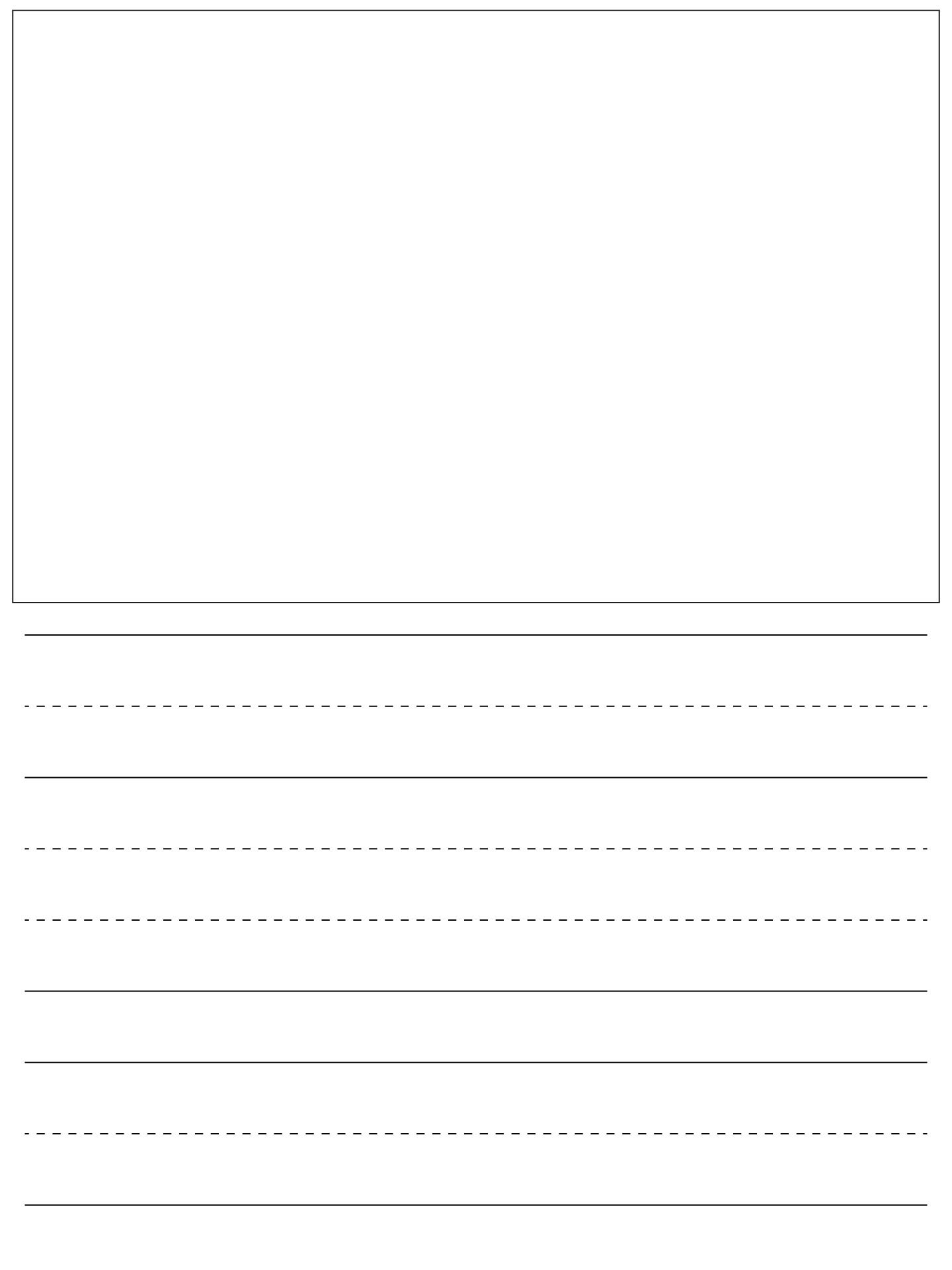
- Creative Writing: Use themed paper to inspire imaginative stories and creative writing exercises.
What to Check Before Buying or Making
When selecting or creating kindergarten handwriting paper, consider these key points: You can also compare this directly with kindergarten sight words to see how they stack up.
- Line Quality: Ensure the lines are clear and consistent, providing a good guide for letter formation.
- Paper Thickness: Choose paper that is not too thin to prevent ink bleed-through.
- Customization: Look for options to personalize the paper with names, themes, or specific line styles to cater to individual needs.
Remember, kindergarten handwriting paper is a versatile tool that can greatly benefit young learners. By providing a structured yet engaging platform, it helps develop fine motor skills, handwriting, and overall literacy. For more ideas on educational tools, explore resources on games kindergarteners play [/games-kindergarteners-play] and nugget from kindergarten [/nugget-from-kindergarten]. If you want another perspective, check out my notes on z words for kindergarteners as well.