The concept of juicing has been around for decades, with proponents claiming it as a miracle cure for various health issues, while critics argue it’s a fad with no scientific basis. As we delve into the world of juicing, it’s essential to separate fact from fiction and explore the benefits and drawbacks of this popular health trend.
To understand the implications of juicing, let’s first examine the process. Juicing involves extracting the liquid content from fruits, vegetables, and sometimes other foods, leaving behind the pulp and fiber. This process concentrates the natural sugars, vitamins, and minerals found in these foods, creating a nutrient-dense beverage. However, it also removes the fiber, which is a crucial component of a balanced diet.
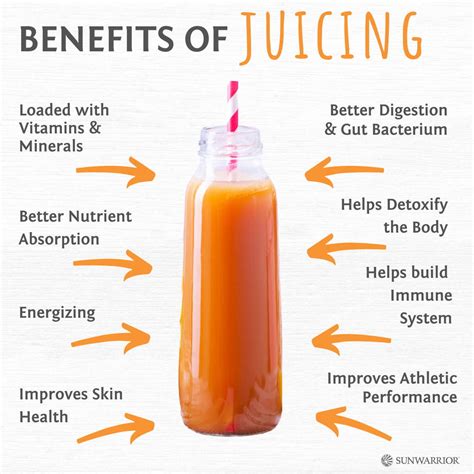
One of the primary advantages of juicing is its ability to increase nutrient intake. Fresh juices can be an excellent way to consume a high amount of vitamins, minerals, and antioxidants, particularly for individuals who struggle to eat enough fruits and vegetables. For instance, a glass of freshly squeezed orange juice can provide a significant amount of vitamin C, while a juice made from leafy greens like kale and spinach can offer a boost of iron and calcium.
However, the lack of fiber in juices can be a significant concern. Fiber plays a critical role in maintaining healthy digestion, satiety, and blood sugar levels. Without fiber, juices can cause a rapid spike in blood sugar, potentially leading to energy crashes, mood swings, and an increased risk of chronic diseases like diabetes and heart disease.
Another issue with juicing is the potential for an imbalanced diet. While juices can be a convenient way to consume nutrients, they should not replace whole foods. A diet consisting only of juices can lead to protein, healthy fat, and fiber deficiencies, causing a range of health problems, including muscle wasting, fatigue, and digestive issues.
Furthermore, the quality of juices can vary greatly depending on the ingredients and production process. Commercial juices often contain added sugars, preservatives, and other undesirable ingredients, which can negate any potential health benefits. Even freshly made juices can be problematic if they’re not prepared properly, as they can become contaminated with bacteria, viruses, or other pathogens.
To reap the benefits of juicing while minimizing the risks, it’s essential to approach this practice with caution and consideration. Here are some guidelines to keep in mind:
- Focus on whole, unprocessed foods: Juices should supplement, not replace, a balanced diet consisting of whole foods, including fruits, vegetables, whole grains, lean proteins, and healthy fats.
- Choose the right ingredients: Opt for a variety of colorful fruits and vegetables, and consider adding other nutrient-dense ingredients like nuts, seeds, and avocados.
- Be mindful of sugar content: Limit the amount of high-sugar ingredients like tropical fruits, and balance them with vegetables and other low-sugar options.
- Incorporate healthy fats and proteins: Add sources of healthy fats like nuts, seeds, and avocados, and consider including protein-rich ingredients like Greek yogurt or almond milk.
- Drink juices in moderation: Treat juices as an occasional beverage, rather than a replacement for meals or snacks.
In conclusion, while juicing can be a valuable addition to a healthy diet, it’s crucial to approach this practice with a critical and nuanced perspective. By understanding the benefits and drawbacks of juicing, and incorporating it into a balanced diet, individuals can harness the potential of fresh juices to support their overall health and well-being.
What are the benefits of juicing?
+Juicing can provide a concentrated dose of nutrients, increase energy, and support digestive health. However, it’s essential to approach juicing with caution and consider the potential drawbacks, such as an imbalanced diet and lack of fiber.
Can juicing help with weight loss?
+While juicing can be a helpful addition to a weight loss diet, it’s not a magic bullet. Juices should be part of a balanced diet, and individuals should focus on whole, unprocessed foods, regular exercise, and a healthy lifestyle to achieve sustainable weight loss.
How can I make sure my juices are safe and healthy?
+To ensure your juices are safe and healthy, choose fresh, organic ingredients, wash your produce thoroughly, and follow proper food safety guidelines. Also, be mindful of the sugar content, and balance your juices with a variety of ingredients.