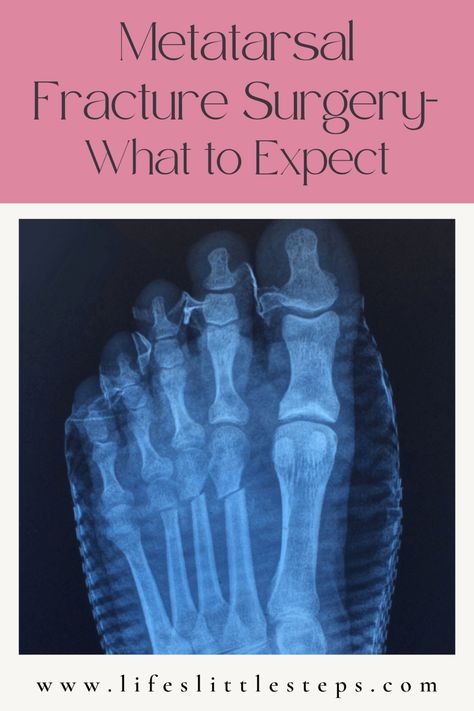
Recovering from a Jones fracture, a specific type of fracture that occurs at the base of the fifth metatarsal bone in the foot, requires a comprehensive approach that includes understanding the injury, its treatment options, and a well-structured rehabilitation plan. This guide is designed to provide in-depth information on how to navigate the recovery process effectively, ensuring the best possible outcome for individuals dealing with this common yet challenging athletic injury.
Understanding Jones Fracture
Before diving into the recovery process, it’s essential to understand what a Jones fracture is and why it’s considered a significant injury, particularly among athletes. The fifth metatarsal bone, where the Jones fracture occurs, is located on the outside of the foot and plays a crucial role in supporting the body’s weight and facilitating movement. This type of fracture is named after the doctor who first described it and is known for its difficulty in healing due to the limited blood supply to the area.
Causes and Symptoms
Jones fractures can be caused by either a sudden injury or repetitive stress and overuse. The symptoms often include severe pain at the base of the fifth metatarsal, swelling, and sometimes bruising. Given the pain and potential for complications, such as nonunion or malunion, where the bone does not heal correctly, seeking medical attention promptly is crucial.
Treatment Options
The treatment for a Jones fracture depends on the severity of the fracture, the overall health of the individual, and whether the fracture is acute (new) or has become a chronic condition. Treatment options range from conservative management, including immobilization and non-weight-bearing rest, to surgical intervention.
Conservative Management
For less severe fractures, especially in individuals with good bone quality and no signs of displacement, conservative management might be the preferred initial approach. This typically involves:
- Immobilization: Using a cast, walking boot, or another form of immobilization to protect the foot and promote healing.
- Non-weight-bearing rest: Avoiding putting weight on the affected foot to reduce stress on the fracture site.
- Pain management: Using pain medications as directed by a healthcare provider.
- Follow-up care: Regular check-ins with a healthcare provider to monitor the healing process and adjust the treatment plan as necessary.
Surgical Intervention
In cases where the fracture is displaced, the bone is not healing properly, or in athletes looking to return to their sport quickly, surgery might be recommended. Surgical options include:
- Internal fixation: Using screws, plates, or rods to stabilize the bone and facilitate healing.
- Bone grafting: Transferring healthy bone tissue to the fracture site to enhance the healing process.
Rehabilitation Plan
Following the initial treatment, whether conservative or surgical, a structured rehabilitation plan is essential for optimal recovery and to prevent future complications.
Phase 1: Protection and Pain Management
- Immobilization: Continuing to use a cast, boot, or other immobilizing device as directed.
- Pain control: Managing pain effectively to ensure comfort and facilitate the healing process.
- Non-weight-bearing activities: Engaging in activities that do not put stress on the affected foot.
Phase 2: Strengthening and Mobility
- Physical therapy: Working with a physical therapist to regain strength, flexibility, and range of motion in the foot and ankle.
- Progressive weight-bearing: Gradually introducing weight-bearing activities under the supervision of a healthcare provider.
- Exercises: Performing specific exercises to strengthen the muscles around the ankle and foot.
Phase 3: Return to Activity
- Advanced strengthening: Continuing to strengthen the foot and ankle to support more vigorous activities.
- Agility and balance training: Incorporating exercises that challenge balance and agility to prepare for return to sports or high-level activities.
- Gradual return to sport: Slowly reintroducing athletic activities, starting with low-impact exercises and progressing to more intense training under the guidance of a sports medicine professional.
Preventing Future Injuries
Prevention is a critical component of managing Jones fractures, especially for individuals who have suffered from this injury in the past. Strategies for prevention include:
- Wearing appropriate footwear: Choosing shoes that fit well and provide adequate support.
- Gradual increase in activity: Avoiding sudden spikes in physical activity levels.
- Strengthening exercises: Regularly performing exercises that strengthen the muscles around the ankle and foot.
- Custom orthotics: Using customized shoe inserts to provide additional support and redistribute pressure more evenly.
Conclusion
Recovering from a Jones fracture requires patience, adherence to a well-structured treatment and rehabilitation plan, and a commitment to preventing future injuries. By understanding the nature of the injury, the treatment options available, and the importance of a comprehensive rehabilitation program, individuals can navigate the recovery process effectively and return to their normal activities, including sports, with minimal risk of complications. It’s also crucial to work closely with healthcare professionals to tailor the recovery plan to individual needs and ensure the best possible outcome.
What is the typical recovery time for a Jones fracture?
+The recovery time for a Jones fracture can vary significantly depending on the severity of the fracture and the treatment approach. Generally, it can take anywhere from 6 to 12 weeks for the bone to heal sufficiently to allow for gradual return to weight-bearing activities, and several months before full recovery and return to sports.
Can a Jones fracture heal without surgery?
+Yes, some Jones fractures can heal without surgery, especially if they are nondisplaced and the individual is able to adhere to a strict non-weight-bearing regimen. However, the decision to manage the fracture conservatively versus surgically should be made in consultation with an orthopedic specialist, considering factors such as the fracture's severity, the individual's overall health, and their activity level.
How can I prevent getting a Jones fracture?
+Preventing a Jones fracture involves a combination of strategies, including wearing supportive shoes, gradually increasing physical activity levels, incorporating foot and ankle strengthening exercises into your routine, and considering custom orthotics. It's also important to address any biomechanical issues, such as overpronation or supination, that could increase the stress on the fifth metatarsal bone.
By following the guidance outlined in this comprehensive recovery guide and working closely with healthcare professionals, individuals with Jones fractures can navigate the challenging recovery process and look forward to a successful return to their normal activities and sports.