









Popular Variations and Meanings
The concept of a chain of command is versatile and can be adapted to various contexts:
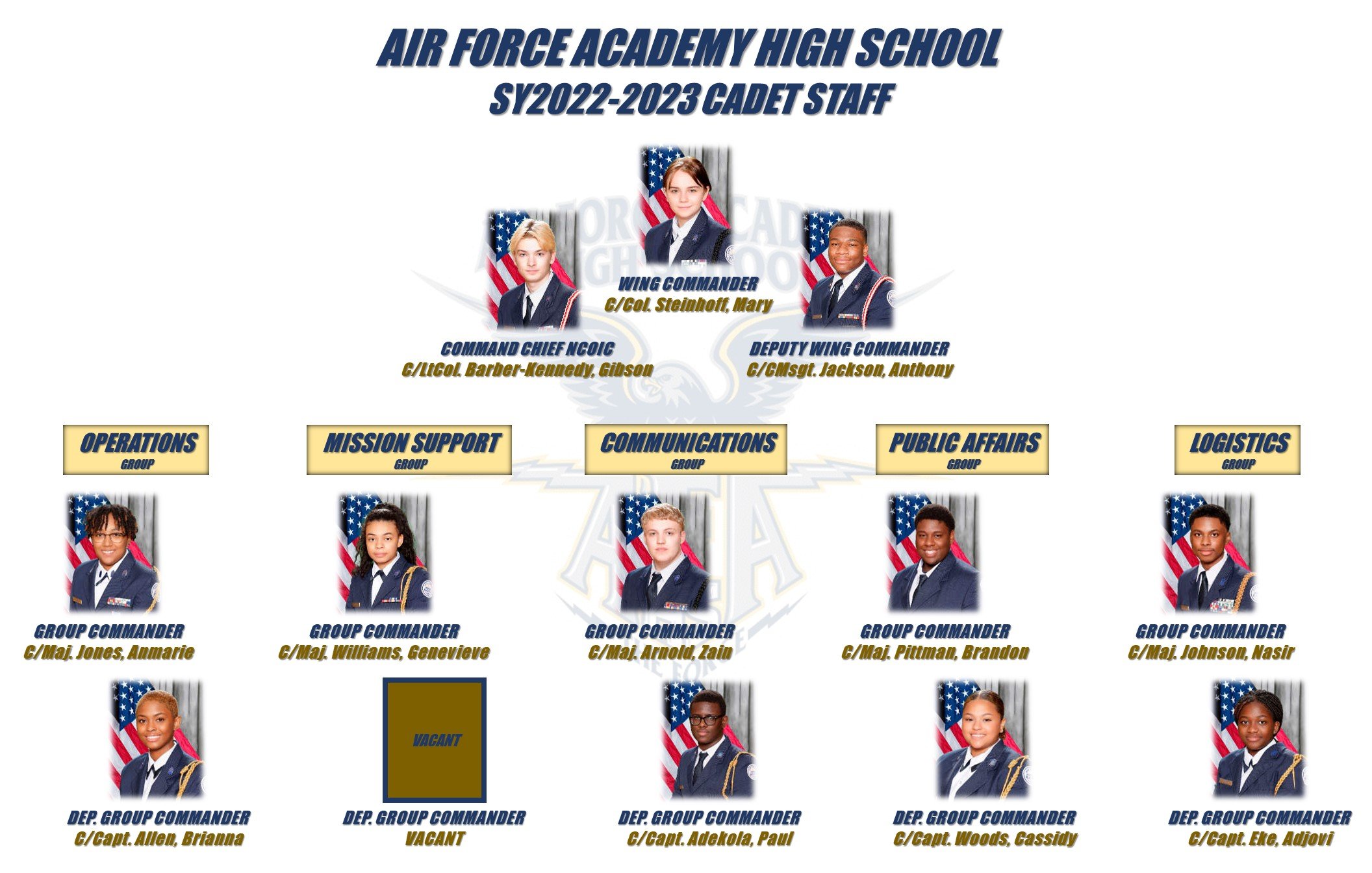
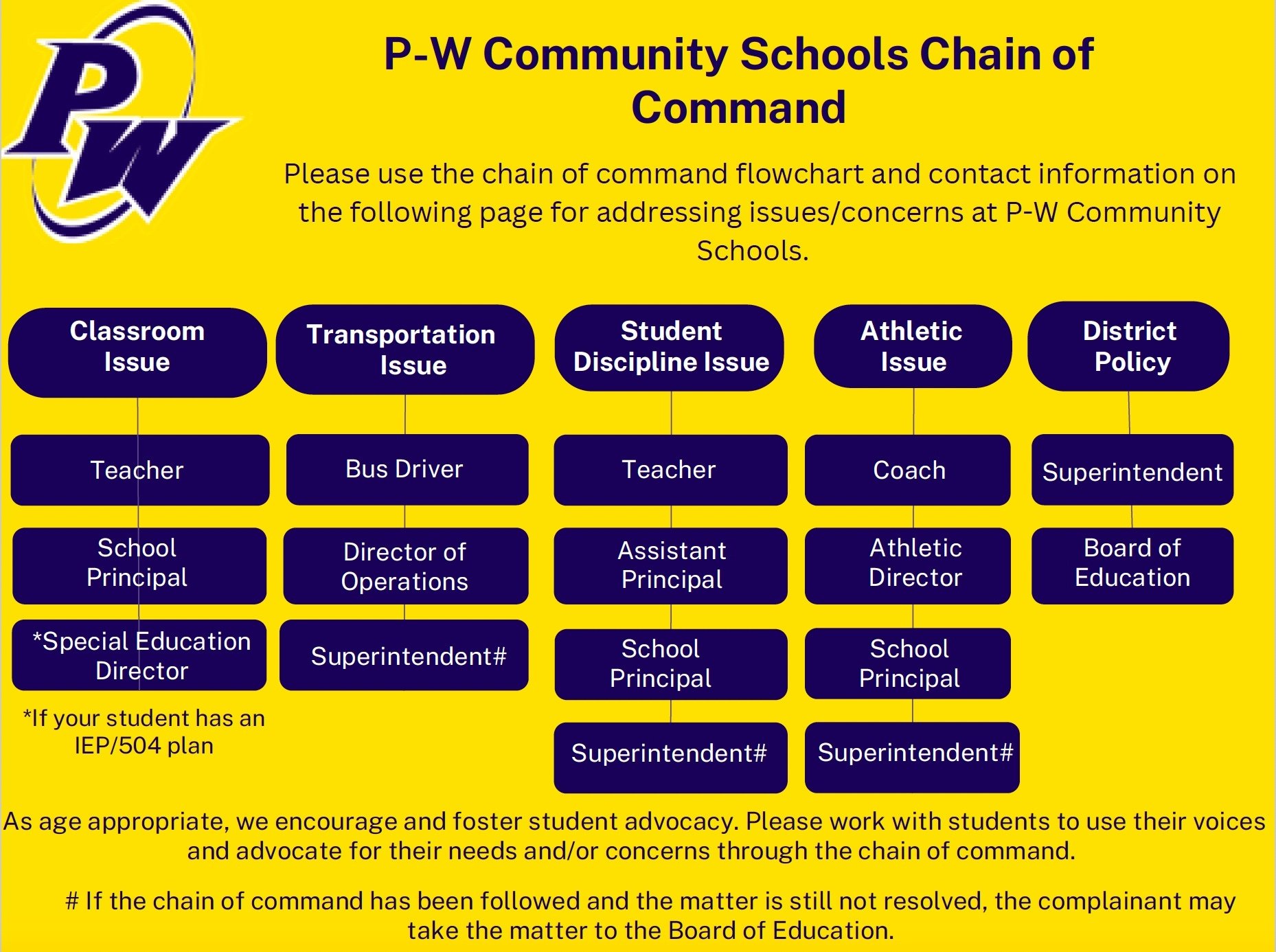
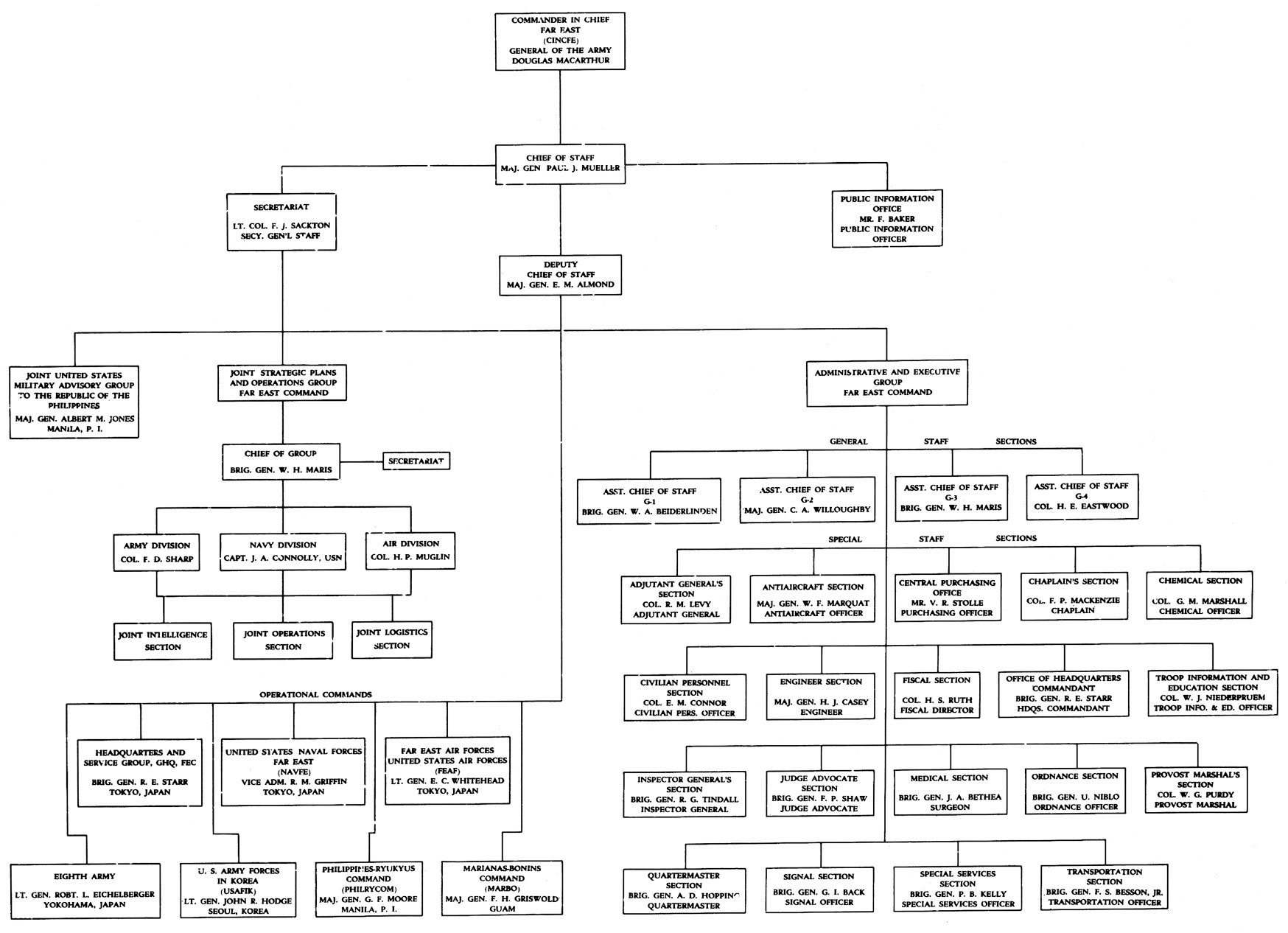
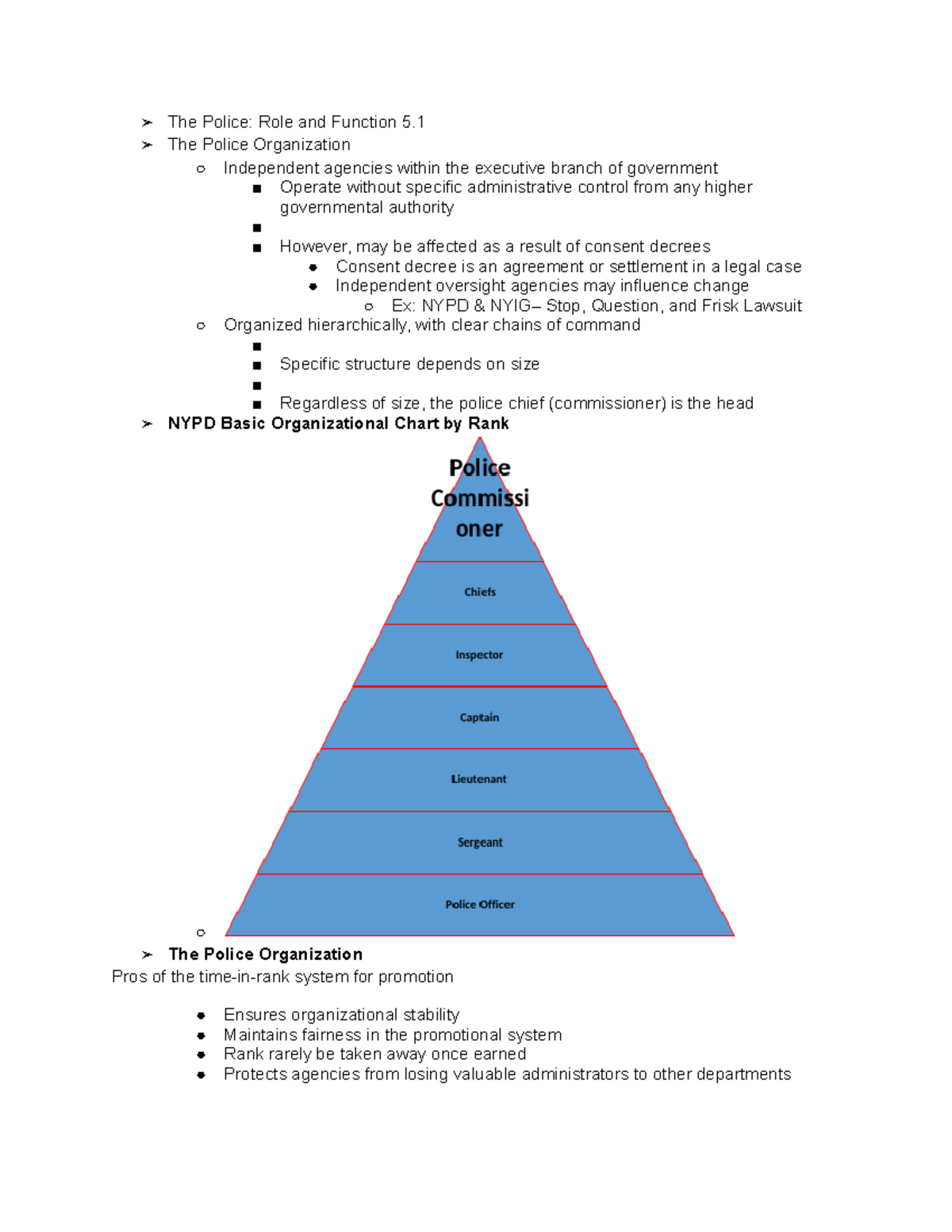
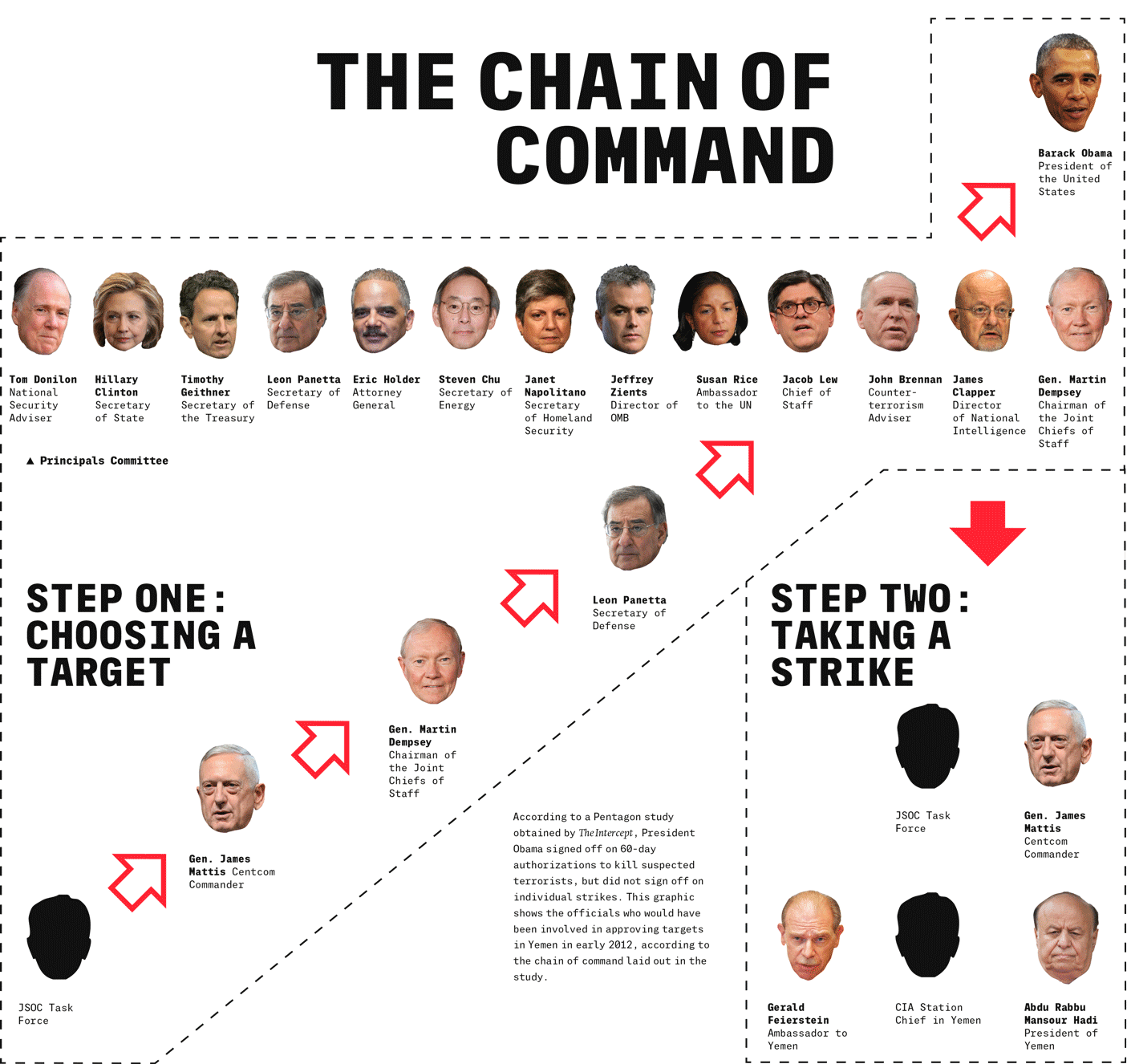
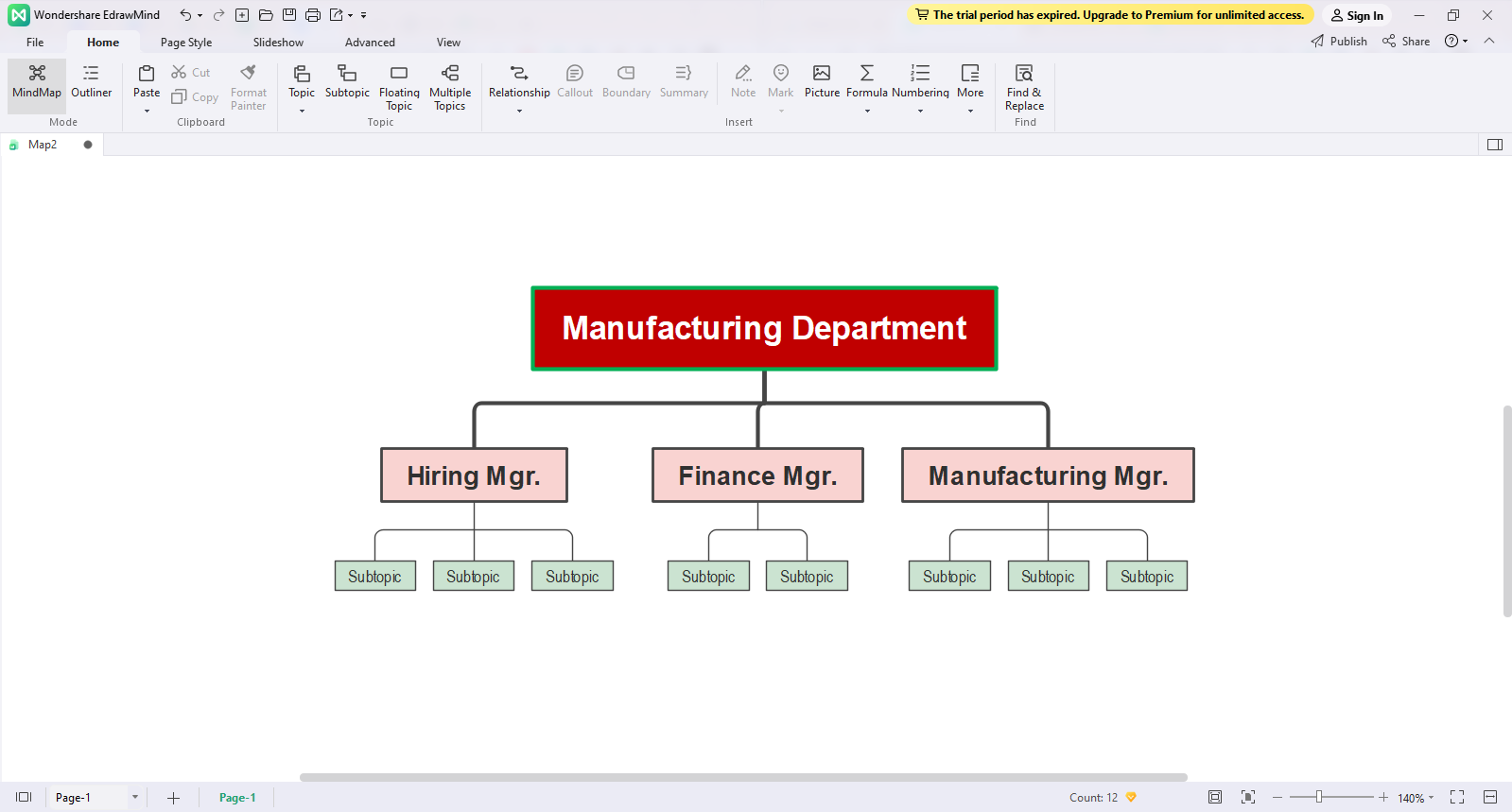
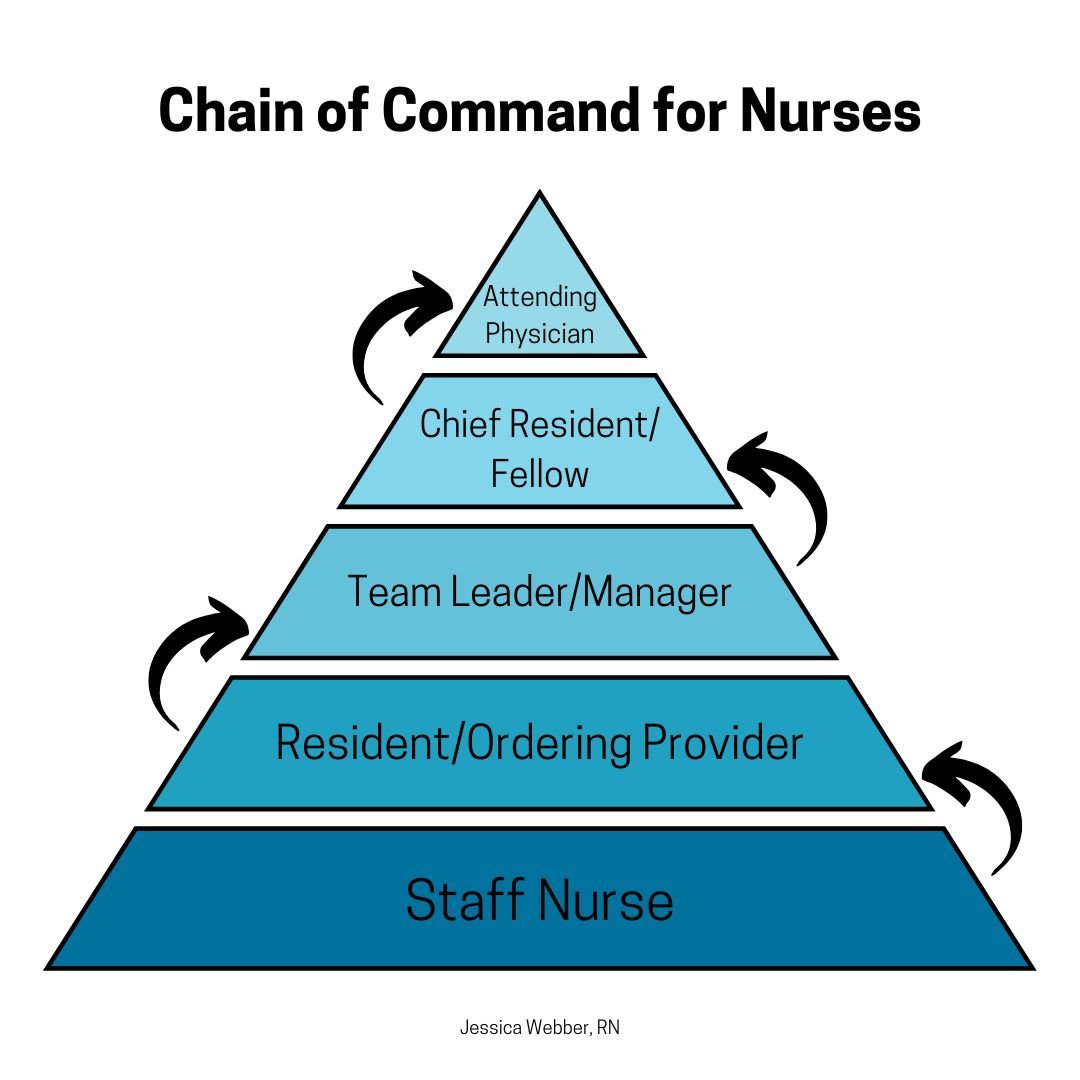
Command Hierarchy: This refers to the organizational structure where each member has a defined superior to whom they report. It ensures a clear path for decision-making and task delegation.
Command Business: In a corporate setting, the chain of command is key for efficient operations. It determines who has the authority to make specific decisions, impacting the overall business strategy and daily operations.
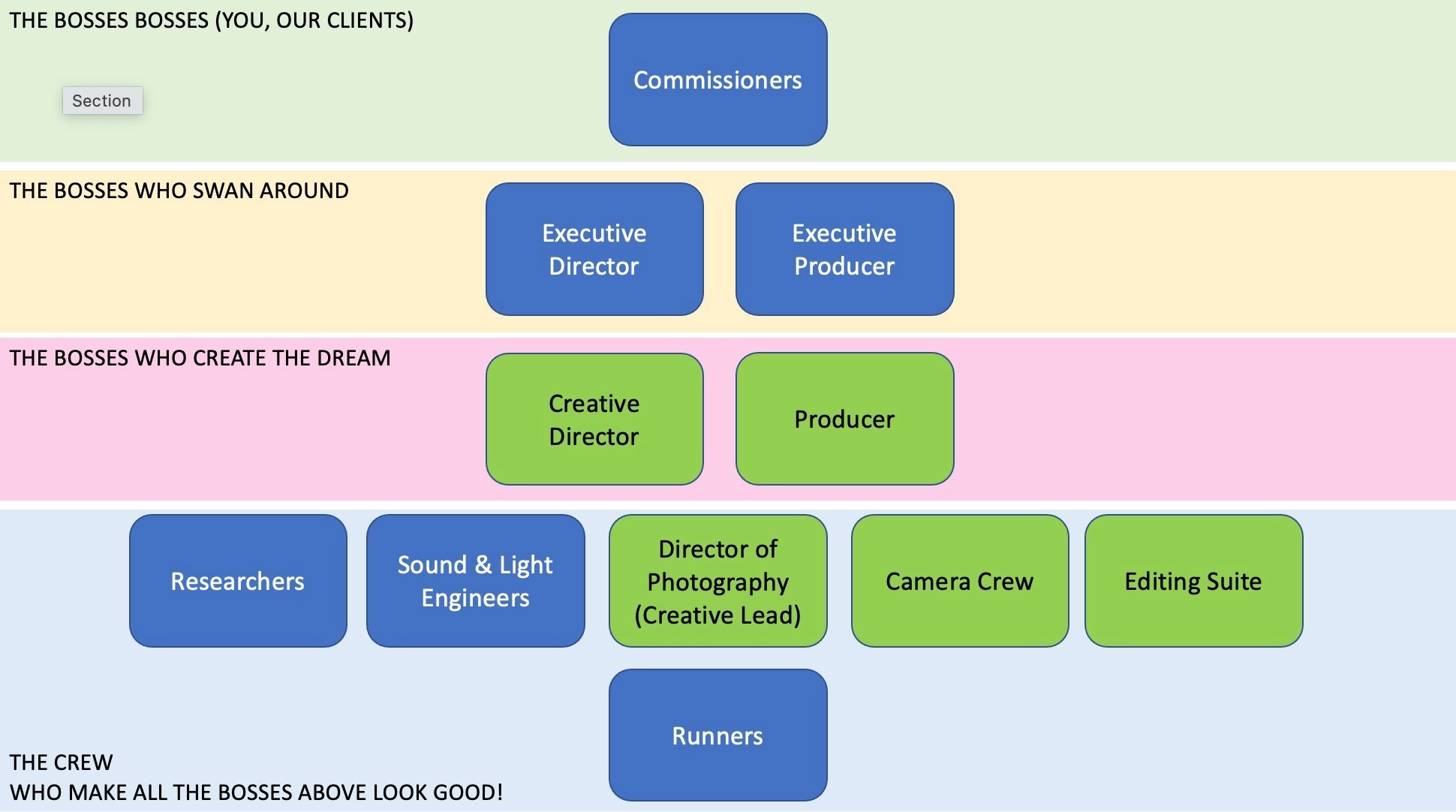
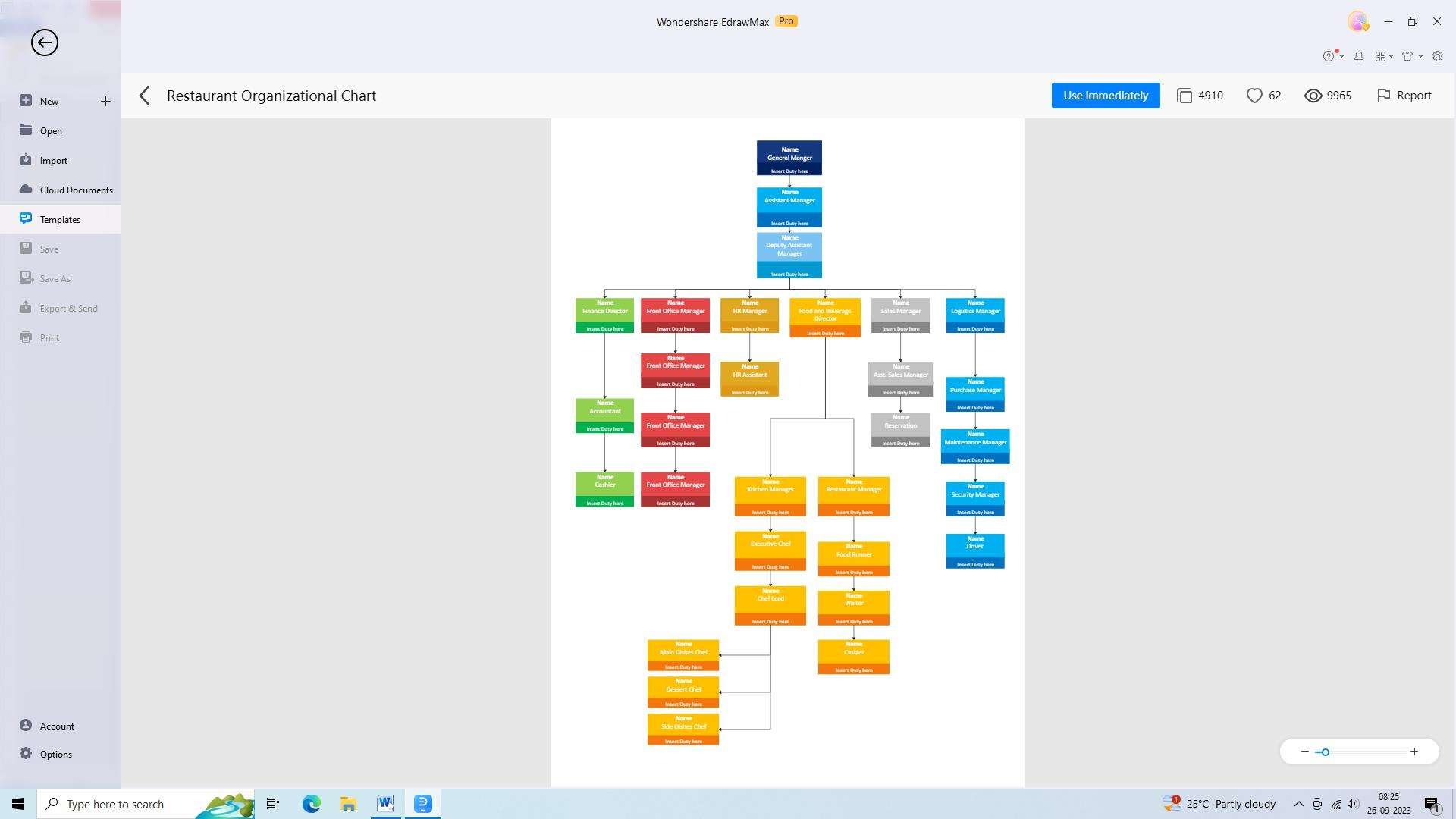
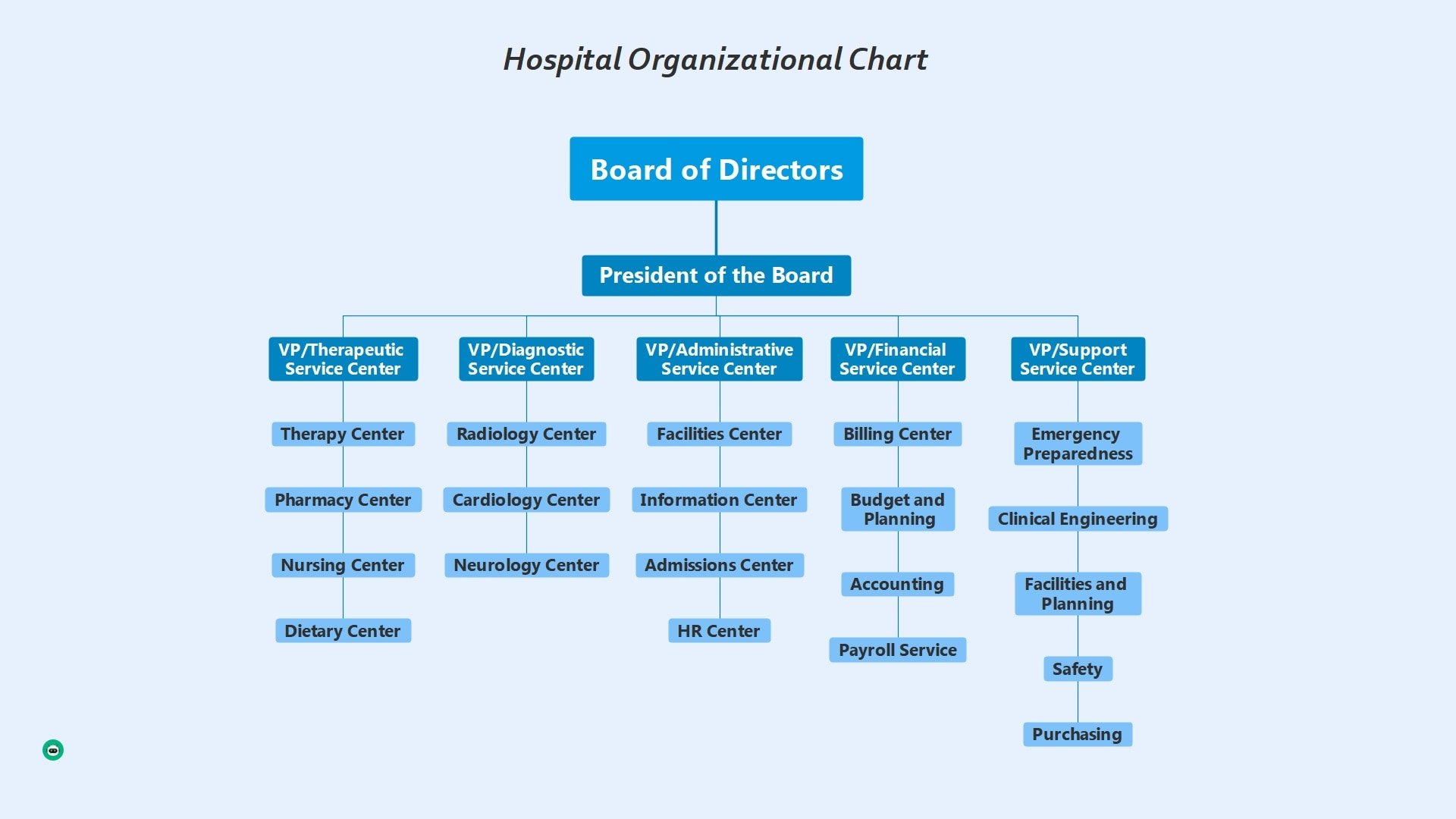
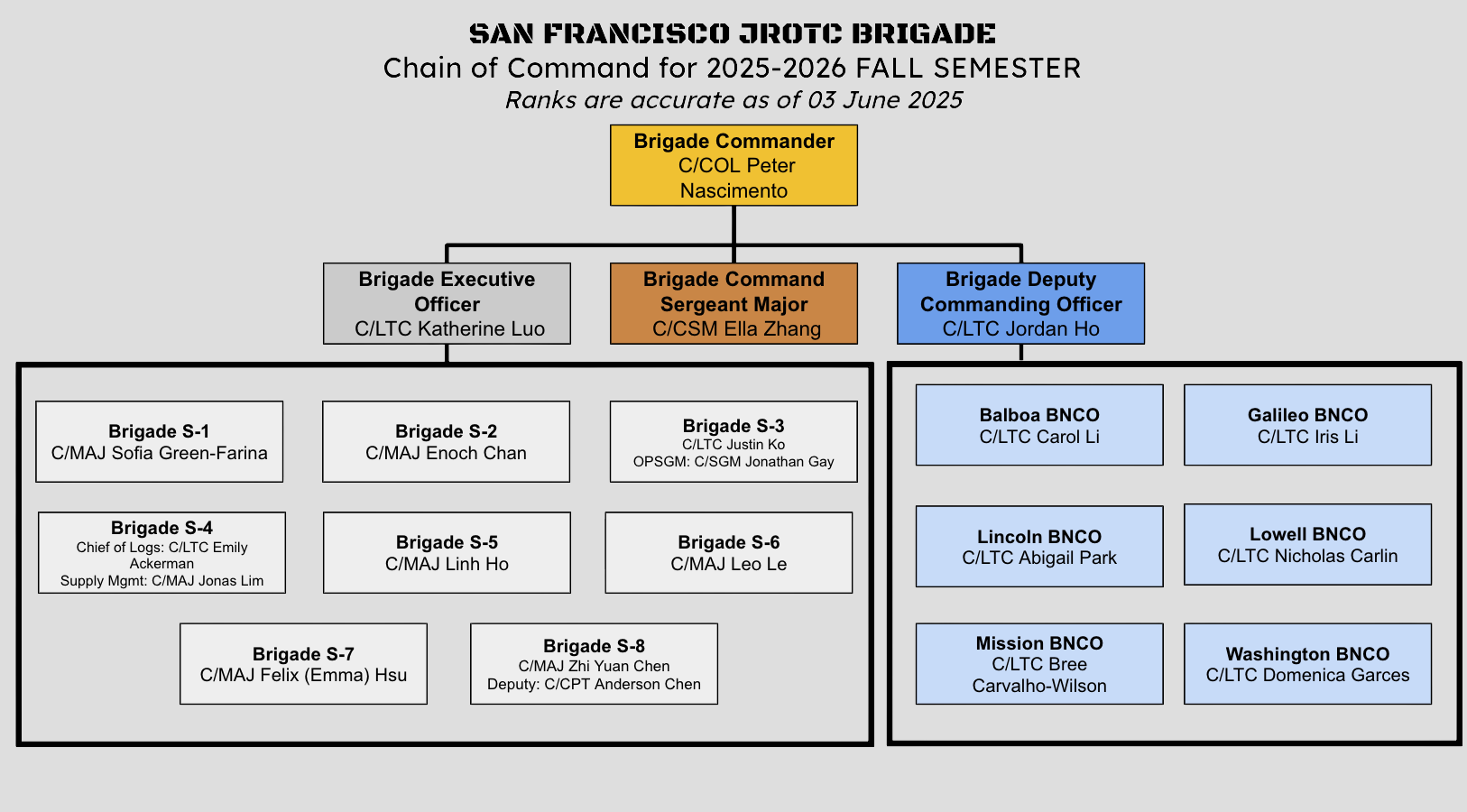
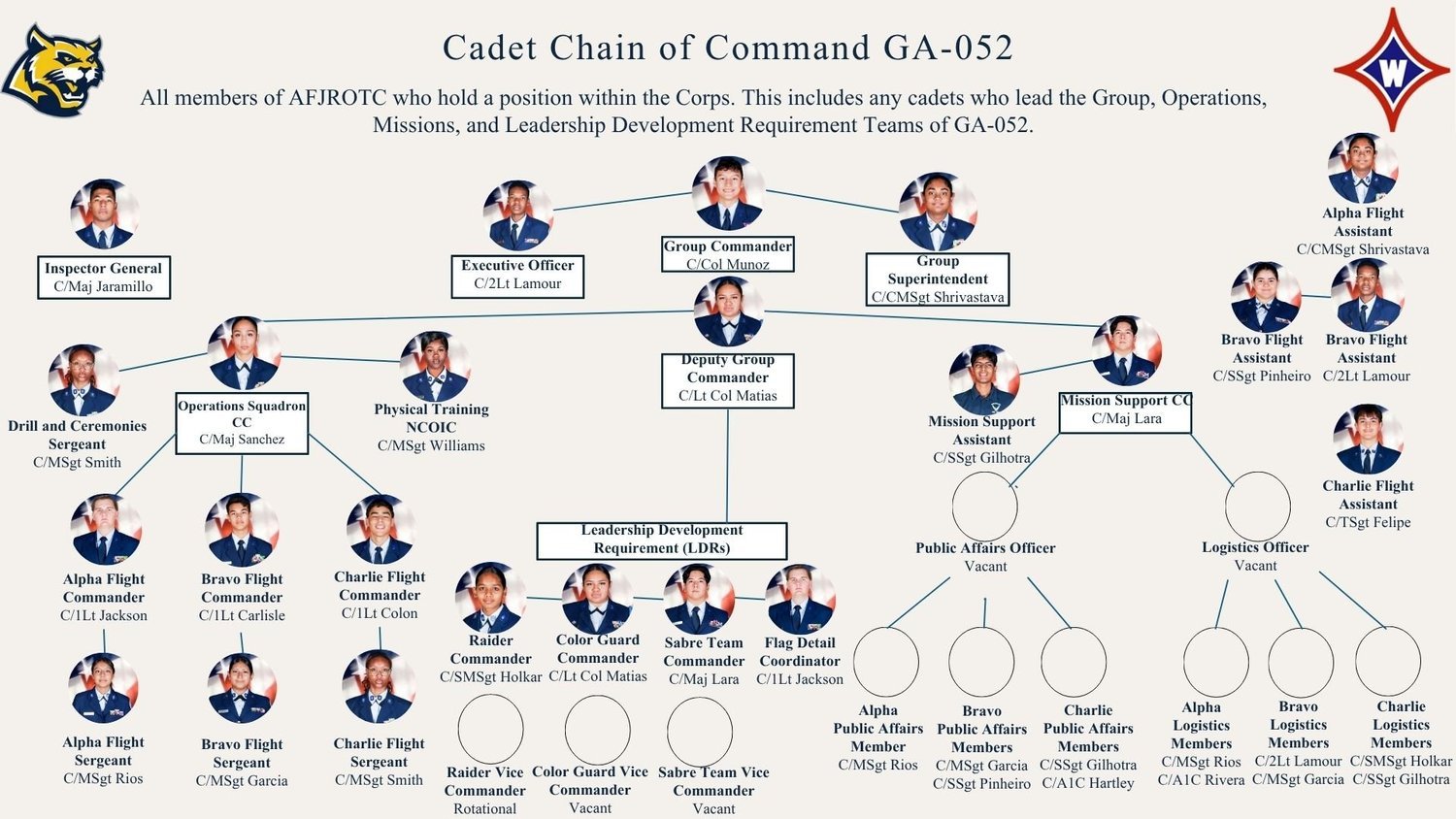
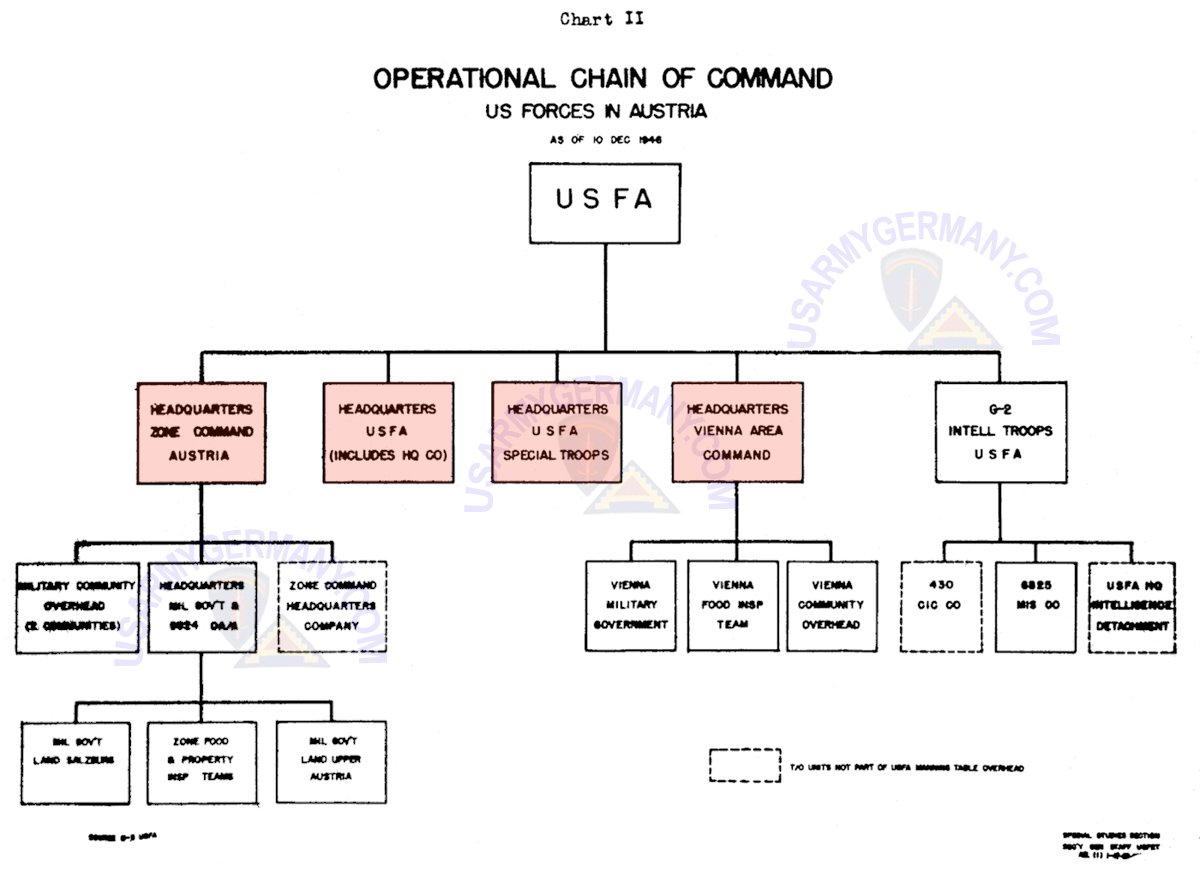
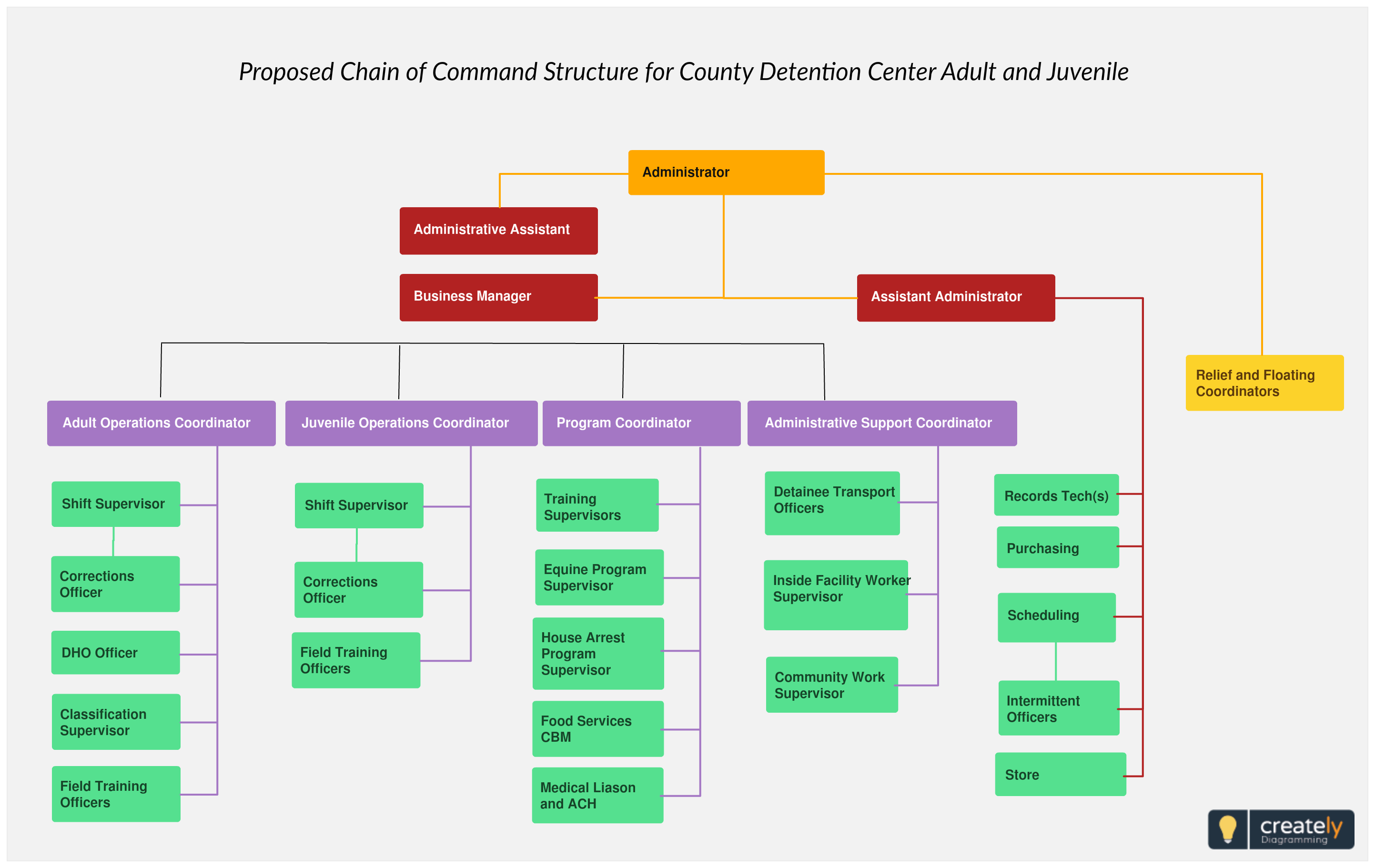
Chain of Command Board: Some organizations use visual aids like boards or charts to display the chain of command. This tool helps employees understand their position and the flow of authority, enhancing transparency and accountability.
Understanding the Chain of Command
A well-defined chain of command brings several benefits:
Clear Communication: It establishes a direct line of communication, ensuring that instructions and information flow smoothly from the top down and vice versa.
Accountability: Each member knows their role and responsibilities, promoting a culture of accountability and ownership.
Decision-Making: The chain of command provides a framework for decision-making, ensuring that the right people are involved in the process based on their expertise and authority.
Key Principles and Structures
The effectiveness of a chain of command relies on several core principles:

Unity of Command: Each subordinate should have only one superior to whom they report, avoiding confusion and conflict.
Span of Control: This principle defines the optimal number of subordinates that a superior can effectively manage. A wide span of control [CC300 Wide] might lead to inefficiency, while a narrow span could result in micromanagement.
Authority and Responsibility: The chain of command should clearly define the authority and responsibilities of each position, ensuring that tasks are appropriately delegated and executed.
Real-World Examples
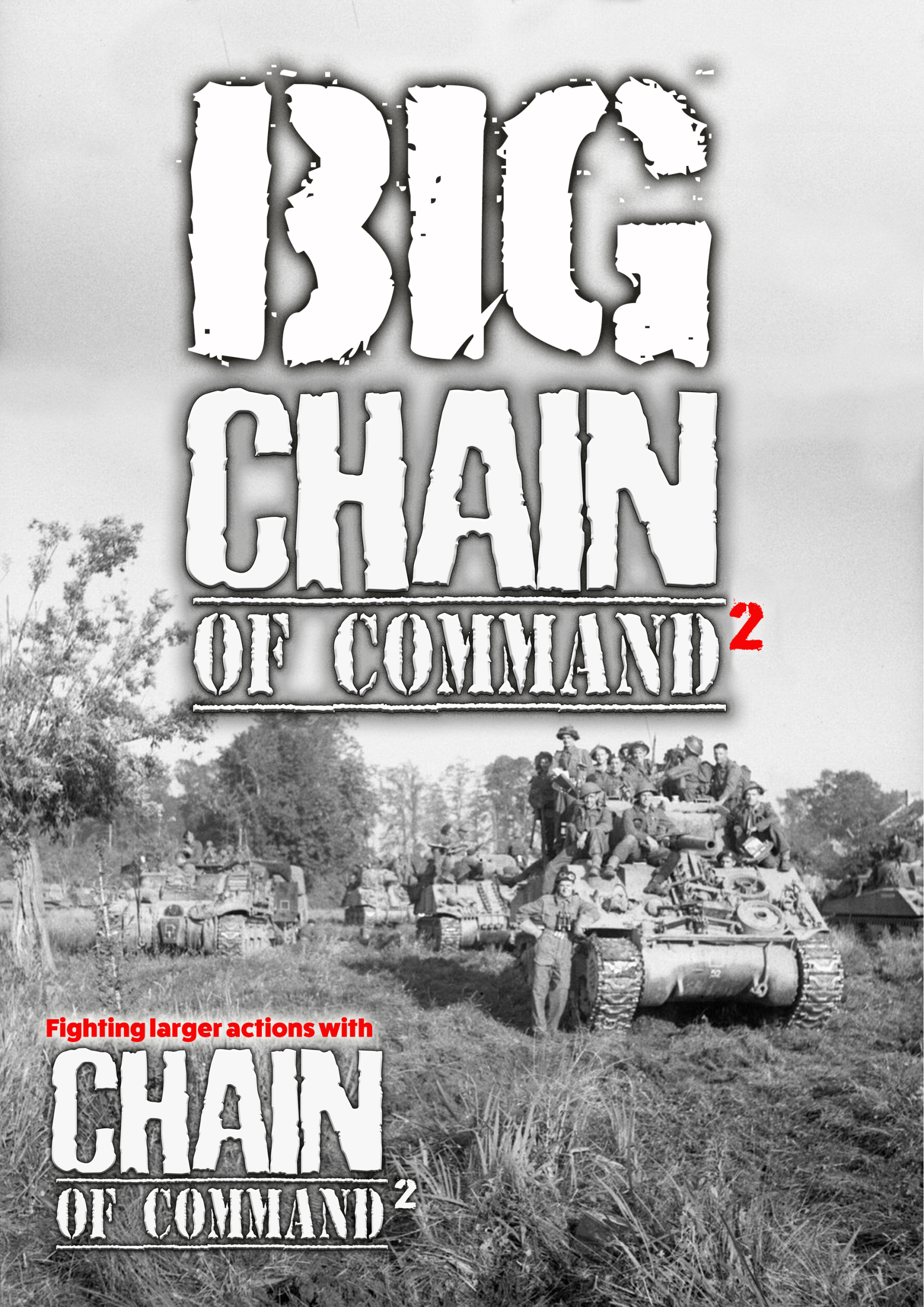
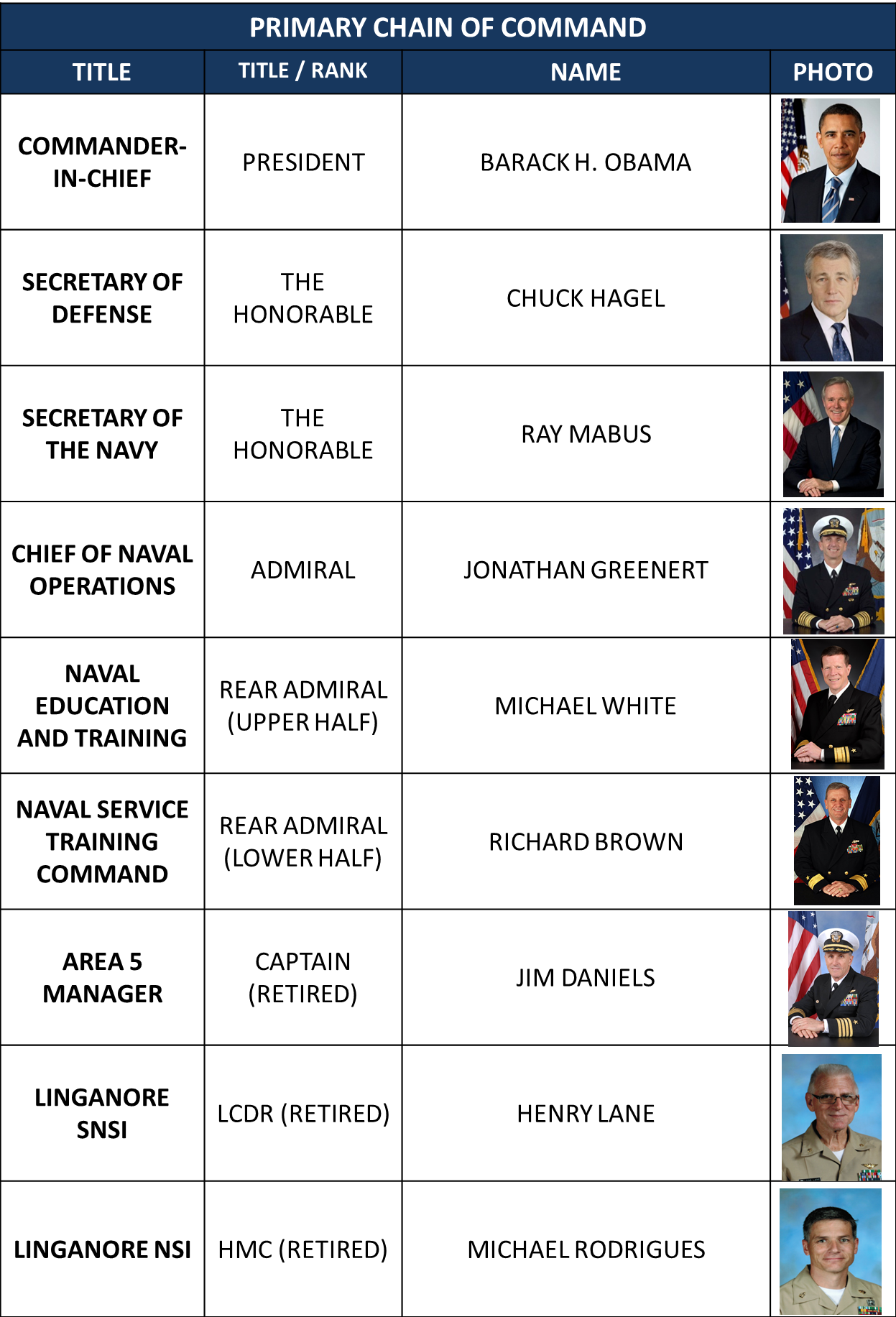
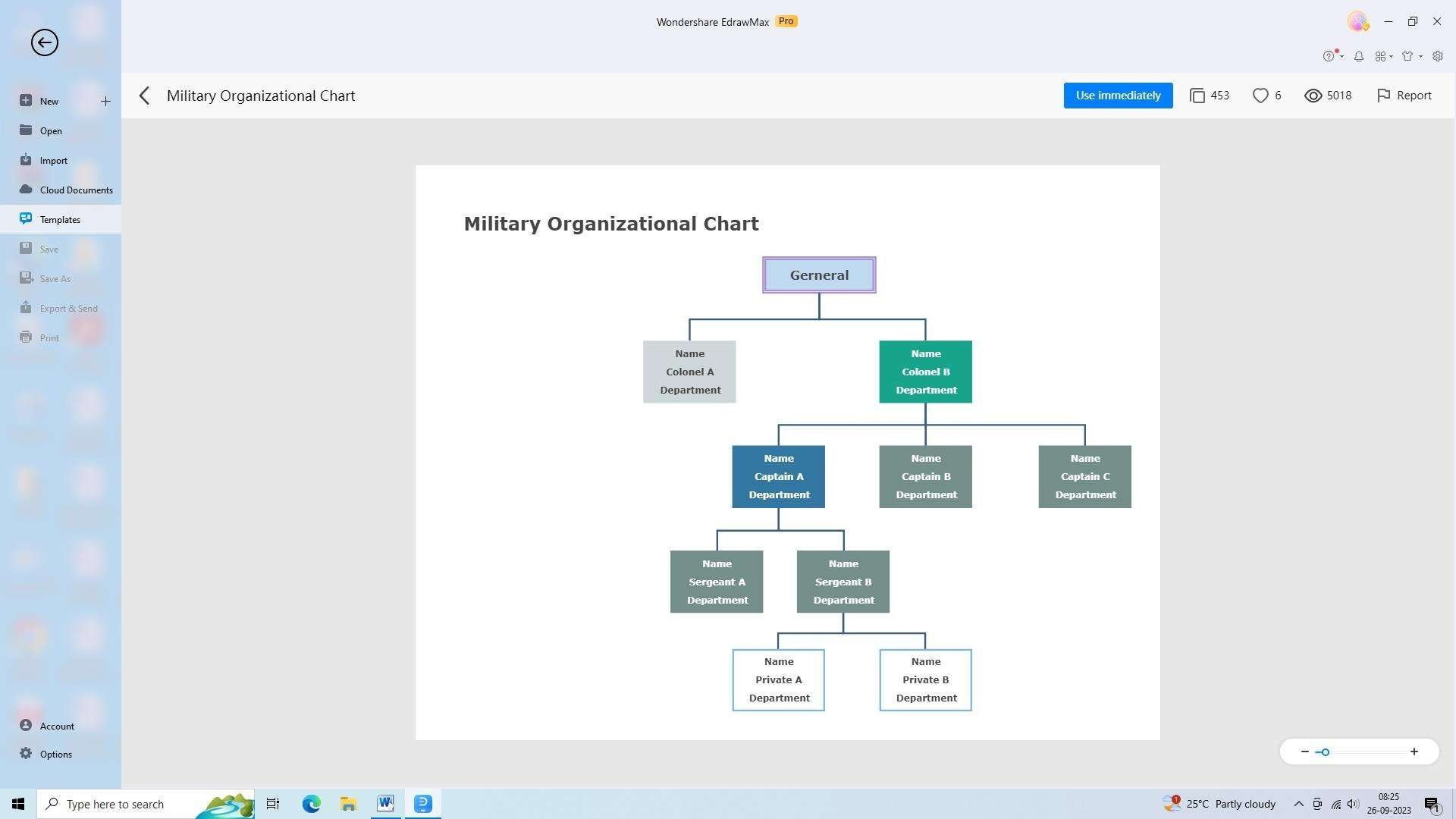
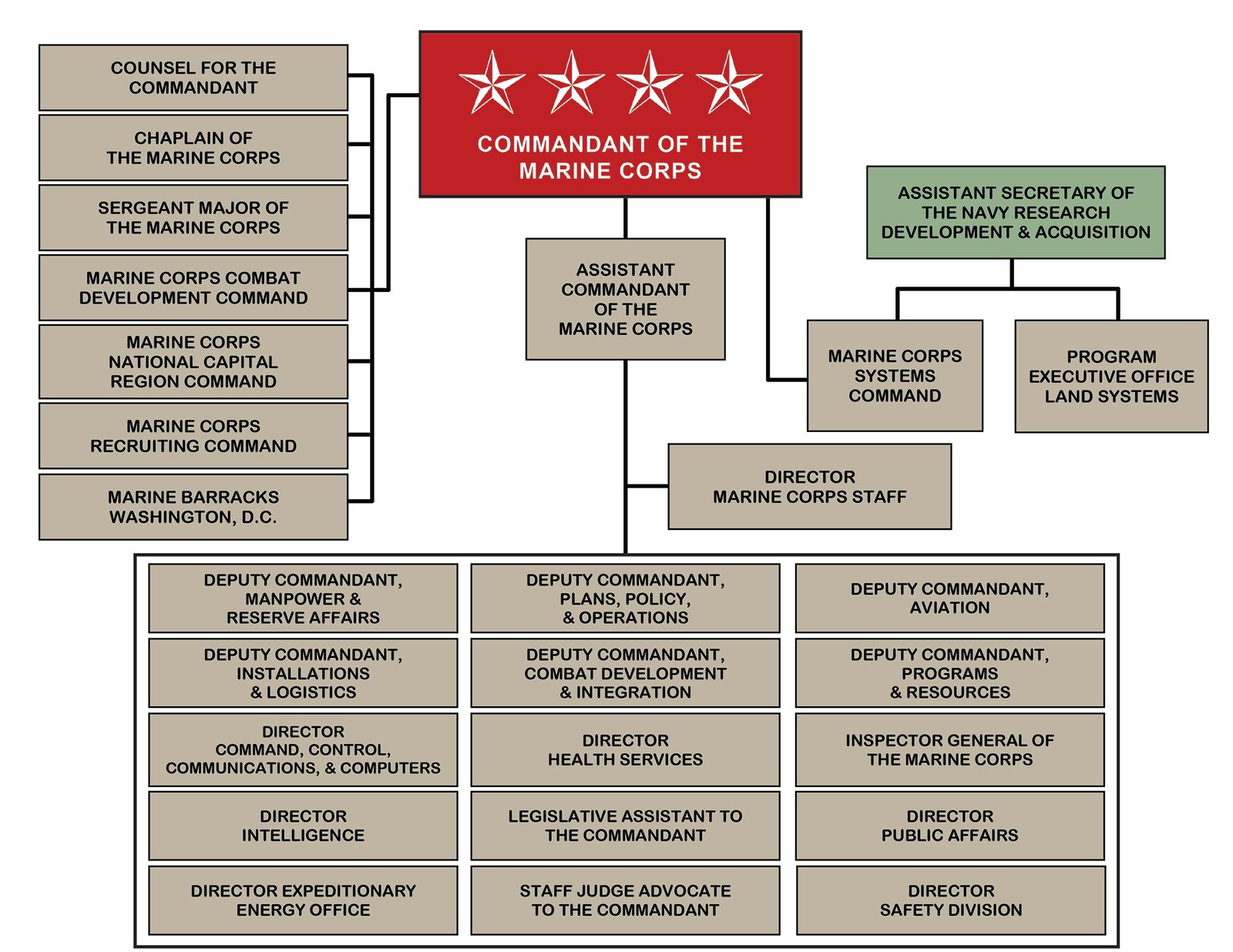
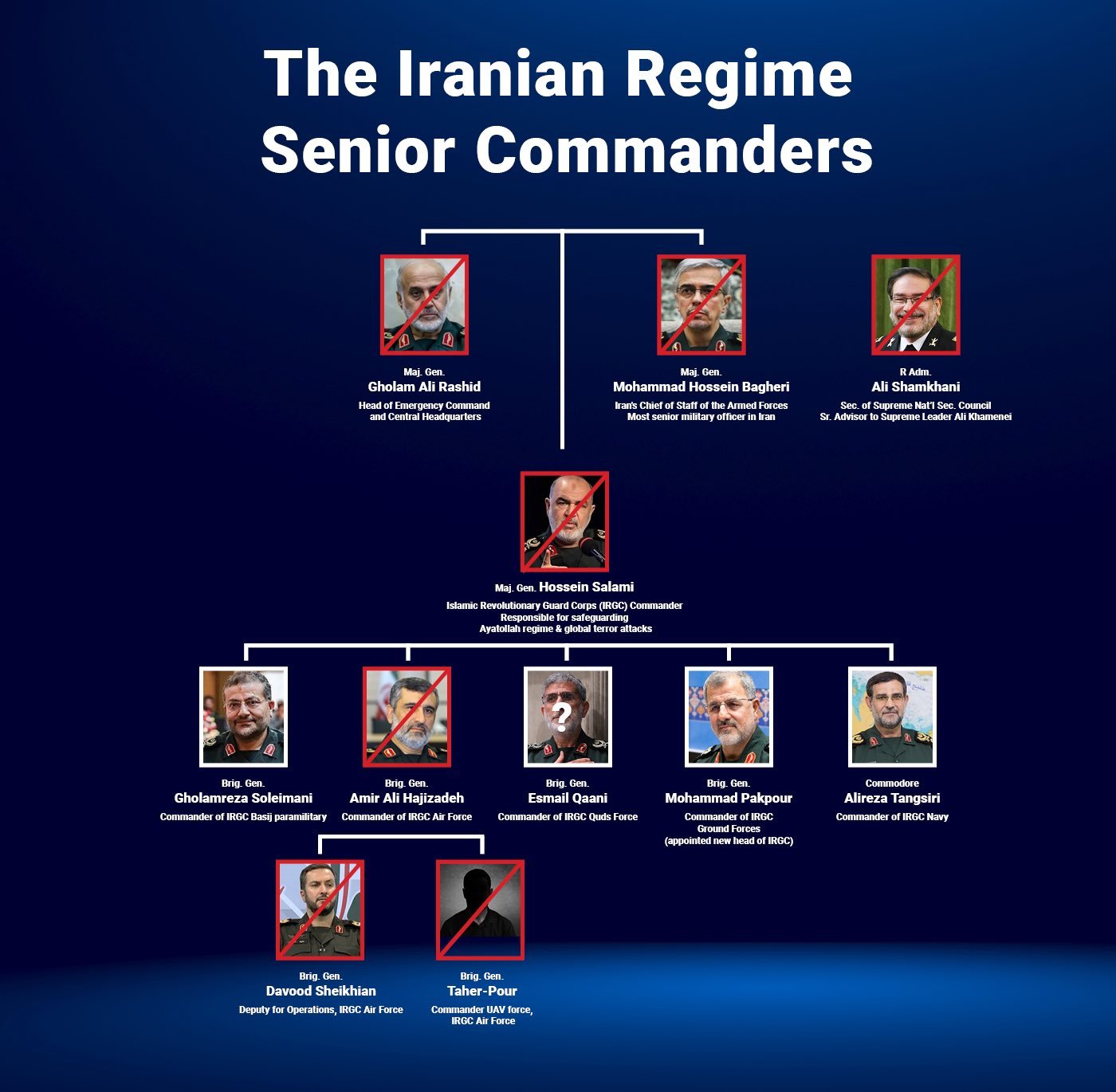
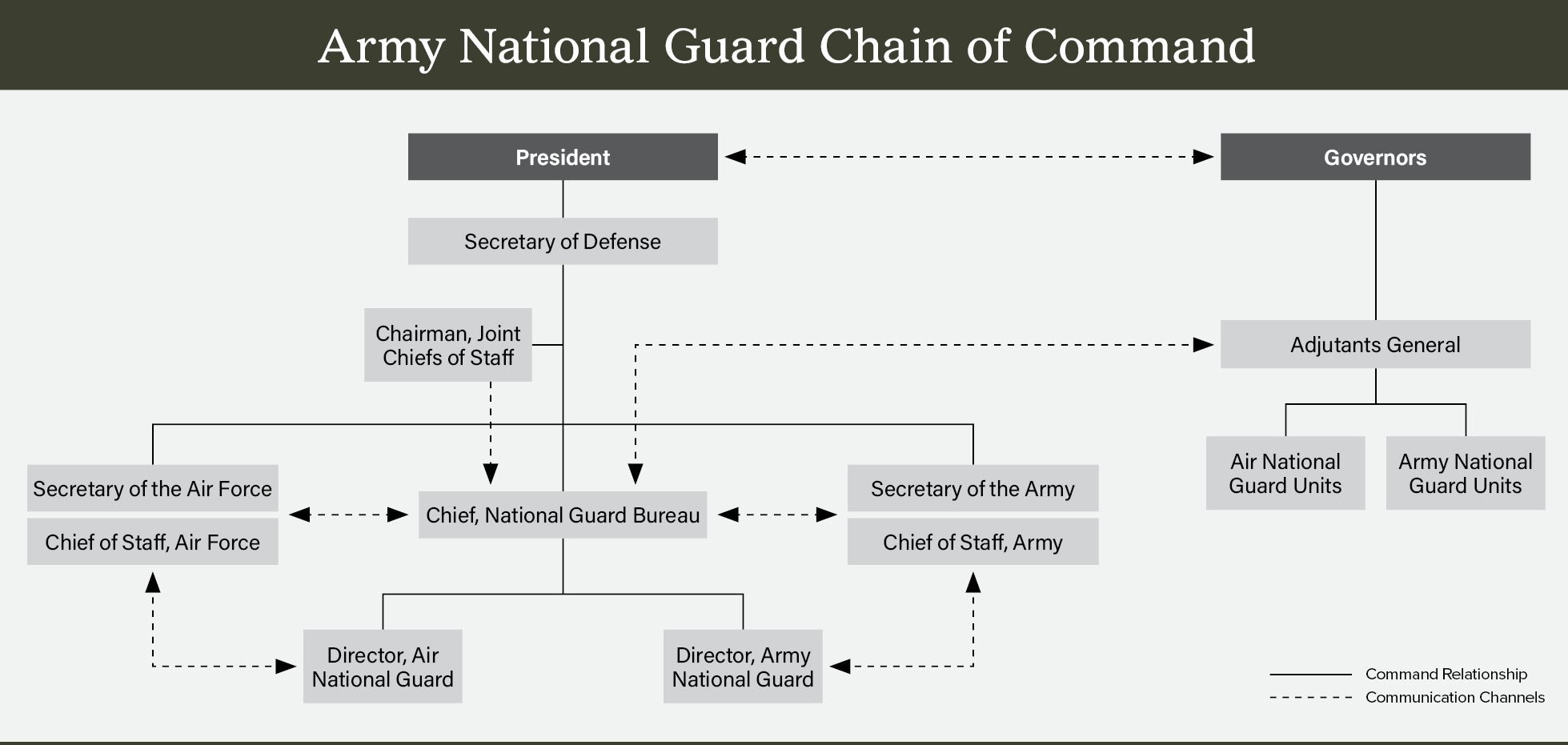
Military: In the military, the chain of command is a rigid structure, with clear ranks and responsibilities. It ensures discipline and efficient command during operations.
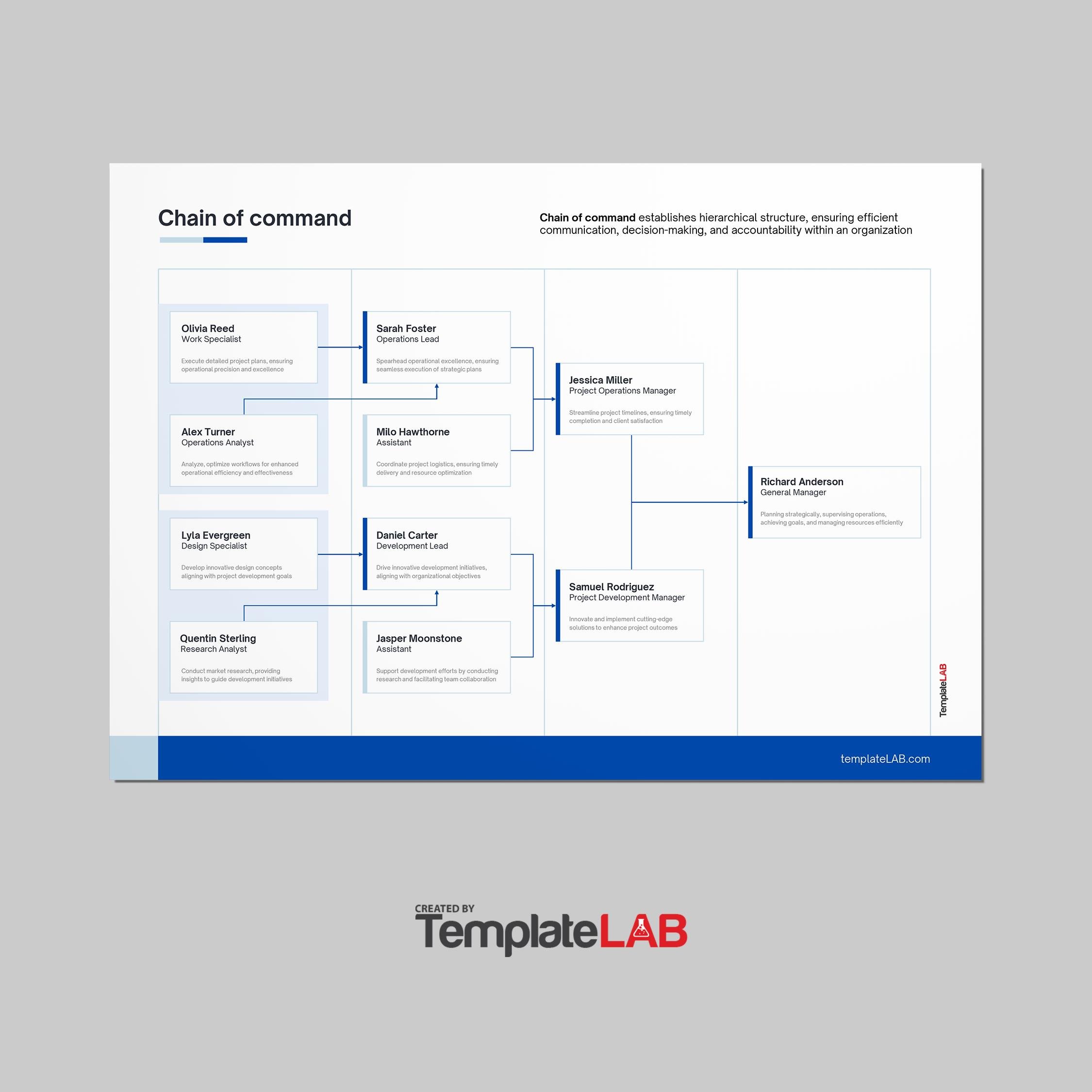
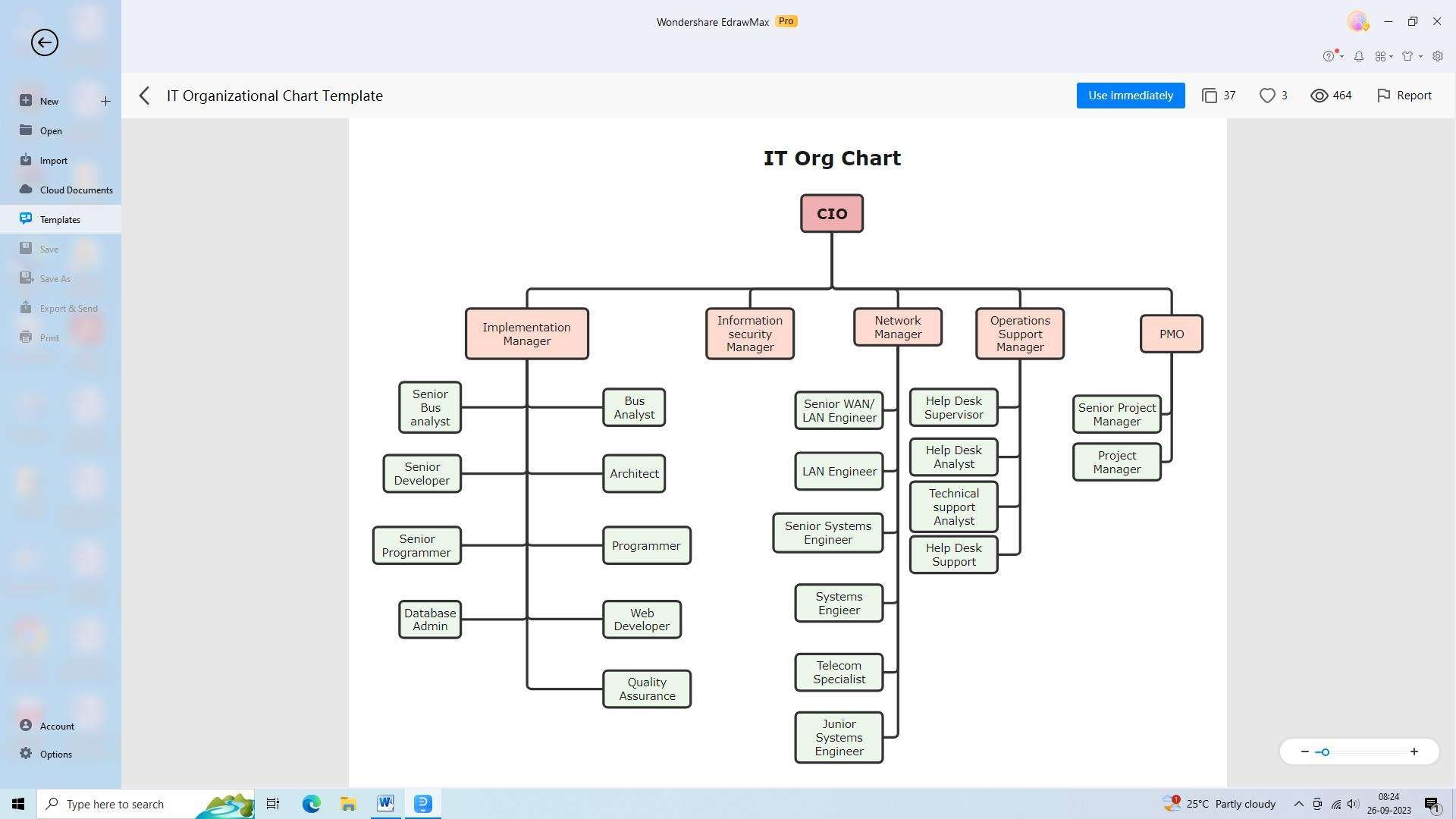
Blank Chain Of Command Chart — Command Hierarchy Corporate: Many businesses adopt a hierarchical structure, with departments and teams reporting to specific managers or directors. This structure facilitates decision-making and strategic planning.
Civil Air Patrol: The CAP, a volunteer organization, also follows a chain of command, linking cadets and leaders up to the national commander.
Internal Links
For further reading, explore:
- What is the Seal Motto for Kids
- What is the Seal Motto Editable
- What is the Seal Motto Template
- Kilo Notes Templates 2026
These resources offer insights into related topics, providing a comprehensive understanding of organizational structures and their impact.