

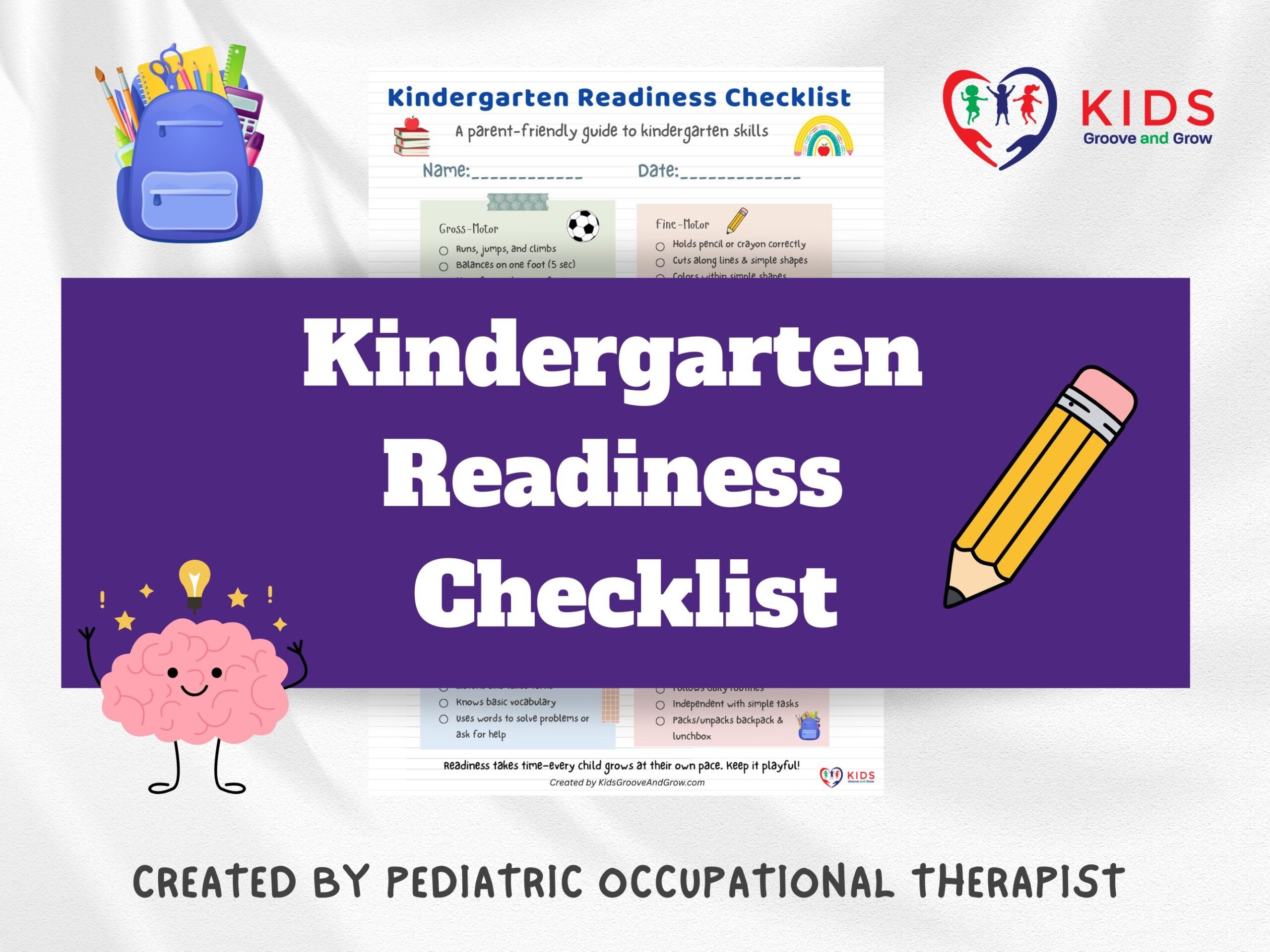
Physical and Self-Care Skills
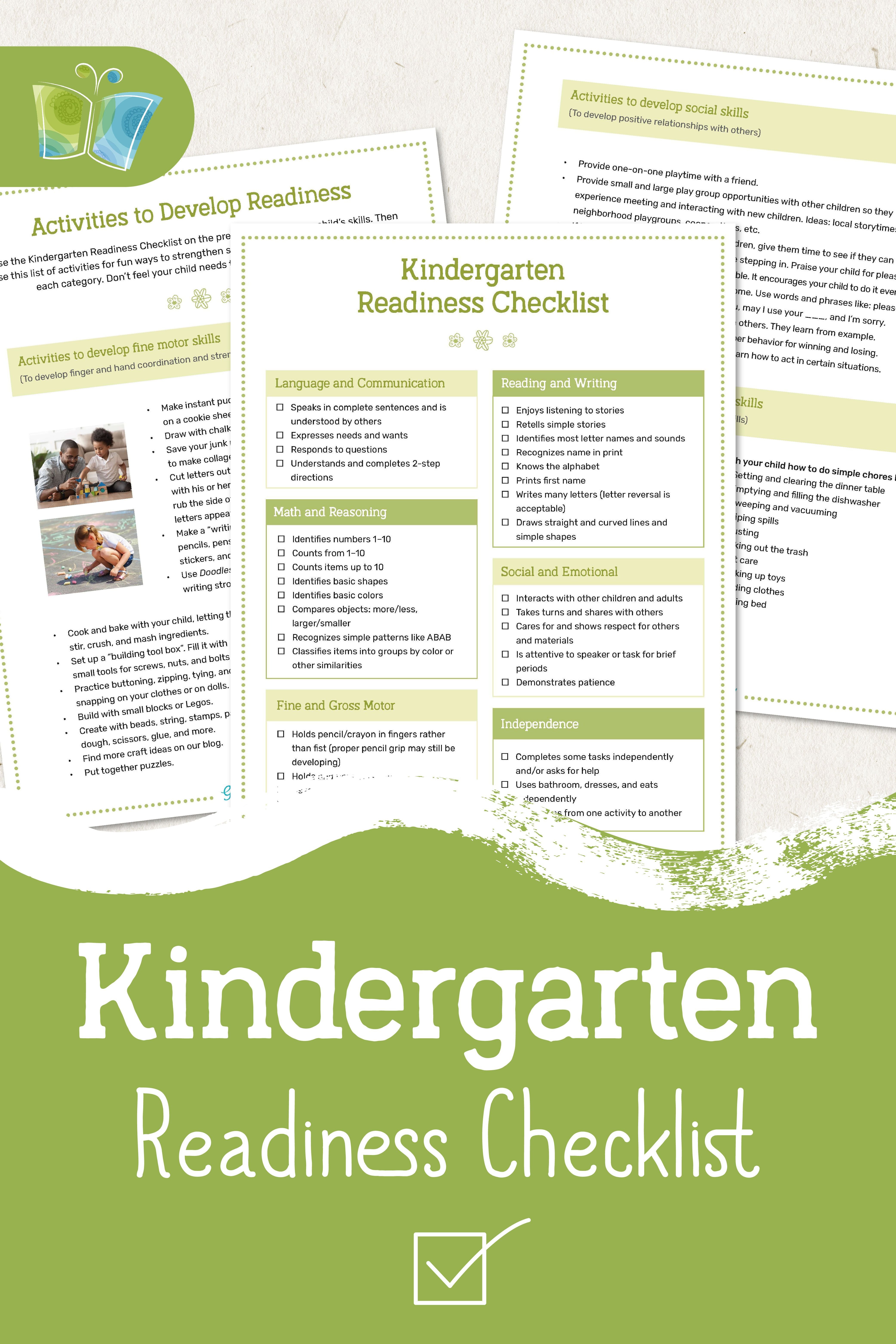
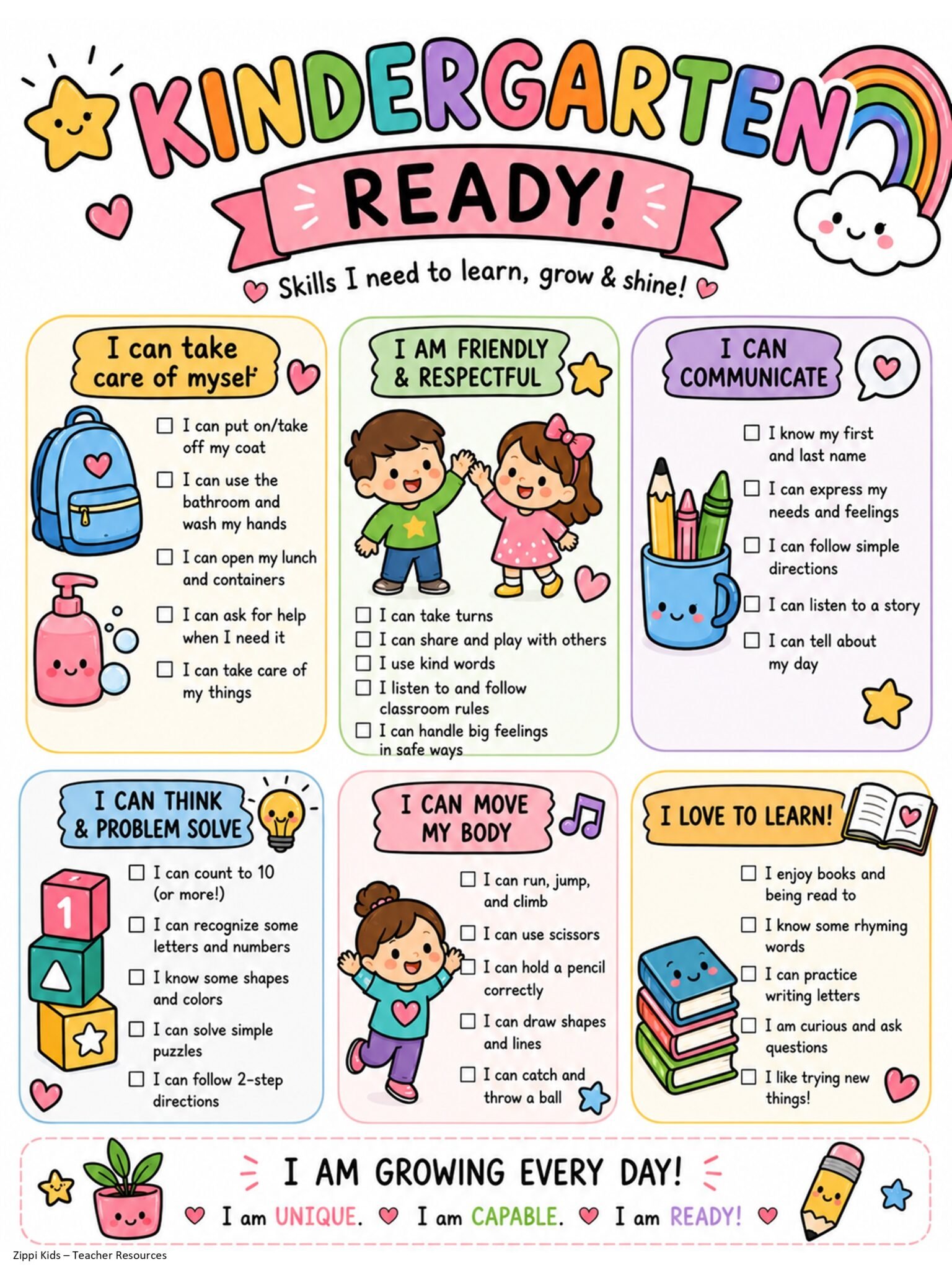
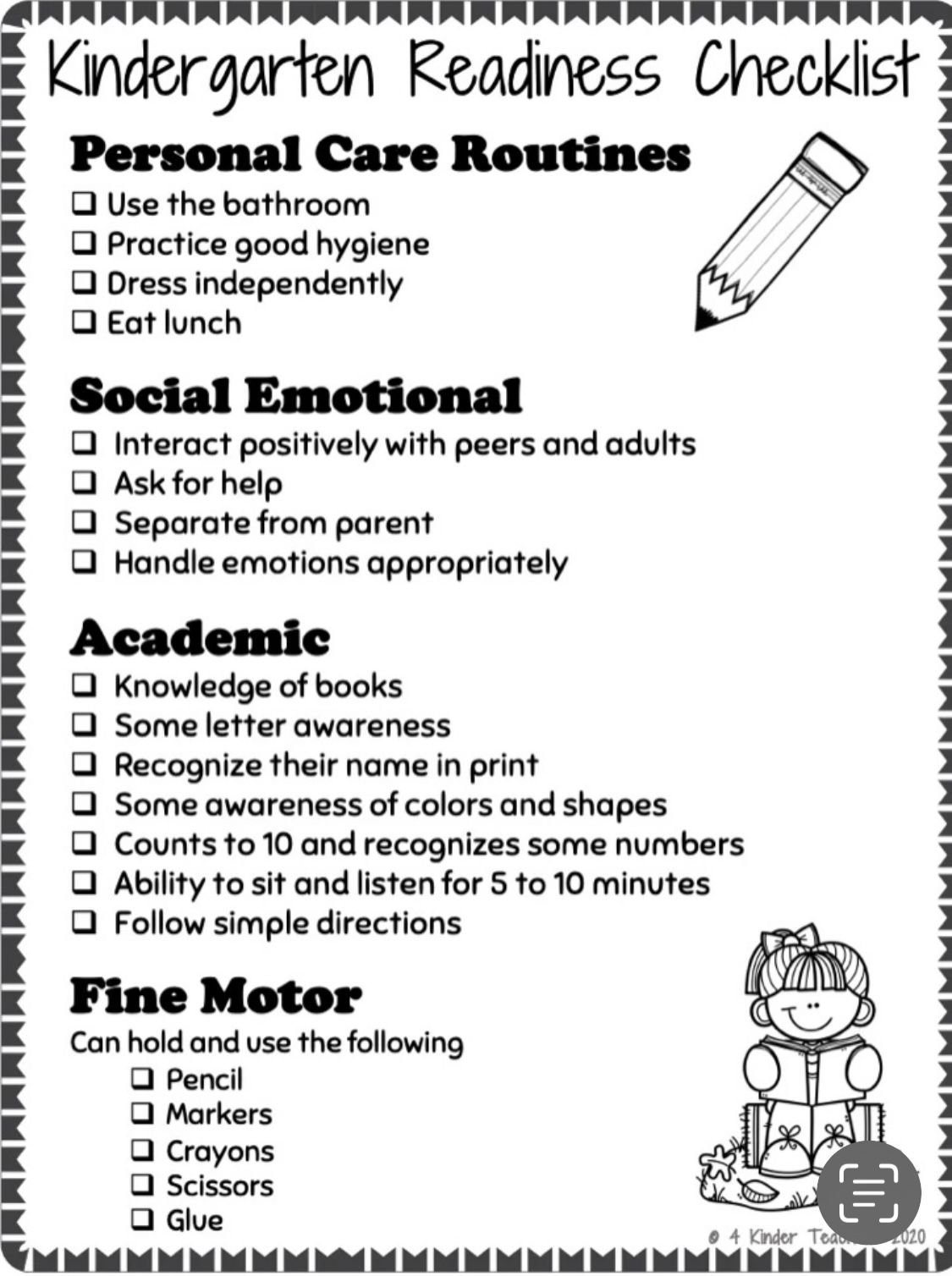
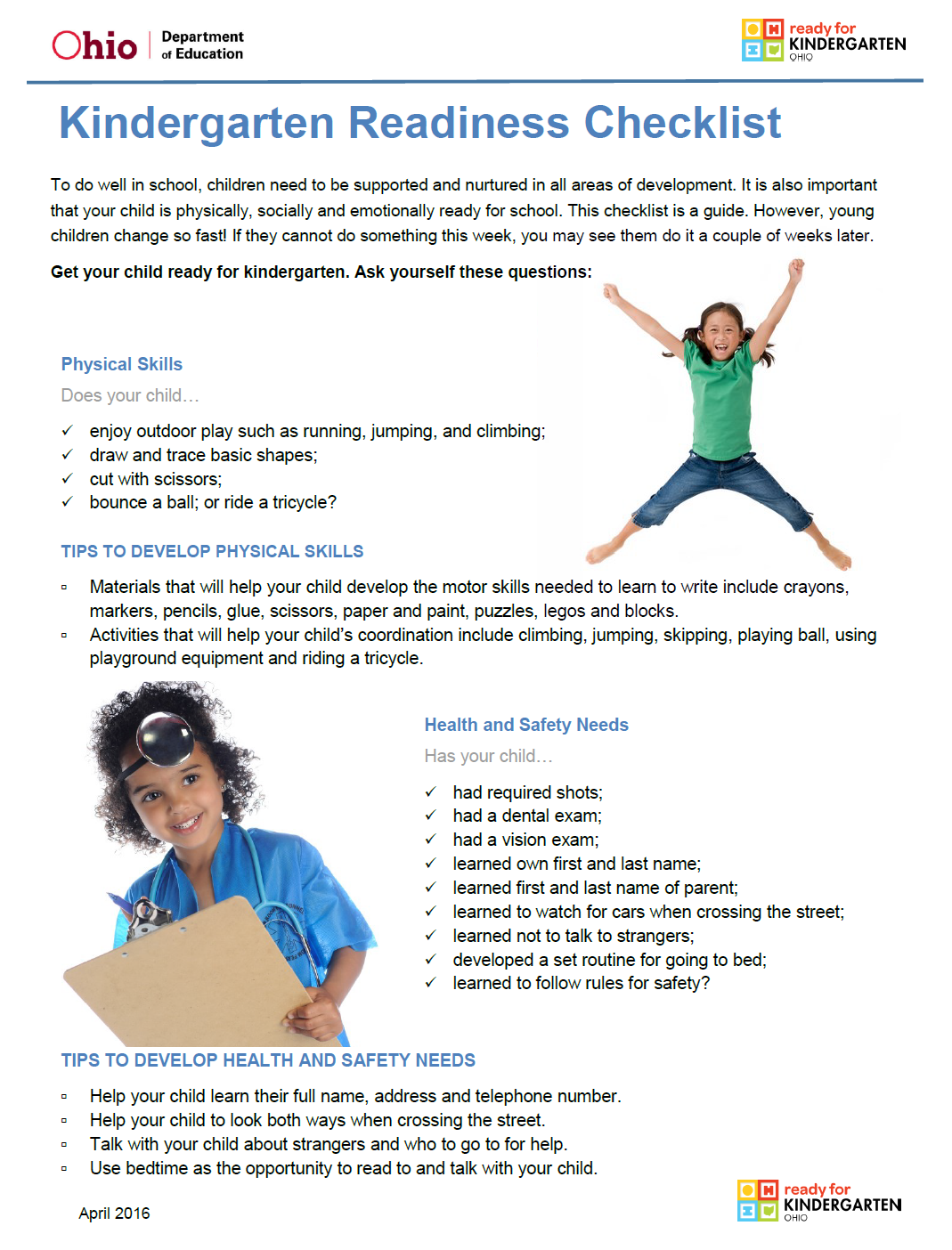
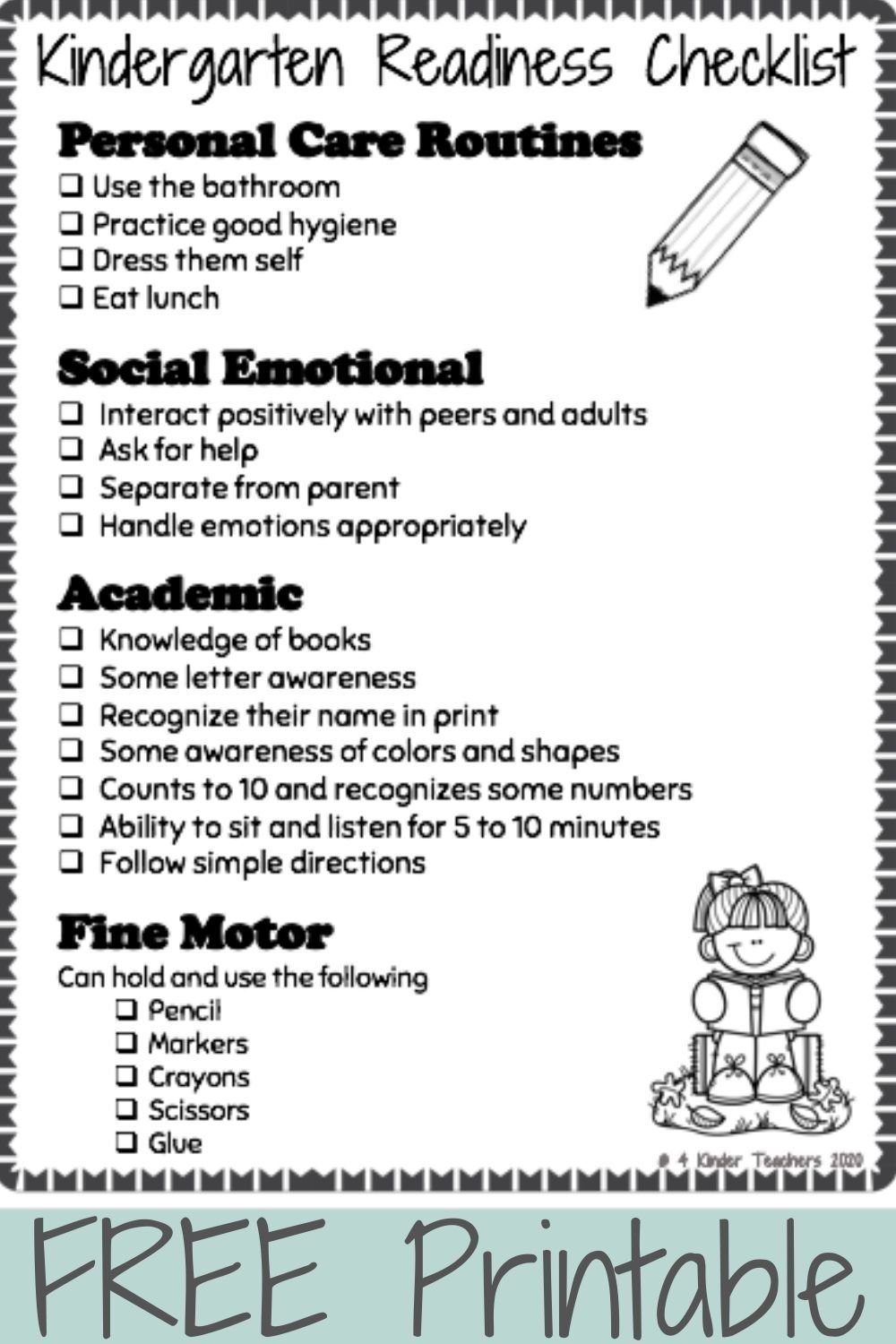
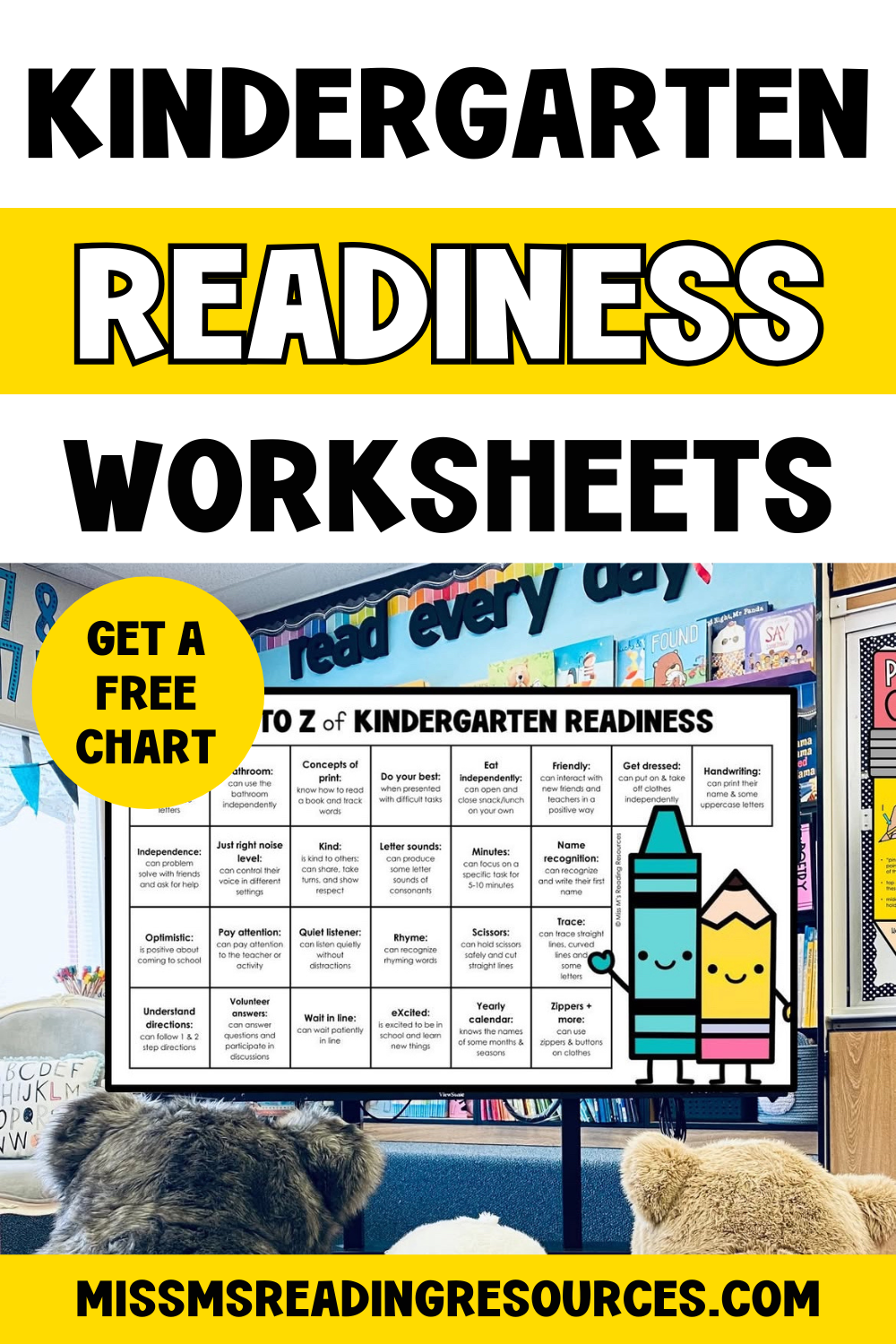
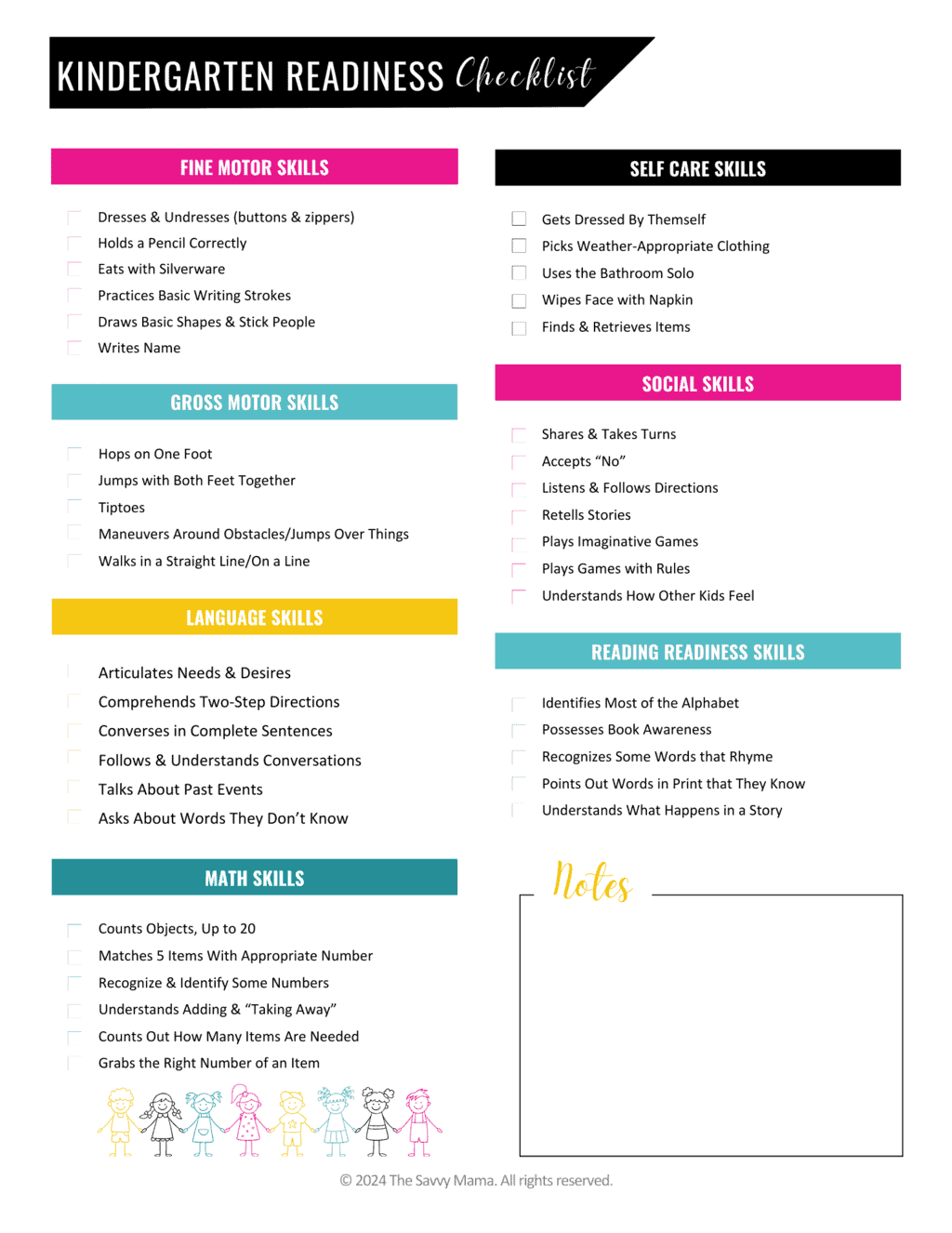
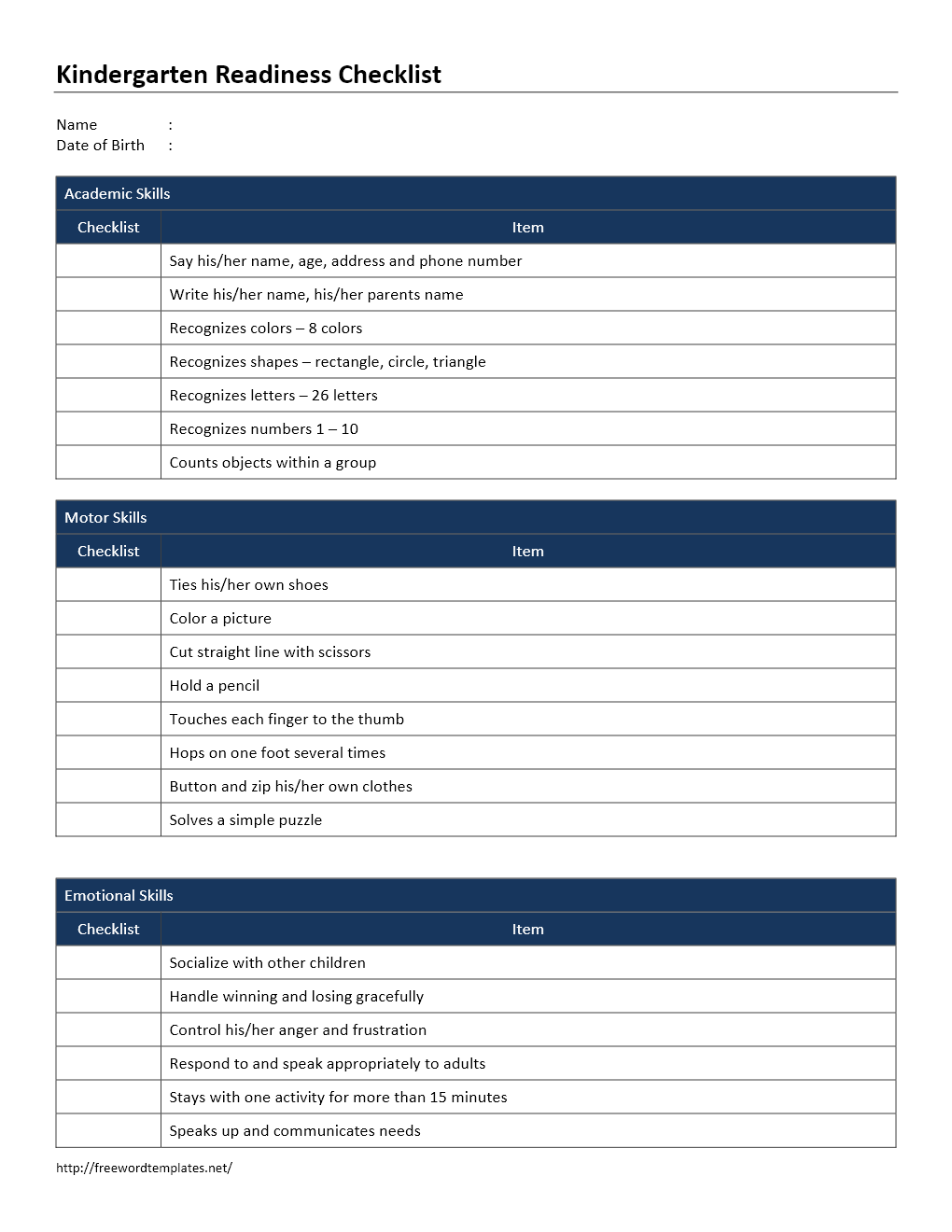
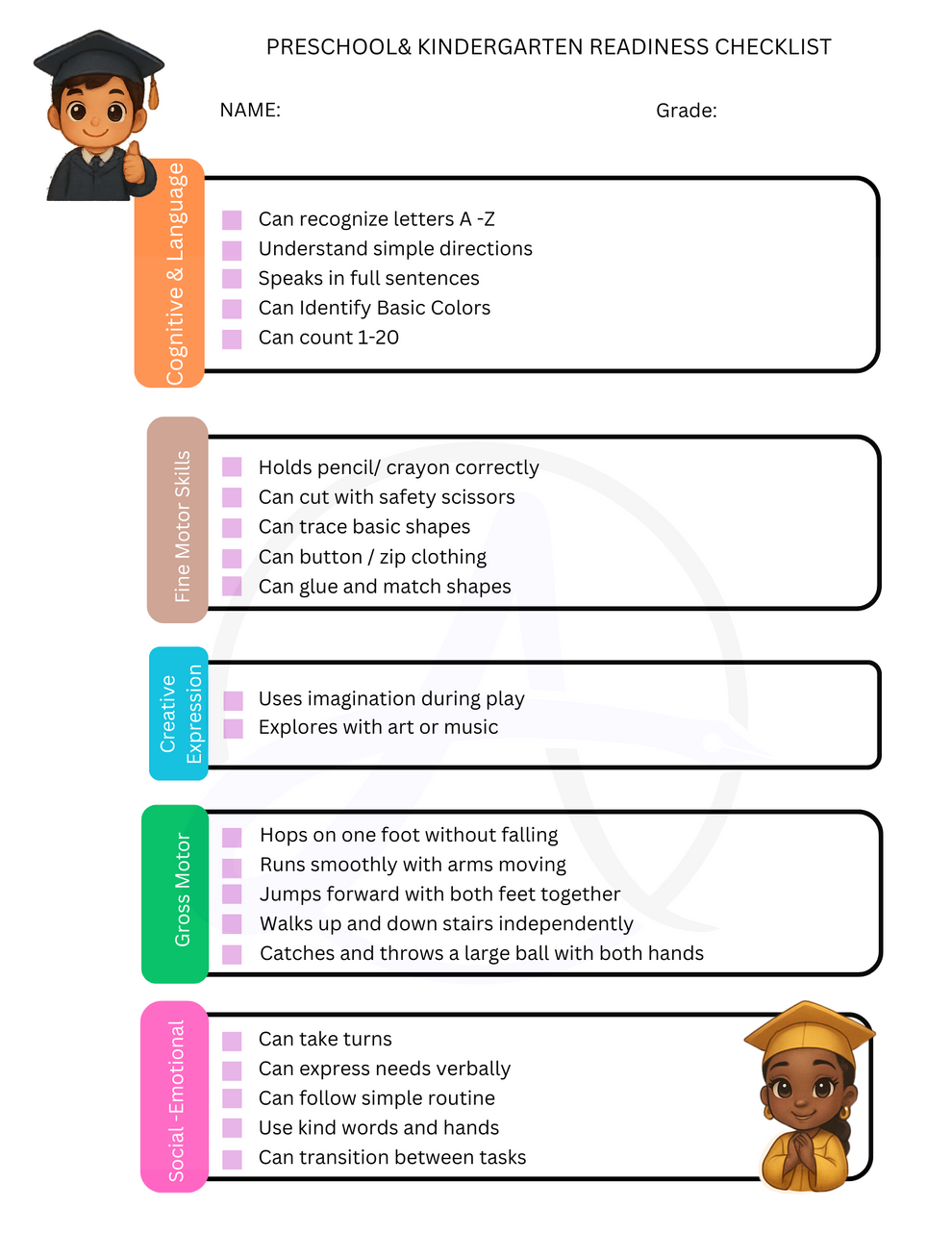
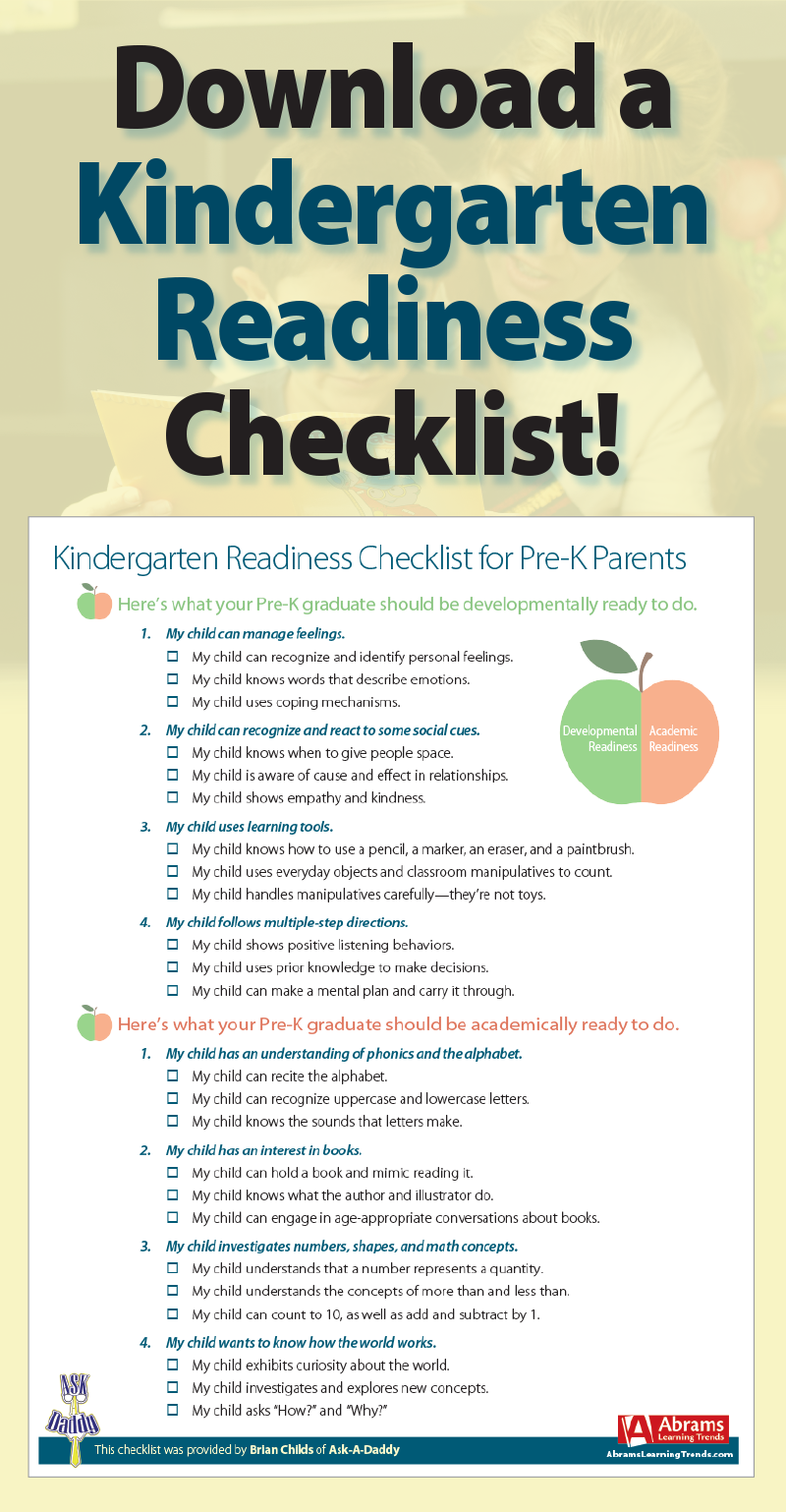
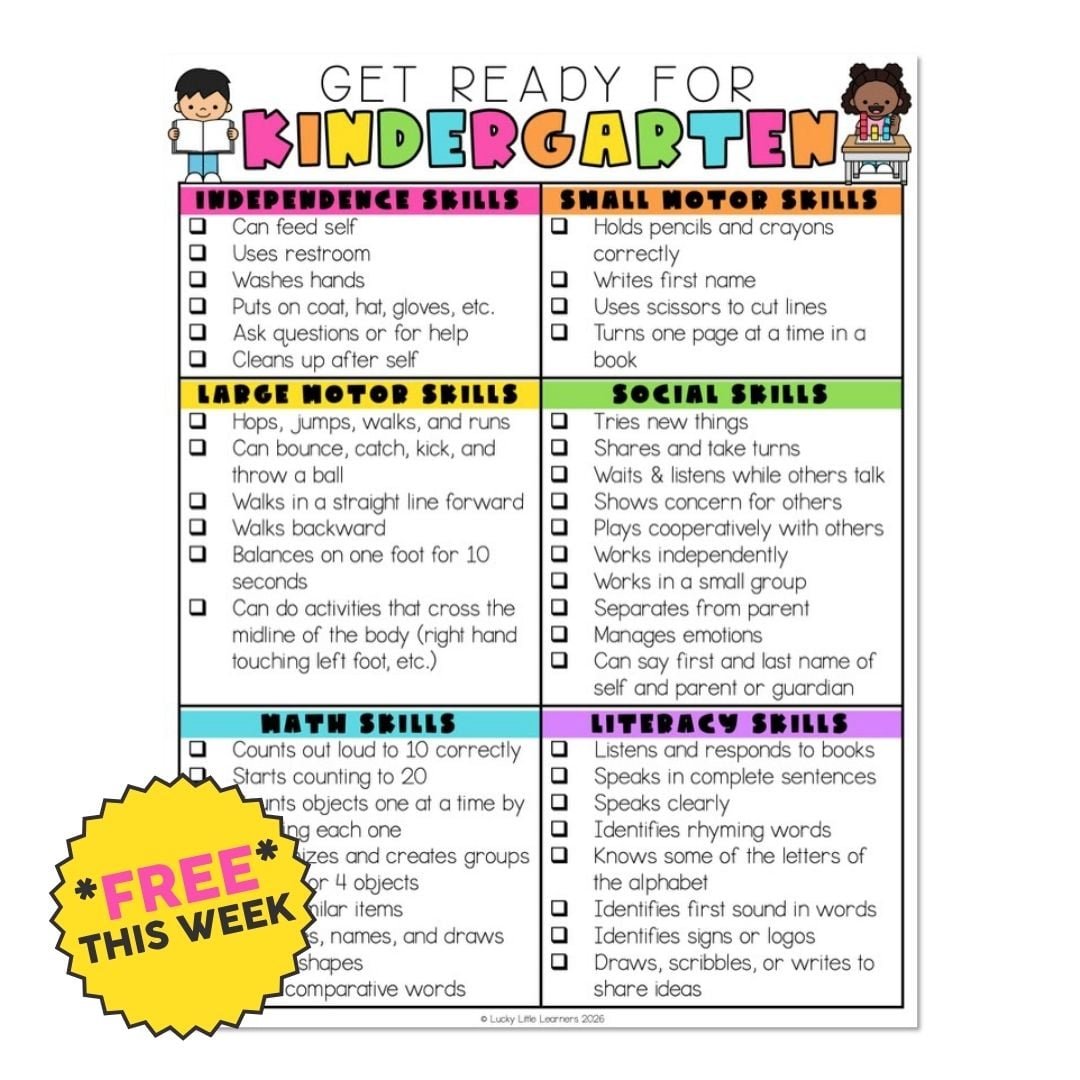
Physical coordination and self-care abilities are essential for kindergarteners to navigate their new environment independently.
Gross Motor Skills:
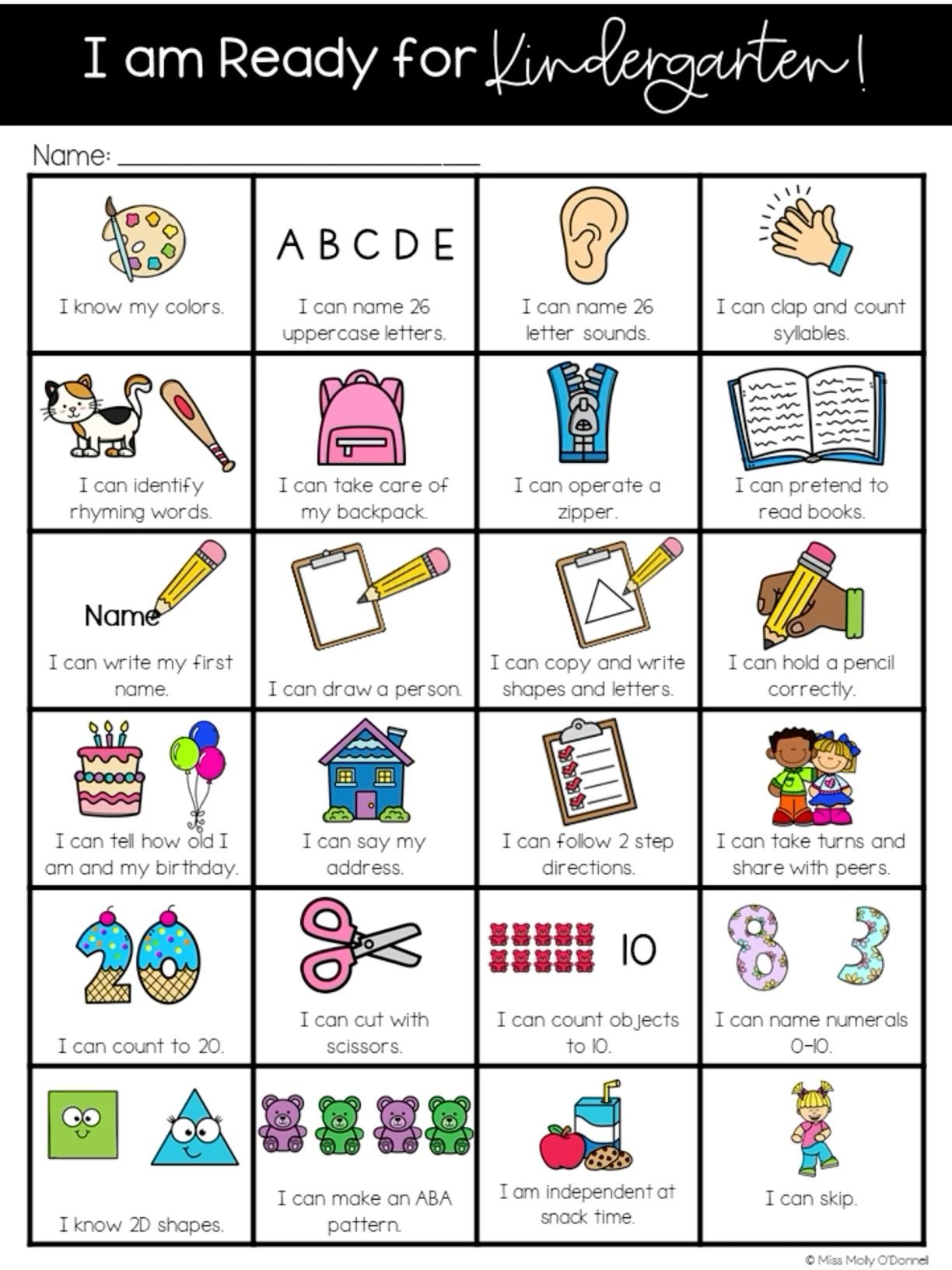
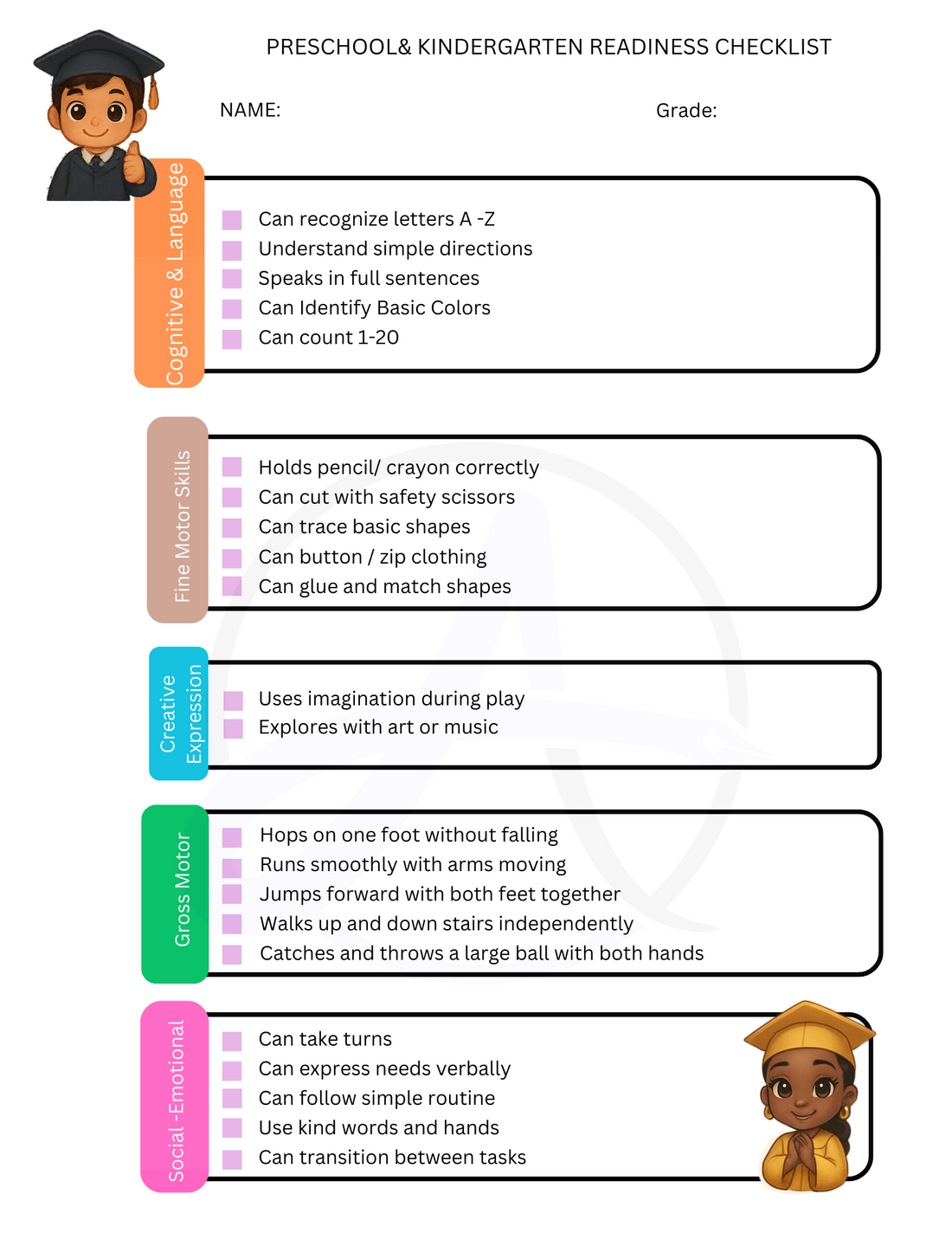
- Running, jumping, and climbing safely.
- Balancing and coordination exercises.
- Throwing and catching a ball.
Fine Motor Skills:
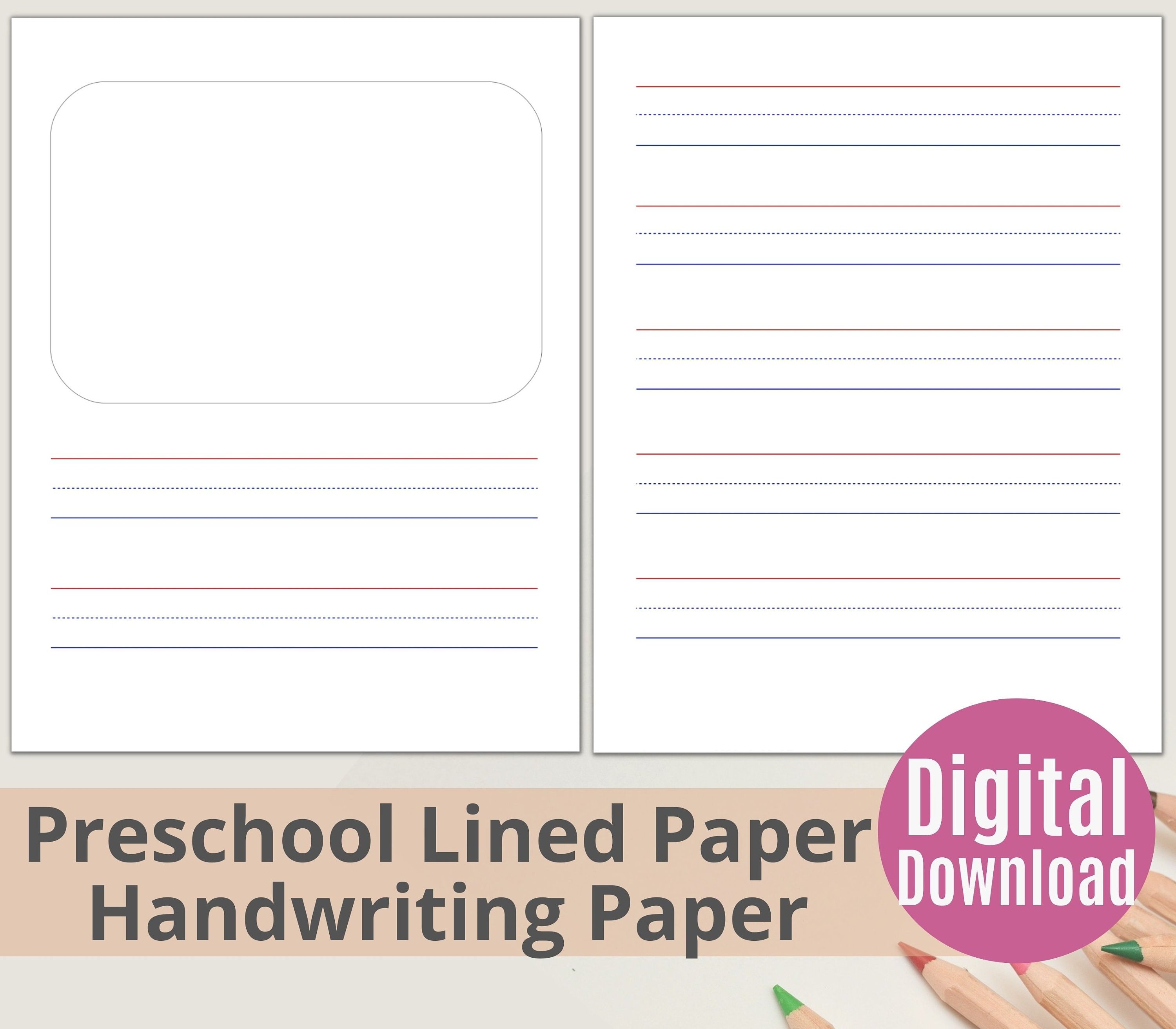
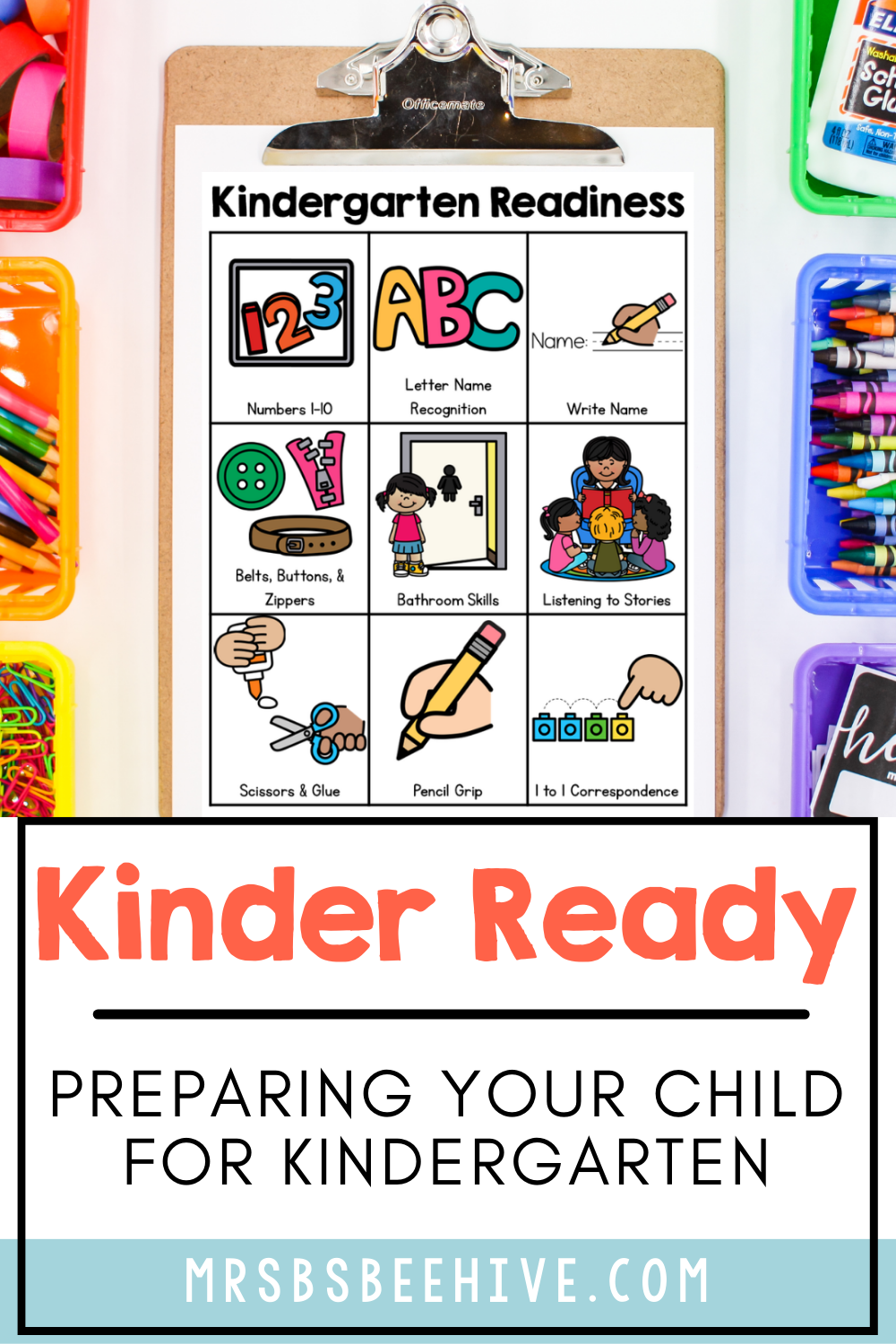
- Holding a pencil or crayon correctly.
- Cutting with scissors.
- Buttoning and zipping clothing.
Self-Help:
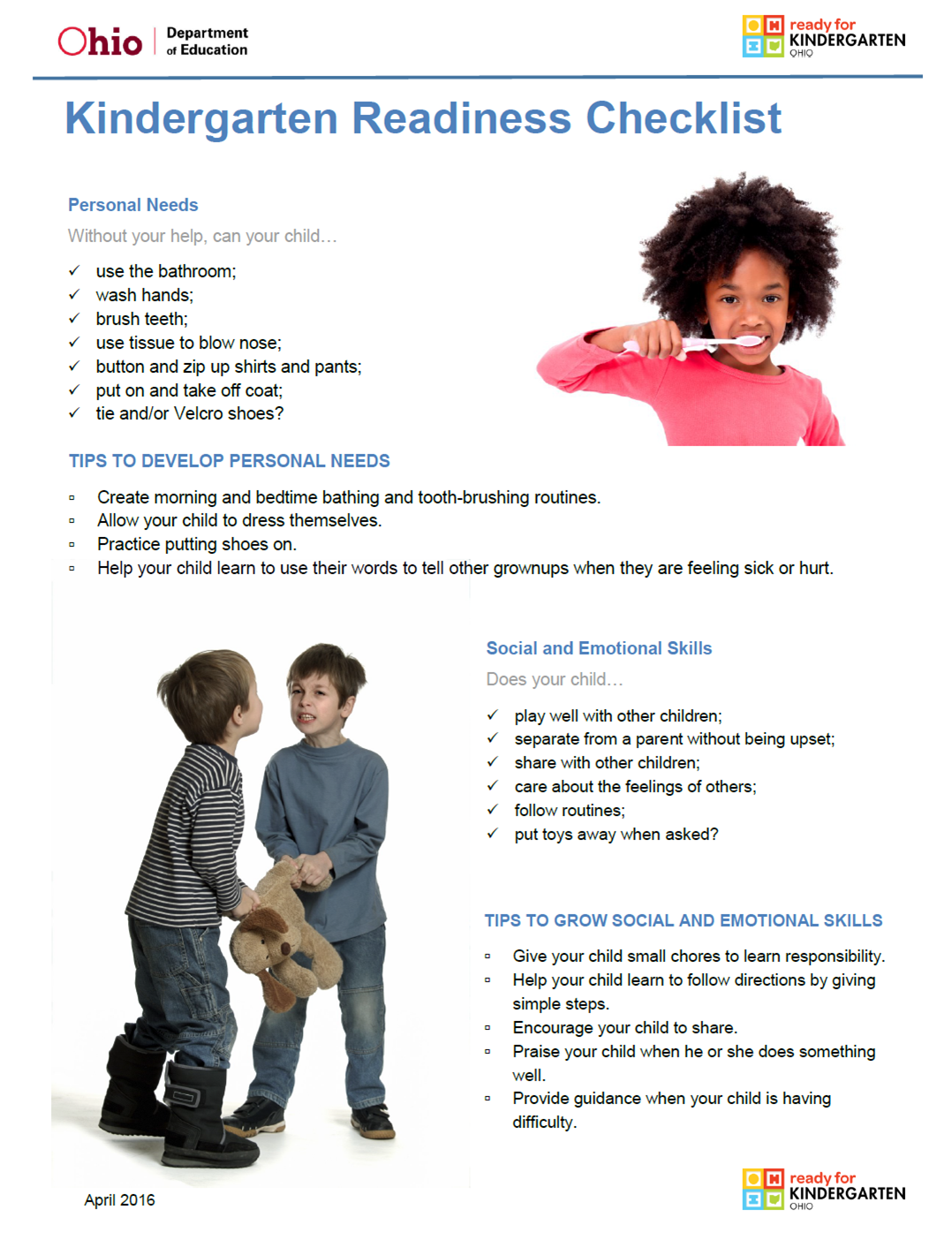
- Dressing and undressing independently.
- Using the toilet and washing hands.
- Taking care of personal belongings.
Social and Emotional Development
Kindergarten is a social setting, so emotional intelligence and social skills are key.
Emotional Regulation:
- Recognizing and managing emotions.
- Coping with separation anxiety.
- Handling frustration and disappointment.
Social Skills:
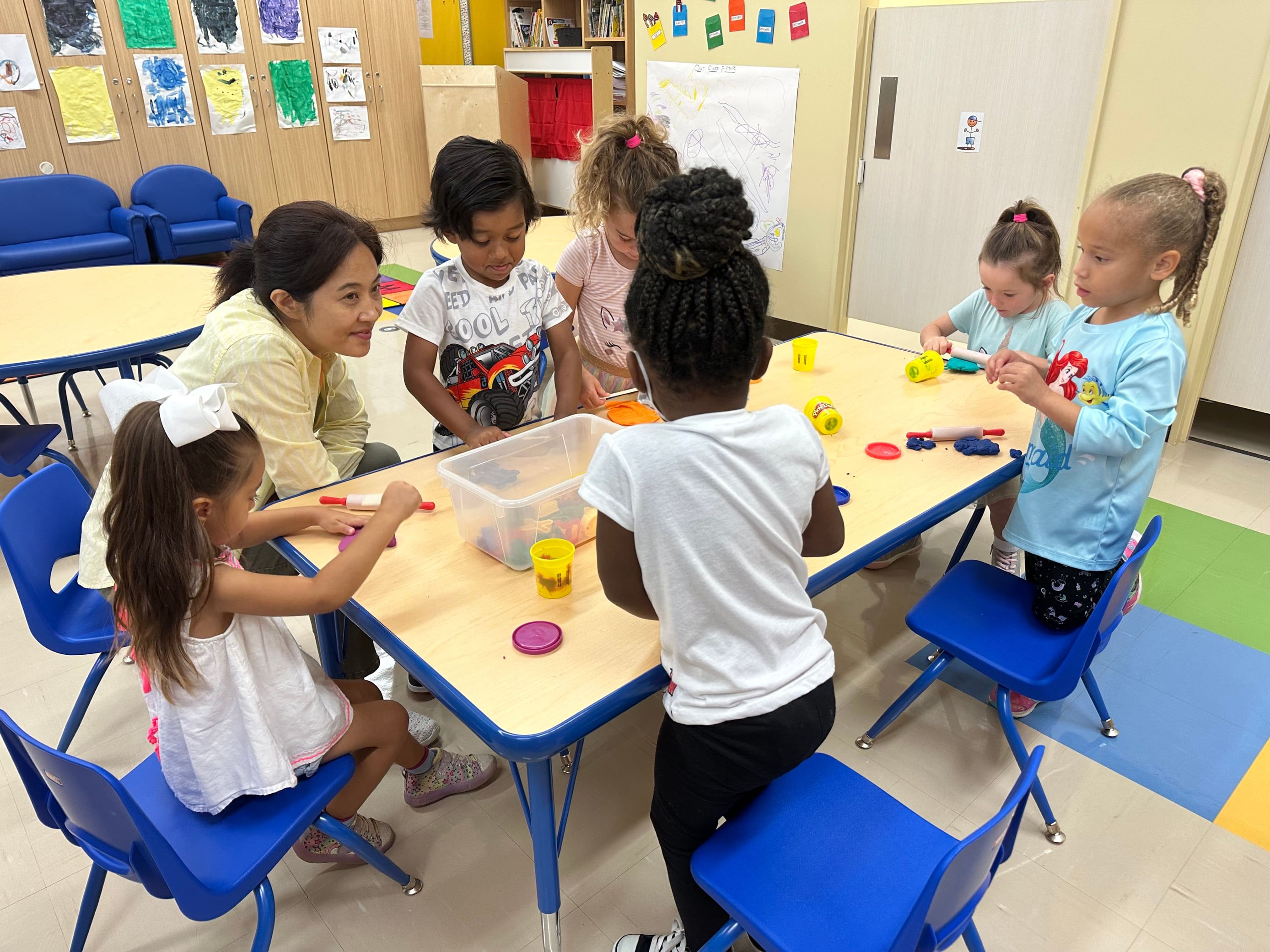
- Sharing and taking turns.
- Making friends and joining in play.
- Following simple rules and routines.
Communication:
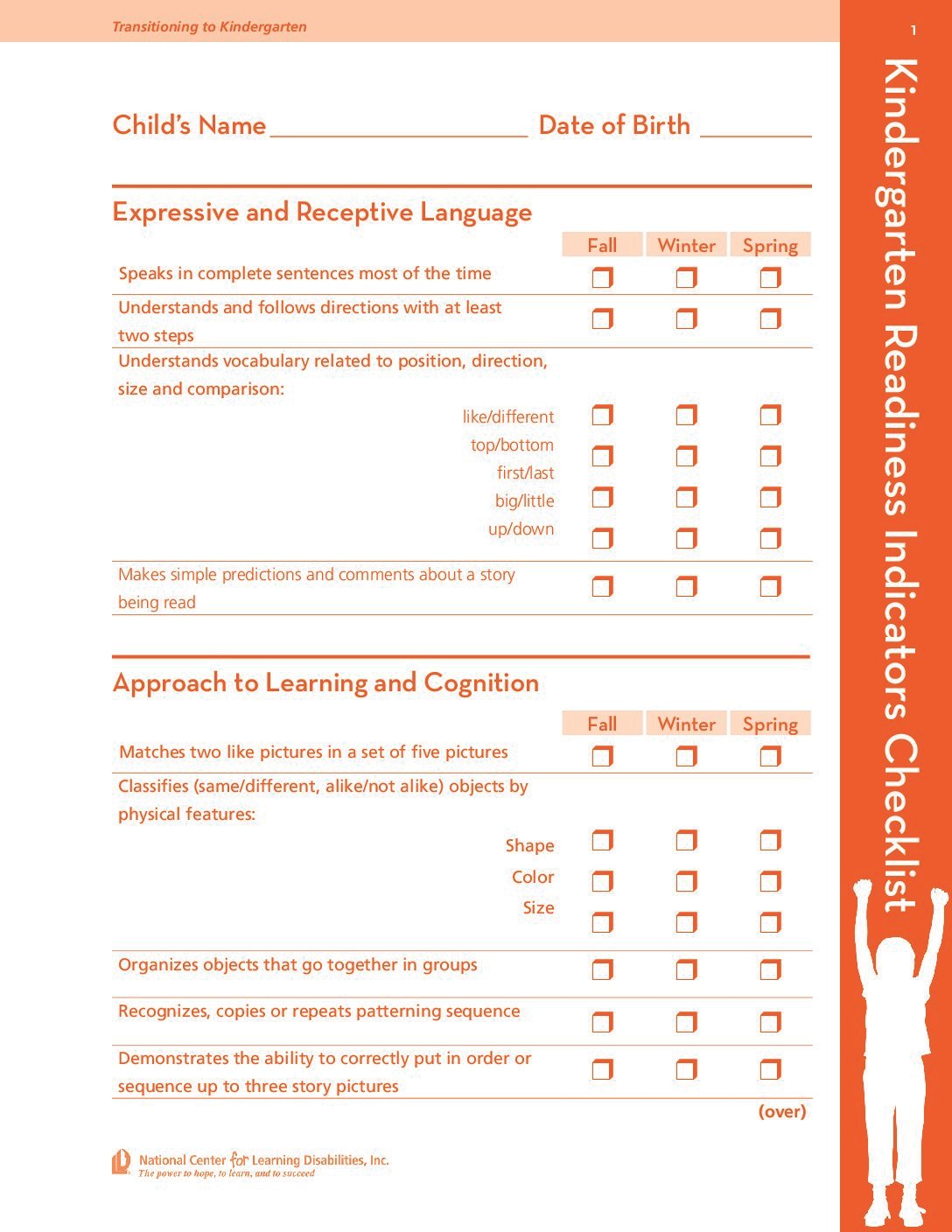
- Expressing needs and wants clearly.
- Listening and responding to others.
- Understanding and following simple instructions.
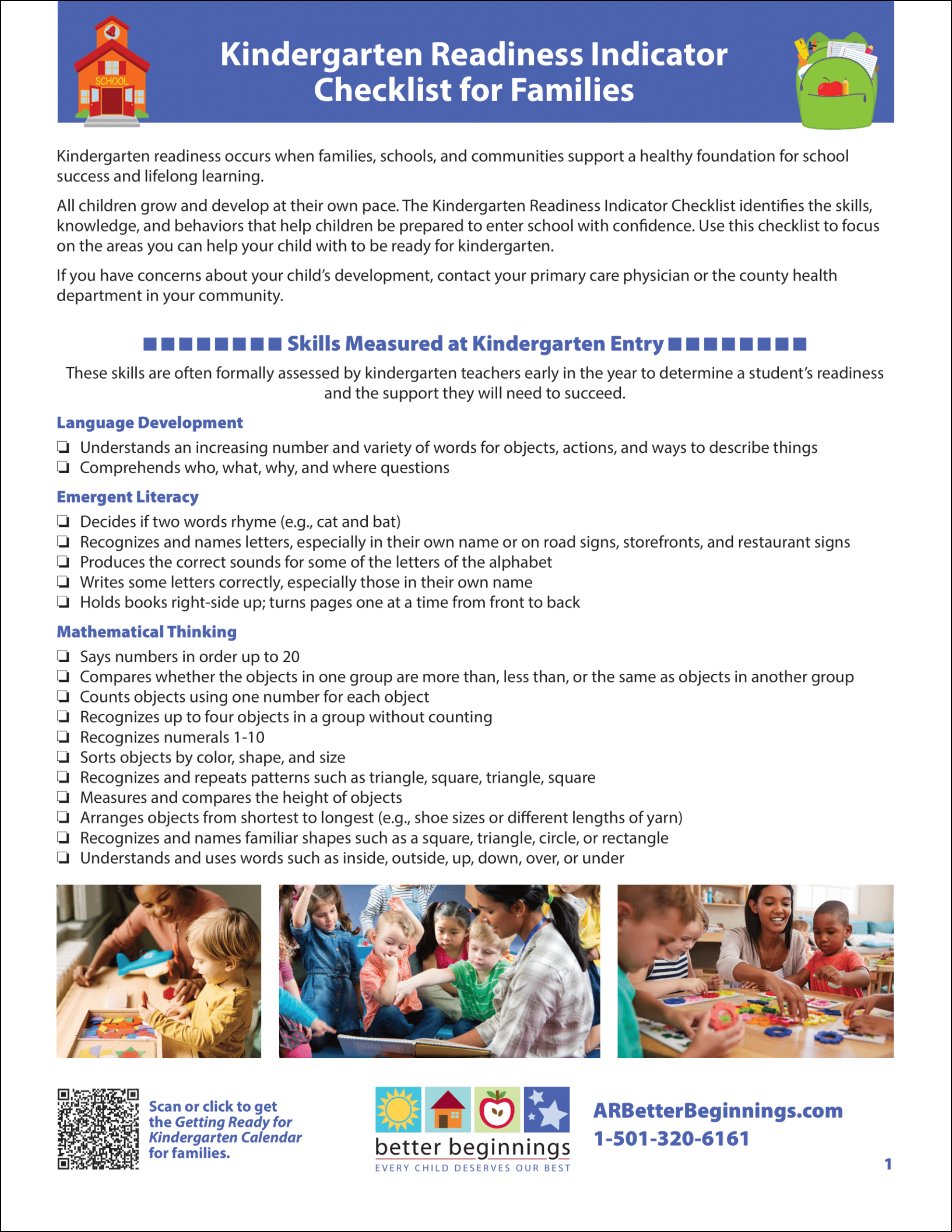
Early Academics
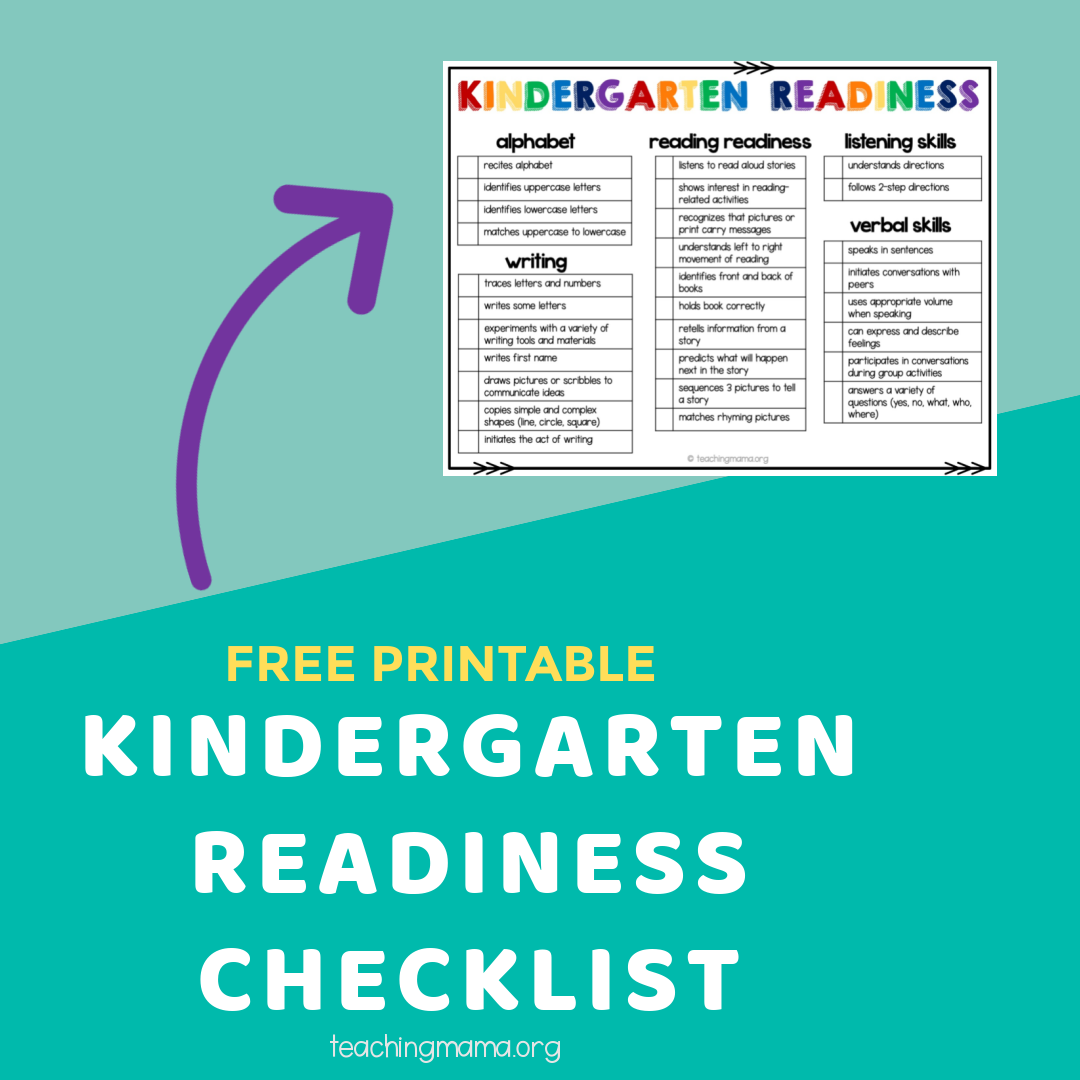
A strong foundation in early academics sets the stage for future learning.
Literacy:
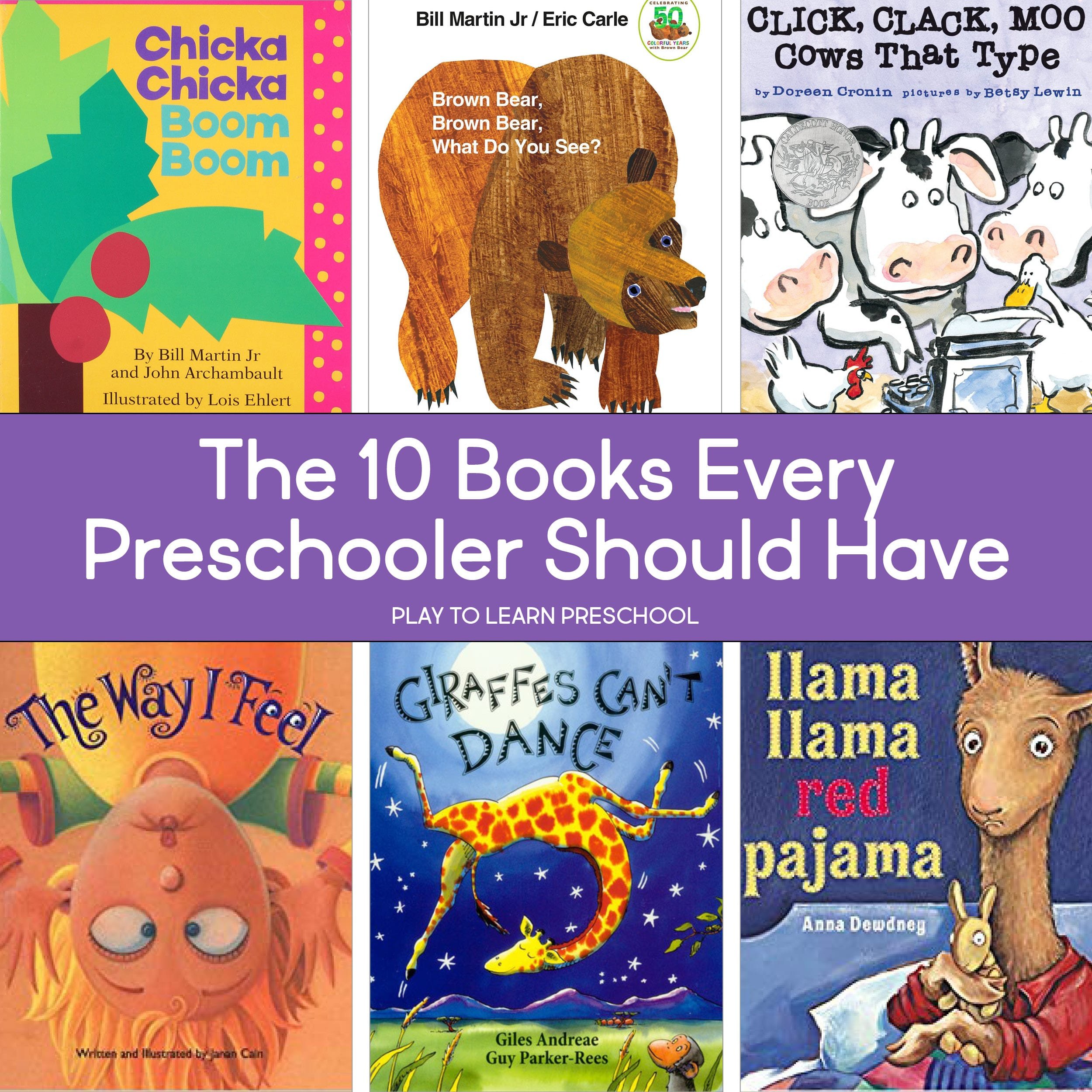
- Recognizing and writing their name.
- Identifying letters and their sounds.
- Understanding basic concepts like rhyming and word families.
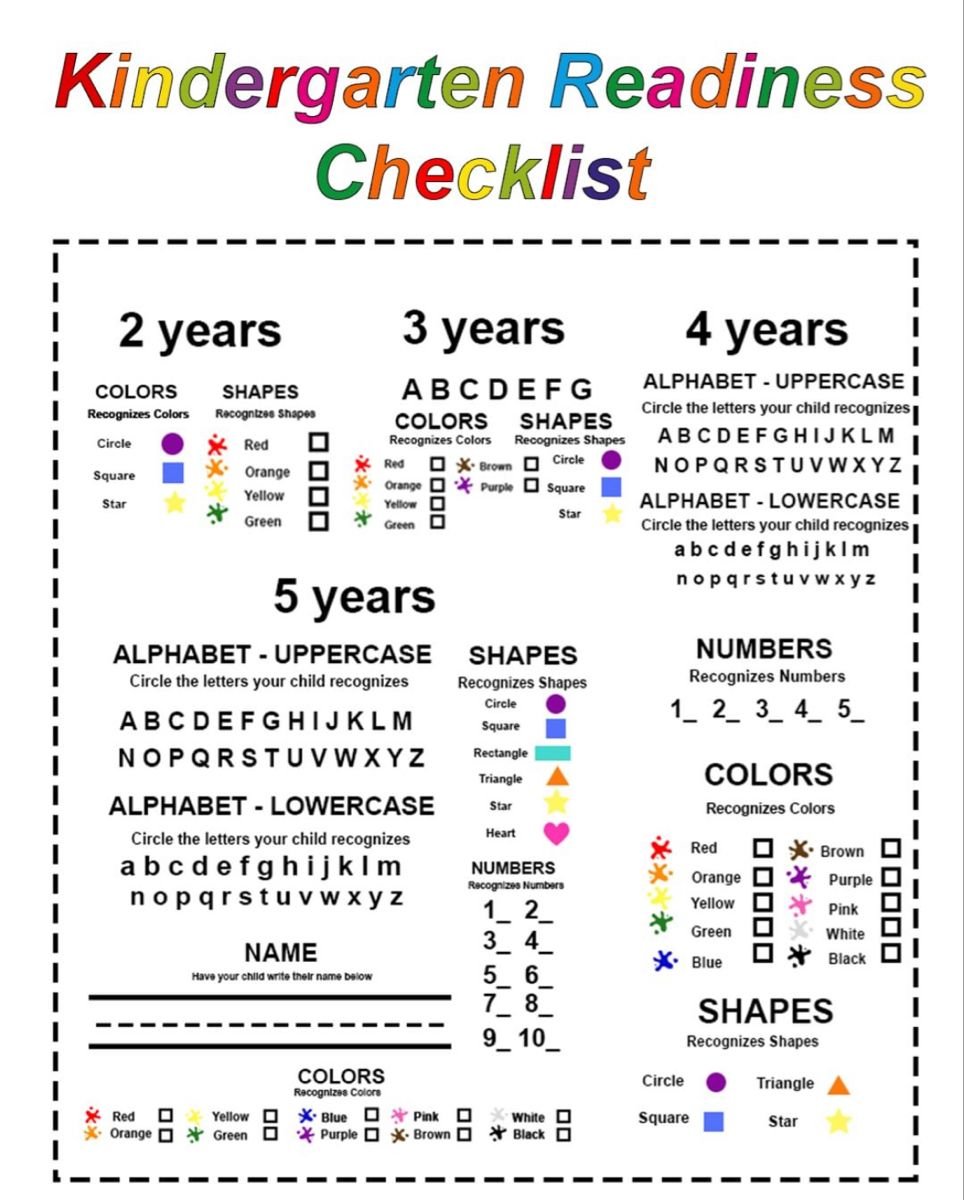
Numeracy:
- Counting and recognizing numbers.
- Sorting and categorizing objects.
- Understanding basic shapes and sizes.
-
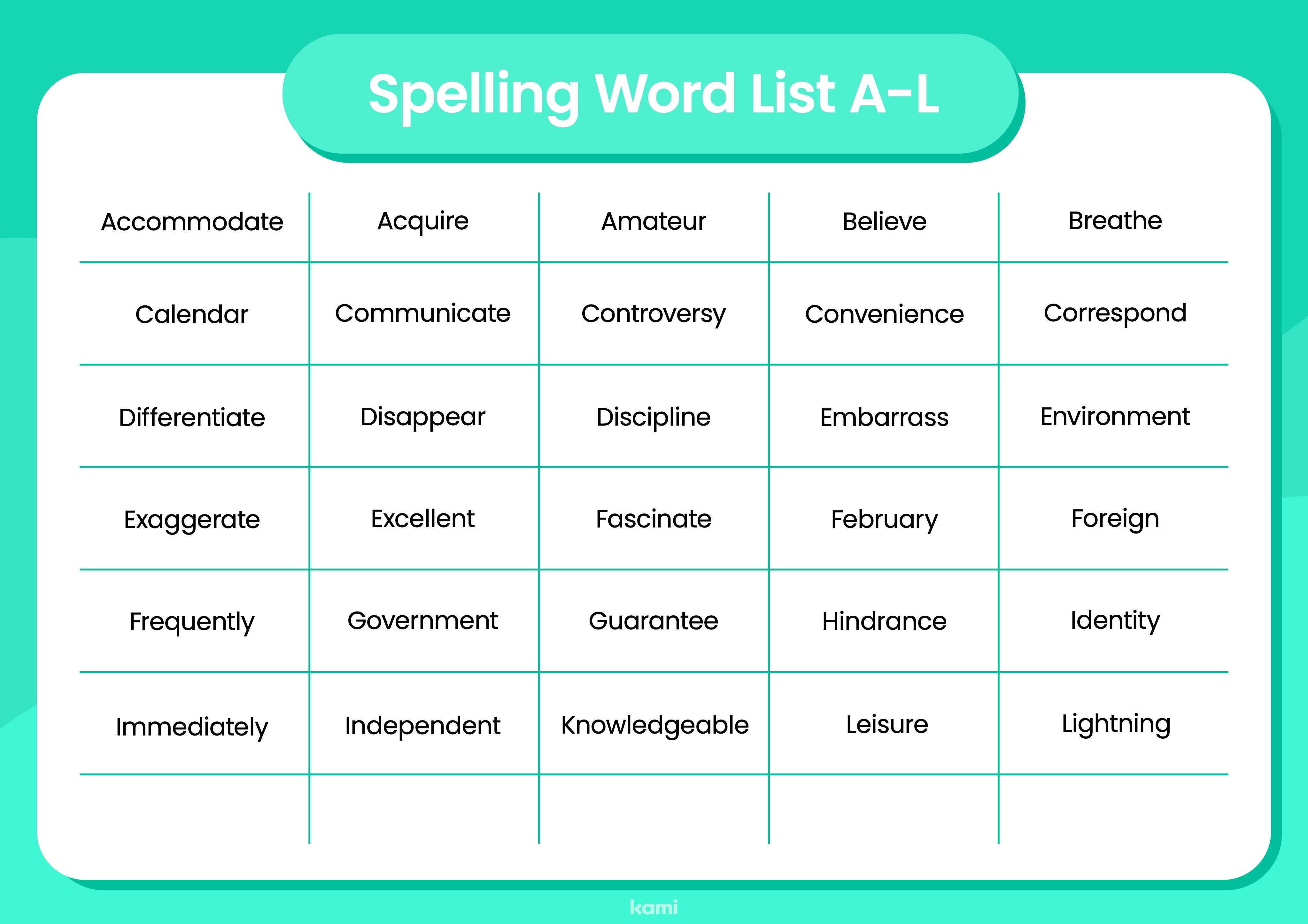
- Learning and recognizing high-frequency words.
- Building a foundation for reading.
Additional Considerations
Other factors contribute to a child's overall readiness for kindergarten.

Independence:
- Being able to work and play independently.
- Showing curiosity and a willingness to explore.
- Taking initiative and asking for help when needed.
Kindergarten Word Search Skills:
- Attention to detail.
- Scanning and searching for information.
- Developing focus and concentration.
-
- Understanding the age requirements and ensuring your child is within the appropriate age range for enrollment.
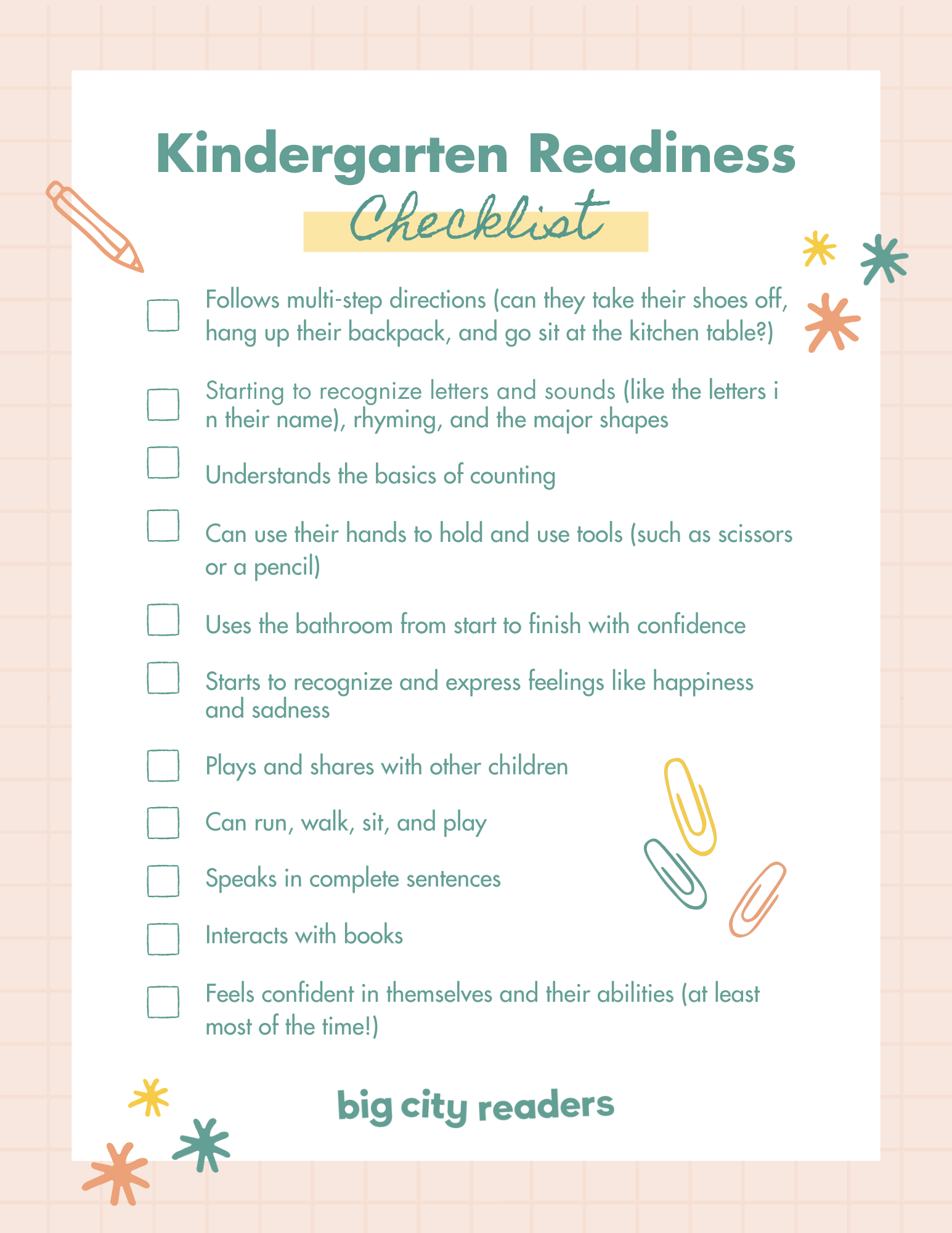
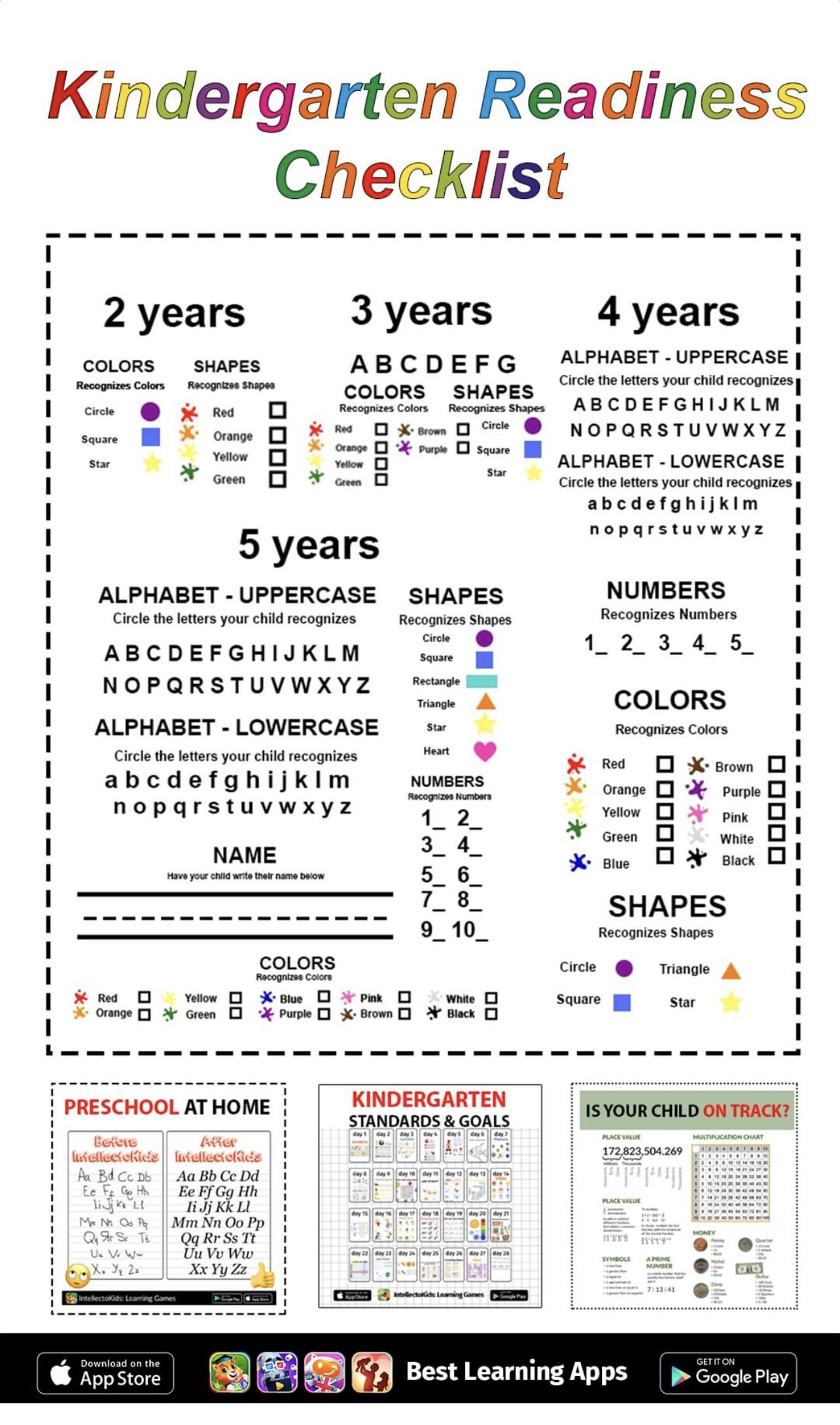
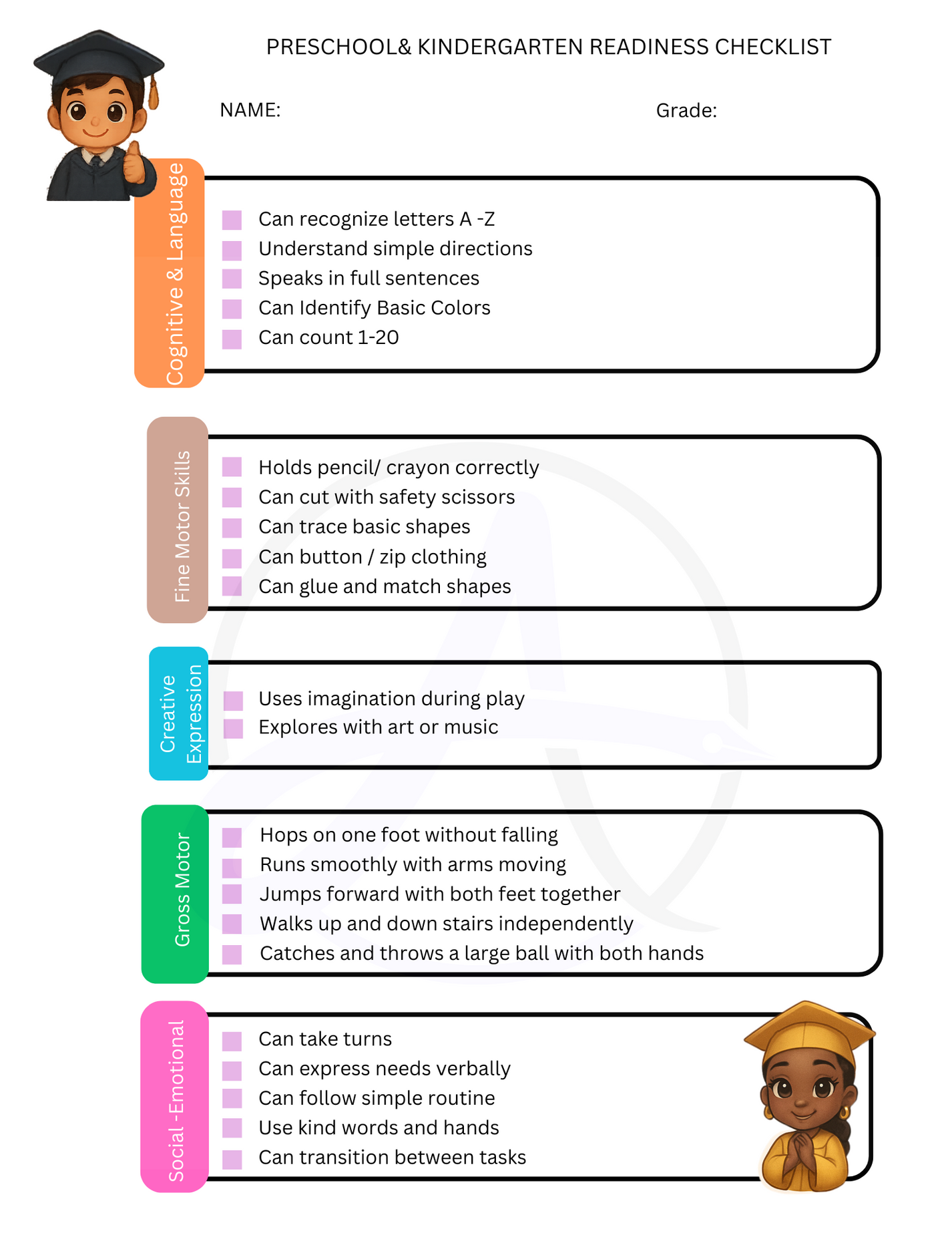
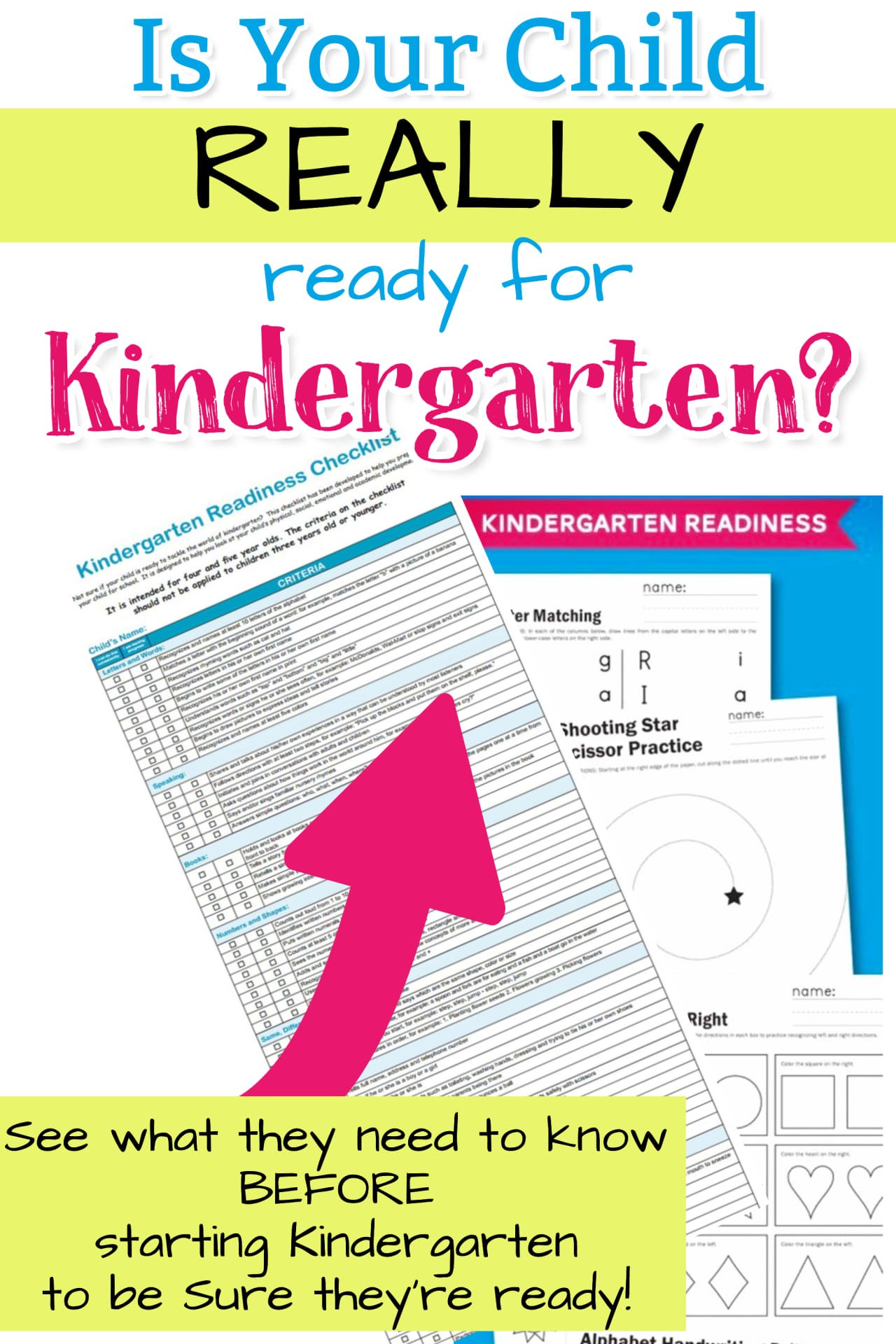
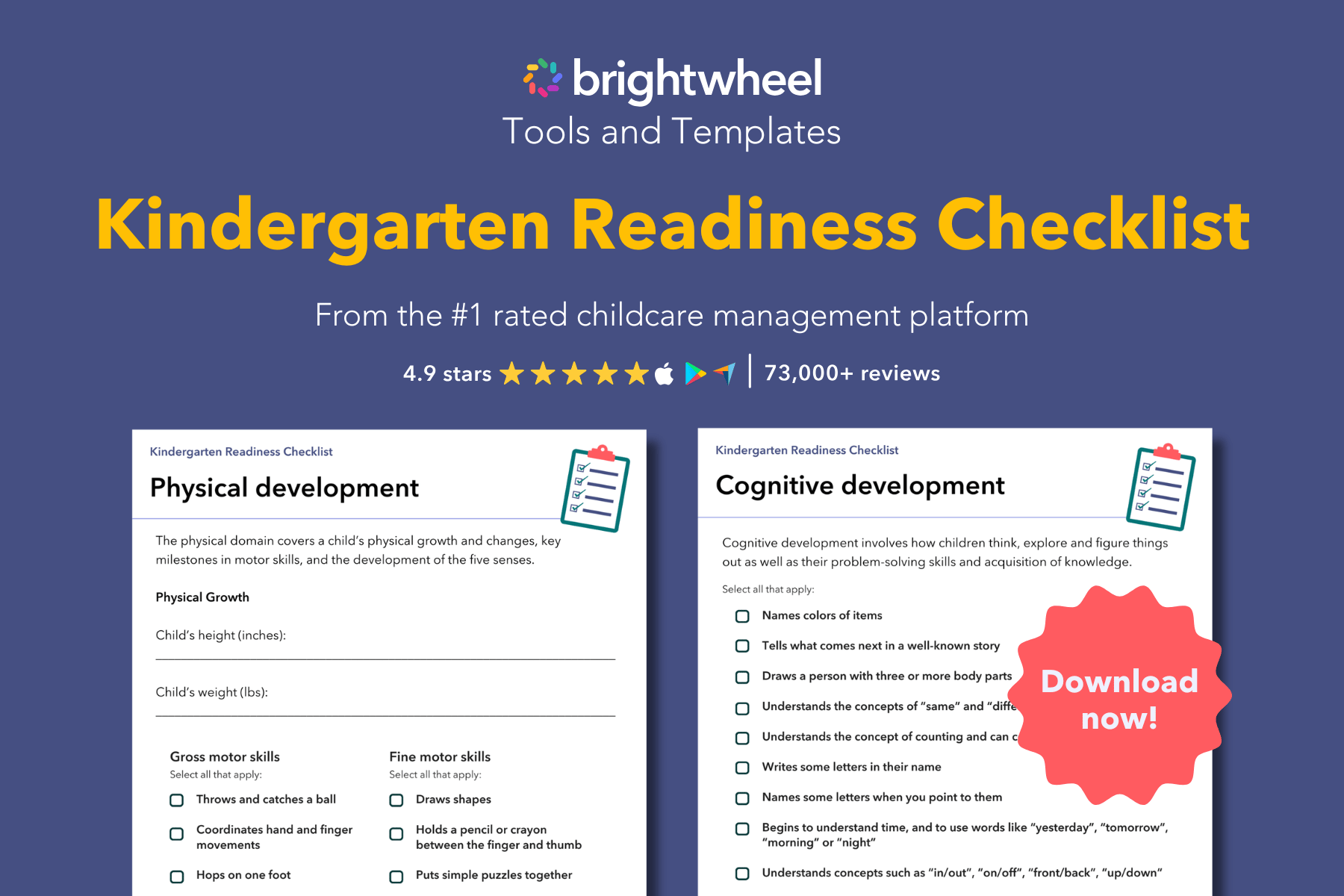
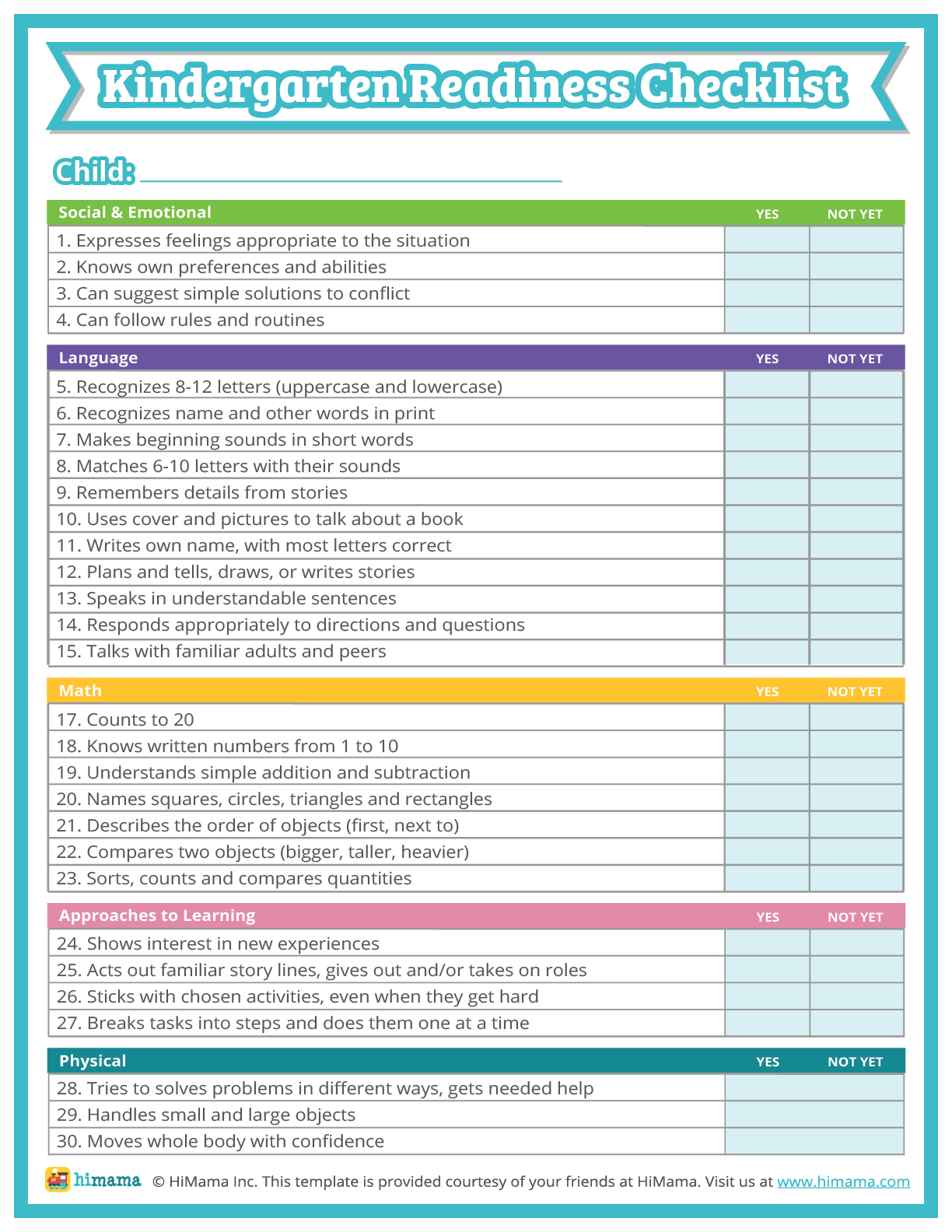
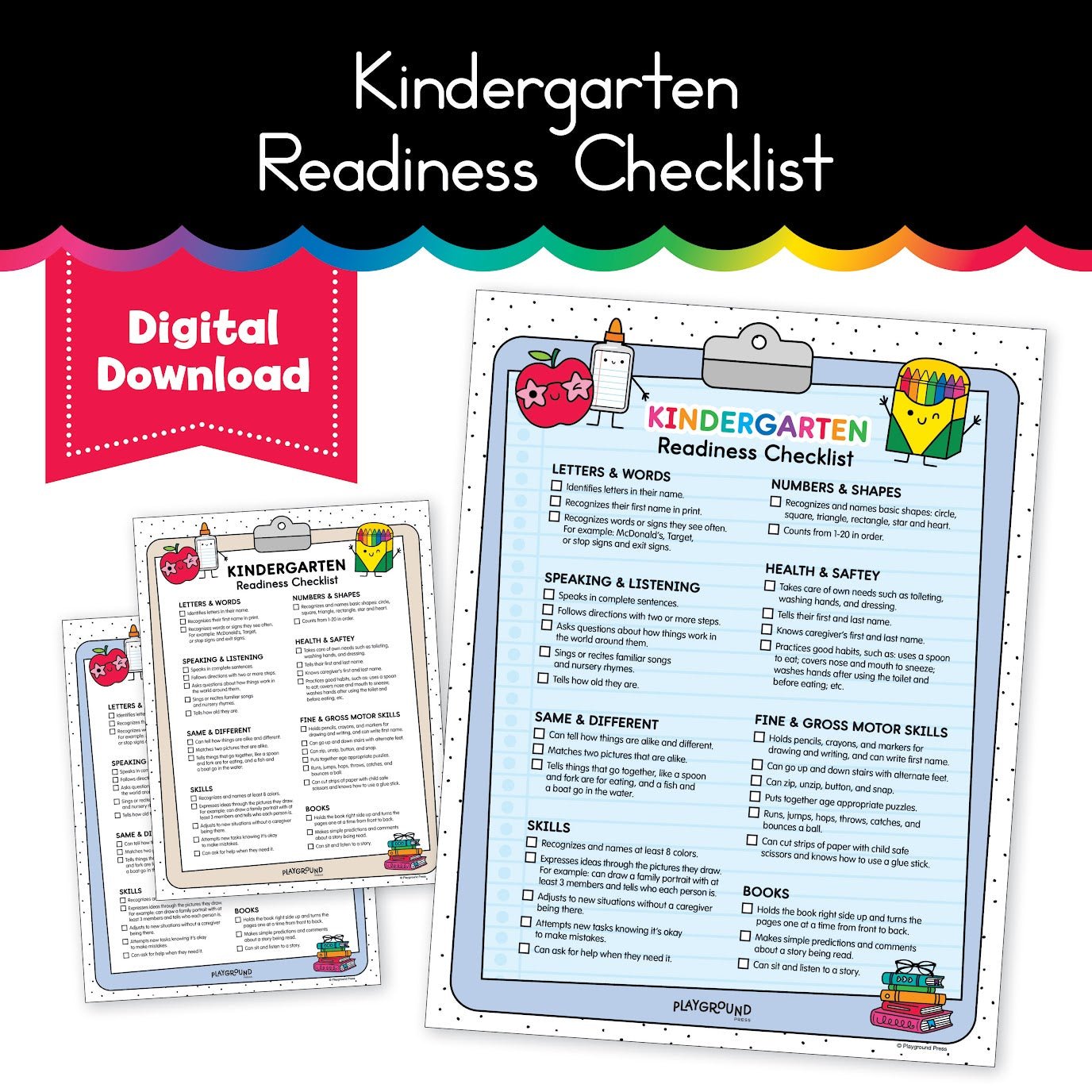
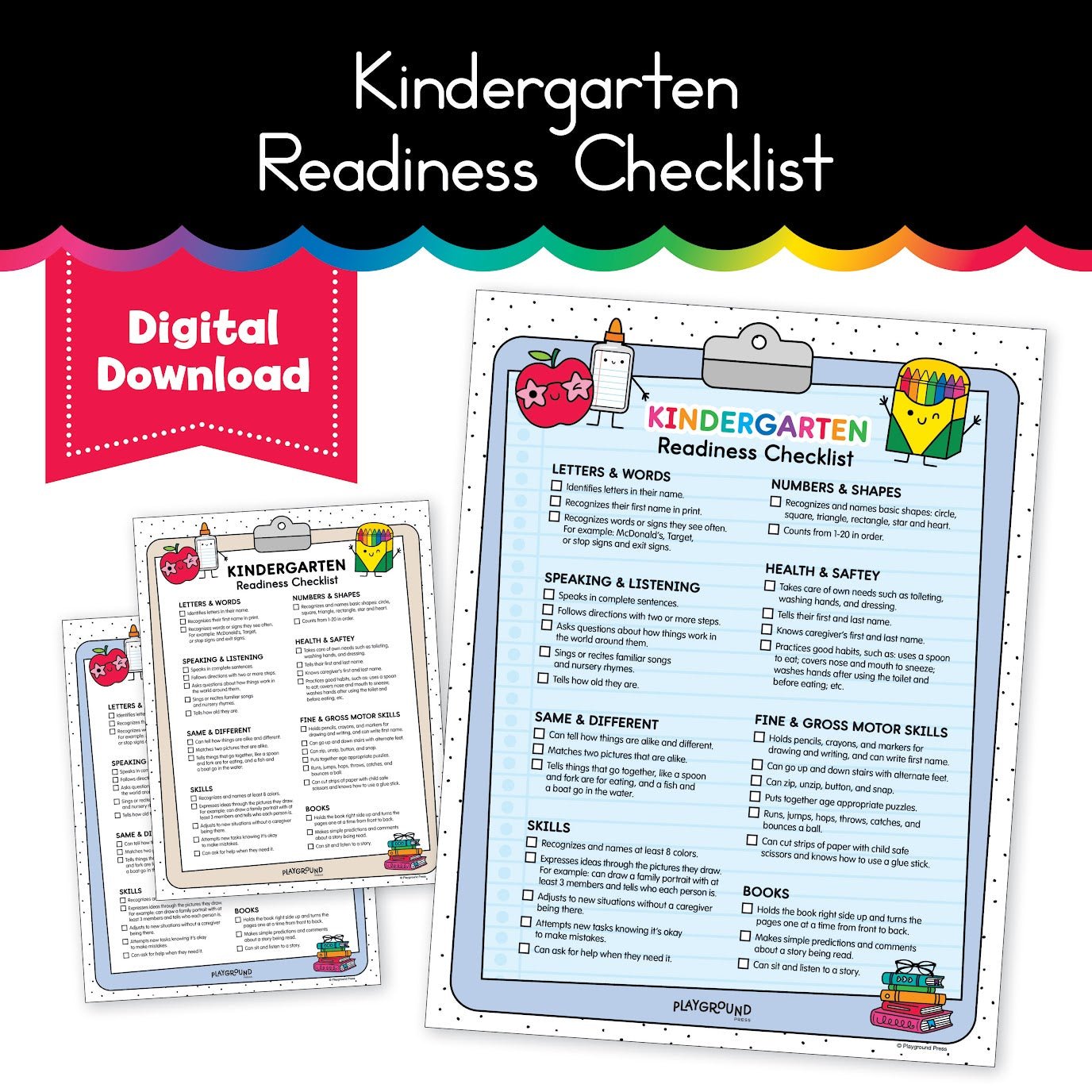
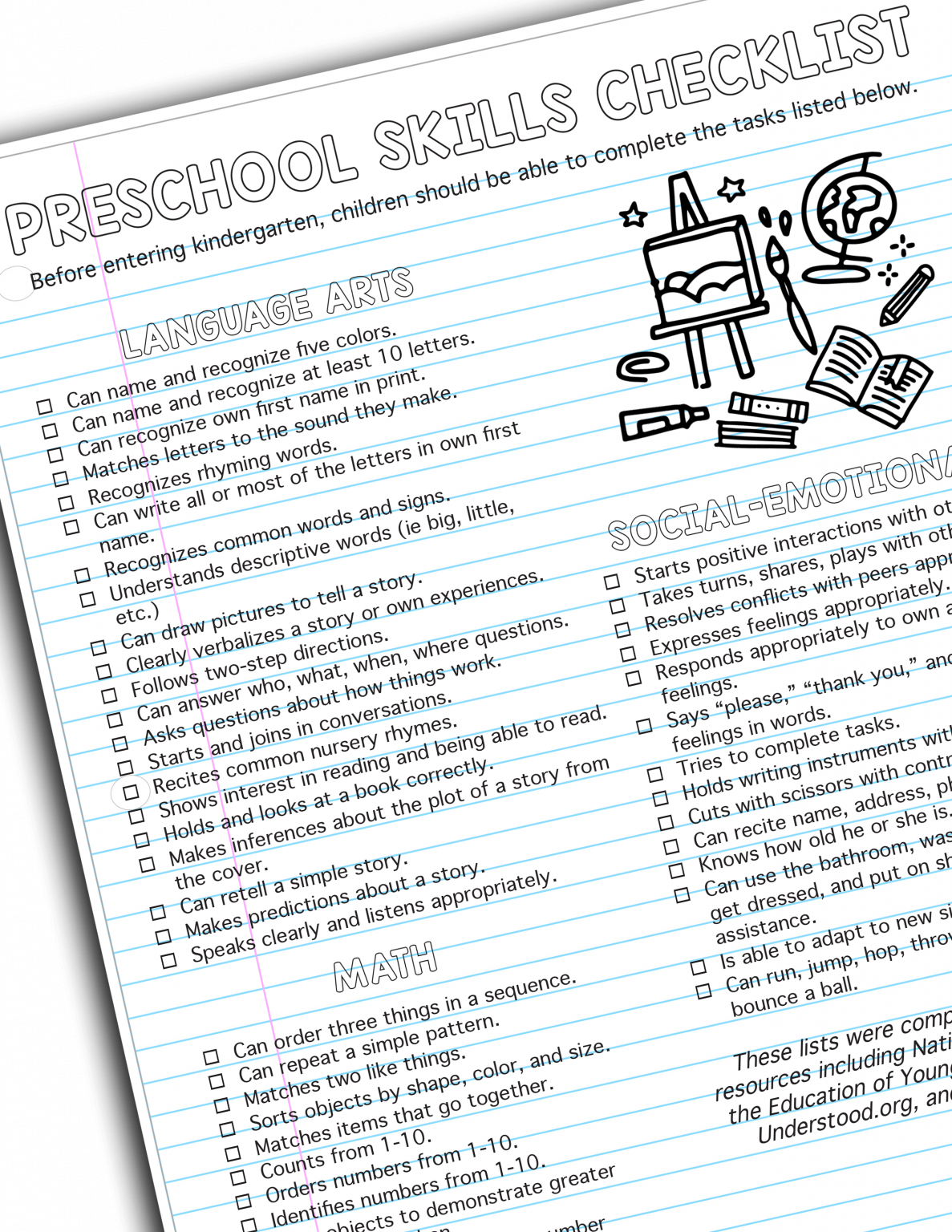
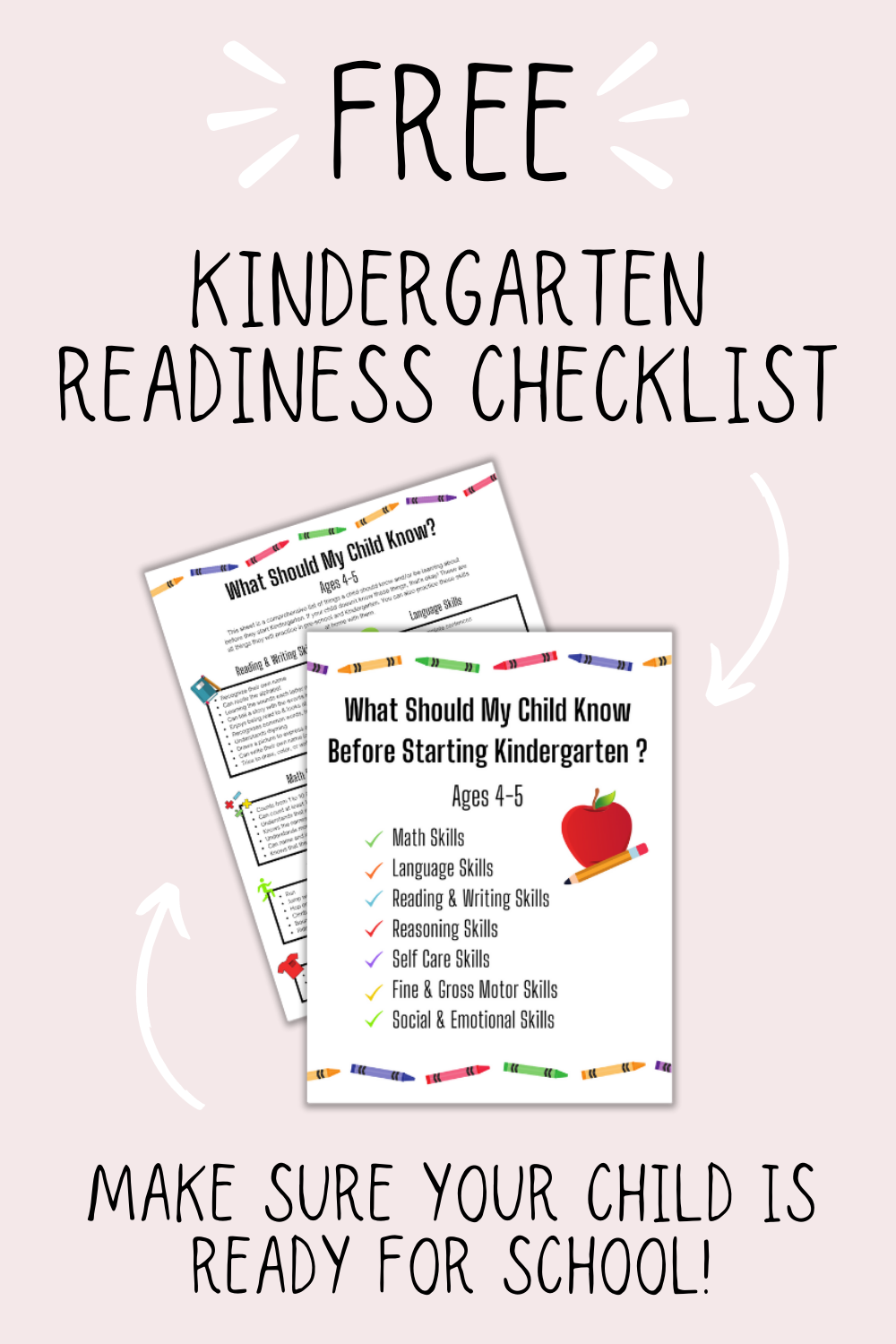
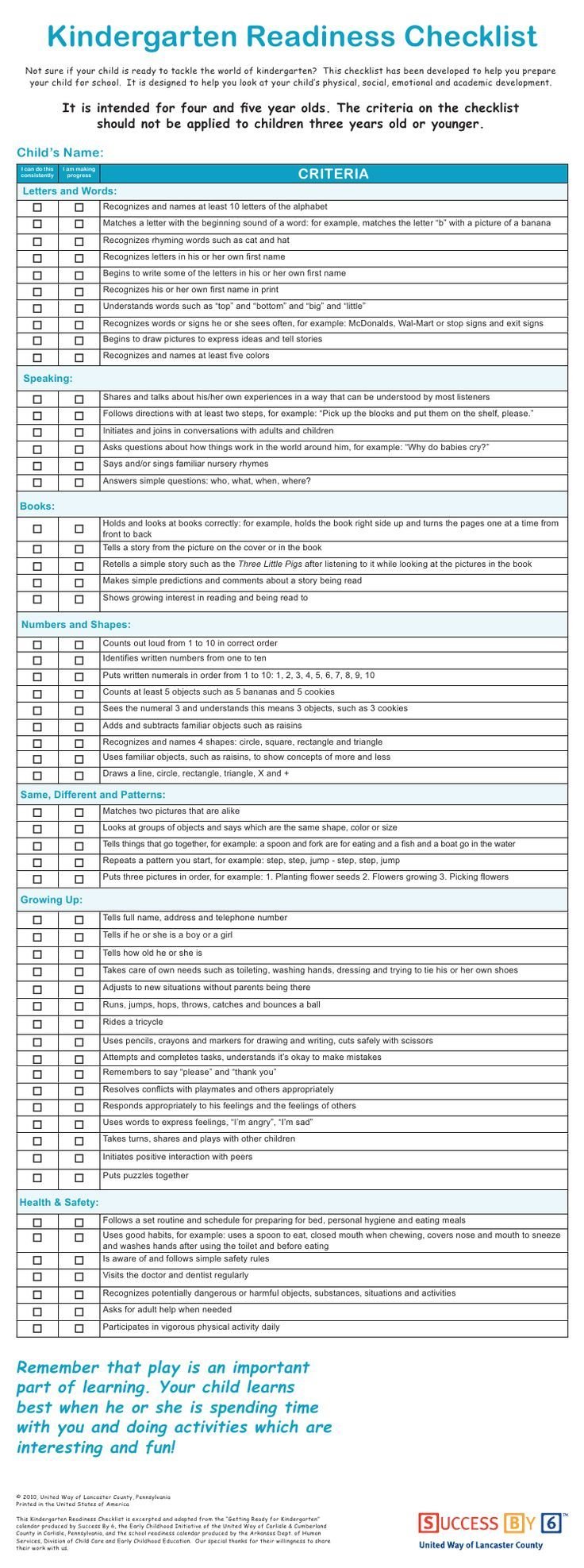
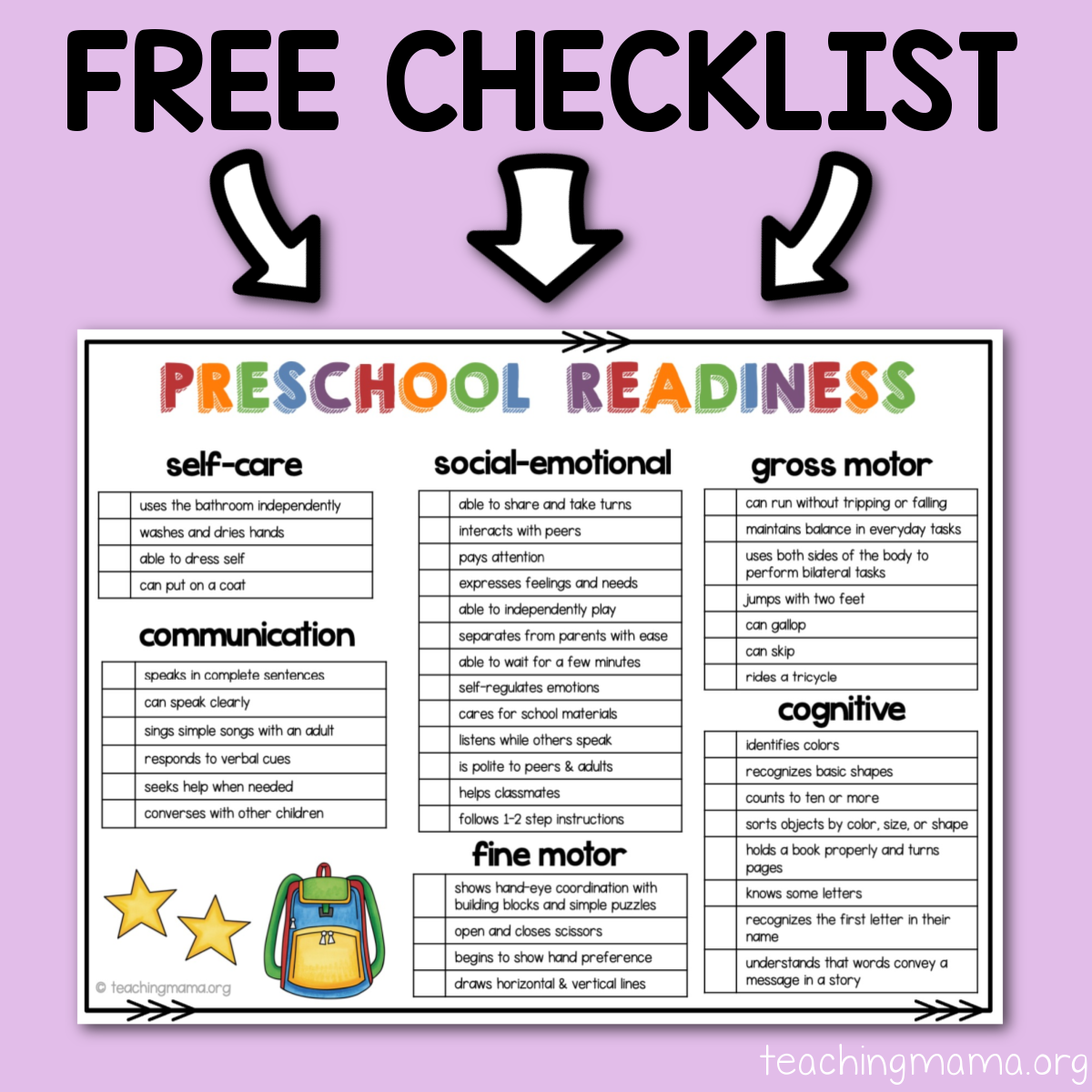
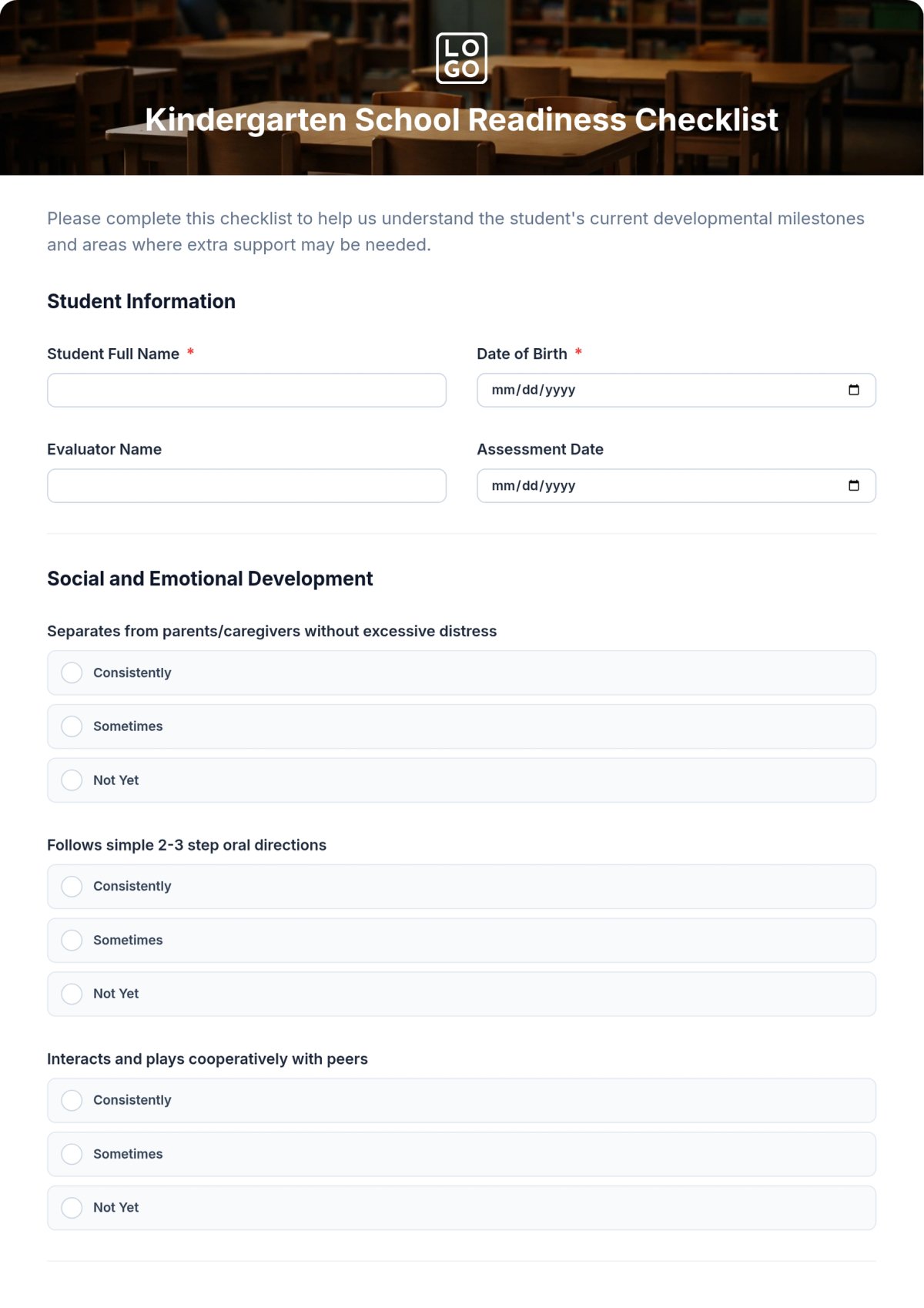
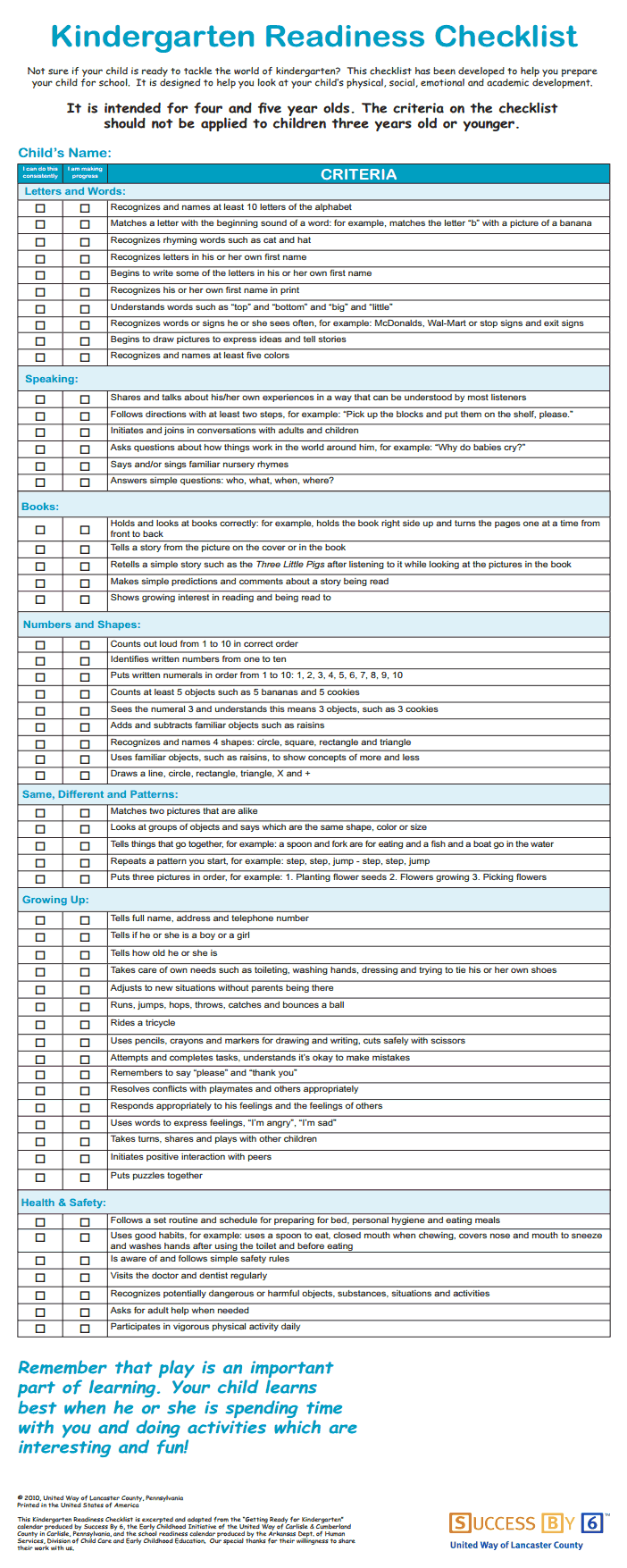
A kindergarten readiness checklist is a practical way to ensure your child is prepared for this significant milestone. It provides a structured approach to assess their development and identify areas where additional support may be beneficial.