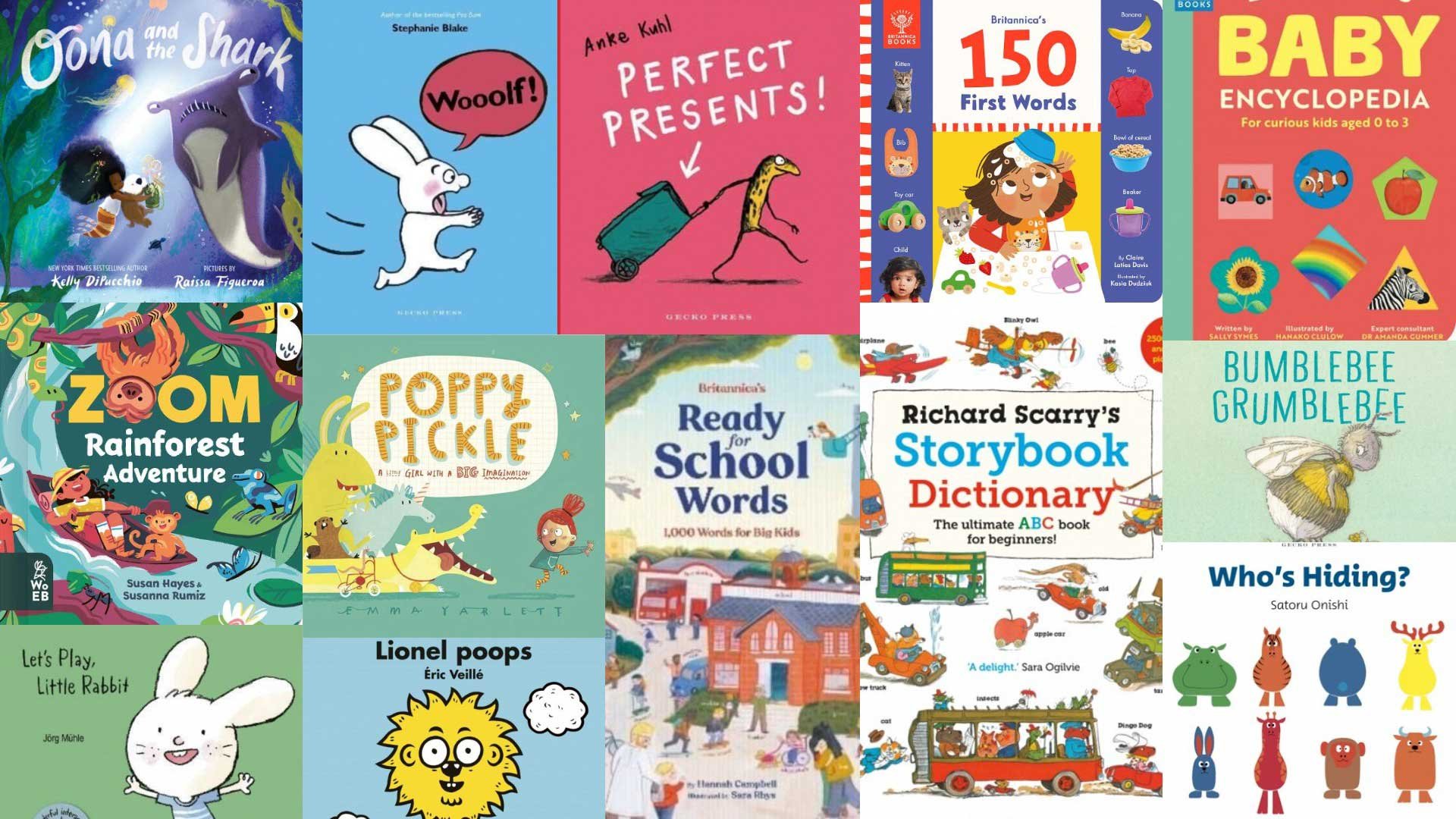
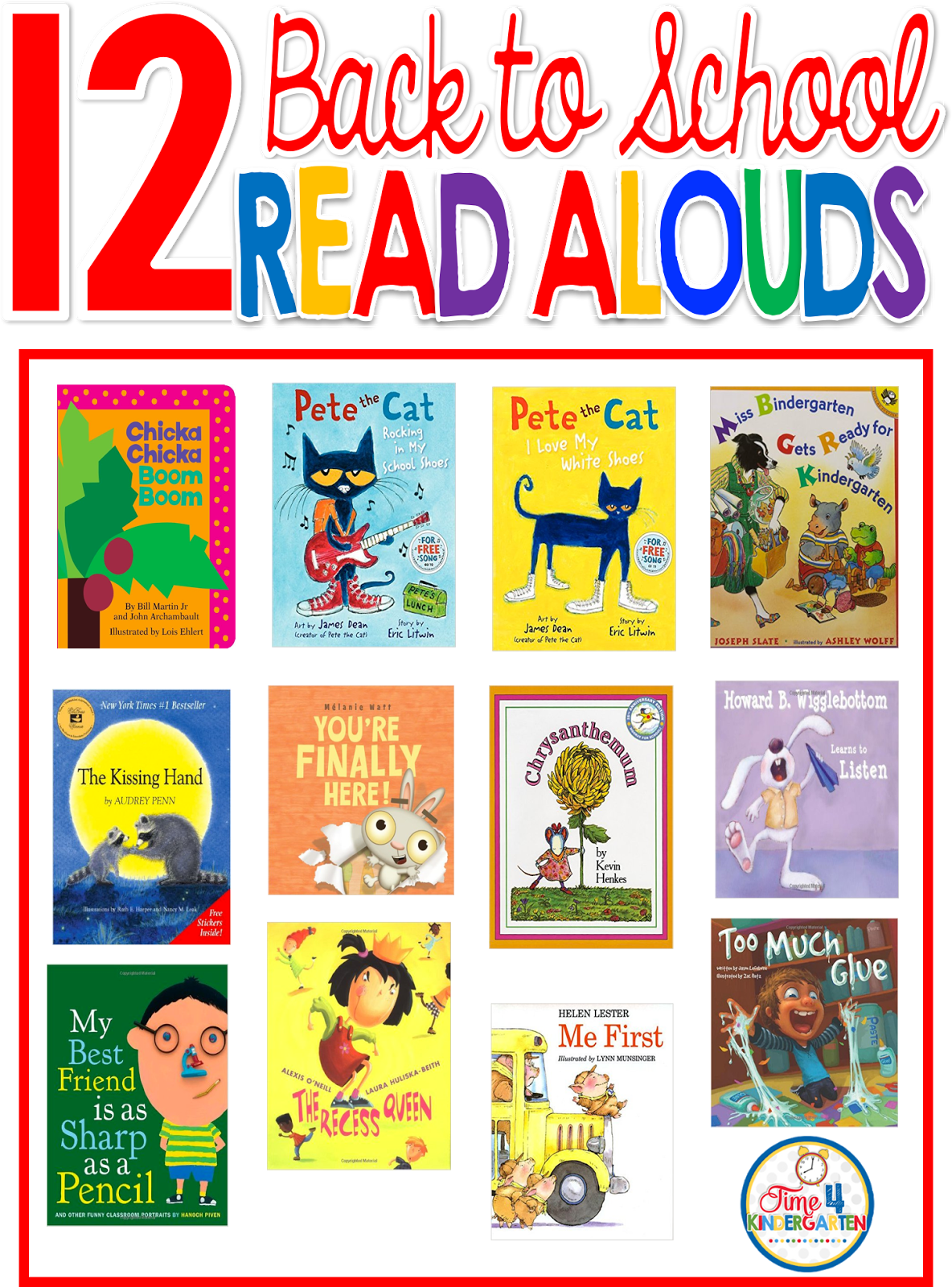
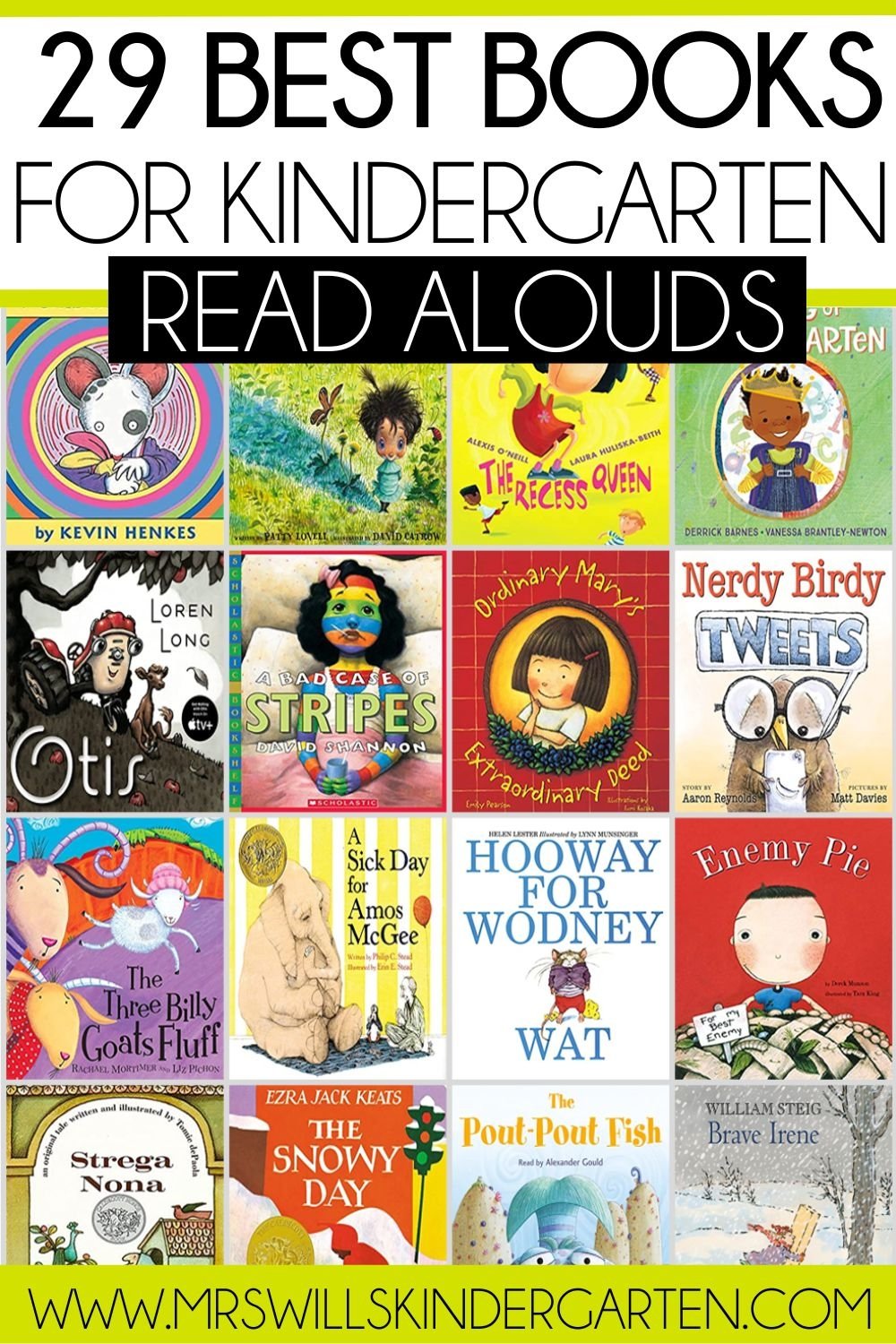
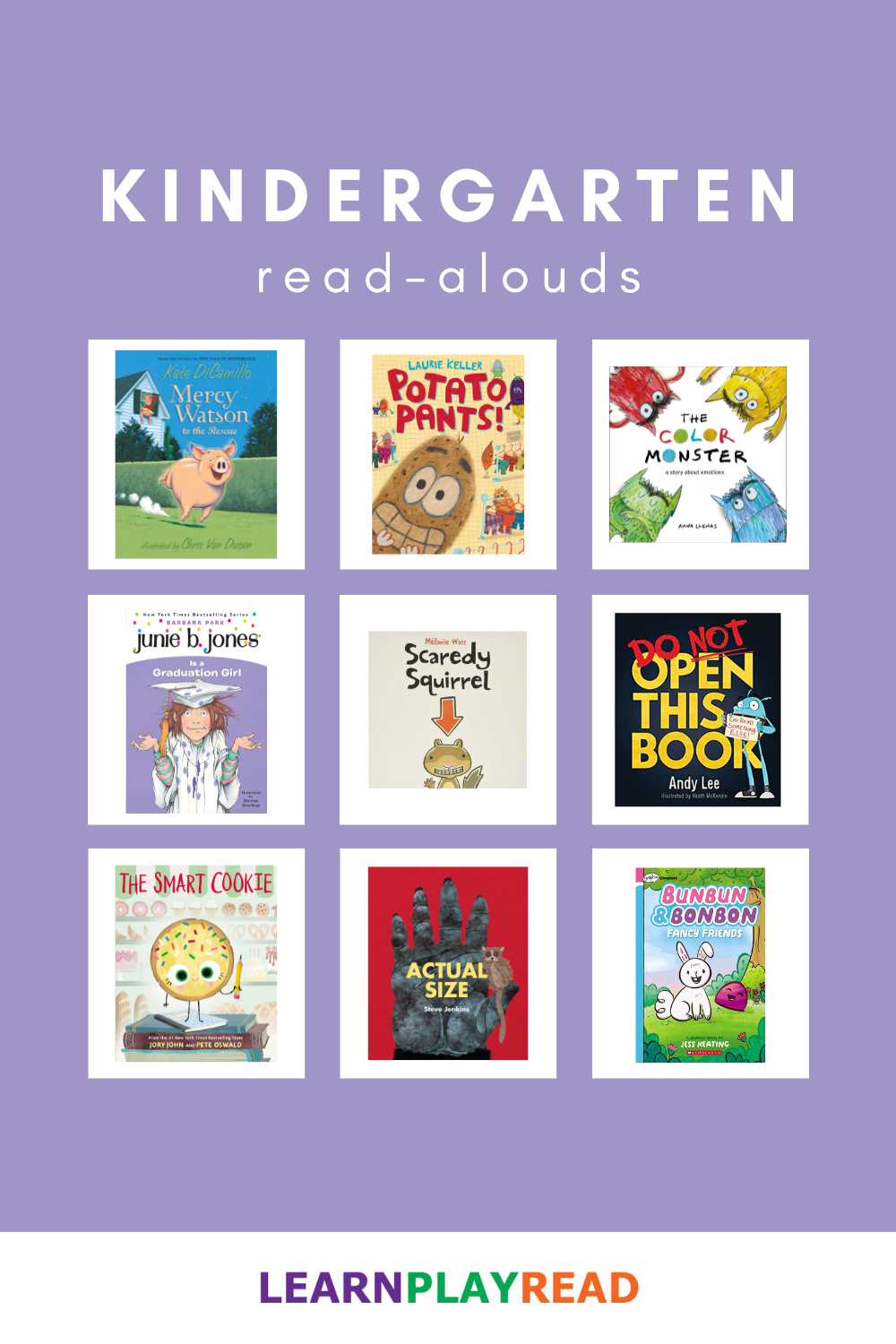
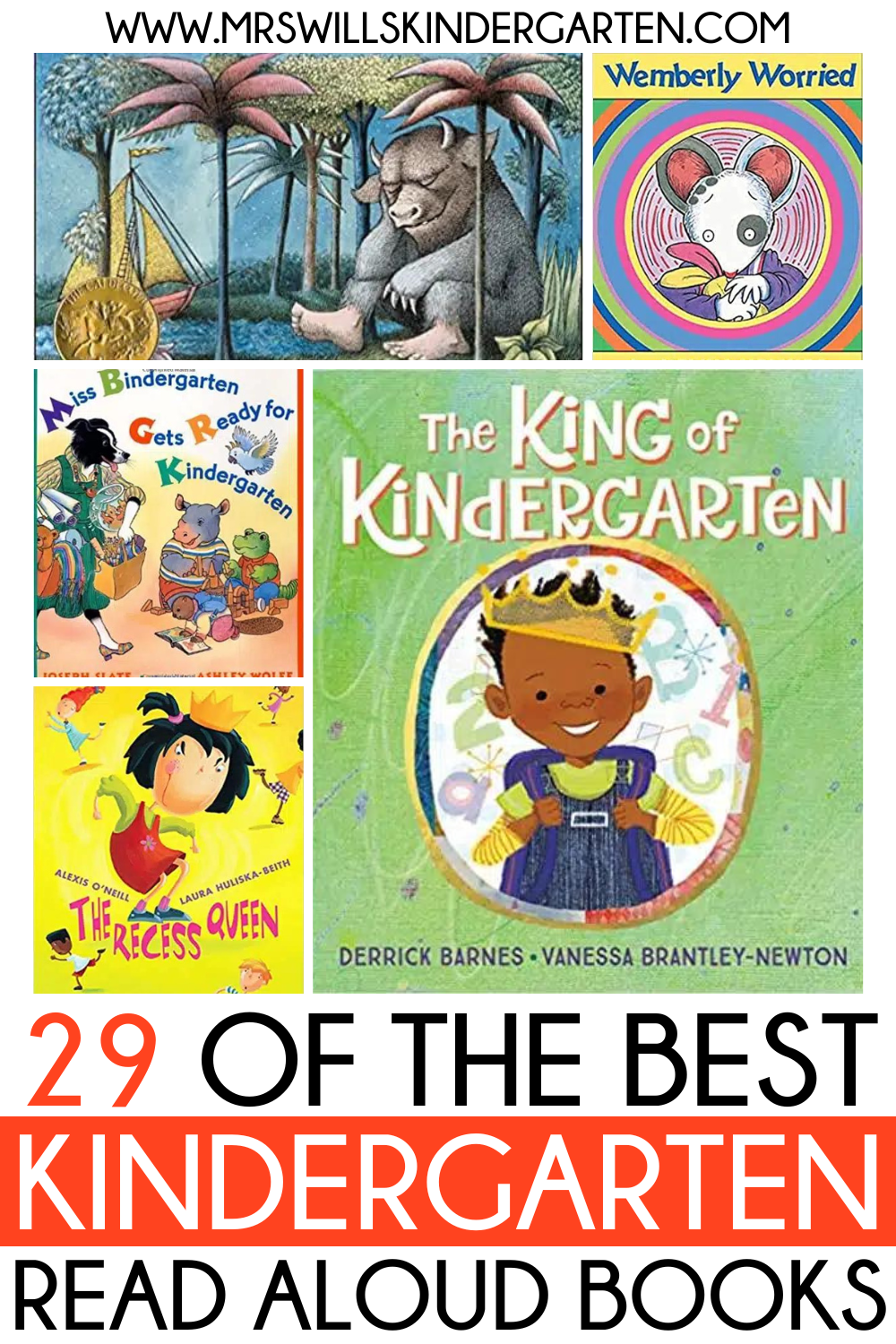
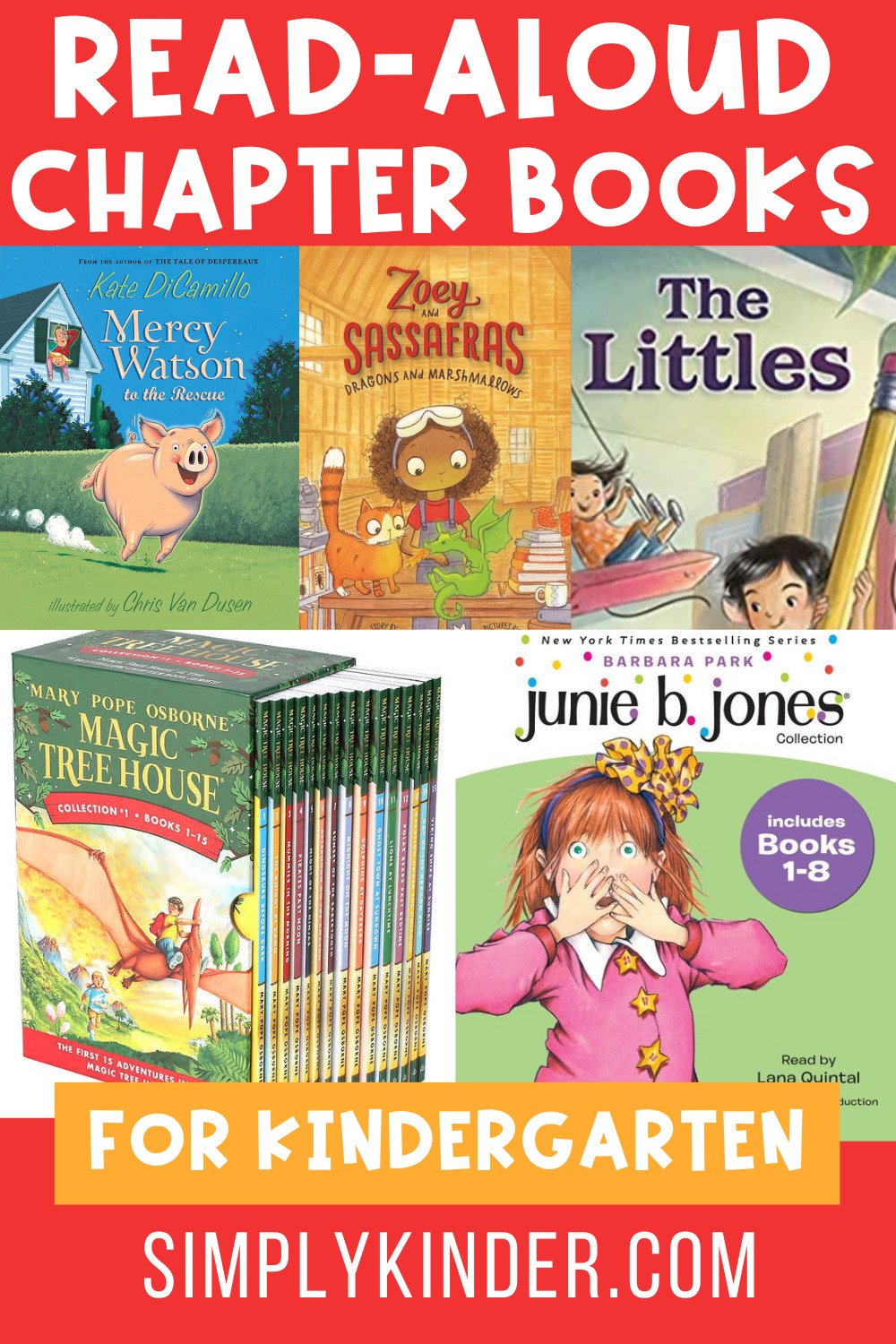

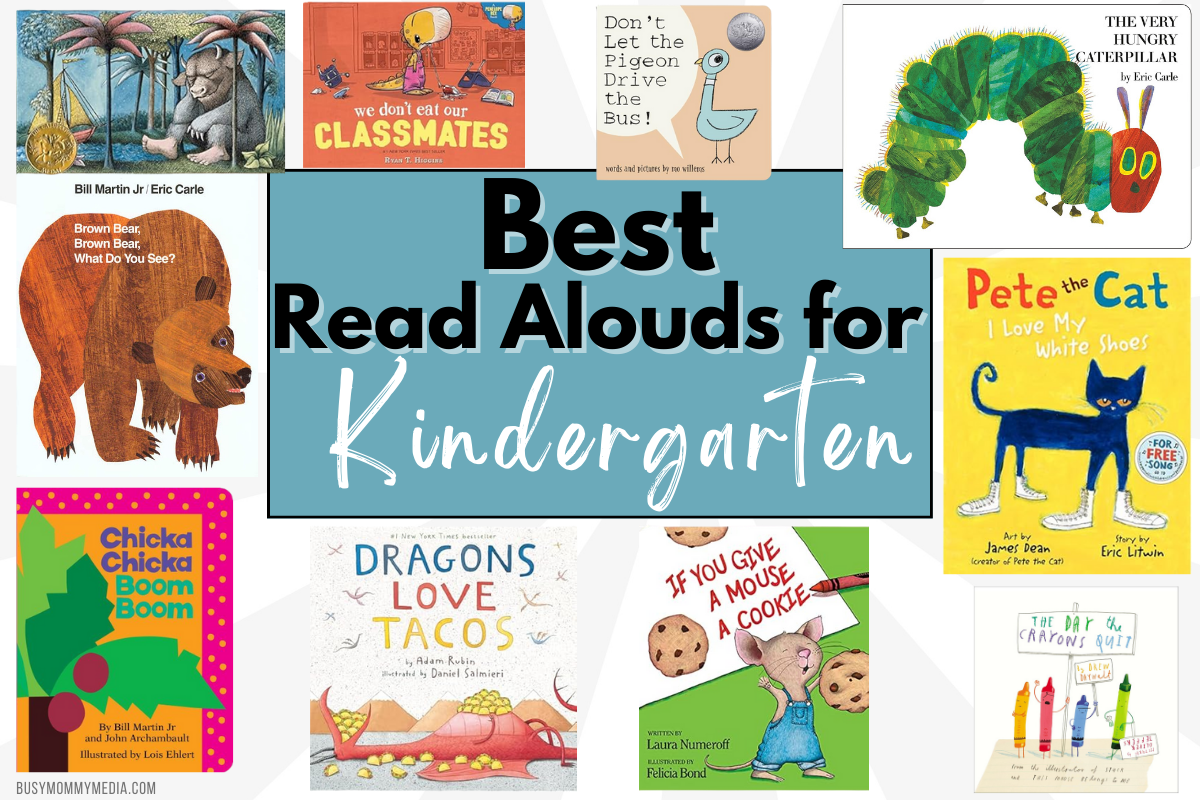
Popular Kindergarten Reading Book Options:
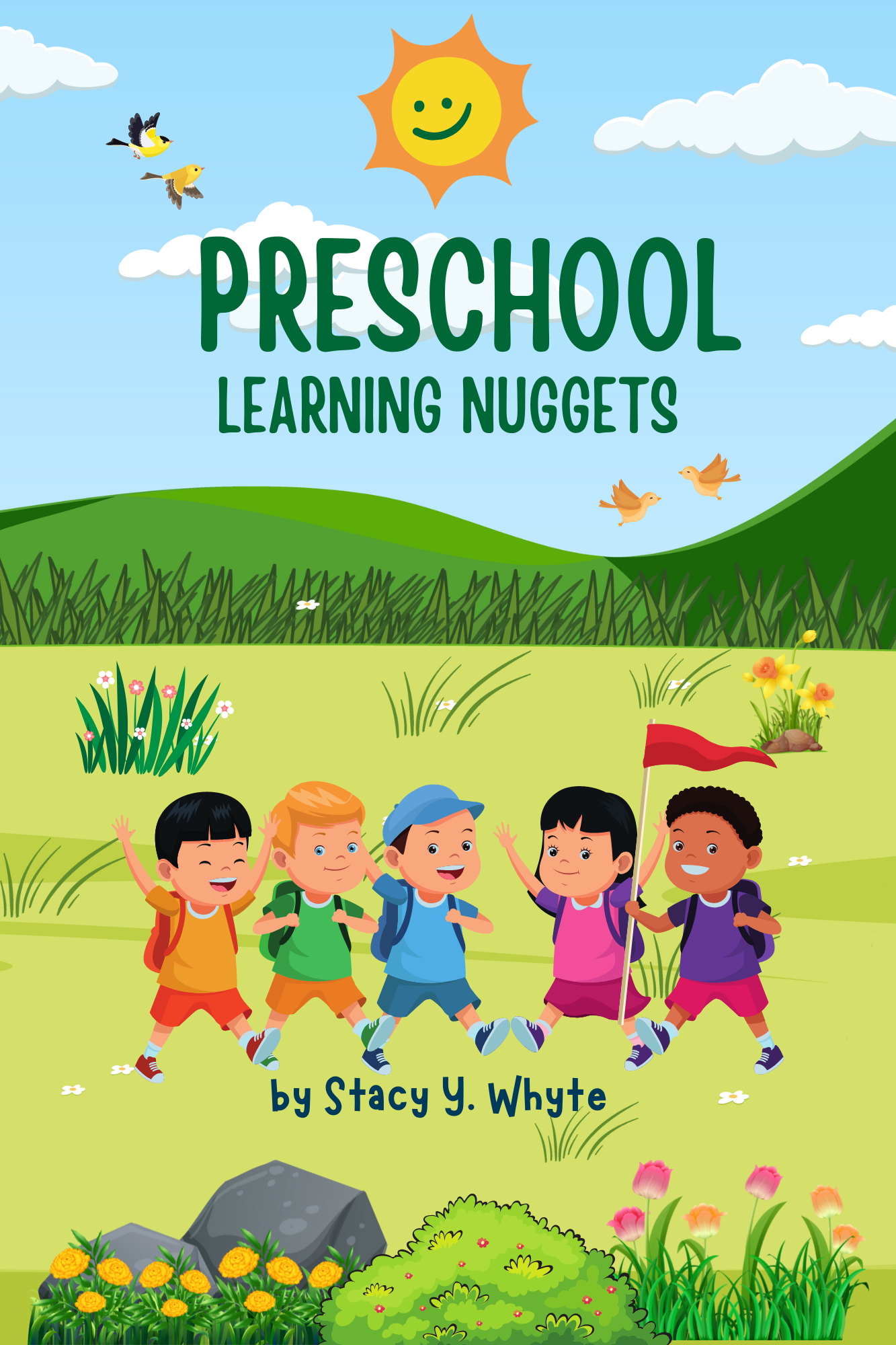
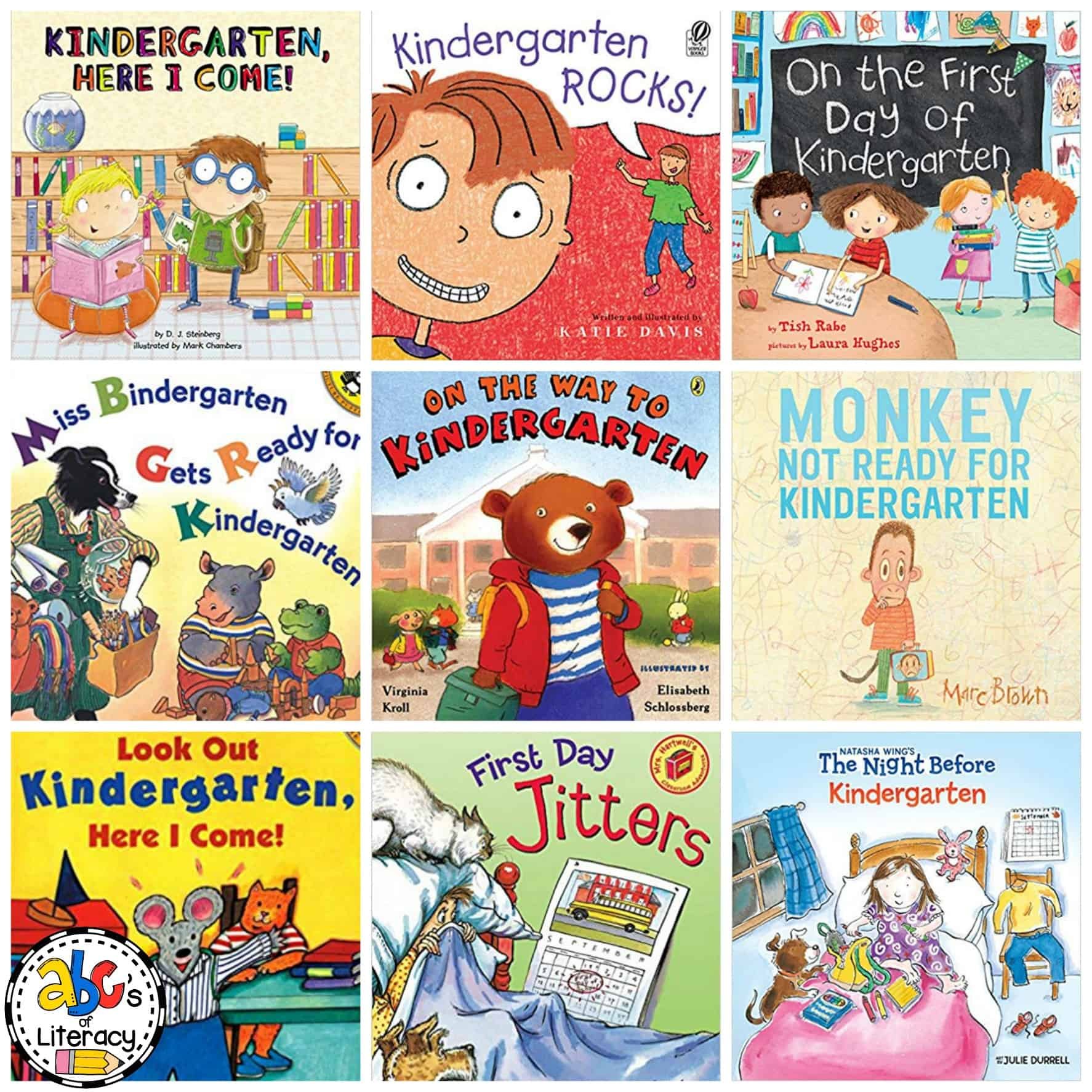
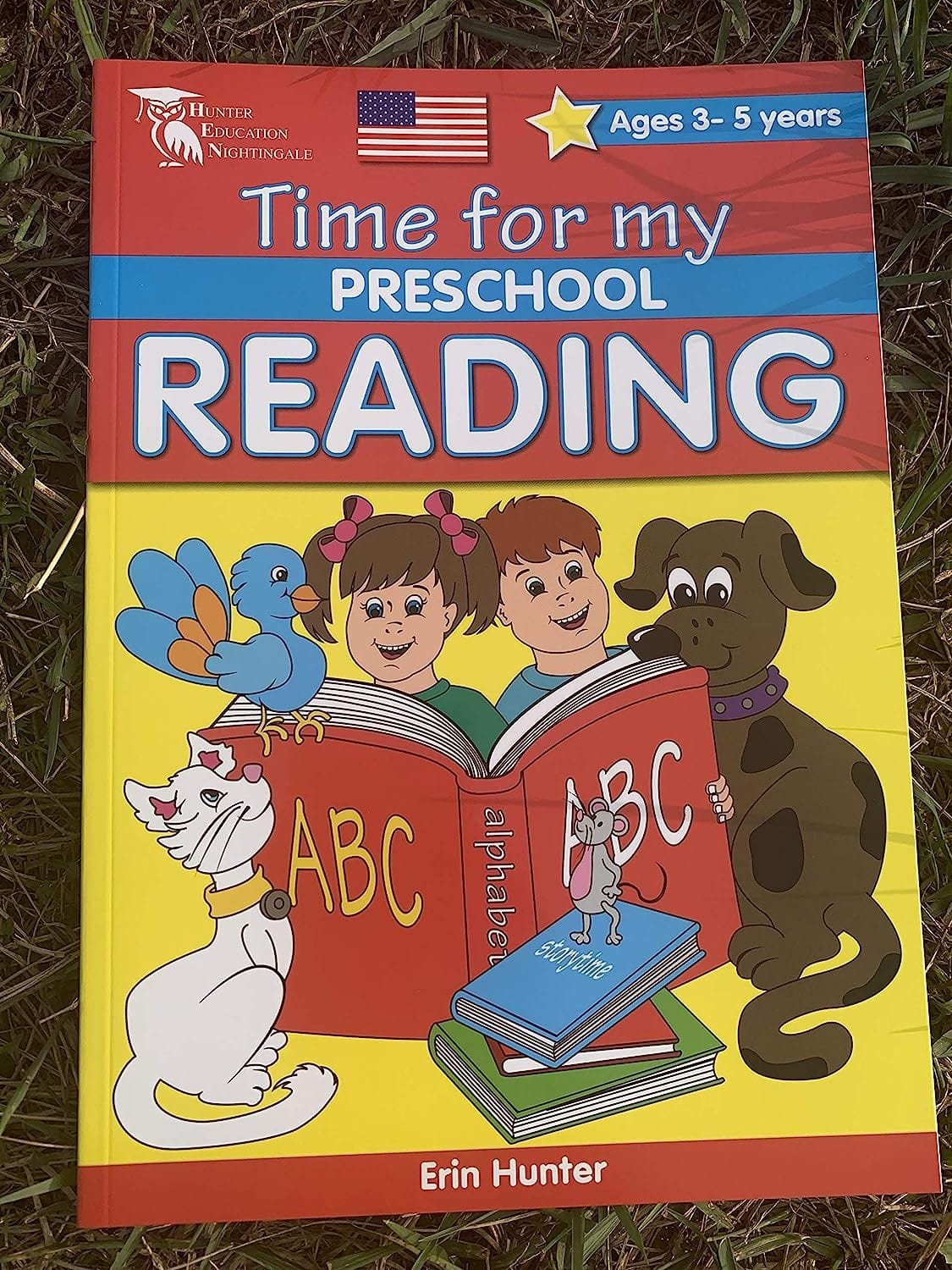
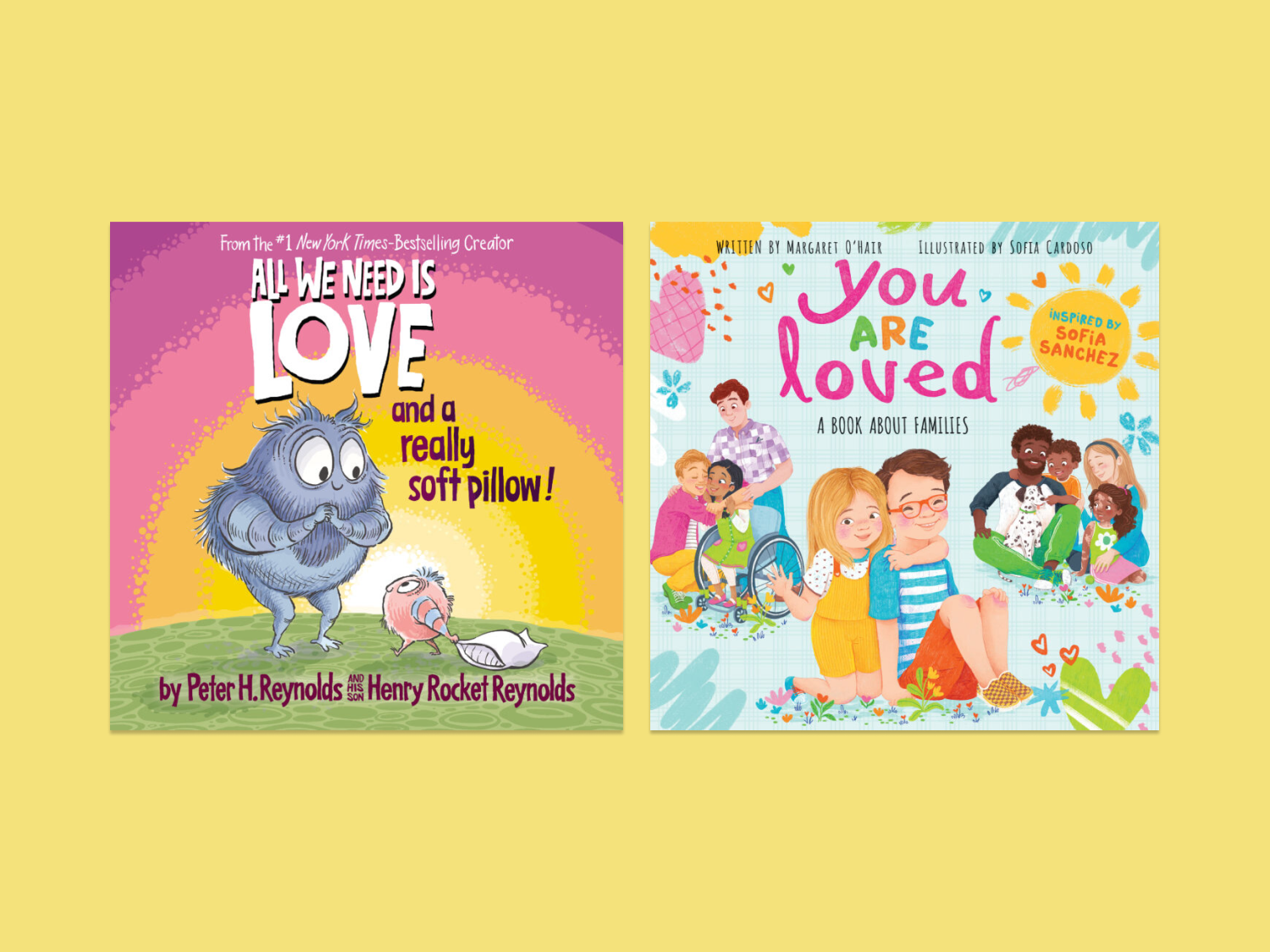
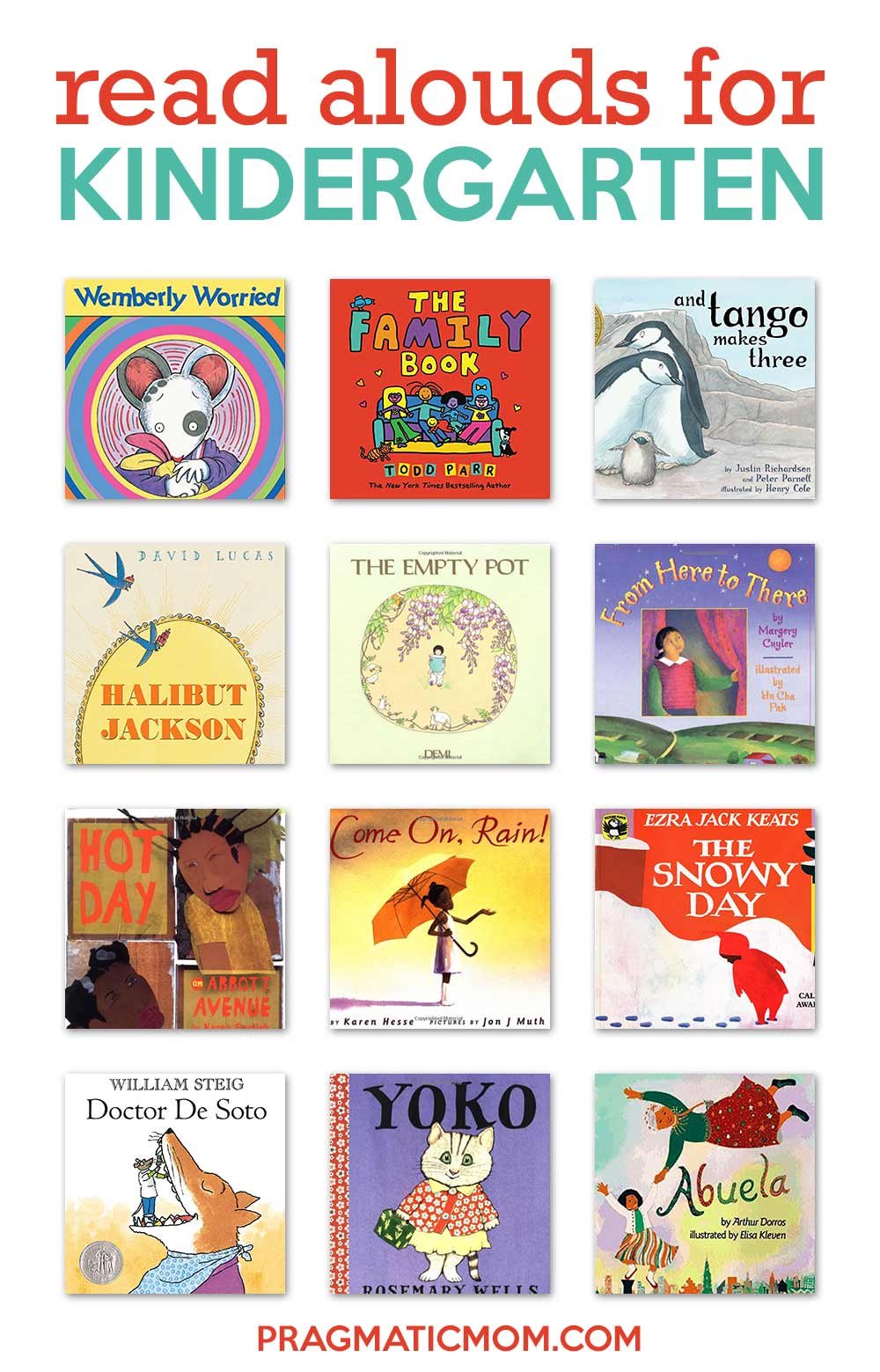
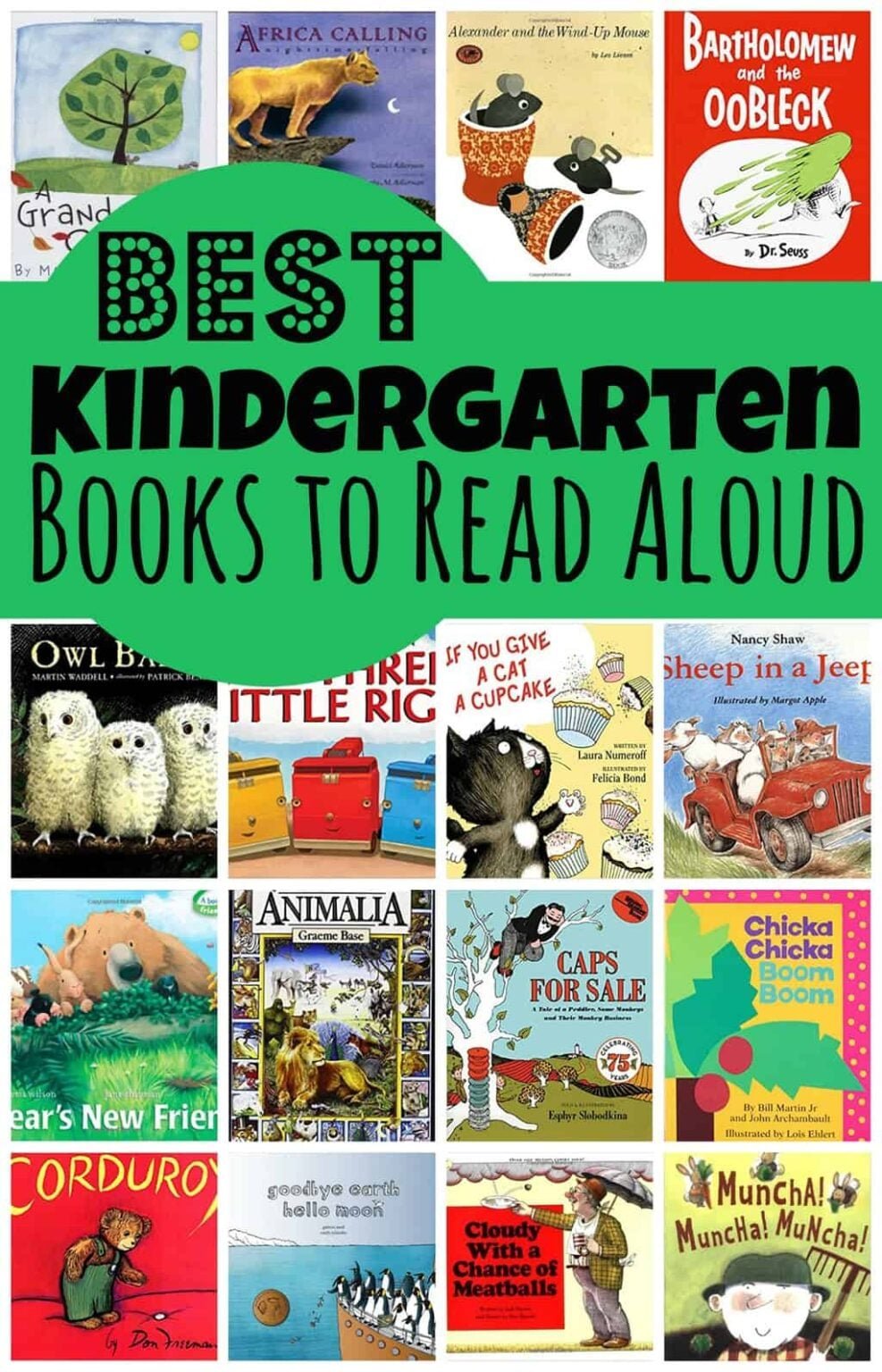
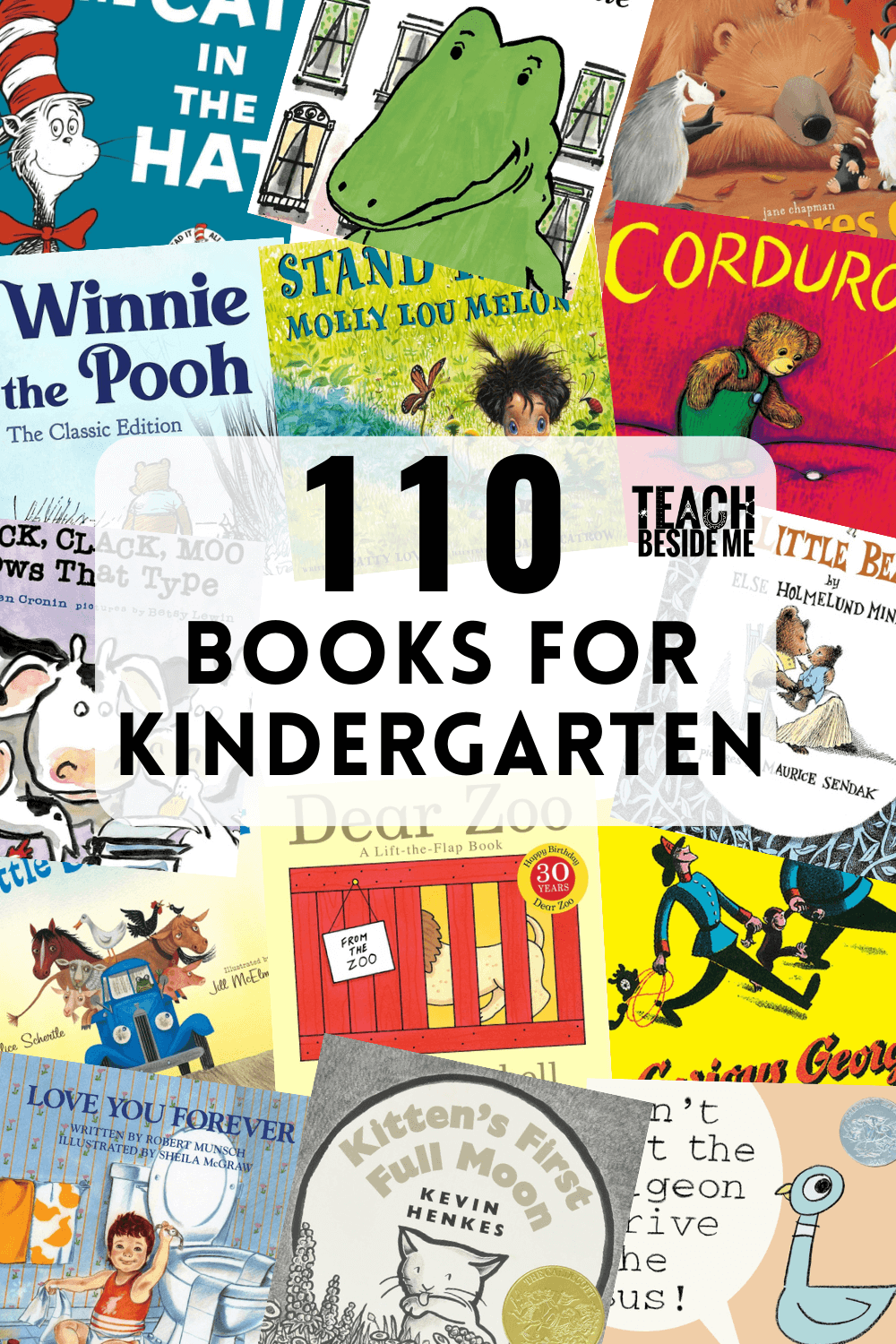
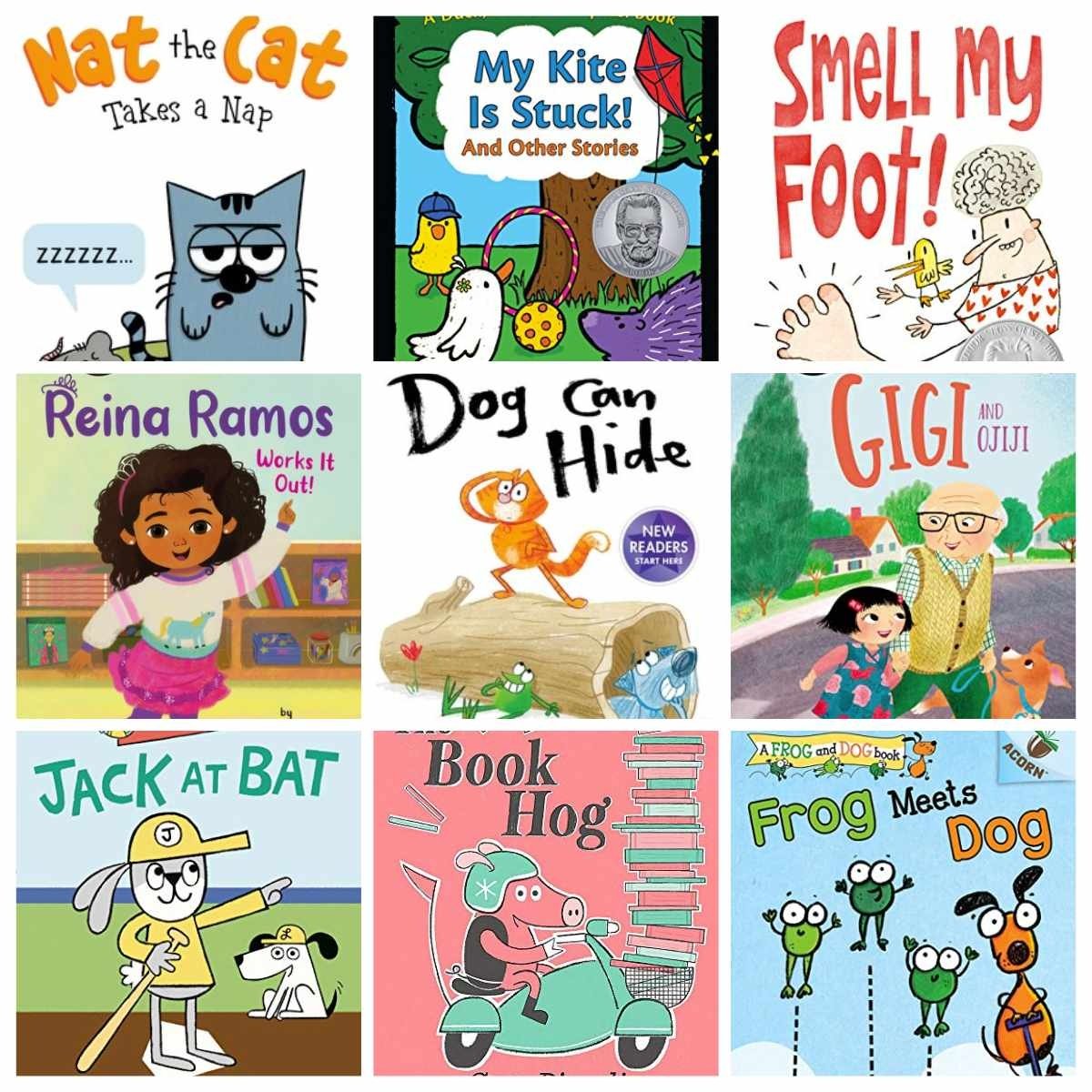
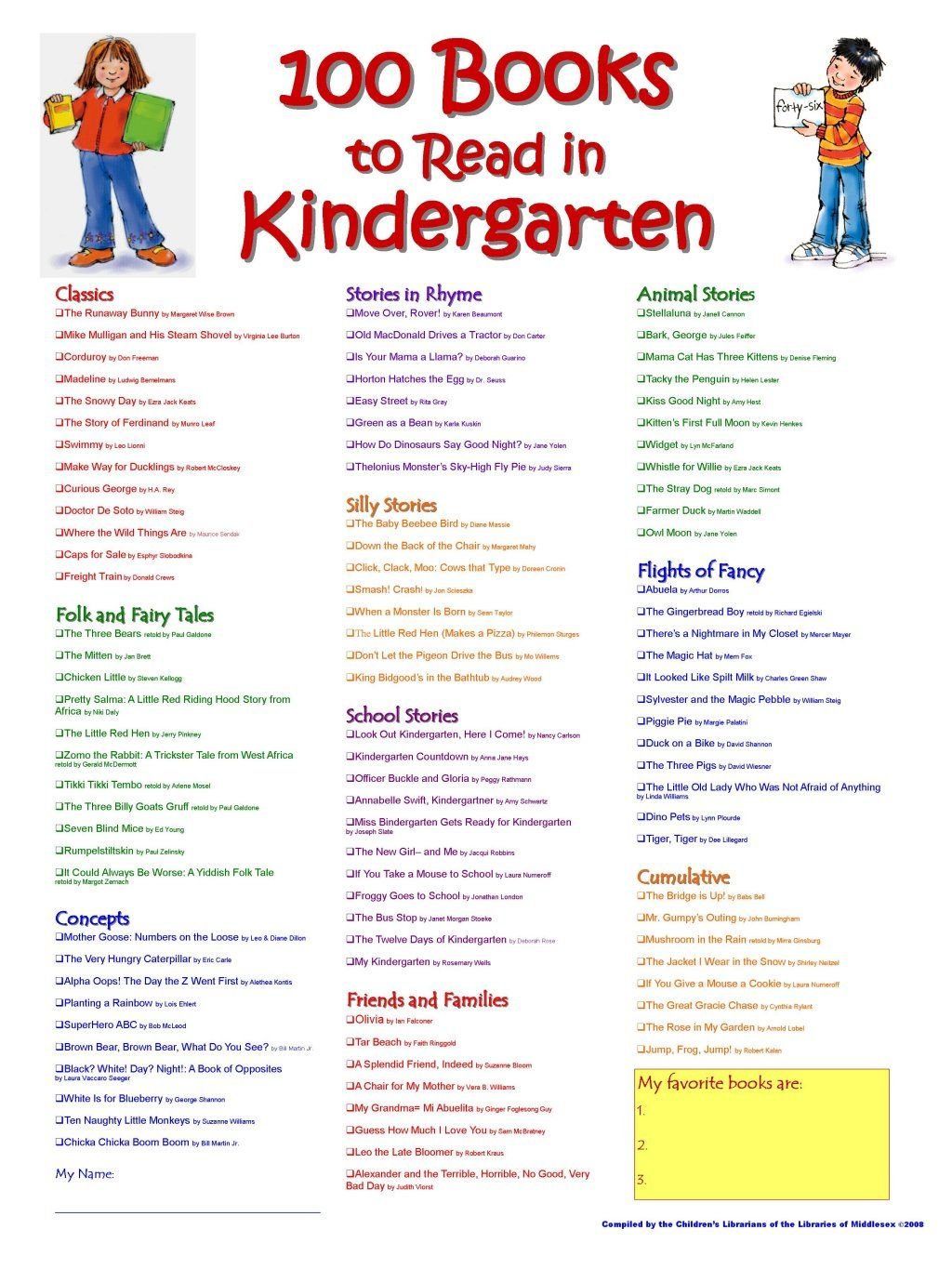
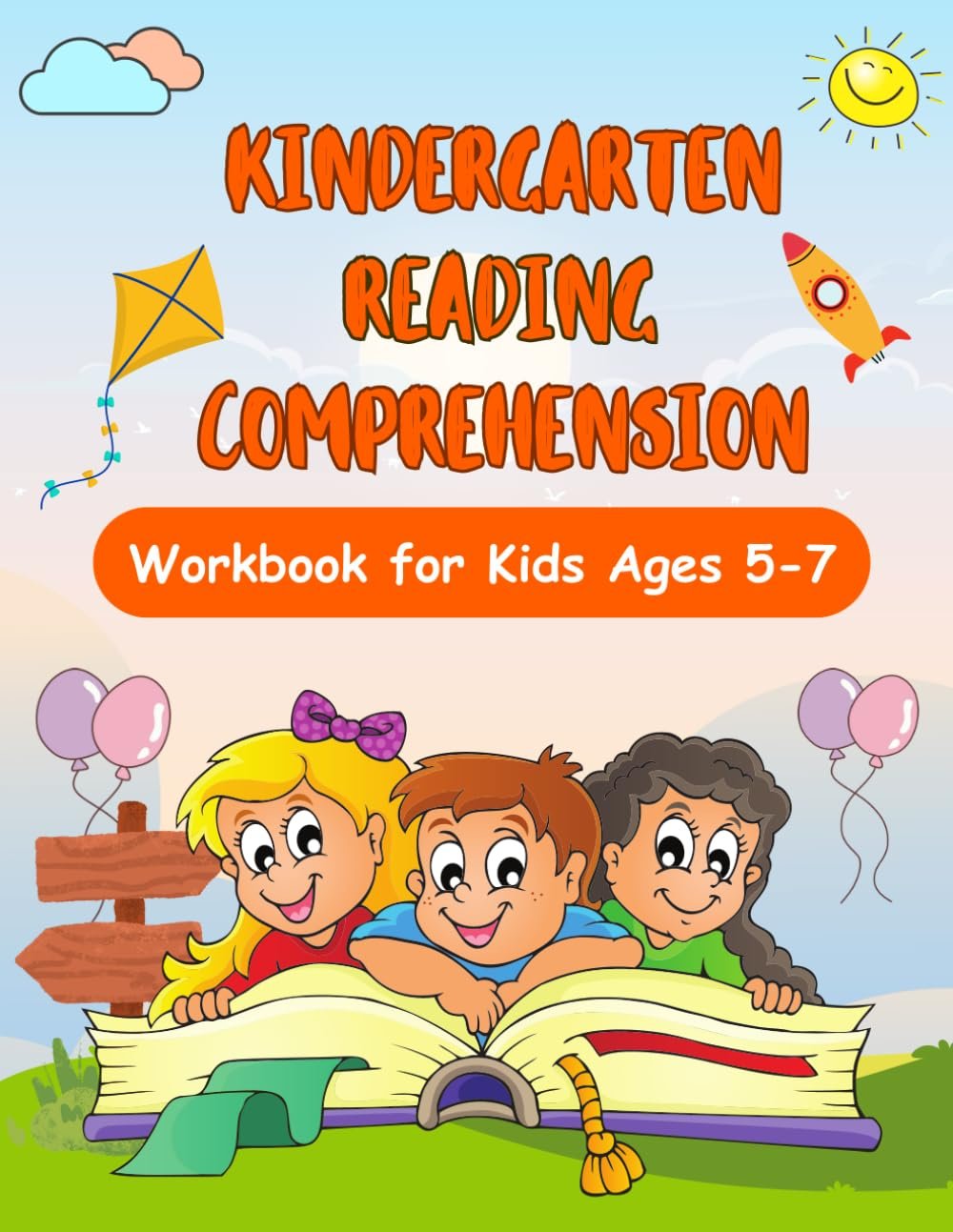
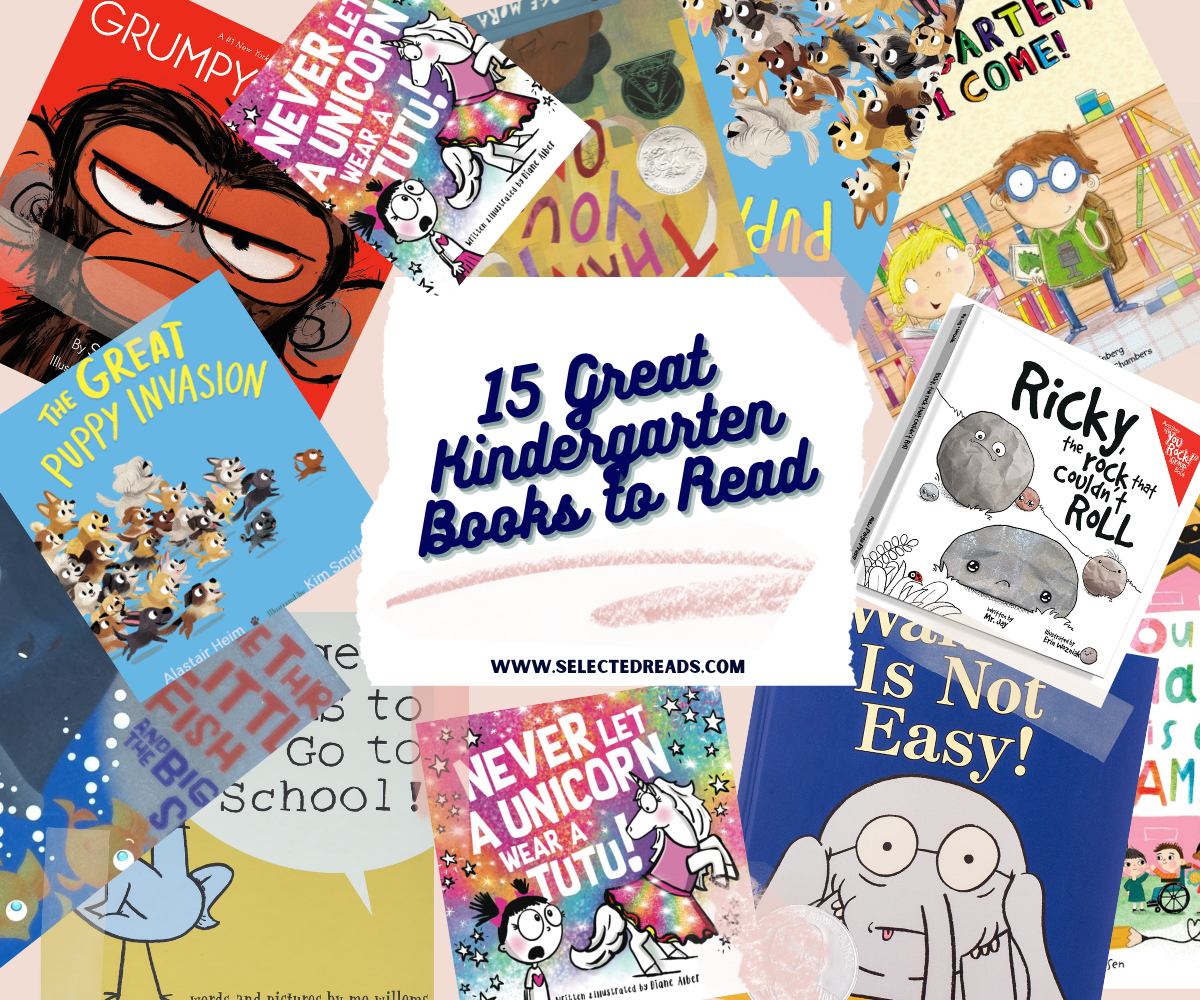
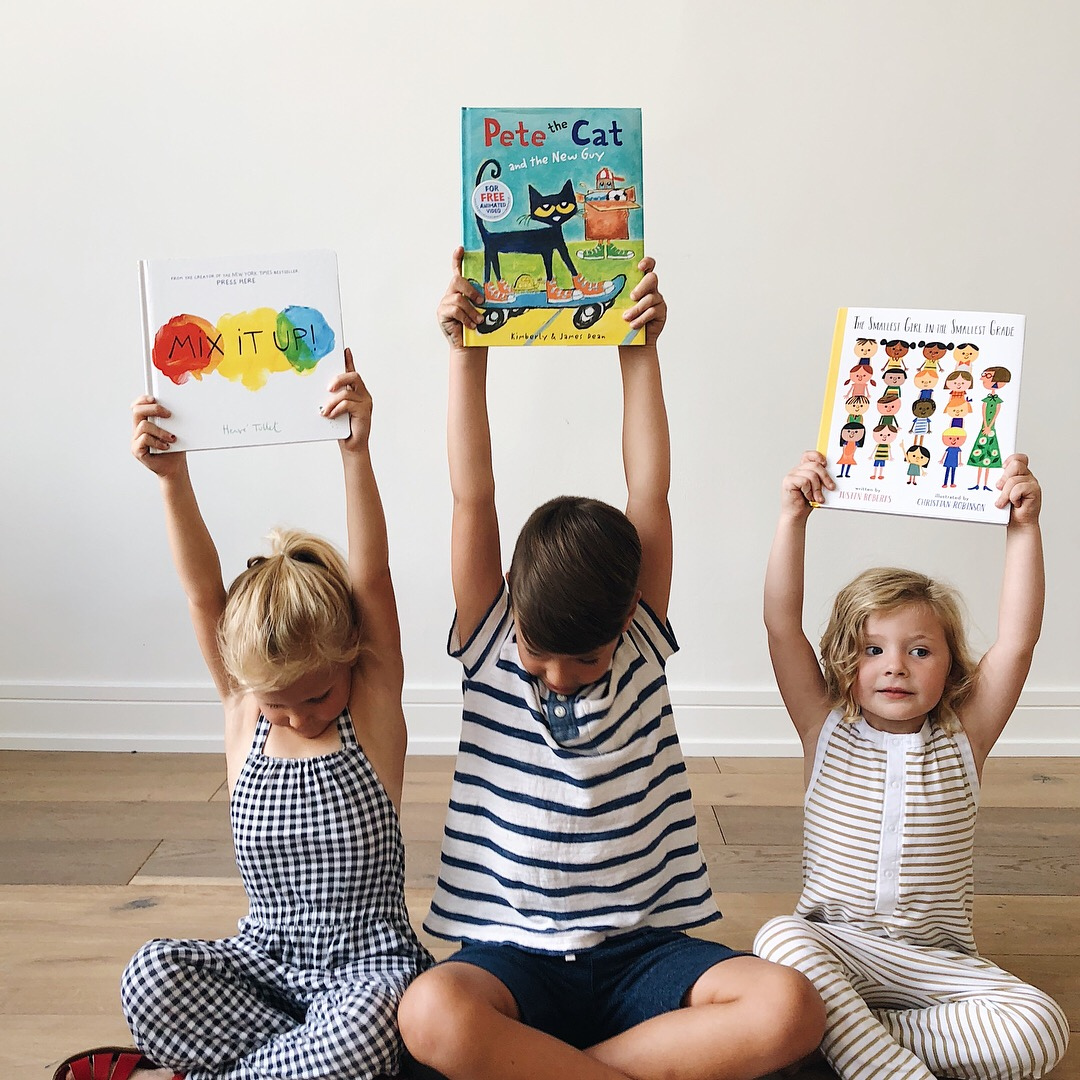
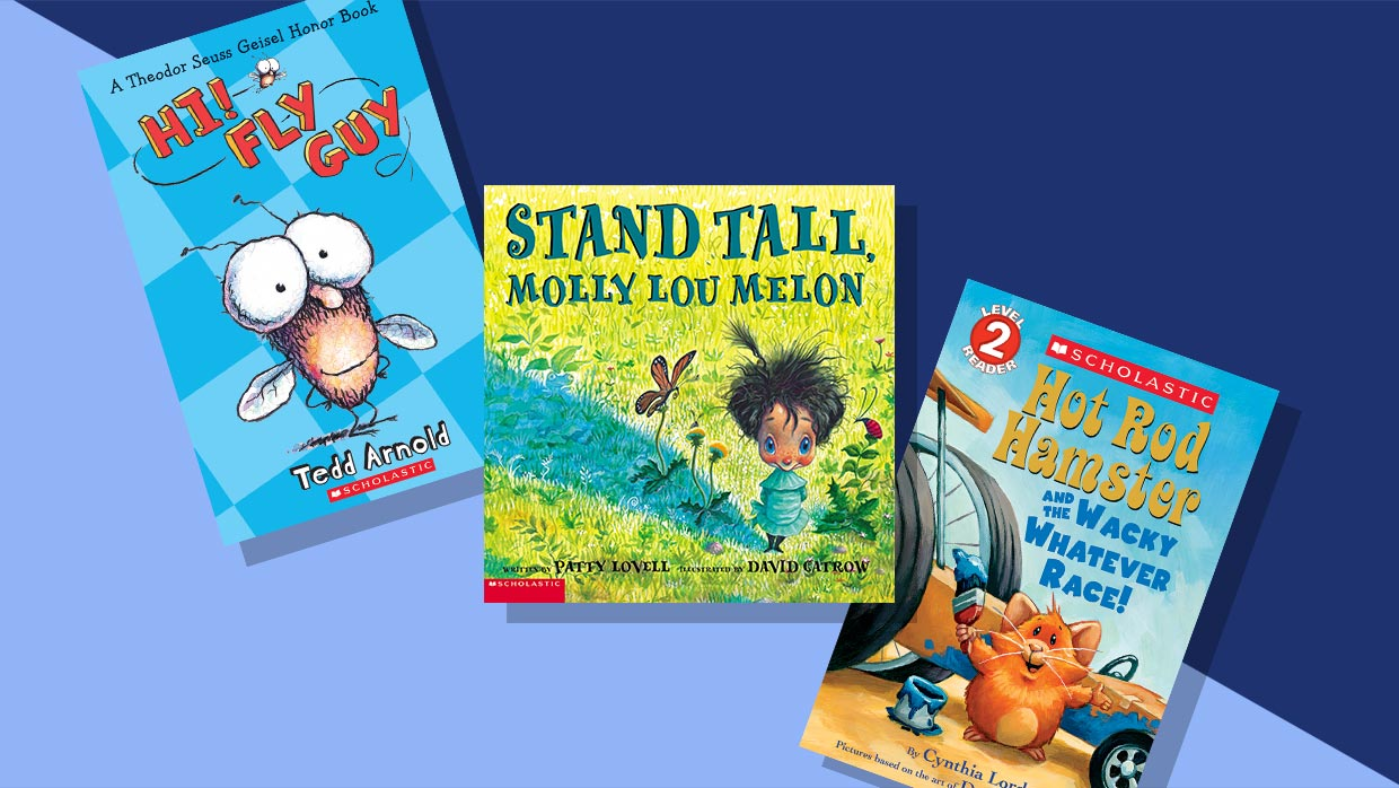
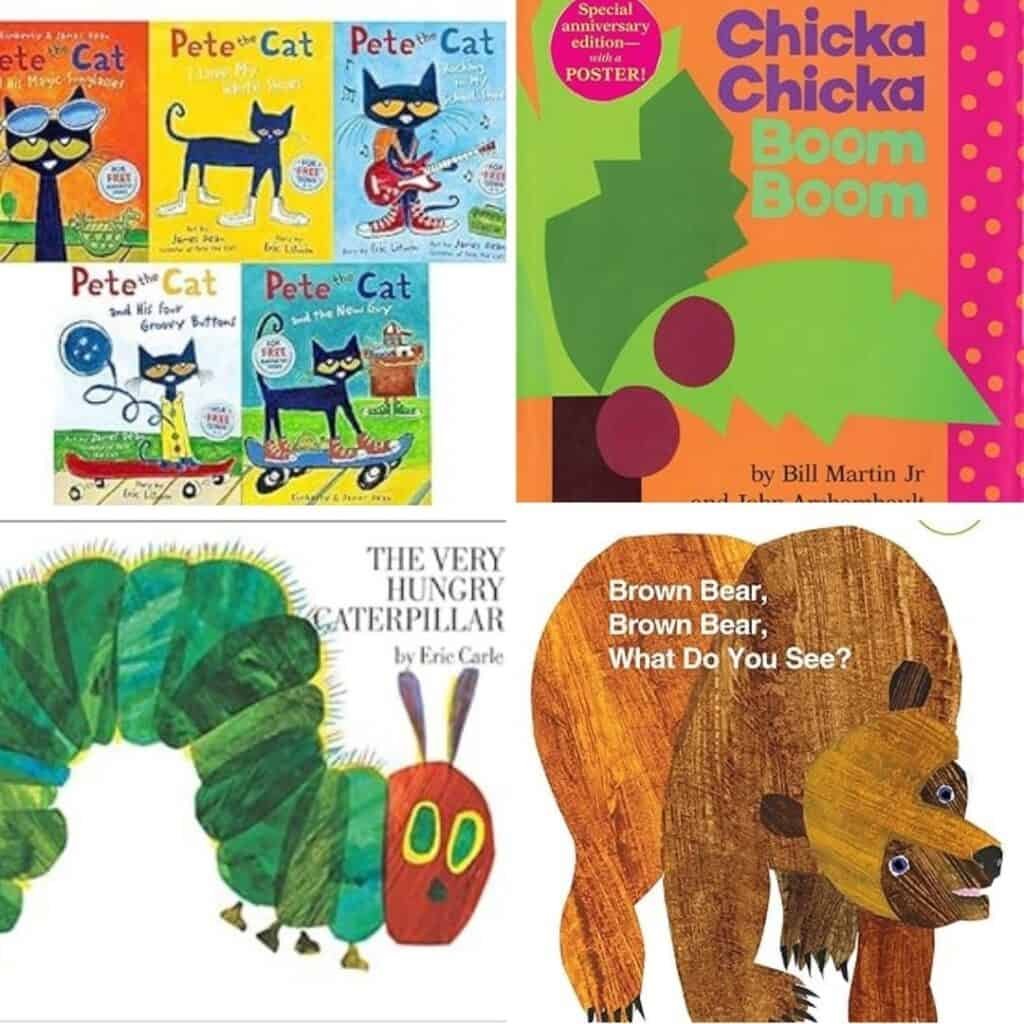
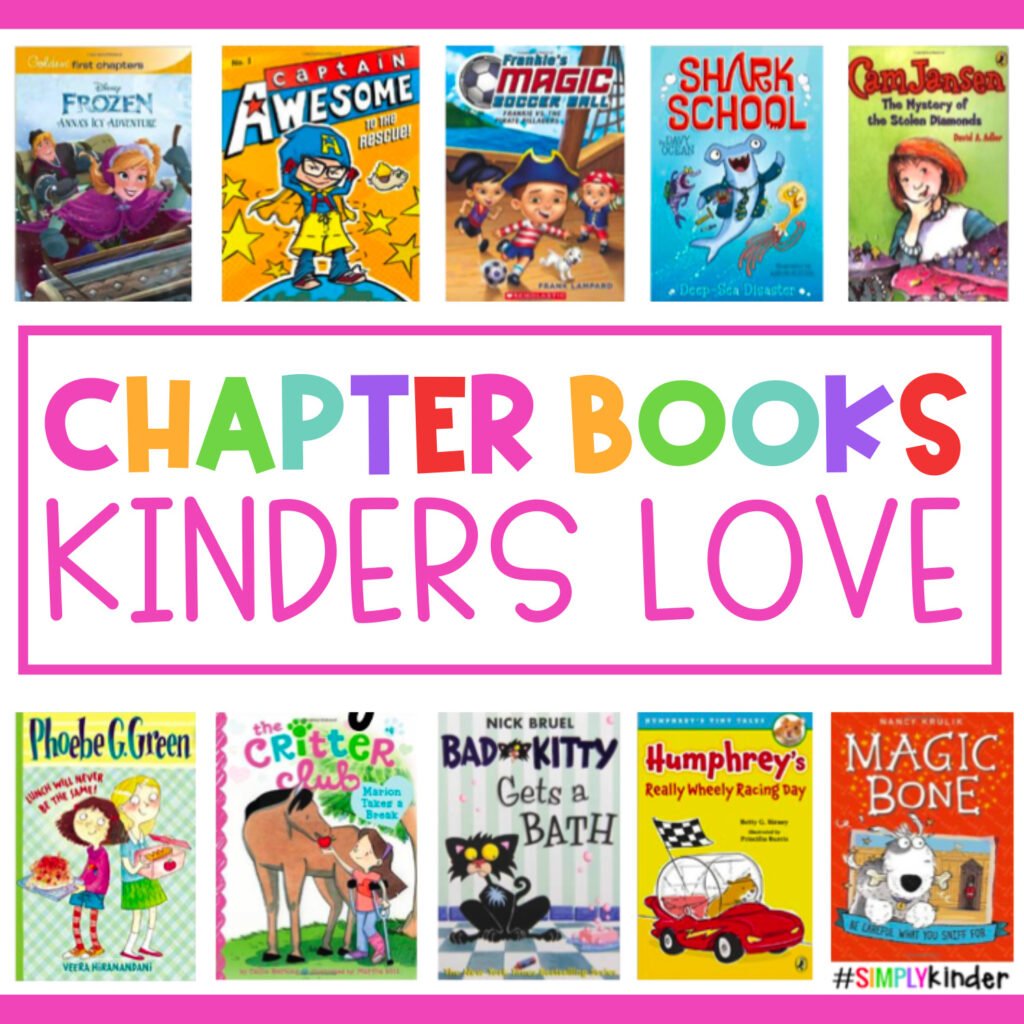
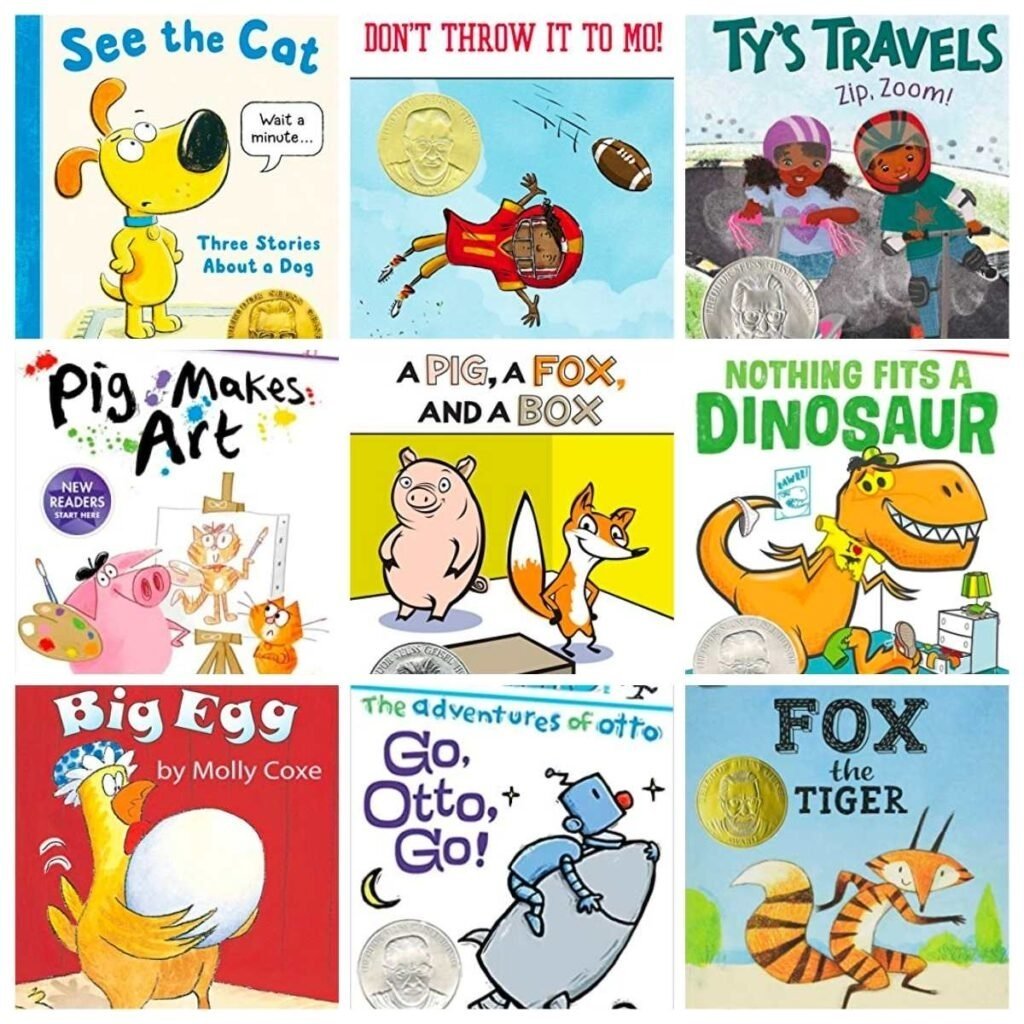
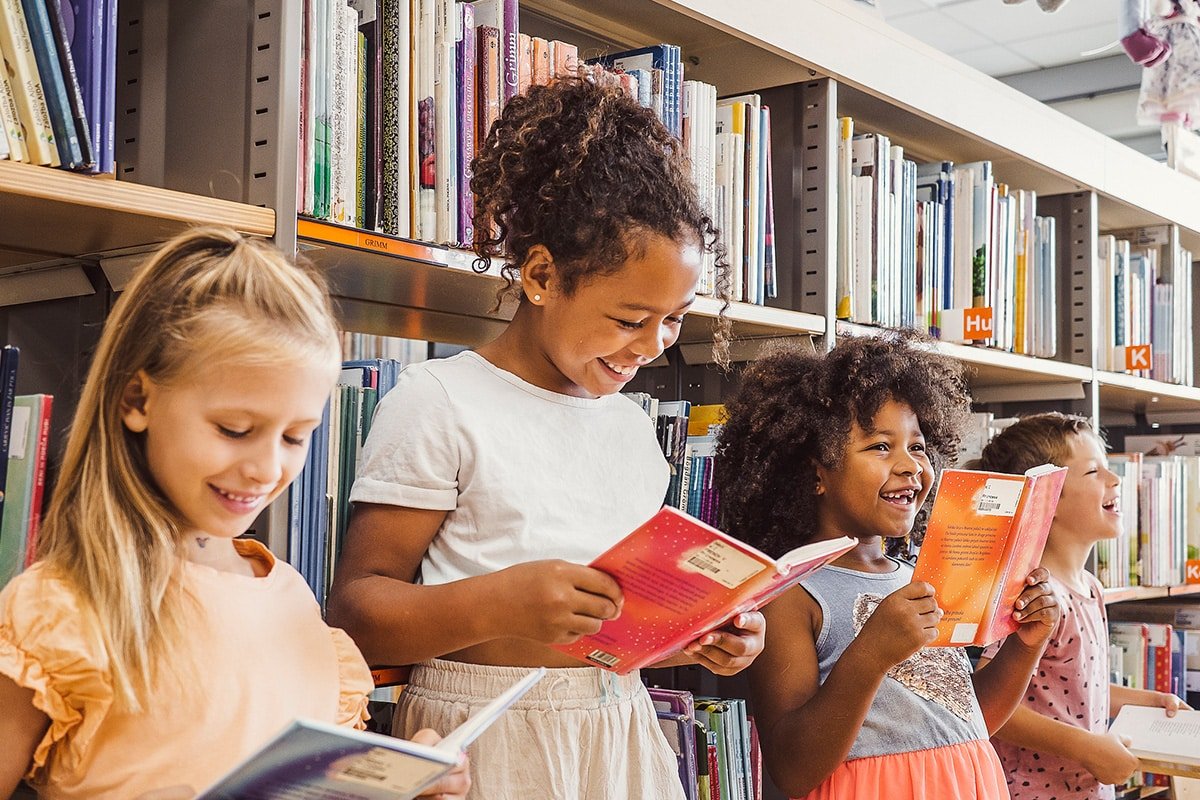
Printed Books: Traditional printed books remain a staple for kindergarten reading. Look for age-appropriate stories with lively illustrations and simple text. Consider investing in a diverse collection to cater to different interests and reading levels within your kindergarten class. For a closer look at something similar, my post on age for kindergarten covers the details.
Digital Books: Digital reading platforms offer interactive and engaging experiences. Services like Reading Eggs provide online lessons, phonics games, and books tailored for kindergarteners. These can be a great supplement to printed books, especially for homeschooling or remote learning scenarios.
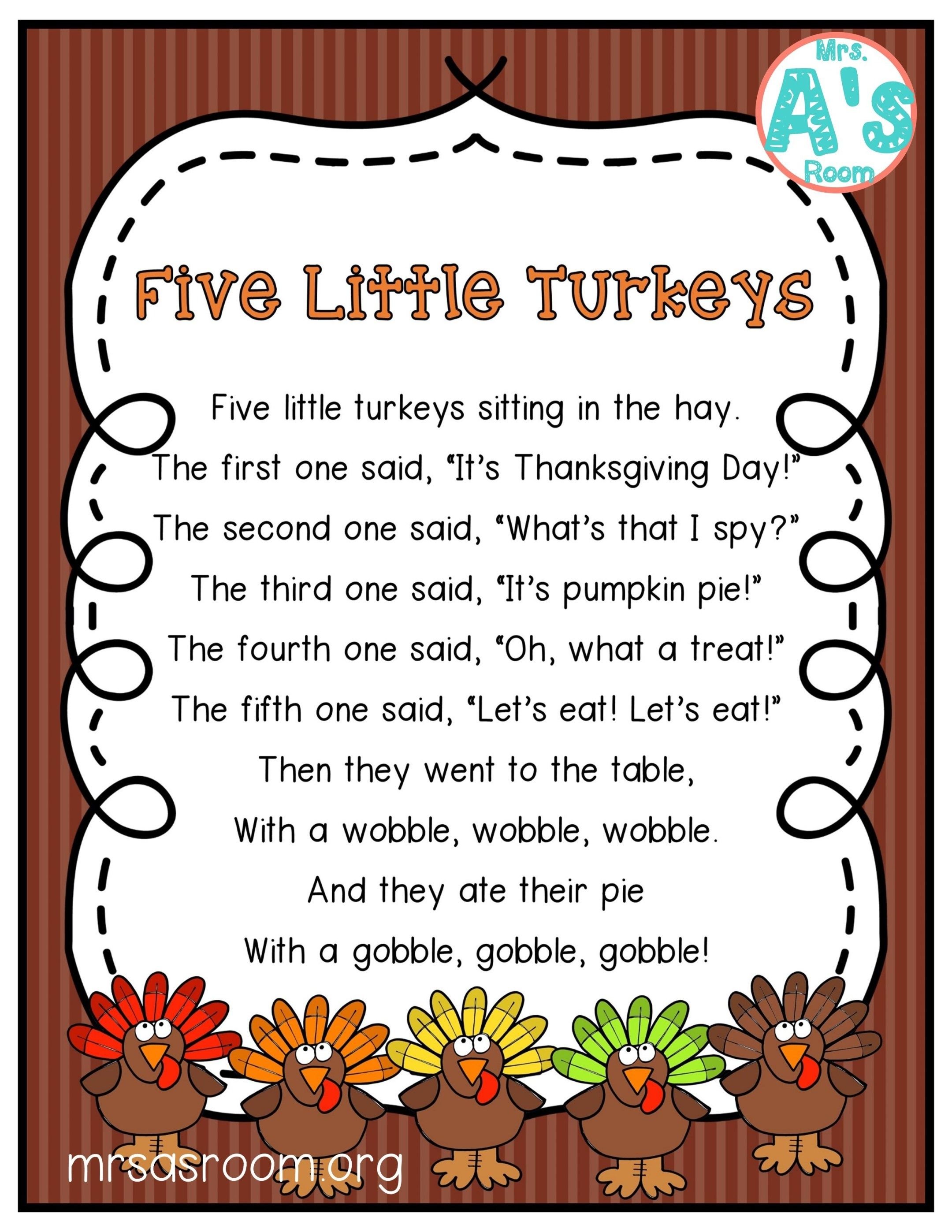
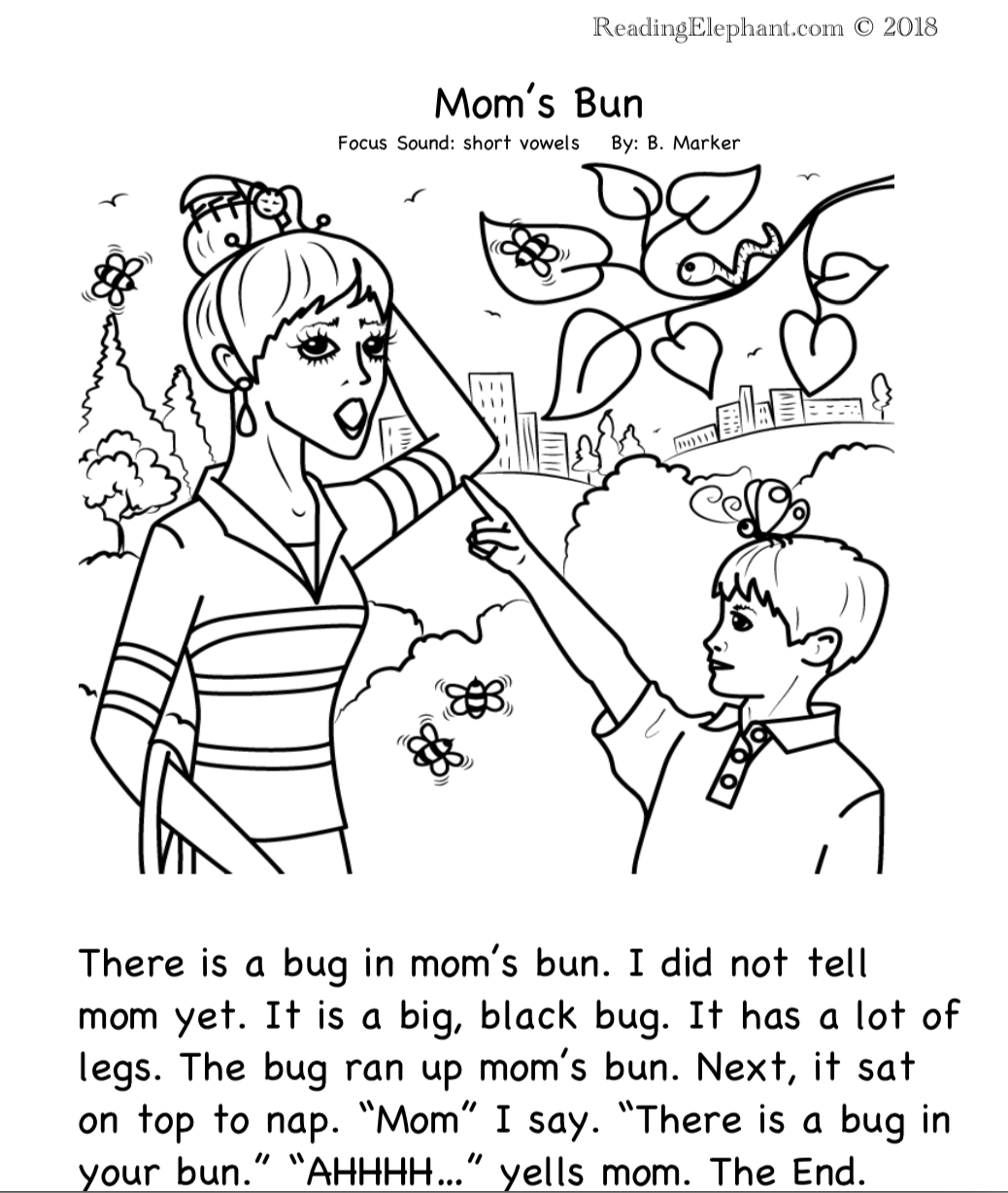
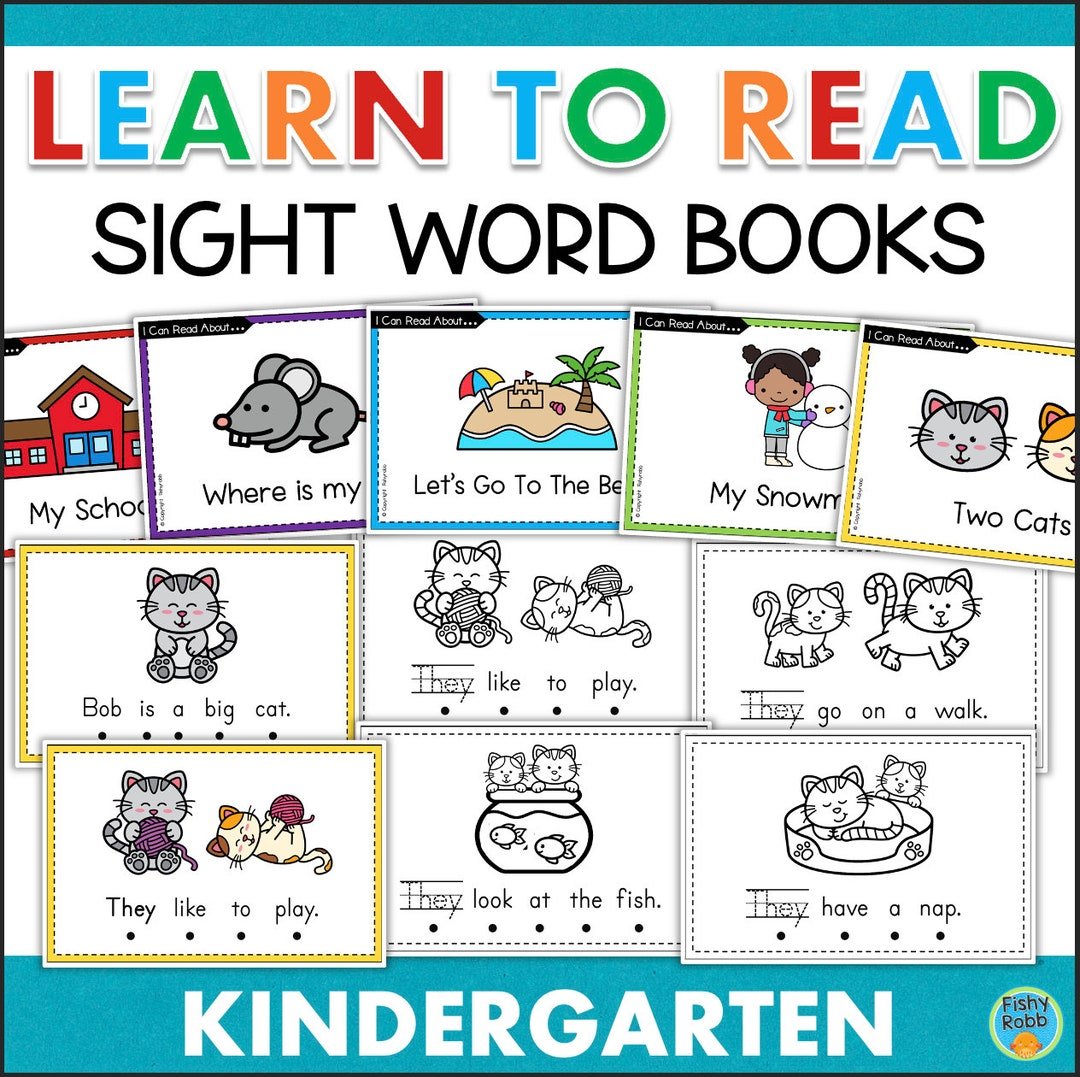
Printable Books: Websites like Peabody offer free printable books for kindergarteners. These short, simple stories with pictures on every page are perfect for beginners learning to read. You can print and assemble them into small books, making them an affordable and customizable option.
Sizing and Specifications:
When selecting kindergarten reading books, consider the following: If you want another perspective, check out my notes on games kindergarteners play as well.
Reading Level: Choose books that match the reading abilities of your kindergarteners. Look for books with simple vocabulary and short sentences, especially for early readers.
Page Count: Opt for books with a manageable page count, typically around 16-32 pages. This ensures the books are not overwhelming and encourages a sense of accomplishment when finished.
Font Size and Style: Select books with large, clear fonts that are easy to read. Avoid overly decorative fonts that may distract young readers. You can also compare this directly with kindergarten chocolate egg to see how they stack up.
Materials and Styling:
Paper Quality: High-quality paper ensures the books are durable and can withstand the enthusiasm of kindergarteners. Look for books with thick, non-glossy paper that is easy to turn and doesn't tear easily.
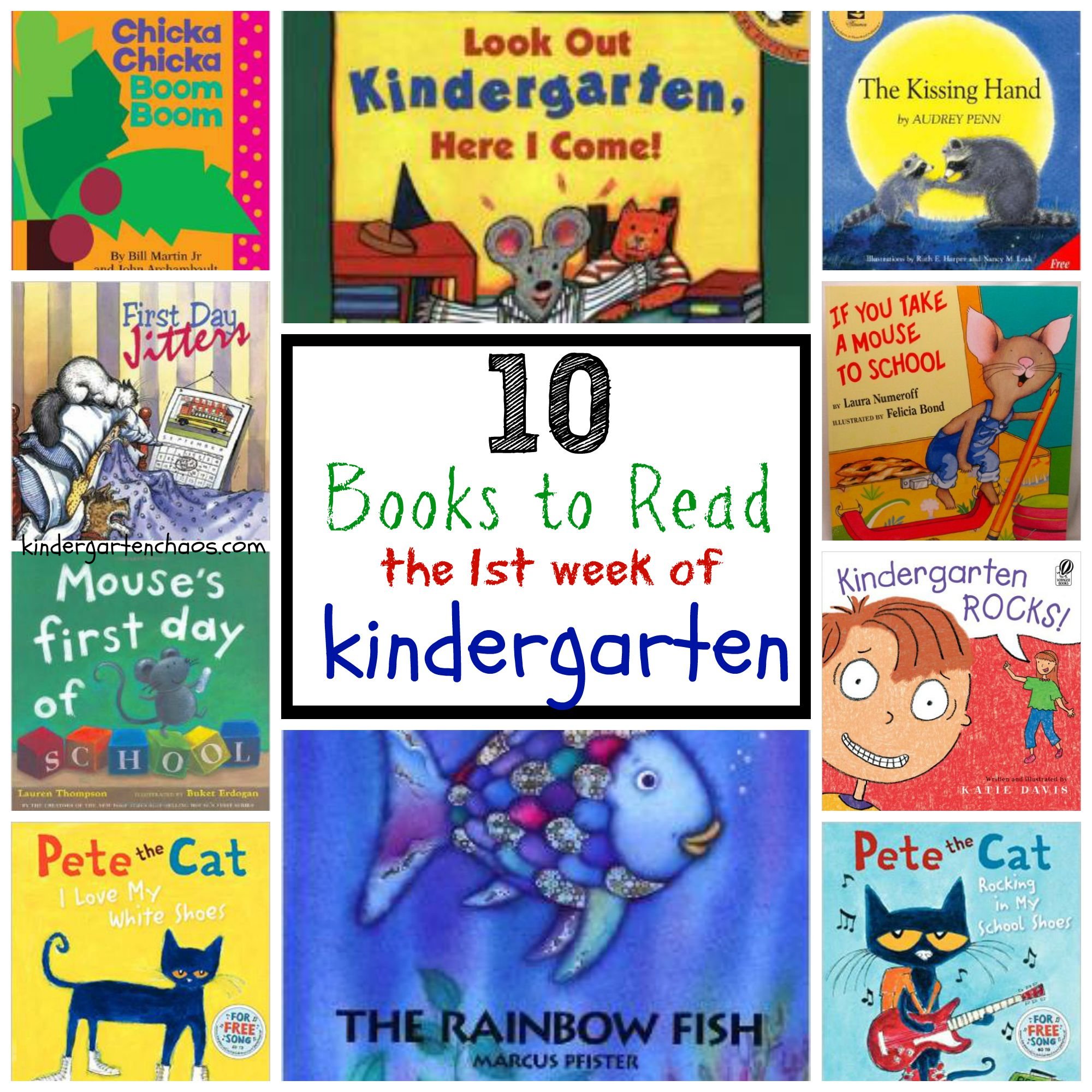
Learn To Read Books For Kindergarten — Kindergarten Reading Books Printables Binding: Consider the binding type. Spiral or comb bindings allow the book to lay flat, making it easier for children to read and follow along.
Illustrations: lively and engaging illustrations are key to capturing the interest of young readers. Look for books with colorful, detailed pictures that complement the story. For a closer look at something similar, my post on kindergarten math sheets covers the details.
Placement and Usage:
Classroom Library: Build a dedicated kindergarten reading worksheets library with a diverse range of books. Organize them by reading level and theme to make it easy for students to choose books that interest them.
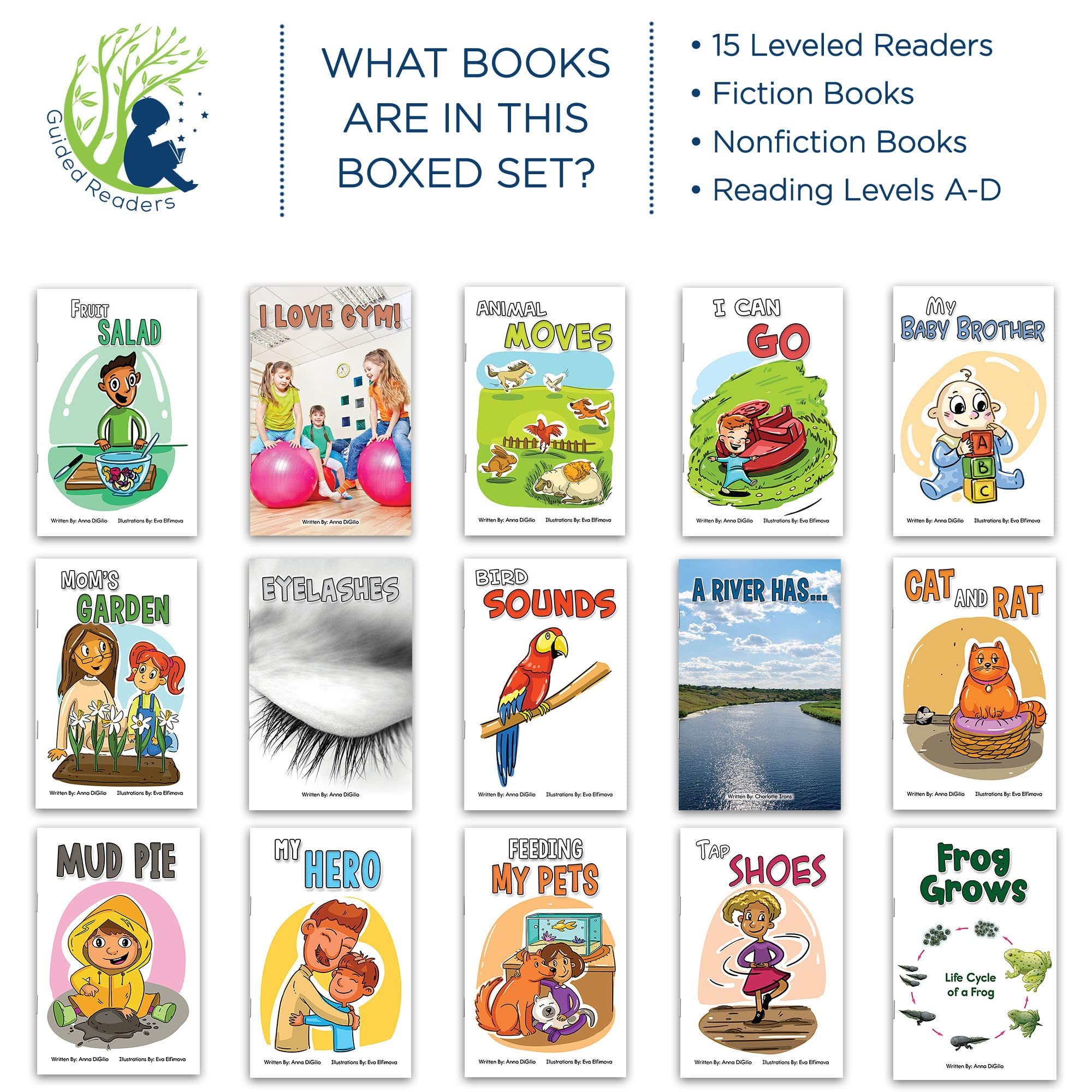
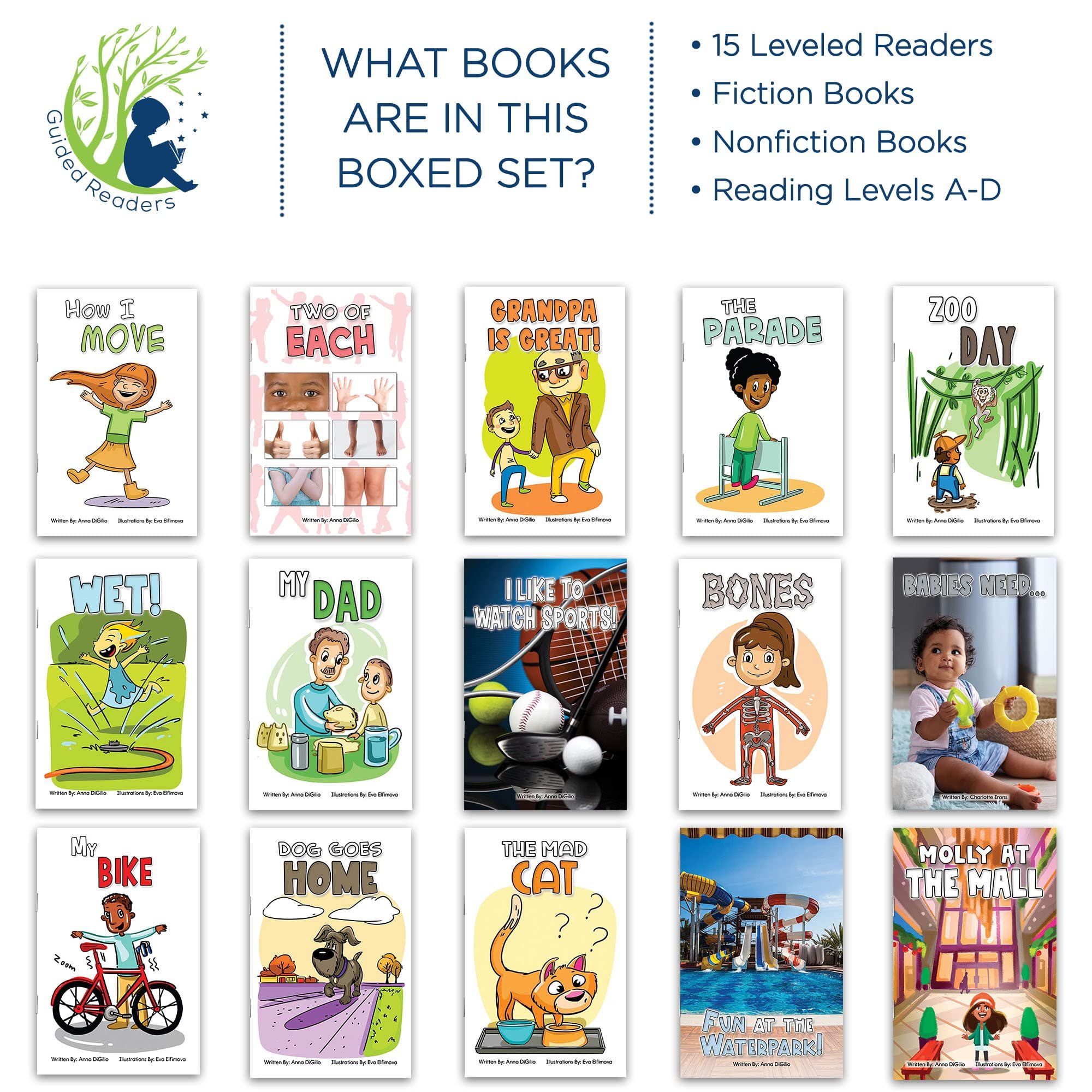
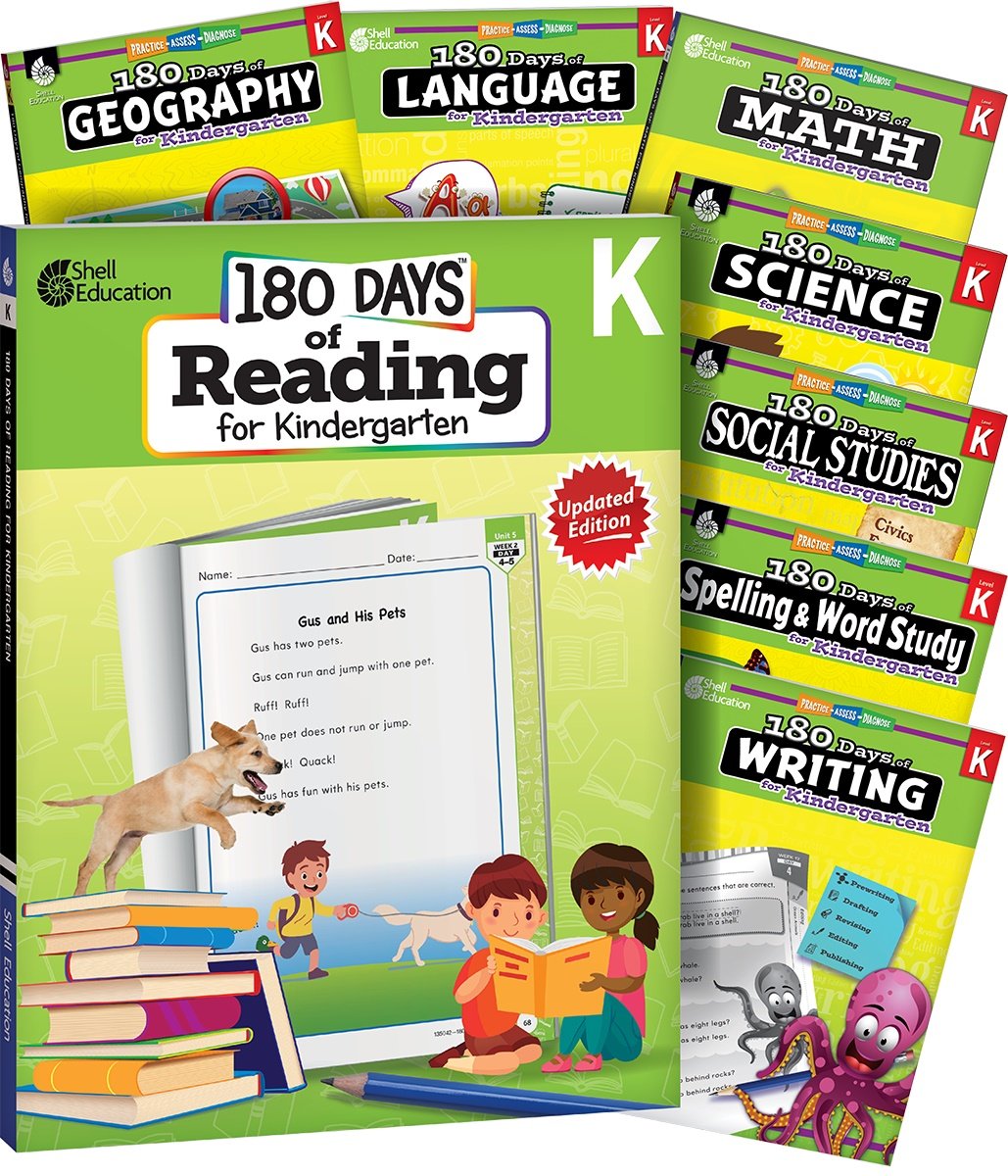
Snapklik Com Kindergarten Book Set Leveled — Kindergarten Learn Books Reading Corners: Create cozy reading corners in your classroom with comfortable seating and a selection of books. This encourages independent reading and provides a quiet space for students to immerse themselves in stories.
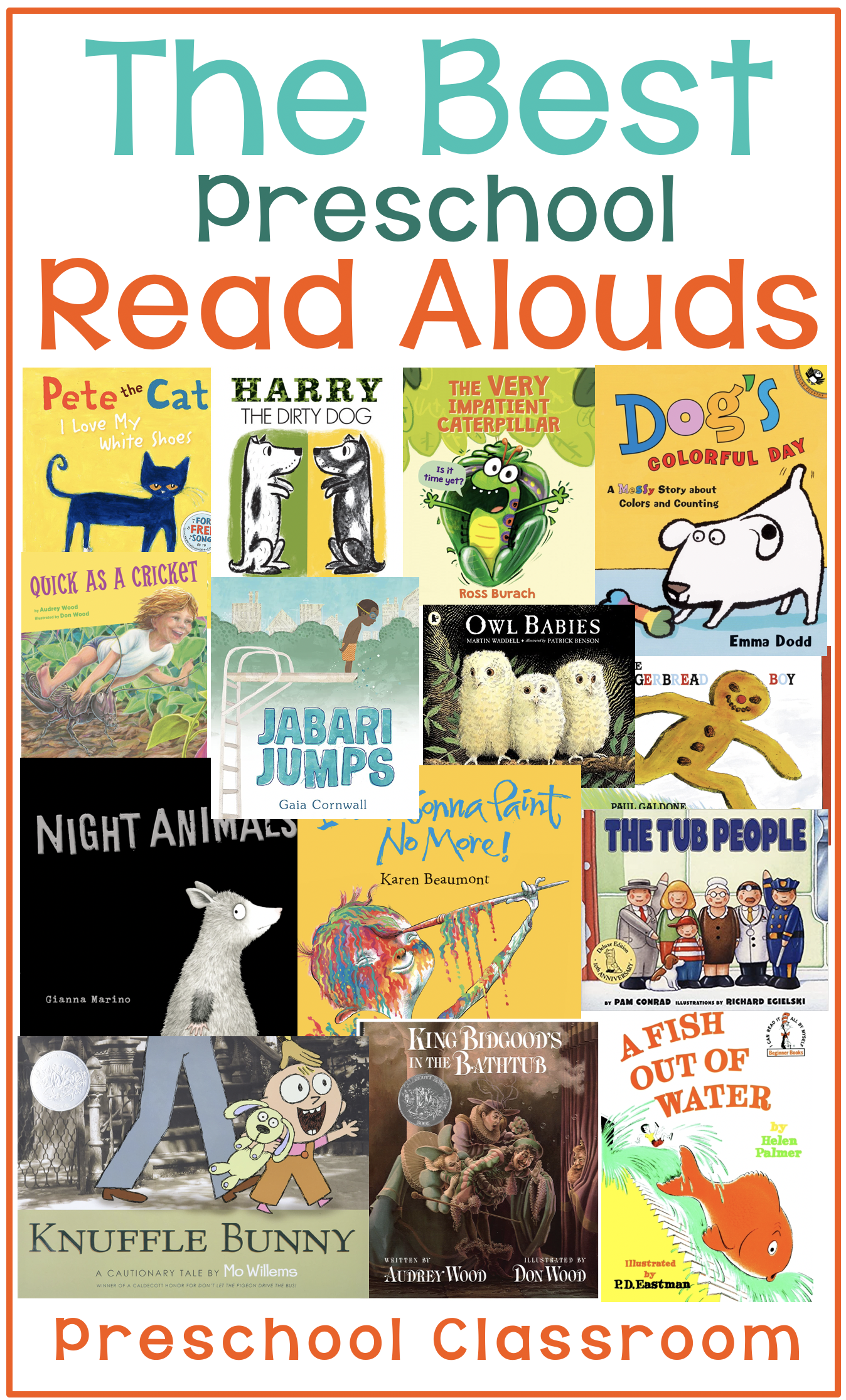
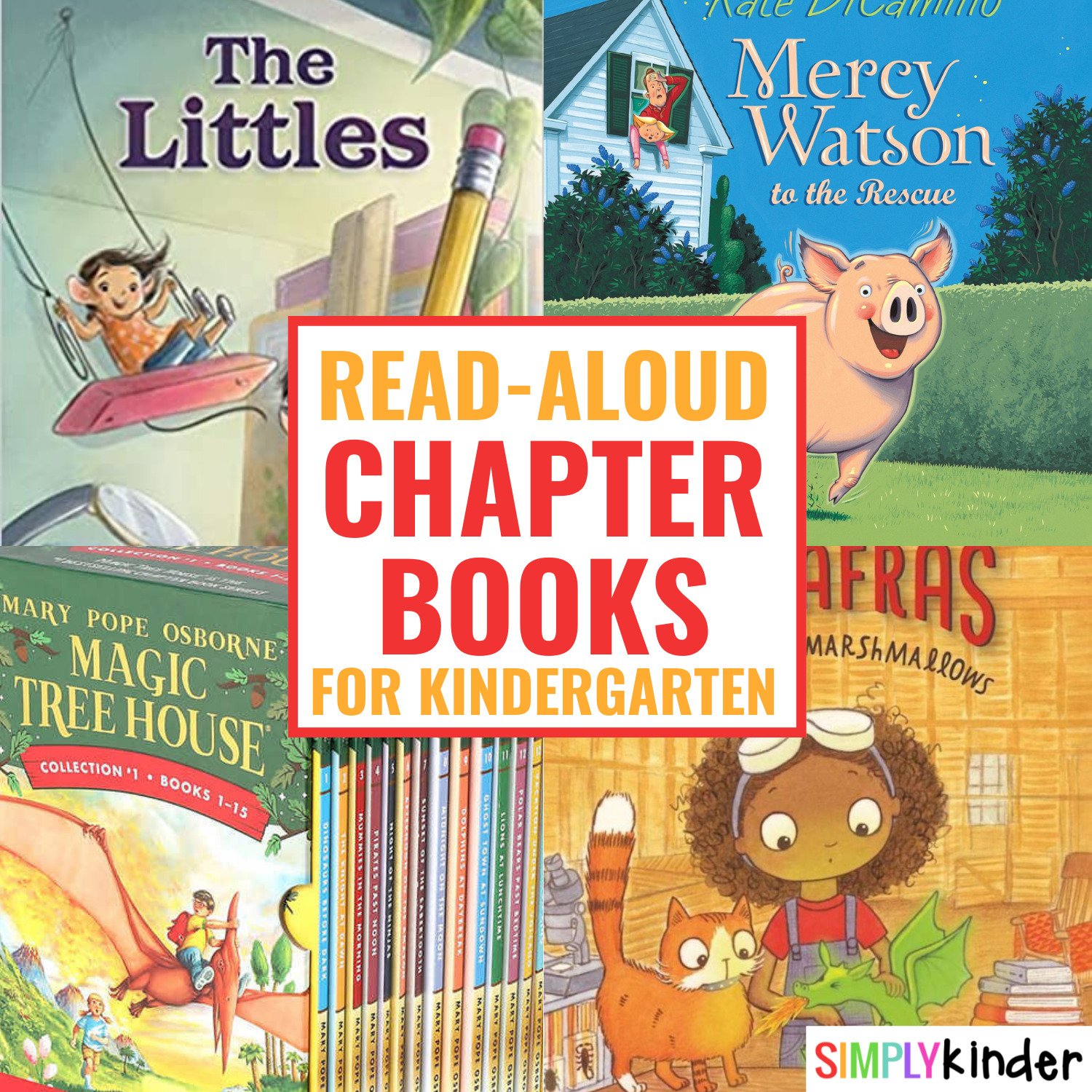
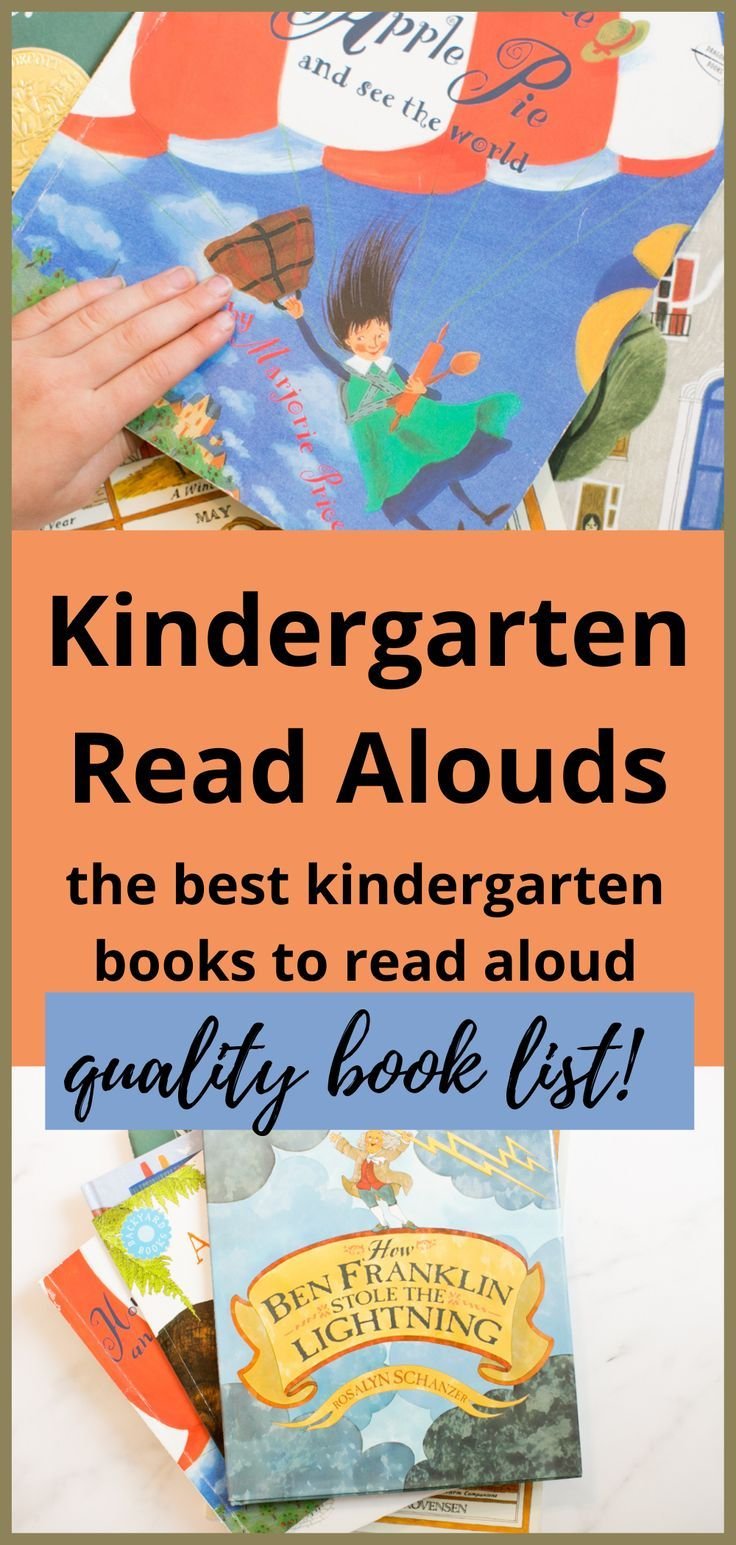
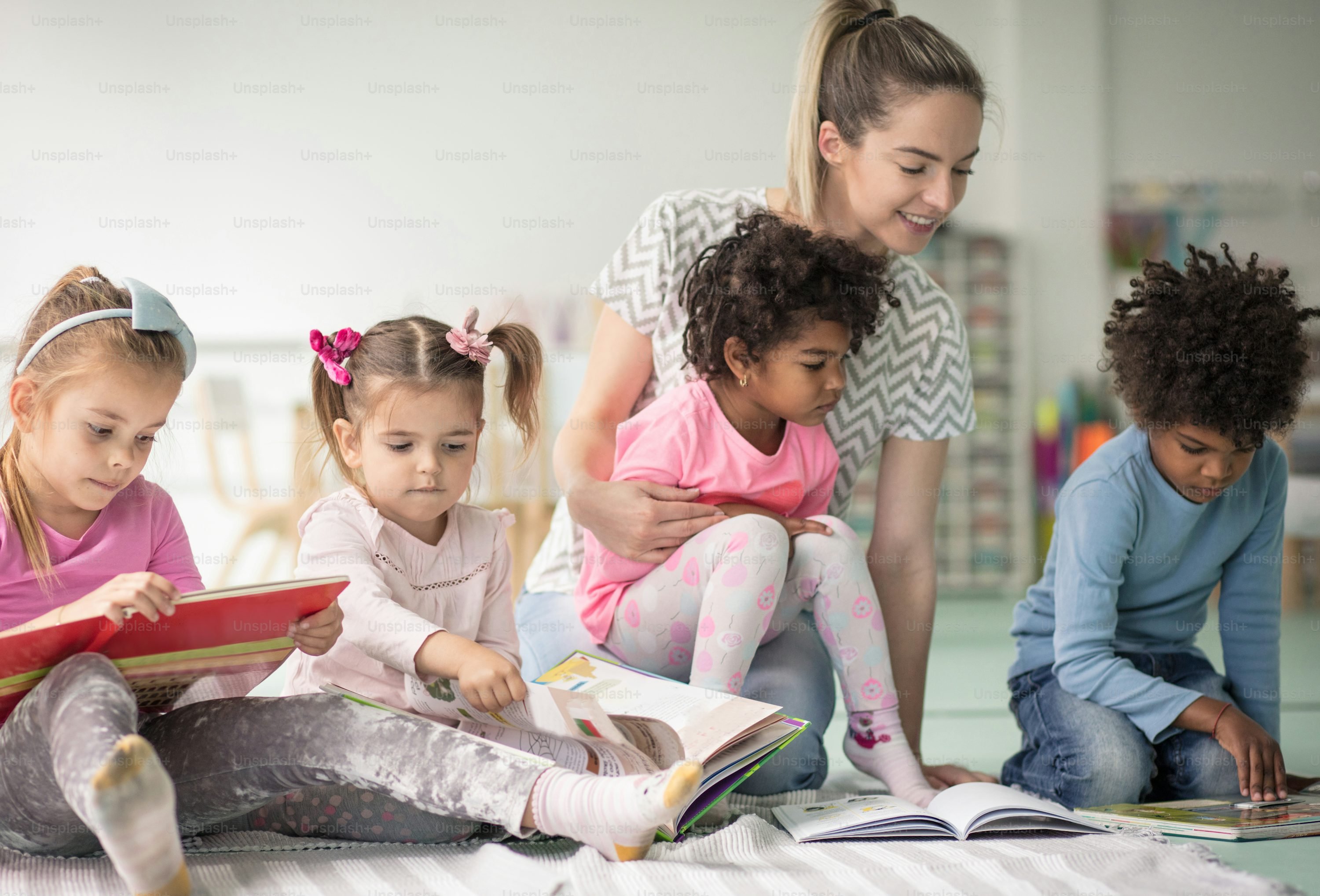
Read-Aloud Sessions: Incorporate kindergarten reading books into your daily routine with read-aloud sessions. Choose books with engaging storylines and use expressive reading to bring the stories to life.
What to Check Before Buying or Making Kindergarten Reading Books:
Curriculum Alignment: Ensure the books align with your kindergarten curriculum and cover the essential literacy skills you aim to teach.
Reviews and Recommendations: Read reviews and seek recommendations from other educators or homeschooling parents to find books that have proven successful with kindergarteners.
Author and Illustrator: Research the author and illustrator to ensure they have a good track record with creating engaging and educational content for young readers.
Remember, the key is to make reading an enjoyable and accessible experience for kindergarteners. By offering a variety of kindergarten reading books, you can inspire a love for reading that will benefit them throughout their educational journey.