The anticipation of labor can be a daunting experience, especially for first-time parents. Understanding the different phases of labor can help alleviate some of the fears and uncertainties that come with this life-changing event. Labor is a complex process that involves the coordination of multiple physiological and hormonal changes, ultimately leading to the birth of a baby. In this article, we will delve into the three main phases of labor, exploring what happens during each phase, and providing expert insights to help you navigate this journey.
Phase 1: Early Labor
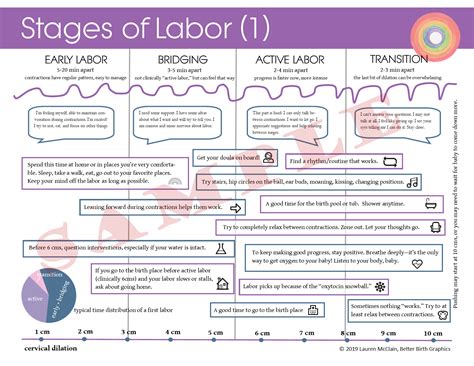
Early labor, also known as the latent phase, is the initial stage of labor where the body starts to prepare for the birth of the baby. This phase can last anywhere from a few hours to a few days, during which the cervix begins to dilate and efface (thin out). Women may experience mild contractions, which can feel like menstrual cramps or a tight band around the abdomen. These contractions can be irregular and may spaced far apart, but they play a crucial role in helping the cervix to dilate.
Key Characteristics of Early Labor:
- Mild contractions that may feel like menstrual cramps
- Contractions can be irregular and spaced far apart
- Cervix begins to dilate and efface
- Women may experience a bloody show, which is a sign of the body’s preparation for labor
It's essential to remember that every woman's experience with early labor is unique, and the duration can vary significantly. While some women may experience a rapid progression to active labor, others may take longer. It's crucial to stay hydrated, rested, and focused on breathing techniques to help manage any discomfort during this phase.
Phase 2: Active Labor
Active labor marks the transition from early labor to a more intense and frequent contraction pattern. During this phase, the cervix dilates more rapidly, and contractions become stronger and closer together. Women may experience a range of emotions, from excitement and anticipation to fear and anxiety. It’s essential to have a support system in place, including a partner, doula, or healthcare provider, to provide emotional reassurance and guidance.
Key Characteristics of Active Labor:
- Contractions become stronger and closer together
- Cervix dilates more rapidly, typically from 4-7 centimeters
- Women may experience a surge of hormones, including oxytocin and adrenaline
- Contractions can become more intense, with a peak intensity that lasts for around 60-90 seconds
Managing Active Labor:
- Focus on deep breathing techniques to help manage pain and discomfort
- Use positioning and movement to help the baby move down the birth canal
- Stay hydrated with water and electrolyte-rich drinks
- Have a support system in place to provide emotional reassurance and guidance
Phase 3: Transition and Pushing
The transition phase marks the final stage of labor, where the cervix dilates to 10 centimeters, and the baby moves down the birth canal. This phase can be the most intense, with contractions becoming extremely strong and close together. Women may experience a range of emotions, from feeling overwhelmed to feeling an overwhelming urge to push.
Key Characteristics of Transition and Pushing:
- Contractions become extremely strong and close together
- Cervix dilates to 10 centimeters
- Women may experience an overwhelming urge to push
- The baby moves down the birth canal, and the head begins to crown
Pros and Cons of Different Pushing Techniques:
There are various pushing techniques that women can use during labor, each with its pros and cons. For example, the "purple pushing" technique, where women hold their breath and push, can be effective but may also increase the risk of tearing. On the other hand, the "exhaling pushing" technique, where women exhale slowly while pushing, can help to reduce the risk of tearing but may be less effective for some women.
FAQ Section
What are the signs of early labor, and how can I distinguish them from false labor pains?
+The signs of early labor include mild contractions, a bloody show, and a change in cervical mucus. To distinguish early labor from false labor pains, look for contractions that become more frequent and intense over time, and a change in the cervix, such as dilation and effacement.
How long does active labor typically last, and what can I expect during this phase?
+Active labor can last anywhere from 2-8 hours, depending on the individual and the progression of labor. During this phase, women can expect contractions to become stronger and closer together, and the cervix to dilate more rapidly.
What are the benefits of having a support system during labor, and how can I assemble a team of caregivers?
+The benefits of having a support system during labor include emotional reassurance, guidance, and help with managing pain and discomfort. To assemble a team of caregivers, consider hiring a doula, having a partner or family member present, and establishing a relationship with a healthcare provider.
In conclusion, understanding the different phases of labor can help women and their support systems navigate the birthing process with confidence and preparedness. By recognizing the characteristics of each phase, women can better manage their expectations, make informed decisions, and ultimately have a more positive and empowering experience. Remember, every woman’s experience with labor is unique, and it’s essential to stay flexible, focused, and open to the unexpected twists and turns that may arise during this incredible journey.