A low baby temperature, also known as hypothermia, can be a serious condition that requires immediate attention. If your baby’s temperature is below 97.7°F (36.5°C), it’s essential to take steps to raise it safely and quickly. In this article, we’ll explore the causes of low baby temperature, its symptoms, and most importantly, how to raise your baby’s temperature fast and safely.
Understanding Normal Baby Temperature
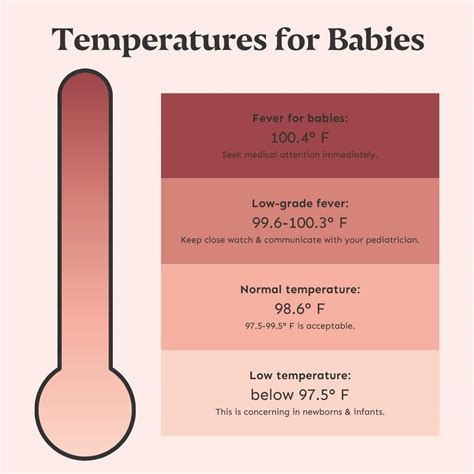
Before we dive into the intricacies of low baby temperature, it’s crucial to understand what constitutes a normal baby temperature. A normal baby temperature ranges from 97.7°F to 99.5°F (36.5°C to 37.5°C) when taken rectally, which is the most accurate method for babies. However, temperatures can vary slightly depending on the method used (oral, axillary, or temporal) and the time of day.
Causes of Low Baby Temperature
Several factors can lead to hypothermia in babies. Some of the most common causes include:
- Premature Birth: Premature babies may have difficulty regulating their body temperature due to their underdeveloped bodies and lack of body fat.
- Cold Environment: If the room is too cold, or if your baby is not dressed warmly enough, they can lose heat quickly.
- Wet Clothing: Being in wet clothing can cause significant heat loss.
- Illness: Certain illnesses can affect your baby’s ability to maintain their body temperature.
- Low Birth Weight: Babies with low birth weight may have less body fat and therefore may have a harder time staying warm.
Symptoms of Low Baby Temperature
Recognizing the symptoms of hypothermia is crucial for prompt action. These symptoms can include:
- Pale or Cool Skin: If your baby’s skin feels cool to the touch, or if it appears pale.
- Lethargy: If your baby seems unusually sleepy or unresponsive.
- Weak Cry: A weak or faint cry can be a sign that your baby is struggling to maintain their body temperature.
- Slow Breathing: Hypothermia can cause breathing to slow down.
Raising Your Baby’s Temperature Safely
If you suspect that your baby has a low temperature, it’s vital to act quickly but safely. Here are some steps you can take:
Check the Environment: Ensure that the room your baby is in is not too cold. A comfortable room temperature for babies is between 68°F to 72°F (20°C to 22°C).
Use Layers: Dress your baby in layers. This allows you to adjust their clothing as needed to prevent overheating or underheating.
Skin-to-Skin Contact: Holding your baby against your bare chest (with a blanket over both of you) can help transfer your body heat to them. This method, known as kangaroo care, is very effective.
Warm Bath: A warm bath can be an effective way to raise your baby’s temperature, but ensure the water is not too hot. The ideal temperature for the bath water should be around 98°F to 100°F (36.7°C to 37.8°C). Always test the water with your elbow before putting your baby in.
Monitor Temperature: Use a thermometer to monitor your baby’s temperature closely. Rectal thermometers are the most accurate for babies.
When to Seek Medical Attention
While the steps above can help raise your baby’s temperature, there are situations where medical attention is necessary:
- If your baby is less than 3 months old and has a temperature below 97.7°F (36.5°C).
- If your baby shows signs of distress, such as difficulty breathing, persistent crying, or vomiting.
- If your baby’s temperature does not increase after trying the methods mentioned above.
Prevention is Key
Preventing hypothermia is easier than treating it. Here are some preventive measures:
- Keep your home at a comfortable temperature.
- Dress your baby appropriately for the environment.
- Ensure your baby is dry, especially after baths.
- Monitor your baby’s temperature regularly, especially in the first few months.
What is considered a low temperature for a newborn baby?
+A temperature below 97.7°F (36.5°C) is considered low for a newborn baby.
How often should I check my baby's temperature if I suspect they have hypothermia?
+If you suspect your baby has hypothermia, it's a good idea to check their temperature every 30 minutes to an hour until it returns to normal, and then as needed based on your healthcare provider's advice.
Can I use a hot water bottle or electric blanket to warm my baby?
+No, it's not recommended to use a hot water bottle or electric blanket to warm your baby, as these can cause burns or overheating. Instead, opt for skin-to-skin contact or dressing your baby in layers.
In conclusion, while a low baby temperature can be alarming, there are safe and effective ways to raise it. By understanding the causes, recognizing the symptoms, and taking appropriate action, you can help ensure your baby’s comfort and safety. Always err on the side of caution and seek medical advice if you’re unsure about your baby’s health.