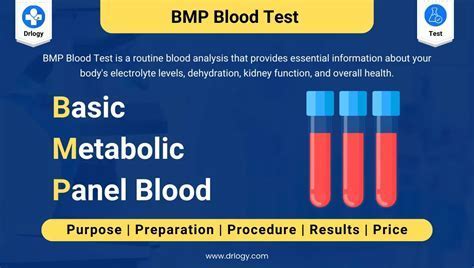
The metabolic panel test, also known as a metabolic screening or chemistry panel, is a comprehensive blood test designed to assess various aspects of your health, including your risk for kidney and liver disease, diabetes, and cardiovascular disease. This test provides a broad snapshot of your metabolic function, measuring the levels of essential substances in your blood, such as glucose, electrolytes, and proteins. By understanding the components and implications of the metabolic panel test, you can take proactive steps to manage your health risks and prevent future complications.
Understanding the Components of a Metabolic Panel
A standard metabolic panel typically includes measurements for several key substances in your blood, including:
- Glucose: The primary source of energy for your cells, high levels can indicate diabetes or prediabetes.
- Electrolytes (sodium, potassium, chloride, and bicarbonate): Crucial for maintaining the balance of fluids in your body, they help regulate muscle and nerve function.
- Calcium: Essential for muscle and nerve function, as well as bone health.
- Proteins (albumin and total protein): Albumin helps maintain fluid balance, while total protein measurements can indicate liver or kidney function issues.
- Liver enzymes (alanine transaminase (ALT) and aspartate transaminase (AST)): Elevated levels can indicate liver damage or disease.
- Kidney function tests (blood urea nitrogen (BUN) and creatinine): These measurements help assess how well your kidneys are filtering waste.
Why Get a Metabolic Panel Test?
The metabolic panel test is a valuable diagnostic tool that can help identify potential health issues early on, allowing for timely intervention. It’s particularly beneficial for:
- Diagnosing and managing diabetes: By monitoring glucose levels, you can better understand your body’s response to insulin and glucose.
- Assessing liver health: Elevated liver enzymes can signal liver damage, prompting further investigation into the cause.
- Evaluating kidney function: Changes in BUN and creatinine levels can indicate impaired kidney function or kidney disease.
- Guiding drug therapy: Certain medications can affect liver and kidney function, making regular monitoring crucial.
- Preventing cardiovascular disease: Identifying risk factors such as high glucose or abnormal electrolyte levels can help you make lifestyle changes to reduce your risk.
Preparing for the Test
To ensure accurate results from your metabolic panel test, follow these preparation steps:
- Fasting: Typically, you’ll need to fast for 8-12 hours before the test. Water is usually allowed, but confirm with your healthcare provider.
- Medication: Inform your healthcare provider about all medications and supplements you’re taking, as some may affect test results.
- Hydration: Stay well-hydrated in the days leading up to the test, but avoid excessive fluid intake on the day of the test.
Interpreting Test Results
Understanding your metabolic panel results requires a healthcare provider’s insight, as reference ranges can vary between laboratories. Generally:
- Normal ranges indicate that your levels are within expected limits.
- Abnormal results may signal a health issue or the need for further testing to determine the cause of the abnormality.
Taking Action Based on Your Results
If your metabolic panel reveals potential health risks, your healthcare provider may recommend lifestyle changes, further testing, or treatment. Key actions might include:
- Lifestyle modifications: Improving diet, increasing physical activity, and maintaining a healthy weight can address issues related to glucose, electrolytes, and liver function.
- Medication adjustments: For individuals on medications that affect kidney or liver function, adjustments may be necessary based on test results.
- Follow-up testing: To monitor the effectiveness of interventions or to investigate abnormalities further.
FAQ Section
What does a metabolic panel test for?
+A metabolic panel test measures various substances in your blood to assess your risk for kidney and liver disease, diabetes, and cardiovascular disease, providing a comprehensive overview of your metabolic health.
How do I prepare for a metabolic panel test?
+To prepare, you'll typically need to fast for 8-12 hours before the test, stay hydrated, and inform your healthcare provider about all medications and supplements you're taking.
What do abnormal results mean?
+Abnormal results may indicate a potential health issue, such as diabetes, kidney disease, or liver damage, requiring further testing or intervention to address the underlying cause.
Can lifestyle changes improve my metabolic panel results?
+Yes, making lifestyle changes such as improving your diet, increasing physical activity, and maintaining a healthy weight can positively impact your metabolic health and improve your test results.
How often should I get a metabolic panel test?
+The frequency of getting a metabolic panel test depends on your health status, risk factors, and your healthcare provider's recommendations, but it's commonly done annually as part of a routine health check-up.
Can children and teenagers get a metabolic panel test?
+Yes, children and teenagers can undergo a metabolic panel test, especially if they have risk factors for metabolic disorders or if their healthcare provider suspects an underlying condition that needs monitoring.
By understanding the metabolic panel test and its components, you can better navigate your health journey, making informed decisions that promote your well-being and mitigate potential health risks. Remember, proactive health management is key to a long, healthy life.