







Military Contract Lengths: A Comprehensive Overview
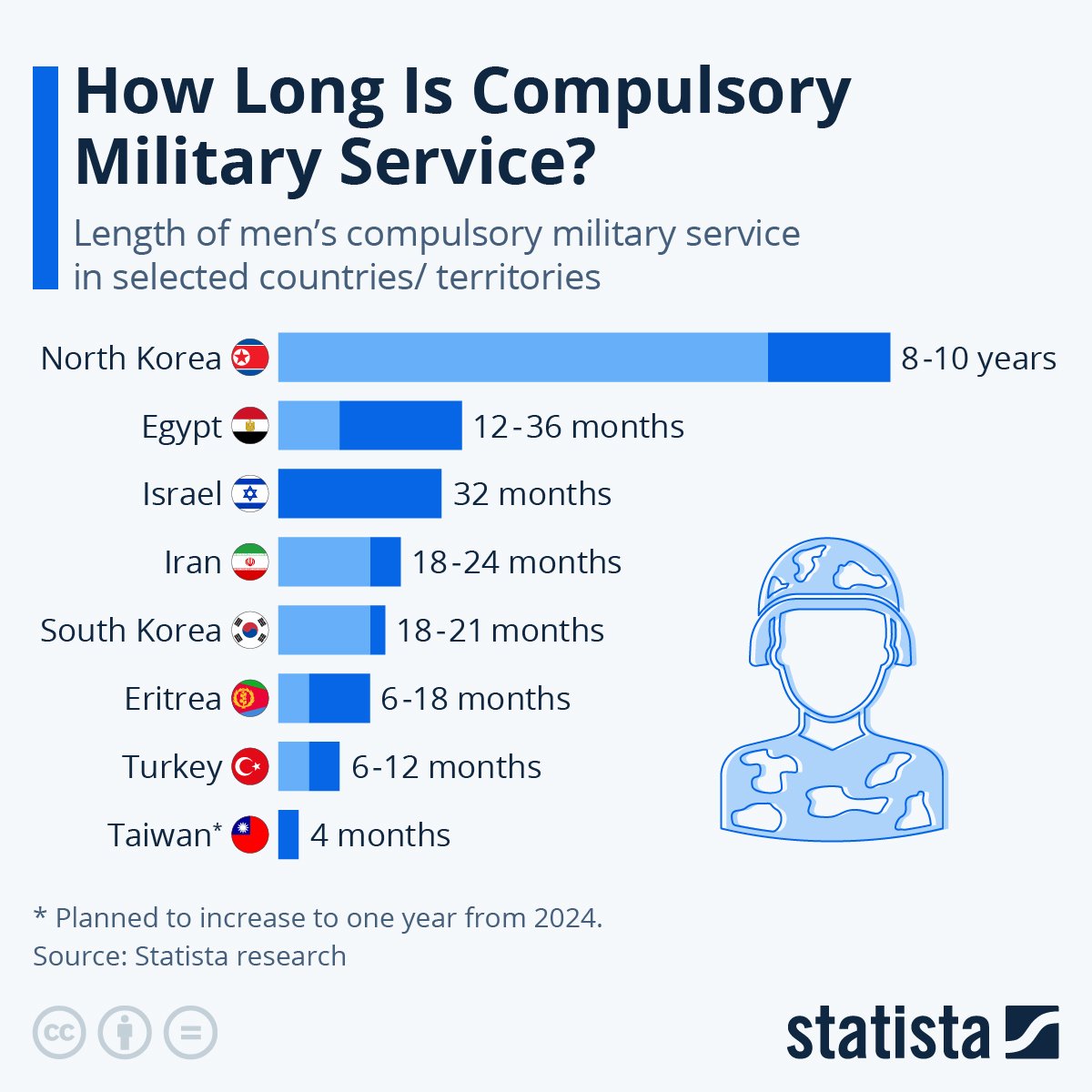
The duration of a military contract is a critical aspect for anyone considering service, as it defines the commitment period and shapes various aspects of military life. When looking into military contract lengths, the details quickly stand out. Contract lengths can vary significantly based on factors like branch, role, and service type.
Popular Options and Variations
- Active Duty: A standard active duty contract typically lasts for two years, but the overall commitment is usually eight years. This includes a combination of active service and reserve duty.
- Reserve Duty: Reserve members serve by drilling one weekend a month and two weeks annually. The exact length of their contract depends on their specific role and obligations.
- National Call to Service Program: This program offers a unique path with 15 months of active duty followed by reserve duty requirements.
Sizing and Specifications
When considering military contract lengths, it's essential to understand the various components that make up the overall commitment: For a closer look at something similar, my post on army contracts length template covers the details.
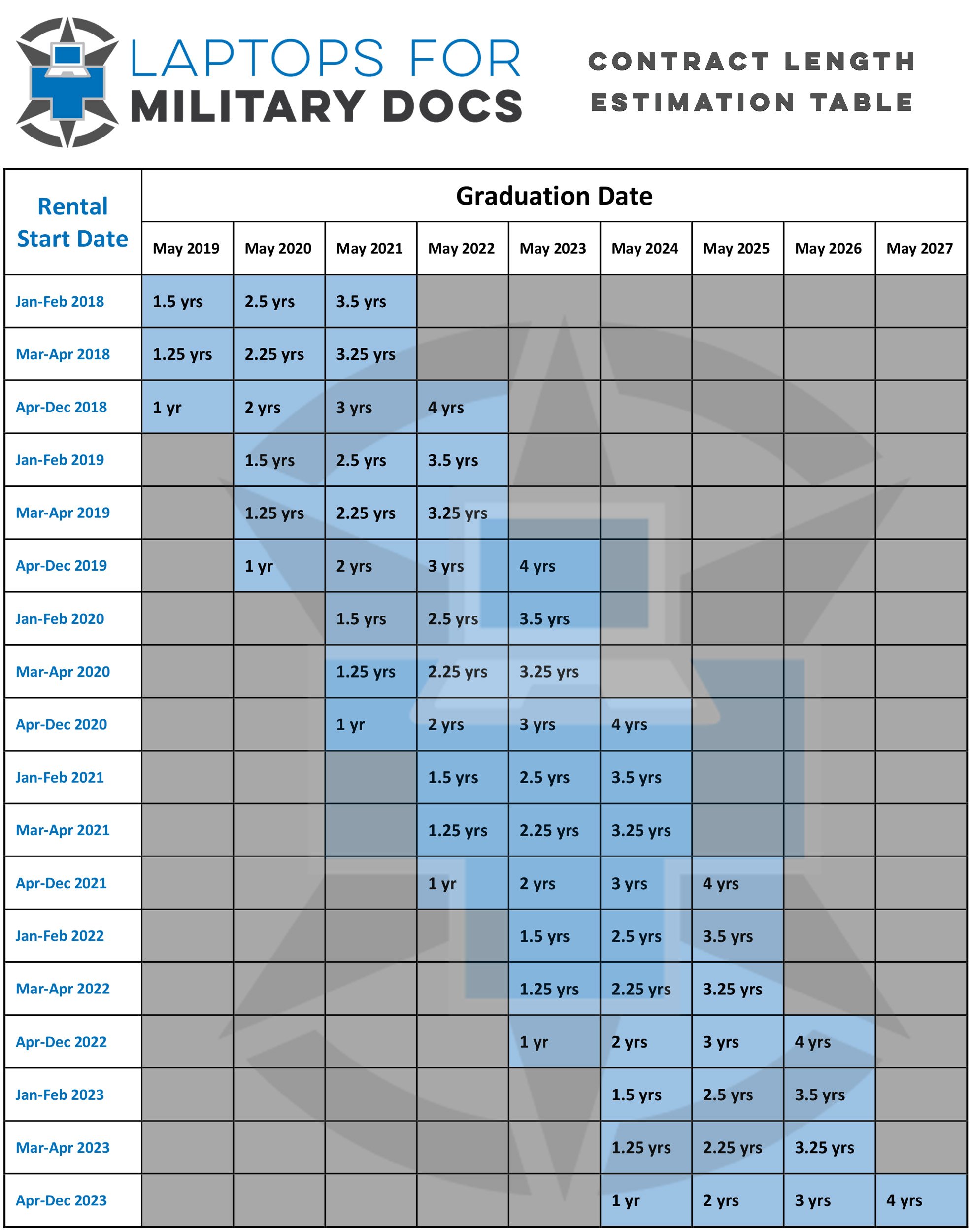
- Active Duty Service: This is the initial period of full-time military service, ranging from two to six years, depending on the branch and role.
- Reserve Duty: Reserve members fulfill their obligation by participating in regular drills and annual training. The number of drill years can vary but typically ranges from four to six.
- Individual Ready Reserve (IRR): After active duty and reserve duty, members may be placed in the IRR, where they remain available for recall to active duty if needed.
Materials and Styling
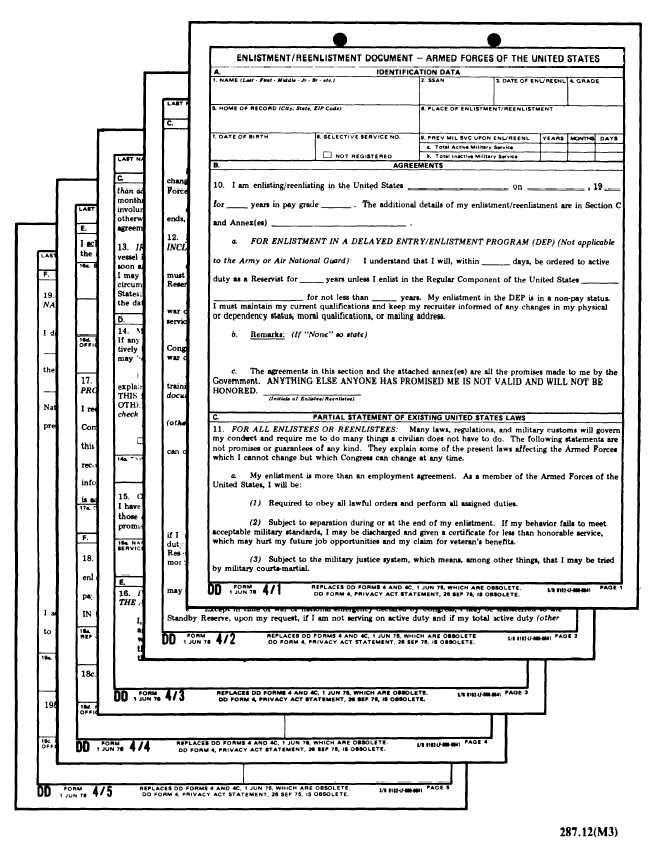
The nature of a military contract is legally binding, outlining the terms and conditions of service. It covers aspects like: You can also compare this directly with what is 10 00 a m in military time 66987 to see how they stack up.
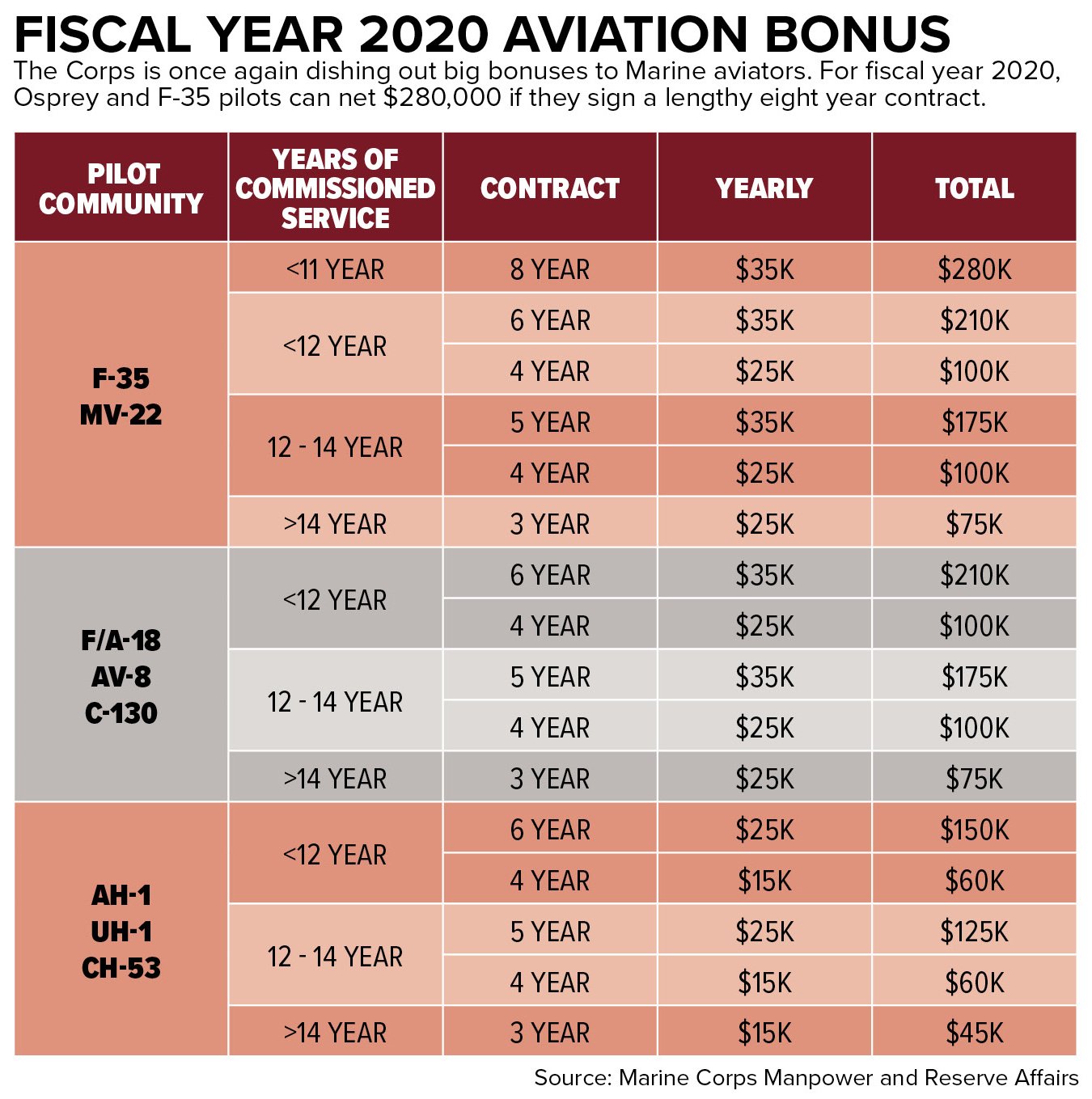
- Service Commitment: Clearly defines the duration and type of service, whether active duty, reserve, or a combination.
- Job Specialty: Specifies the chosen military occupational specialty (MOS) and any associated training or education requirements.
- Rank and Promotions: Outlines the potential for rank advancement and the conditions for achieving higher ranks.
Placement and Usage
Military contracts are designed to meet the needs of different branches and roles: If you want another perspective, check out my notes on army contracts length as well.

- Army: Army contracts vary based on MOS and service type. For example, an active duty contract for a combat role may differ from one for a support position.
- Air Force: The Air Force offers a range of contract lengths, with some roles requiring longer commitments due to specialized training.
- Defense Depth Contracts: These contracts are used to ensure a steady supply of personnel for critical roles, often with longer-term commitments.
What to Check Before Signing
Understanding the contract length and its implications is key: For a closer look at something similar, my post on independent contractor invoice template free covers the details.
- Research and compare different contract options and their benefits.
- Consider the potential for early separation and the associated costs.
- Review the callback policies and understand the likelihood of being called back for additional service.
- Ensure you are aware of the obligations and commitments beyond the initial active duty period.
Remember, military contracts are legally binding, so it's essential to thoroughly understand the terms before committing. You can also compare this directly with best contractor invoice app to see how they stack up.