















Popular Options and Variations
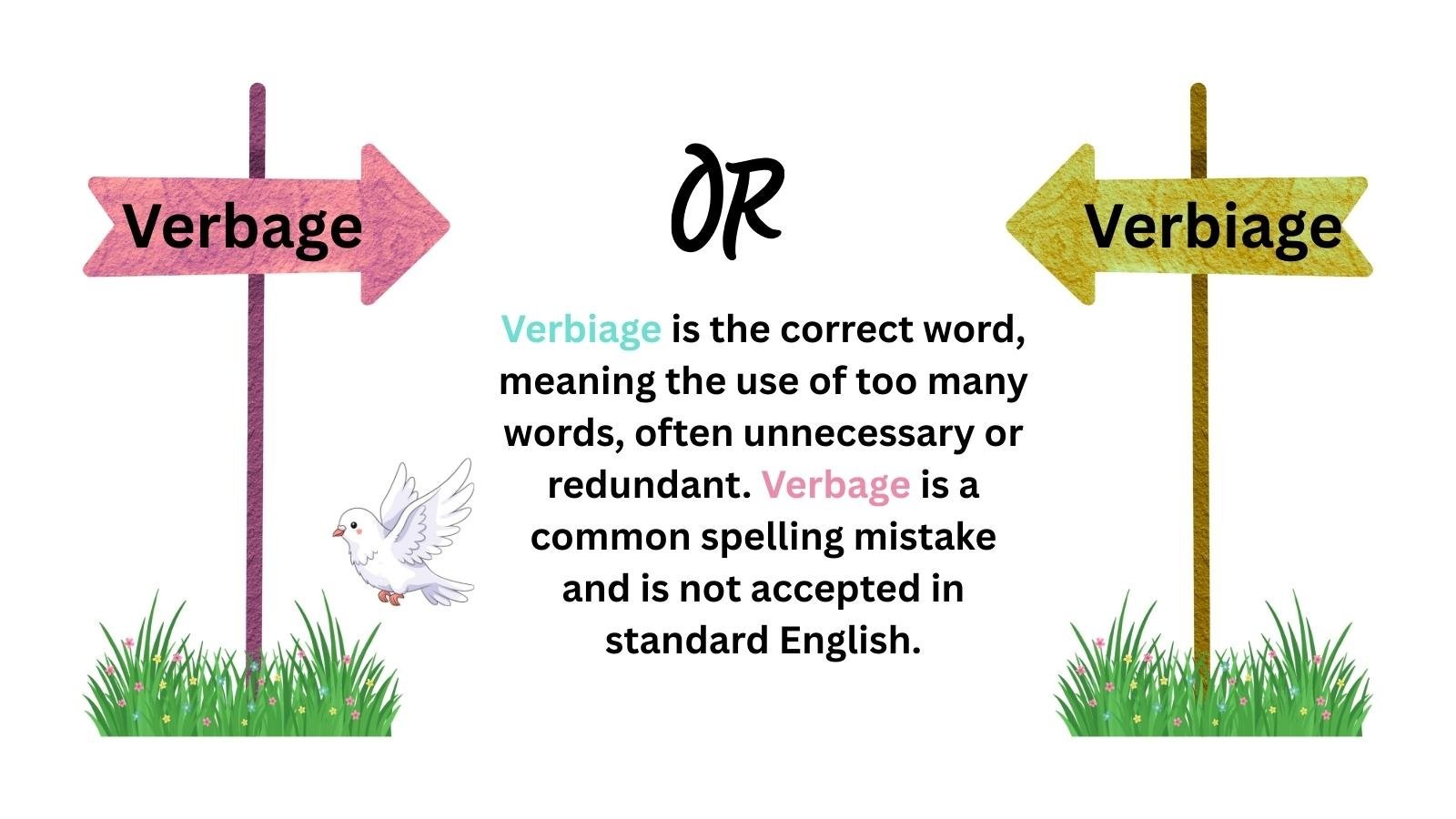
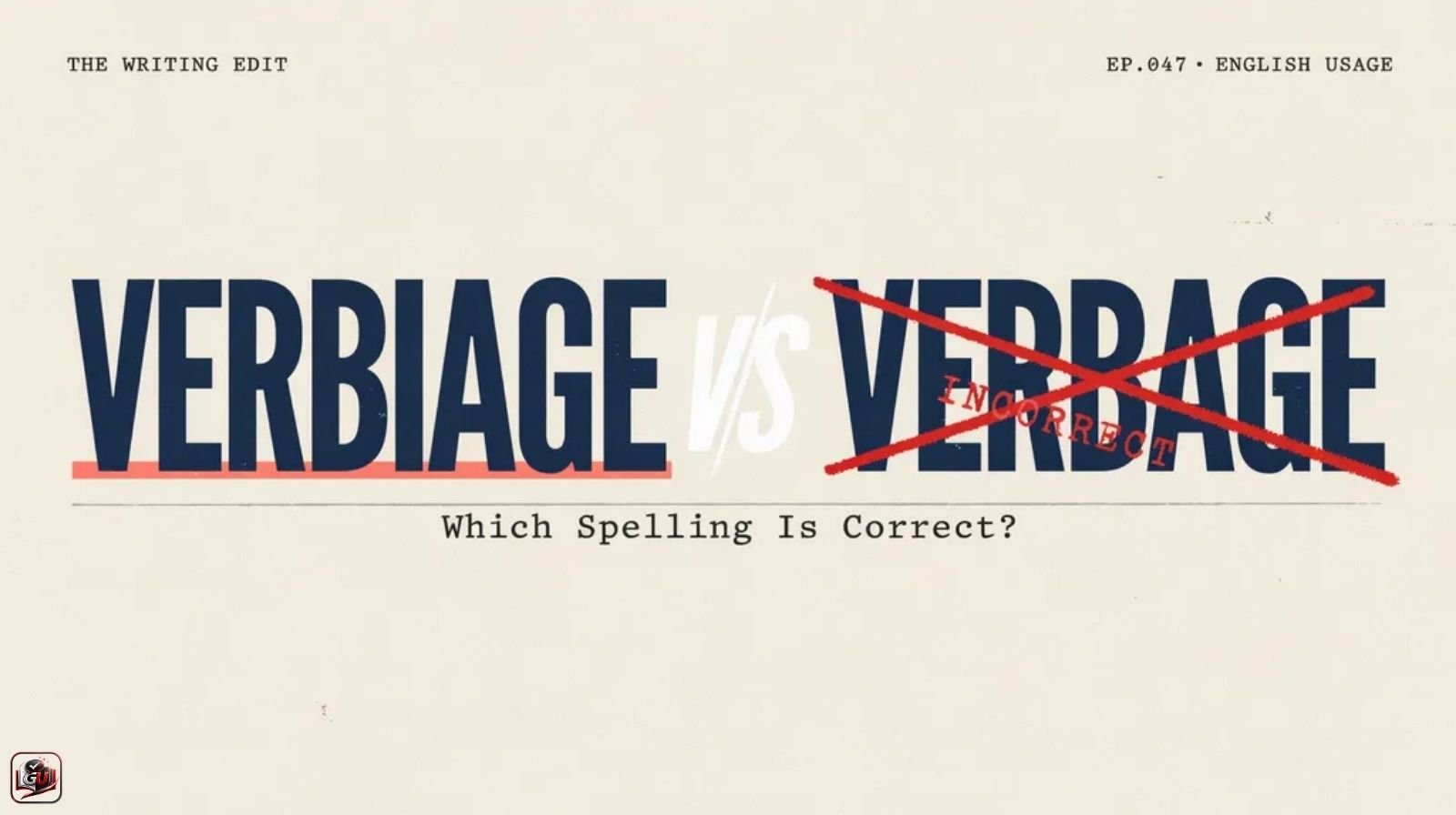
The debate between verbage vs verbiage often arises due to their similar spellings and potential confusion. While verbiage is the established standard, verbage persists as a common misspelling. Understanding the correct usage and meaning of each term is essential for effective communication. For a closer look at something similar, my post on gst invoice format covers the details.
Spelling and Correct Usage
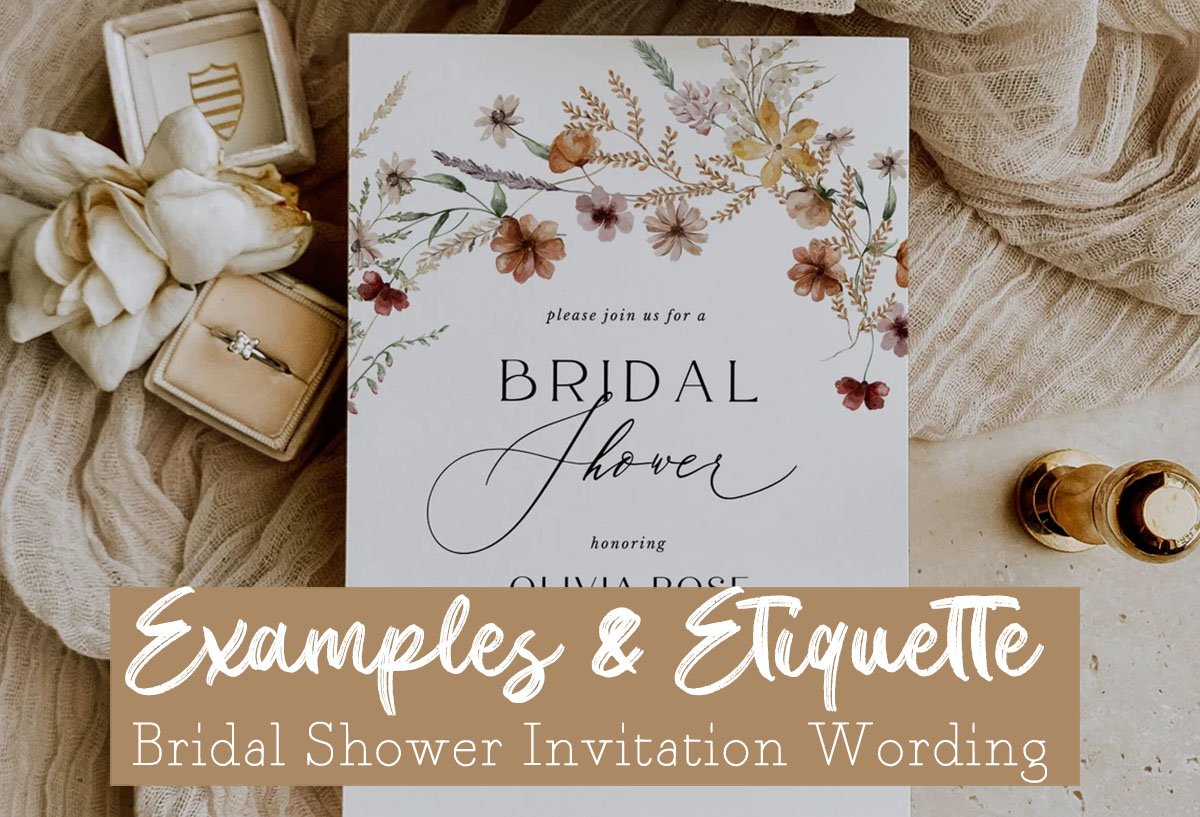
- Verbiage: The correct spelling is verbiage, with an 'i' before 'age'. It is a noun and refers to an excess of words or the specific wording used to express something. For example, "The verbiage of the invitation was elegant and concise."
- Verbage: Although verbage is a less common variant, it is still occasionally used in informal writing. However, it is generally considered non-standard and may be seen as a misspelling.
Meanings and Examples
- Verbiage typically implies a surplus of words, often with a negative connotation, suggesting excessive or unnecessary language. For instance, "The report was filled with unnecessary verbiage, making it difficult to extract the key points."
- Verbage, when used, often carries a similar meaning to verbiage, indicating a collection of words or phrases. However, its usage is less widespread and may be seen as an error.
When to Use Verbiage
- In professional and formal writing, such as essays, reports, or contracts, verbiage is the preferred choice. It is widely accepted and understood by a broad audience.
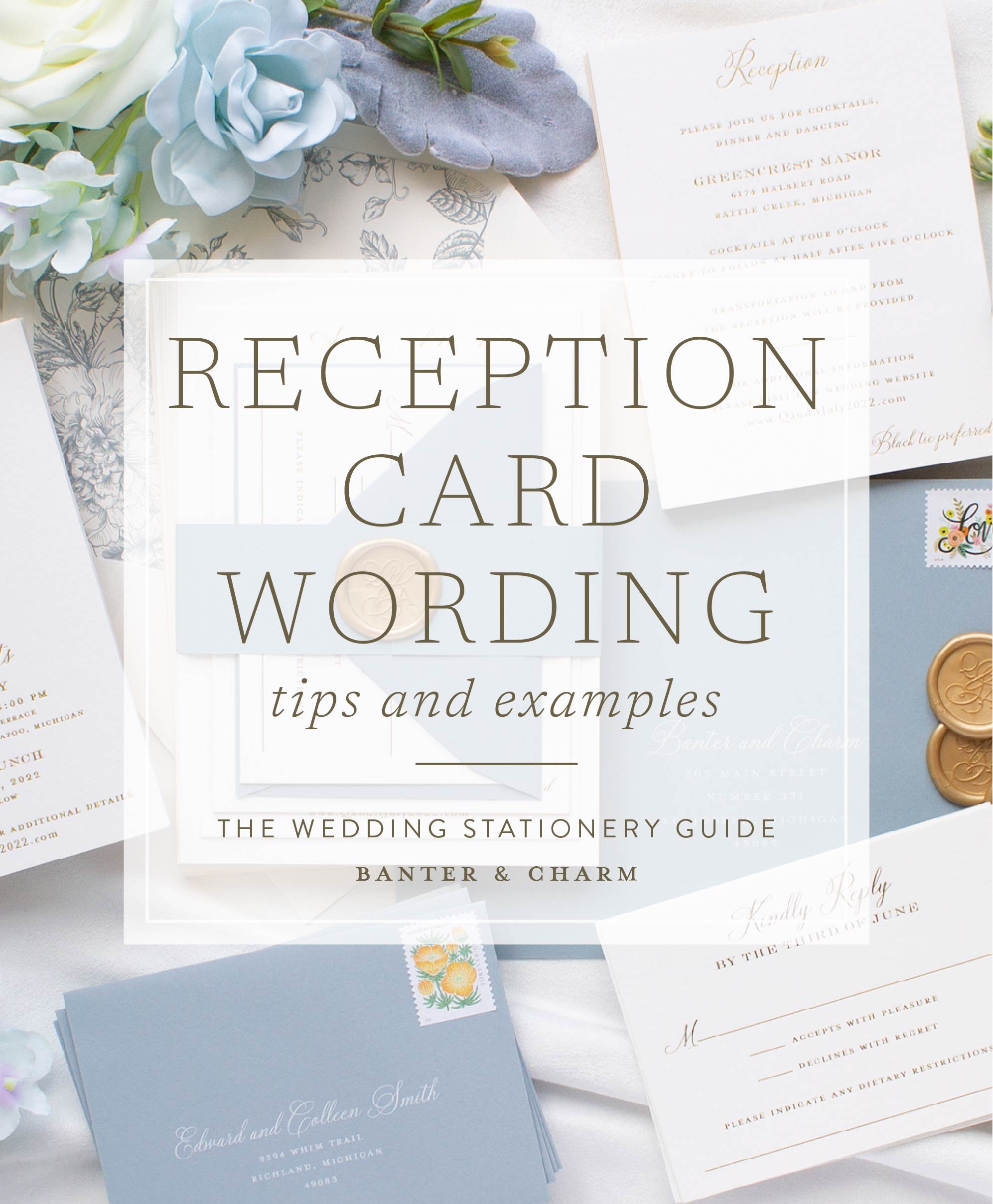
- Verbiage is particularly useful when you want to emphasize the style or clarity of wording, as in, "The verbiage of the speech was so powerful that it left a lasting impression on the audience."
FAQs
- Is verbage a real word? While verbage appears in some informal contexts, it is not considered a standard word in English.
- How do I remember the correct spelling? One mnemonic device is to associate the 'i' in verbiage with the idea of 'inclusion' or 'importance', reflecting the word's significance in formal writing.
Common Mistakes to Avoid
- Misspelling verbiage as verbage is a frequent error. Always double-check your spelling, especially in formal documents.
- Avoid using verbage in professional settings, as it may be perceived as an error or lack of attention to detail.
Verbiage vs Verbage: A Quick Recap
- Verbiage is the correct spelling, meaning an excess of words or specific wording.
- Verbage is a non-standard variant and should be avoided in formal writing.
Remember, precision in language is key, and using the correct spelling ensures your message is clear and professional. You can also compare this directly with allerton park christmas lights to see how they stack up.