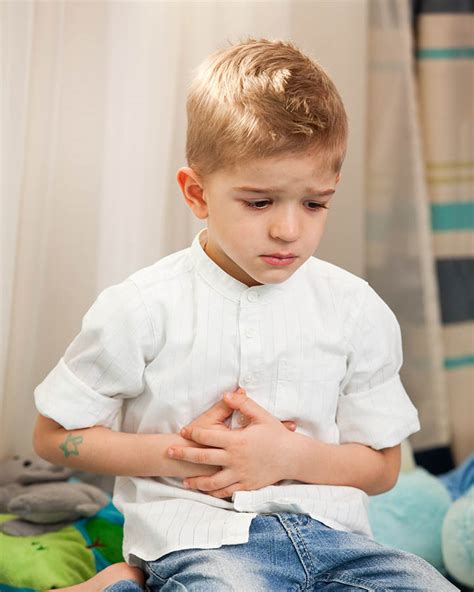
Stomach pain in preschoolers can be a frustrating and worrying experience for both the child and the parents. It’s common for young children to complain of tummy aches from time to time, but in some cases, it can be a sign of an underlying medical issue that needs attention. As a parent, it’s essential to understand the possible causes of stomach pain in preschoolers, how to identify the symptoms, and when to seek medical help.
Common Causes of Stomach Pain in Preschoolers
There are several reasons why a preschooler might experience stomach pain. Some of the most common causes include:
- Viral Gastroenteritis (Stomach Flu): This is one of the most common causes of stomach pain in children. It’s highly contagious and can cause vomiting, diarrhea, and abdominal cramps.
- Constipation: Hard stools can cause significant discomfort and pain in the abdomen. Constipation is common in children who are transitioning from a diet of breast milk or formula to solid foods.
- Food Allergies or Intolerances: Some children may experience stomach pain after consuming certain foods, such as lactose, gluten, or nuts, due to an allergy or intolerance.
- Infections: Urinary tract infections (UTIs), ear infections, and pneumonia can all cause abdominal pain in children.
- Appendicitis: Although rare in preschoolers, appendicitis is a serious condition that requires immediate medical attention. Symptoms include severe abdominal pain, vomiting, and fever.
Identifying Symptoms
Preschoolers may have difficulty describing their symptoms, so it’s crucial to look out for non-verbal cues, such as:
- Abdominal Tenderness: The child may guard their abdomen or show discomfort when touched.
- Changes in Appetite: A decrease in appetite or refusal to eat can be a sign of stomach pain.
- Vomiting or Diarrhea: These symptoms can lead to dehydration if not addressed promptly.
- Fever: A high temperature can accompany infections that cause stomach pain.
- Change in Behavior: The child may become irritable, lethargic, or withdrawn due to discomfort.
When to Seek Medical Help
While mild stomach pain can often be managed at home, there are situations where medical attention is necessary. Seek help immediately if your child:
- Experiences Severe Abdominal Pain: Especially if it’s constant, worsening, or accompanied by vomiting or fever.
- Vomits Blood or Has Bloody Stools: These are signs of a serious condition that requires immediate medical attention.
- Shows Signs of Dehydration: Such as excessive thirst, dark urine, or decreased urine output.
- Has a Fever Above 102°F (39°C): Especially if it’s accompanied by other symptoms like vomiting or severe abdominal pain.
- Has Difficulty Breathing: Or shows signs of respiratory distress.
Managing Stomach Pain at Home
For mild cases of stomach pain, there are several steps you can take to help your child feel better:
- Offer Frequent, Small Meals: Easy-to-digest foods like crackers, plain toast, or plain rice can help settle the stomach.
- Encourage Fluid Intake: Electrolyte-rich beverages like Pedialyte can help replace lost fluids and electrolytes.
- Maintain Good Hygiene: Wash hands frequently, especially after using the bathroom and before eating.
- Monitor Symptoms: Keep a close eye on your child’s symptoms and seek medical help if they worsen or if you notice any signs of dehydration or severe pain.
Preventing Stomach Pain in Preschoolers
While not all cases of stomach pain can be prevented, there are steps you can take to reduce the risk:
- Practice Good Hygiene: Teach your child the importance of washing hands regularly, especially after using the bathroom and before eating.
- Offer a Balanced Diet: Ensure your child eats a variety of foods, including fruits, vegetables, whole grains, and lean proteins.
- Encourage Regular Bowel Movements: A diet high in fiber can help prevent constipation.
- Stay Up-to-Date on Vaccinations: Certain vaccinations, like the rotavirus vaccine, can help protect against common causes of stomach pain.
Conclusion
Stomach pain in preschoolers can be a challenging issue to navigate, but by understanding the common causes, identifying symptoms, and knowing when to seek medical help, you can help your child feel better and prevent future episodes. Remember, if you’re ever in doubt about the severity of your child’s symptoms, it’s always best to consult with a healthcare professional for guidance and support.
What are the most common causes of stomach pain in preschoolers?
+The most common causes include viral gastroenteritis, constipation, food allergies or intolerances, infections, and appendicitis. Each of these conditions has distinct symptoms and requires different treatments.
How can I help my child manage stomach pain at home?
+Offering frequent, small meals of easy-to-digest foods, encouraging fluid intake, maintaining good hygiene, and monitoring symptoms closely can help. It’s also important to know when to seek medical help if symptoms worsen or if there are signs of dehydration or severe pain.
What are the signs of dehydration in children that I should look out for?
+Signs of dehydration include excessive thirst, dark urine, decreased urine output, dry mouth, and tearless crying. In severe cases, dehydration can lead to sunken eyes, low blood pressure, and even shock. If you suspect your child is dehydrated, seek medical attention immediately.
How can I prevent stomach pain in my preschooler?
+Practicing good hygiene, offering a balanced diet, encouraging regular bowel movements, and staying up-to-date on vaccinations can all help reduce the risk of stomach pain. Additionally, teaching your child good eating habits and the importance of handwashing can prevent many common causes of stomach pain.
When should I seek medical help for my child’s stomach pain?
+Seek medical help immediately if your child experiences severe abdominal pain, vomits blood or has bloody stools, shows signs of dehydration, has a fever above 102°F (39°C), or has difficulty breathing. If you’re ever in doubt about the severity of your child’s symptoms, it’s always best to consult with a healthcare professional.