




Pulled Calf Muscle: Understanding the Injury and Treatment
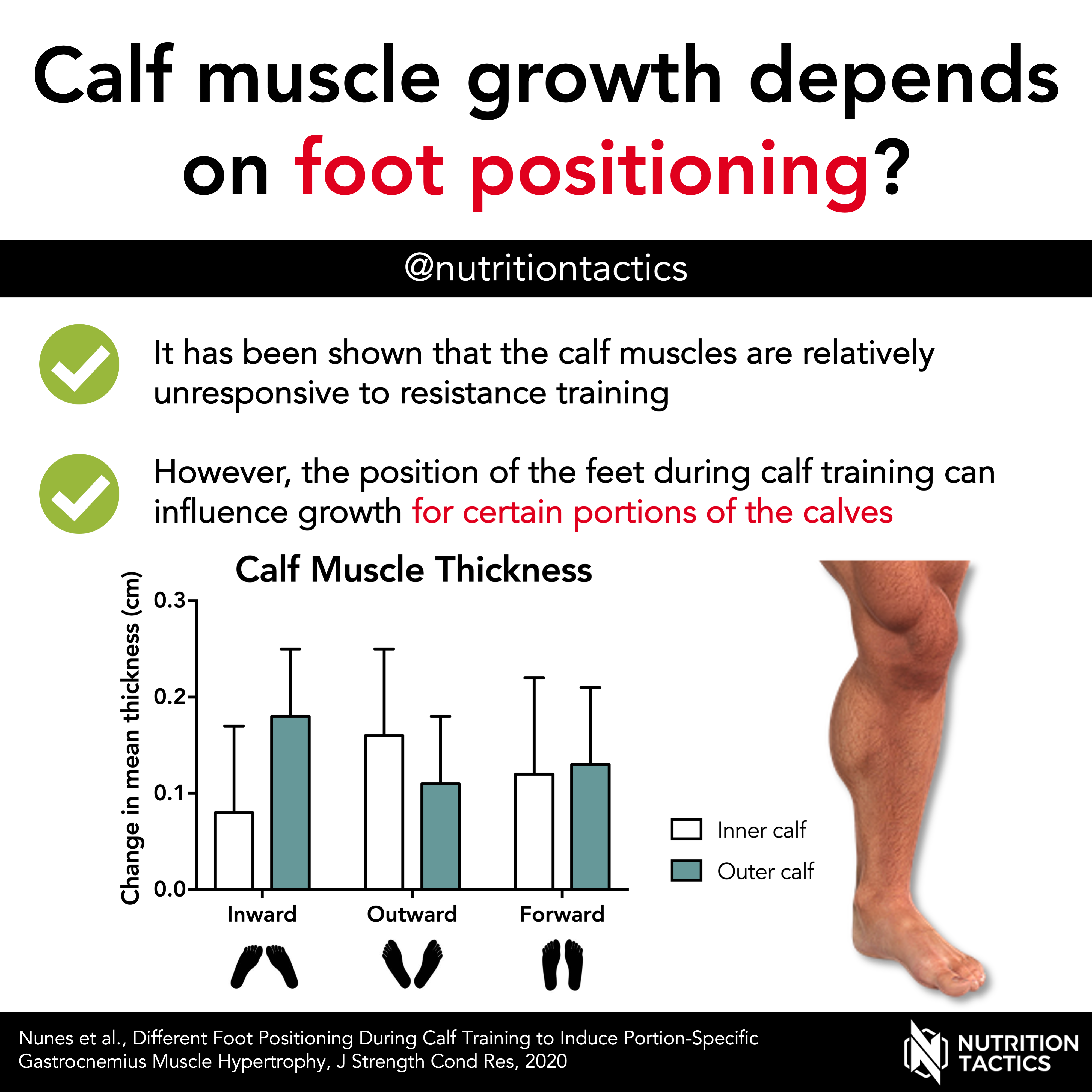
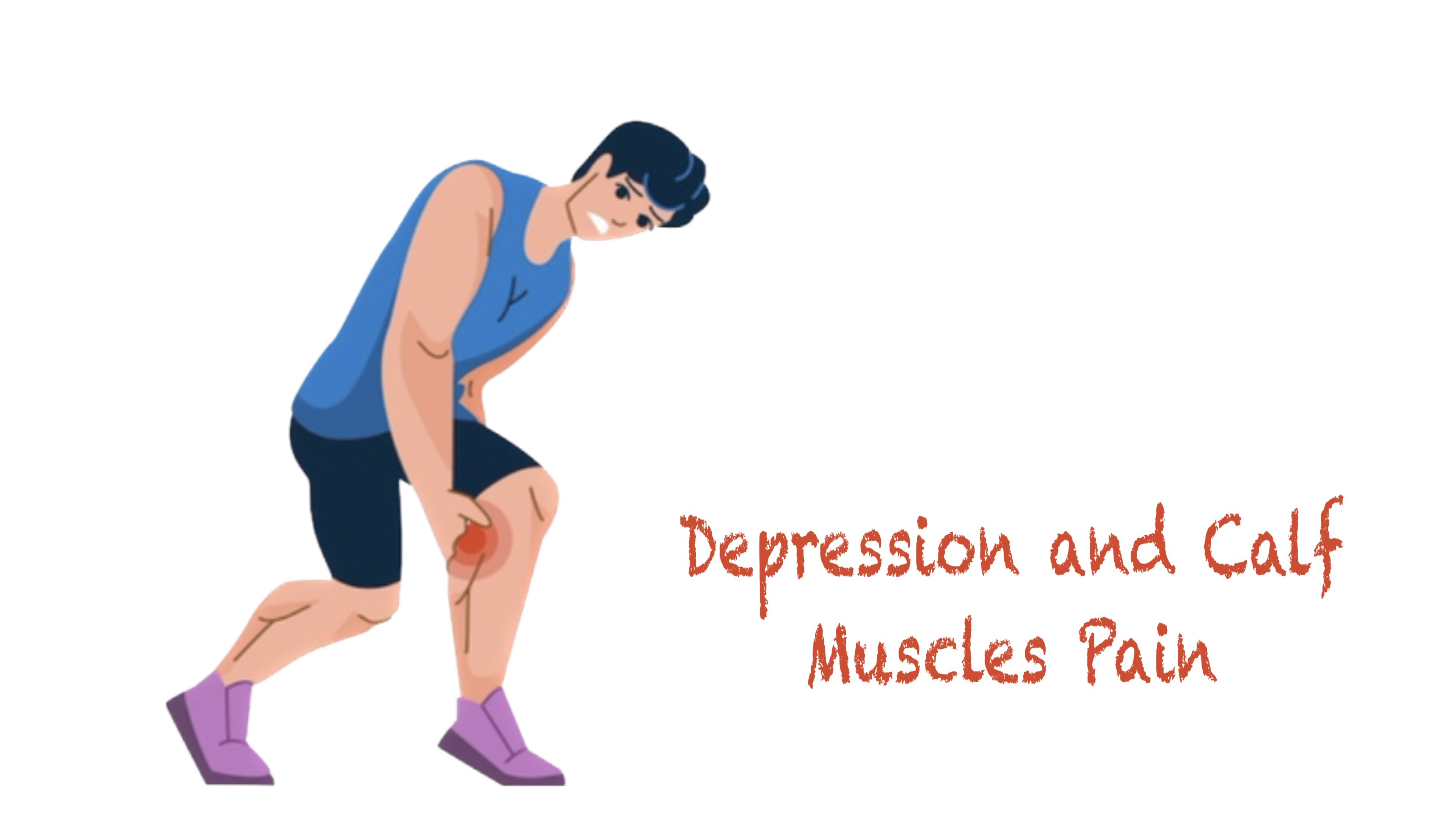
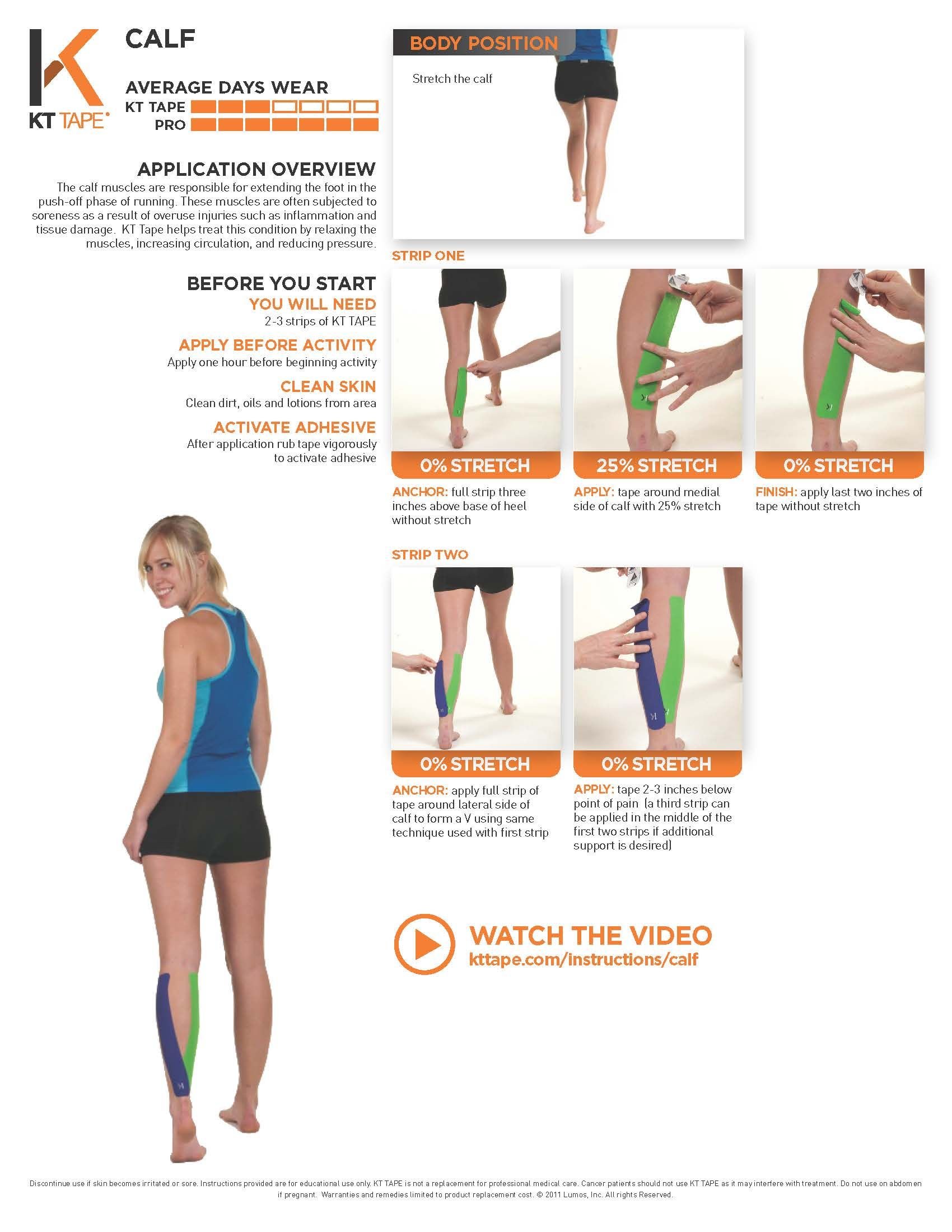
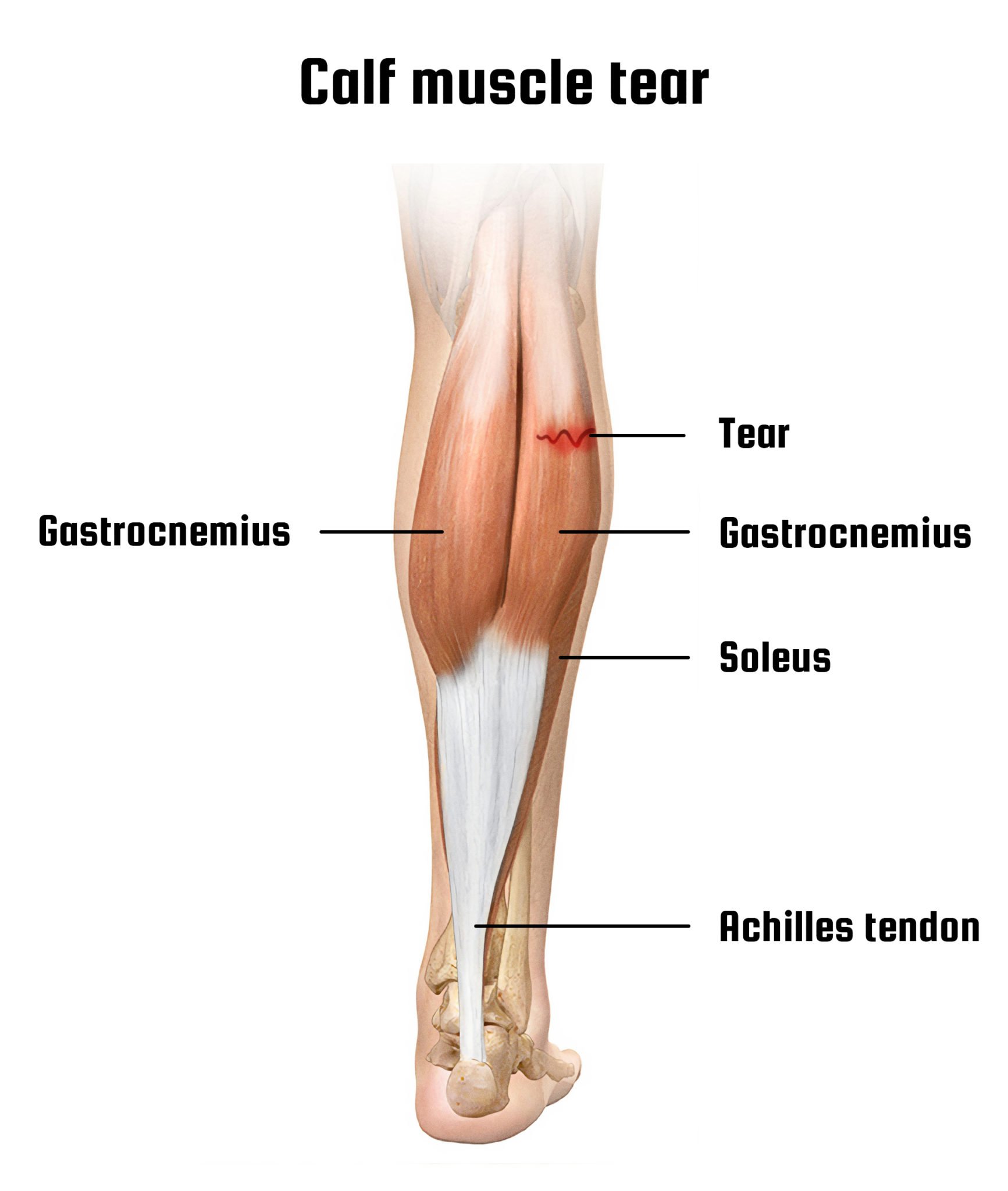
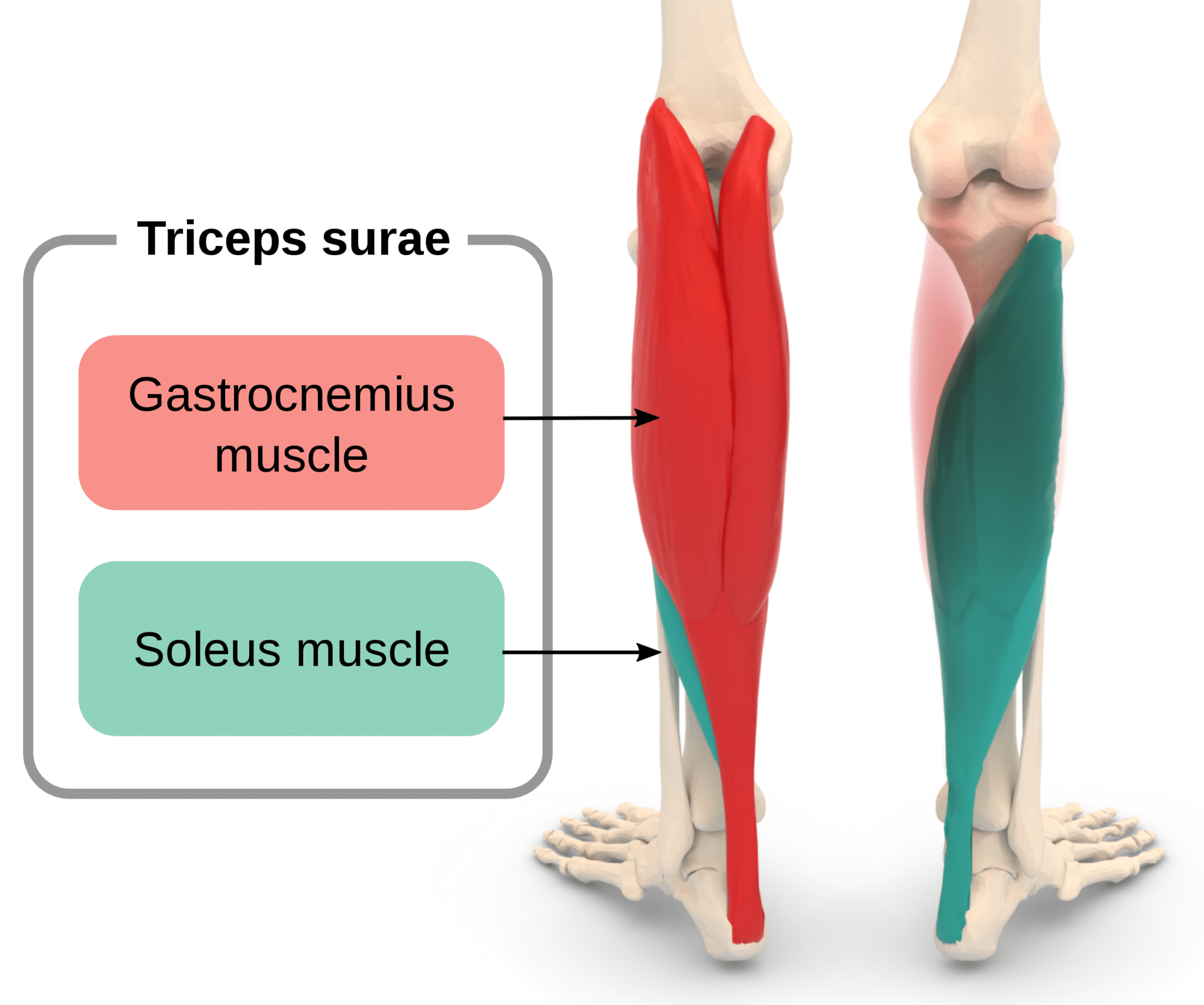
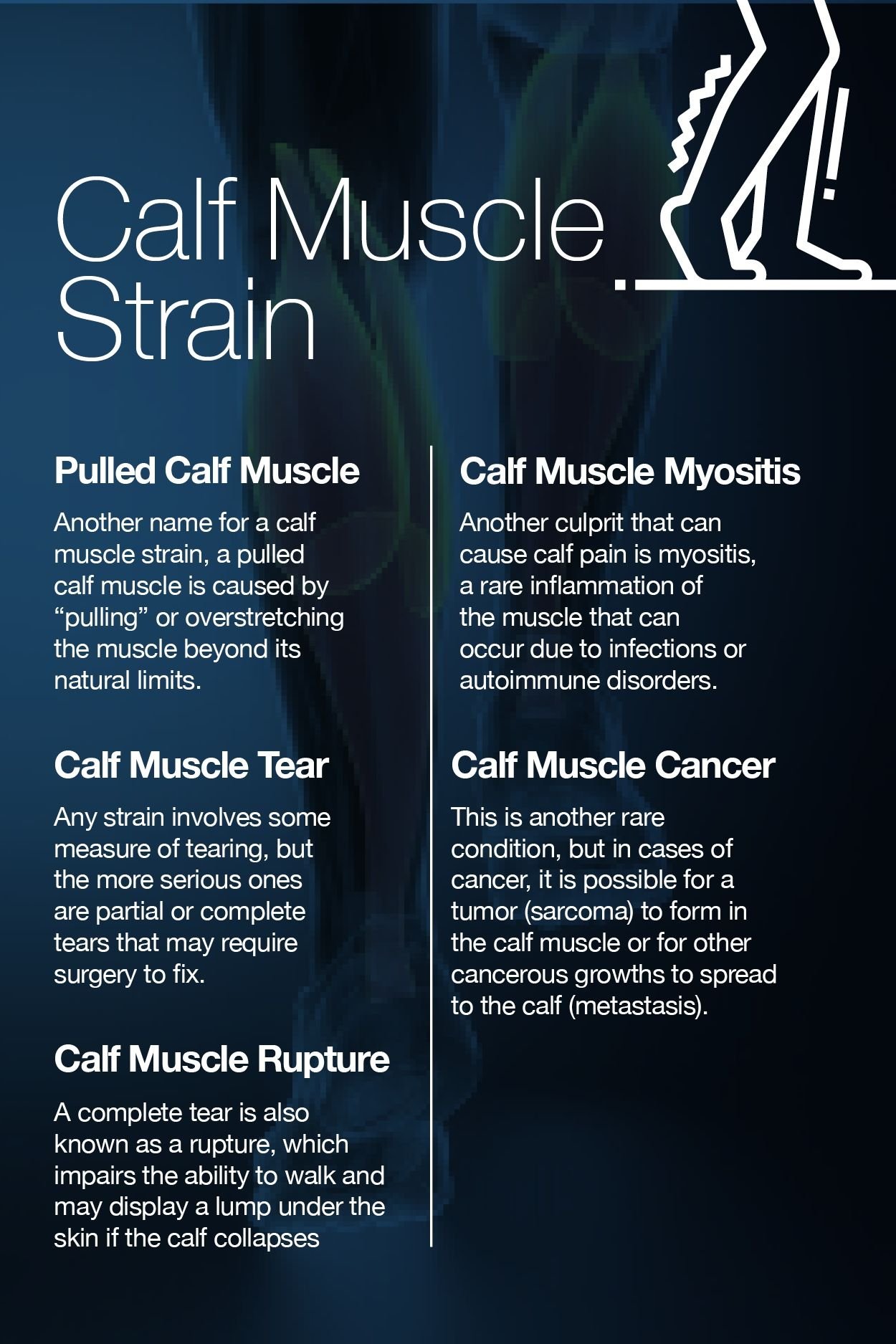
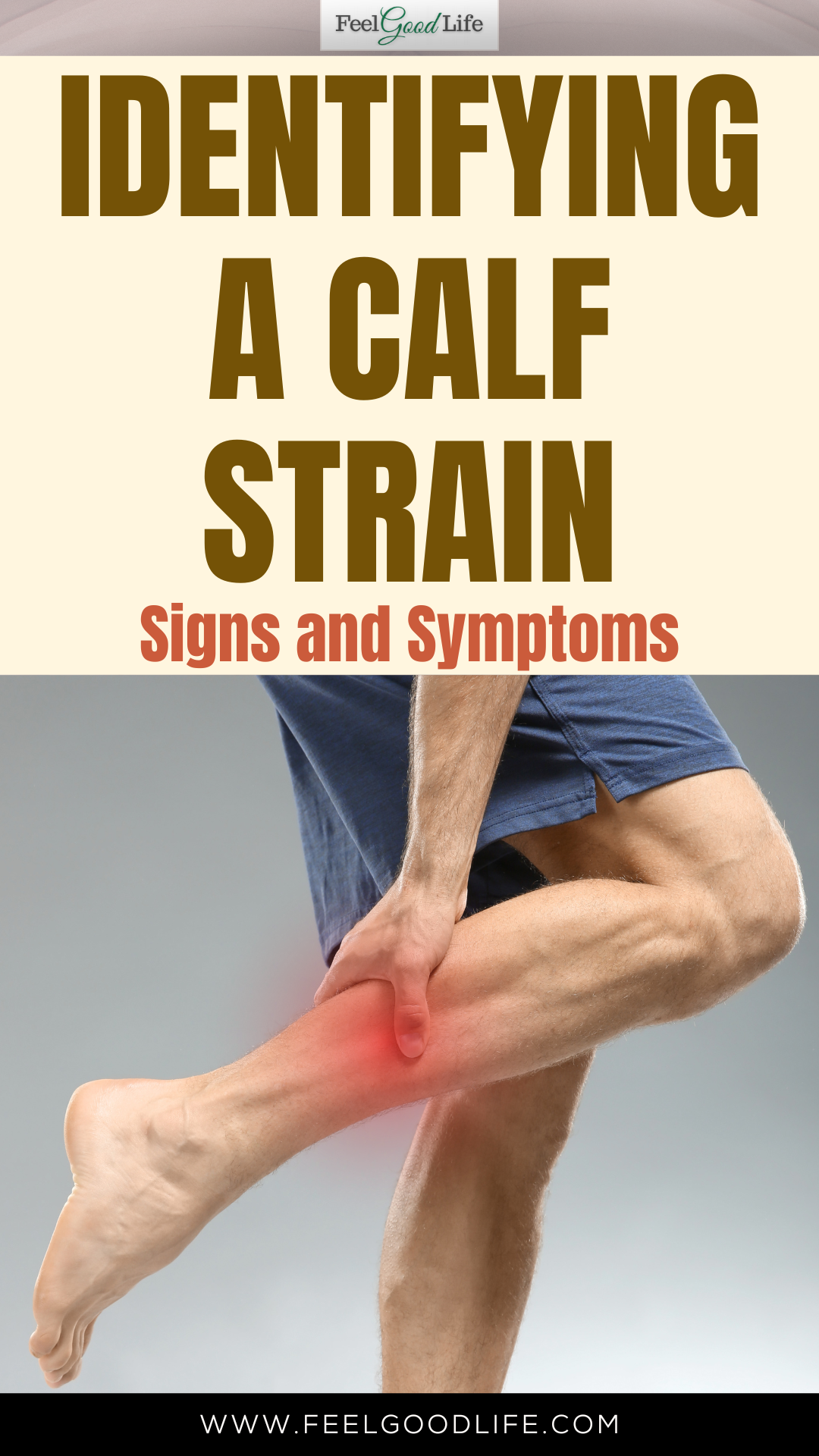
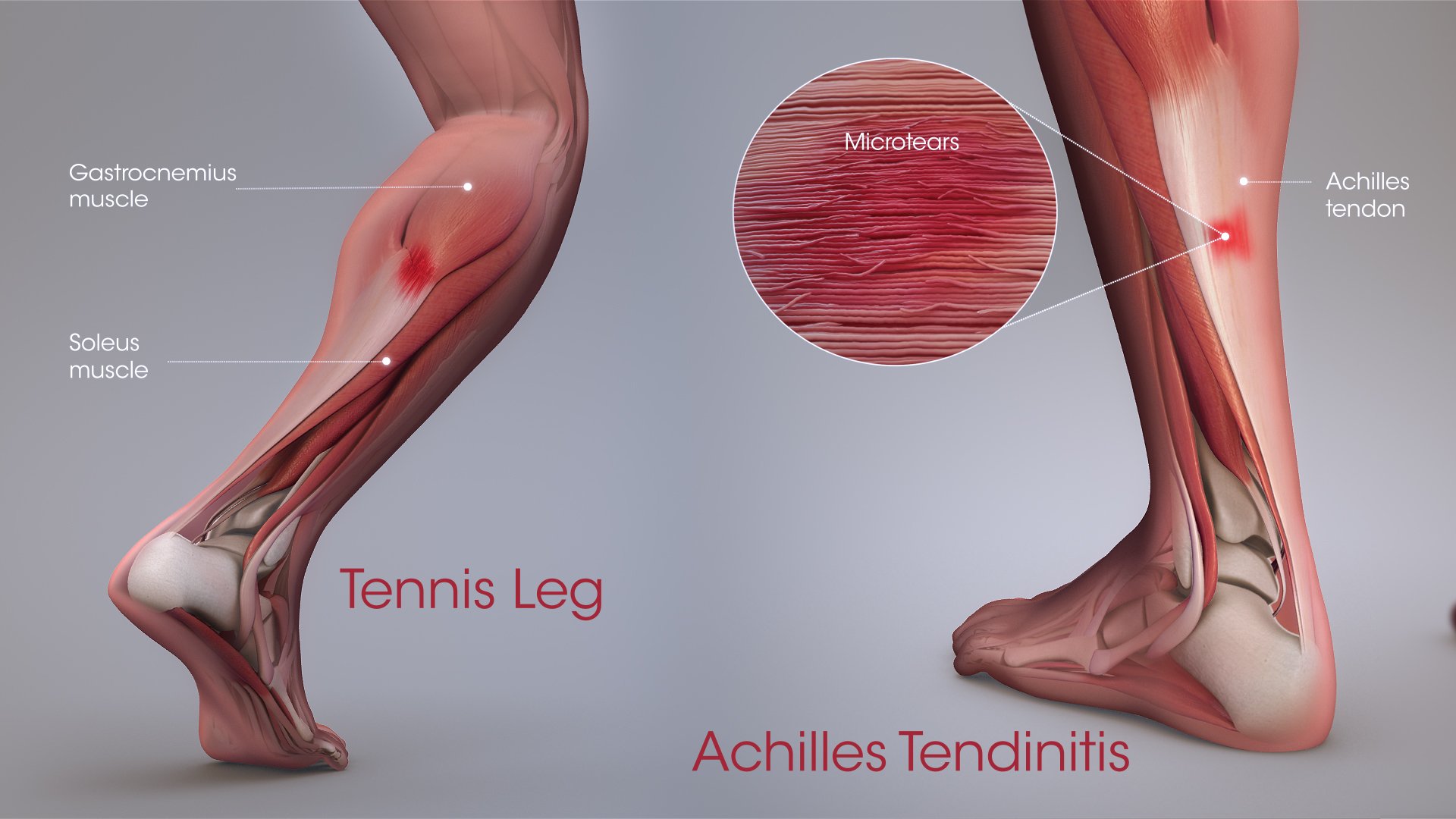
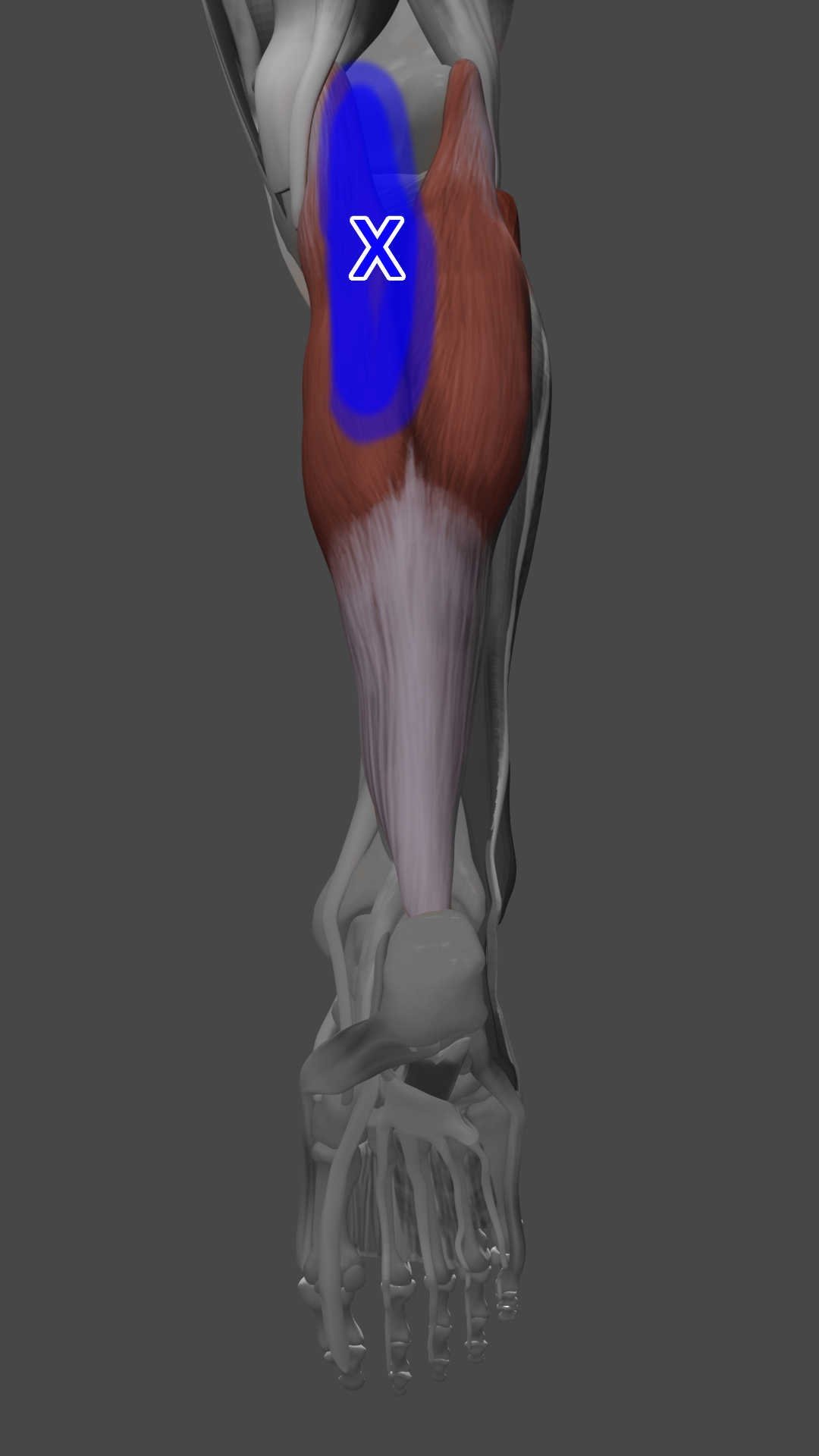
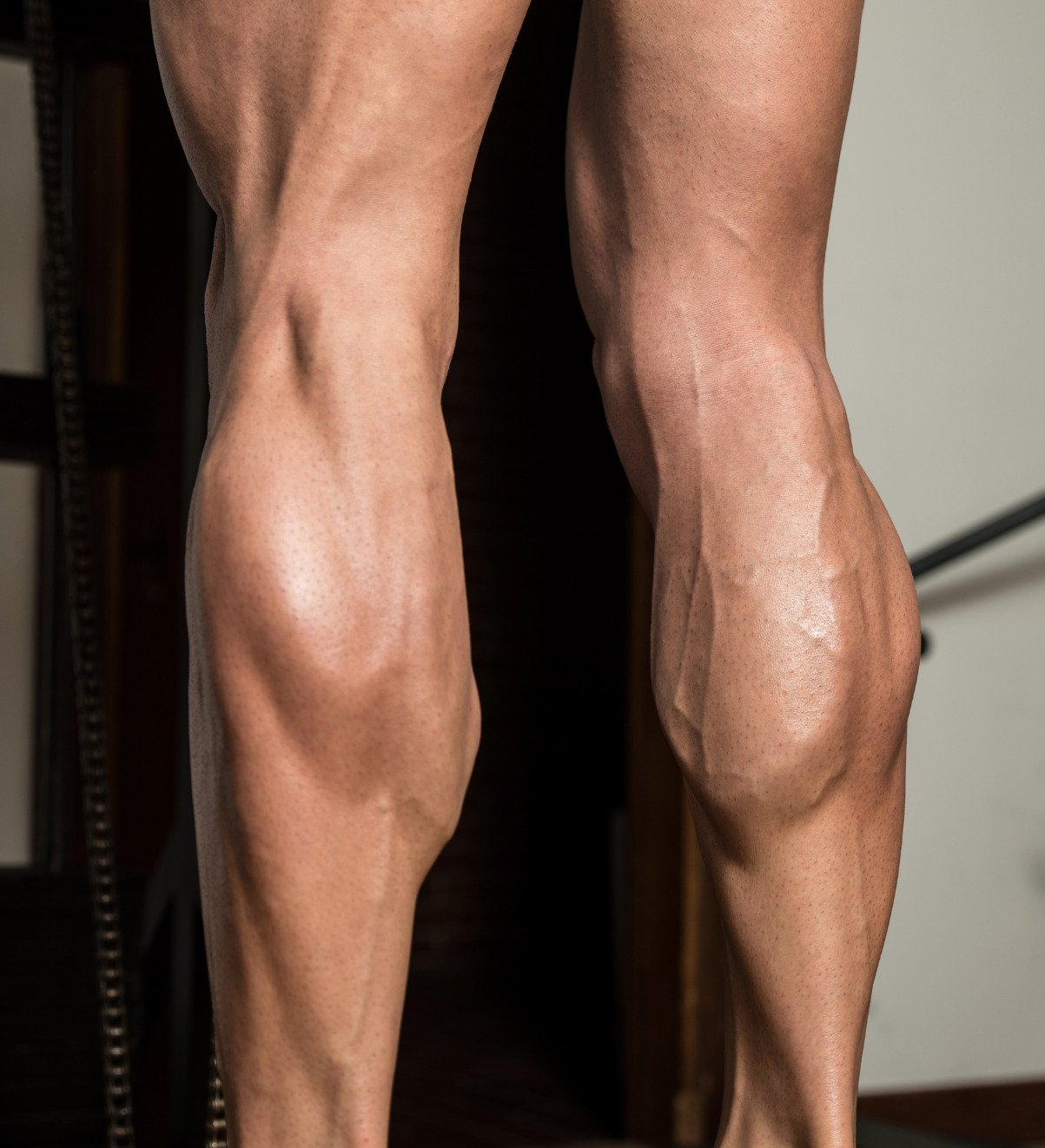
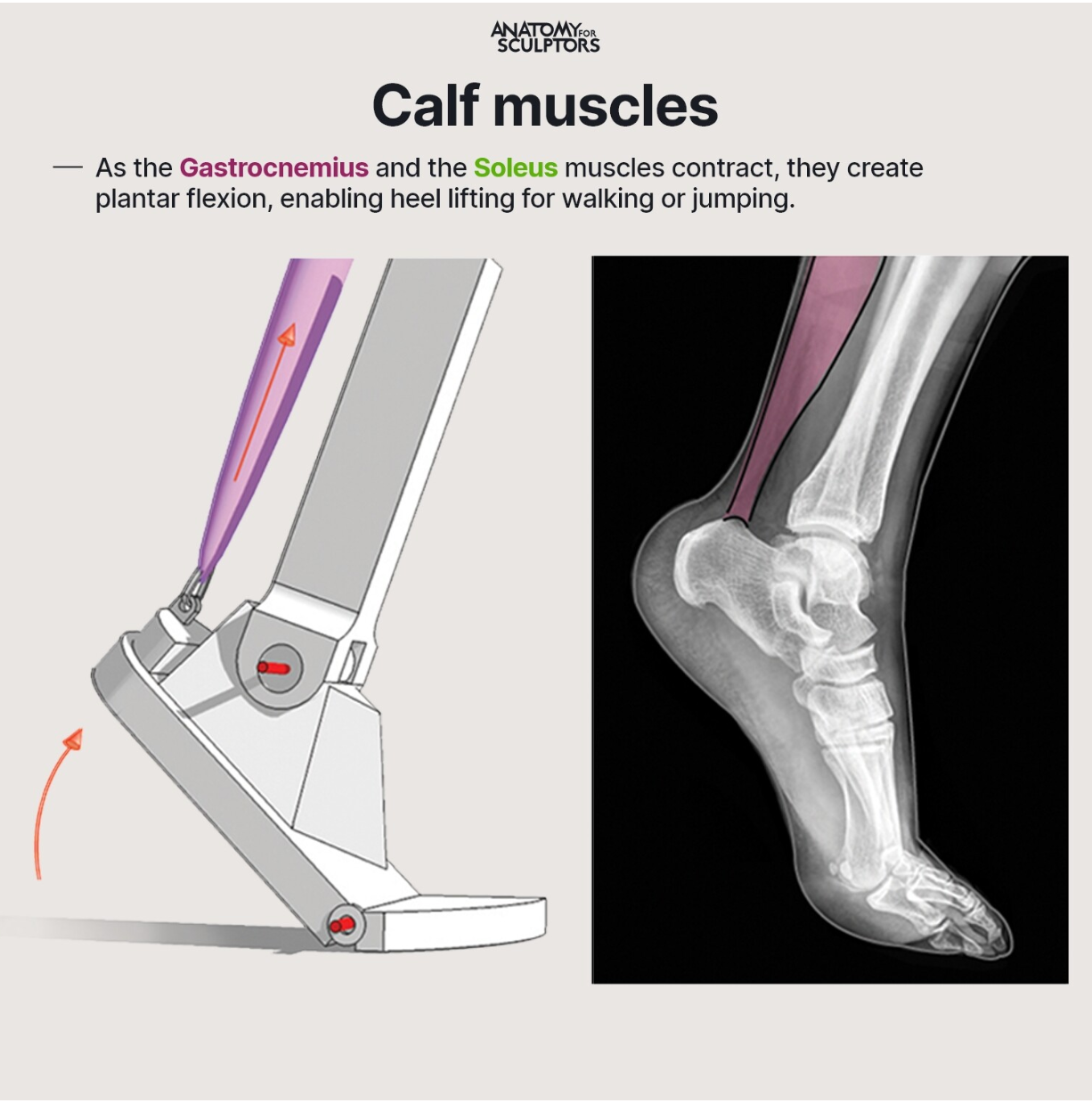
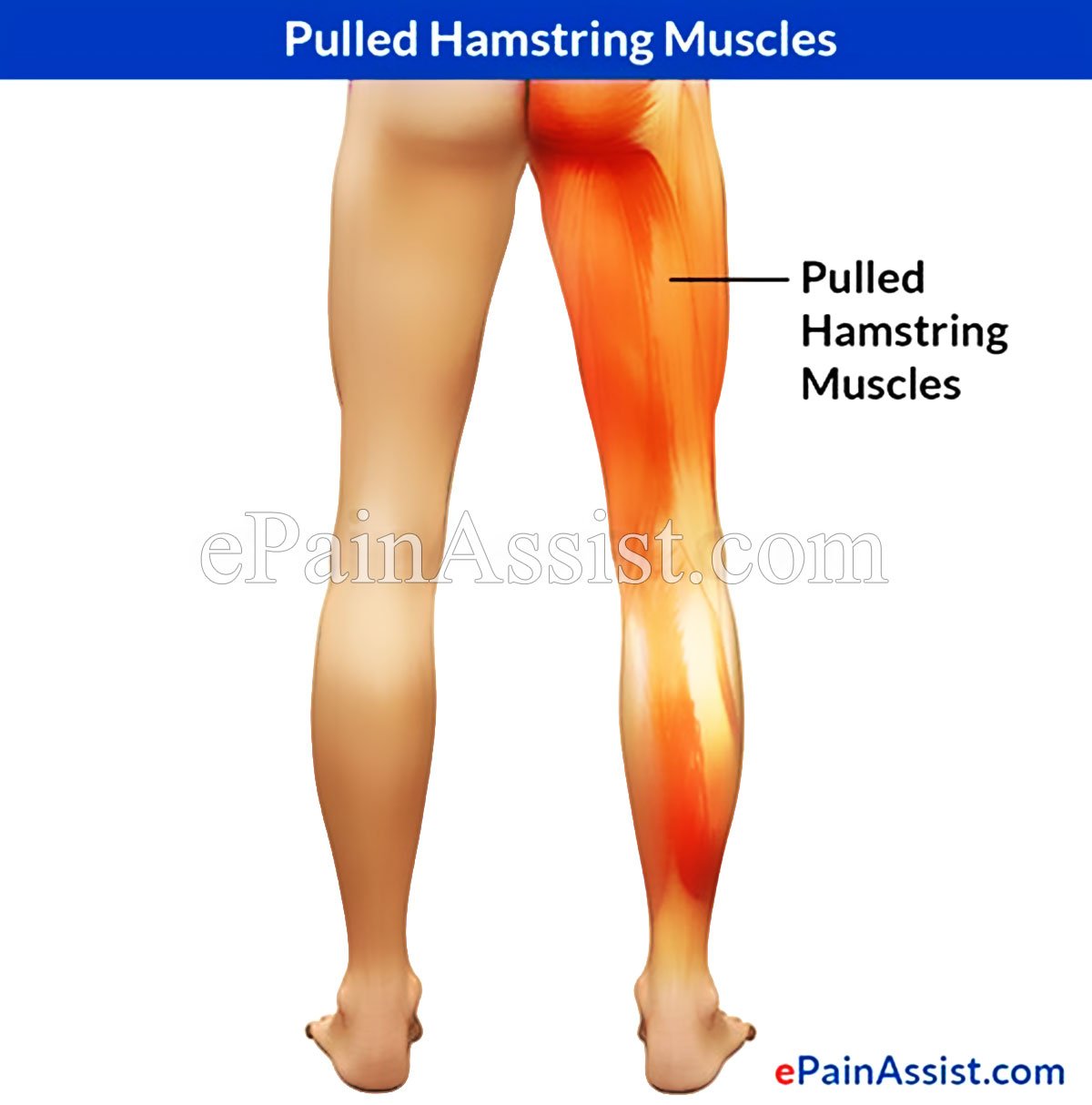
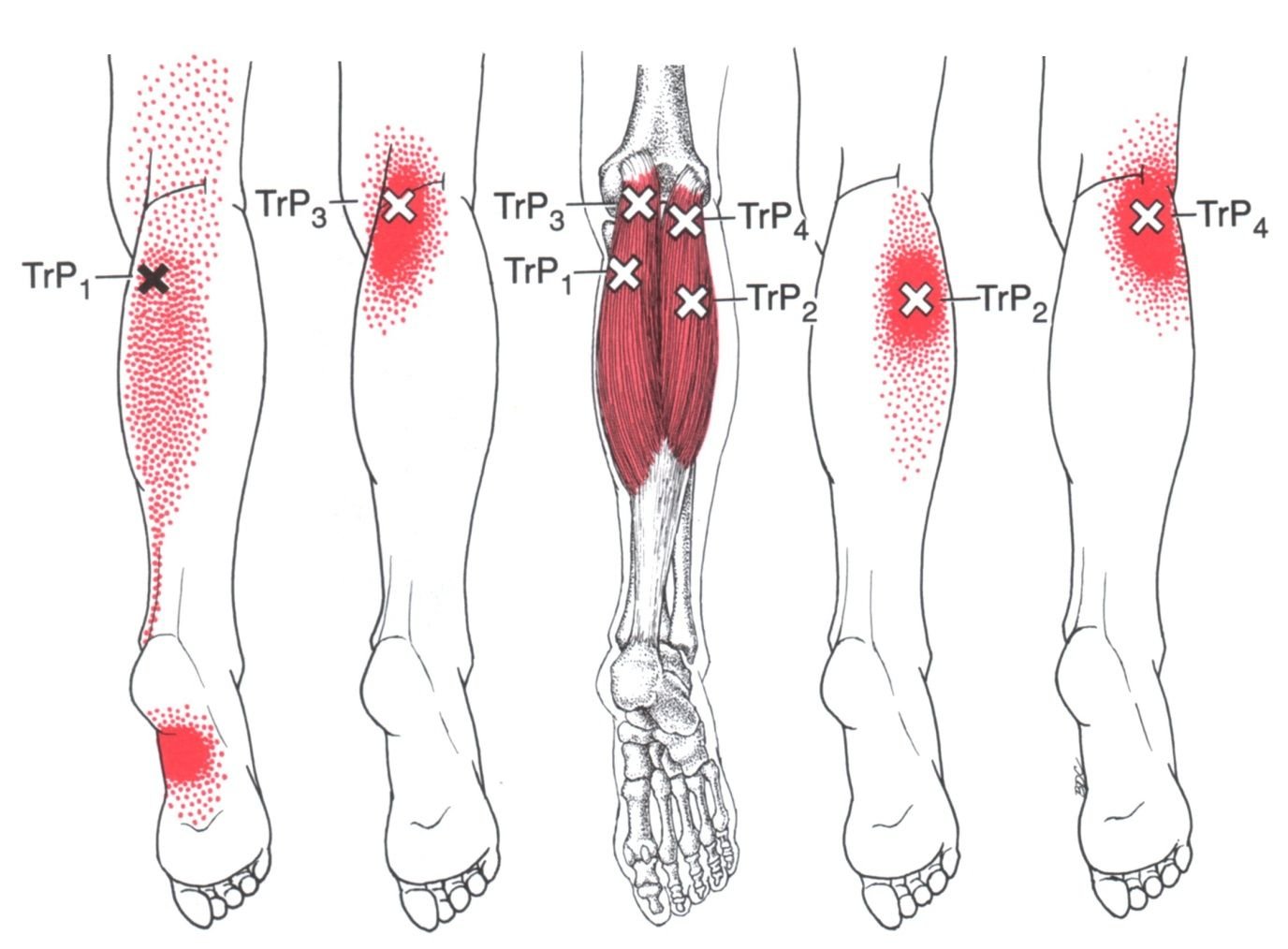
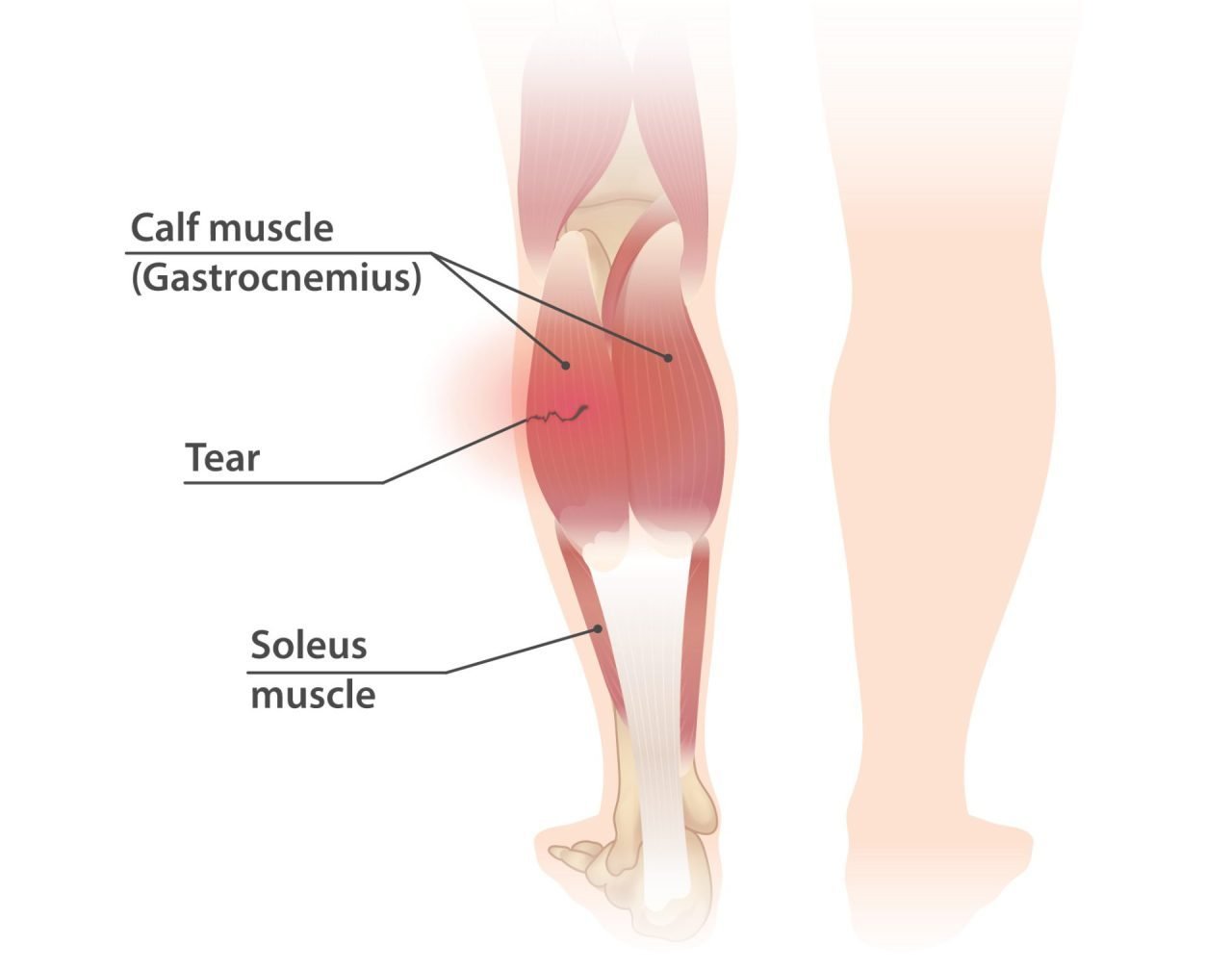
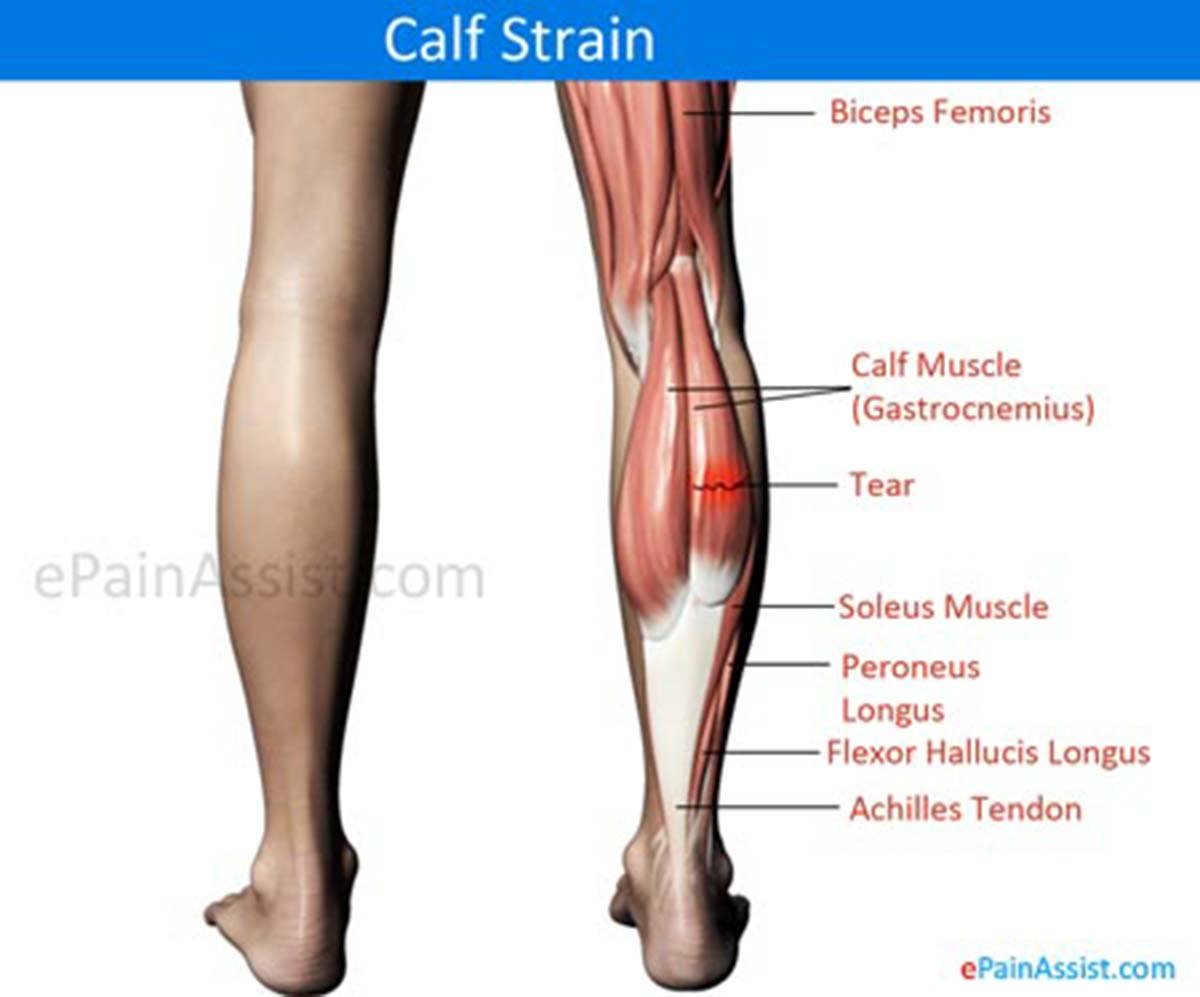
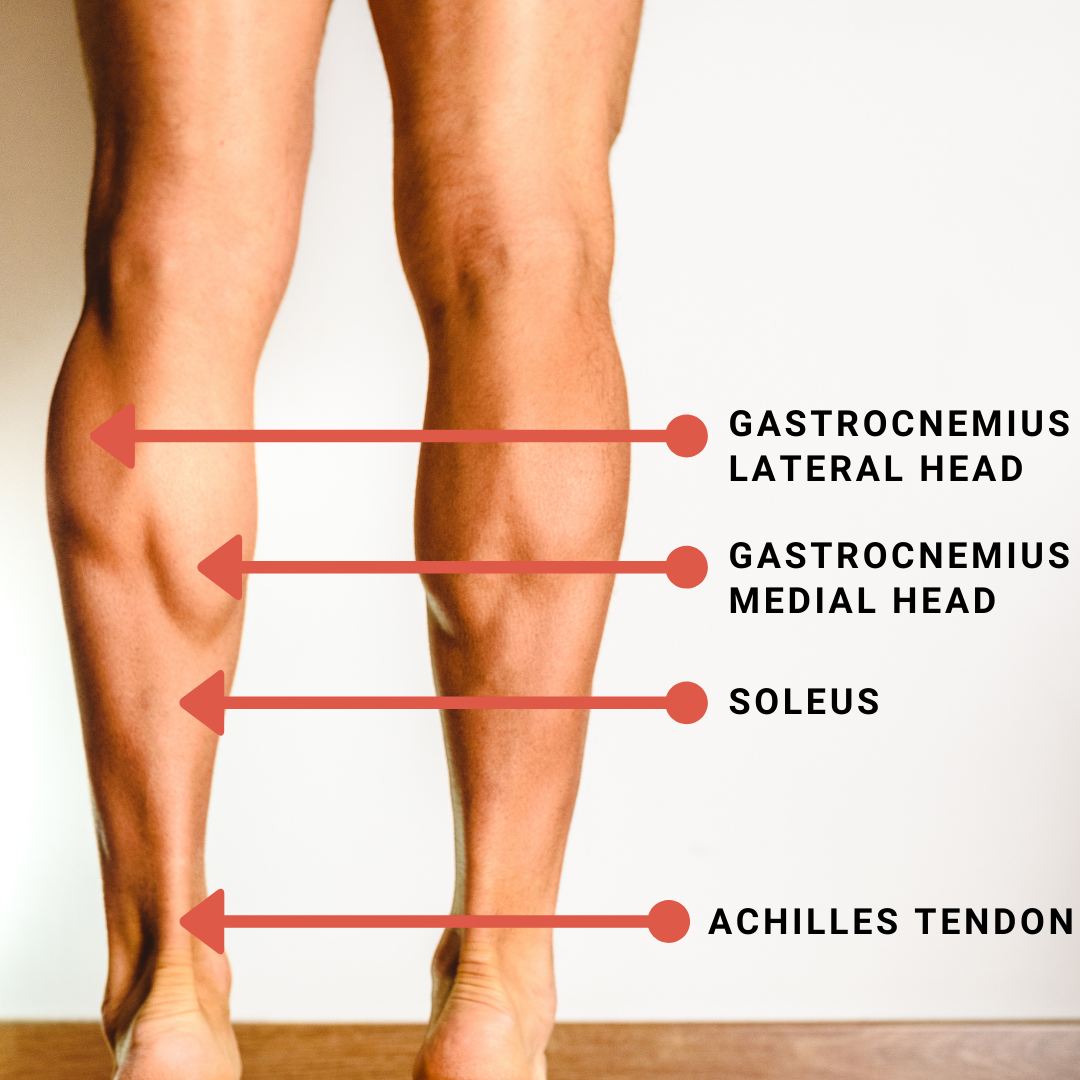
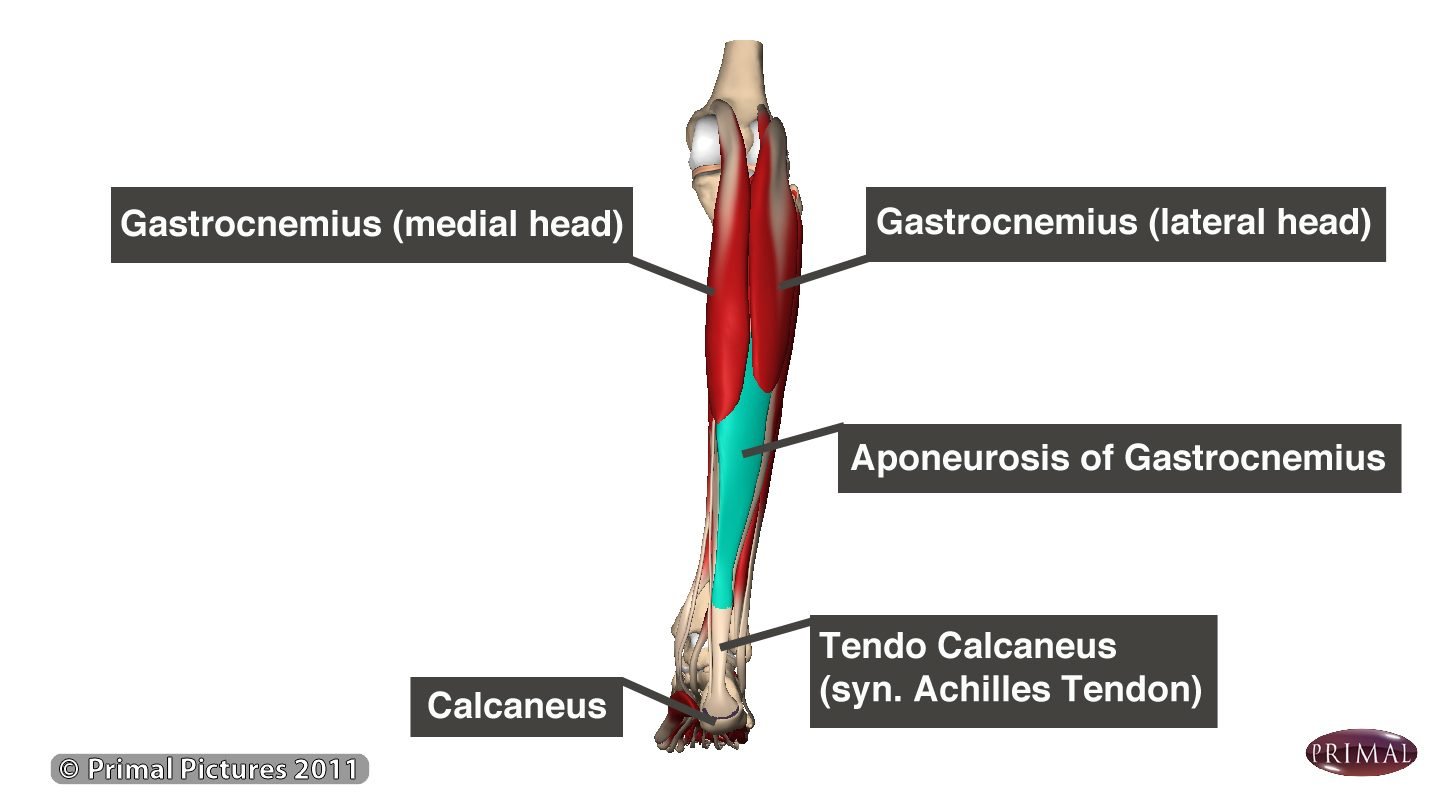
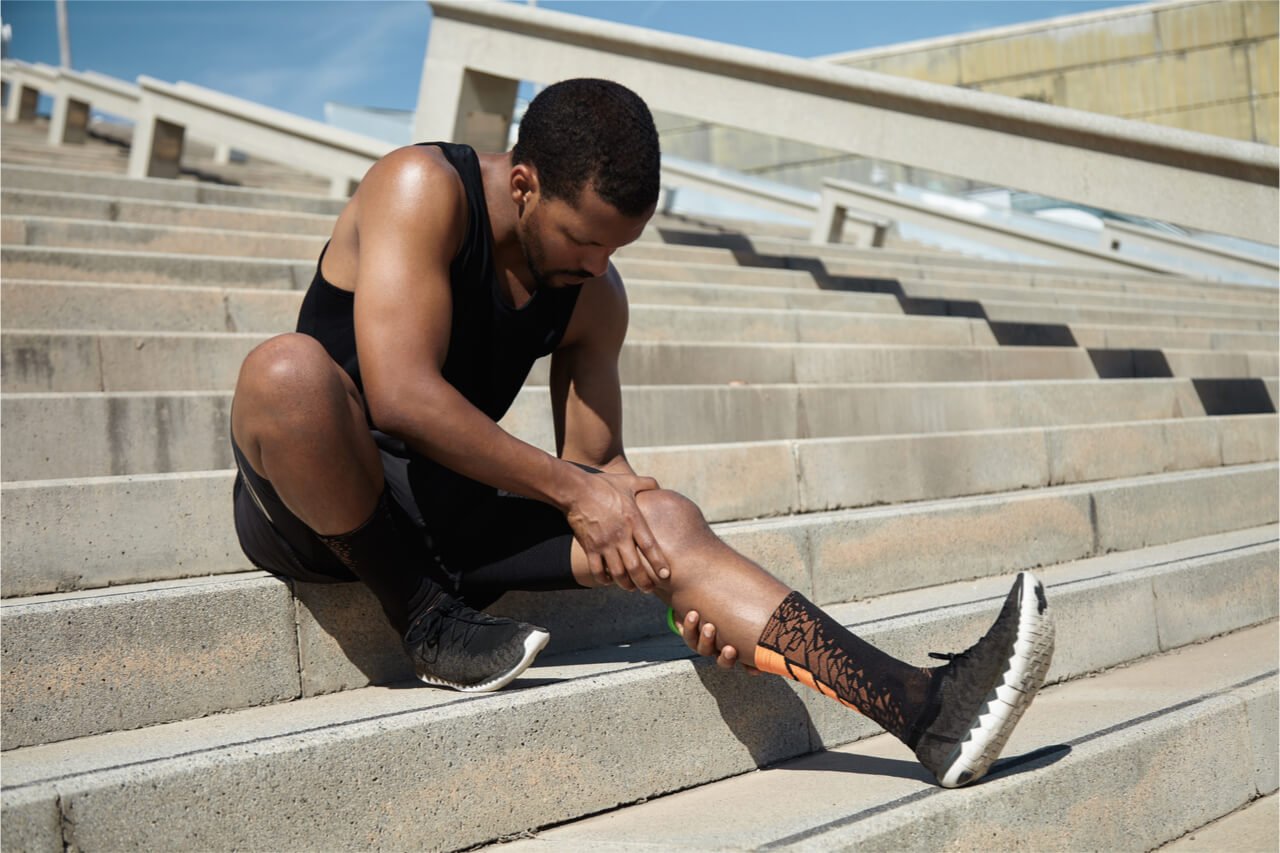
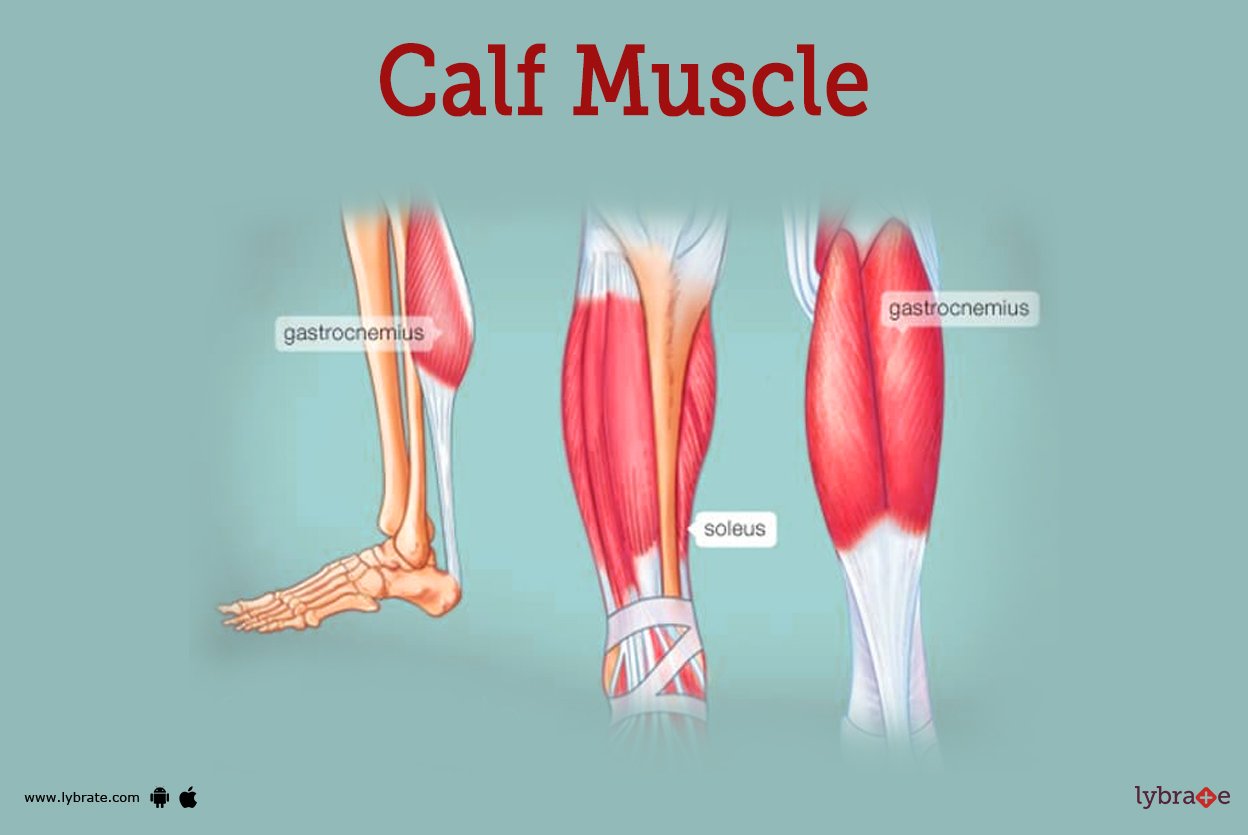
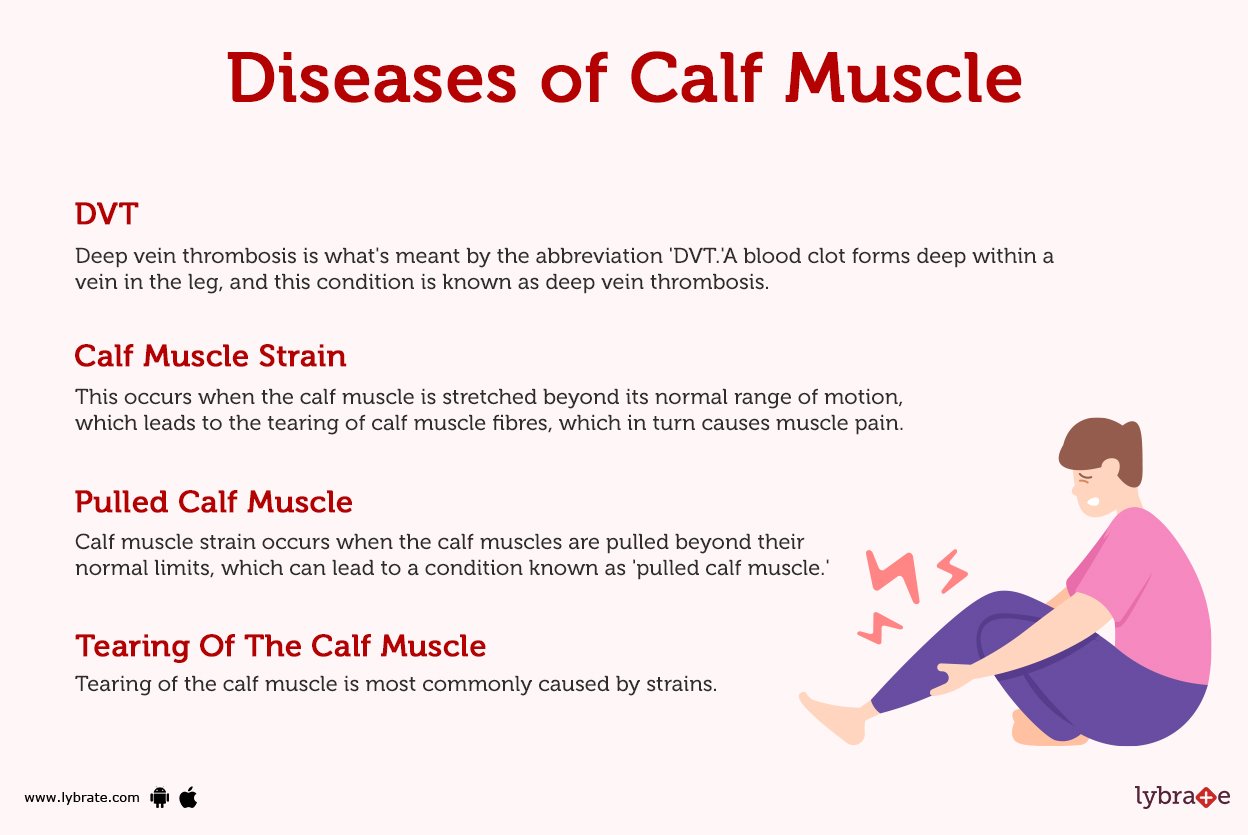
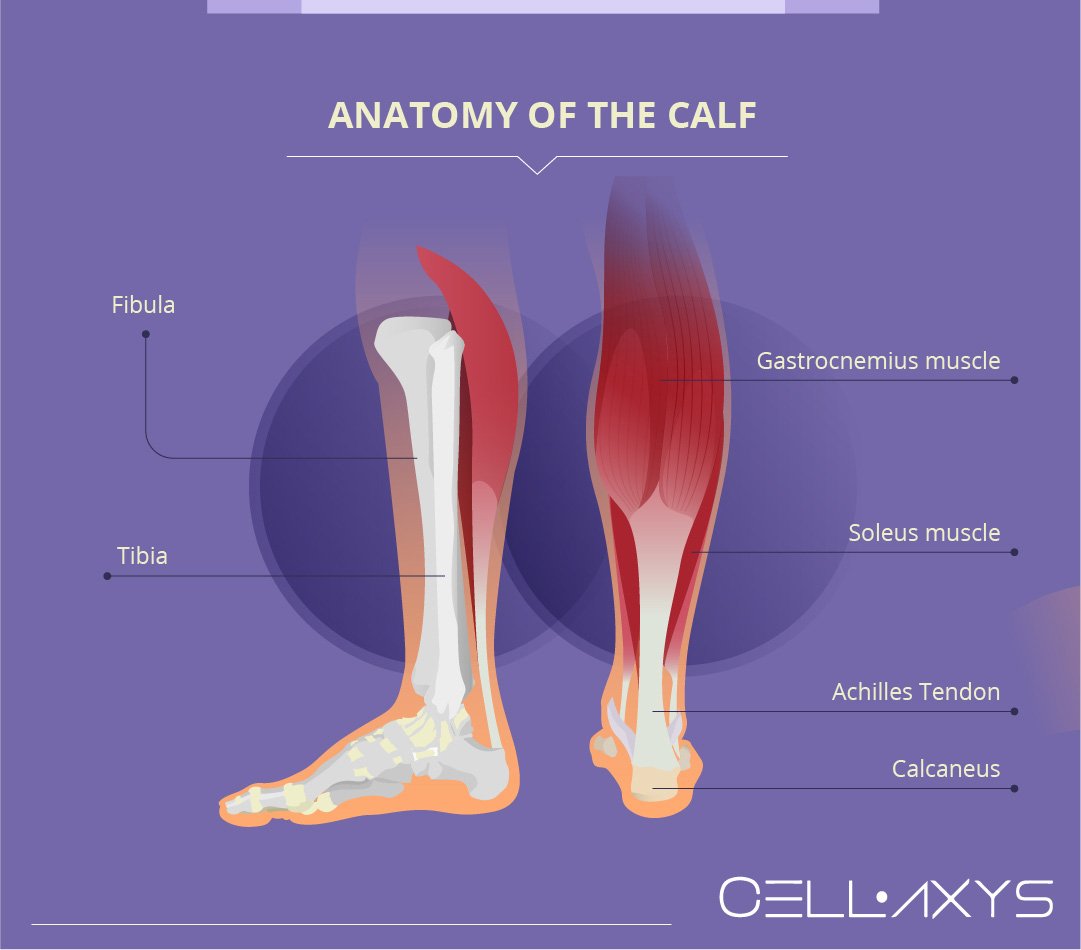
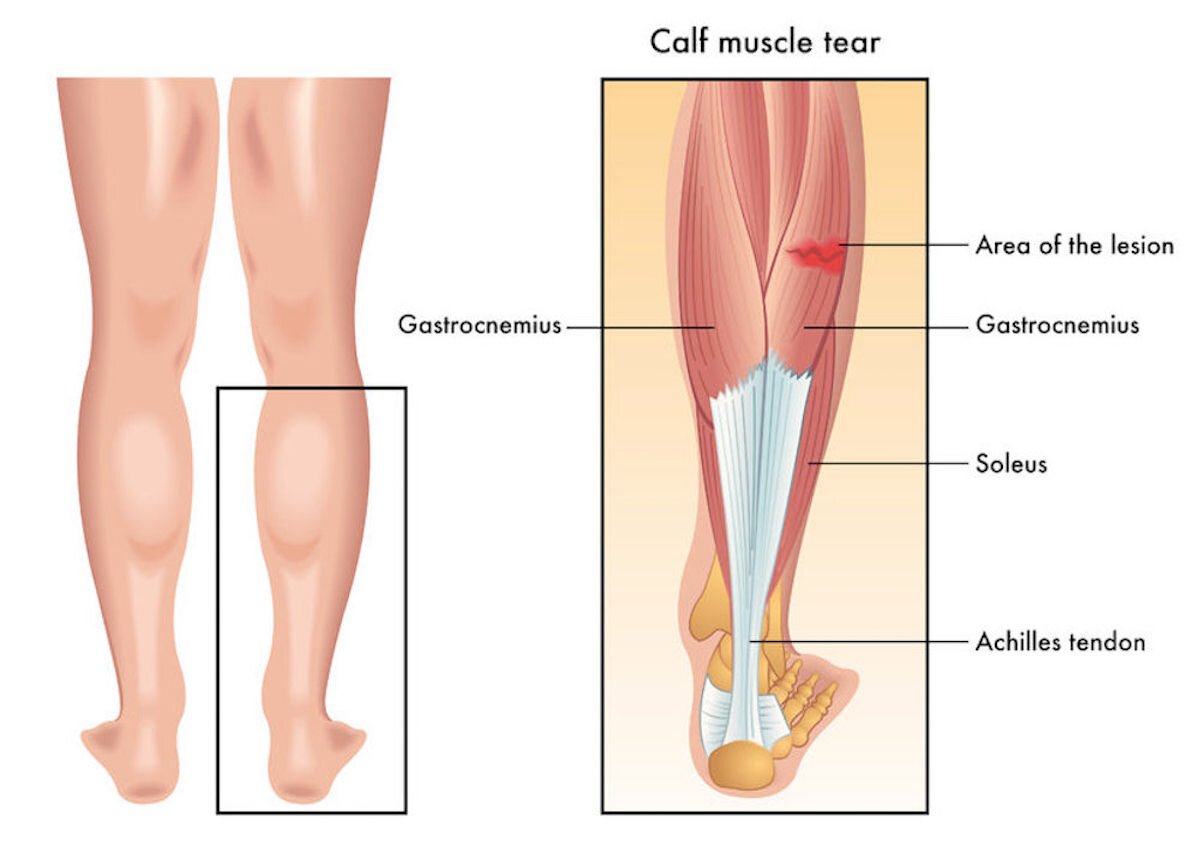
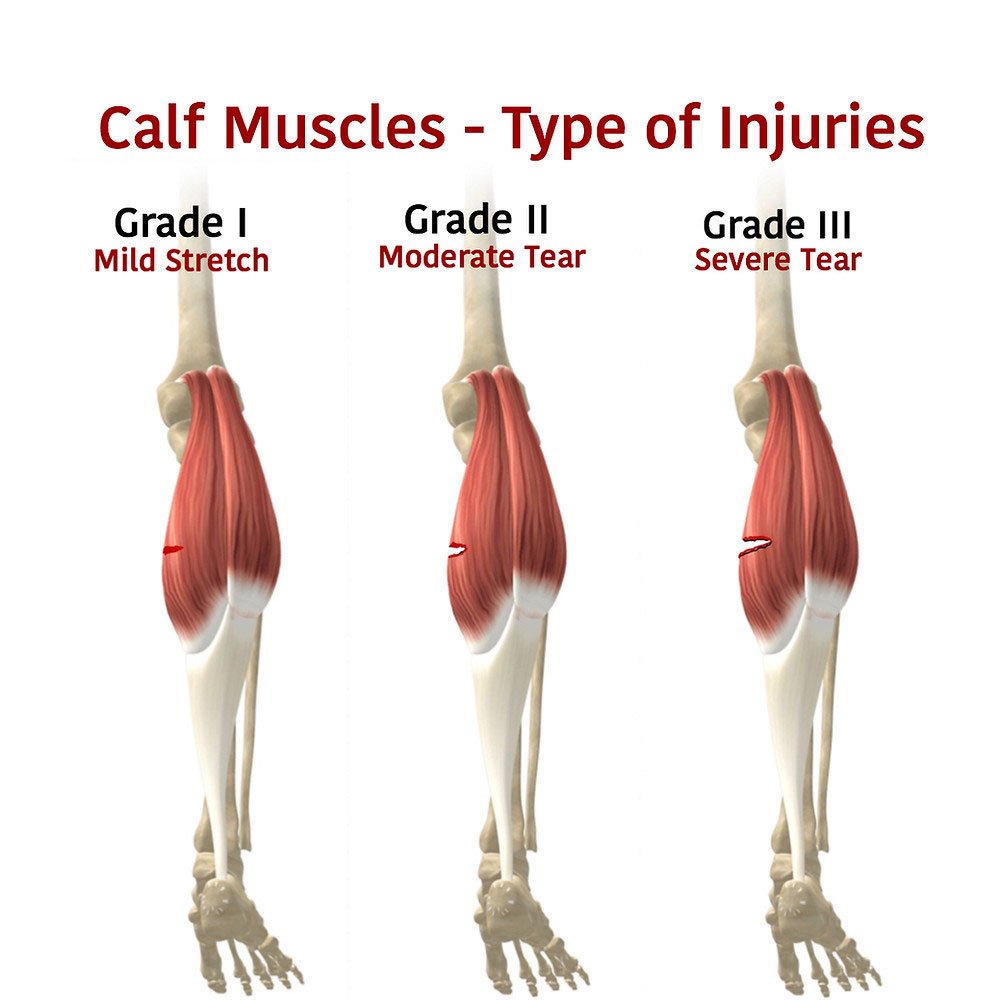
A pulled calf muscle, or calf strain, occurs when the muscles behind your shin bone are overstretched, resulting in a partial or complete tear. This common injury can cause significant pain and discomfort, affecting your lower leg's mobility and strength. Understanding the causes, symptoms, and treatment options is key for effective management and recovery.
Symptoms and Diagnosis
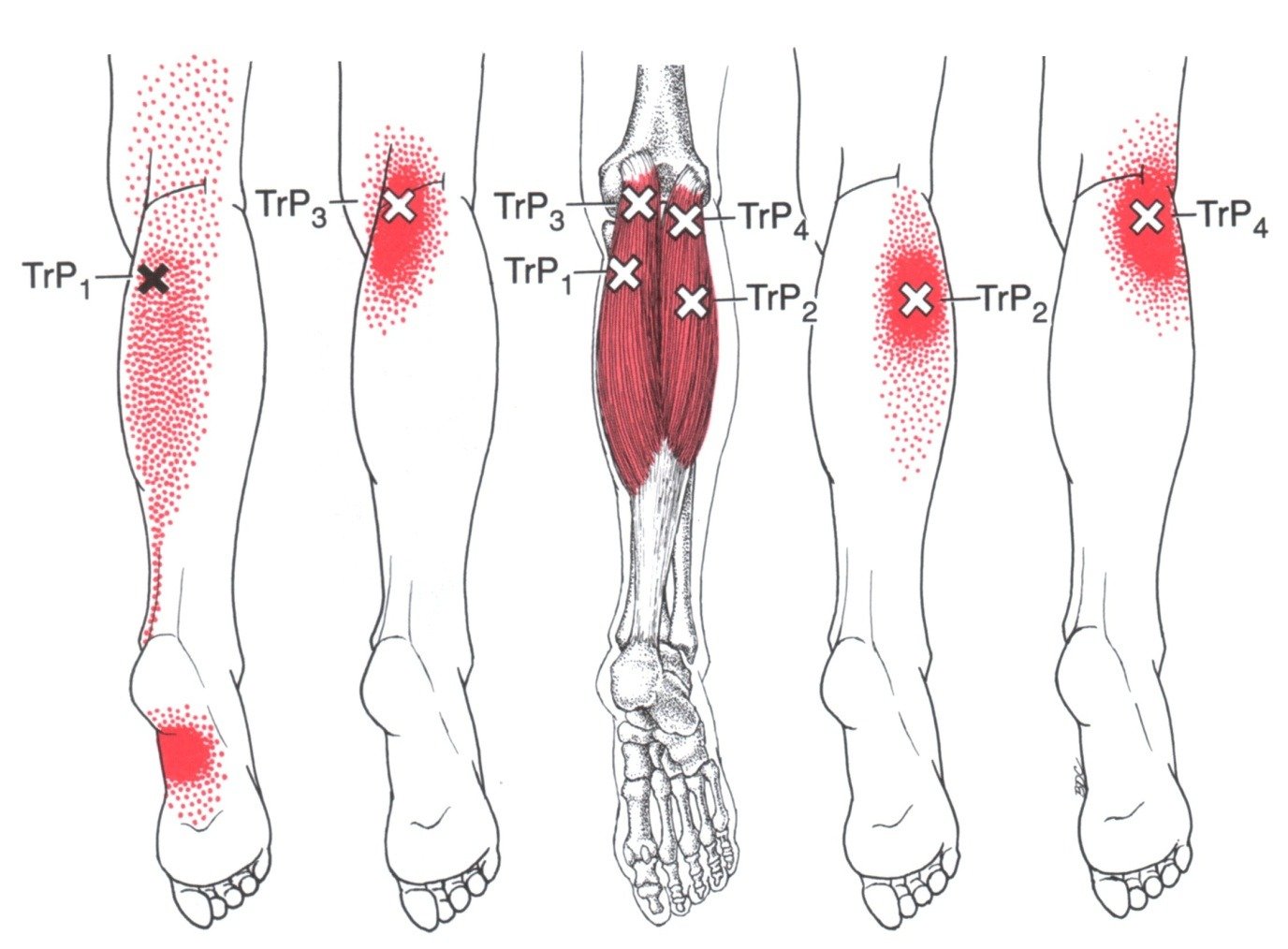
- Pain and tenderness in the calf region are the most common indicators of a pulled calf muscle.
- You may experience a sudden, sharp pain during activity, followed by a persistent ache.
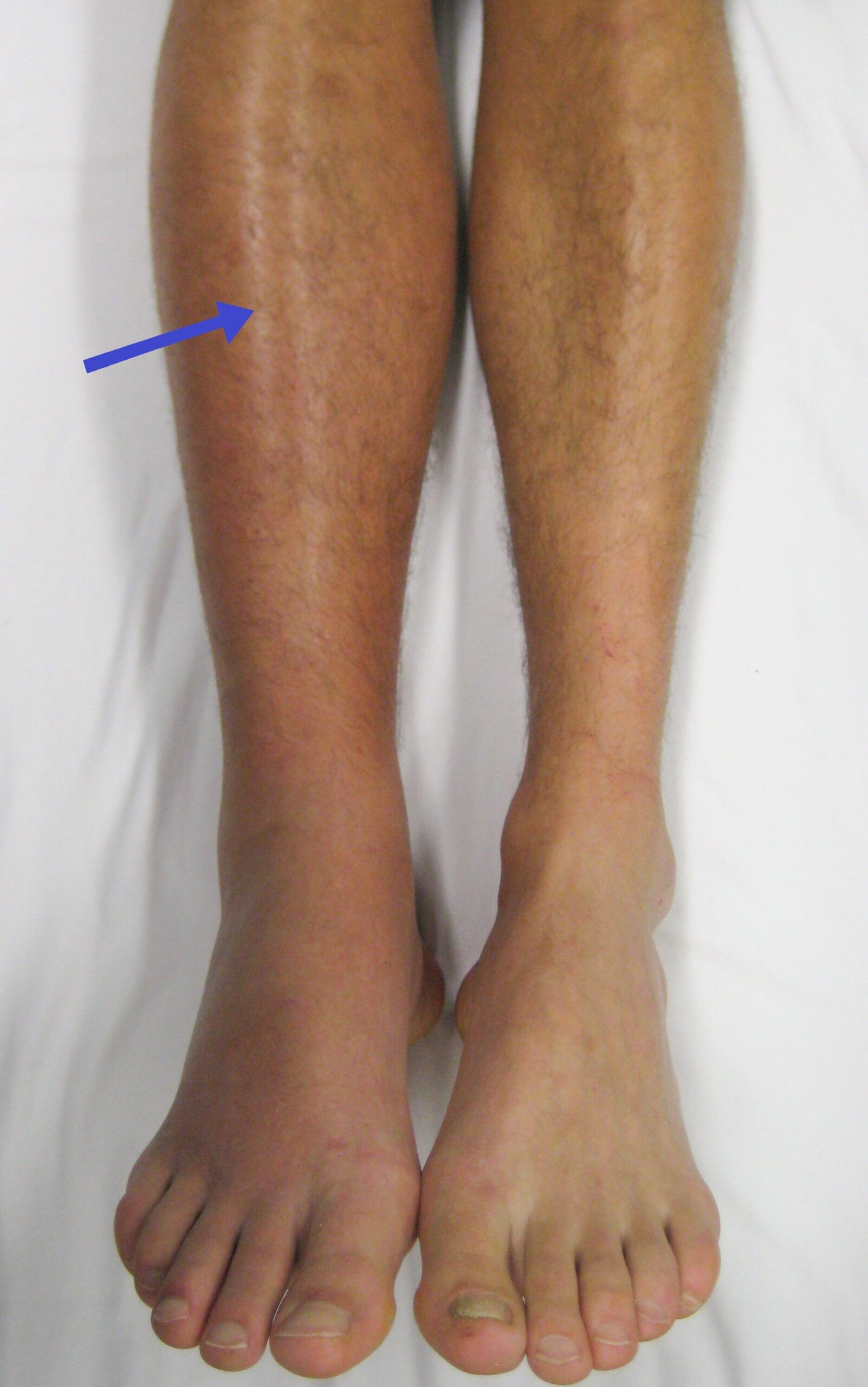
- Swelling, bruising, and a feeling of tightness in the calf muscles are also typical symptoms.
- In severe cases, there may be visible tears or lumps in the muscle.
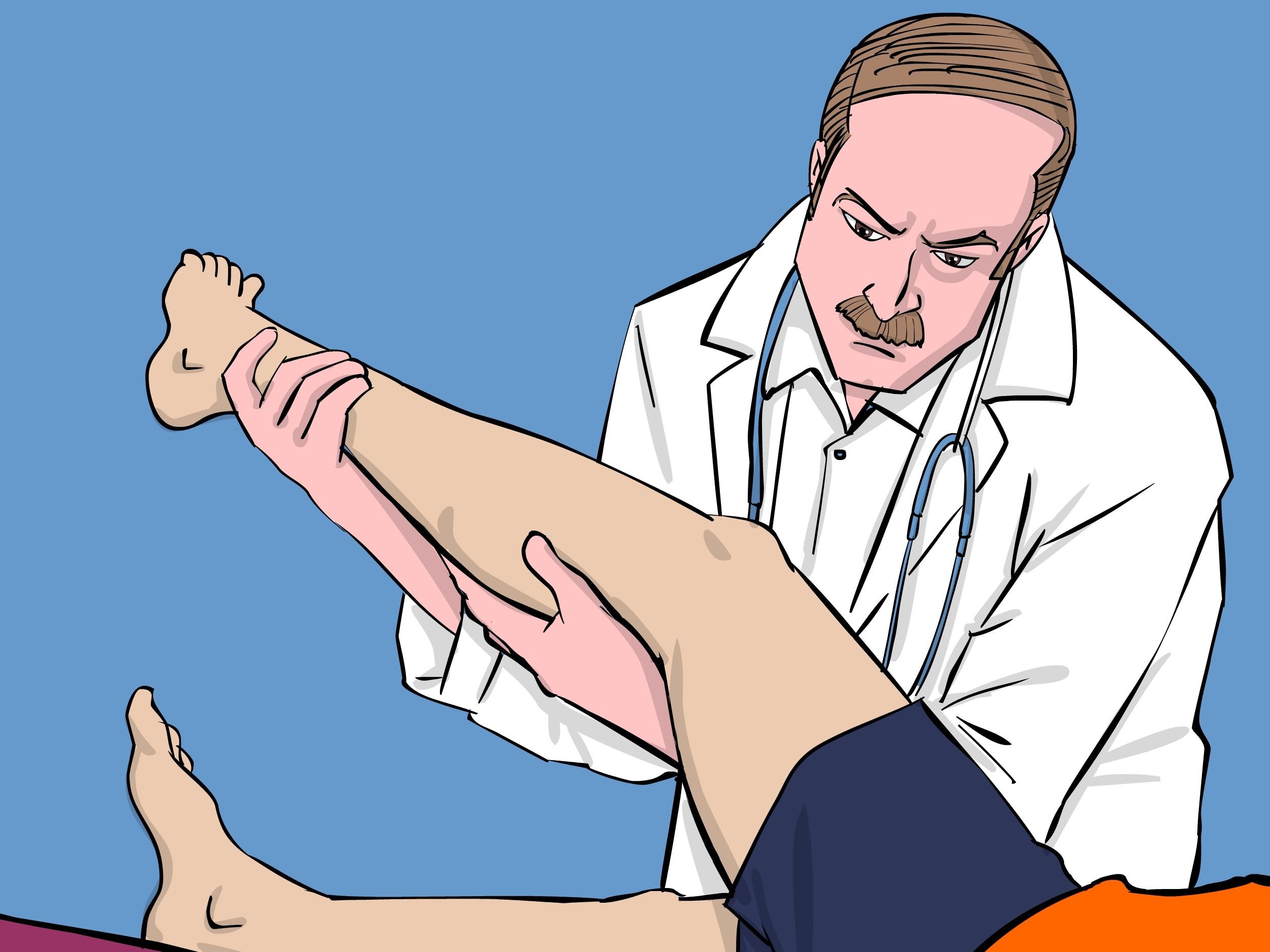
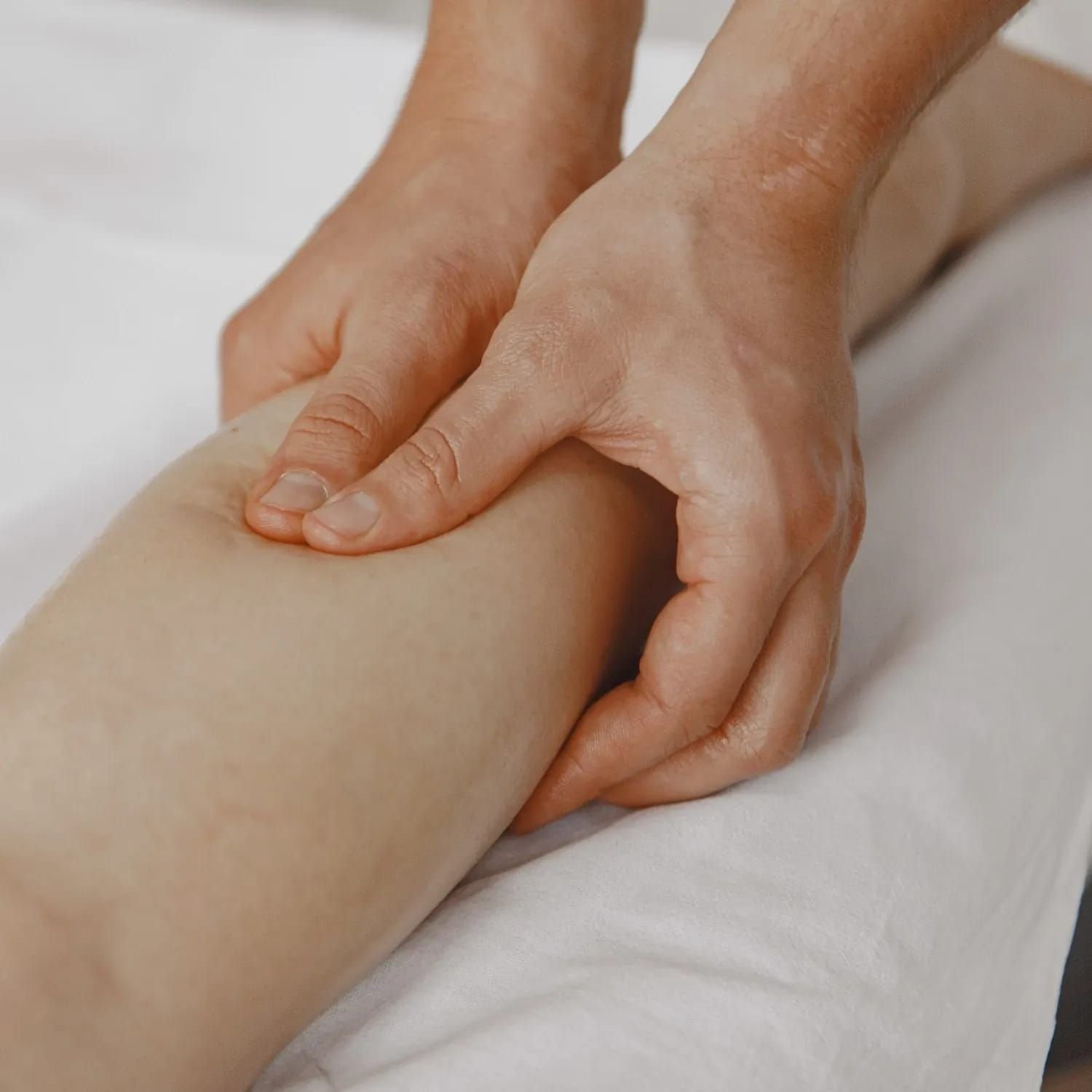
- Calf strain diagnosis often involves a physical examination and a review of your medical history.
- Imaging tests like ultrasounds or MRI scans may be recommended to assess the extent of the injury.
Treatment Options
Rest and Recovery
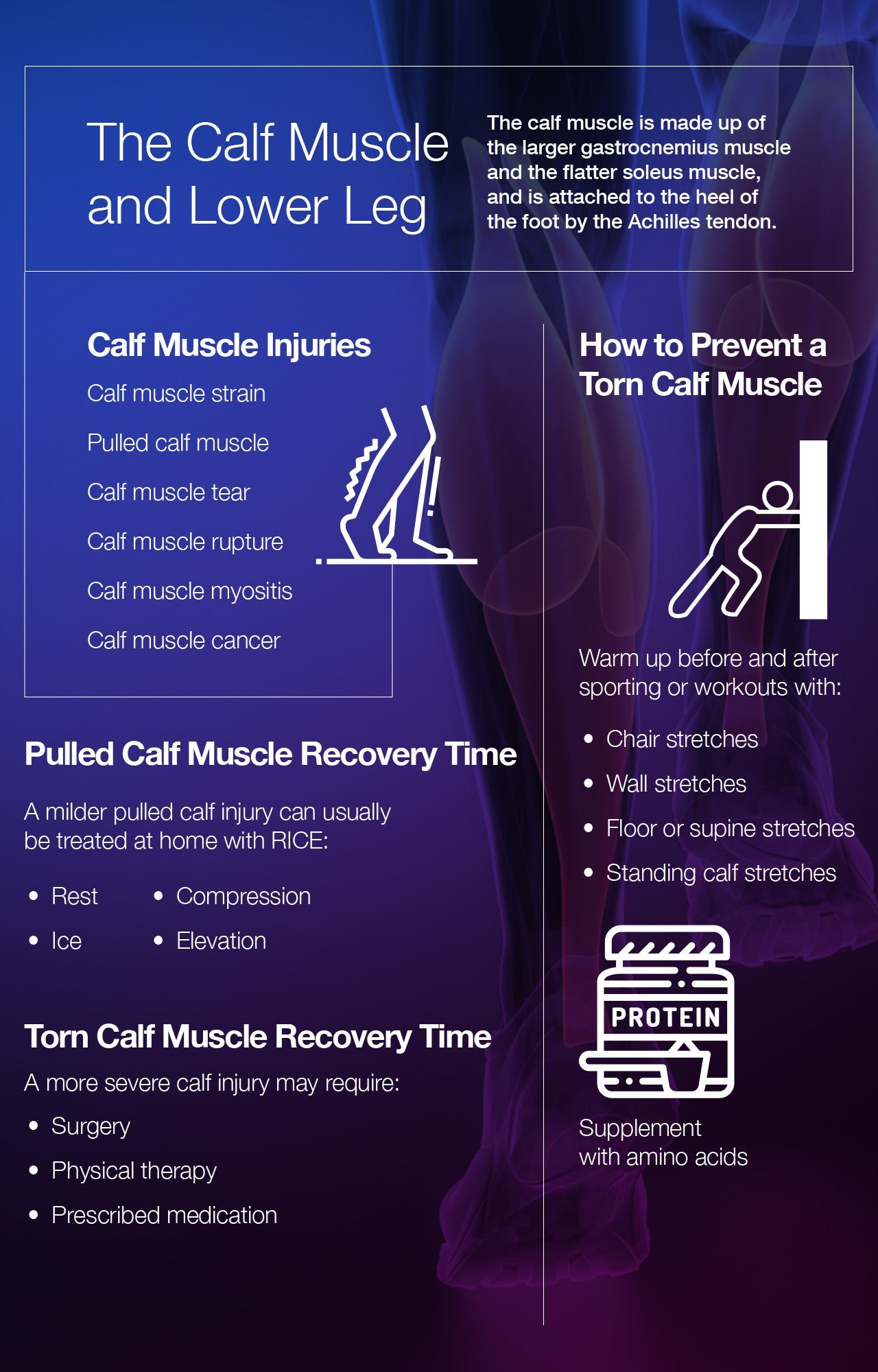
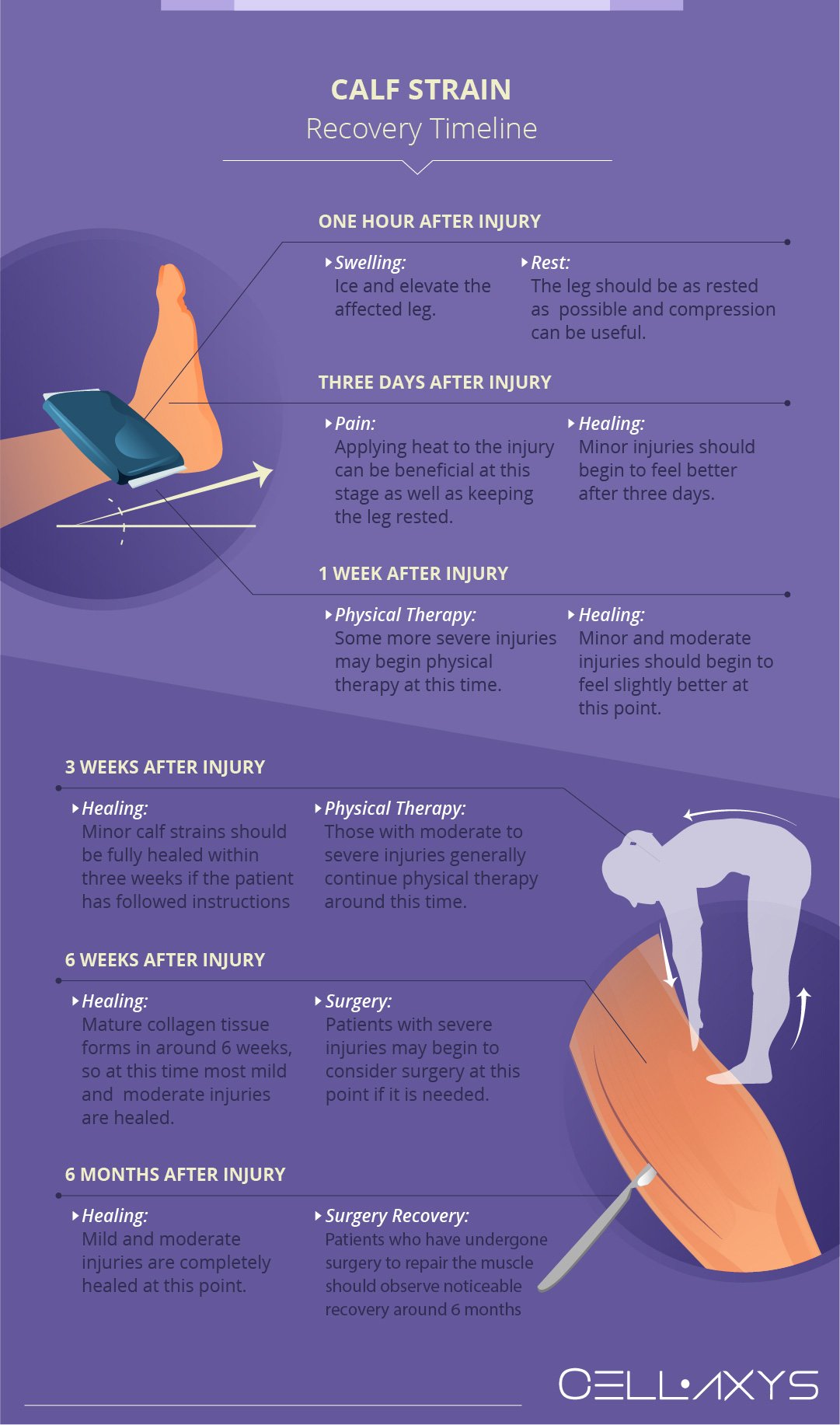
- The initial treatment for a pulled calf muscle involves resting the affected leg to allow the muscle to heal.
- Avoid activities that aggravate the pain, and consider using crutches to reduce weight-bearing on the injured leg.
- Apply ice packs to reduce inflammation and manage pain.
Home Remedies and Medication
- Over-the-counter pain relievers can help manage discomfort.
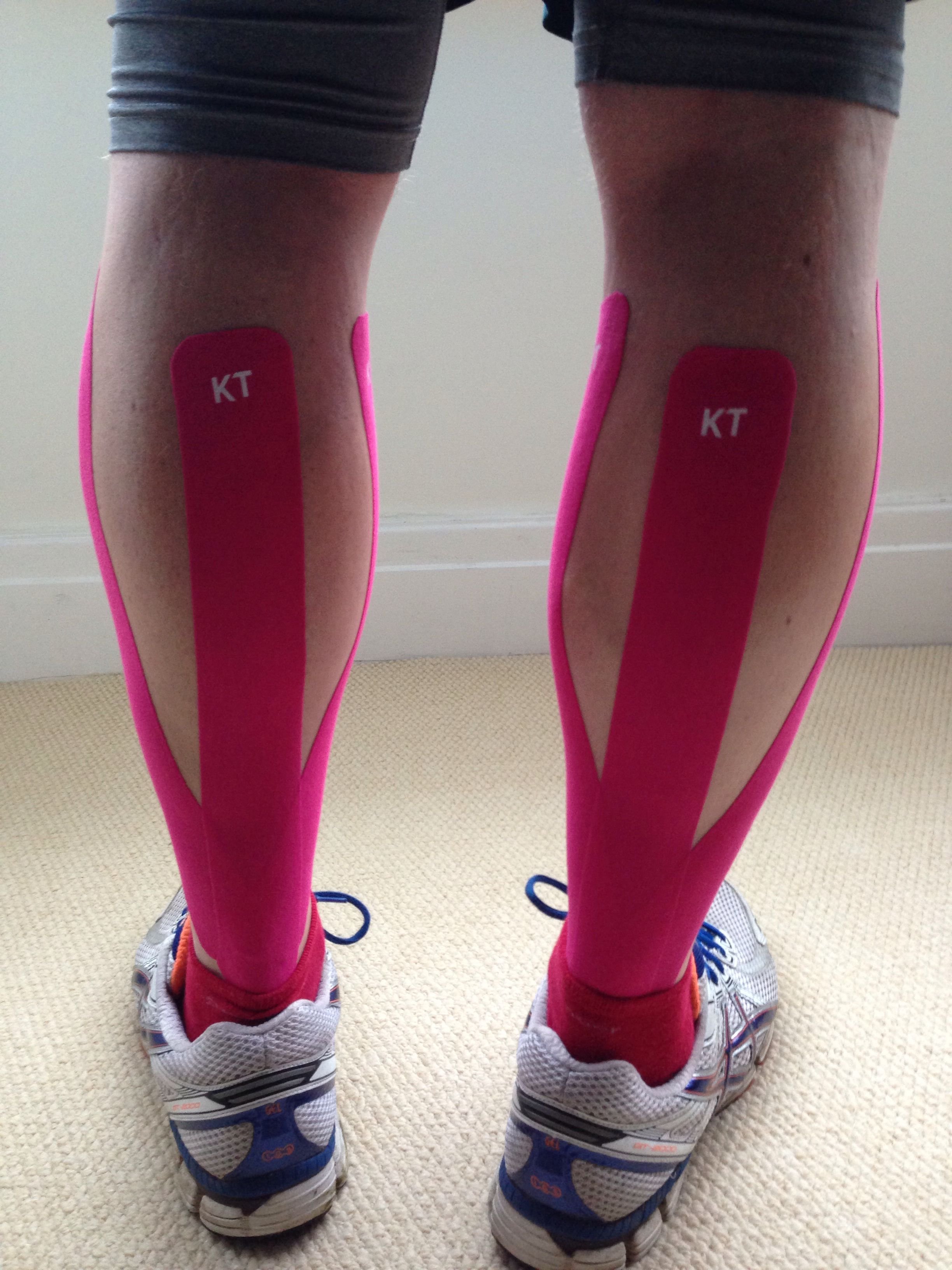
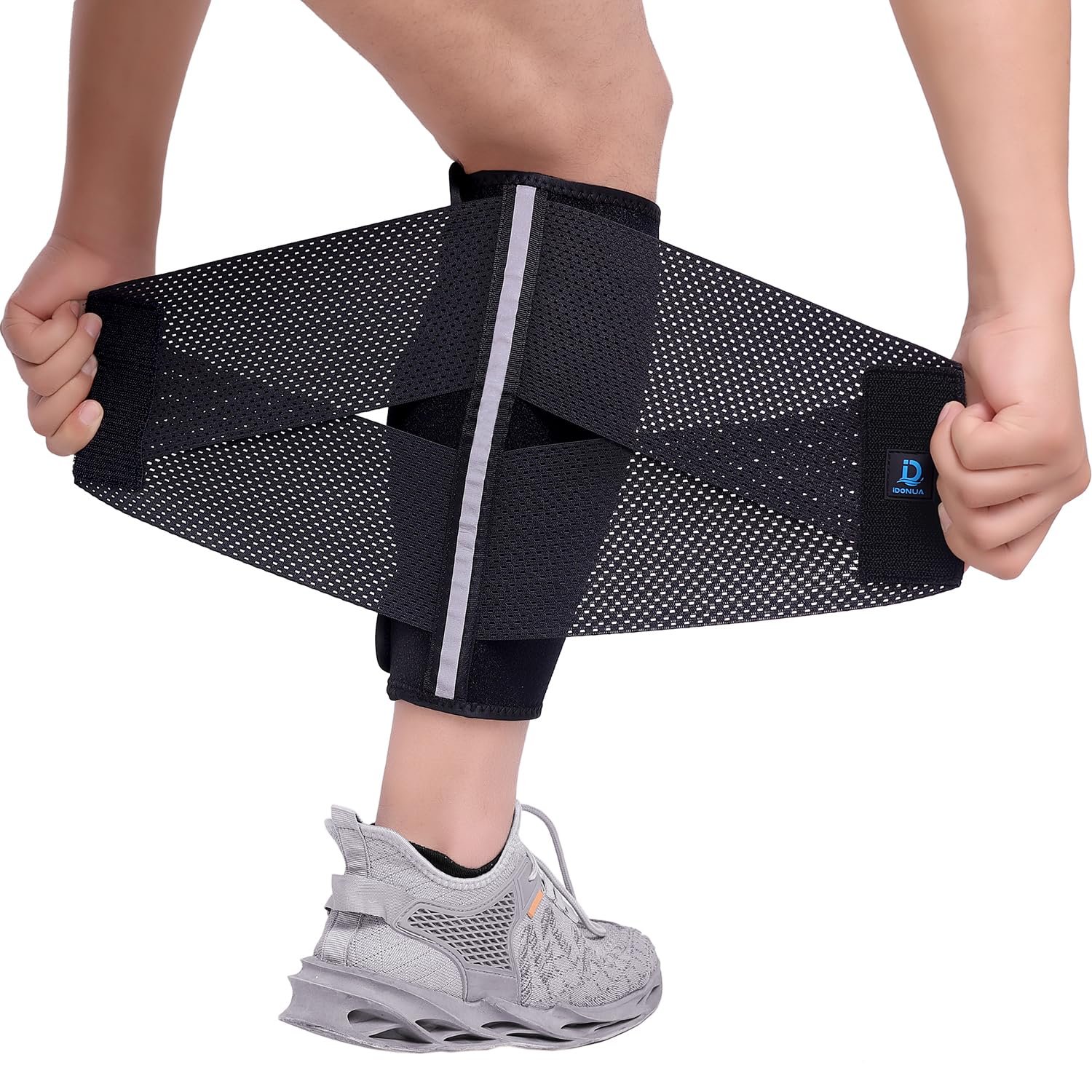
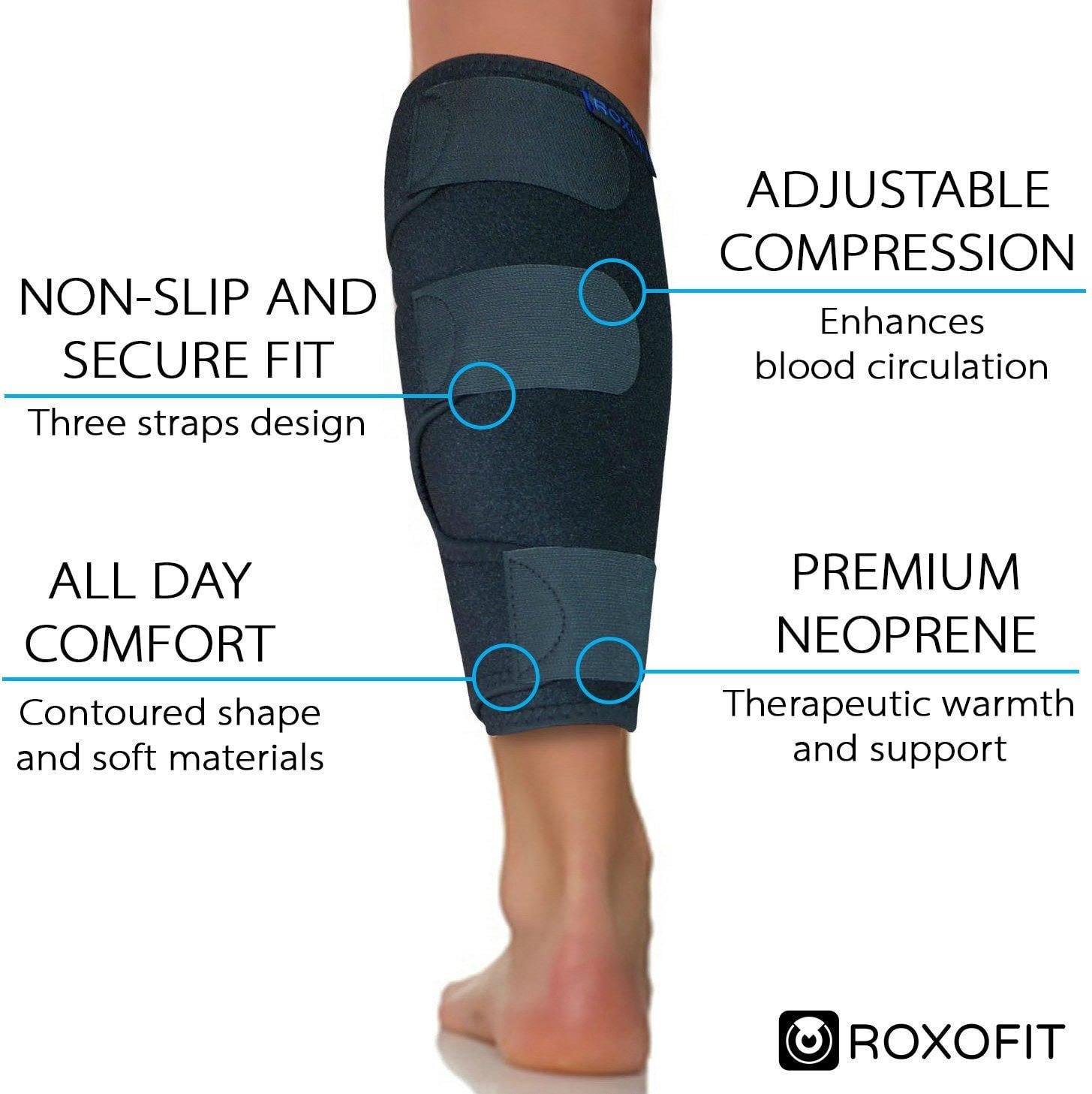
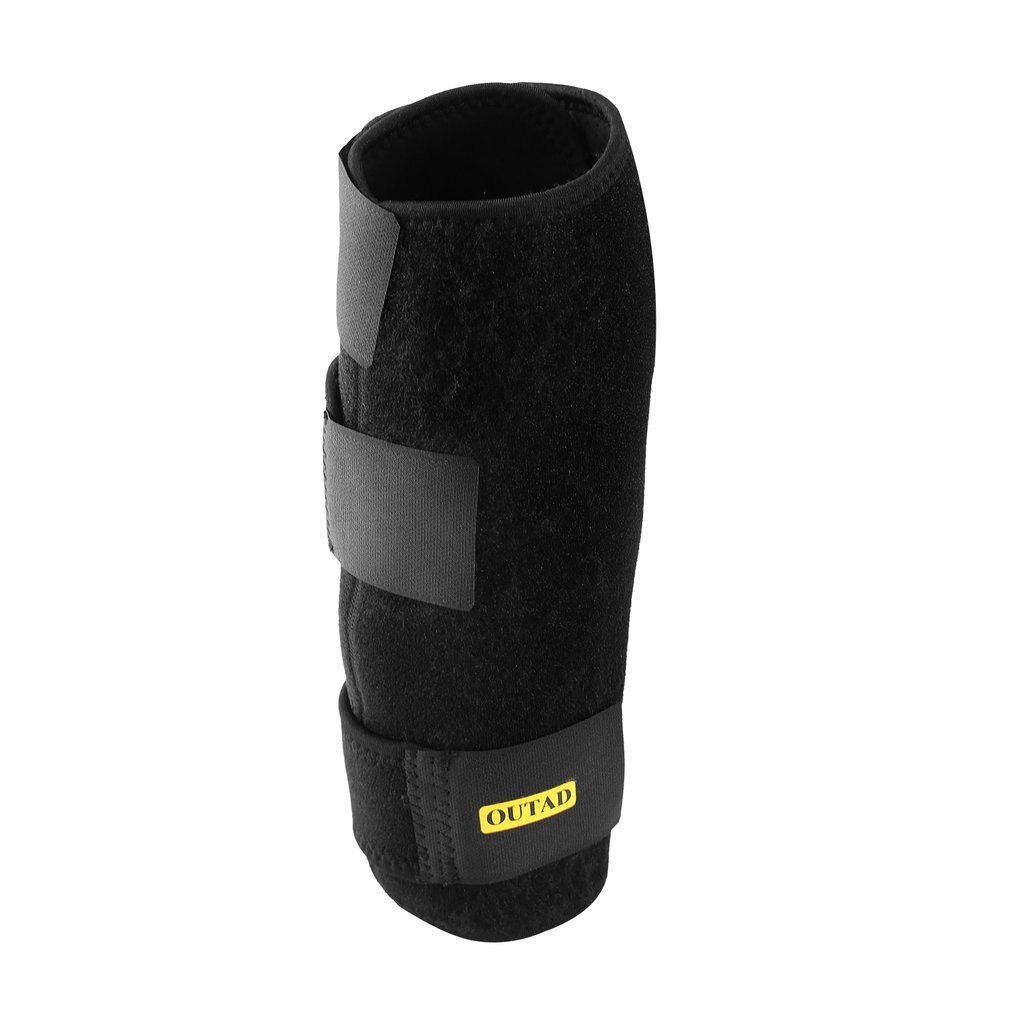
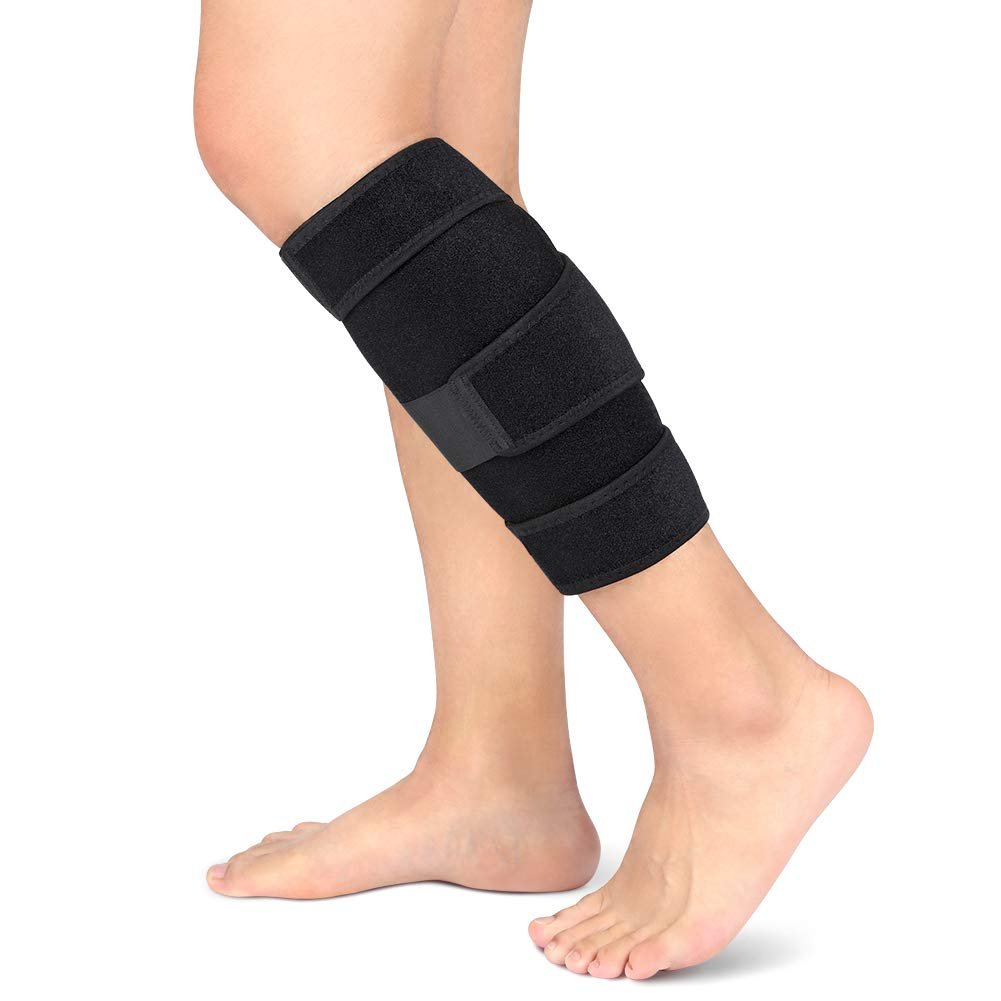
- Compression bandages and braces can provide support and reduce swelling.
- Realistic blue eyes png may be recommended to enhance blood flow and promote healing.
- Elevating the injured leg above heart level can also aid in reducing swelling.
Physical Therapy and Rehabilitation
- Calf muscle treatment often involves a tailored physical therapy program.
- Stretching exercises and gentle calf muscle strengthening techniques are key for recovery.
- A physical therapist can guide you through appropriate exercises and monitor your progress.
- In some cases, surgery may be necessary for severe tears or when conservative treatments are ineffective.
Prevention and Long-Term Care
- Warm-up exercises and stretching before physical activity can help prevent torn calf injuries.
- Gradually increase the intensity of your workouts to avoid sudden strain.
- Maintain a balanced diet and stay hydrated to support muscle health.
- Consider wearing appropriate footwear and using orthotic inserts for added support.
- Regular strength training and flexibility exercises can help maintain calf muscle health over time.
When to Seek Medical Attention
While most pulled calf muscle injuries can be managed at home, it's essential to consult a healthcare professional if: For a closer look at something similar, my post on receipt template word for kids covers the details.

- Pain is severe and persistent, despite home treatment.
- There is significant swelling or bruising that doesn't improve.
- You experience numbness or tingling in the calf or foot.
- Walking or standing becomes difficult due to pain.
- The injury affects your daily activities and quality of life.
Remember, early intervention and proper care can significantly impact your recovery from a pulled calf muscle. You can also compare this directly with kindergarten writing paper to see how they stack up.