
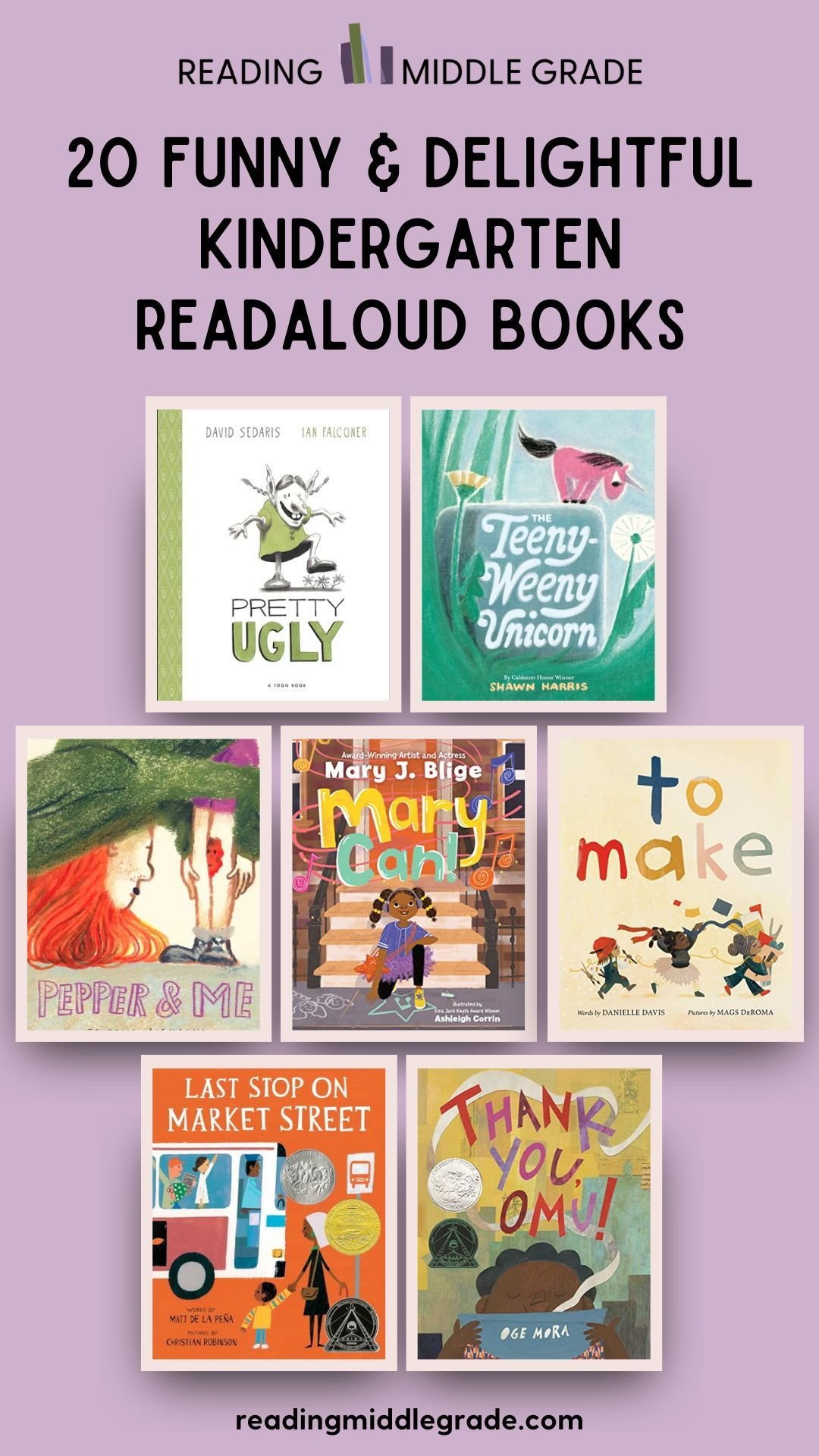
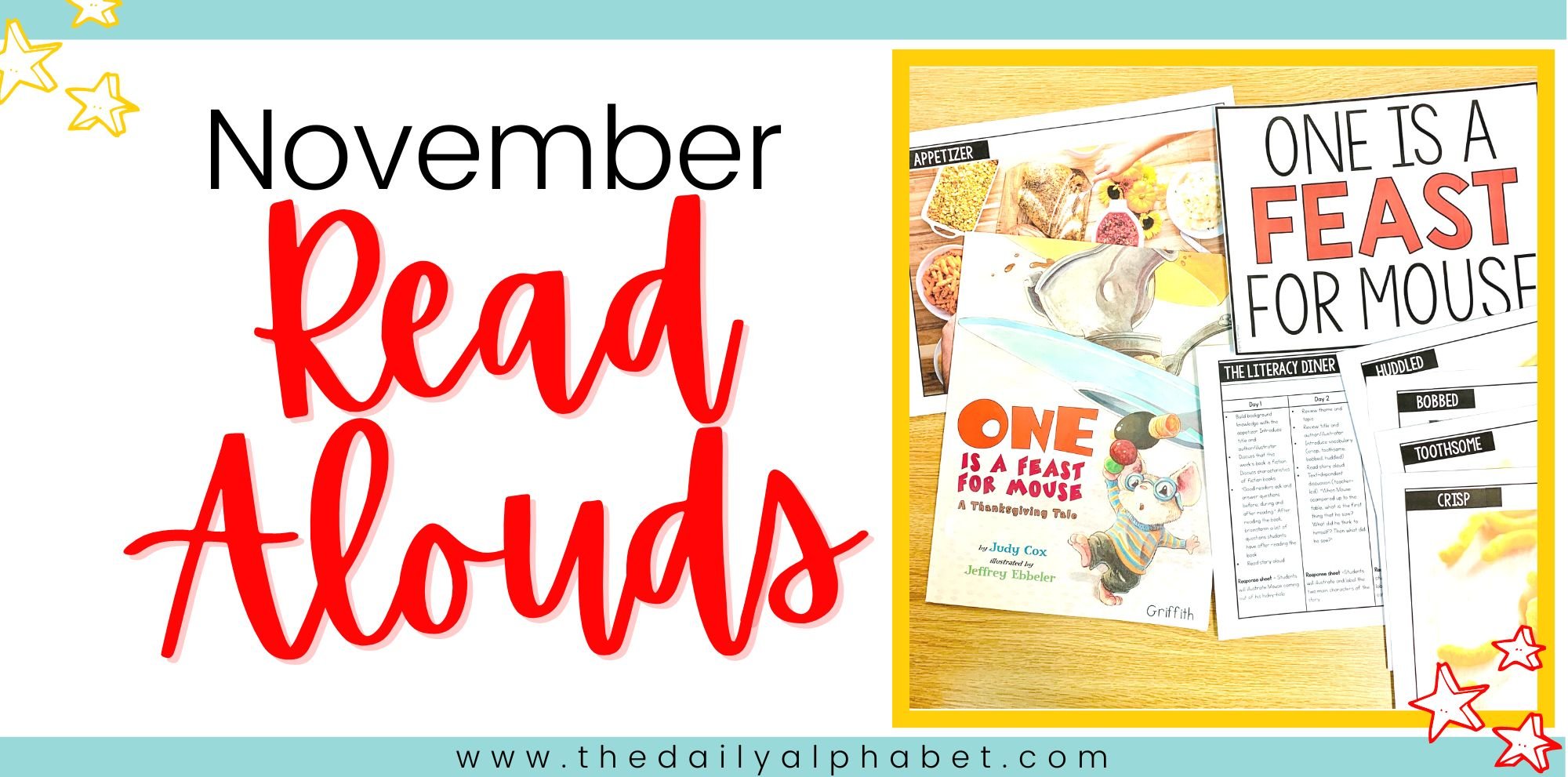
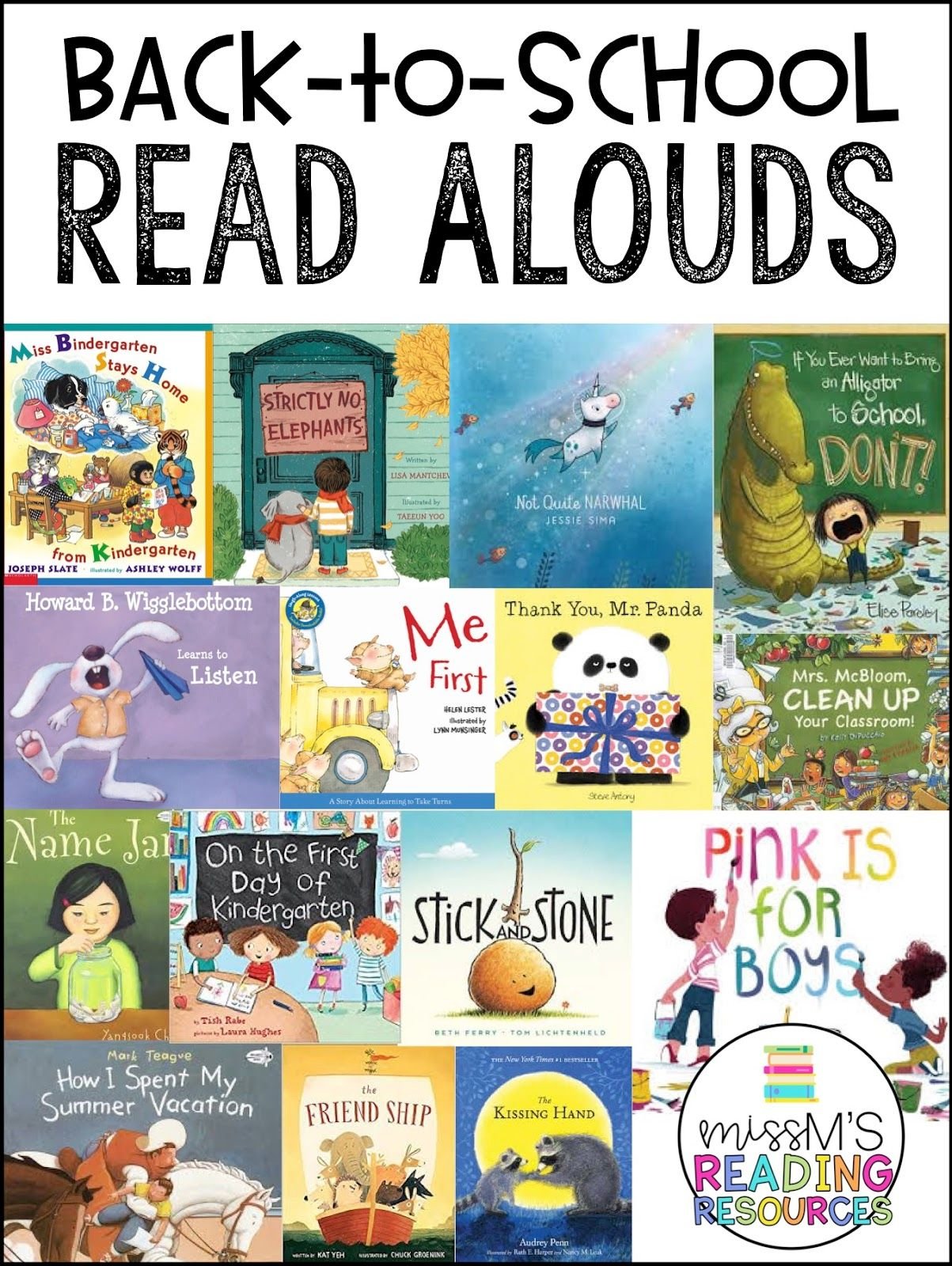
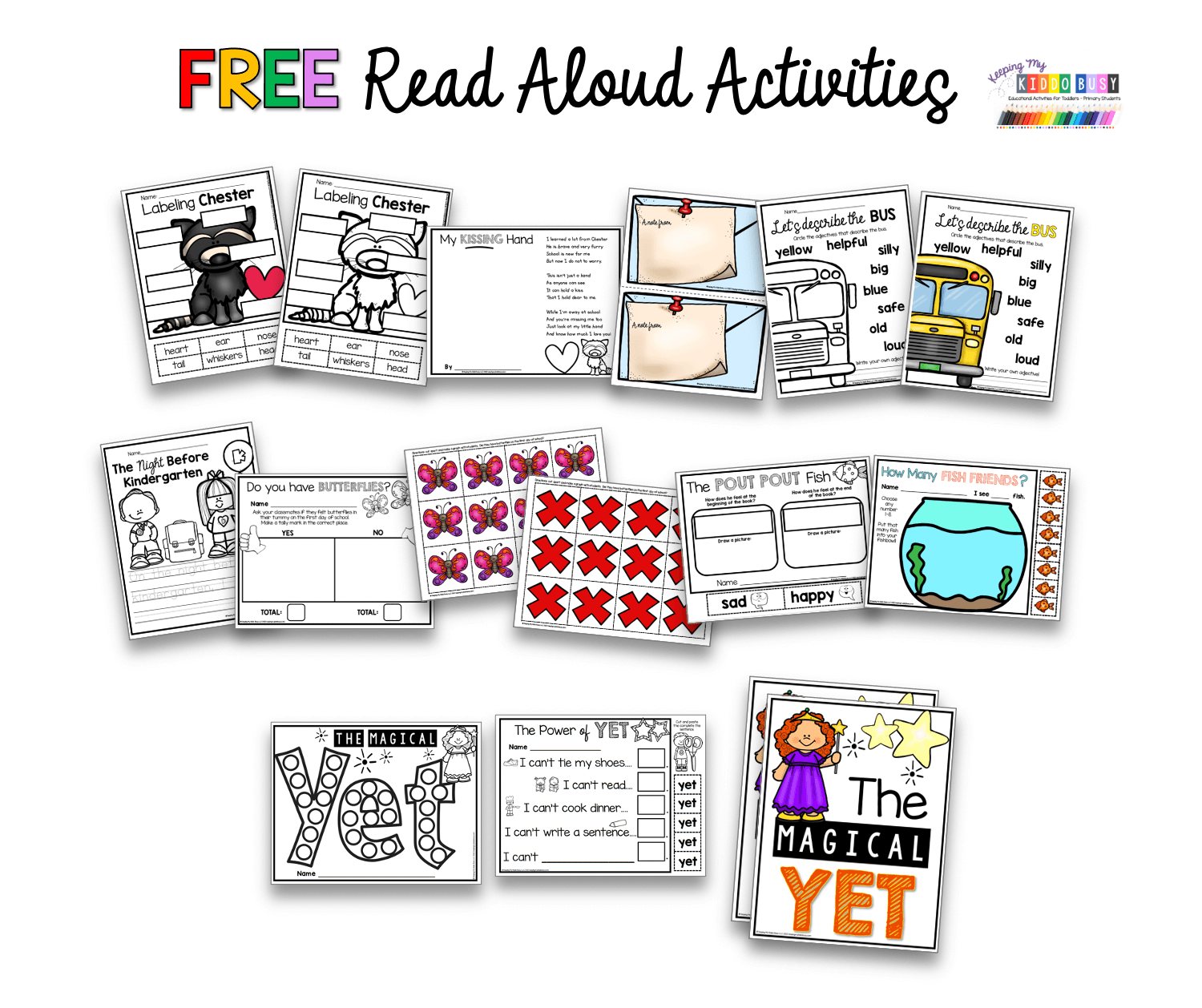
Read Alouds for Kindergarten: A Guide to Engaging Young Readers
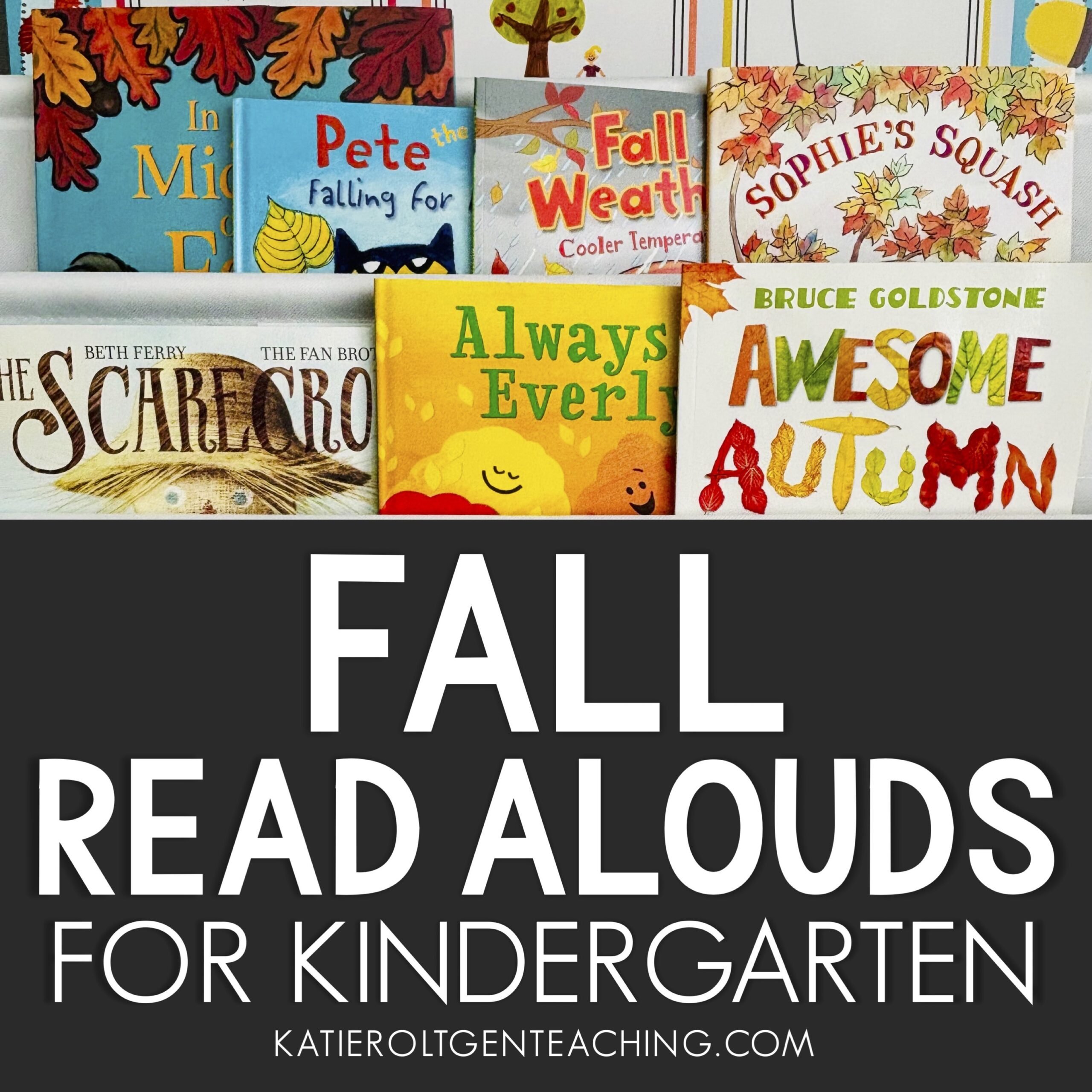
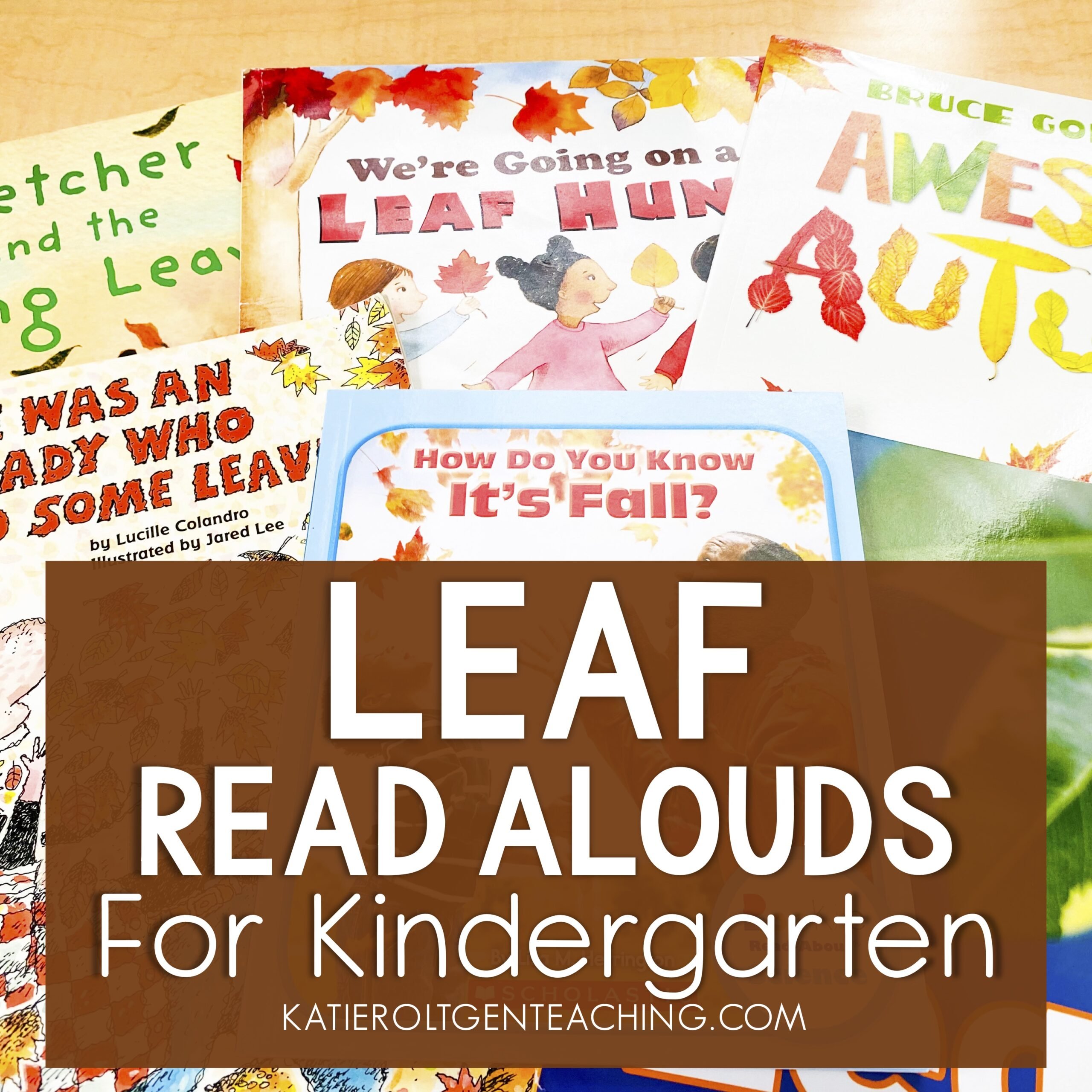
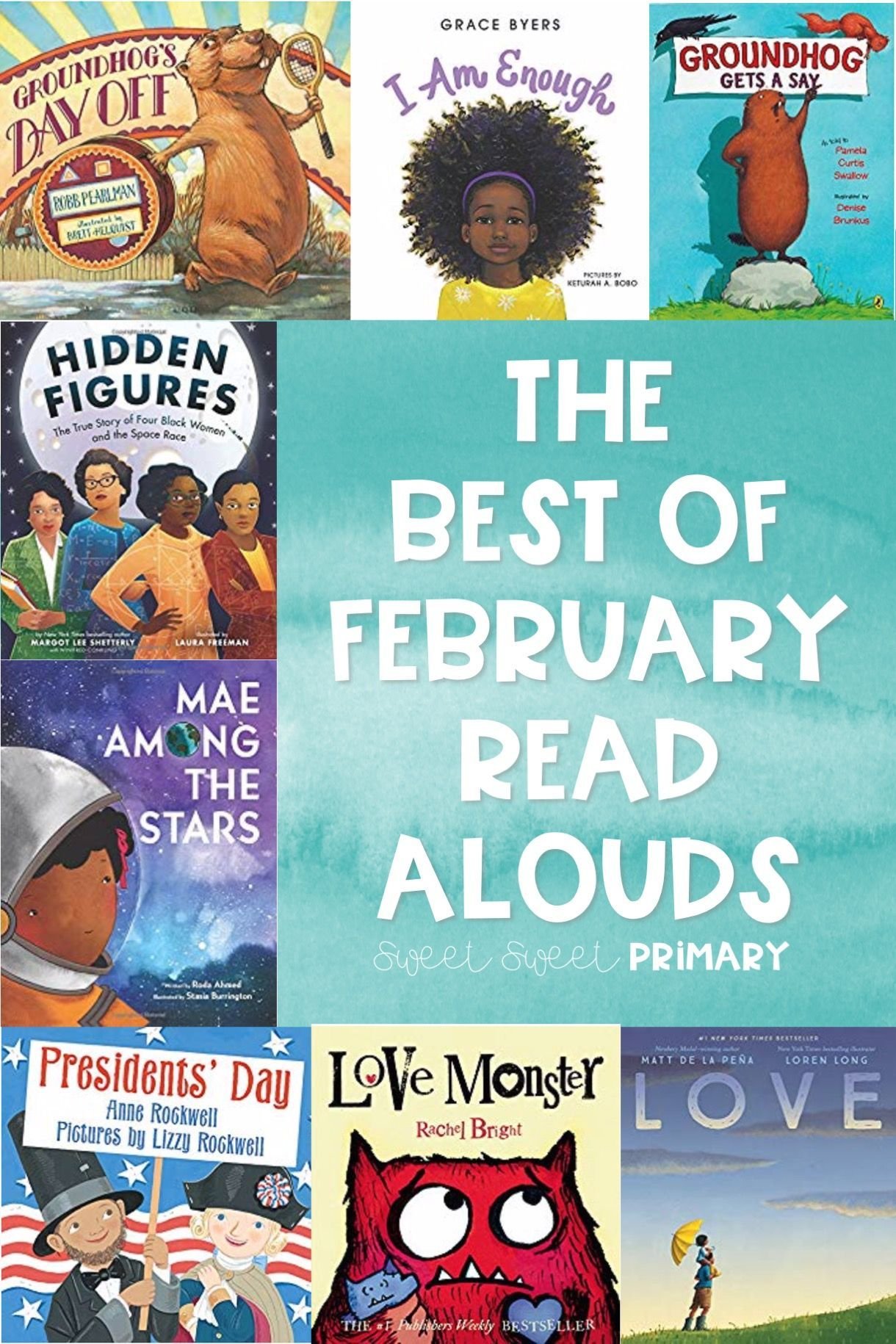
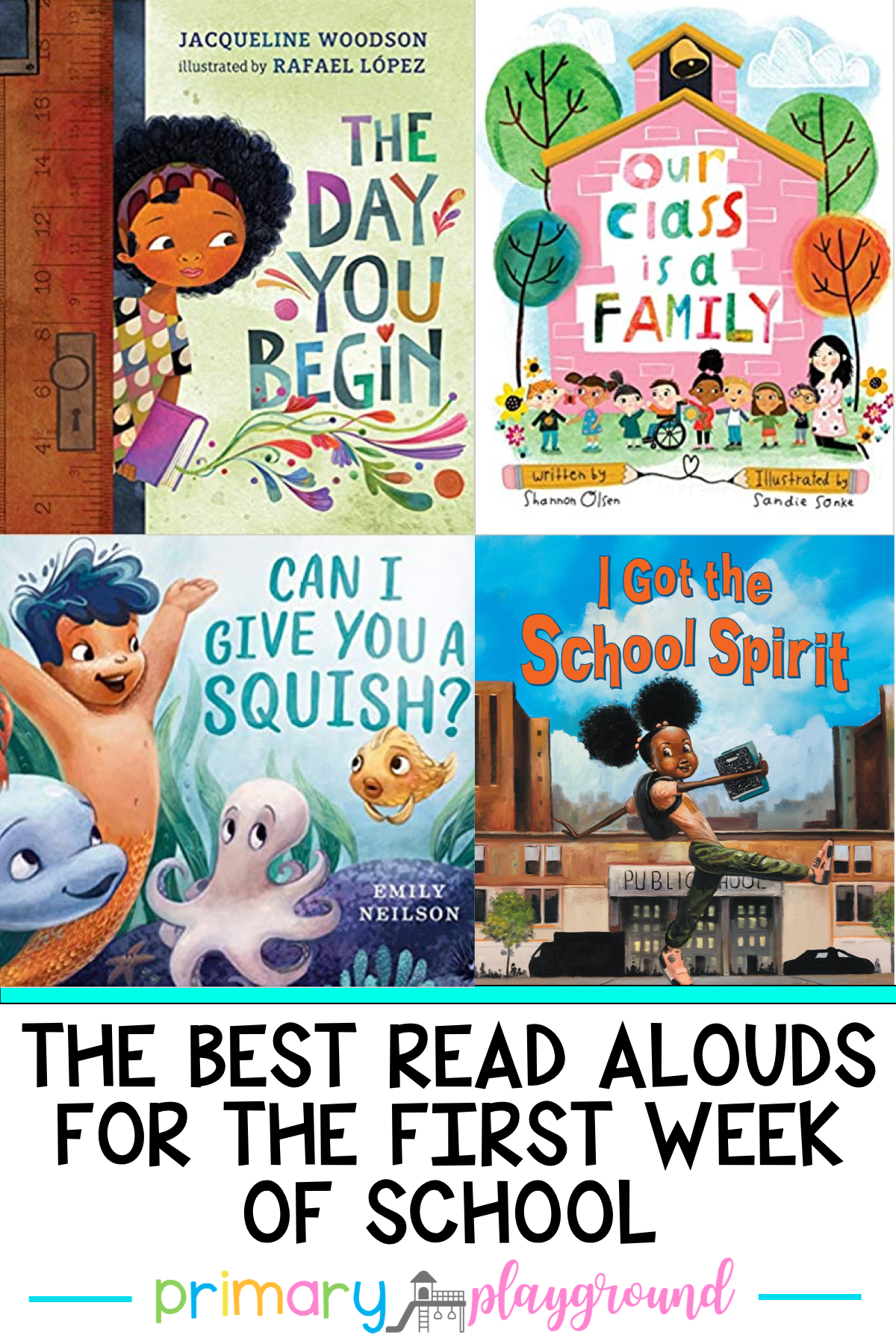
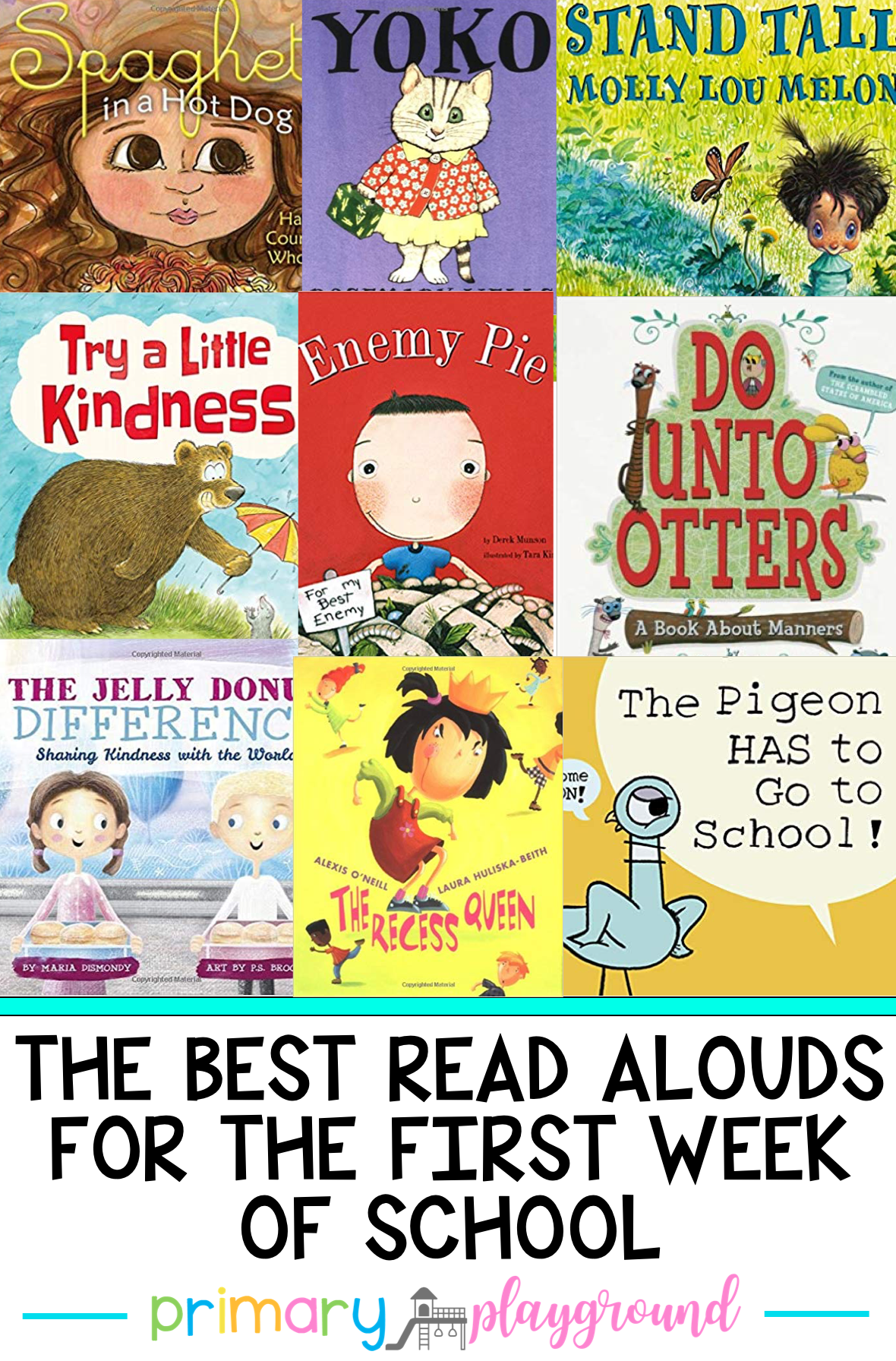
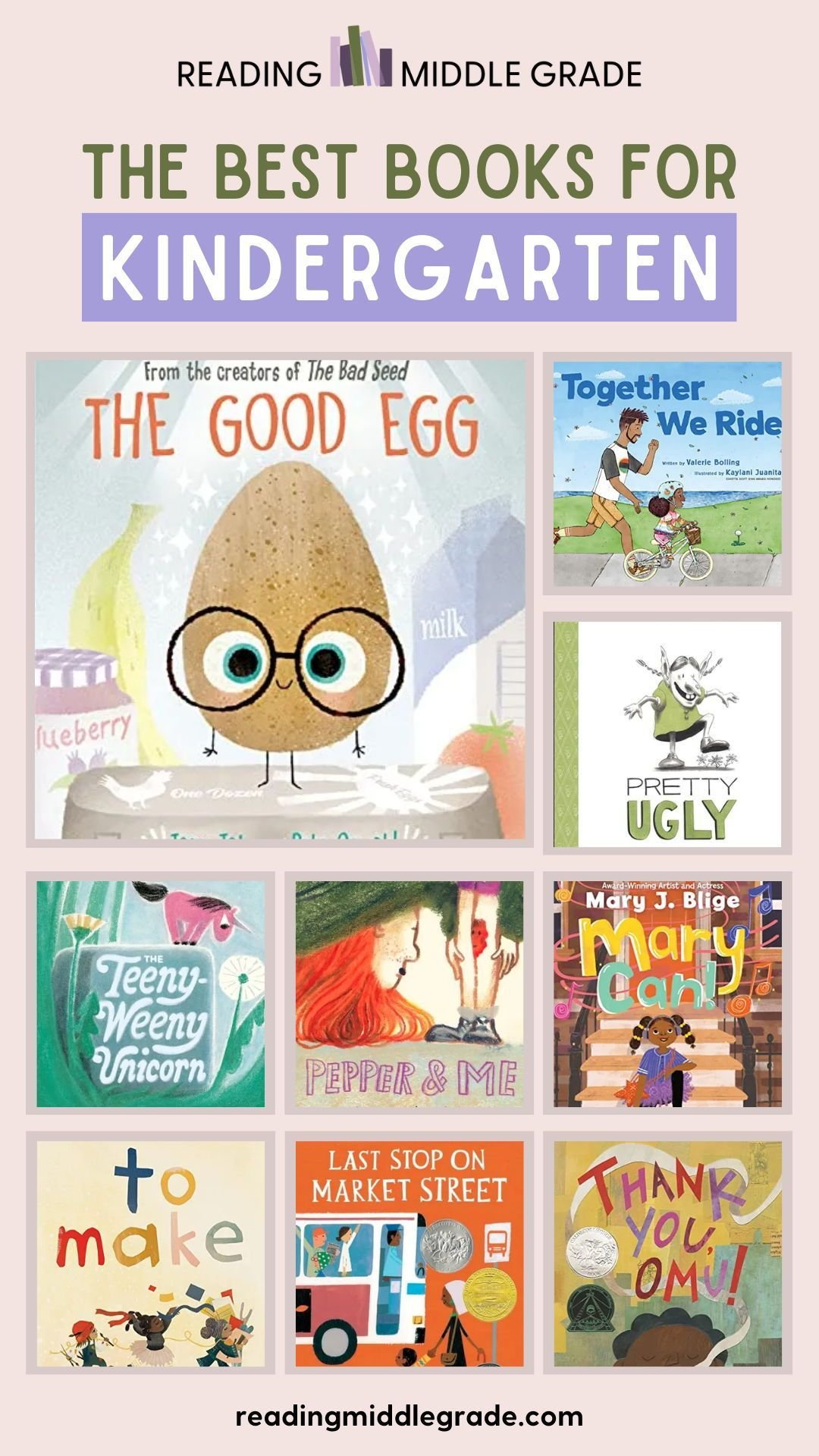
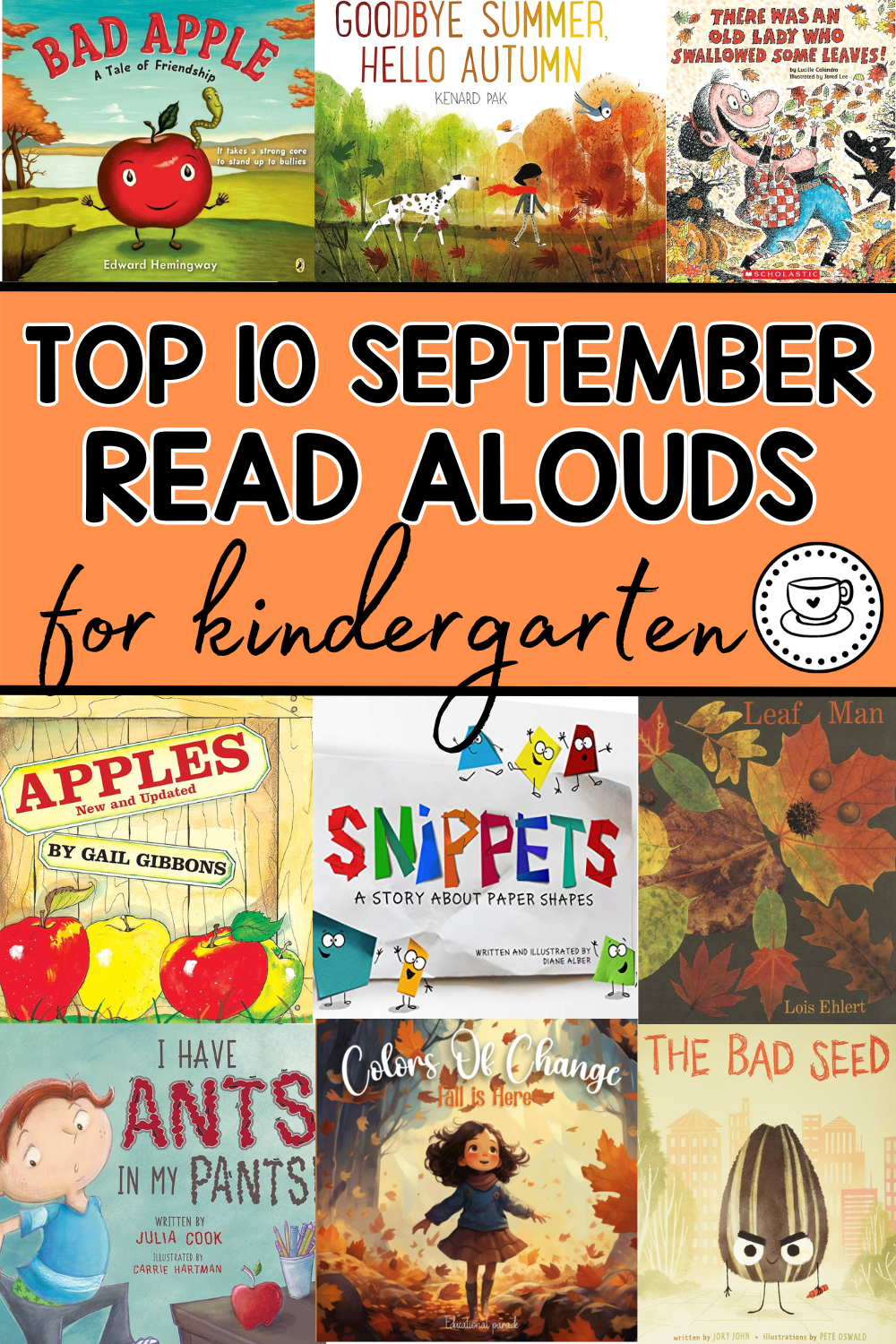
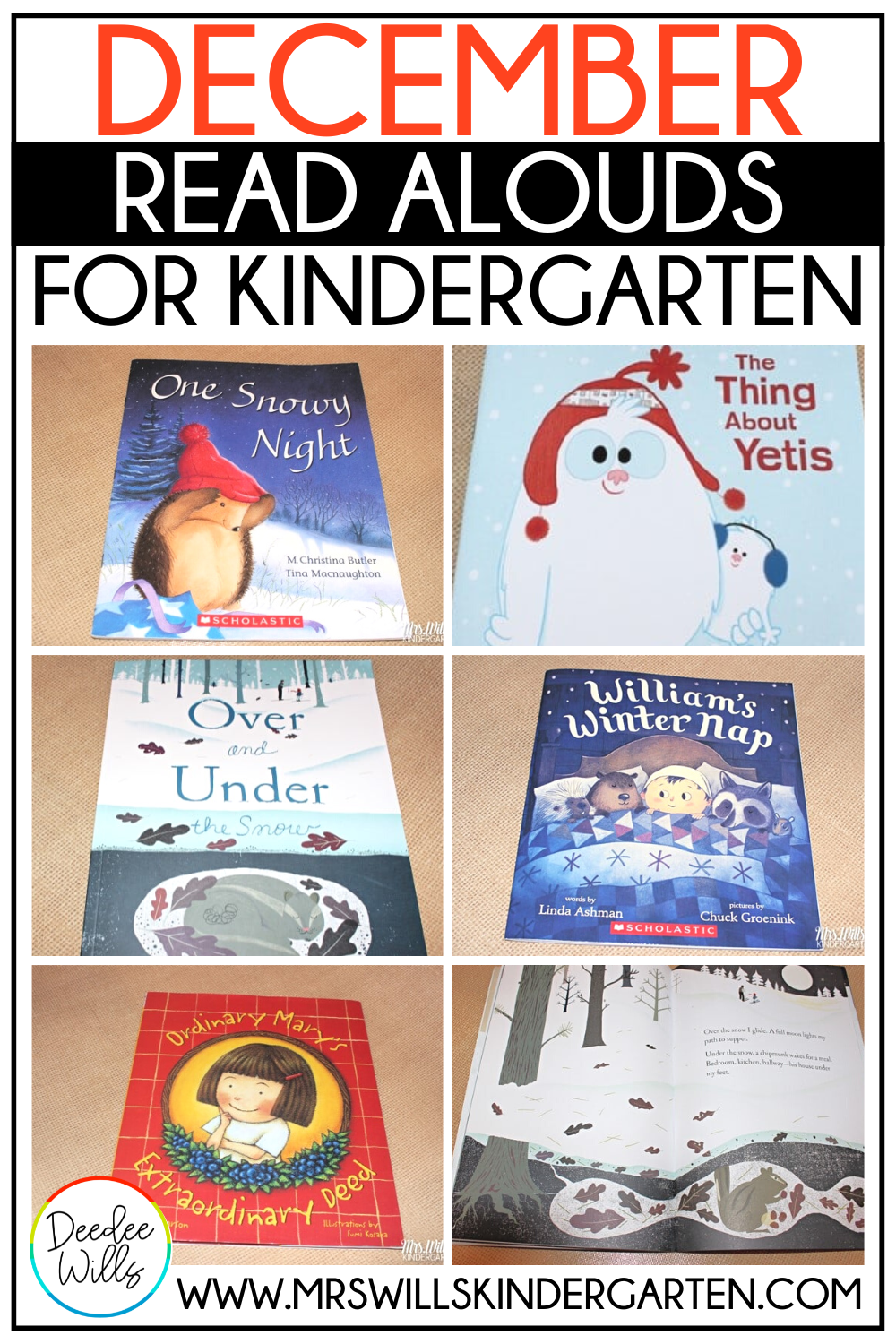
Read alouds are an essential part of early childhood education, offering a fun and interactive way to introduce kindergarteners to the world of books and storytelling. When looking into read alouds for kindergarten, the details quickly stand out. These shared reading experiences promote language development, foster a love for literature, and create a foundation for future learning.
Popular Options and Themes
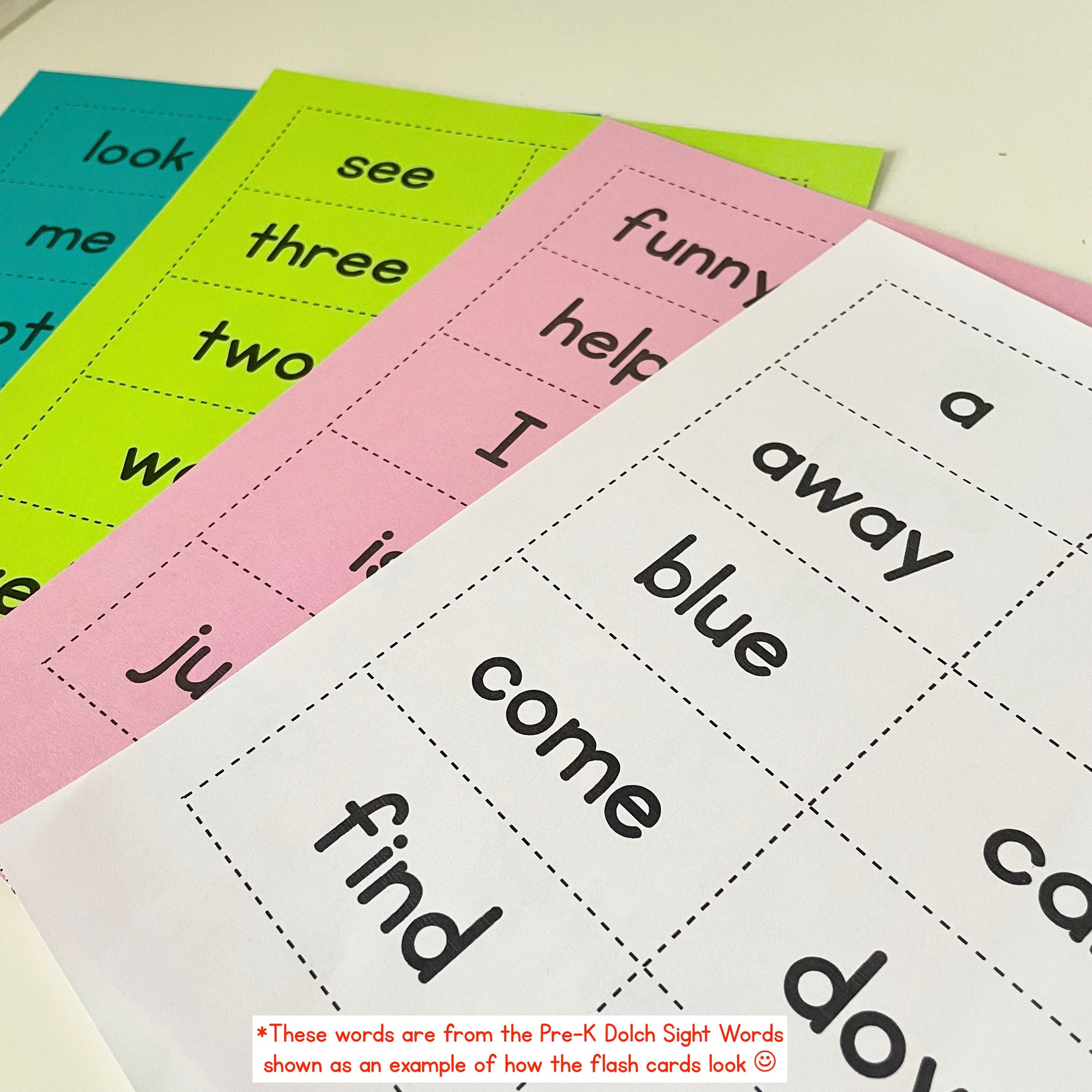
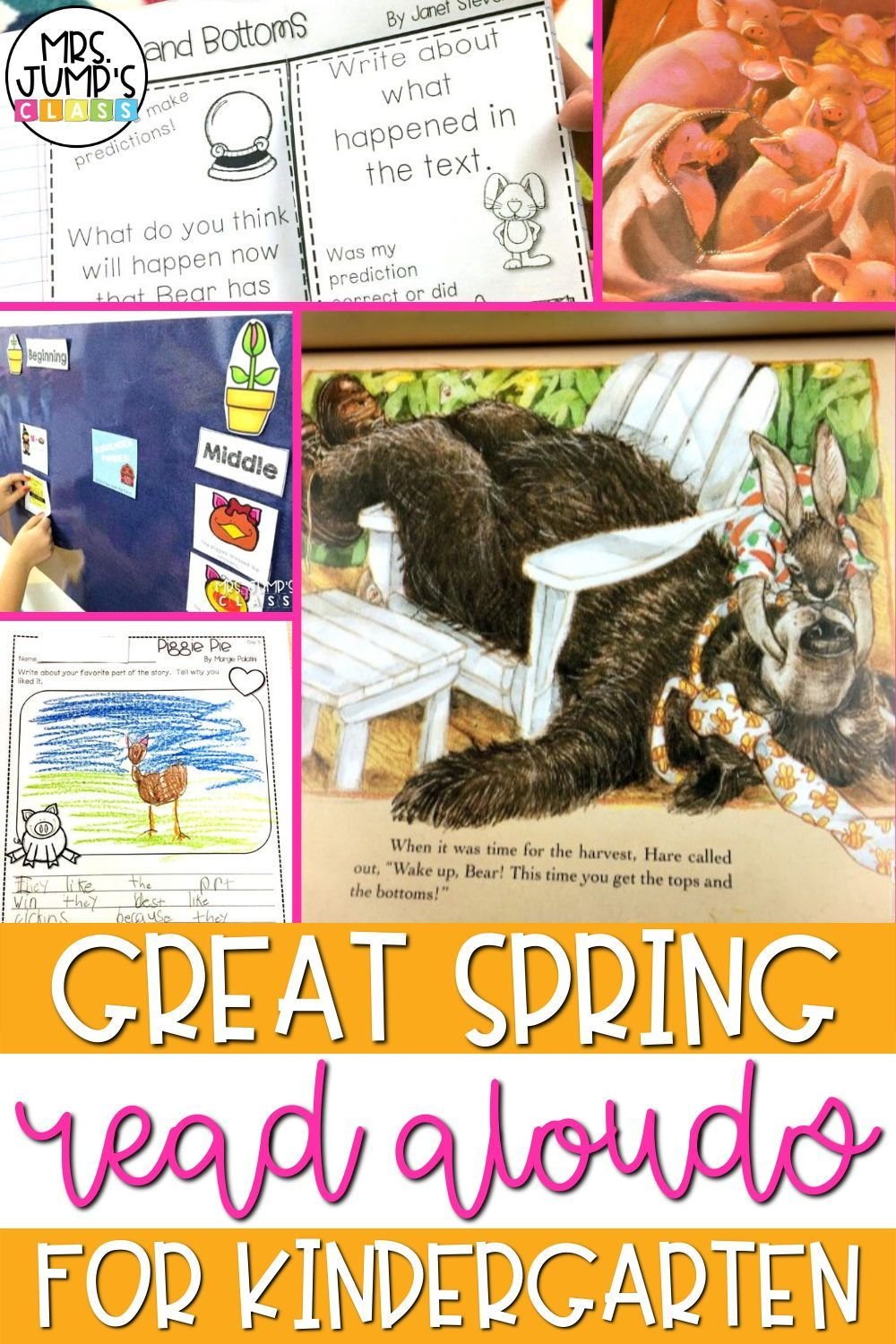
Classic Tales: Timeless stories like The Three Little Pigs or Goldilocks and the Three Bears never fail to captivate young audiences. These tales are perfect for teaching moral lessons and encouraging discussion. For a closer look at something similar, my post on sight words kindergarten covers the details.
Diverse Characters: Opt for books with diverse characters and settings, reflecting the world around them. Kindergarten Katie by Katie Roltgen is a great example, showcasing a child's daily adventures.
Humorous Stories: Laughter is a powerful tool! Choose books that make your kindergarteners giggle, such as The Book with No Pictures by B.J. Novak, a hilarious read-aloud experience. For a closer look at something similar, my post on is kindergarten capitalized covers the details.
Sizing and Readability
When selecting read alouds for kindergarten, consider the following:
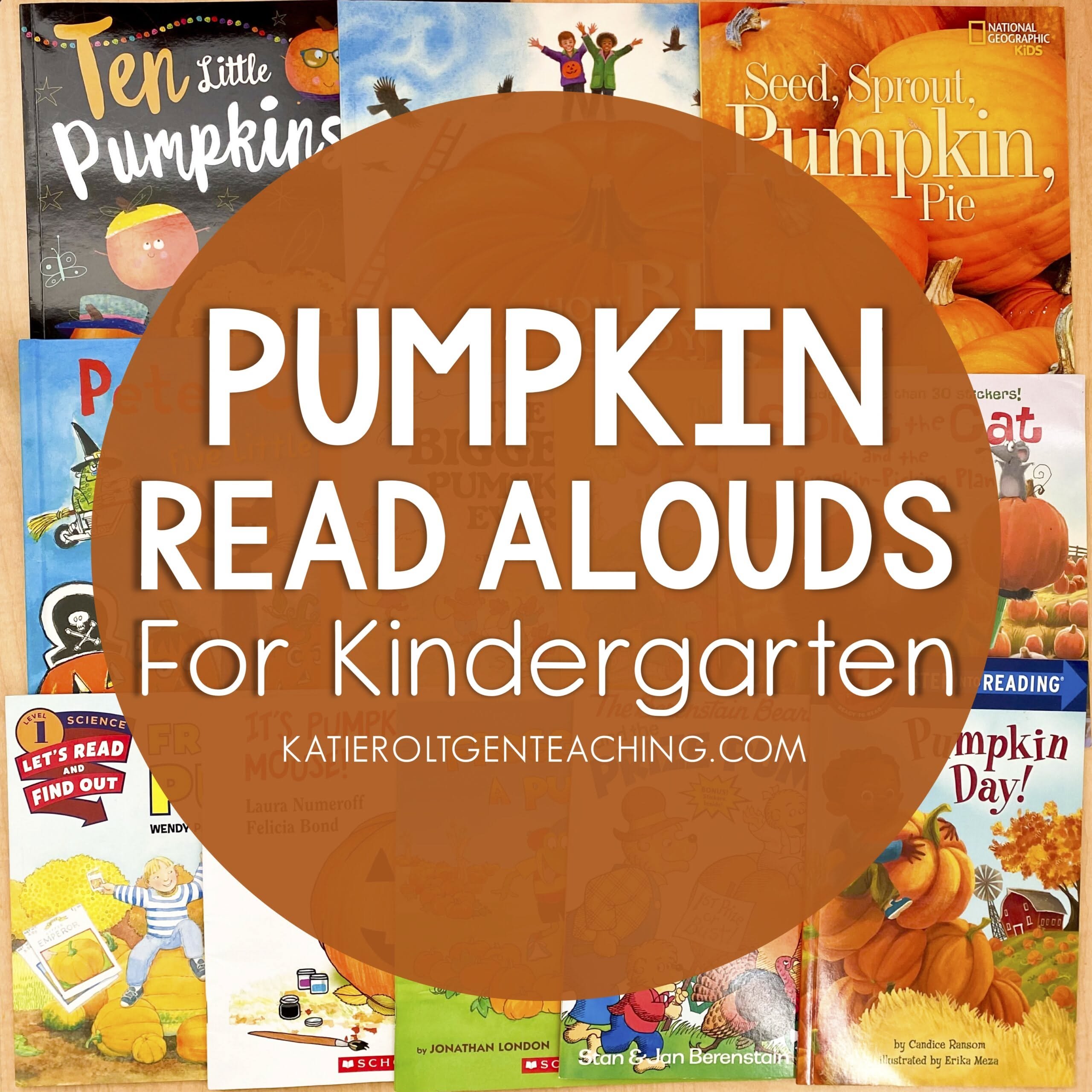
Font Size: Ensure the text is large and easy to read for young eyes. For a closer look at something similar, my post on nugget in kindergarten covers the details.
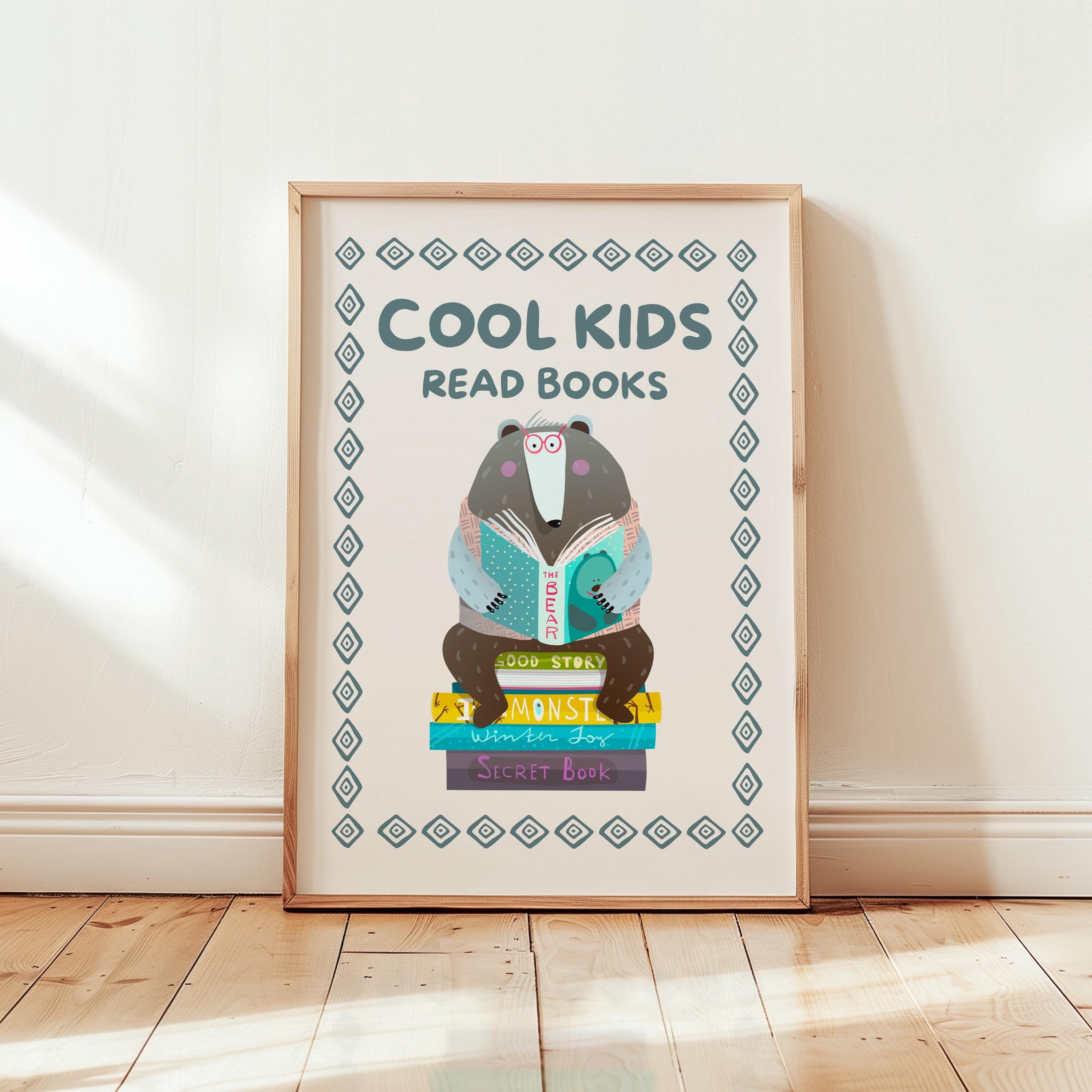
Illustrations: lively, engaging illustrations enhance the reading experience and help capture their attention.
Page Count: Opt for shorter books with a clear beginning, middle, and end to maintain their interest. For a closer look at something similar, my post on project cost estimate spreadsheet letter size covers the details.
Materials and Durability
Kindergarten classrooms can be bustling places, so durability is key:
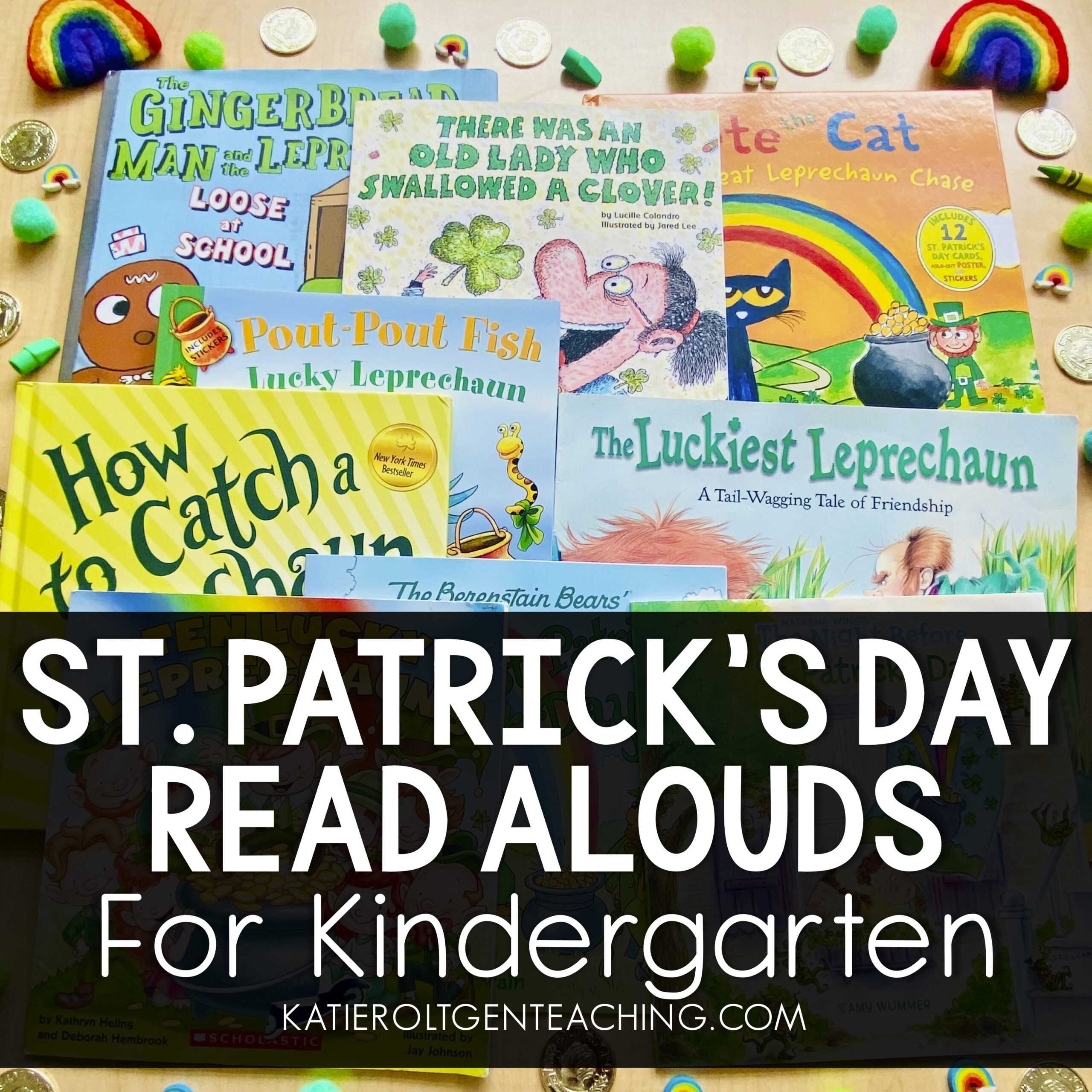
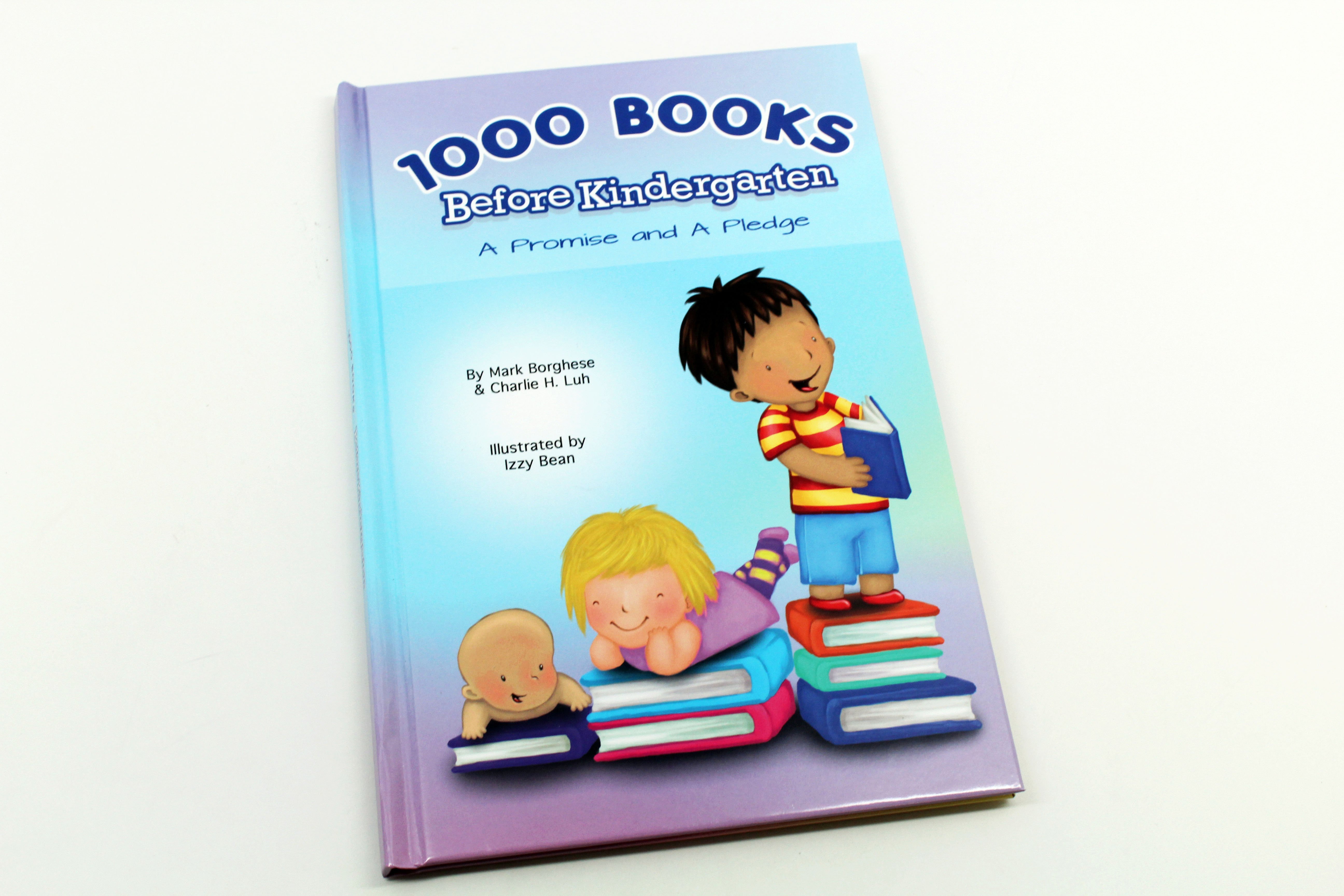
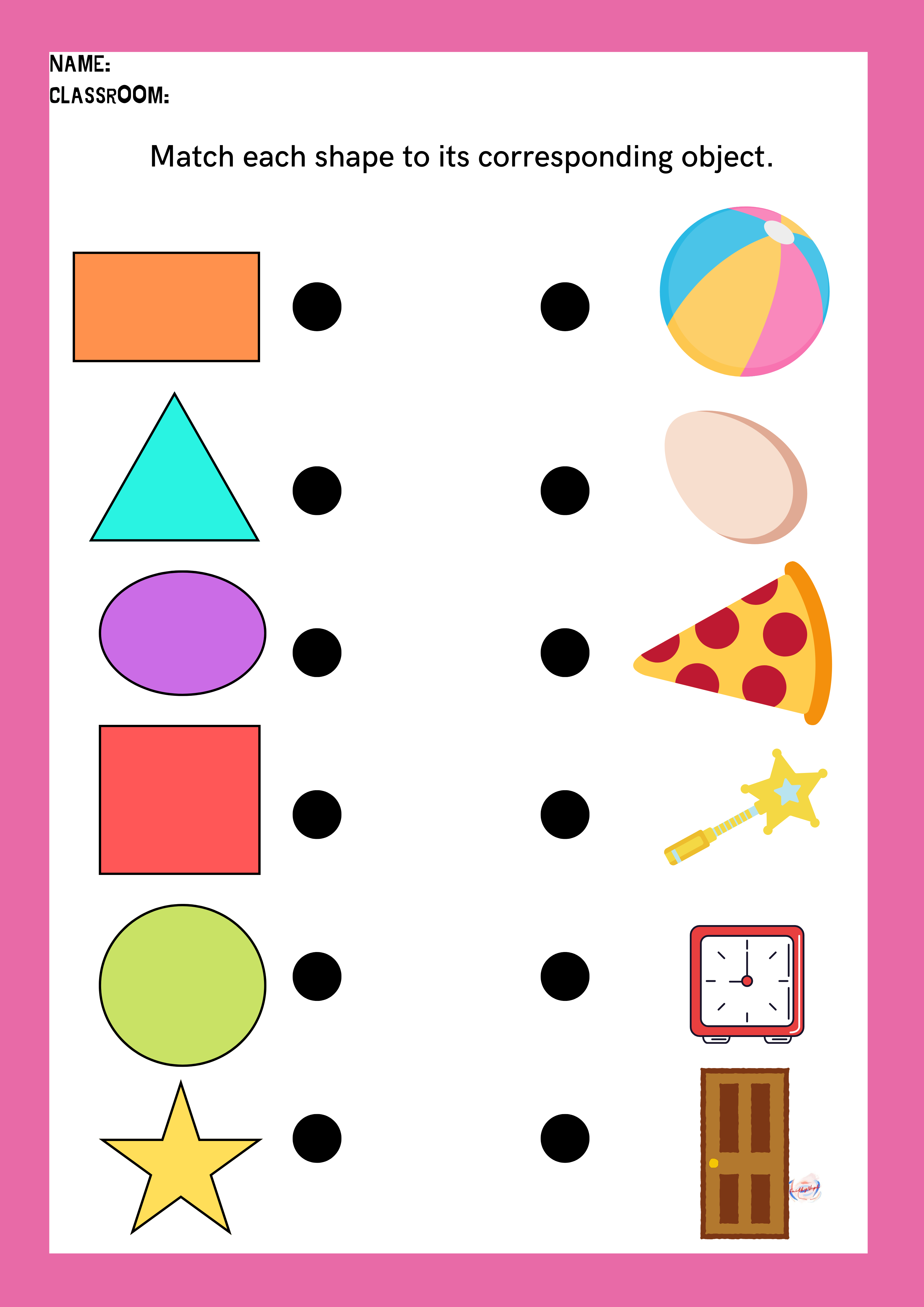
Paperback vs. Hardcover: Hardcover books withstand rough handling better but may be heavier for little hands. Paperbacks are lighter and often more affordable. For a closer look at something similar, my post on shapes for kindergarteners covers the details.
Board Books: These are ideal for younger kindergarteners or those who might be rougher with books.
Digital Options: Consider e-books or audiobooks for a change of pace and to accommodate different learning styles. For a closer look at something similar, my post on age for kindergarten covers the details.
Placement and Usage
Classroom Library: Curate a dedicated section for read alouds within your classroom library, making them easily accessible.
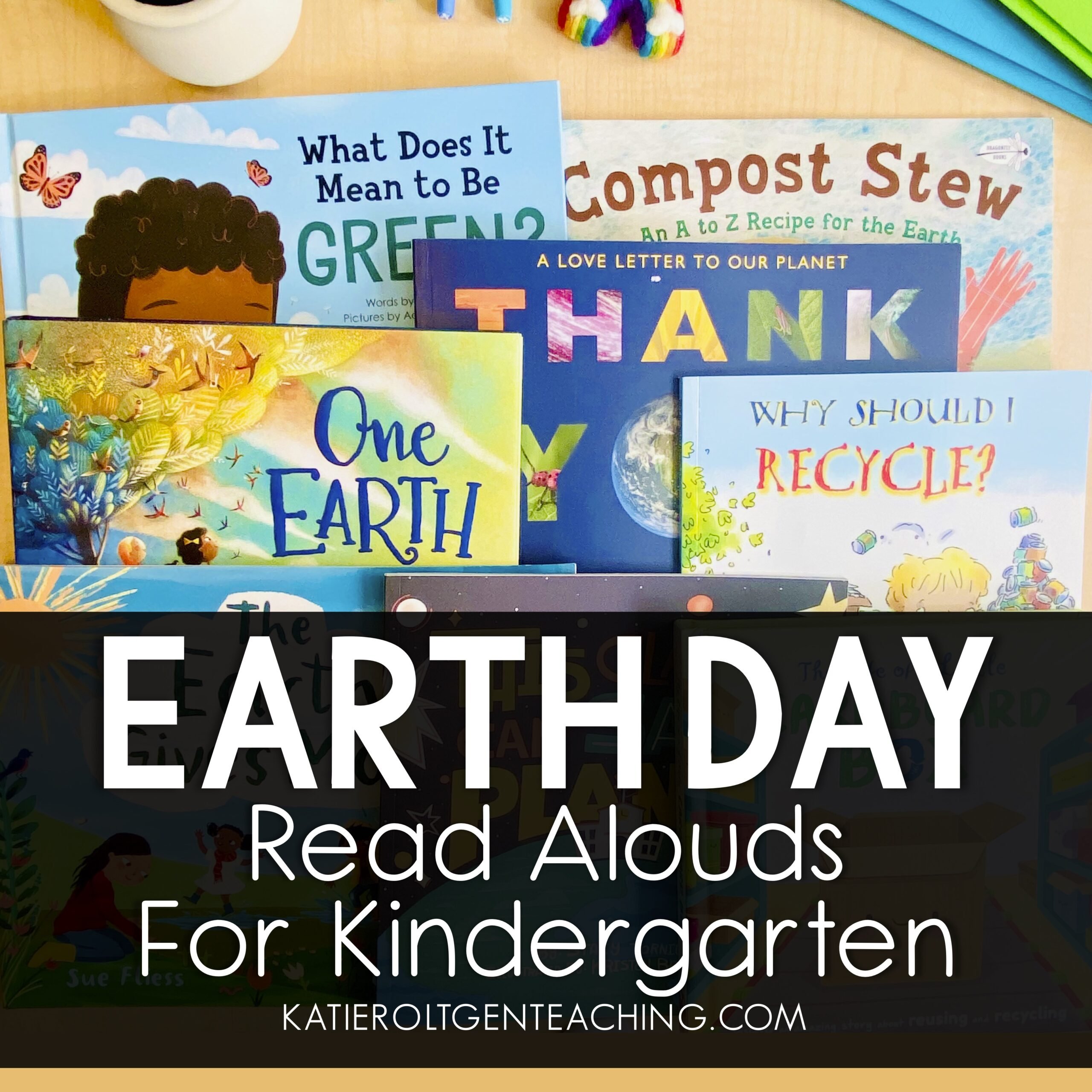
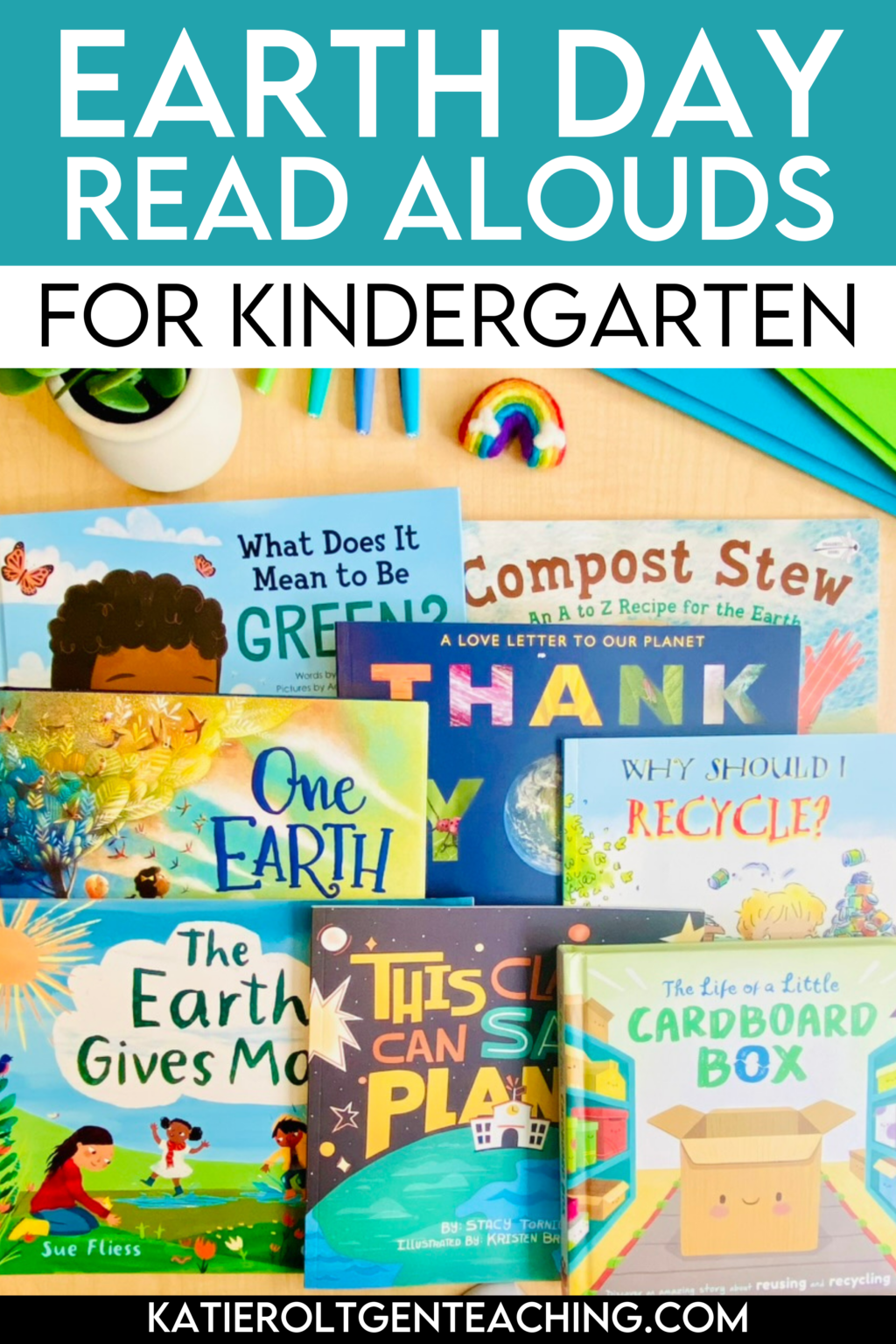
Earth Day Read Alouds For Kindergarten — Alouds Kindergarten Katie Group Reading: Create a cozy reading corner or rug area where you can gather your kindergarteners for shared reading experiences.
Individual Exploration: Encourage independent reading by allowing children to explore the read aloud collection during free time.
What to Check Before Buying
Age Appropriateness: Ensure the book's content and language are suitable for kindergarteners.
Reviews and Recommendations: Check trusted sources and reviews to find books that have been successfully used in kindergarten classrooms.
Thematic Relevance: Select books that align with your curriculum or seasonal themes to enhance learning connections.
Engagement Factor: Choose books with interactive elements, such as lift-the-flap features or repetitive phrases, to keep your kindergarteners actively engaged.
Remember, read alouds are a powerful tool for fostering a love of reading and learning. By selecting the right books and creating an engaging environment, you can make shared reading experiences a highlight of your kindergarteners' day.