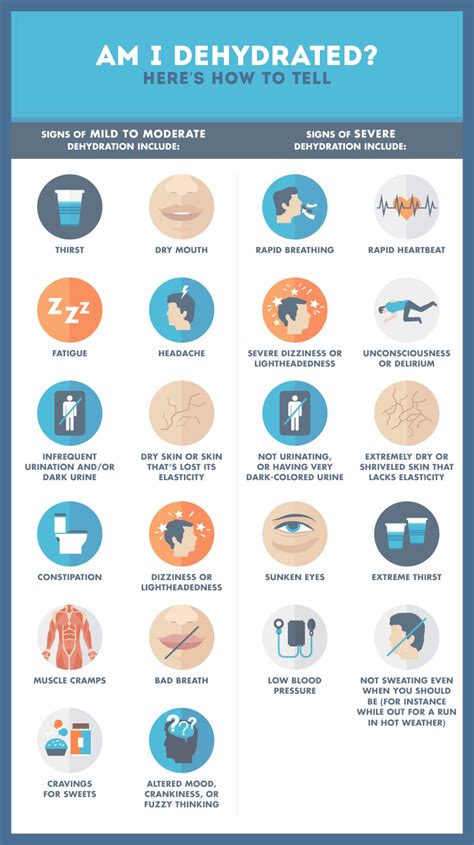
Dehydration is a common yet potentially severe condition that occurs when the body loses more fluids than it takes in, causing an imbalance in the body’s water and electrolyte levels. This imbalance can affect anyone, regardless of age, sex, or health status, and can be triggered by a variety of factors, including excessive sweating, vomiting, diarrhea, fever, and inadequate fluid intake. Recognizing the signs of dehydration is crucial, as prompt treatment can help prevent complications and restore the body’s delicate fluid balance.
One of the earliest signs of dehydration is a feeling of thirst, which serves as the body’s warning signal that it needs more fluids. However, relying solely on thirst is not always the best indicator, as the sensation of thirst can be masked or diminished in certain individuals, such as the elderly or those with underlying medical conditions. Therefore, it is essential to be aware of other signs and symptoms that may indicate dehydration.
Physical Signs
Dehydration can manifest through various physical signs, including:
- Dry mouth and swollen tongue
- Fatigue or weakness
- Dizziness or lightheadedness
- Headaches
- Dark yellow or amber-colored urine
- Low urine output
- Sunken eyes
- Decreased skin elasticity (when the skin is pinched, it takes longer to return to its normal position)
These physical signs can range from mild to severe and may worsen if dehydration is left untreated.
Behavioral Changes
In addition to physical signs, dehydration can also lead to behavioral changes, particularly in infants, young children, and older adults. These changes may include:
- Irritability or restlessness
- Confusion or disorientation
- Decreased alertness or consciousness
- Lack of tears when crying
- Decreased appetite or refusal to feed
It is vital to monitor these behavioral changes, as they can be indicative of dehydration, especially in vulnerable populations.
Severe Dehydration
In severe cases, dehydration can lead to life-threatening complications, such as:
- Shock
- Kidney failure
- Heatstroke
- Seizures
- Coma
Severe dehydration requires immediate medical attention, as prompt treatment can significantly improve outcomes and reduce the risk of long-term damage.
At-Risk Populations
Certain individuals are more susceptible to dehydration due to various factors, including:
- Age: Infants, young children, and older adults are more prone to dehydration due to their smaller body size, decreased fluid reserves, or age-related declines in thirst sensation.
- Medical conditions: Individuals with diabetes, kidney disease, or heart failure may be more susceptible to dehydration due to their underlying health conditions.
- Environmental factors: People living in hot, humid climates or engaging in strenuous physical activity are at higher risk of dehydration.
Prevention and Treatment
Preventing dehydration is relatively straightforward and involves:
- Drinking plenty of fluids, such as water, clear broths, or electrolyte-rich beverages
- Avoiding excessive sweating and heat exposure
- Monitoring urine output and color
- Eating foods rich in water content, such as fruits and vegetables
If dehydration occurs, treatment typically involves:
- Replenishing fluids and electrolytes
- Addressing underlying causes, such as vomiting or diarrhea
- Providing supportive care, such as rest and monitoring
What are the most common causes of dehydration?
+The most common causes of dehydration include excessive sweating, vomiting, diarrhea, fever, and inadequate fluid intake. These factors can disrupt the body's delicate fluid balance, leading to dehydration.
How can I prevent dehydration during exercise or in hot weather?
+To prevent dehydration during exercise or in hot weather, drink plenty of fluids before, during, and after activity. Aim to drink at least 17-20 ounces of fluid 2-3 hours before exercise, and 7-10 ounces every 10-15 minutes during exercise. Additionally, wear lightweight, light-colored clothing, and take regular breaks in cool or shaded areas.
What are the signs of severe dehydration in infants and young children?
+Signs of severe dehydration in infants and young children may include excessive thirst, dark yellow or brown urine, decreased urine output, sunken eyes, low blood pressure, rapid heartbeat, and decreased consciousness. If you suspect severe dehydration in an infant or young child, seek medical attention immediately.
In conclusion, dehydration is a common and potentially serious condition that can affect anyone. Recognizing the signs and symptoms of dehydration, particularly in at-risk populations, is essential for prompt treatment and prevention of complications. By understanding the causes, prevention strategies, and treatment options, individuals can take proactive steps to maintain their body’s delicate fluid balance and stay healthy.