Stress is an inherent part of modern life, and its impact on both physical and mental health cannot be overstated. It’s a natural response to a situation where an individual feels overwhelmed or unable to cope. While some stress can be beneficial, providing the motivation needed to tackle challenges, excessive stress can lead to a myriad of issues, including anxiety, depression, and even physical ailments such as hypertension and cardiovascular disease. Recognizing the signs of stress and understanding how to manage them effectively is crucial for maintaining well-being and preventing long-term damage.
Understanding Stress
At its core, stress is the body’s reaction to a perceived threat or pressure. It triggers the release of stress hormones like cortisol and adrenaline, which prepare the body to either confront the situation (fight) or flee from it (flight). While this response is beneficial in acute, short-term situations, chronic stress can disrupt the body’s natural balance, leading to a range of symptoms.
Identifying Signs of Stress
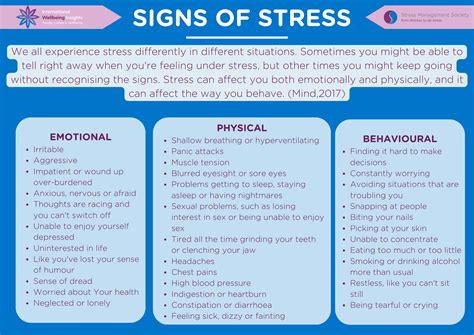
Identifying the signs of stress is the first step towards managing it. These signs can vary widely among individuals but commonly include:
- Physical Symptoms: Headaches, muscle tension, chest pain, and sleep disturbances are among the most common physical manifestations of stress.
- Emotional Changes: Mood swings, irritability, anxiety, and depression can signal that an individual is experiencing high levels of stress.
- Behavioral Changes: Changes in appetite, increased use of substances like alcohol or nicotine, and social withdrawal can also be indicative of stress.
- Cognitive Symptoms: Difficulty concentrating, forgetfulness, andmaking poor decisions are cognitive signs that stress levels may be too high.
Managing Stress Effectively
Managing stress involves a combination of lifestyle changes, stress reduction techniques, and sometimes, professional help. Here are some strategies that can help mitigate the effects of stress:
Lifestyle Changes
- Exercise Regularly: Physical activity is a natural stress reliever. It reduces the levels of stress hormones in the body and releases endorphins, which are known as ‘feel-good’ hormones.
- Healthy Eating: A balanced diet rich in fruits, vegetables, whole grains, and lean proteins can help improve mood and reduce stress.
- Adequate Sleep: Ensuring 7-8 hours of sleep per night is crucial for managing stress. Lack of sleep can exacerbate stress levels.
- Social Support: Spending time with family, friends, or support groups can provide emotional support and reduce feelings of loneliness.
Stress Reduction Techniques
- Meditation and Mindfulness: Practices like meditation and mindfulness help in reducing stress by promoting relaxation and improving emotional regulation.
- Deep Breathing Exercises: Deep, controlled breathing can calm the body’s stress response.
- Yoga: Combining physical movement with deep breathing and meditation, yoga is an effective way to reduce stress and improve overall well-being.
- Time Management: Proper planning and prioritization can help manage workload and personal responsibilities more effectively, reducing stress related to feeling overwhelmed.
Professional Help
- Therapy: Cognitive Behavioral Therapy (CBT) and other forms of talk therapy can help individuals understand and change their thought patterns and behaviors related to stress.
- Medication: In cases of severe stress that leads to anxiety or depression, medication may be prescribed by a healthcare professional.
Conclusion
Stress is an inevitable part of life, but it doesn’t have to control our lives. By acknowledging the signs of stress and adopting effective management strategies, individuals can mitigate its negative impacts and lead healthier, happier lives. It’s about finding balance, practicing self-care, and seeking help when needed. Remember, managing stress is not a one-size-fits-all approach; it requires patience, understanding, and sometimes, professional guidance to tailor a stress management plan that suits each individual’s unique needs and circumstances.
What are the most common signs of stress?
+The most common signs of stress include physical symptoms like headaches and muscle tension, emotional changes such as mood swings and irritability, behavioral changes like altered appetite or substance use, and cognitive symptoms including difficulty concentrating and forgetfulness.
How can exercise help reduce stress?
+Exercise is a natural stress reliever. It reduces stress hormones in the body, such as cortisol and adrenaline, and releases endorphins, which are chemicals that improve your mood and act as natural painkillers.
What role does diet play in managing stress?
+A healthy, balanced diet that includes plenty of fruits, vegetables, whole grains, and lean proteins can help support mental health and reduce stress. Avoiding or limiting sugary, processed, and high caffeine foods and beverages can also help minimize stress symptoms.
Can stress affect my sleep, and how can I manage it?
+Yes, stress can significantly impact sleep quality. To manage stress-related sleep disturbances, establish a bedtime routine, avoid screens before bedtime, ensure the sleep environment is comfortable, and consider relaxation techniques like deep breathing or meditation before sleep.
When should I seek professional help for stress?
+It’s advisable to seek professional help if stress starts to interfere with your daily life, causing significant distress or impairment in social, occupational, or other areas of functioning. Mental health professionals can provide therapy, counseling, or medication if necessary, to help manage stress effectively.