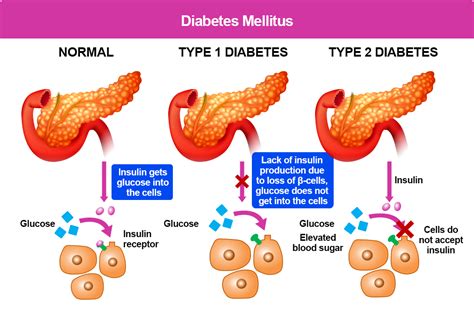
Type 1 diabetes, previously known as insulin-dependent diabetes, is a chronic autoimmune condition wherein the pancreas produces little to no insulin. Insulin, a hormone produced by the pancreas, plays a crucial role in regulating blood sugar levels by facilitating the entry of glucose into cells to be used as energy. In the absence of sufficient insulin, glucose builds up in the bloodstream, leading to high blood sugar levels, which can cause a variety of health issues.
Understanding Type 1 Diabetes
The exact cause of type 1 diabetes is not fully understood, but it is believed to result from a combination of genetic predisposition and environmental factors that trigger an immune response. This immune response mistakenly attacks and destroys the insulin-producing beta cells in the pancreas. Unlike type 2 diabetes, which can often be managed through diet, exercise, and oral medications, type 1 diabetes requires insulin therapy to control blood sugar levels.
Symptoms of Type 1 Diabetes
The symptoms of type 1 diabetes can develop rapidly, often over a few weeks, and can be severe. They include:
- Increased thirst and hunger
- Frequent urination
- Fatigue
- Blurred vision
- Cuts or wounds that are slow to heal
- Tingling or numbness in the hands and feet
If not recognized and treated promptly, type 1 diabetes can lead to serious complications, such as diabetic ketoacidosis, a potentially life-threatening condition that occurs when the body produces high levels of blood acids called ketones.
Diagnosis of Type 1 Diabetes
Diagnosing type 1 diabetes involves a combination of physical examination, medical history, and laboratory tests. Common tests used to diagnose diabetes include:
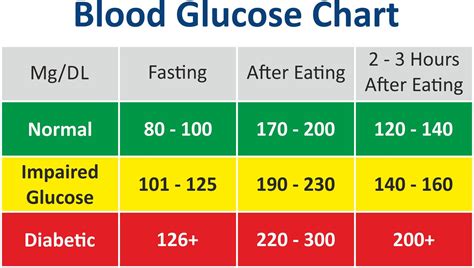
- Fasting Plasma Glucose Test: This test measures blood glucose levels after an overnight fast. A level of 126 mg/dL or higher indicates diabetes.
- Oral Glucose Tolerance Test (OGTT): This test measures blood glucose levels after consuming a sugary drink. It’s more commonly used during pregnancy.
- Random Plasma Glucose Test: This test can be taken at any time and doesn’t require fasting. A level of 200 mg/dL or higher, along with symptoms of diabetes, confirms the diagnosis.
- Glycated Hemoglobin (HbA1c) Test: This test provides an average of blood glucose levels over the past 2-3 months. An HbA1c level of 6.5% or higher indicates diabetes.
Additionally, tests to detect the presence of autoantibodies (such as GAD, IA-2, and ICA) can help differentiate type 1 diabetes from other forms of diabetes.
Management of Type 1 Diabetes
Management of type 1 diabetes involves a multifaceted approach aimed at maintaining blood glucose levels within a target range to prevent both short-term complications (like hypoglycemia) and long-term complications (such as heart disease, kidney damage, and nerve damage).
Insulin Therapy
Insulin therapy is crucial for individuals with type 1 diabetes. There are several types of insulin, including rapid-acting, short-acting, intermediate-acting, and long-acting insulins, each with different onset and duration of action. The choice of insulin regimen depends on the individual’s lifestyle, meal patterns, and activity level. Insulin can be administered via injections or an insulin pump.
Monitoring Blood Glucose
Regular monitoring of blood glucose levels is essential to adjust the insulin dose, diet, and exercise to maintain optimal glucose control. This can be done using a glucose meter or a continuous glucose monitoring system.
Diet and Exercise
Following a balanced diet that is low in added sugars, saturated fats, and sodium, and high in fiber, vitamins, and minerals can help manage blood glucose levels. Regular physical activity, such as walking, can also improve insulin sensitivity and overall health.
Complications of Type 1 Diabetes
Despite the advancements in management strategies, type 1 diabetes can lead to several short-term and long-term complications if not managed properly.
- Hypoglycemia (Low Blood Sugar): A common acute complication that occurs when blood glucose levels drop too low.
- Diabetic Ketoacidosis (DKA): A serious complication that occurs when the body produces high levels of blood acids called ketones.
- Cardiovascular Disease: High blood pressure and atherosclerosis (the buildup of fatty deposits inside blood vessels) are common long-term complications.
- Nephropathy (Kidney Damage): Diabetes is a leading cause of kidney failure.
- Neuropathy (Nerve Damage): High blood sugar levels can damage the nerves, leading to numbness, tingling, and pain.
Future Directions and Research
Research into type 1 diabetes is ongoing, focusing on the prevention of the disease, new methods of insulin delivery, and the development of an artificial pancreas. Stem cell therapies and pancreatic islet cell transplantation are also under investigation as potential future treatments.
Conclusion
Type 1 diabetes is a complex condition that requires diligent management to prevent its complications. Through a deep understanding of the disease, adherence to treatment plans, and ongoing advancements in medical technology and research, individuals with type 1 diabetes can lead healthy, active lives.
What are the primary symptoms of type 1 diabetes?
+The primary symptoms include increased thirst and hunger, frequent urination, fatigue, blurred vision, and cuts or wounds that are slow to heal.
How is type 1 diabetes diagnosed?
+Diagnosis involves a physical examination, medical history, and laboratory tests such as fasting plasma glucose, oral glucose tolerance test, random plasma glucose test, and glycated hemoglobin (HbA1c) test.
What is the main treatment for type 1 diabetes?
+The main treatment is insulin therapy, which can be administered via injections or an insulin pump, along with dietary management and regular physical activity.
Can type 1 diabetes be prevented?
+Currently, there is no known way to prevent type 1 diabetes, but research into potential preventive measures and cures is ongoing.
What are the potential long-term complications of type 1 diabetes?
+Potential long-term complications include cardiovascular disease, nephropathy (kidney damage), neuropathy (nerve damage), and an increased risk of other infections and conditions.