Living with Type 1 diabetes requires a comprehensive approach to manage symptoms and maintain overall health. While conventional medical treatment is essential, incorporating natural methods can enhance the management of the condition. It’s crucial to understand that natural management should complement, not replace, medical care.
Understanding Type 1 Diabetes
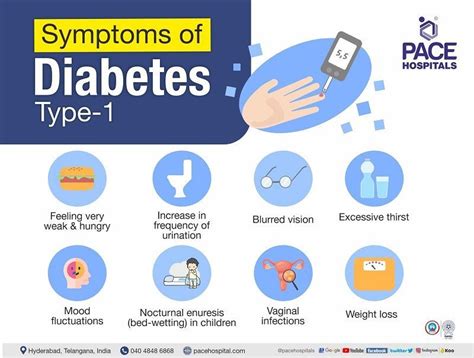
Type 1 diabetes is an autoimmune condition where the pancreas fails to produce enough insulin, a hormone crucial for glucose regulation in the blood. Unlike Type 2 diabetes, which can often be managed through diet and exercise alone, Type 1 diabetes requires insulin therapy. The symptoms of Type 1 diabetes can develop rapidly and include increased thirst and urination, fatigue, blurred vision, and unintended weight loss.
Dietary Approaches
Diet plays a significant role in managing Type 1 diabetes. A well-planned diet can help control blood sugar levels, maintain a healthy weight, and prevent complications. Key dietary recommendations include:
- Balanced Carbohydrate Intake: Understanding carbohydrate counting is vital. It involves tracking the amount of carbs consumed to adjust insulin doses accordingly. Foods with a low glycemic index, which cause a slower and smaller rise in blood sugar levels, are preferable.
- Fiber-Rich Foods: Incorporating foods high in fiber, such as whole grains, fruits, and vegetables, can slow down the digestion and absorption of carbohydrates, thereby reducing the impact on blood sugar levels.
- Healthy Fats and Proteins: Nuts, seeds, avocados, and fish rich in omega-3 fatty acids can help lower triglycerides and improve HDL (good) cholesterol levels. Protein sources like lean meats, fish, and plant-based options can also aid in blood sugar regulation.
Physical Activity
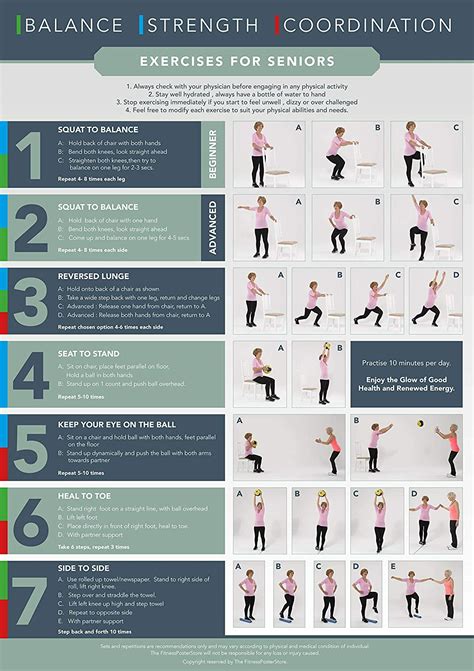
Regular physical activity is another critical component of managing Type 1 diabetes naturally. Exercise can help improve insulin sensitivity, reduce blood sugar levels, and enhance overall health. It’s essential to:
- Plan Ahead: Before starting any new exercise regimen, consulting with a healthcare provider is advised, especially to adjust insulin doses and snack plans as needed.
- Monitor Blood Sugar Levels: Checking blood sugar levels before, during, and after exercise can help prevent hypoglycemia (low blood sugar) and hyperglycemia (high blood sugar).
- Stay Hydrated: Drinking plenty of water before, during, and after exercise is crucial to prevent dehydration, especially in individuals with diabetes.
Stress Management
Stress can significantly impact blood sugar levels. When stressed, the body releases stress hormones like cortisol and adrenaline, which can cause blood sugar levels to rise. Engaging in stress-reducing activities can help manage this effect. Techniques include:
- Mindfulness and Meditation: Regular mindfulness practices can reduce stress and improve emotional well-being, contributing to better blood sugar control.
- Yoga: Combining physical movement with deep breathing and meditation, yoga can help reduce stress and improve insulin sensitivity.
- Leisure Activities: Engaging in hobbies or spending time in nature can also provide effective stress relief.
Sleep and Recovery
Adequate sleep and recovery are vital for overall health, including the management of Type 1 diabetes. Poor sleep can disrupt hormones that regulate glucose, leading to higher blood sugar levels. It’s recommended to:
- Establish a Routine: Going to bed and waking up at the same time every day can help regulate the body’s internal clock and improve the quality of sleep.
- Create a Sleep-Conducive Environment: Ensuring the bedroom is dark, quiet, and at a comfortable temperature can enhance sleep quality.
- Limit Pre-Bedtime Activities: Avoiding stimulating activities and electronic devices before bedtime can help improve sleep onset and duration.
Conclusion
Managing Type 1 diabetes naturally involves a multifaceted approach that includes dietary changes, regular physical activity, stress management, and adequate sleep. While these natural methods can significantly enhance the management of symptoms and improve quality of life, they must be used in conjunction with conventional medical treatment. It’s essential for individuals with Type 1 diabetes to work closely with their healthcare providers to develop a personalized plan that incorporates both medical and natural approaches for optimal management of the condition.
How can diet impact the management of Type 1 diabetes?
+Diet plays a crucial role in managing Type 1 diabetes. A diet that is balanced, with an emphasis on whole foods, fruits, vegetables, and whole grains, can help control blood sugar levels. Understanding carbohydrate counting and the glycemic index of foods can also aid in managing insulin doses and blood sugar levels effectively.
Can exercise alone manage Type 1 diabetes?
+While regular physical activity is essential for overall health and can improve insulin sensitivity, it cannot alone manage Type 1 diabetes. Individuals with Type 1 diabetes require insulin therapy. Exercise should be part of a comprehensive management plan that includes medical treatment, dietary adjustments, and stress management.
How does stress affect blood sugar levels in Type 1 diabetes?
+Stress can cause the body to release stress hormones, which can lead to an increase in blood sugar levels. Engaging in stress-reducing activities such as mindfulness, meditation, and yoga can help manage this effect and contribute to better blood sugar control.