Nosebleeds, also known as epistaxis, are a common occurrence in children, and they can be quite alarming for parents. However, in most cases, nosebleeds in kids are not a cause for concern and can be easily treated at home. To understand how to help your child, it’s essential to know what causes nosebleeds in the first place.
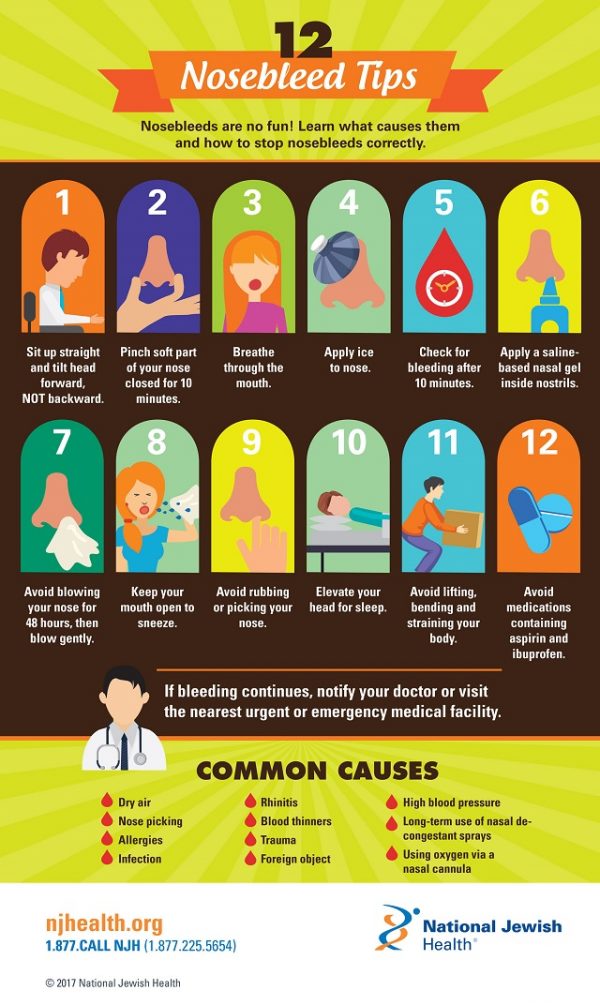
Dry Air and Nose Picking: A Common Culprit One of the most common causes of nosebleeds in kids is dry air. When the air is dry, the nasal passages can become dry and cracked, making them more susceptible to bleeding. This is especially true during the winter months when the air is drier due to heating systems. Another common cause is nose picking, which can irritate the delicate blood vessels in the nose, leading to bleeding.
Other Causes of Nosebleeds in Kids In addition to dry air and nose picking, there are several other causes of nosebleeds in children. These include:
- Allergies: Allergies can cause the nasal passages to become inflamed and irritated, leading to bleeding.
- Colds and Sinus Infections: Viral or bacterial infections can cause the nasal passages to become inflamed and bleeding.
- Blows to the Nose: A direct blow to the nose can cause bleeding, especially if the blood vessels are damaged.
- Nasal Obstructions: Any blockage in the nasal passages, such as a foreign object or a polyp, can cause bleeding.
Quick Relief Tips for Nosebleeds in Kids If your child experiences a nosebleed, remain calm and follow these quick relief tips:
- Stay Calm: It’s essential to remain calm and reassure your child that everything will be okay.
- Sit Upright: Have your child sit upright and lean forward to prevent blood from flowing down the back of their throat.
- Pinch the Nose: Gently pinch the soft part of your child’s nose shut for 5-10 minutes to apply pressure to the bleeding area.
- Apply a Cold Compress: Apply a cold, wet washcloth to the bridge of your child’s nose to help constrict the blood vessels.
- Avoid Aspirin: Avoid giving your child aspirin or any medication that contains aspirin, as it can prolong bleeding.
Preventing Nosebleeds in Kids While it’s impossible to completely prevent nosebleeds, there are several steps you can take to reduce the likelihood of them occurring:
- Use a Humidifier: Dry air can exacerbate nosebleeds, so using a humidifier in your home can help keep the air moist.
- Teach Your Child to Avoid Picking Their Nose: Encourage your child to avoid picking their nose, as this can irritate the delicate blood vessels.
- Keep Your Child’s Fingernails Short: Keeping your child’s fingernails short can reduce the risk of them accidentally scratching the inside of their nose.
- Use Saline Nasal Sprays: Saline nasal sprays can help keep the nasal passages moist and reduce the risk of bleeding.
It's essential to remember that while nosebleeds can be alarming, they are usually not a cause for concern. However, if your child experiences frequent or severe nosebleeds, it's crucial to consult with a pediatrician to rule out any underlying conditions that may need medical attention.
In conclusion, nosebleeds in kids are a common occurrence, and in most cases, they can be easily treated at home. By understanding the causes of nosebleeds and following quick relief tips, you can help your child feel better and reduce the risk of future nosebleeds.
Frequently Asked Questions
What is the most common cause of nosebleeds in kids?
+The most common cause of nosebleeds in kids is dry air, which can dry out the nasal passages and make them more susceptible to bleeding.
How can I prevent nosebleeds in my child?
+To prevent nosebleeds in your child, use a humidifier to keep the air moist, teach your child to avoid picking their nose, keep their fingernails short, and use saline nasal sprays to keep the nasal passages moist.
When should I consult a pediatrician about my child’s nosebleeds?
+If your child experiences frequent or severe nosebleeds, it’s essential to consult with a pediatrician to rule out any underlying conditions that may need medical attention.
By following these tips and being mindful of the causes of nosebleeds, you can help your child stay healthy and reduce the risk of nosebleeds. Remember, if you’re ever in doubt or concerned about your child’s health, it’s always best to consult with a pediatrician for personalized advice.