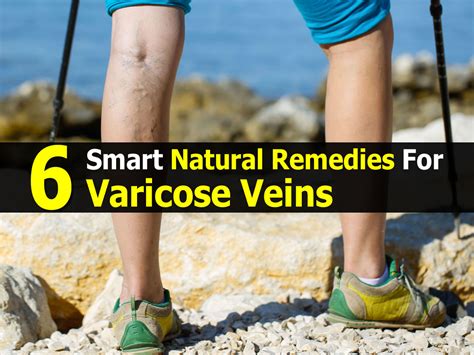
Varicose veins are a common condition characterized by enlarged, twisted, and discolored veins, typically appearing on the legs. They occur when the valves within the veins, which prevent blood from flowing backward, become weakened or damaged, leading to blood pooling and vein enlargement. This condition can cause a range of symptoms, from mild discomfort and cosmetic concerns to more severe complications such as pain, swelling, and skin ulcers.
Understanding the Causes
Several factors contribute to the development of varicose veins. These include:
- Genetics: Family history plays a significant role, with individuals having a family history of varicose veins being more likely to develop them.
- Age: The risk of developing varicose veins increases with age, as the veins’ walls and valves weaken over time.
- Gender: Women are more likely to develop varicose veins, partly due to hormonal changes during pregnancy and menopause, which can affect vein health.
- Obesity: Excess weight puts additional pressure on the veins, particularly in the legs, increasing the risk of varicose veins.
- Prolonged Standing or Sitting: Occupations or activities that involve standing or sitting for long periods can increase pressure on the veins in the legs.
- Lack of Movement: A sedentary lifestyle can lead to poor circulation, contributing to the development of varicose veins.
Natural Relief and Prevention Strategies
While some factors like genetics and age cannot be changed, there are several natural strategies that can help alleviate symptoms and prevent the progression of varicose veins:
- Exercise Regularly: Engaging in physical activities that improve circulation, such as walking, cycling, or swimming, can help reduce the pressure on veins.
- Elevate Legs: Raising the legs above the level of the heart for about 15 minutes, several times a day, can reduce swelling and alleviate pressure on the veins.
- Maintain a Healthy Weight: Losing weight, if necessary, can significantly reduce the strain on the veins in the legs.
- Wear Compression Stockings: These can provide support to the veins and improve circulation, reducing swelling and discomfort.
- Improve Diet: Eating a diet rich in fiber, vitamins, and minerals, particularly those that promote vascular health such as vitamin C and flavonoids, can help improve circulation and the integrity of vein walls.
- Stay Hydrated: Drinking plenty of water helps keep the blood flowing and prevents it from becoming thick and hard to circulate, which can exacerbate varicose veins.
- Avoid Tight Clothing: Tight clothes around the waist, legs, or groin can restrict circulation and should be avoided.
- Take Regular Breaks: If you have a job that involves standing or sitting for long periods, taking short breaks to move around can help improve circulation.
Advanced Therapies and Treatments
For severe cases of varicose veins where natural relief strategies are not sufficient, various medical treatments are available, including:
- Sclerotherapy: A procedure where a solution is injected into the vein to close it off.
- Laser Treatment: A non-invasive method using laser heat to close off varicose veins.
- Radiofrequency Ablation: A minimally invasive procedure that uses heat to close off the vein.
- Vein Stripping: A surgical procedure to remove the varicose vein.
These treatments should be considered under the guidance of a healthcare professional, as they can have side effects and may not be suitable for everyone.
Embracing a Proactive Approach
Living with varicose veins requires a proactive approach to manage symptoms and prevent progression. By understanding the causes and incorporating natural relief strategies into daily life, individuals can reduce discomfort, improve the appearance of their veins, and potentially prevent more severe complications. Regular health check-ups and consulting with a healthcare provider about any concerns can provide personalized advice and treatment options, ensuring the best possible outcome for managing varicose veins.
What are the primary causes of varicose veins?
+The primary causes of varicose veins include genetics, age, gender, obesity, prolonged standing or sitting, and a lack of movement. These factors can weaken the veins and their valves, leading to blood pooling and vein enlargement.
How can I naturally relieve symptoms of varicose veins?
+Natural relief strategies for varicose veins include regular exercise, elevating the legs, maintaining a healthy weight, wearing compression stockings, improving diet, staying hydrated, avoiding tight clothing, and taking regular breaks from standing or sitting. These methods can improve circulation, reduce swelling, and alleviate discomfort.
What medical treatments are available for varicose veins?
+Medical treatments for varicose veins include sclerotherapy, laser treatment, radiofrequency ablation, and vein stripping. These procedures can close off or remove varicose veins, providing relief from symptoms. However, they should be considered under the guidance of a healthcare professional, as they may have side effects and not be suitable for everyone.
In conclusion, while varicose veins can pose significant challenges, both in terms of symptoms and appearance, a combination of understanding the underlying causes, adopting natural relief strategies, and considering medical treatments when necessary can provide comprehensive management of the condition. By embracing a proactive and informed approach, individuals can improve their quality of life and reduce the impact of varicose veins on their daily activities and well-being.