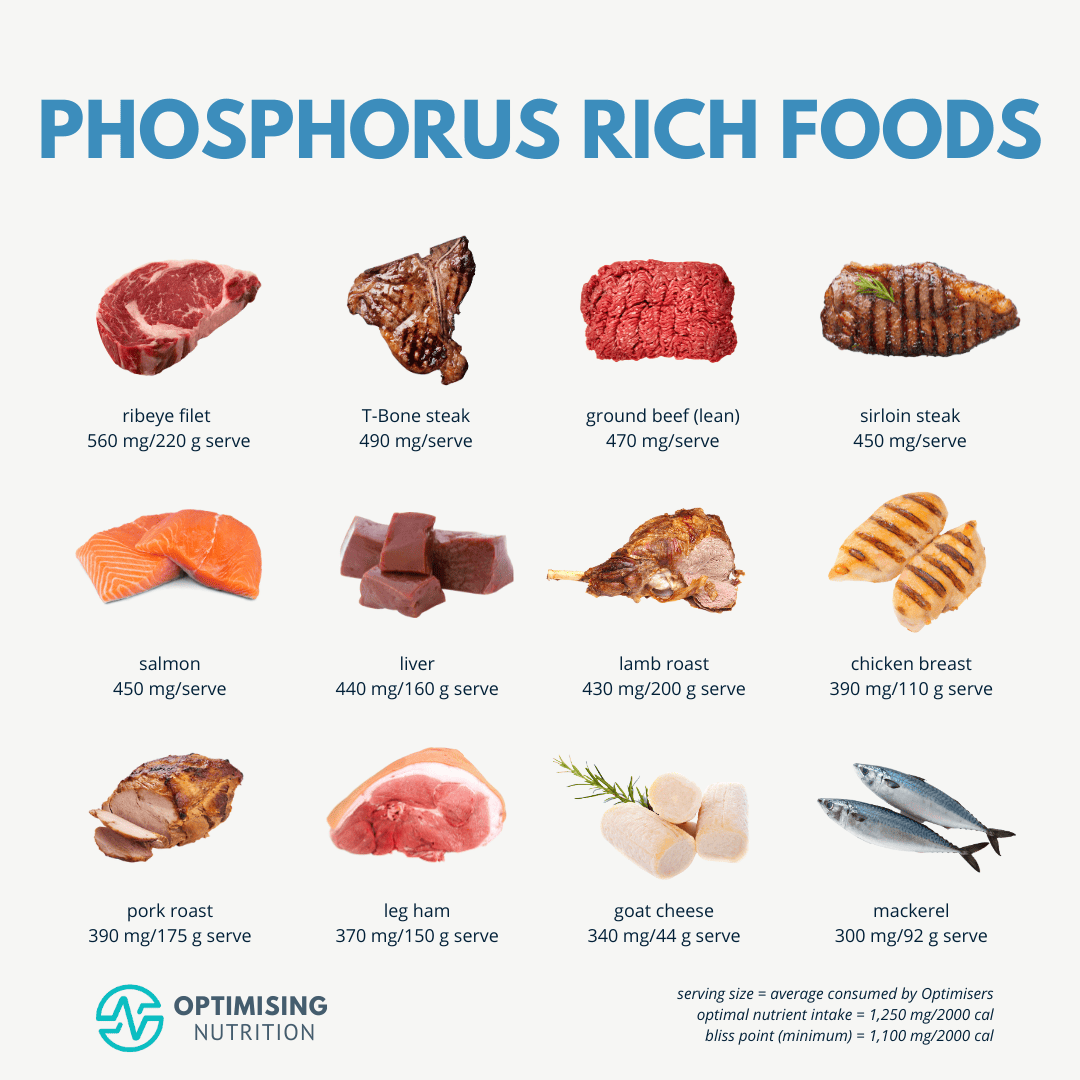
Phosphorus is an essential mineral that plays a critical role in various bodily functions, including the formation of bones and teeth, the production of DNA and RNA, and the maintenance of healthy cells. It is found in a wide variety of foods, and adequate intake is necessary to support overall health. Phosphorus deficiency, known as hypophosphatemia, can lead to a range of health problems, including weak bones, fatigue, and impaired cognitive function.
Dietary Sources of Phosphorus
Phosphorus is abundant in many foods, making it relatively easy to meet daily intake recommendations through a balanced diet. Here are some of the richest sources of phosphorus, categorized by food group:
Meat and Poultry
- Chicken: Especially the dark meat, which contains about 200 mg of phosphorus per 3-ounce serving.
- Turkey: Similar to chicken, with approximately 200 mg of phosphorus per 3-ounce serving.
- Beef: A 3-ounce serving can provide about 180 mg of phosphorus.
- Pork: Offers around 170 mg of phosphorus per 3-ounce serving.
Fish and Seafood
- Salmon: Rich in phosphorus, with about 250 mg per 3-ounce serving.
- Tuna: Yellowfin and skipjack tuna are good sources, providing approximately 200 mg per 3-ounce serving.
- Shrimp: A 3-ounce serving of shrimp can offer around 100 mg of phosphorus.
Dairy Products
- Milk: Especially fortified milk, which provides about 200-250 mg of phosphorus per cup.
- Cheese: Most types of cheese are good sources, with Swiss cheese being particularly high, offering about 250 mg per ounce.
- Yogurt: Plain yogurt can provide around 200 mg of phosphorus per 6-ounce serving.
Legumes
- Lentils: Cooked lentils are a significant source, with about 360 mg of phosphorus per 1 cup cooked.
- Chickpeas: Provide approximately 240 mg of phosphorus per 1 cup cooked.
- Black Beans: Offer around 200 mg of phosphorus per 1 cup cooked.
Grains
- Whole Wheat: Whole wheat bread and other whole wheat products can provide a moderate amount of phosphorus, about 100 mg per slice.
- Oats: Rolled oats or oatmeal can offer approximately 150 mg of phosphorus per 1 cup cooked.
Nuts and Seeds
- Almonds: A 1-ounce serving (about 23 nuts) provides around 130 mg of phosphorus.
- Pumpkin Seeds: Are particularly rich, with about 550 mg of phosphorus per 1⁄4 cup.
- Sunflower Seeds: Offer approximately 270 mg of phosphorus per 1⁄4 cup.
Vegetables
- Potatoes: Especially the skin, which is high in phosphorus, providing about 150 mg per medium-sized potato.
- Sweet Potatoes: Offer around 100 mg of phosphorus per medium-sized sweet potato.
Bioavailability of Phosphorus
The bioavailability of phosphorus from different food sources can vary. Phosphorus from animal sources (like meat, eggs, and dairy) is generally more easily absorbed by the body than phosphorus from plant sources. This is because plant-based phosphorus is often in the form of phytate, a compound that can bind minerals including phosphorus, making them less available for absorption. However, soaking, sprouting, and fermenting grains and legumes can reduce phytate levels and thus increase phosphorus bioavailability.
Health Implications
Adequate phosphorus intake is crucial for maintaining strong bones and teeth, as it works in conjunction with calcium to support these structures. Phosphorus is also vital for the production of ATP (adenosine triphosphate), the molecule that provides energy to cells. Furthermore, phosphorus plays a role in the synthesis of proteins, which are essential for the repair and growth of tissues.
In contrast, excessive intake of phosphorus, particularly from processed foods that contain phosphate additives, can lead to an imbalance in the body’s calcium-to-phosphorus ratio. This imbalance can result in the leaching of calcium from bones, potentially leading to conditions such as osteoporosis.
Conclusion
Phosphorus is a mineral that is readily available in a variety of foods, including meats, fish, dairy products, legumes, nuts, and seeds. A balanced diet that includes these food groups can provide adequate phosphorus for optimal health. It’s also important to be mindful of the overall dietary pattern and to limit excessive intake of phosphorus from processed foods to maintain a healthy balance of nutrients in the body.
What are the primary sources of phosphorus in a typical diet?
+The primary sources of phosphorus include meat, poultry, fish, seafood, dairy products, legumes, nuts, and seeds. Among these, dairy products and meat are particularly high in phosphorus.
How much phosphorus does the average adult need per day?
+The recommended dietary allowance (RDA) for phosphorus varies by age and sex, but for adults, it is approximately 1,000 mg per day. However, the tolerable upper intake level (UL) for adults is 4,000 mg per day, above which there is an increased risk of adverse health effects.
What are the risks of excessive phosphorus intake?
+Excessive intake of phosphorus, especially from phosphate additives in processed foods, can lead to an imbalance in the body's calcium-to-phosphorus ratio. This can result in the leaching of calcium from bones, potentially leading to osteoporosis and other bone health issues.
By understanding the dietary sources of phosphorus and the implications of its intake, individuals can make informed choices to support their overall health and well-being.