The onset of labor is a pivotal moment in the journey of pregnancy, marking the beginning of the process that will eventually lead to the birth of a baby. Labor is a complex and highly individualized process, varying significantly from one woman to another. It is characterized by a series of physical changes that help the uterus contract and the cervix dilate, allowing the baby to move down the birth canal. Understanding the stages and phases of labor is crucial for expectant mothers, as it helps them prepare for the experience and make informed decisions about their care.
Preparation for Labor
Before labor begins, the body undergoes several preparatory changes. The cervix starts to soften and dilate slightly, and the uterus contracts irregularly. These early signs can be indicative that labor is near, although the exact timing can be unpredictable. Women often report feeling a mix of excitement and apprehension as they wait for labor to start, and understanding the signs of early labor can help them feel more in control.
Early Labor
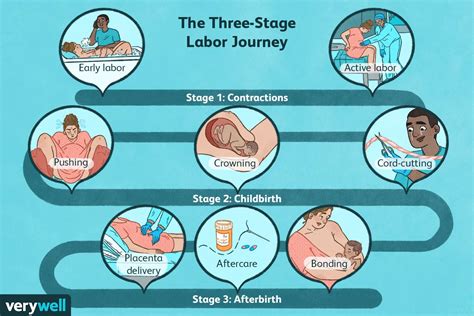
Early labor, also known as the latent phase, is the initial stage of the labor process. During this phase, the cervix begins to dilate and efface (thin out), and women may experience mild contractions that are often irregular and may feel like menstrual cramps. This phase can last for hours, sometimes even days, especially in first-time mothers. It’s essential for women to stay hydrated, rest when possible, and engage in light activities to help the labor progress.
Key Characteristics of Early Labor:
- Contractions are mild and irregular
- Cervix dilation is typically less than 4 cm
- Women may experience back pain, bloody show (a sign of cervical dilation), and a heightened sense of anticipation
Active Labor
As labor progresses to the active phase, contractions become more intense, frequent, and longer-lasting. The cervix dilates more rapidly, typically from 4 cm to 7 cm. Active labor is when the labor really starts to pick up pace, and the role of a birth partner or support person becomes crucial. They can provide emotional support, help with breathing techniques, and assist in changing positions to alleviate discomfort.
Key Characteristics of Active Labor:
- Contractions are stronger, closer together, and longer
- Cervix dilation accelerates
- Women may feel more pressure in the back and perineum
- The urge to push may begin, although it’s generally advised to wait until the cervix is fully dilated
Transition
Transition is the phase of labor that precedes pushing. It’s often the most challenging part, with contractions coming very close together and feeling extremely intense. The cervix dilates from 7 cm to 10 cm, and women may feel overwhelmed, hot, or nauseous. Transition is a critical phase, as it prepares the body for the pushing stage. Support from healthcare providers and loved ones is vital during this time, as encouragement and reassurance can help women push through the difficulty.
Key Characteristics of Transition:
- Contractions are at their most intense and frequent
- Women may feel an overwhelming urge to push
- Emotional support is crucial
- The body is fully prepared for the pushing stage
Pushing
The pushing stage of labor is when the baby is actually born. With each contraction, the woman pushes the baby down the birth canal. This phase can last anywhere from a few minutes to several hours. The experience of pushing can be empowering for many women, as they feel actively involved in the birth process. However, it also requires a lot of energy, and the support of healthcare professionals is essential to ensure both the mother and the baby are doing well.
Key Characteristics of Pushing:
- The cervix is fully dilated (10 cm)
- Women push with each contraction to help the baby come out
- The perineum may tear or an episiotomy may be performed to facilitate the birth
- The birth of the baby is imminent
After Birth
Immediately after birth, the placenta is delivered, a process known as the third stage of labor. The uterus contracts to separate the placenta from its attachment site and reduce bleeding. During this time, the mother may receive stitches if she had a tear or episiotomy, and the baby is checked over by healthcare professionals to ensure they are healthy. The first hours after birth are also a critical time for bonding, with skin-to-skin contact recommended to promote a sense of closeness and initiate breastfeeding.
Key Characteristics of After Birth:
- Delivery of the placenta
- Uterus contractions to control bleeding
- Initial checks and care for the newborn
- Opportunities for bonding and initiating breastfeeding
Conclusion
Labor is a complex, dynamic process that is unique to each individual. Understanding its stages and phases can help prepare expectant mothers and their partners for the experience, allowing them to make informed decisions about their care and ultimately leading to a more fulfilling birth experience. Whether labor progresses rapidly or slowly, the culmination of this journey is the birth of a baby, a moment that is filled with a mix of emotions, from relief and exhaustion to joy and profound love.
What are the signs that labor is about to start?
+Signs that labor is about to start include the baby dropping or moving down into the pelvis, an increase in Braxton Hicks contractions, a bloody show (which is a small amount of blood or blood-tinged mucus that is released from the cervix), and back pain. Additionally, some women experience a sudden burst of energy, known as "nesting," where they feel an overwhelming urge to clean and prepare their home for the baby.
How long does each stage of labor typically last?
+The duration of each stage of labor can vary significantly from one woman to another. Early labor can last anywhere from a few hours to a couple of days. Active labor typically lasts about 4-8 hours for first-time mothers and 2-4 hours for women who have given birth before. The pushing stage usually lasts about 1-3 hours for first-time mothers and about 30 minutes for women who have given birth before. However, these are only general guidelines, and labor can progress faster or slower than expected.
What can I do to manage the pain during labor?
+There are several strategies that can help manage pain during labor, including breathing techniques, massage, hydrotherapy, and positional changes. Some women also choose epidural anesthesia or other medical pain relief options. It's beneficial to discuss these options with your healthcare provider before labor to understand what might work best for you and what is available at your birthing location.
Understanding and preparing for labor can make a significant difference in the birth experience, allowing mothers and their families to approach this life-changing event with confidence and anticipation.