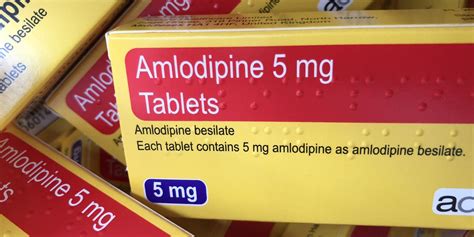
Amlodipine is a medication that belongs to a class of drugs known as calcium channel blockers. It is primarily used to treat high blood pressure (hypertension) and chest pain (angina). By dilating blood vessels, amlodipine helps to reduce blood pressure, increase blood flow to the heart, and decrease the heart’s workload.
High blood pressure is a common condition that can lead to serious health problems, such as heart disease, stroke, and kidney disease, if left untreated. Amlodipine works by blocking the entry of calcium into the muscle cells of the heart and blood vessels. This causes the blood vessels to relax, which in turn lowers blood pressure and increases oxygen supply to the heart.
In addition to treating high blood pressure, amlodipine is also used to treat angina, which is a type of chest pain that occurs when the heart muscle does not receive enough oxygen-rich blood. Amlodipine helps to improve blood flow to the heart, reducing the frequency and severity of angina attacks.
Amlodipine may also be used in combination with other medications to treat certain conditions, such as coronary artery disease, which is a condition in which the coronary arteries become narrowed or blocked due to a buildup of cholesterol and other substances.
Some of the specific benefits of amlodipine include:
- Lowering blood pressure: Amlodipine helps to reduce blood pressure, which can reduce the risk of heart disease, stroke, and kidney disease.
- Reducing angina symptoms: Amlodipine helps to improve blood flow to the heart, reducing the frequency and severity of angina attacks.
- Improving exercise tolerance: Amlodipine can help to improve exercise tolerance in people with angina, allowing them to engage in physical activity without experiencing chest pain.
- Reducing the risk of heart attack and stroke: Amlodipine may help to reduce the risk of heart attack and stroke in people with high blood pressure or coronary artery disease.
It is essential to take amlodipine exactly as prescribed by your doctor, as it can have serious side effects if not used correctly. Common side effects of amlodipine include headache, dizziness, and swelling in the legs and feet.
In terms of dosage, amlodipine is typically taken once a day, with or without food. The usual starting dose is 5 mg, but this can be adjusted based on your response to the medication. It is essential to take amlodipine at the same time every day to maintain a consistent level of the medication in your blood.
Amlodipine can interact with other medications, including certain antibiotics, antifungals, and anti-seizure medications. It is crucial to inform your doctor about all medications you are taking, including prescription and over-the-counter medications, to minimize the risk of interactions.
Overall, amlodipine is a valuable medication for managing high blood pressure and angina. By understanding how it works, its benefits, and its potential side effects, you can work with your doctor to develop an effective treatment plan that meets your unique needs.
What is the usual dosage of amlodipine for high blood pressure?
+The usual starting dose of amlodipine for high blood pressure is 5 mg, taken once a day. However, this can be adjusted based on your response to the medication.
Can amlodipine be used to treat other conditions besides high blood pressure and angina?
+Amlodipine may be used in combination with other medications to treat certain conditions, such as coronary artery disease. However, it is essential to consult with your doctor to determine the best course of treatment for your specific condition.
What are the potential side effects of amlodipine?
+Common side effects of amlodipine include headache, dizziness, and swelling in the legs and feet. However, it is essential to consult with your doctor if you experience any side effects, as they can have serious consequences if not addressed promptly.
In conclusion, amlodipine is a valuable medication for managing high blood pressure and angina. By understanding its benefits, potential side effects, and interactions, you can work with your doctor to develop an effective treatment plan that meets your unique needs.
Steps to Take When Prescribed Amlodipine
- Take amlodipine exactly as prescribed by your doctor, with or without food.
- Inform your doctor about all medications you are taking, including prescription and over-the-counter medications.
- Monitor your blood pressure regularly and report any changes to your doctor.
- Avoid stopping amlodipine abruptly, as this can lead to serious consequences.
By following these steps and working closely with your doctor, you can effectively manage your condition and minimize the risk of complications. Remember, amlodipine is a prescription medication that should only be used under the guidance of a qualified healthcare professional.