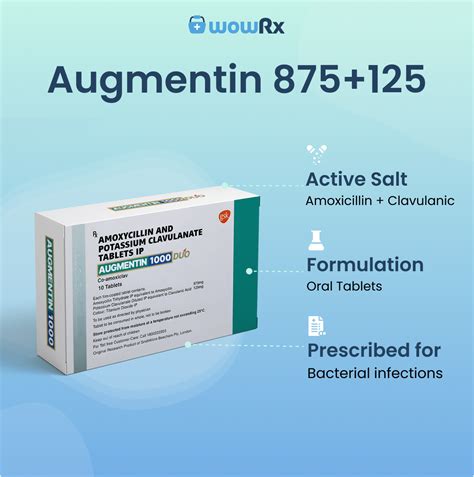
Augmentin 875⁄125 is a combination antibiotic medication that is widely used to treat various bacterial infections. The medication consists of two active ingredients: amoxicillin and clavulanate potassium. Amoxicillin is a penicillin-type antibiotic that works by stopping the growth of bacteria, while clavulanate potassium is a beta-lactamase inhibitor that helps to overcome bacterial resistance to amoxicillin.
The numbers 875 and 125 in the name Augmentin 875⁄125 refer to the strengths of the two active ingredients in the medication. The 875 represents the amount of amoxicillin (in milligrams) in each tablet, while the 125 represents the amount of clavulanate potassium (in milligrams). This specific combination and strength of Augmentin is commonly prescribed for adults and children over 12 years old to treat a range of infections, including those affecting the skin, respiratory tract, sinuses, and urinary tract.
When prescribed Augmentin 875⁄125, it’s essential to follow the dosage instructions provided by your healthcare provider carefully. This usually involves taking one tablet every 12 hours for a duration that depends on the type and severity of the infection. It’s crucial to complete the full course of treatment, even if symptoms improve before finishing all the medication, to ensure that the infection is fully cleared and to reduce the risk of antibiotic resistance.
How Augmentin 875⁄125 Works
Augmentin works by combining the effects of amoxicillin, which interferes with the synthesis of the bacterial cell wall, leading to cell lysis and death, and clavulanate, which inhibits beta-lactamase enzymes produced by certain bacteria. These enzymes can inactivate amoxicillin and other penicillins by cleaving their beta-lactam ring, rendering them ineffective. By including clavulanate, Augmentin extends its spectrum of activity to include beta-lactamase-producing strains of bacteria, making it more effective against a broader range of pathogens.
Effective Infection Treatment
Augmentin 875⁄125 is effective against a wide range of bacterial infections, including:
- Skin and Soft Tissue Infections: Such as cellulitis, where the skin and tissues beneath become infected.
- Respiratory Tract Infections: Including community-acquired pneumonia and bronchitis, where the bacteria infect the lungs.
- Sinusitis: Infections of the sinuses, which are the air-filled cavities in the bones around the nose and eyes.
- Urinary Tract Infections (UTIs): Infections that occur in any part of the urinary system, including the kidneys, ureters, bladder, and urethra.
Usage and Precautions
While Augmentin 875⁄125 is a powerful tool in the fight against bacterial infections, there are several important considerations to keep in mind:
- Allergic Reactions: Patients who are allergic to penicillin or other beta-lactam antibiotics may experience an allergic reaction to Augmentin. Symptoms can range from mild rashes to severe anaphylactic reactions. It’s crucial to inform your healthcare provider about any known allergies before starting treatment.
- Dosage and Administration: The dosage and duration of treatment should be as prescribed by your healthcare provider. Typically, Augmentin 875⁄125 is taken orally every 12 hours.
- Pregnancy and Breastfeeding: There are special considerations for pregnant or breastfeeding women. While Augmentin is generally considered safe, it’s essential to discuss the benefits and risks with your healthcare provider.
- Side Effects: Common side effects include diarrhea, nausea, and vomiting. More severe side effects, such as severe allergic reactions or liver damage, are rare but require immediate medical attention.
Conclusion
Augmentin 875⁄125 is a potent antibiotic that combines amoxicillin and clavulanate potassium to effectively treat various bacterial infections. Its broad spectrum of activity and effectiveness against beta-lactamase-producing bacteria make it a valuable therapeutic option. However, like all antibiotics, it should be used judiciously, following the specific guidance of a healthcare provider, to ensure efficacy and minimize the risk of side effects or the development of antibiotic-resistant bacterial strains.
What are the common side effects of Augmentin 875⁄125?
+Common side effects of Augmentin 875⁄125 include diarrhea, nausea, and vomiting. Less common but more serious side effects can include severe allergic reactions and liver damage. It’s essential to contact your healthcare provider if you experience any side effects.
Can I take Augmentin 875⁄125 if I’m allergic to penicillin?
+If you are allergic to penicillin or other beta-lactam antibiotics, you should not take Augmentin without first consulting your healthcare provider. There is a risk of cross-reactivity, where the body’s immune system reacts to Augmentin as if it were penicillin, leading to an allergic reaction.
How long does it take for Augmentin 875⁄125 to start working?
+Augmentin 875⁄125 begins to work quickly, often within the first few doses, to reduce the severity of bacterial infection symptoms. However, it’s crucial to complete the full course of treatment as prescribed by your healthcare provider to ensure the infection is fully cleared.