Celecoxib, commonly known by its brand name Celebrex, is a nonsteroidal anti-inflammatory drug (NSAID) that is primarily used to treat various conditions related to pain and inflammation. It belongs to a specific class of NSAIDs known as COX-2 inhibitors, which work by blocking the production of prostaglandins, substances in the body that cause pain, fever, and inflammation. Unlike traditional NSAIDs, COX-2 inhibitors like celecoxib are designed to be more selective in their action, aiming to reduce gastrointestinal side effects associated with the use of NSAIDs.
Conditions Treated by Celecoxib
Osteoarthritis (OA): This condition, also known as degenerative joint disease, is the most common type of arthritis. It is characterized by the breakdown of cartilage in joints, leading to pain, stiffness, and swelling. Celecoxib is used to manage the symptoms of OA, improving the patient’s ability to perform daily activities.
Rheumatoid Arthritis (RA): RA is an autoimmune disease that causes inflammation in the joints, leading to pain, swelling, and eventually, can cause joint damage. Celecoxib helps in reducing the inflammation and pain associated with RA, though it does not slow down the progression of the disease.
Ankylosing Spondylitis (AS): AS is a type of arthritis that primarily affects the spine, although other joints can also be involved. It causes inflammation of the spinal joints (vertebrae) that can lead to severe, chronic pain and discomfort. Celecoxib is used to manage the symptoms of AS, helping to reduce pain and stiffness.
Acute Pain Management: Celecoxib can be used for the management of acute pain in adults, such as pain following orthopedic surgery or dental procedures.
Primary Dysmenorrhea: This condition refers to menstrual cramps and the associated symptoms like pain in the lower abdomen, which can interfere with daily activities. Celecoxib has been found effective in reducing the pain associated with primary dysmenorrhea.
Familial Adenomatous Polyposis (FAP): FAP is a rare genetic condition that leads to the development of hundreds to thousands of polyps in the colon and rectum. If left untreated, it can lead to colorectal cancer. Celecoxib is sometimes used to reduce the number of polyps in patients with FAP, as part of a comprehensive treatment plan.
Important Considerations
While celecoxib can be an effective medication for managing pain and inflammation, it’s crucial to use it under the guidance of a healthcare provider, especially considering its potential side effects and interactions with other medications. Patients with a history of heart disease, high blood pressure, or stomach ulcers should be cautious, as celecoxib can increase the risk of heart attack, stroke, and gastrointestinal complications.
Dosage and Administration
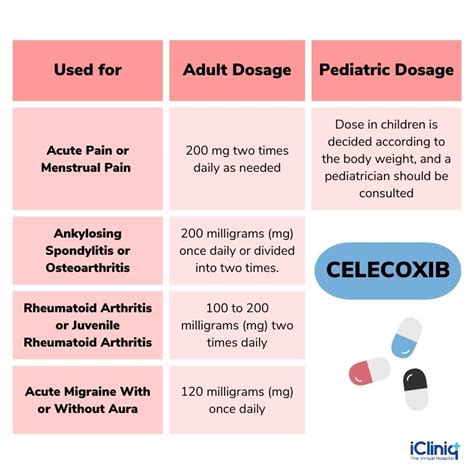
The dosage of celecoxib varies depending on the condition being treated. For instance, the recommended dose for osteoarthritis is 200 mg per day, which can be taken as a single dose or divided into two doses. It’s essential to follow the dosage instructions provided by a healthcare provider and not to exceed the recommended dose, as this can increase the risk of adverse effects.
Conclusion
Celecoxib is a valuable medication for the management of various painful and inflammatory conditions. Its use should be tailored to the individual patient’s needs, taking into account their medical history and potential risks. As with any medication, it’s crucial to weigh the benefits against the potential risks and to monitor for any adverse effects under the care of a healthcare provider.
What are the common side effects of celecoxib?
+Can celecoxib be used in patients with a history of heart disease?
+Patient with a history of heart disease should use celecoxib with caution, as it can increase the risk of heart attack and stroke. A thorough risk-benefit assessment by a healthcare provider is necessary.
Is celecoxib safe for long-term use?
+The safety of celecoxib for long-term use should be evaluated on a case-by-case basis, considering the patient’s condition, response to therapy, and potential risks. Regular monitoring by a healthcare provider is recommended.