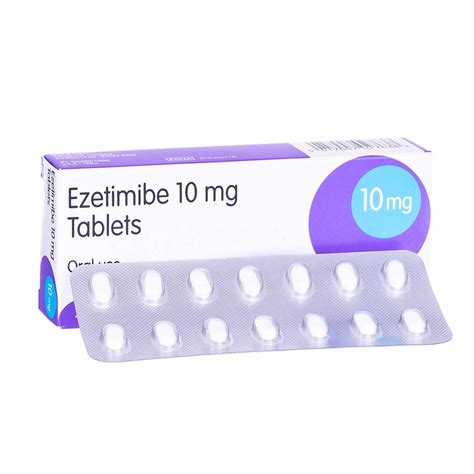
Ezetimibe, commonly known by its brand name Zetia, is a medication used to lower cholesterol levels in the blood. It is specifically designed to reduce the amount of cholesterol absorbed by the body from the diet. Ezetimibe tab 10mg is the standard dosage form of this medication, prescribed to individuals with high cholesterol or those at risk of developing heart disease due to elevated cholesterol levels.
How Does Ezetimibe Work?
Ezetimibe works by inhibiting the absorption of cholesterol in the small intestine. It selectively inhibits the intestinal cholesterol transporter, Niemann-Pick C1-like 1 (NPC1L1), which is crucial for the intestinal absorption of cholesterol and phytosterols (plant sterols). By blocking this transporter, ezetimibe reduces the amount of dietary cholesterol that enters the bloodstream. This mechanism of action is unique compared to other cholesterol-lowering drugs, such as statins, which primarily work by inhibiting cholesterol production in the liver.
Benefits of Using Ezetimibe
The primary benefit of using ezetimibe is its ability to effectively lower LDL (bad) cholesterol levels without significantly affecting the levels of HDL (good) cholesterol or triglycerides. This reduction in LDL cholesterol can lead to a decreased risk of cardiovascular events, such as heart attacks and strokes, especially when used in combination with other cholesterol-lowering therapies.
Ezetimibe can be used alone or in combination with statins. When used with statins, ezetimibe can provide an additional reduction in LDL cholesterol levels beyond what is achievable with statins alone. This combination therapy is particularly beneficial for individuals who require more aggressive cholesterol management due to very high cholesterol levels or an increased risk of heart disease.
Side Effects and Precautions
While ezetimibe is generally well-tolerated, it can cause side effects in some individuals. Common side effects include headache, dizziness, fatigue, and diarrhea. More severe but less common side effects can include allergic reactions, liver damage (indicated by elevated liver enzymes), and increased risk of gallstones.
It’s crucial for patients to discuss their medical history and any current medications with their healthcare provider before starting ezetimibe. This is particularly important for individuals with liver disease, as ezetimibe may exacerbate liver conditions. Monitoring of liver function tests may be necessary for some patients.
Interactions with Other Medications
Ezetimibe can interact with other medications, which may alter its effectiveness or increase the risk of side effects. For example, fibrates (another class of cholesterol-lowering drugs) and certain statins can increase the risk of liver damage when used with ezetimibe. Cyclosporine, an immunosuppressant, can also increase the levels of ezetimibe in the blood, potentially leading to increased risk of side effects.
Diet and Lifestyle Changes
While ezetimibe can effectively lower cholesterol levels, it is most beneficial when used in conjunction with diet and lifestyle changes. A heart-healthy diet that is low in saturated and trans fats, cholesterol, sodium, and added sugars, and high in soluble fiber (found in foods like oats, barley, fruits, vegetables, and legumes) can help further reduce cholesterol levels. Regular physical activity, maintaining a healthy weight, quitting smoking, and limiting alcohol consumption are also crucial components of a comprehensive approach to managing cholesterol.
Conclusion
Ezetimibe tab 10mg is a valuable medication for individuals seeking to lower their cholesterol levels, particularly when dietary changes and lifestyle modifications are not sufficient on their own. Its unique mechanism of action, combined with its generally favorable safety profile, makes it an important option for managing high cholesterol. However, as with any medication, it’s essential to use ezetimibe under the guidance of a healthcare provider and to monitor its effects and any potential side effects closely.
What is the primary mechanism of action of ezetimibe?
+Ezetimibe primarily works by inhibiting the intestinal absorption of cholesterol. It blocks the Niemann-Pick C1-like 1 (NPC1L1) transporter in the small intestine, reducing the amount of dietary cholesterol that enters the bloodstream.
Can ezetimibe be used in combination with other cholesterol-lowering medications?
+Yes, ezetimibe can be used alone or in combination with statins or other cholesterol-lowering therapies. This combination can provide additional reductions in LDL cholesterol levels and is beneficial for individuals requiring aggressive cholesterol management.
What are common side effects of ezetimibe?
+How can diet and lifestyle changes complement ezetimibe therapy?
+A heart-healthy diet low in saturated and trans fats, cholesterol, and sodium, and high in soluble fiber, combined with regular physical activity, maintaining a healthy weight, and avoiding smoking and excessive alcohol consumption, can enhance the cholesterol-lowering effects of ezetimibe and contribute to overall cardiovascular health.
Given the complexities of cholesterol management and the potential interactions between medications, patients should closely follow the advice of their healthcare provider and report any concerns or side effects promptly. With its unique mechanism of action and when used appropriately, ezetimibe can be a valuable tool in the management of high cholesterol, contributing to a reduced risk of heart disease and improved overall health.