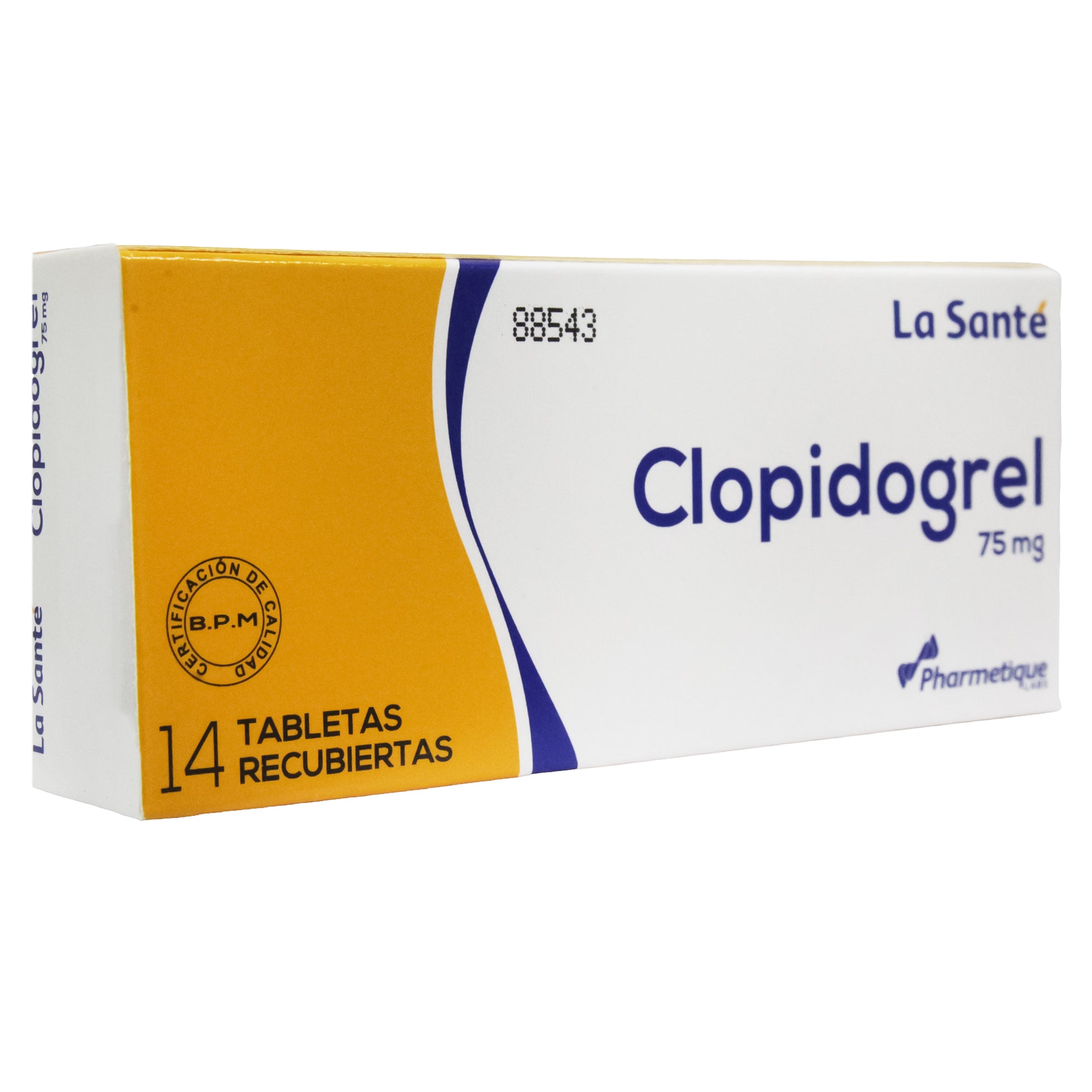
The medication Clopidogrel, commonly known by its brand name Plavix, has been a cornerstone in the prevention of heart attacks and strokes in patients with cardiovascular disease. Specifically, the 75 mg dosage of Clopidogrel has been widely prescribed due to its efficacy in reducing the risk of major vascular events. To understand the significance of Clopidogrel 75 mg, it’s essential to delve into its mechanism of action, the conditions it treats, its benefits, potential side effects, and the patient populations that benefit most from this medication.
Mechanism of Action
Clopidogrel belongs to a class of drugs known as P2Y12 inhibitors, which play a crucial role in preventing platelets from clumping and forming blood clots. It works by irreversibly inhibiting the P2Y12 receptor on platelets, thereby blocking adenosine diphosphate (ADP) from inducing platelet activation and aggregation. This action is critical because the formation of blood clots in arteries can lead to acute coronary syndrome, including conditions such as myocardial infarction (heart attack) and unstable angina.
Conditions Treated
Clopidogrel 75 mg is primarily used to prevent blood clots that cause heart attacks and strokes in patients with cardiovascular disease. It is often prescribed for patients who have had a heart attack or stroke, or those with peripheral artery disease. Additionally, it may be used in patients undergoing percutaneous coronary intervention (PCI), including those receiving stents, to prevent clot formation on the stent.
Benefits
The benefits of Clopidogrel 75 mg are well-documented and include a significant reduction in the risk of heart attack and stroke in at-risk patients. Clinical trials, such as the CAPRIE study (Clopidogrel versus Aspirin in Patients at Risk of Ischemic Events), have demonstrated that Clopidogrel can be more effective than aspirin in reducing the combined risk of ischemic stroke, myocardial infarction, or vascular death in patients with a history of ischemic stroke, myocardial infarction, or peripheral artery disease.
Potential Side Effects
While Clopidogrel 75 mg is generally well-tolerated, it can cause side effects. Common side effects include bruising and bleeding, such as nosebleeds or bleeding gums, due to its antiplatelet effect. Less commonly, it can cause diarrhea, abdominal pain, and rash. Rare but serious side effects include severe bleeding, such as gastrointestinal bleeding or cerebral hemorrhage, and hematologic effects like thrombotic thrombocytopenic purpura (TTP).
Patient Populations
Clopidogrel 75 mg is particularly beneficial for several patient populations: - Patients with Acute Coronary Syndrome (ACS): Those who have had a heart attack or unstable angina benefit from Clopidogrel as part of dual antiplatelet therapy (DAPT) alongside aspirin. - Post-PCI Patients: Patients who have received a coronary stent are often prescribed Clopidogrel to prevent stent thrombosis. - Patients with Peripheral Artery Disease (PAD): Clopidogrel can reduce the risk of myocardial infarction, stroke, or vascular death in patients with PAD.
Practical Application Guide
For patients considering or already taking Clopidogrel 75 mg, here are some practical tips: - Adherence: It is crucial to take Clopidogrel exactly as prescribed and not to stop the medication without consulting a doctor, as this can increase the risk of having a heart attack or stroke. - Monitoring: Regular check-ups with a healthcare provider are necessary to monitor for side effects and adjust the treatment plan as needed. - Lifestyle Modifications: Combining Clopidogrel with lifestyle changes such as smoking cessation, a healthy diet, regular exercise, and stress management can further reduce cardiovascular risk.
Thought Experiment: The Impact of Antiplatelet Therapy on Public Health
Imagine a world where every individual at risk of cardiovascular events is appropriately managed with antiplatelet therapy like Clopidogrel. The potential to prevent thousands of heart attacks and strokes worldwide could significantly reduce the societal and economic burden of cardiovascular disease. This thought experiment highlights the critical role that medications like Clopidogrel play in public health and the importance of access to these life-saving treatments.
Future Trends Projection
The future of antiplatelet therapy is evolving, with ongoing research into newer P2Y12 inhibitors that offer improved safety profiles and more effective antiplatelet action. Furthermore, genetic testing to predict responsiveness to Clopidogrel is becoming more prevalent, allowing for personalized treatment strategies. As our understanding of platelet biology and genetics advances, we can expect the development of even more targeted therapies, further reducing the risk of cardiovascular events.
Comparative Analysis: Clopidogrel vs. Other Antiplatelet Agents
Clopidogrel is often compared to other antiplatelet agents, such as prasugrel and ticagrelor, in terms of efficacy and safety. Each has its place in the management of cardiovascular disease, with the choice of medication depending on the individual patient’s risk factors, history of bleeding, and specific clinical scenario. A nuanced understanding of these differences is essential for healthcare providers to make informed decisions about antiplatelet therapy.
Natural Storytelling Elements: Real-Life Implications
The impact of Clopidogrel 75 mg on real lives cannot be overstated. For instance, consider a patient who, after suffering a heart attack, is prescribed Clopidogrel as part of their recovery regimen. This medication not only reduces their risk of a subsequent heart attack but also allows them to return to their normal activities, spend quality time with family, and continue contributing to their community. The story of Clopidogrel 75 mg is one of hope and resilience, underscoring the power of modern medicine to improve and extend lives.
Expert Insight: The Balance Between Efficacy and Safety
The use of Clopidogrel 75 mg, like any medication, involves a delicate balance between its efficacy in preventing cardiovascular events and its potential to cause adverse effects, most notably bleeding. Healthcare providers must carefully weigh these factors, considering the individual patient’s risk profile, to make informed decisions about the initiation and continuation of therapy. This nuanced approach is critical in maximizing the benefits of Clopidogrel while minimizing its risks.
Resource Guide: Comprehensive Management of Cardiovascular Disease
For comprehensive management of cardiovascular disease, including the use of Clopidogrel 75 mg, consider the following resources: - American Heart Association (AHA): Offers guidelines and patient resources on cardiovascular health and disease management. - National Institutes of Health (NIH): Provides information on the latest research and clinical trials related to cardiovascular disease and antiplatelet therapy. - Centers for Disease Control and Prevention (CDC): Includes data and resources on the prevention and management of heart disease and stroke.
Key Takeaway:
Clopidogrel 75 mg is a valuable medication in the arsenal against cardiovascular disease, offering a proven reduction in the risk of heart attack and stroke in at-risk patients. By understanding its mechanism, benefits, and potential side effects, patients and healthcare providers can work together to maximize its efficacy while minimizing risks. As research continues to evolve, the future of antiplatelet therapy holds promise for even more effective and personalized treatments.
FAQ Section
What is the primary use of Clopidogrel 75 mg?
+Clopidogrel 75 mg is primarily used to prevent blood clots that cause heart attacks and strokes in patients with cardiovascular disease.
How does Clopidogrel work?
+Clopidogrel works by irreversibly inhibiting the P2Y12 receptor on platelets, blocking ADP from inducing platelet activation and aggregation, thus preventing blood clots.
What are the common side effects of Clopidogrel 75 mg?
+Can Clopidogrel 75 mg be used in patients with a history of bleeding?
+The decision to use Clopidogrel in patients with a history of bleeding should be made cautiously, weighing the benefits against the risks. Healthcare providers should closely monitor these patients for signs of bleeding.
How long should patients take Clopidogrel 75 mg?
+The duration of Clopidogrel therapy depends on the patient's condition and risk factors. Patients should take the medication for as long as prescribed by their healthcare provider, as stopping the medication without consultation can increase the risk of heart attack or stroke.
In conclusion, Clopidogrel 75 mg plays a vital role in the management and prevention of cardiovascular events. Its efficacy, combined with a careful consideration of potential side effects and individual patient needs, makes it a cornerstone in the treatment of patients at risk of heart attack and stroke. As medical science continues to advance, the evolution of antiplatelet therapy will remain a critical area of research, aiming to improve outcomes for patients worldwide.