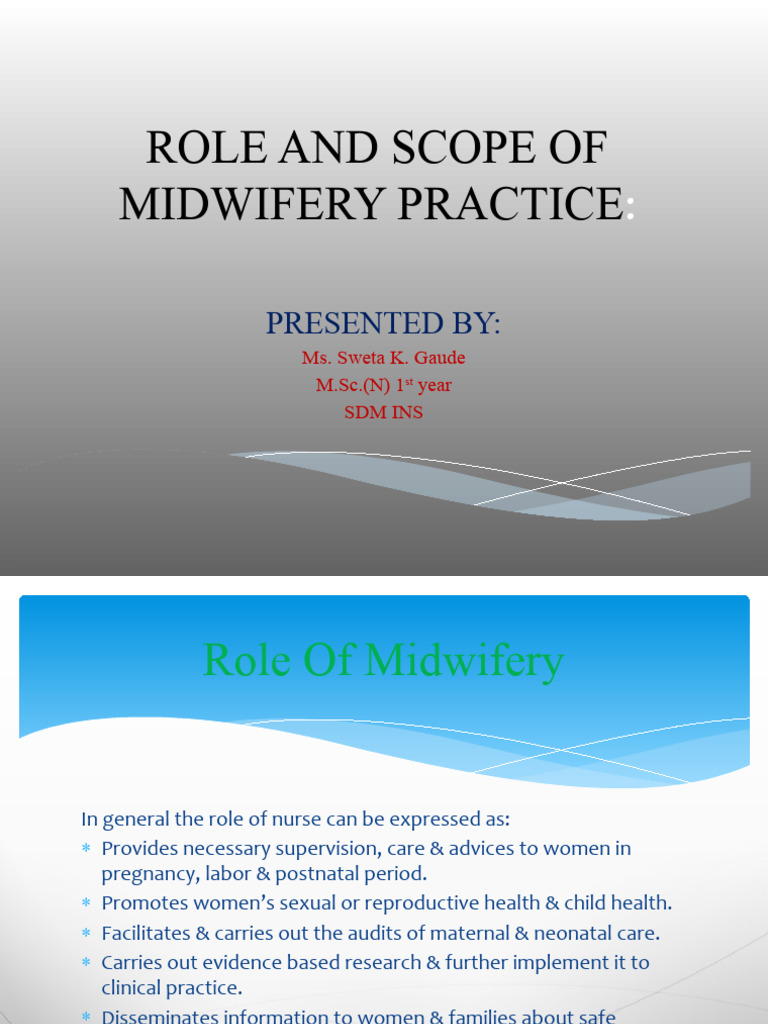
The term “midwife” refers to a trained healthcare professional who specializes in caring for women during pregnancy, childbirth, and the postpartum period. Midwives are experts in normal pregnancy and childbirth, and they play a vital role in providing comprehensive and compassionate care to women and their families. The word “midwife” comes from the Old English words “mid” meaning “with” and “wife” meaning “woman,” literally meaning “with woman.”
Midwives are highly skilled professionals who have undergone extensive education and training in the art and science of midwifery. They are qualified to provide independent care to women with low-risk pregnancies, and they often work in collaboration with obstetricians and other healthcare professionals to ensure that women receive the best possible care. Midwives are trained to recognize and respond to complications that may arise during pregnancy, childbirth, or postpartum, and they are equipped to provide emergency care when needed.
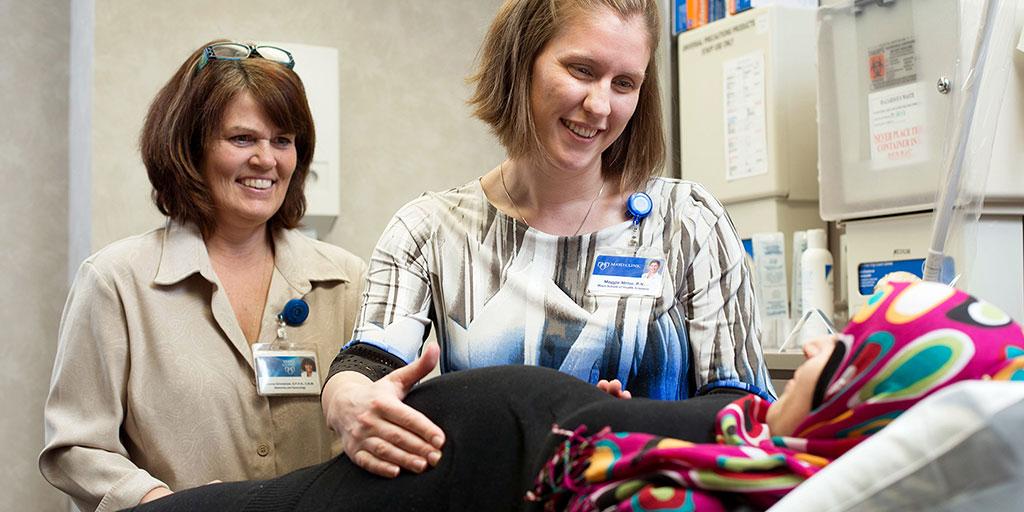
The role of a midwife is multifaceted and includes providing routine prenatal care, attending births, and offering postpartum support. Midwives are also trained to provide family planning services, perform routine gynecological exams, and offer health education and counseling. They work in a variety of settings, including hospitals, birth centers, and private practices, and they may also provide home births and other community-based services.
One of the key benefits of midwifery care is the personalized attention and support that midwives provide to women and their families. Midwives take the time to get to know their clients, to understand their unique needs and preferences, and to develop individualized care plans that cater to their specific circumstances. This approach to care has been shown to improve health outcomes, increase patient satisfaction, and reduce the risk of complications during pregnancy and childbirth.
There are several different types of midwives, each with their own unique qualifications and areas of expertise. Certified Nurse-Midwives (CNMs) are advanced practice nurses who have completed a master’s degree in nursing and have received specialized training in midwifery. Certified Midwives (CMs) are non-nurse midwives who have completed a midwifery education program and have passed a certification exam. Certified Professional Midwives (CPMs) are midwives who have completed a midwifery education program and have passed a certification exam, and they often work in out-of-hospital settings.
In addition to their clinical skills and knowledge, midwives are also trained to provide emotional and social support to women and their families. They understand the importance of building strong relationships and of creating a safe and supportive environment for women to give birth. Midwives are advocates for women’s health and well-being, and they work tirelessly to promote positive birth experiences and to empower women to take control of their own healthcare.
Midwives are not just healthcare providers; they are also educators, advocates, and supporters. They play a critical role in promoting women's health and well-being, and they are essential members of the healthcare team.
The history of midwifery dates back thousands of years, with evidence of midwifery practice found in ancient civilizations such as Egypt, Greece, and Rome. In many cultures, midwives were revered as respected members of their communities, and they played a vital role in promoting the health and well-being of women and children. Today, midwifery continues to evolve and grow, with midwives working in a variety of settings and providing care to women and families around the world.
What is the difference between a midwife and an obstetrician?
+A midwife is a trained healthcare professional who specializes in caring for women during pregnancy, childbirth, and the postpartum period, while an obstetrician is a medical doctor who specializes in the care of women during pregnancy, childbirth, and the postpartum period, with a focus on surgical interventions and high-risk pregnancies.
What are the benefits of midwifery care?
+The benefits of midwifery care include personalized attention and support, improved health outcomes, increased patient satisfaction, and reduced risk of complications during pregnancy and childbirth.
What are the different types of midwives?
+The different types of midwives include Certified Nurse-Midwives (CNMs), Certified Midwives (CMs), and Certified Professional Midwives (CPMs), each with their own unique qualifications and areas of expertise.
In conclusion, midwives are highly skilled and trained healthcare professionals who play a vital role in providing comprehensive and compassionate care to women and their families. They are experts in normal pregnancy and childbirth, and they work tirelessly to promote positive birth experiences and to empower women to take control of their own healthcare. Whether you are a expectant mother, a healthcare provider, or simply someone who is interested in learning more about midwifery, it is essential to understand the unique role and benefits of midwifery care.
Midwives are essential members of the healthcare team, providing personalized attention and support to women and their families during pregnancy, childbirth, and the postpartum period.
As we move forward in the 21st century, it is essential that we continue to support and promote the role of midwives in our healthcare system. By doing so, we can ensure that women and their families receive the best possible care, and that we can improve health outcomes and reduce the risk of complications during pregnancy and childbirth. Whether you are a midwife, a healthcare provider, or simply someone who is passionate about women’s health and well-being, it is essential that we work together to promote the importance and value of midwifery care.
How to Choose a Midwife

- Research and understand the different types of midwives and their qualifications
- Ask for referrals from friends, family, or healthcare providers
- Check the midwife's credentials and experience
- Schedule a consultation to discuss your needs and preferences
- Trust your instincts and choose a midwife who you feel comfortable with and who meets your needs
Ultimately, the choice to work with a midwife is a personal one, and it is essential that women and their families have access to accurate and unbiased information about midwifery care. By promoting the role and benefits of midwives, we can empower women to take control of their own healthcare and to make informed decisions about their care. As we move forward, it is essential that we continue to support and promote the importance and value of midwifery care, and that we work together to create a healthcare system that prioritizes the health and well-being of women and their families.
Pros and Cons of Midwifery Care
| Pros | Cons |
|---|---|
| Personalized attention and support | Limited availability in some areas |
| Improved health outcomes | Potential for increased risk of complications in high-risk pregnancies |
| Increased patient satisfaction | Limited access to medical interventions and technology |
In the end, the decision to work with a midwife is a personal one, and it is essential that women and their families have access to accurate and unbiased information about midwifery care. By understanding the role and benefits of midwives, we can empower women to take control of their own healthcare and to make informed decisions about their care. As we move forward, it is essential that we continue to support and promote the importance and value of midwifery care, and that we work together to create a healthcare system that prioritizes the health and well-being of women and their families.