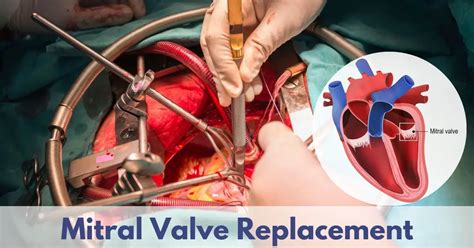
Mitral valve repair is a surgical procedure aimed at correcting mitral regurgitation, a condition where the mitral valve does not close properly, allowing blood to flow backward in the heart. This condition can lead to heart failure, arrhythmias, and other complications if left untreated. The goal of mitral valve repair is to restore the valve’s function, preventing further damage to the heart and improving the patient’s quality of life.
Understanding the Mitral Valve
The mitral valve is a complex structure consisting of two leaflets, a mitral annulus, chordae tendineae, and papillary muscles. The leaflets are the valve’s movable parts, which open and close to regulate blood flow. The mitral annulus is the ring-like structure that supports the valve, while the chordae tendineae and papillary muscles provide additional support and stability. Mitral regurgitation occurs when the valve’s leaflets do not close properly, allowing blood to leak backward into the left atrium.
Indications for Mitral Valve Repair
Mitral valve repair is typically recommended for patients with severe mitral regurgitation, especially those experiencing symptoms such as shortness of breath, fatigue, and palpitations. The decision to undergo surgery is based on various factors, including the severity of the condition, the patient’s overall health, and the likelihood of successful repair.
Surgical Techniques
There are several surgical techniques used for mitral valve repair, including:
- Annuloplasty: A procedure where the mitral annulus is repaired or replaced with a prosthetic ring to support the valve.
- Leaflet repair: A technique where the valve’s leaflets are repaired or replaced with a prosthetic material.
- Chordal replacement: A procedure where the chordae tendineae are replaced with artificial chordae.
- Papillary muscle relocation: A technique where the papillary muscles are repositioned to improve valve function.
Minimally Invasive Mitral Valve Repair
Minimally invasive mitral valve repair is a surgical approach that uses smaller incisions and specialized instruments to repair the valve. This approach can reduce recovery time, scarring, and trauma to the surrounding tissue. However, it may not be suitable for all patients, and the decision to use a minimally invasive approach is based on individual factors, such as the severity of the condition and the patient’s overall health.
Risks and Complications
As with any surgical procedure, mitral valve repair carries risks and complications, including:
- Infection: Bacterial or viral infections can occur after surgery, which may require antibiotic treatment or additional surgery.
- Bleeding: Excessive bleeding during or after surgery can lead to complications, such as hematoma or transfusion requirements.
- Stroke: The risk of stroke is increased during mitral valve repair, especially in patients with pre-existing conditions, such as atrial fibrillation.
- Arrhythmias: Abnormal heart rhythms can occur after surgery, which may require treatment with medication or pacemaker implantation.
Recovery and Follow-Up
After mitral valve repair, patients typically require several days of hospitalization for monitoring and recovery. The recovery process can take several weeks to months, during which time patients may need to:
- Rest and avoid strenuous activities: To allow the heart and surrounding tissue to heal.
- Take medications: To manage symptoms, prevent complications, and promote healing.
- Attend follow-up appointments: To monitor the valve’s function and overall heart health.
Conclusion
Mitral valve repair is a complex surgical procedure that requires careful evaluation, planning, and execution. By understanding the indications, techniques, and risks associated with mitral valve repair, patients can make informed decisions about their treatment options and work closely with their healthcare team to achieve optimal outcomes.
What are the benefits of mitral valve repair compared to replacement?
+Mitral valve repair offers several benefits over replacement, including preserved heart function, reduced risk of complications, and improved long-term survival. Additionally, repair can reduce the need for anticoagulation therapy, which is often required with mechanical valve replacement.
What is the success rate of mitral valve repair?
+The success rate of mitral valve repair varies depending on the technique, surgeon experience, and patient factors. However, studies have reported success rates ranging from 80% to 95% for patients with severe mitral regurgitation.
Can mitral valve repair be performed using robotic surgery?
+Yes, mitral valve repair can be performed using robotic surgery, which offers improved visualization, dexterity, and precision. Robotic surgery can also reduce recovery time and scarring compared to traditional open-chest surgery.
In conclusion, mitral valve repair is a complex and highly effective procedure for treating mitral regurgitation. By understanding the indications, techniques, and risks associated with this procedure, patients can make informed decisions about their treatment options and work closely with their healthcare team to achieve optimal outcomes.