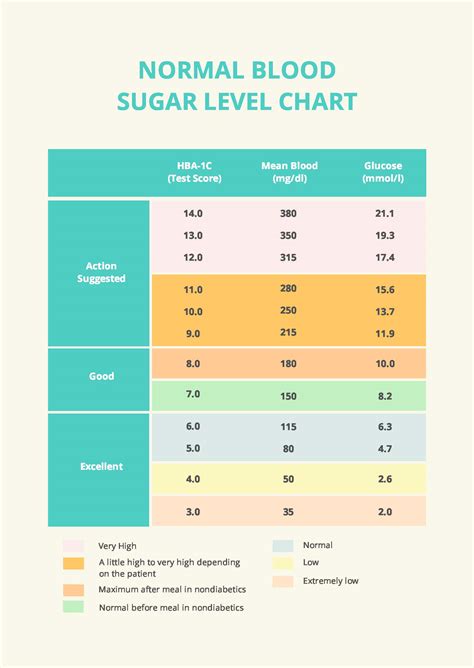
When it comes to understanding blood sugar levels, it’s essential to grasp what constitutes normal readings. Blood sugar, also known as glucose, is a crucial source of energy for the body’s cells. The level of glucose in the blood is measured in milligrams per deciliter (mg/dL). Normal blood sugar levels vary throughout the day, depending on factors like the time of day, what you’ve eaten, and your physical activity level.
Fasting Blood Sugar: A fasting blood sugar test is conducted after an overnight fast, typically lasting at least 8 hours. For most adults, a normal fasting blood sugar level is between 70 and 99 mg/dL. Levels within this range indicate that the body is effectively regulating blood glucose.
After Eating (Postprandial): After consuming a meal, blood sugar levels rise as the body absorbs glucose from the food. A normal postprandial (after eating) blood sugar level is usually less than 140 mg/dL. However, it’s worth noting that postprandial levels can vary significantly from person to person, depending on the type and amount of food consumed, as well as individual metabolic factors.
Random Blood Sugar: A random blood sugar test can be taken at any time, regardless of when you last ate. While there’s no specific “normal” range for random blood sugar, levels typically fall between 70 and 140 mg/dL for individuals without diabetes. If you have diabetes, your healthcare provider may set target blood sugar ranges based on your individual needs and treatment plan.
Understanding Blood Sugar Targets: The American Diabetes Association (ADA) recommends the following blood sugar targets for people with diabetes: - Before meals: 70-130 mg/dL - After meals: Less than 180 mg/dL Keep in mind that these are general guidelines, and your healthcare provider may adjust these targets based on your specific health needs and circumstances.
It's essential to work closely with your healthcare provider to determine the best blood sugar targets for your unique situation. Additionally, maintaining a healthy diet, engaging in regular physical activity, and managing stress can help support optimal blood sugar control.
Factors Influencing Blood Sugar: Several factors can impact blood sugar levels, including: - Diet: Consuming high-carbohydrate or high-sugar foods can cause blood sugar spikes. - Physical Activity: Regular exercise can help lower blood sugar levels and improve insulin sensitivity. - Stress: Stress can raise blood sugar levels by stimulating the release of stress hormones like cortisol and adrenaline. - Sleep: Poor sleep quality and duration can disrupt blood sugar regulation. - Medications: Certain medications, such as steroids and some psychiatric medications, can affect blood sugar levels.
Step-by-Step Guide to Monitoring Blood Sugar:
- Consult with your healthcare provider to determine the best times to check your blood sugar levels.
- Choose a glucose meter that meets your needs and is easy to use.
- Follow the manufacturer's instructions for calibrating and using the glucose meter.
- Keep a log of your blood sugar readings to track patterns and trends.
- Share your log with your healthcare provider to adjust your treatment plan as needed.
Maintaining Healthy Blood Sugar Levels: To support healthy blood sugar regulation, focus on the following strategies: - Eat a Balanced Diet: Emphasize whole, unprocessed foods like vegetables, fruits, whole grains, lean proteins, and healthy fats. - Stay Hydrated: Drink plenty of water throughout the day to help regulate blood sugar levels. - Exercise Regularly: Aim for at least 150 minutes of moderate-intensity aerobic exercise, or 75 minutes of vigorous-intensity aerobic exercise, or a combination of both, per week. - Manage Stress: Engage in stress-reducing activities like yoga, meditation, or deep breathing exercises. - Get Enough Sleep: Aim for 7-9 hours of sleep per night to help regulate blood sugar levels.
By understanding what constitutes normal blood sugar levels and implementing healthy lifestyle habits, you can take proactive steps to support optimal blood sugar control and overall well-being.
What is the normal range for fasting blood sugar in adults?
+A normal fasting blood sugar level for most adults is between 70 and 99 mg/dL.
How often should I check my blood sugar levels?
+Consult with your healthcare provider to determine the best schedule for checking your blood sugar levels, as it may vary depending on your individual needs and treatment plan.
What can I do to lower my blood sugar levels naturally?
+To lower your blood sugar levels naturally, focus on eating a balanced diet, staying hydrated, exercising regularly, managing stress, and getting enough sleep.