Tetanus, a bacterial infection caused by Clostridium tetani, can lead to severe muscle stiffness, spasms, and rigidity, making it a potentially life-threatening condition if not treated promptly. The primary mode of prevention is through vaccination, which is typically administered in combination with diphtheria and pertussis vaccines (DTaP for children and Tdap or Td for adults). Understanding when you need a tetanus shot is crucial for maintaining protection against this debilitating disease.
Understanding Tetanus Vaccination
The tetanus vaccine is part of the standard vaccination schedule for infants and children. For adults, booster shots are necessary to maintain immunity, as the protection offered by the vaccine wanes over time. The Centers for Disease Control and Prevention (CDC) and other health organizations provide guidelines for tetanus vaccination schedules.
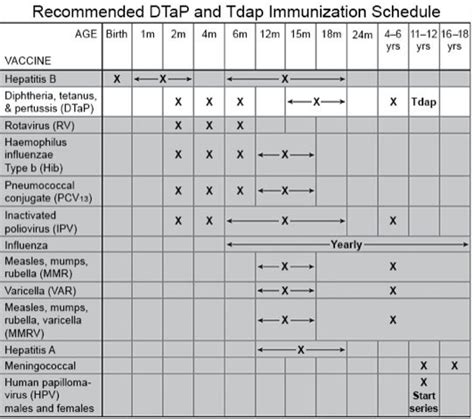
Initial Vaccination Schedule for Children
- First Dose: The first dose of the DTaP vaccine is typically administered at 2 months of age.
- Subsequent Doses: Follow-up doses are given at 4 months, 6 months, and 15 through 18 months of age.
- Booster Shot: A booster dose is recommended at 4 through 6 years of age.
Schedule for Adults
- Initial Vaccination: If an adult has never been vaccinated against tetanus, they should receive a series of vaccinations. This typically involves a Td (tetanus and diphtheria) vaccine or Tdap (tetanus, diphtheria, and pertussis) as the first dose, followed by a Td booster every 10 years.
- Booster Shots: Adults should receive a tetanus booster shot every 10 years. If the individual has not received Tdap as an adult, one dose of Tdap is recommended in place of one Td booster.
- Injury-Related Boosters: If an adult experiences a deep or dirty wound and their last tetanus booster was more than 5 years ago, they should receive a booster shot. For clean and minor wounds, a booster is recommended if the last tetanus shot was more than 10 years ago.
Special Considerations
- Pregnancy and Breastfeeding: Tdap vaccination is recommended during the third trimester of each pregnancy to protect newborns from pertussis, which is a component of the Tdap vaccine, but it also provides tetanus protection.
- Travel: For travelers going to areas where tetanus might be more prevalent due to poor sanitation, ensuring up-to-date tetanus vaccination is crucial.
- Occupational Exposure: Individuals with occupations that increase their risk of tetanus exposure, such as construction workers or those working with soil, should ensure their tetanus vaccination is up to date.
Importance of Adherence to Schedule
Adhering to the recommended vaccination schedule is crucial for several reasons: - Prevents Tetanus Infection: The most obvious benefit is the prevention of tetanus infection, which can be severe and life-threatening. - Maintains Herd Immunity: By ensuring a high level of vaccination in the community, the spread of diseases like pertussis (which shares a vaccine with tetanus) can be controlled, protecting vulnerable individuals. - Reduces Healthcare Burden: Preventing tetanus infections reduces the burden on healthcare systems, saving resources that can be directed towards other health concerns.
Conclusion
Understanding and following the tetanus shot schedule is a critical aspect of preventive healthcare. Whether you’re a parent ensuring your child is vaccinated according to the recommended schedule or an adult needing booster shots, staying up to date with tetanus vaccinations is essential for personal health and contributing to community immunity. Remember, vaccination is one of the most effective ways to protect against serious diseases, and maintaining current vaccinations is key to preventing outbreaks and ensuring public health.
Additional Resources
For more detailed information and the most current guidelines on tetanus vaccination, consulting reputable health organizations such as the CDC or the World Health Organization (WHO) is recommended. These entities continuously update their recommendations based on the latest scientific research and epidemiological data, providing the most accurate and trustworthy advice on vaccine schedules and disease prevention.
Key Takeaways
- Tetanus vaccination is crucial for preventing tetanus infection.
- The initial vaccination series for children typically starts at 2 months of age.
- Adults should receive a booster shot every 10 years.
- Special considerations apply for pregnant women, travelers, and individuals with certain occupations.
- Adhering to the vaccination schedule is vital for personal and public health.
FAQ Section
How often do adults need a tetanus booster shot?
+Adults should receive a tetanus booster shot every 10 years. However, if they experience a deep or dirty wound and their last tetanus booster was more than 5 years ago, they should receive a booster shot immediately.
Can I get tetanus from a minor cut?
+Yes, tetanus can enter the body through any wound, including minor cuts, especially if the wound is contaminated with soil or the bacterium Clostridium tetani. However, the risk is generally lower with clean and minor wounds.
What happens if I don’t get a tetanus booster when I’m supposed to?
+If you don’t get a tetanus booster when you’re supposed to, your protection against tetanus will decrease over time, making you more susceptible to infection if you’re exposed to the bacteria.