Respiratory infections, such as pneumonia, bronchitis, and the common cold, are among the most frequent illnesses affecting individuals of all ages. While many respiratory infections can be managed with self-care and over-the-counter medications, there are instances where medical help is not only necessary but crucial for preventing complications and ensuring proper recovery. Understanding when to seek medical attention is vital for individuals to receive the appropriate level of care and to avoid the progression of the infection to more severe stages.
Identifying the Need for Medical Help
Several factors indicate the need for medical intervention in respiratory infections. These include the severity of symptoms, the presence of certain risk factors, and the development of specific complications. For instance, symptoms such as high fever, difficulty breathing, chest pain, or severe headache warrant immediate medical evaluation. Additionally, individuals with underlying health conditions, such as heart disease, diabetes, or chronic lung disease, should seek medical help early in the course of their illness due to their increased risk of developing severe infections.
High-Risk Groups
Certain groups of people are considered high-risk for complications from respiratory infections and should seek medical help promptly if they develop symptoms of such an infection. These groups include:
- Older Adults: Individuals aged 65 and older may have weaker immune systems and less reserve to fight off infections, making early medical intervention critical.
- Young Children: Especially those under the age of 5, as their airways are smaller and they may be more susceptible to respiratory distress.
- Pregnant Women: Due to changes in their immune system and the potential for the infection to affect the fetus.
- Individuals with Chronic Conditions: Such as chronic obstructive pulmonary disease (COPD), heart disease, or those with compromised immune systems due to conditions like HIV/AIDS or undergoing chemotherapy.
Symptoms Requiring Immediate Medical Attention
Certain symptoms signal the need for urgent medical evaluation. These include:
- Shortness of Breath: Difficulty breathing or feeling like you can’t catch your breath.
- Chest Pain or Pressure: Especially if it worsens with deep breathing or coughing.
- Severe Headache: Accompanied by confusion, stiff neck, or sensitivity to light.
- High Fever: Especially if it exceeds 103°F (39.4°C) or lasts for more than 3 days.
- Wheezing or Coughing Up Blood: Indicates a potential severe respiratory issue.
- Sudden Confusion or Disorientation: Could be a sign of lack of oxygen to the brain.
What to Expect from Medical Help
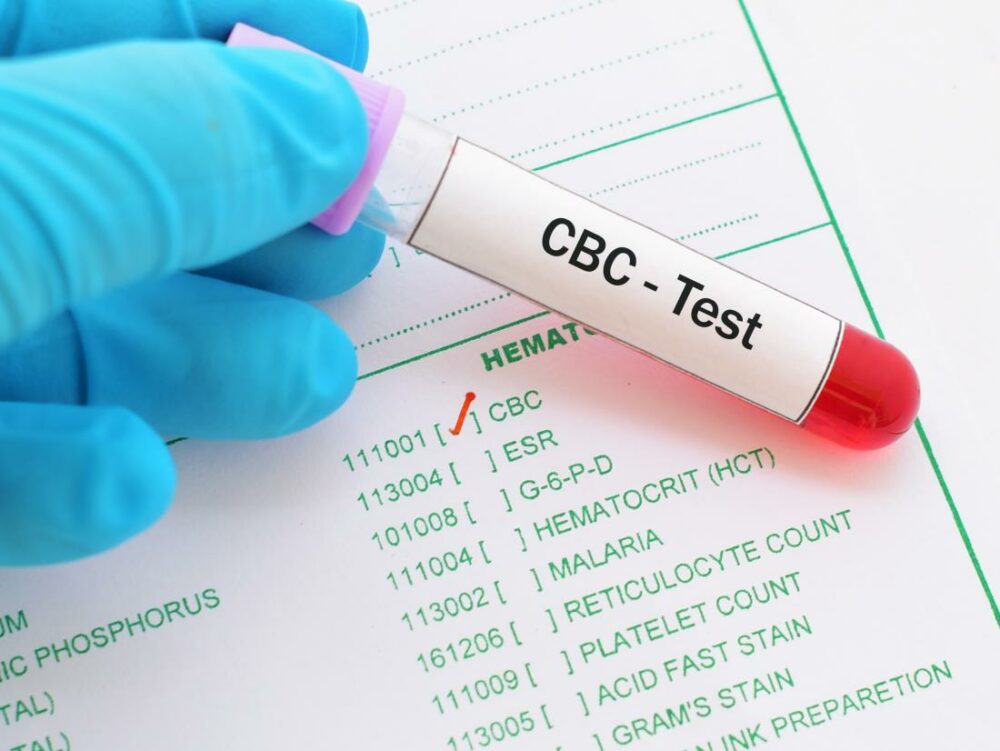
When seeking medical help for a respiratory infection, healthcare providers typically start with a thorough physical examination and medical history. They may perform diagnostic tests such as chest X-rays, blood tests, or sputum tests to determine the cause and extent of the infection. Treatment options can range from antibiotics for bacterial infections to antiviral medications for viral infections, along with supportive care to manage symptoms and prevent complications.
Prevention Strategies
While medical help is crucial for managing respiratory infections, prevention plays a significant role in reducing the risk of developing these infections in the first place. Strategies include:
- Vaccinations: Staying up to date with flu and pneumococcal vaccines.
- Good Hygiene: Frequent handwashing, especially during flu season.
- Avoiding Close Contact: With individuals who are sick.
- Not Sharing Personal Items: Such as utensils, drinks, or towels.
- Quitting Smoking: And avoiding secondhand smoke, as smoking damages lung health.
In conclusion, while many respiratory infections can be managed at home, recognizing the signs that indicate the need for medical help is crucial. Early intervention can prevent severe complications, especially in high-risk groups. By understanding these guidelines and taking preventive measures, individuals can better navigate the challenges posed by respiratory infections.
What are the most common symptoms of respiratory infections that require medical help?
+Symptoms that signal the need for medical help include shortness of breath, chest pain, severe headache, high fever, wheezing, or coughing up blood. Additionally, if symptoms worsen over time or do not improve with self-care, it's essential to seek medical attention.
Can respiratory infections be prevented?
+Yes, several preventive measures can reduce the risk of developing respiratory infections. These include getting vaccinated against the flu and pneumococcal disease, practicing good hygiene such as frequent handwashing, avoiding close contact with individuals who are sick, and avoiding smoking and secondhand smoke.
What should I expect when I visit a healthcare provider for a respiratory infection?
+When you visit a healthcare provider for a respiratory infection, they will typically start with a physical examination and ask about your medical history. They may perform diagnostic tests such as a chest X-ray or blood tests to determine the cause of the infection. Based on the diagnosis, they may prescribe antibiotics or antiviral medications, along with providing guidance on managing symptoms and preventing complications.
By combining preventive strategies with an understanding of when to seek medical help, individuals can effectively manage respiratory infections and reduce the risk of severe complications. Remember, if you’re ever in doubt about the severity of your symptoms or the need for medical intervention, it’s always best to consult with a healthcare professional.