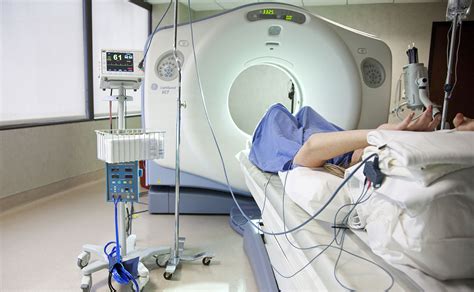
The decision to use CT angiography is crucial in various medical scenarios, where precise imaging of blood vessels and their surrounding structures is essential for diagnosis, treatment planning, and patient outcomes. CT angiography, a sophisticated imaging technique, combines the principles of traditional X-ray computed tomography (CT) with the administration of a contrast agent to visualize the blood vessels and diagnose vascular conditions. This article delves into the expert advice on when to use CT angiography, exploring its applications, benefits, and considerations in different clinical contexts.
Introduction to CT Angiography
CT angiography is an imaging modality that has revolutionized the field of vascular imaging. By injecting a contrast agent into a vein, which is then imaged using a CT scanner, healthcare providers can obtain detailed, three-dimensional pictures of the blood vessels. This technique is particularly useful for identifying stenoses (narrowings), aneurysms (dilations), and other vascular abnormalities that could lead to serious health issues if left untreated.
Applications of CT Angiography
Diagnosis of Peripheral Artery Disease (PAD): CT angiography is used to evaluate the presence and extent of PAD, which affects the blood vessels outside the heart and brain. It helps in planning interventions such as angioplasty or surgical bypass.
Assessment of Aortic Diseases: For conditions like aortic aneurysms or dissections, CT angiography provides critical information about the size, location, and extent of the disease, guiding surgical or endovascular repair decisions.
Cerebral Vascular Disease: In cases of suspected cerebral vasculitis, arteriovenous malformations, or after a stroke, CT angiography of the head and neck helps in evaluating the cerebral vessels and planning appropriate management.
Renal and Mesenteric Artery Evaluation: CT angiography is invaluable in assessing renal artery stenosis, which can cause hypertension and renal failure, and in evaluating the mesenteric arteries for suspected chronic mesenteric ischemia causing abdominal pain.
Preoperative Planning: Before surgeries such as organ transplantation, CT angiography can provide detailed information about the vascular anatomy, which is crucial for surgical planning and avoiding potential complications.
Benefits of CT Angiography
- Non-invasive: Unlike traditional angiography, CT angiography is less invasive, reducing the risk of complications.
- Comprehensive Imaging: It provides a detailed view of the blood vessels and surrounding tissues.
- Fast and Accurate: Scans are quickly performed, and images are rapidly reconstructed, allowing for timely decision-making.
- Guidance for Minimally Invasive Procedures: It serves as a roadmap for interventions, enabling precise placement of stents, coils, or other devices.
Considerations and Limitations
While CT angiography is a powerful diagnostic tool, its use must be judicious, considering factors such as:
- Contrast Agent: The use of iodinated contrast agents may be contraindicated in patients with severe kidney disease or known allergic reactions.
- Radiation Exposure: Although modern CT scanners minimize radiation doses, the exposure should be considered, especially in younger patients or when repeated scans are necessary.
- Cost and Accessibility: CT angiography may not be available in all healthcare settings due to equipment and expertise requirements.
Expert Advice on Utilization
Experts recommend the use of CT angiography in scenarios where a detailed understanding of vascular anatomy and pathology is critical for patient care. The decision to use CT angiography should be based on a thorough clinical evaluation, considering the patient’s symptoms, medical history, and the potential risks and benefits of the procedure.
Given its versatility and diagnostic capability, CT angiography has emerged as a cornerstone in the management of vascular diseases. By carefully selecting patients who would most benefit from this imaging modality, healthcare providers can optimize outcomes, minimize risks, and contribute to the advancement of vascular medicine.
Practical Applications and Future Directions
The applications of CT angiography continue to evolve, with advances in technology enhancing image quality, reducing radiation doses, and improving diagnostic accuracy. Future directions include the integration of artificial intelligence for image analysis, development of new contrast agents, and expansion of CT angiography into new clinical areas, such as coronary artery disease diagnosis.
Enhanced Patient Care through Informed Decision-Making
In conclusion, the strategic use of CT angiography, guided by expert advice and tailored to individual patient needs, enhances diagnostic precision, informs treatment decisions, and ultimately improves patient outcomes. By understanding the appropriate use of CT angiography and its benefits, healthcare providers can leverage this powerful imaging technique to deliver high-quality, patient-centered care.
What are the primary benefits of using CT angiography in clinical practice?
+The primary benefits of CT angiography include its non-invasive nature, comprehensive imaging of blood vessels and surrounding tissues, fast and accurate diagnosis, and its role in guiding minimally invasive procedures.
How does CT angiography contribute to preoperative planning?
+CT angiography provides detailed information about vascular anatomy, which is crucial for surgical planning, allowing for the identification of potential complications and optimization of surgical approaches.
What are the key considerations for deciding when to use CT angiography?
+The decision to use CT angiography should consider the clinical scenario, the potential benefits and risks of the procedure, including the use of contrast agents and radiation exposure, and the availability of alternative diagnostic methods.
In the realm of medical imaging, the precise and strategic use of diagnostic tools like CT angiography is pivotal. By embracing the advice of experts and continuously updating our knowledge of best practices, we can harness the full potential of CT angiography to improve patient care and advance the field of vascular medicine.