

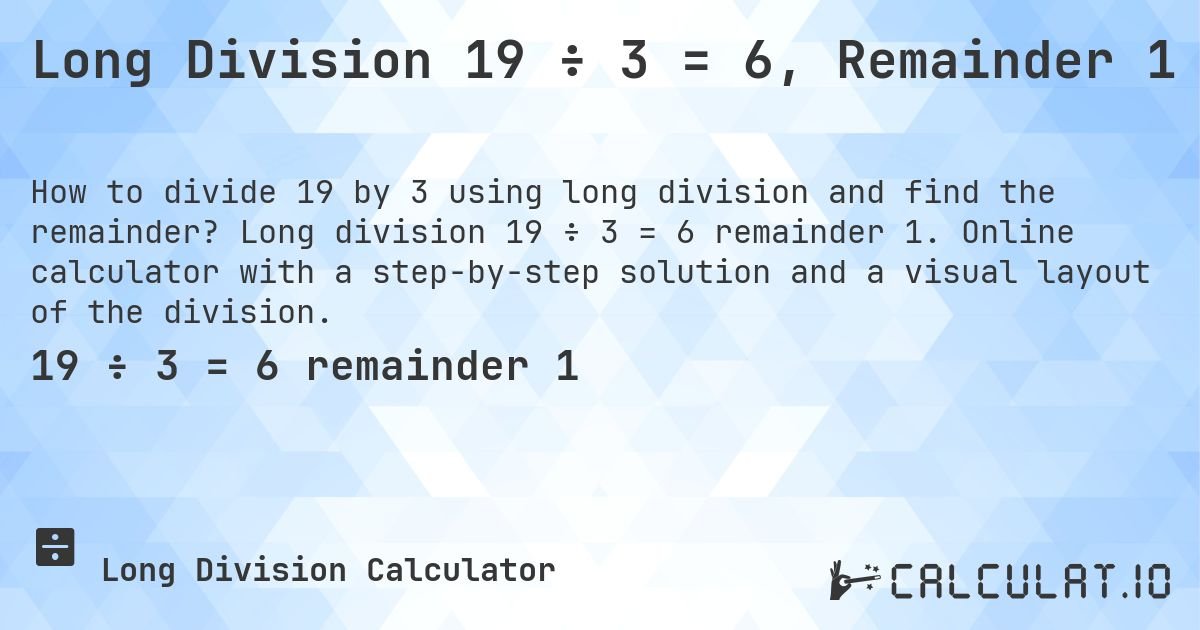
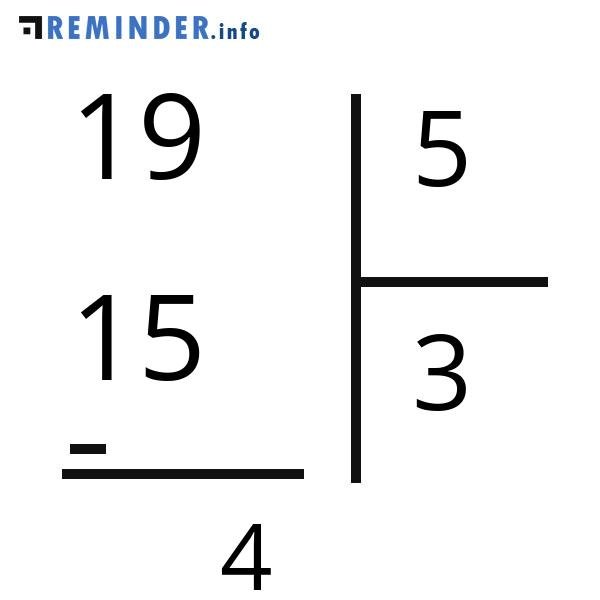
Long Division Process
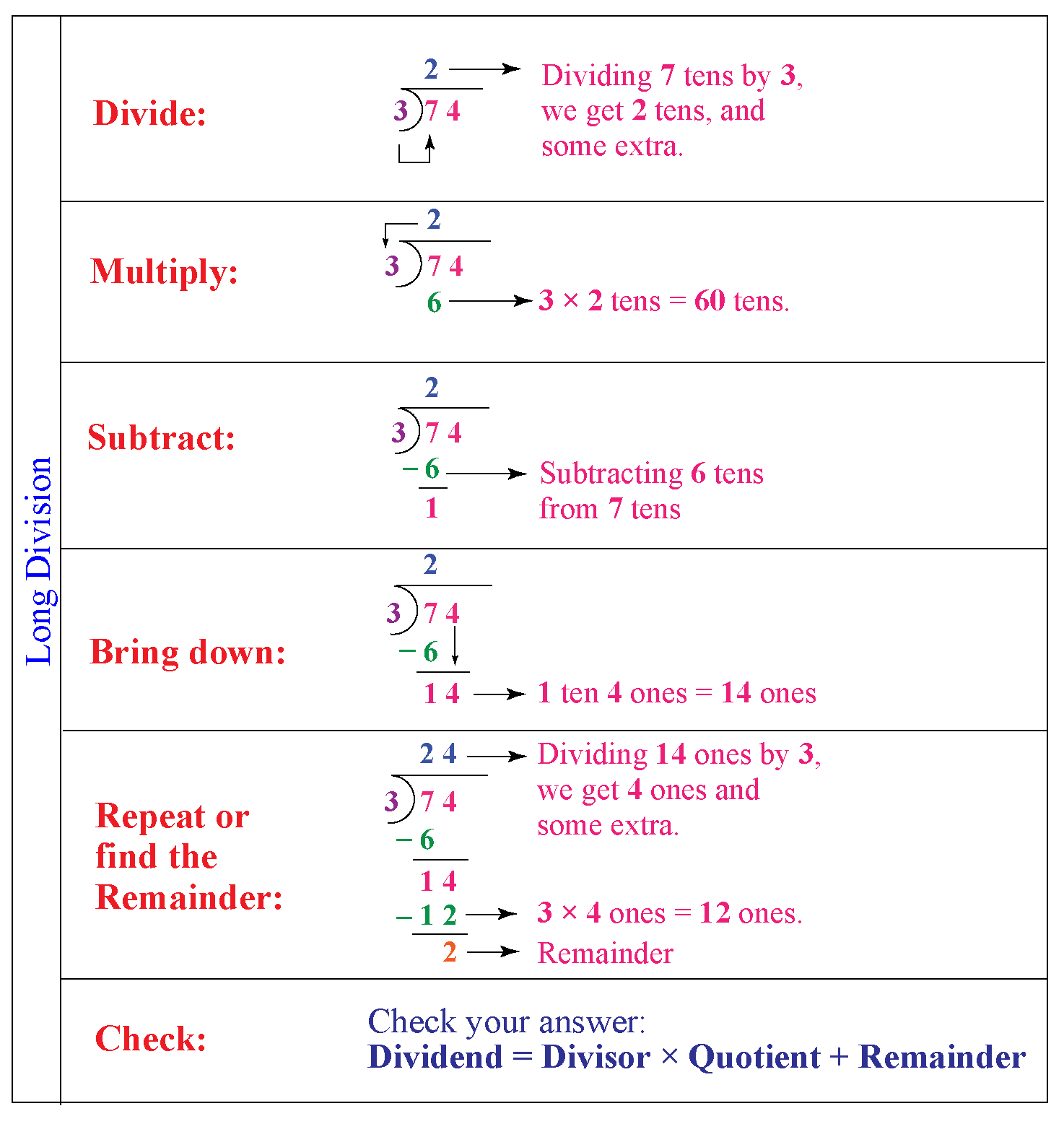
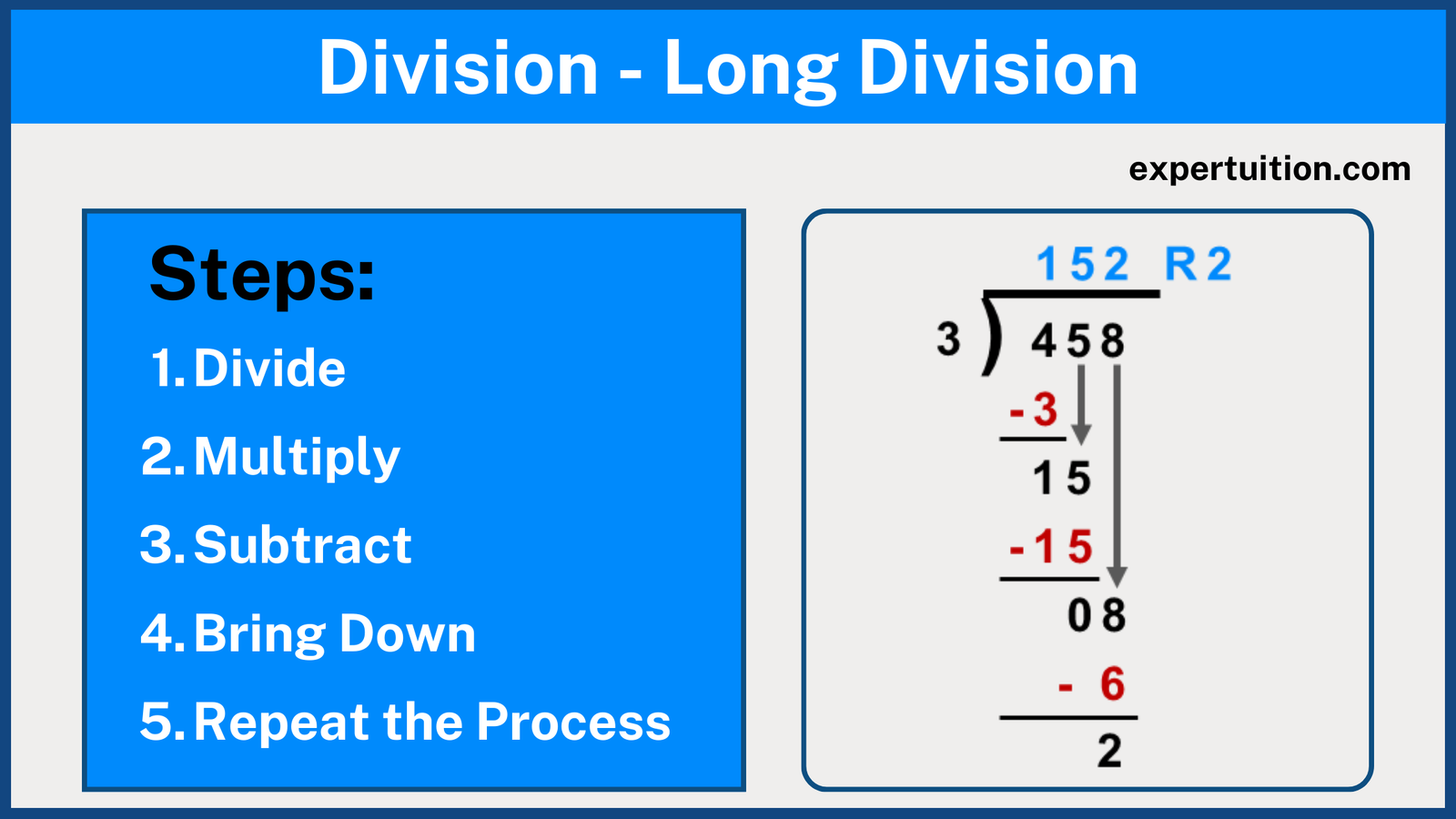
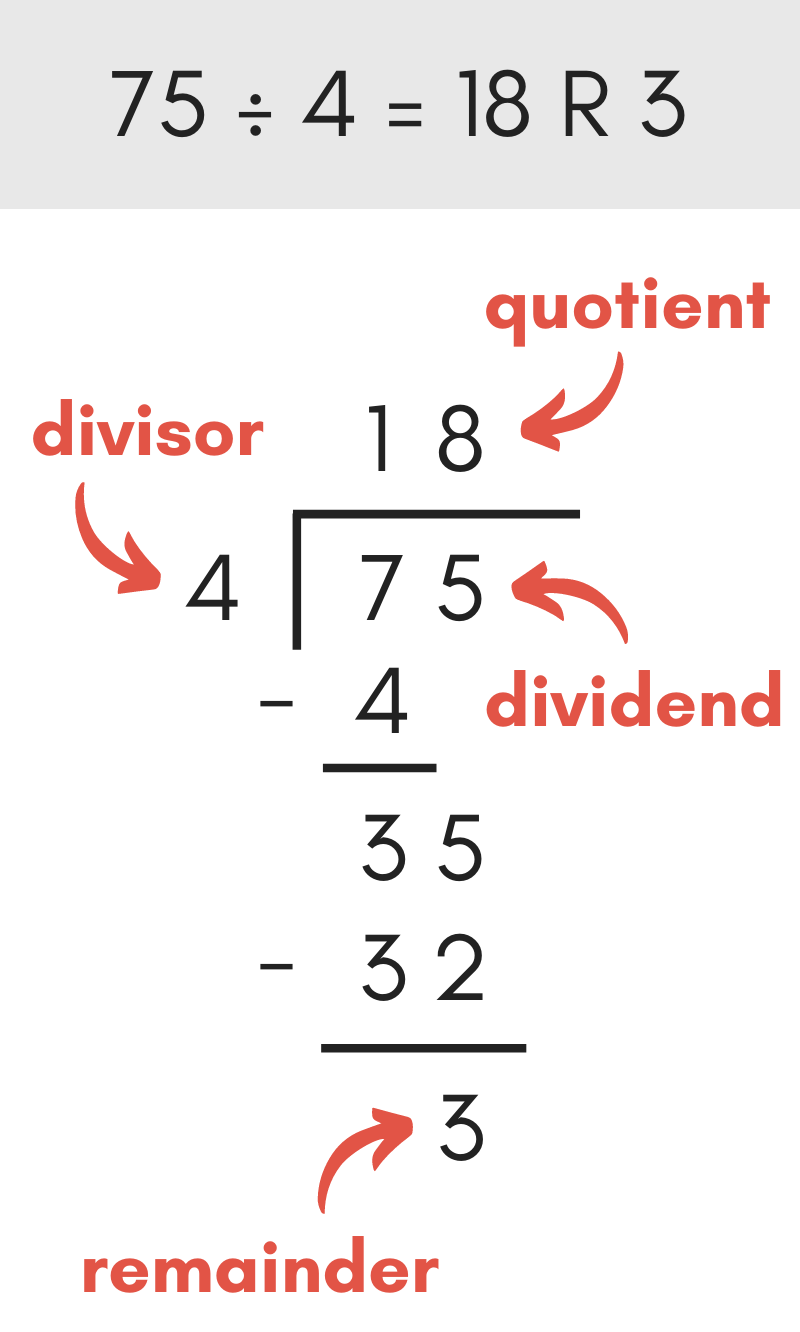
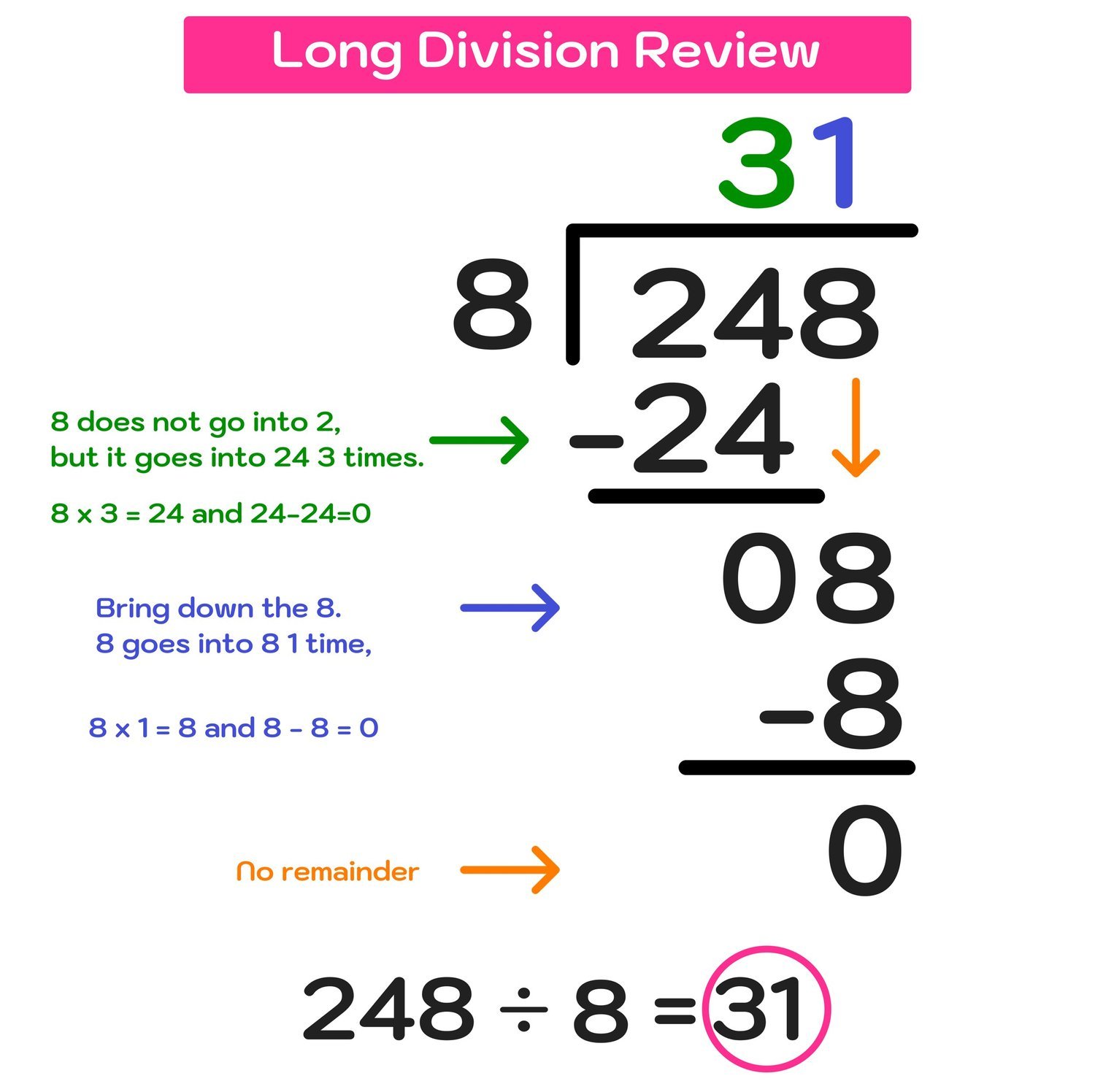
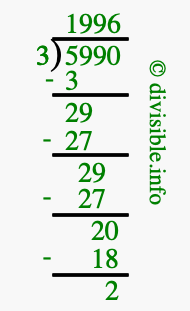
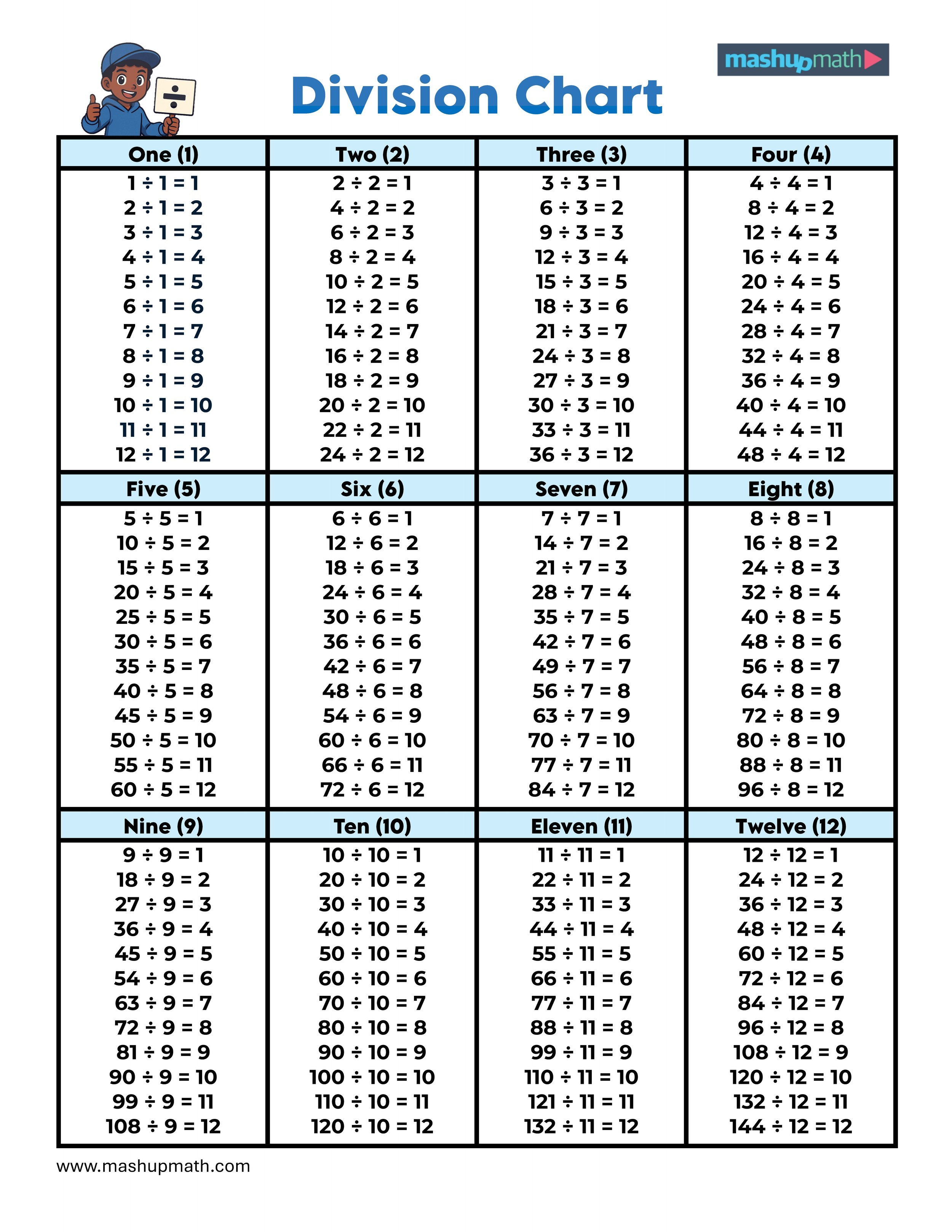
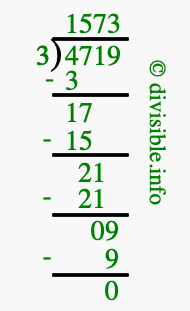
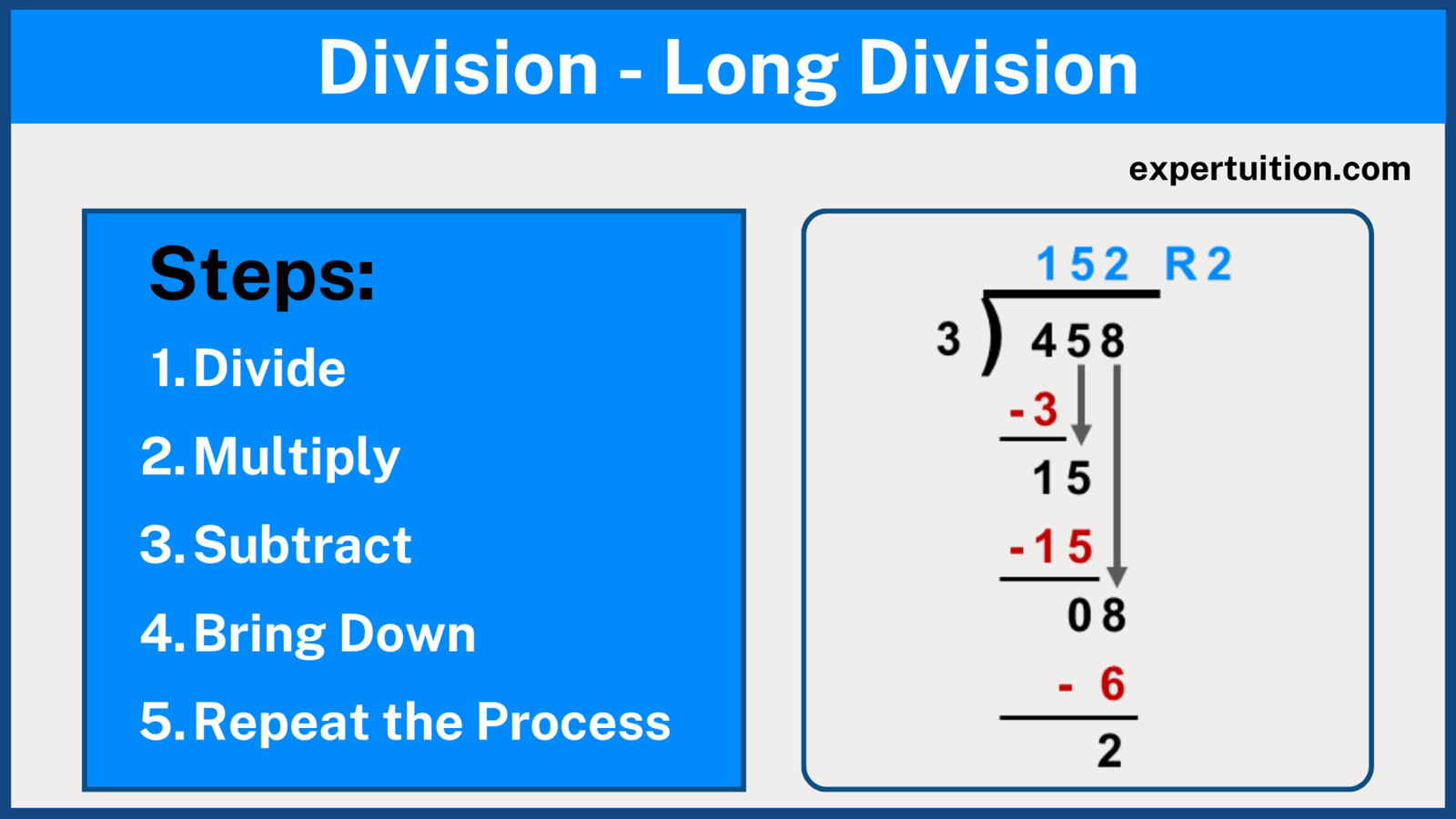
Long division is a simple yet effective method to find the quotient and remainder. Here's a step-by-step guide:
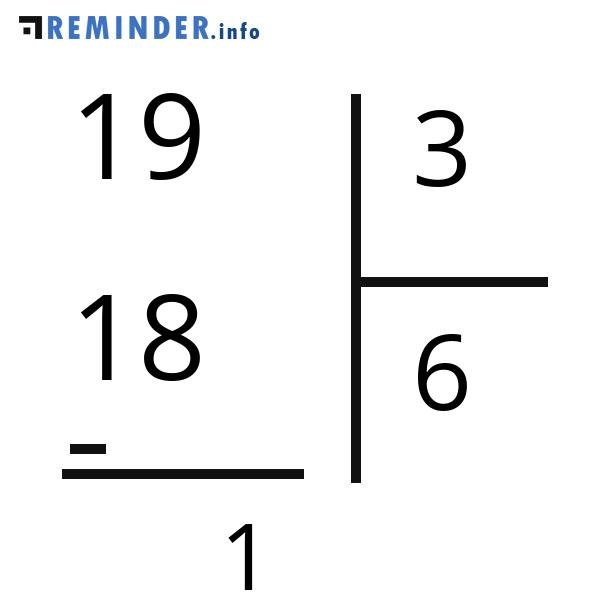
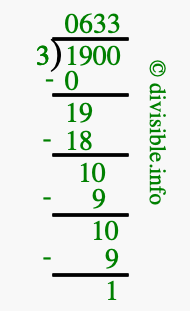
- Set Up: Begin by writing 19 (the dividend) and 3 (the divisor) in the standard long division format.
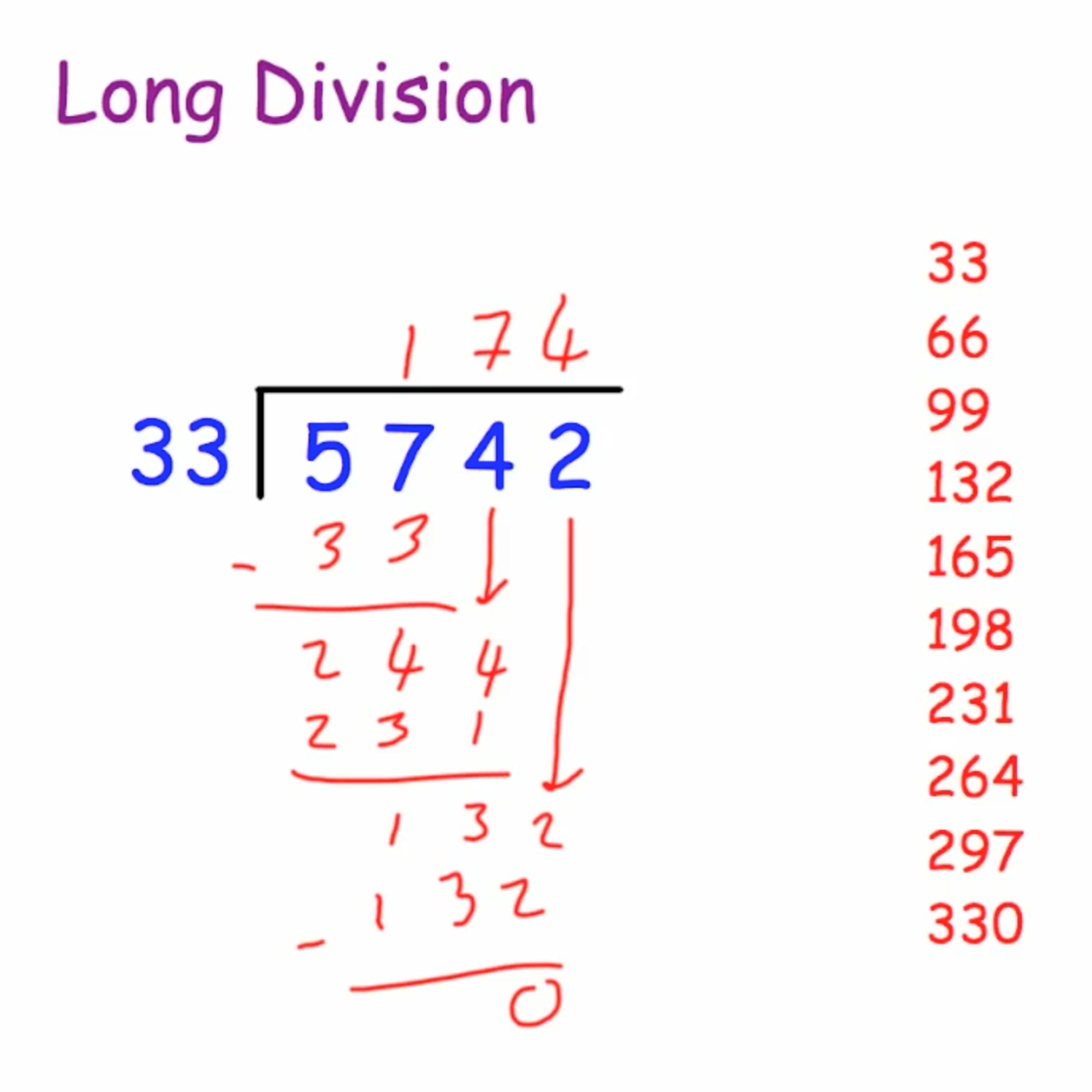
- Divide: Divide 19 by 3. The result is 6, so write 6 above the line.
- Multiply and Subtract: Multiply 6 by 3, which equals 18. Subtract this from 19, leaving a remainder of 1.
- Bring Down: Bring down the next digit (which doesn't exist in this case, as we're dealing with a single-digit divisor).
- Final Step: Since there are no more digits to bring down, the process is complete. The quotient is 6, and the remainder is 1.
Visual Representation
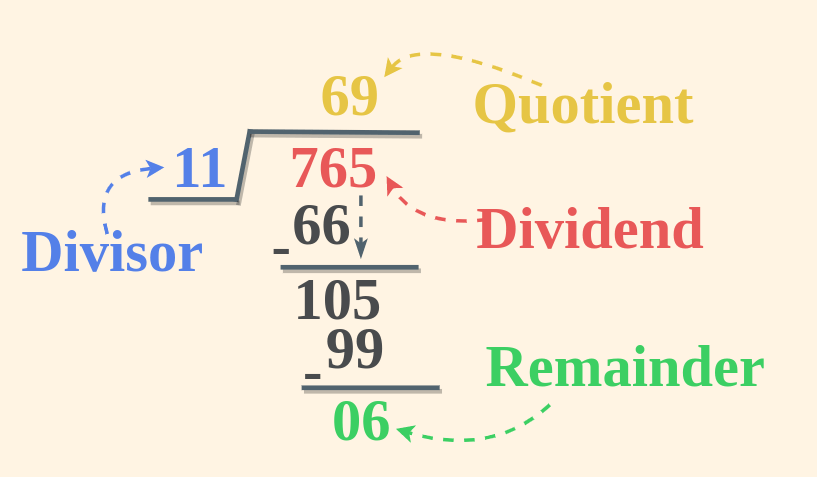
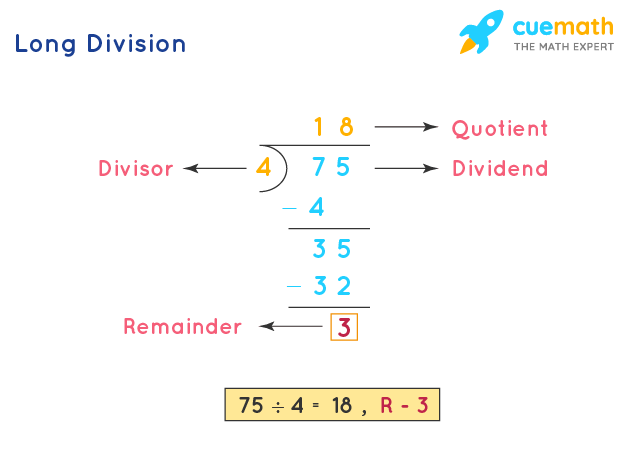
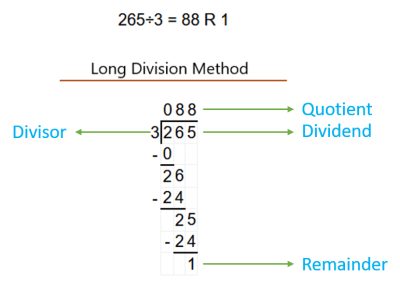
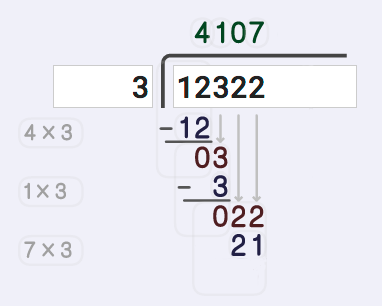
A visual representation can make the process clearer. Imagine a simple diagram:
- Dividend: 19
- Divisor: 3
- Quotient: 6
- Remainder: 1
Step-by-Step Guide
For a more detailed breakdown, consider these steps:
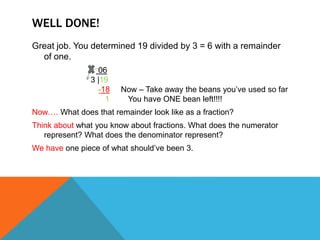
- Start with the dividend, 19.
- Divide it by the divisor, 3.
- Write the quotient (6) above the line.
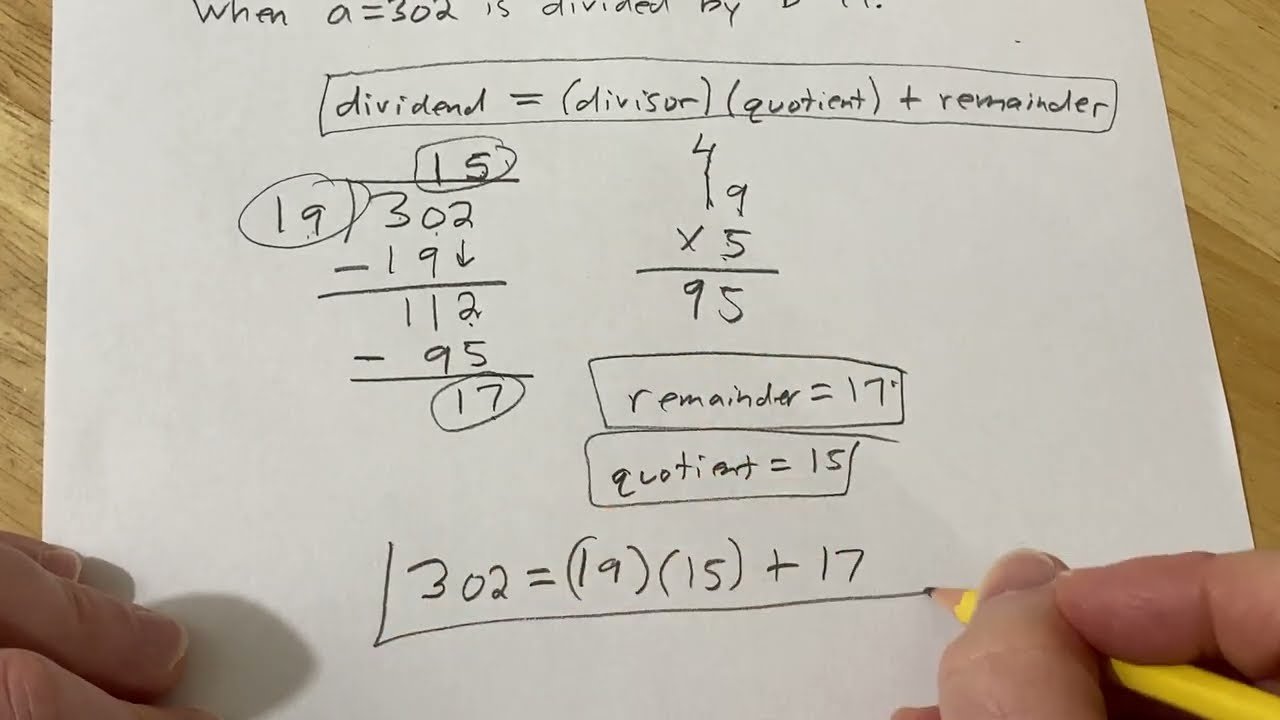
- Multiply the quotient by the divisor (6 x 3 = 18).
- Subtract this result from the dividend (19 - 18 = 1).
- The remainder is 1, indicating that the division is complete.
Calculators and Online Tools
If you prefer a digital approach, various online calculators can perform long division for you. Simply input the numbers, and the calculator will provide the quotient and remainder. Here are some options:
These tools offer a quick and easy way to verify your manual calculations or explore other division problems.
Alternative Methods
While long division is a common method, there are other approaches:
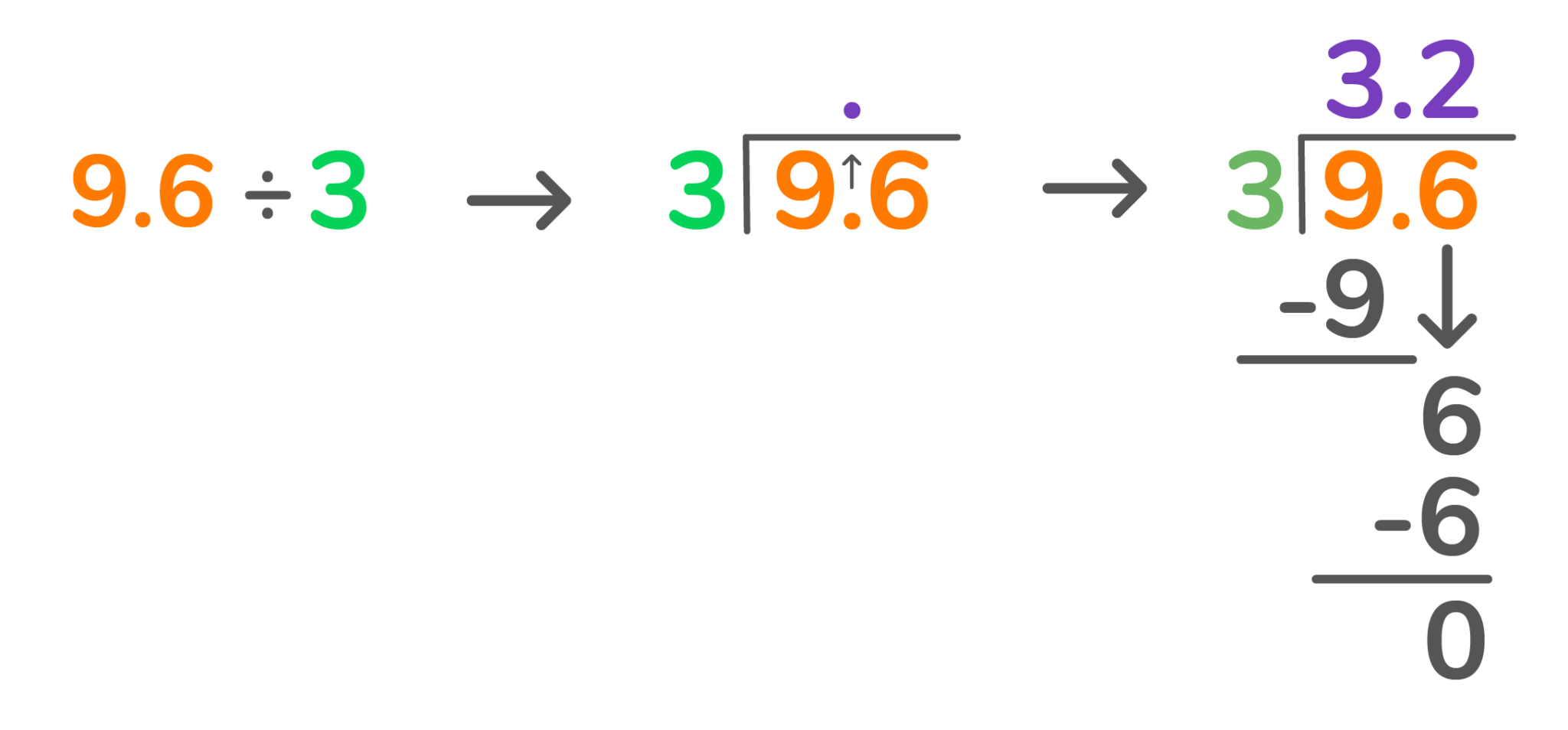
- Decimal Conversion: Convert 19 to a decimal by dividing it by 3. The result is 6.33 (rounded to two decimal places).
- Fraction Form: Express the division as a fraction: 19/3, which can be simplified to 6 1/3.
- Remainder-Based Calculations: Focus on the remainder. In this case, the remainder of 1 indicates that 19 is not a multiple of 3.
Practical Applications
Understanding division is essential in various real-world scenarios:
- Measurement: In construction or cooking, knowing how to divide measurements is key.
- Finance: Division is used in budgeting and calculating percentages.
- Science: Scientific calculations often involve division, especially in physics and chemistry.
Further Exploration
For those interested in exploring more complex divisions, consider these related topics:
These topics offer a deeper dive into division and its applications.