Understanding Proportion
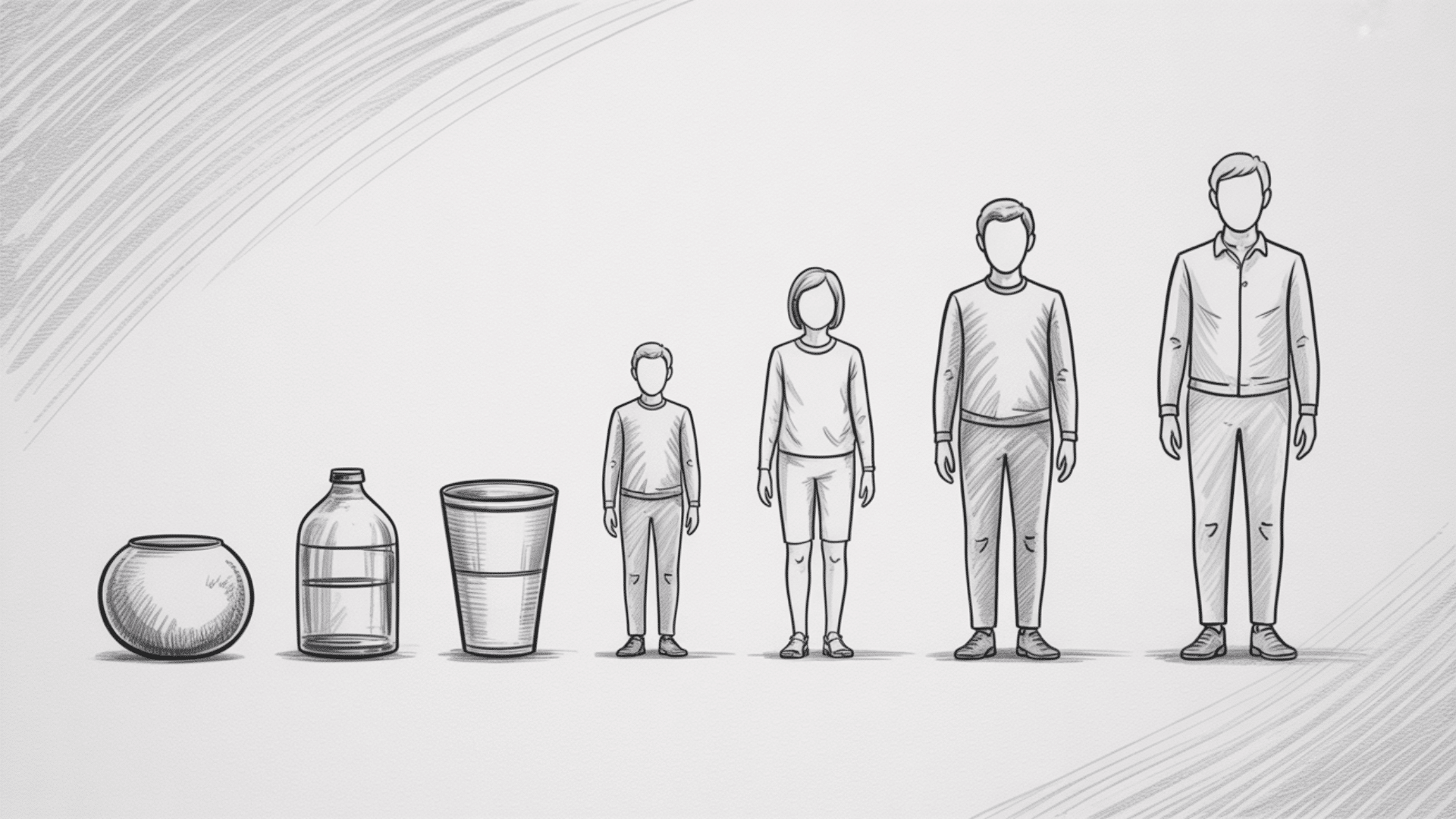
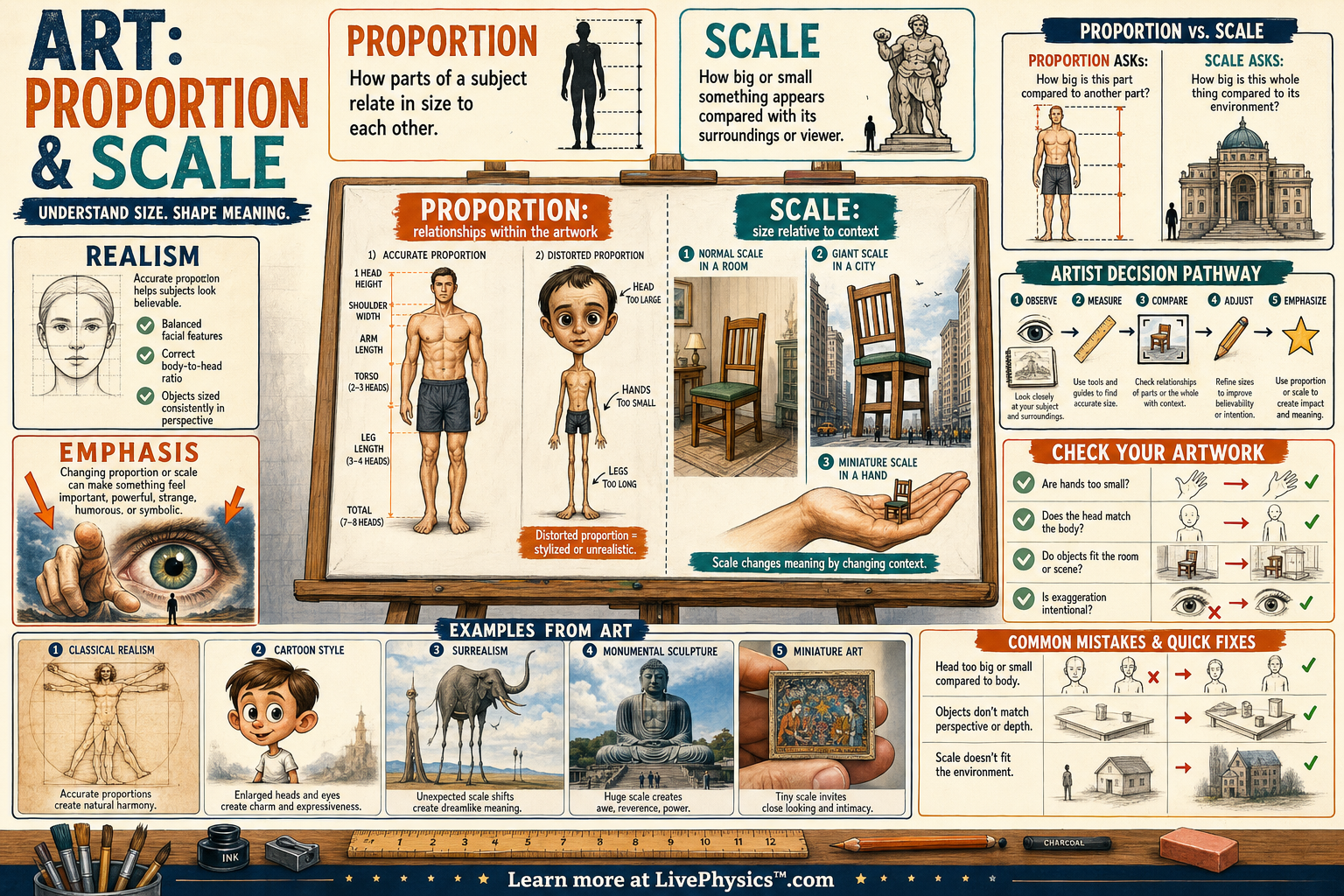
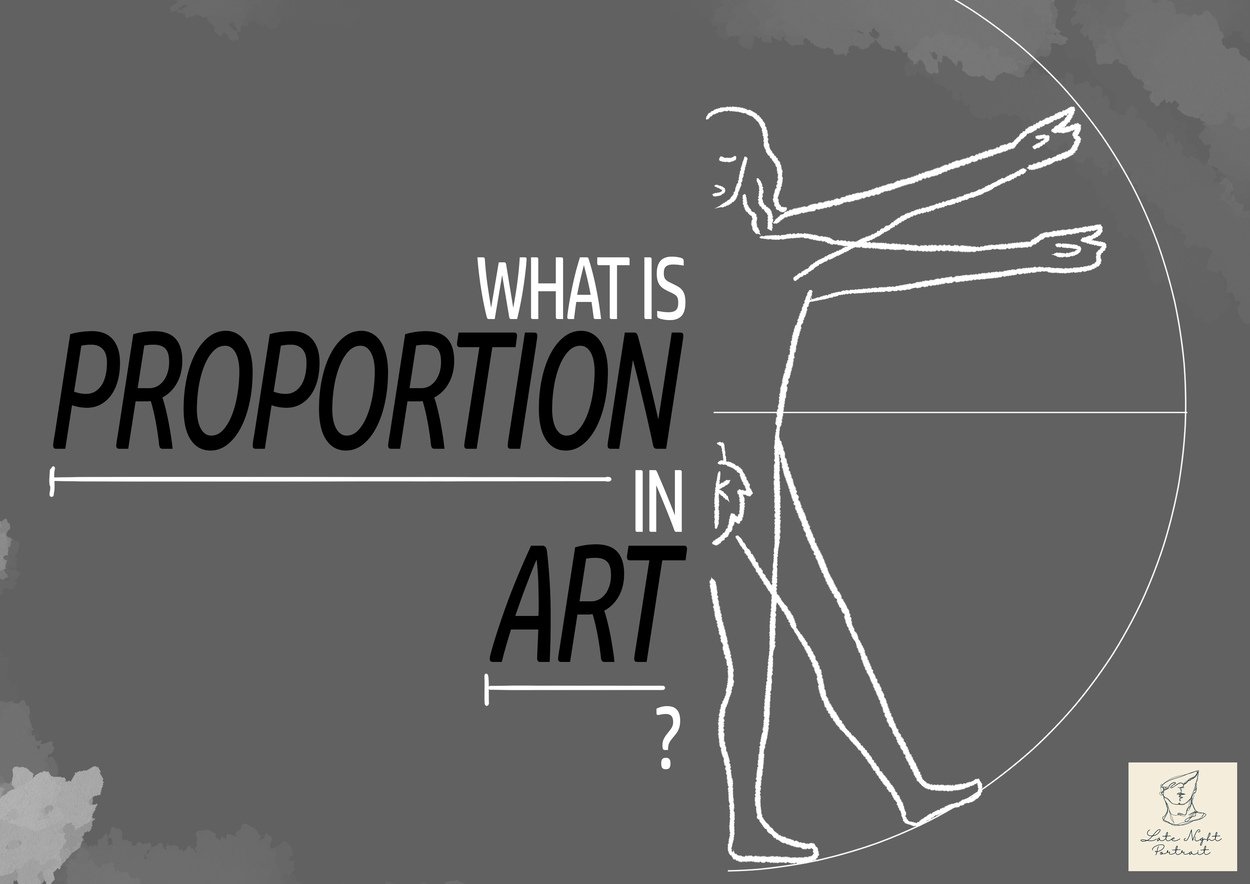
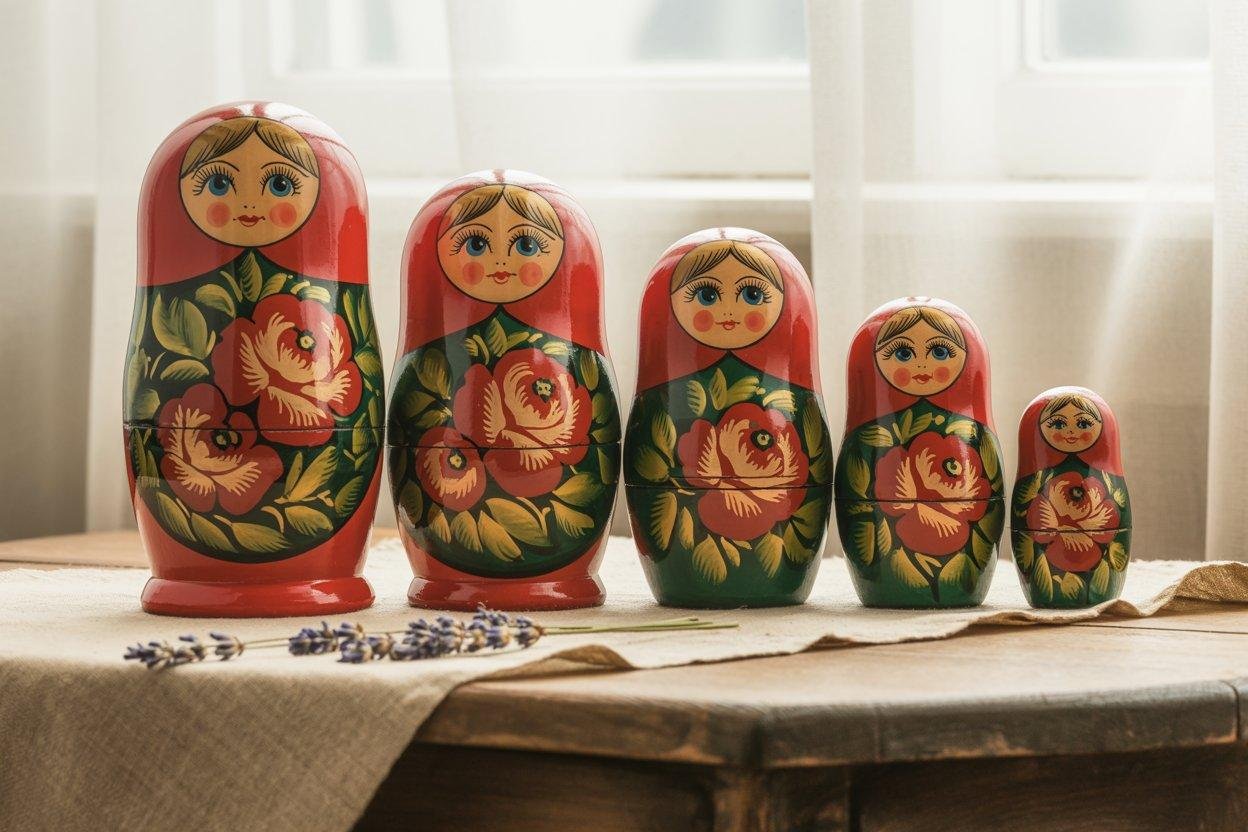
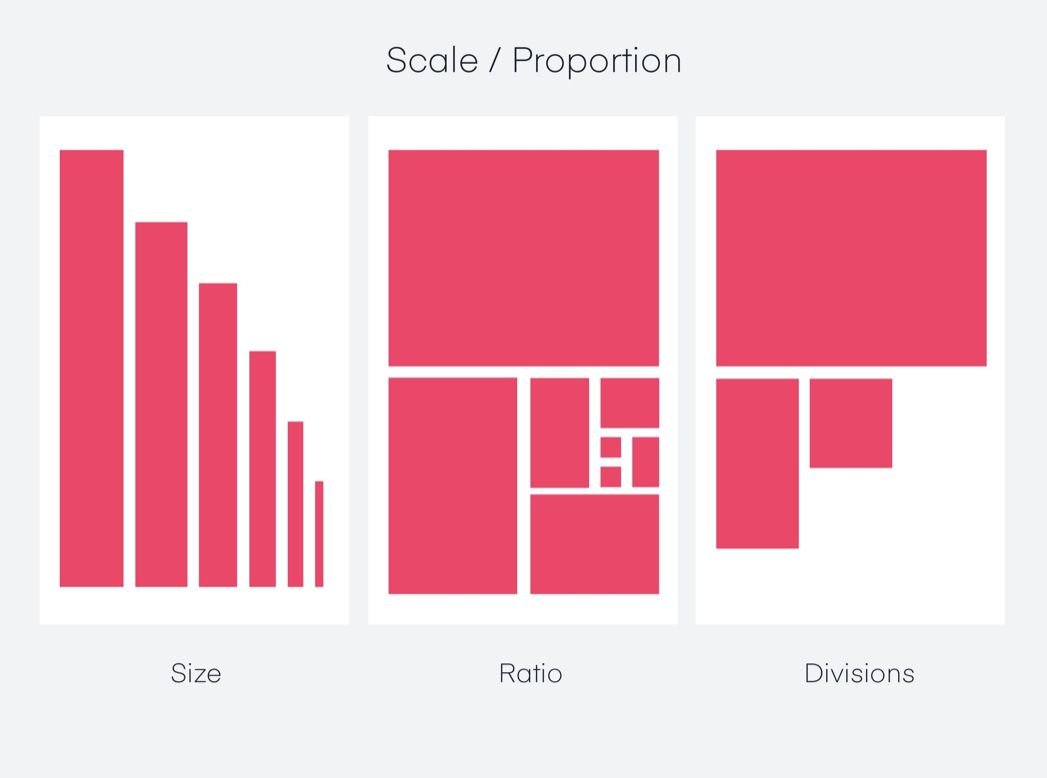
Proportion in art is often confused with scale and balance, but it's distinct. While scale refers to the absolute size of an object, proportion focuses on the relative sizes of different parts within a work. Balance, on the other hand, concerns the distribution of visual weight in a composition, which can be influenced by proportion. For a closer look at something similar, my post on whatwsa a ring bound flashcardd template covers the details.
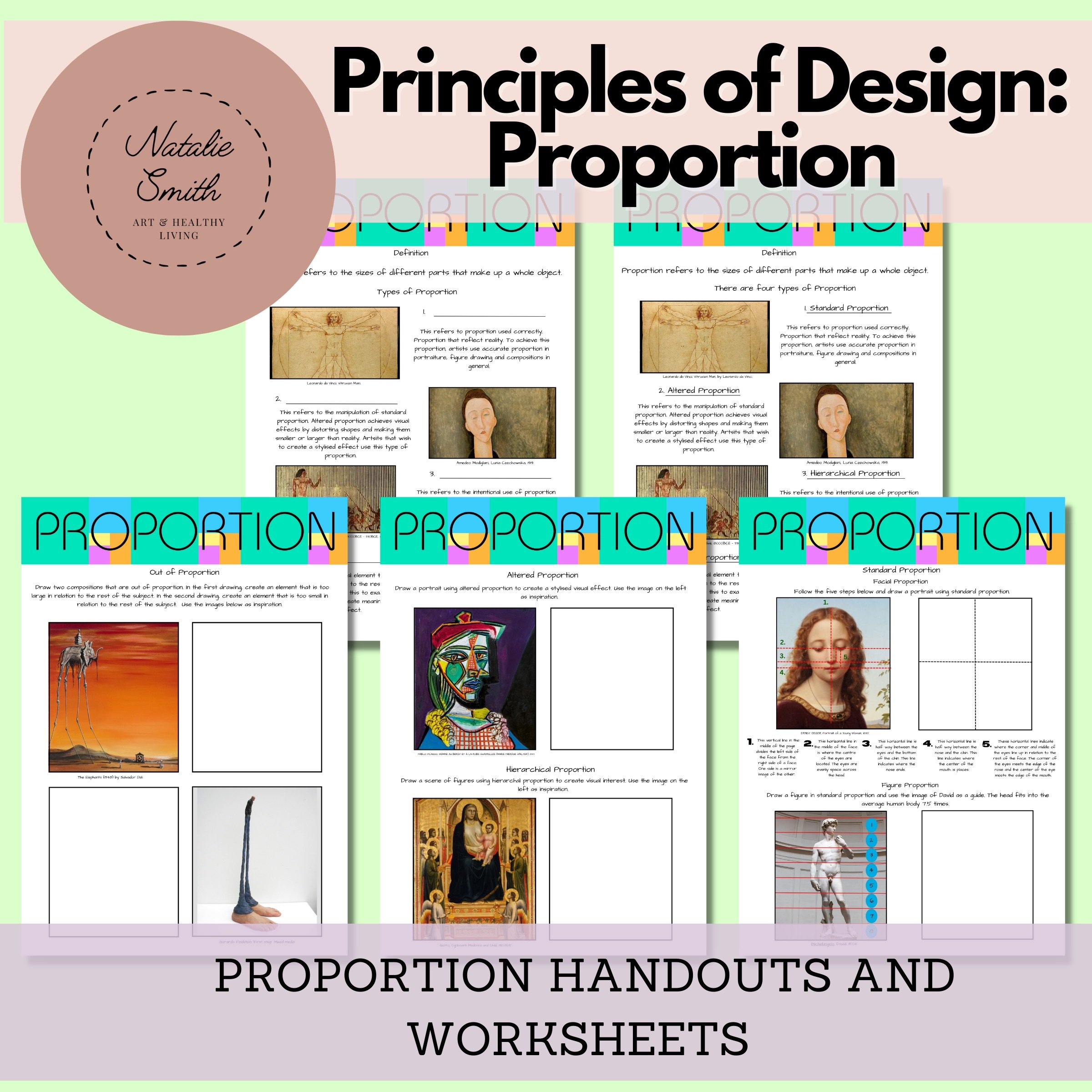
Types of Proportion
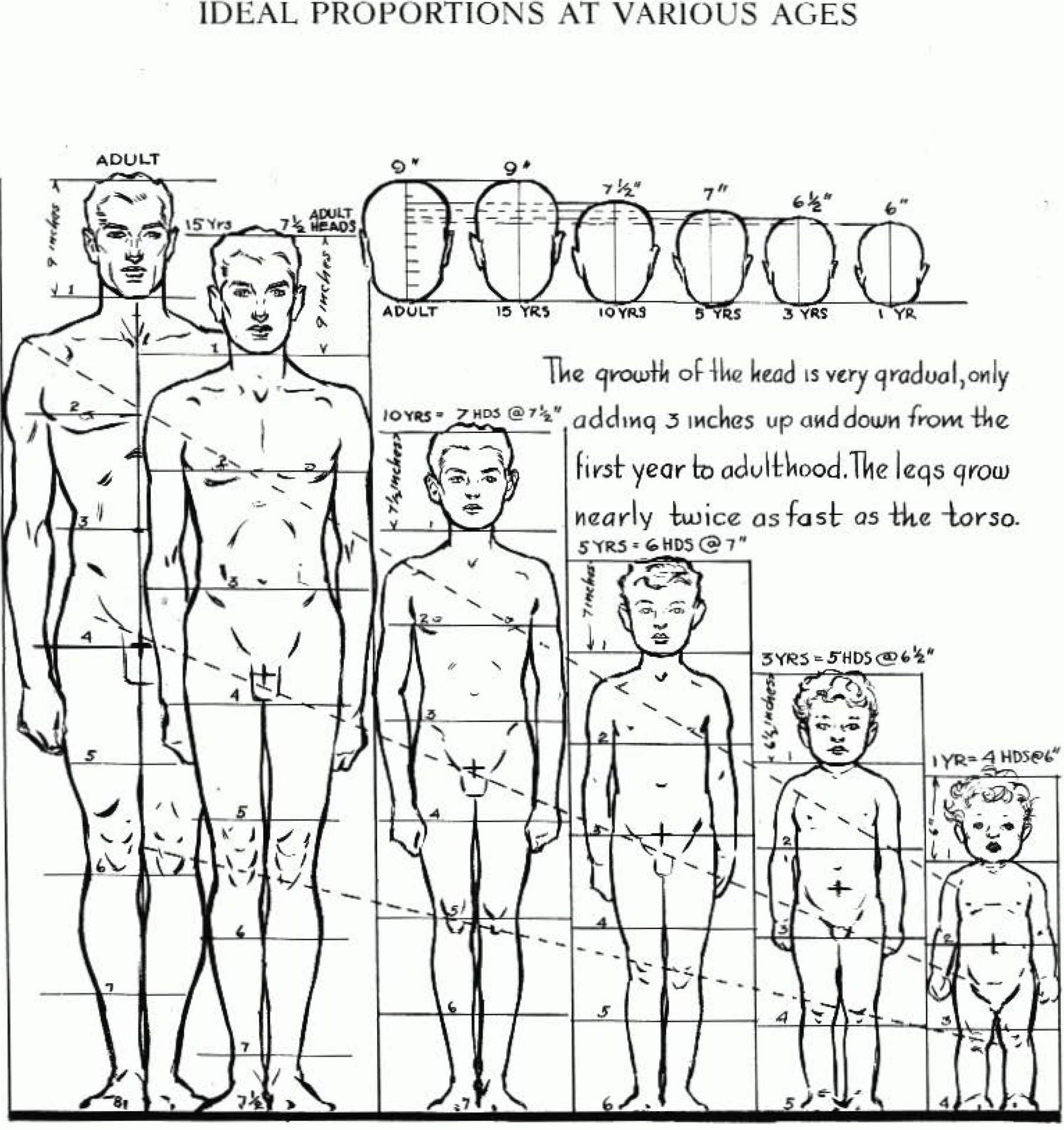
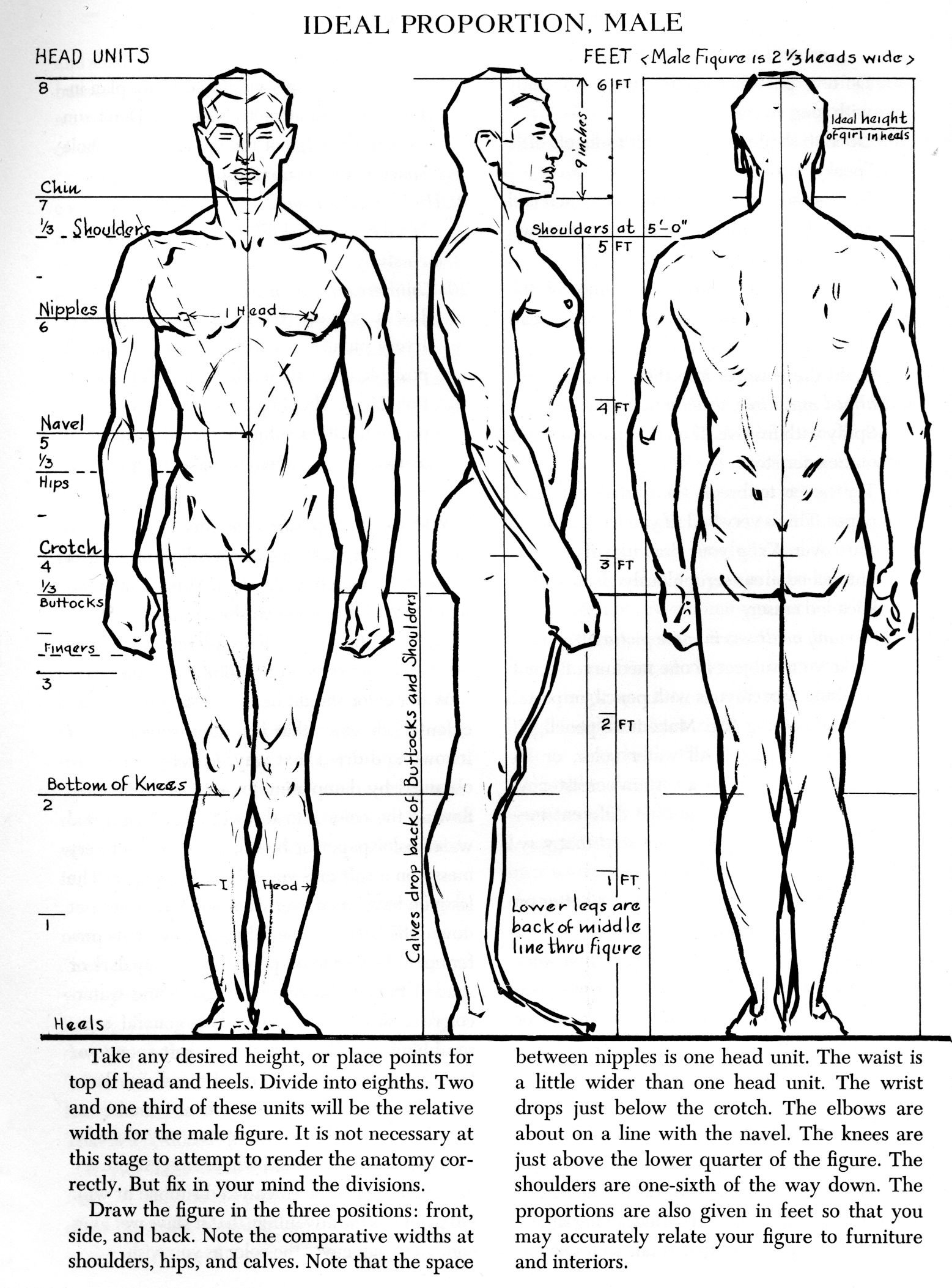
Standard Proportion
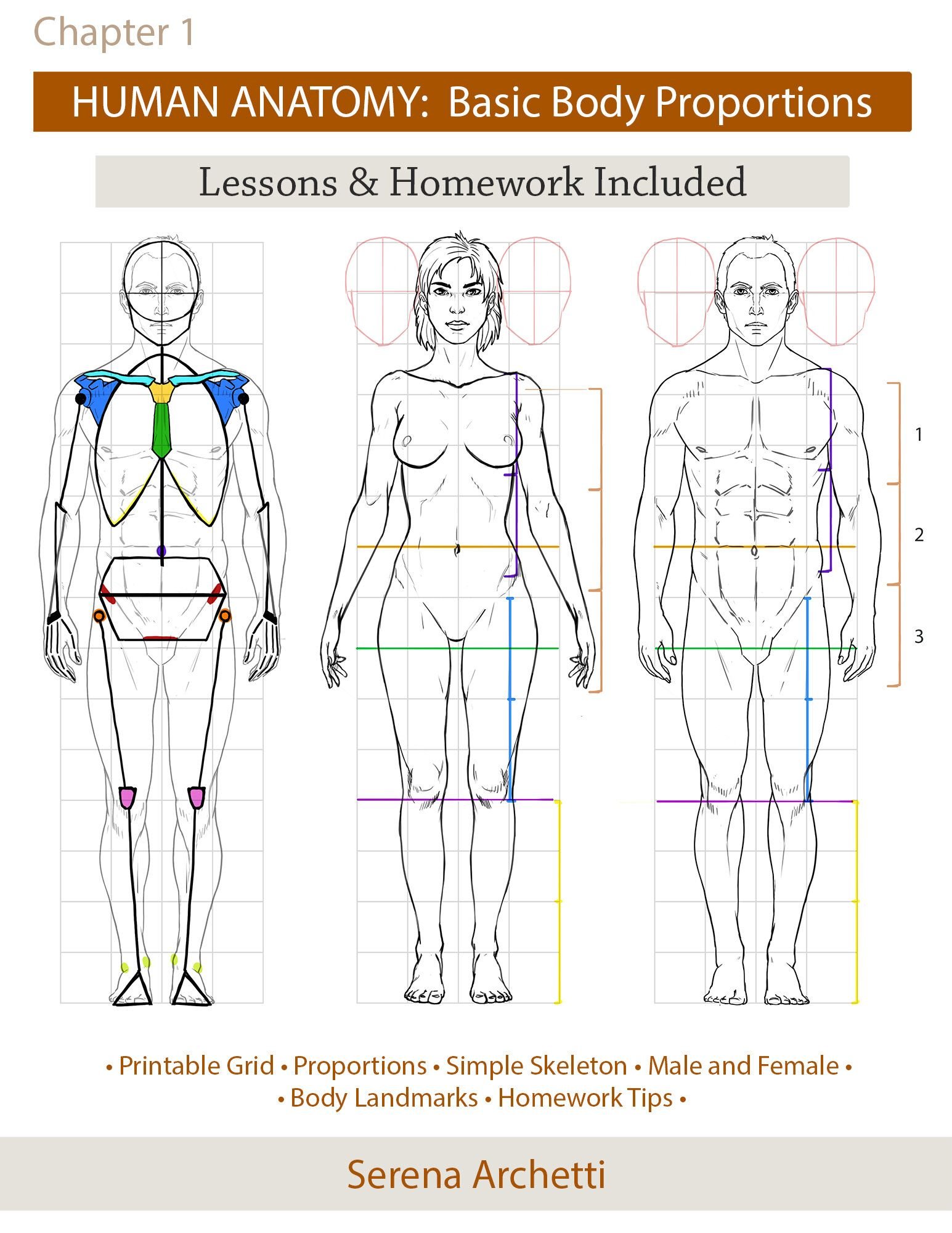
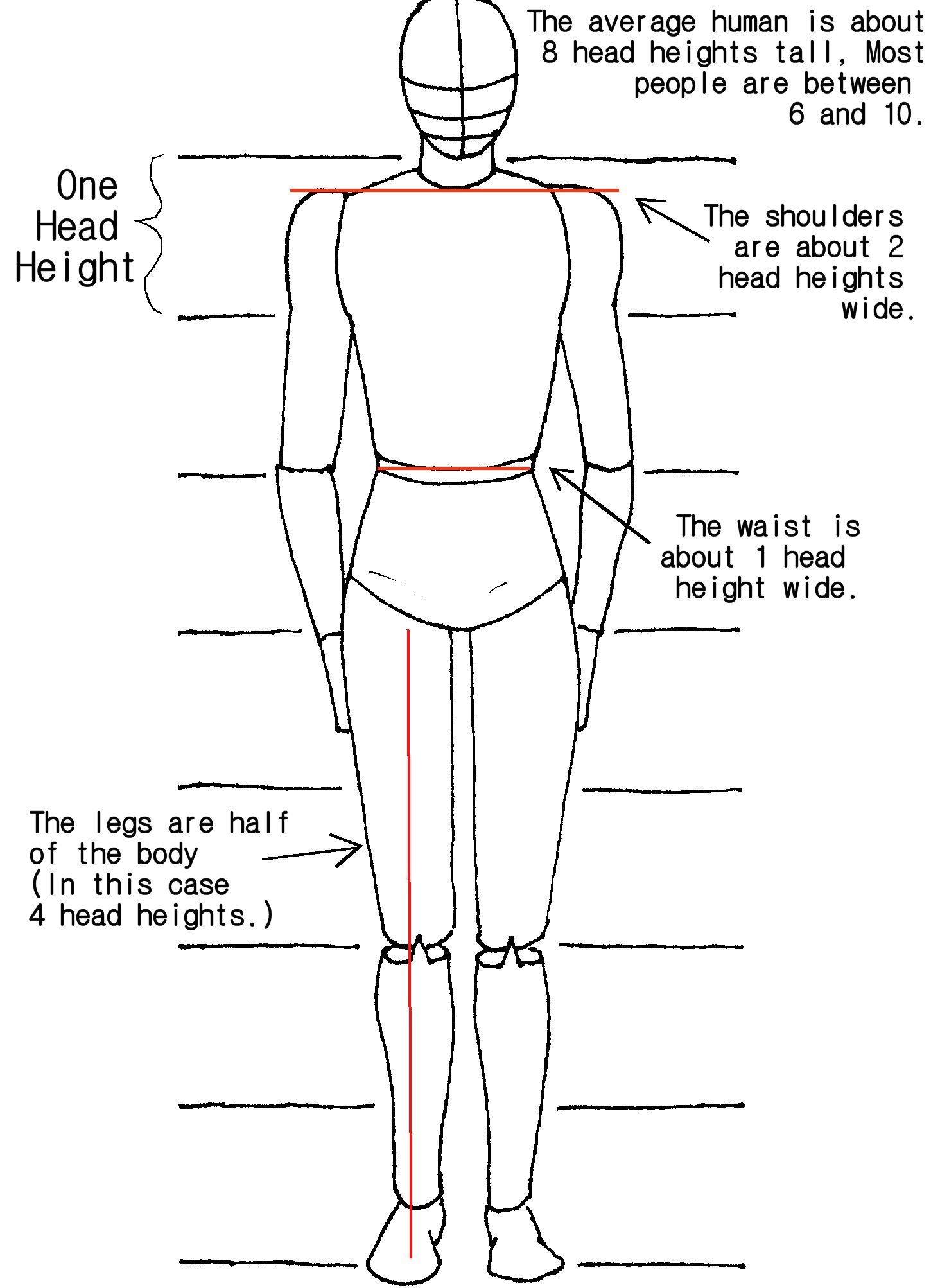
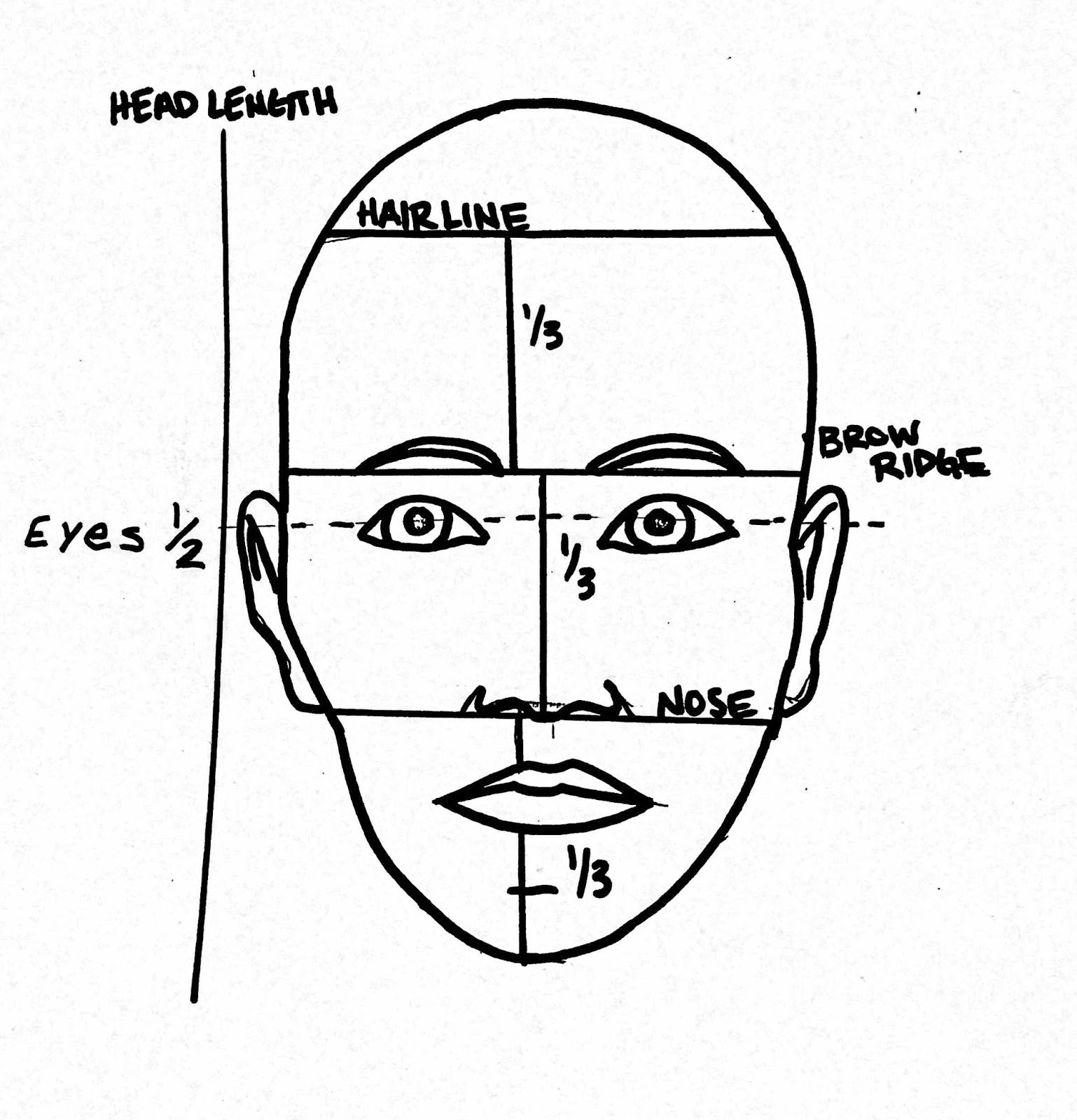
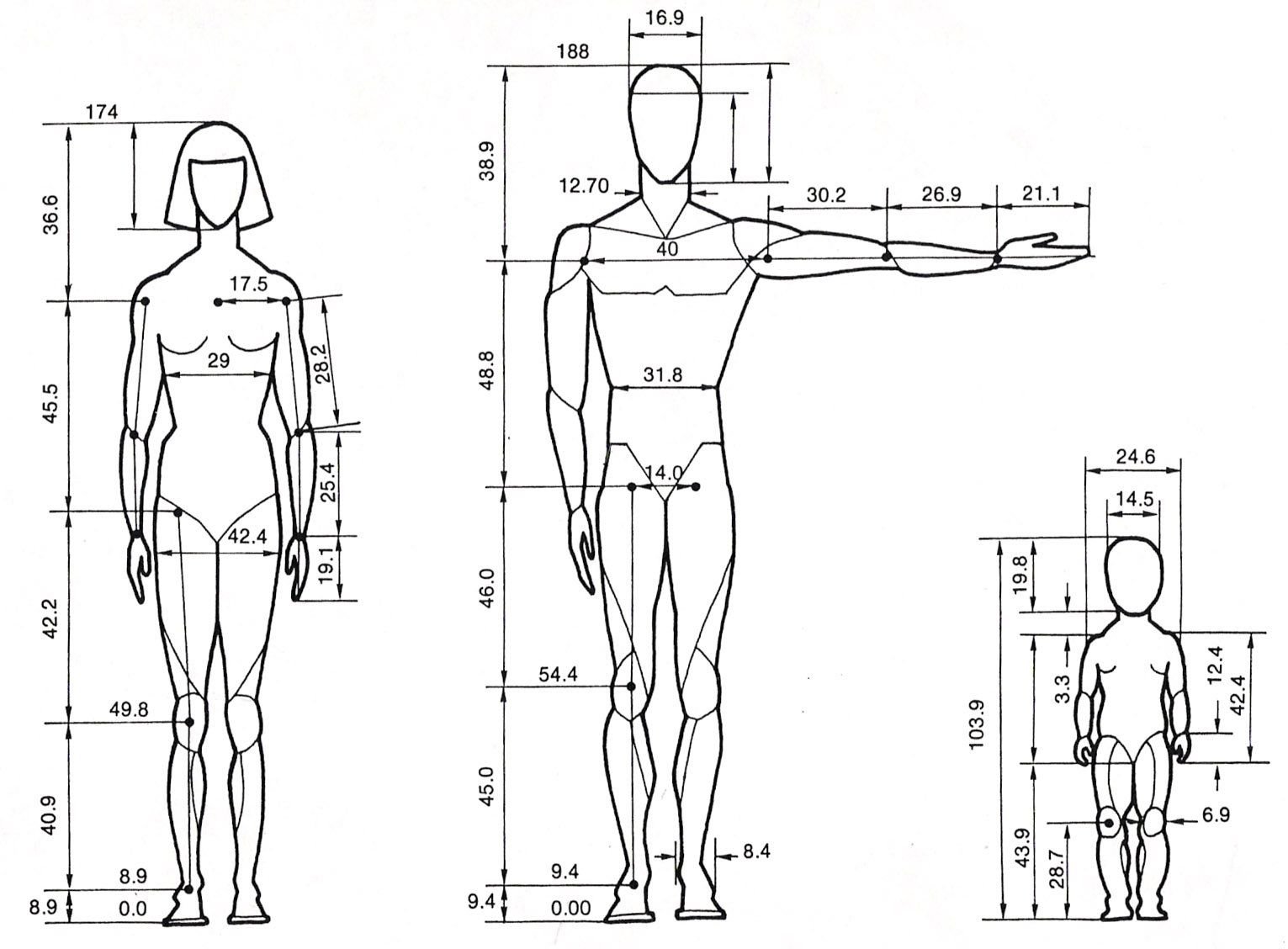
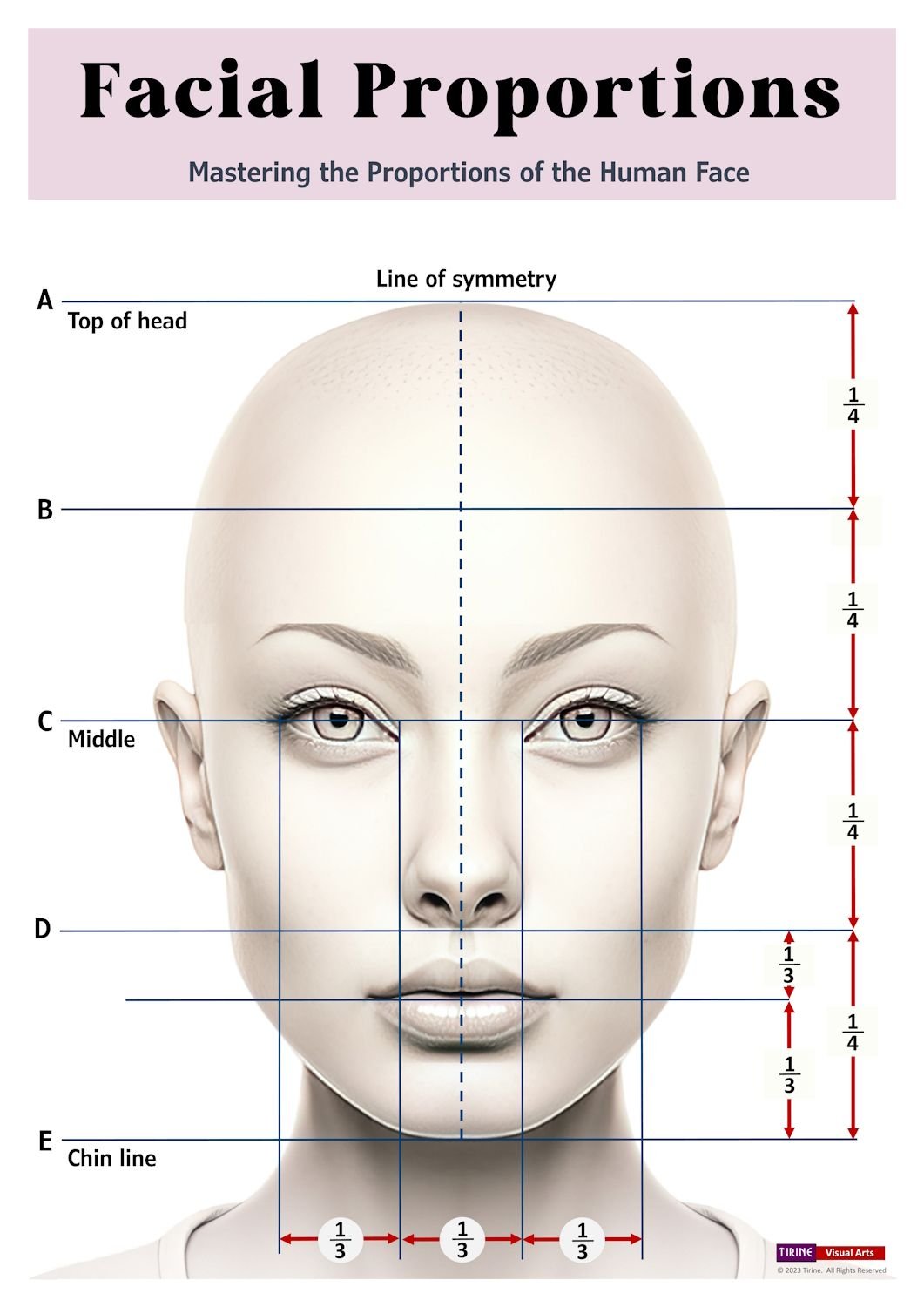
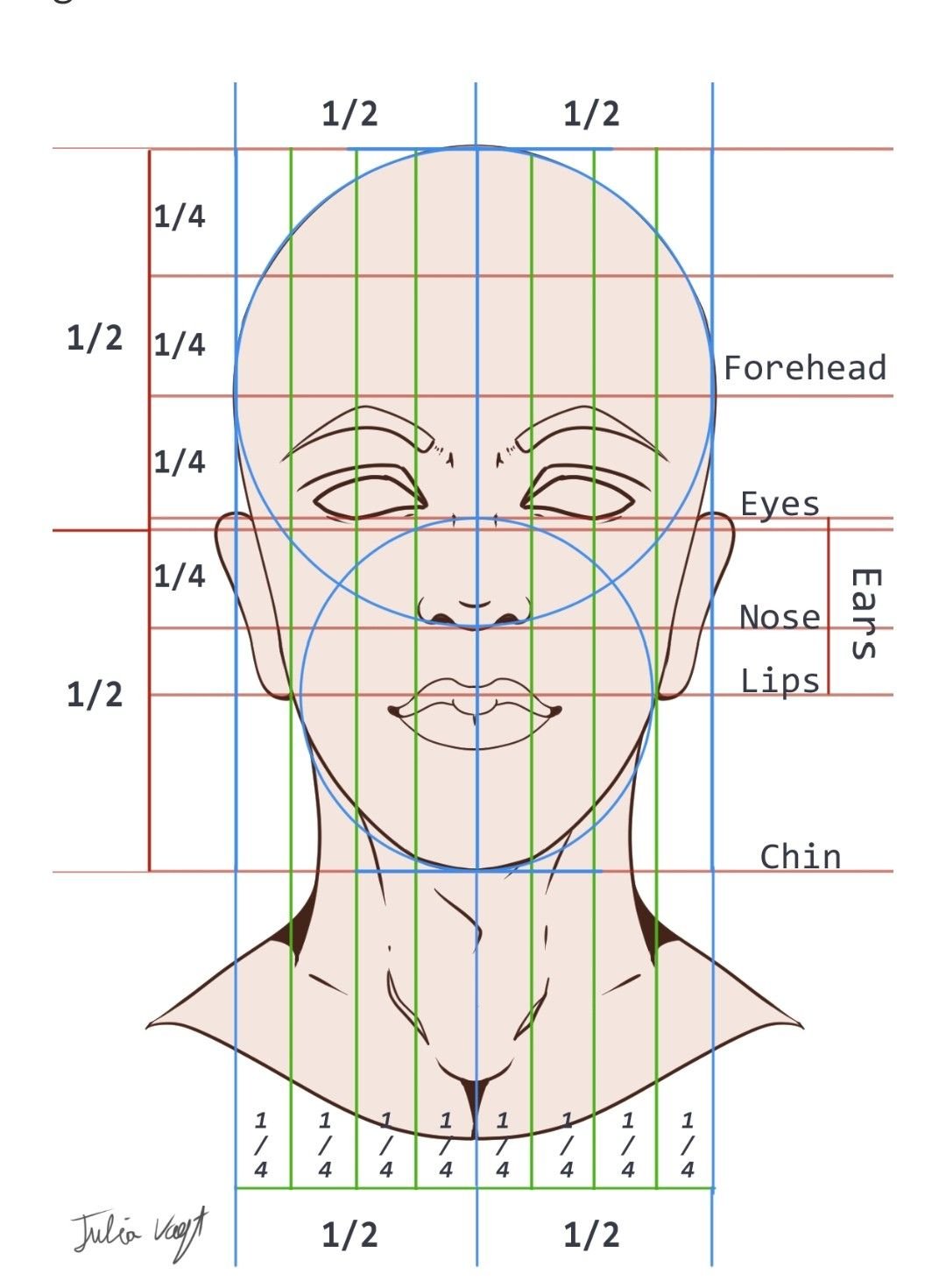
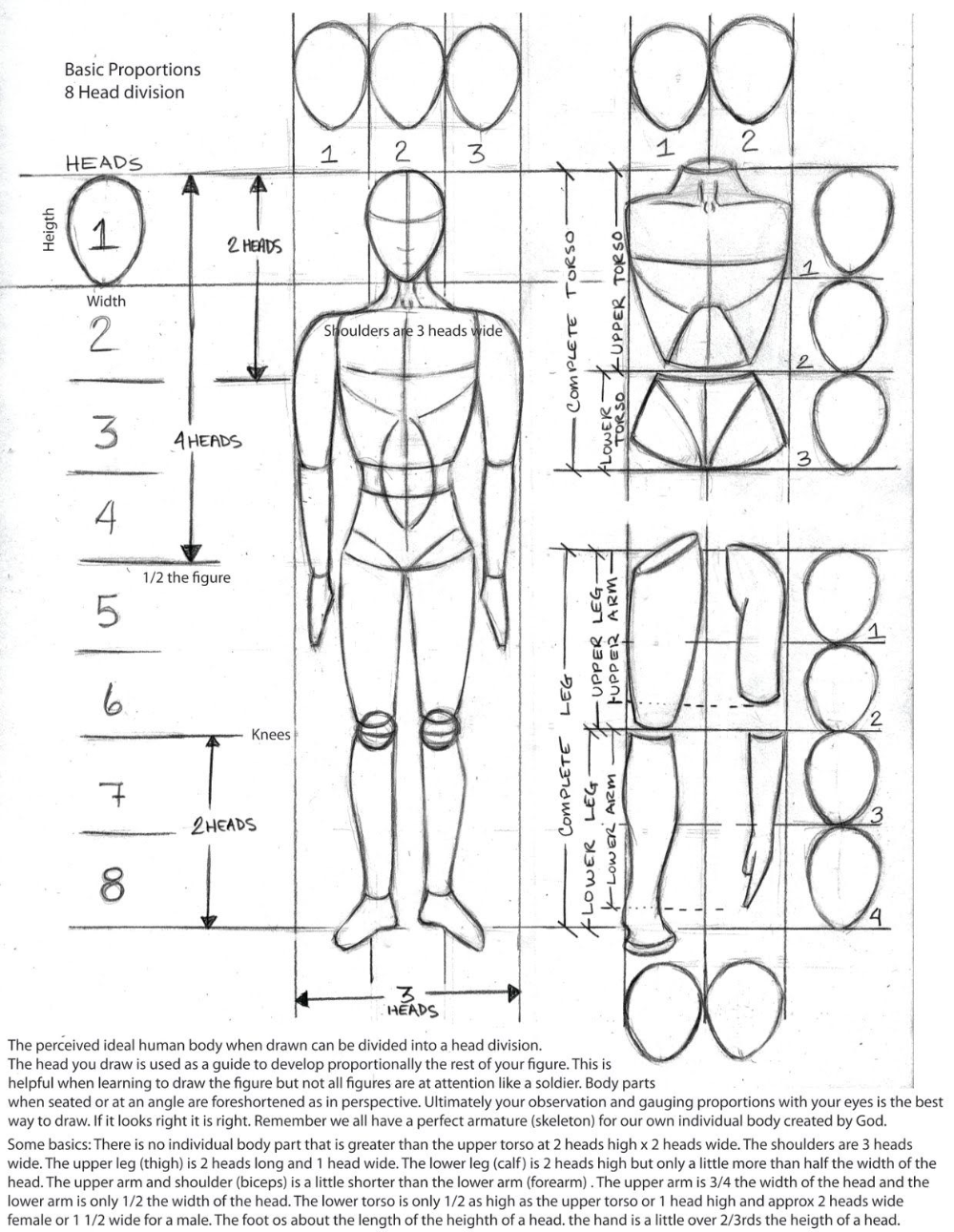
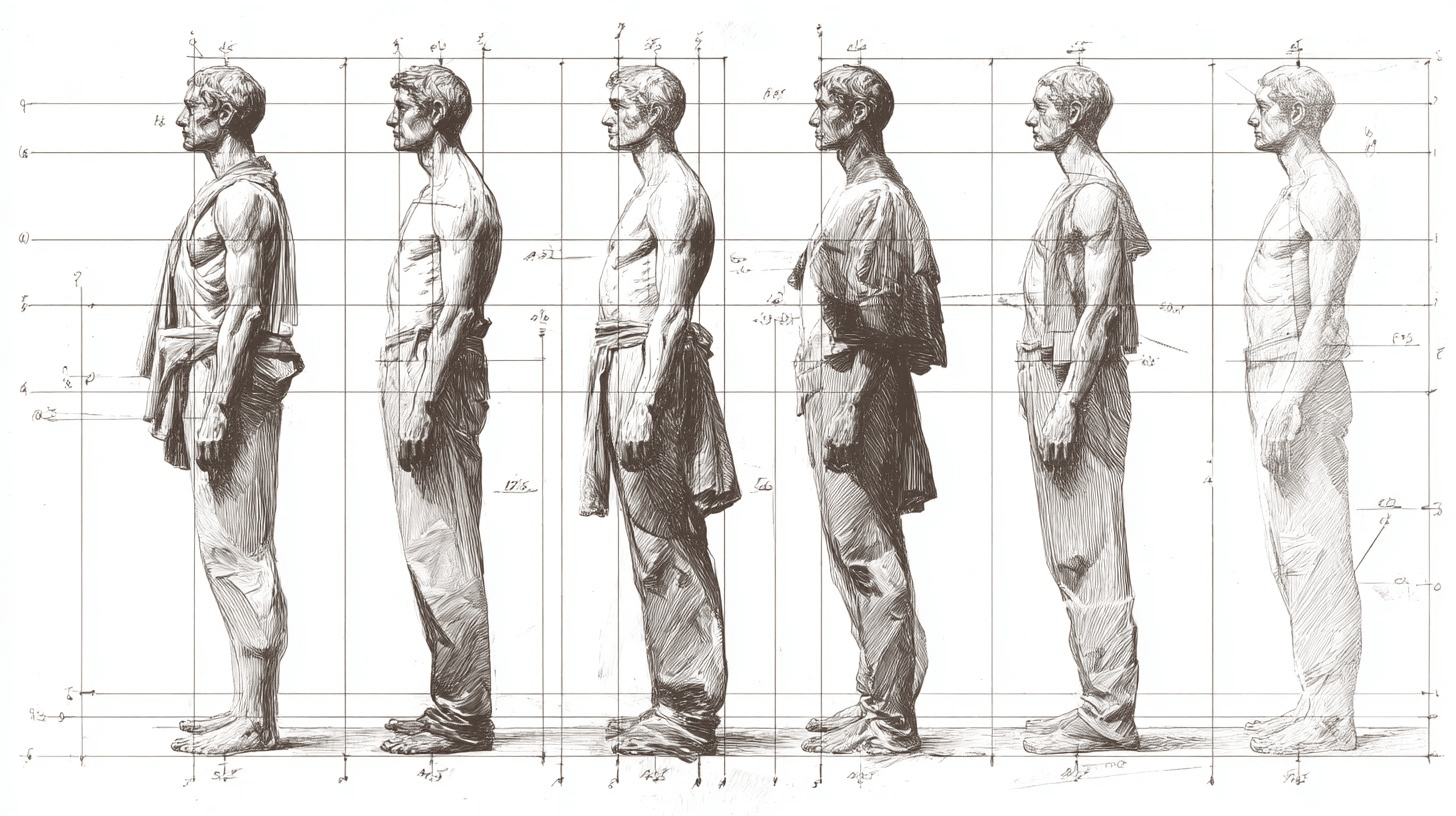
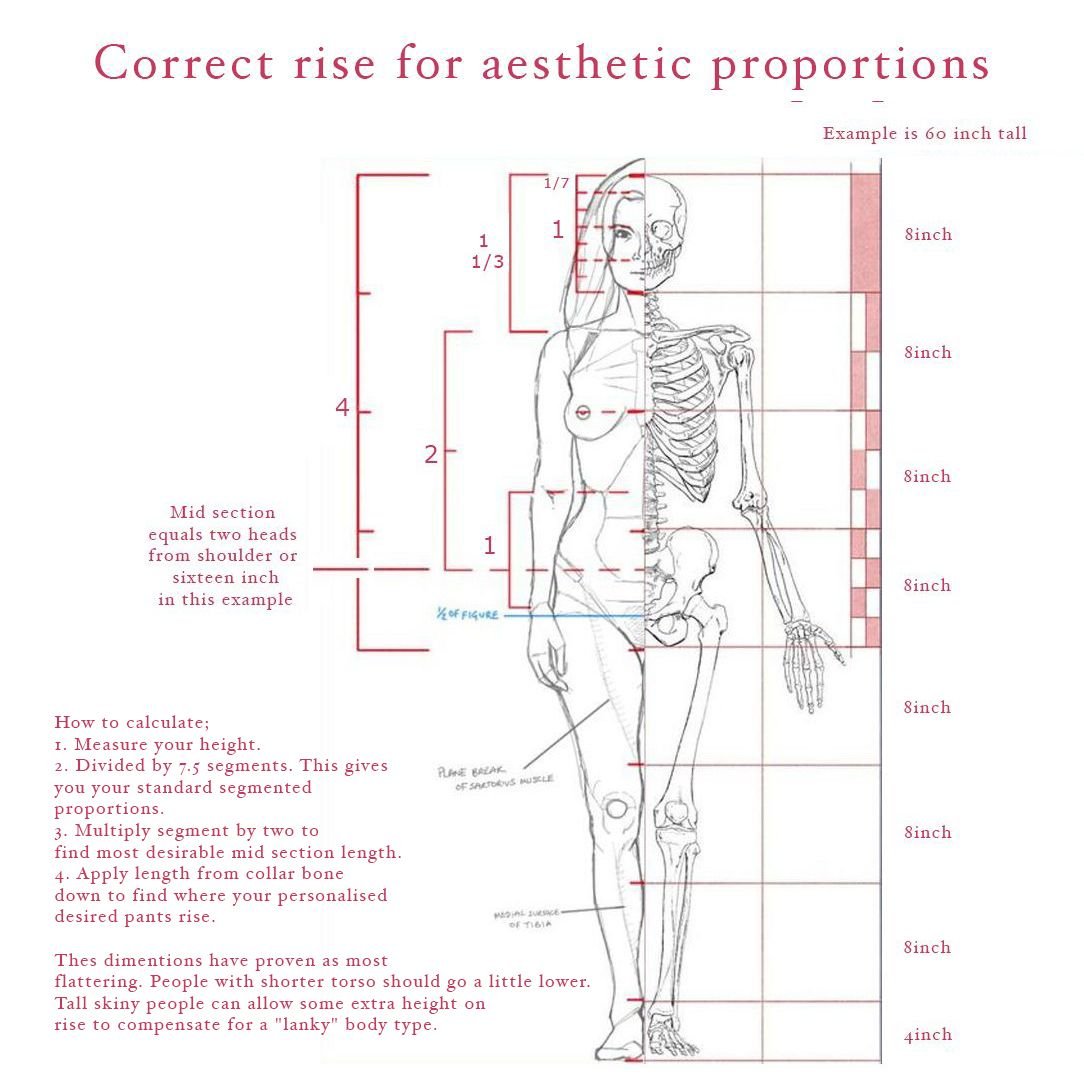
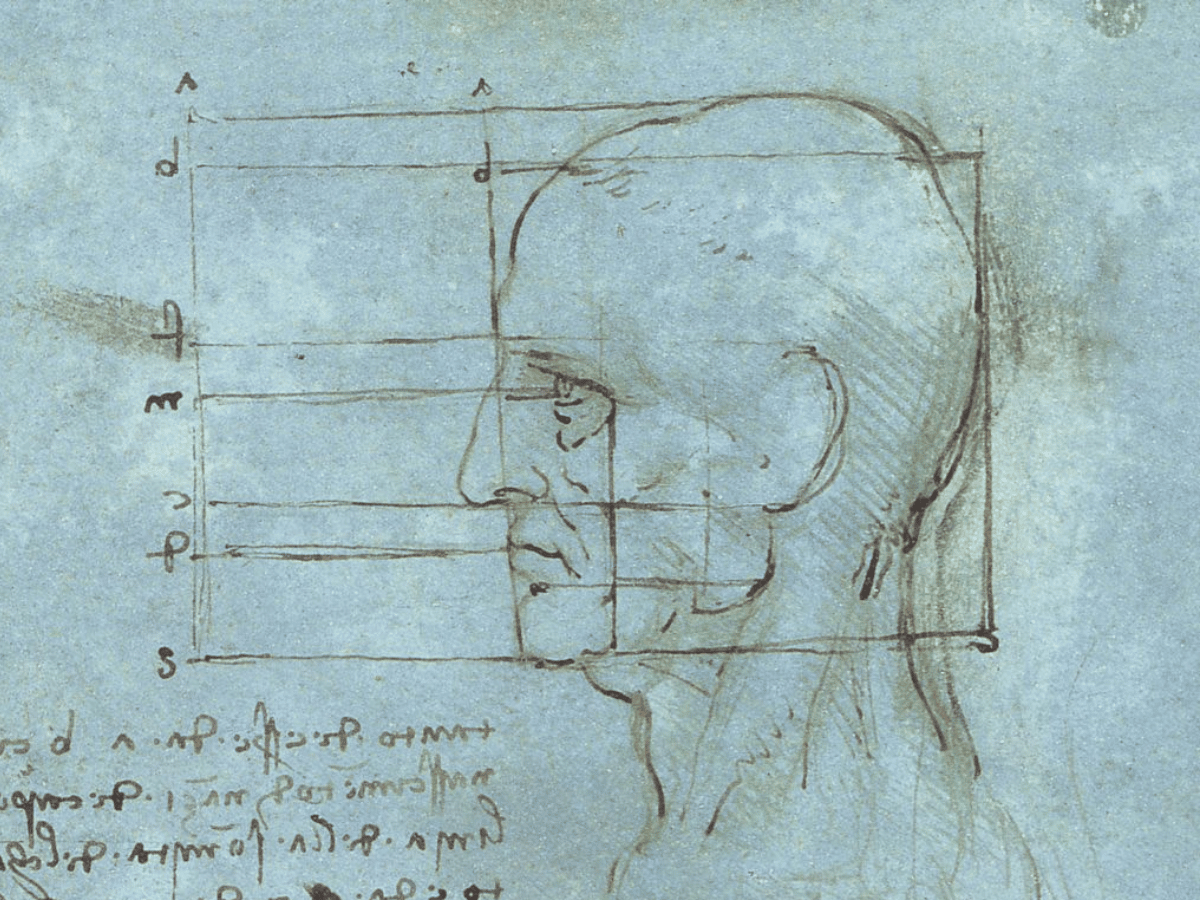
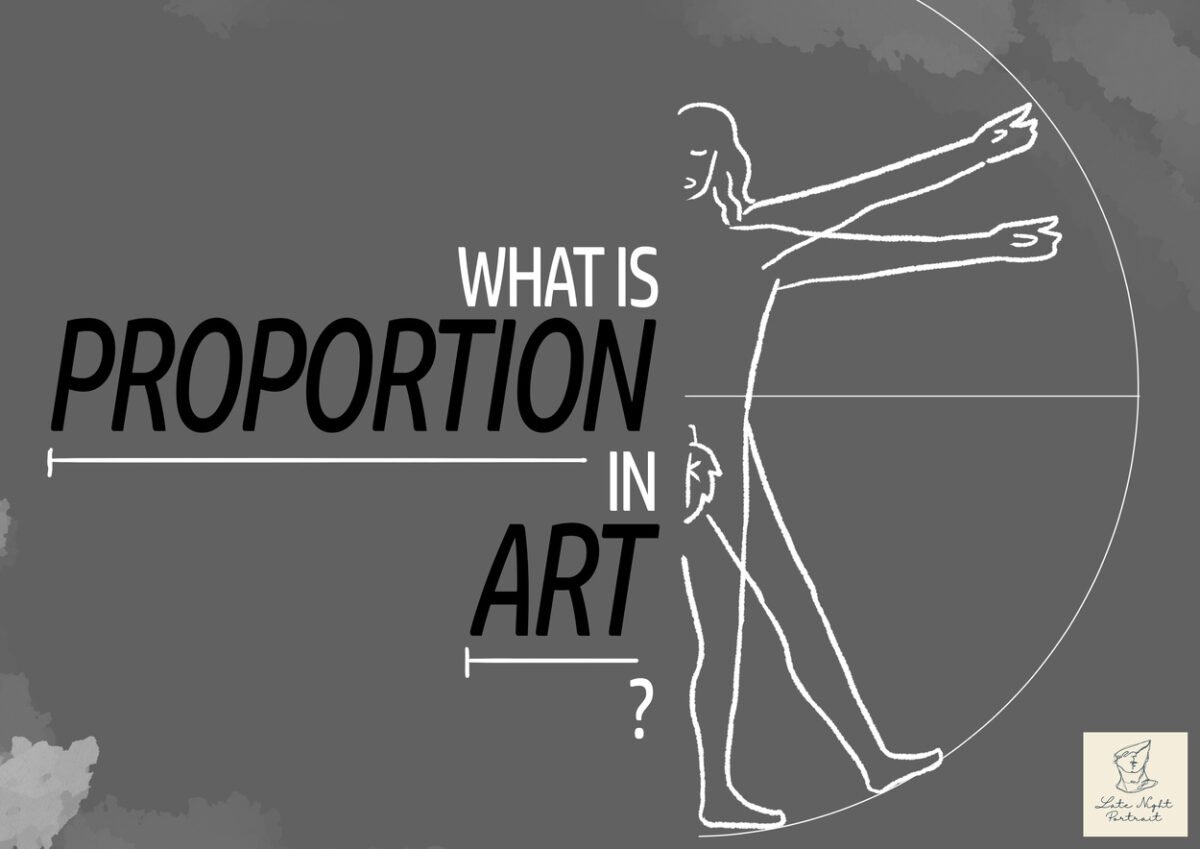
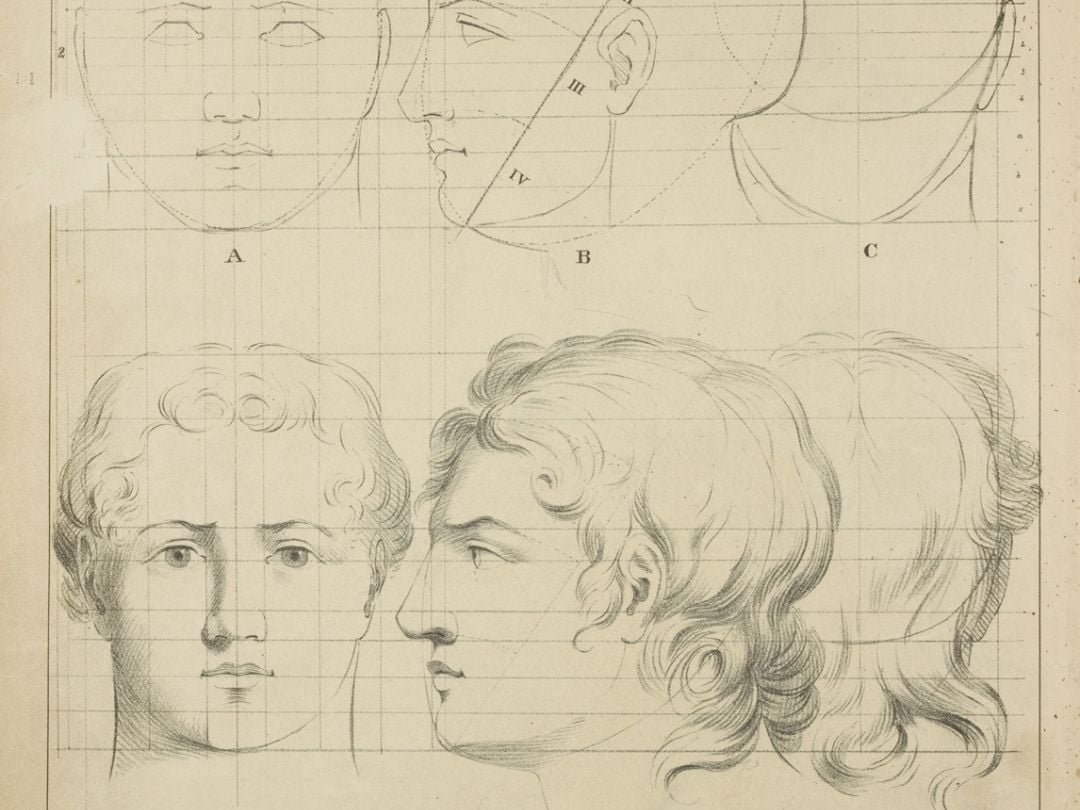
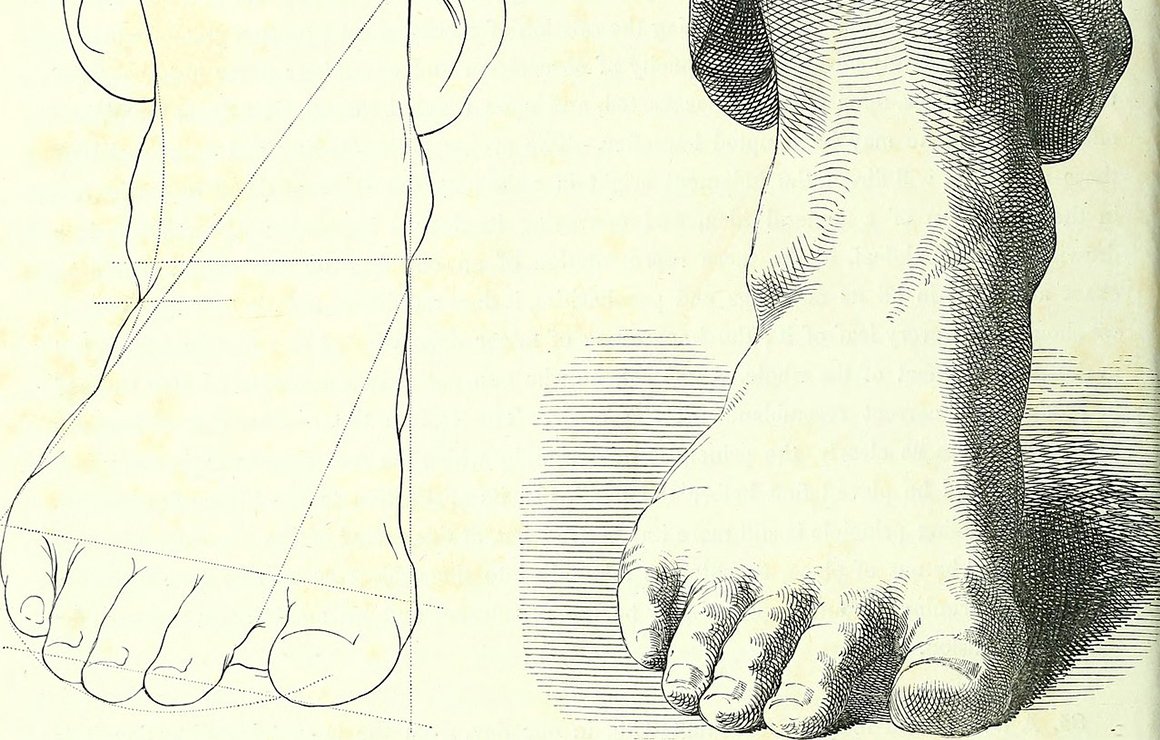
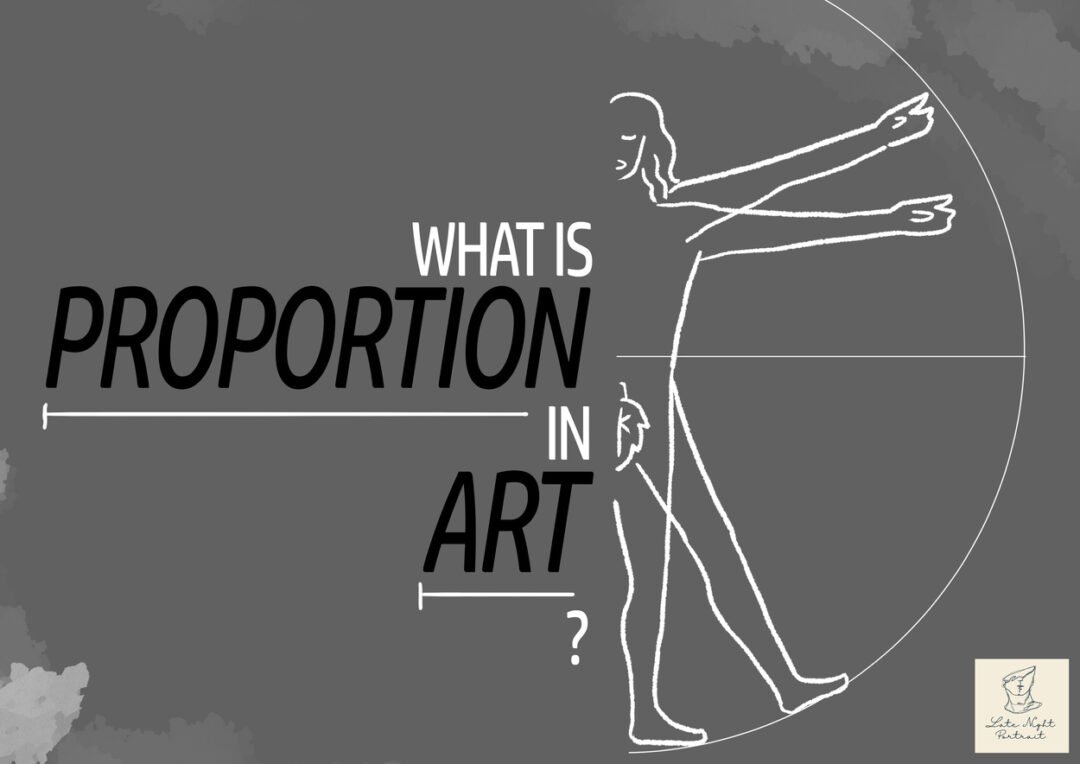
Standard proportion refers to the natural, realistic relationship between the sizes of objects or figures. In art, this often adheres to the artist's observation of the subject or to established ideals, such as classical Greek proportions for the human figure. You can also compare this directly with what is chain of command 83166 to see how they stack up.
Altered Proportion
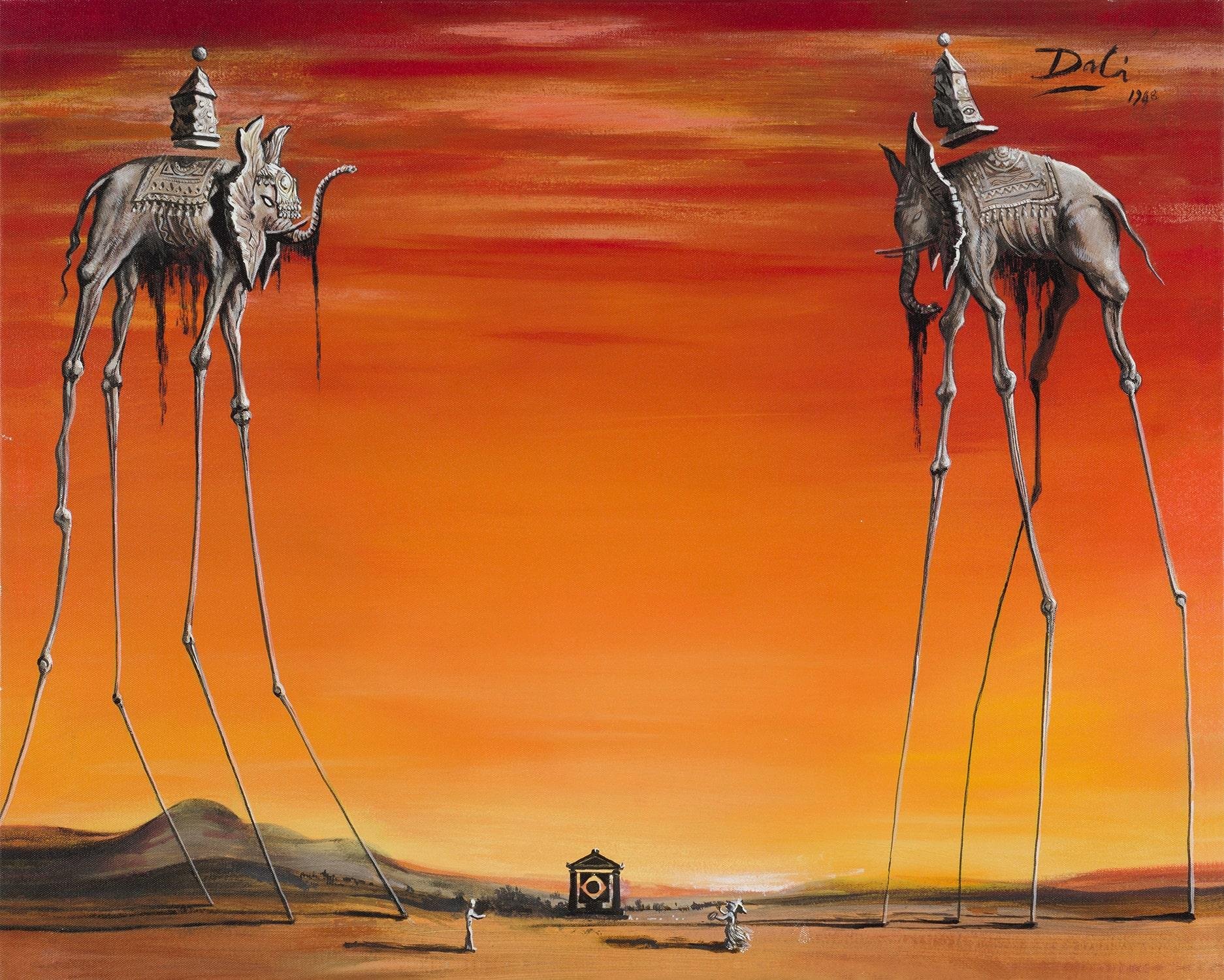
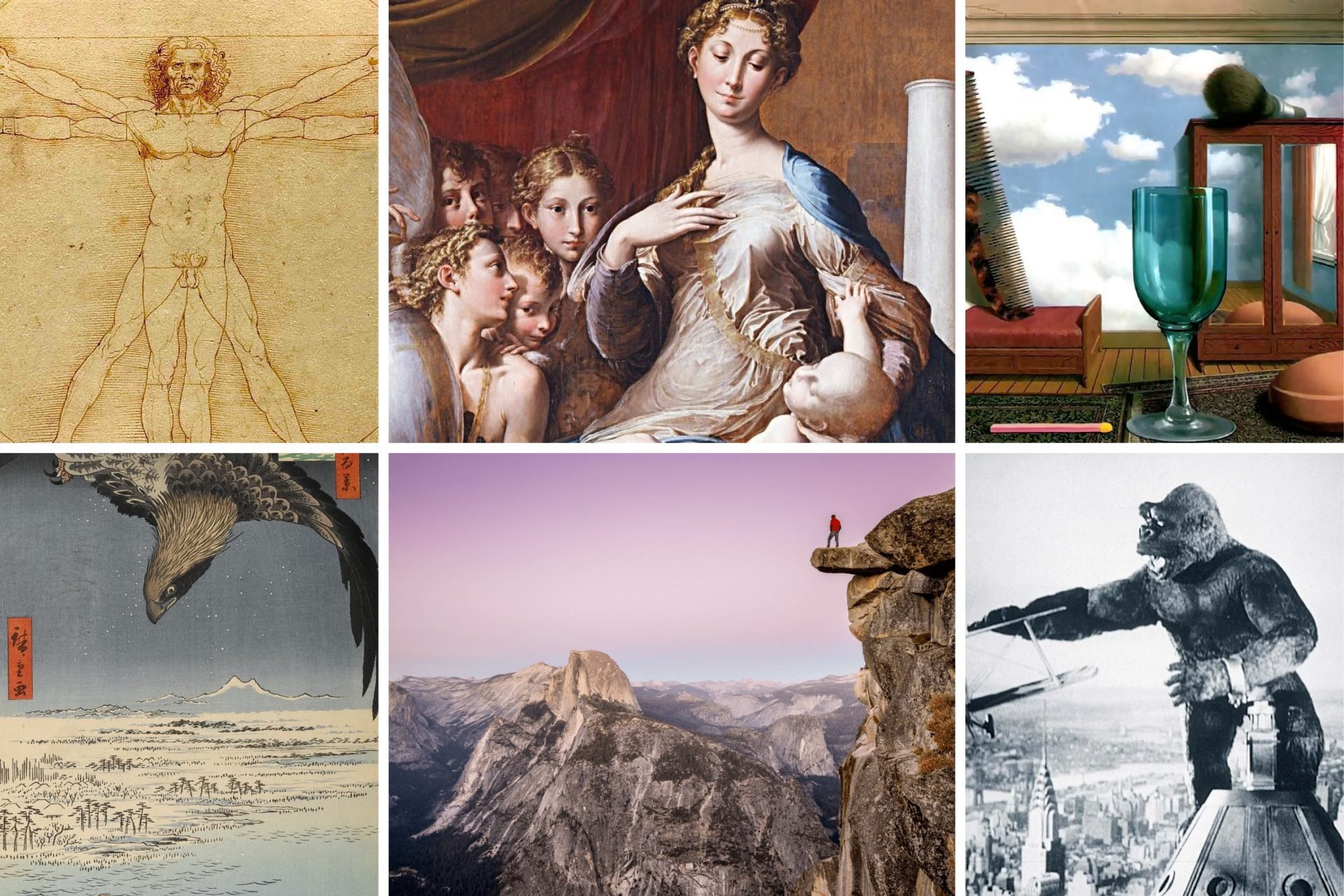
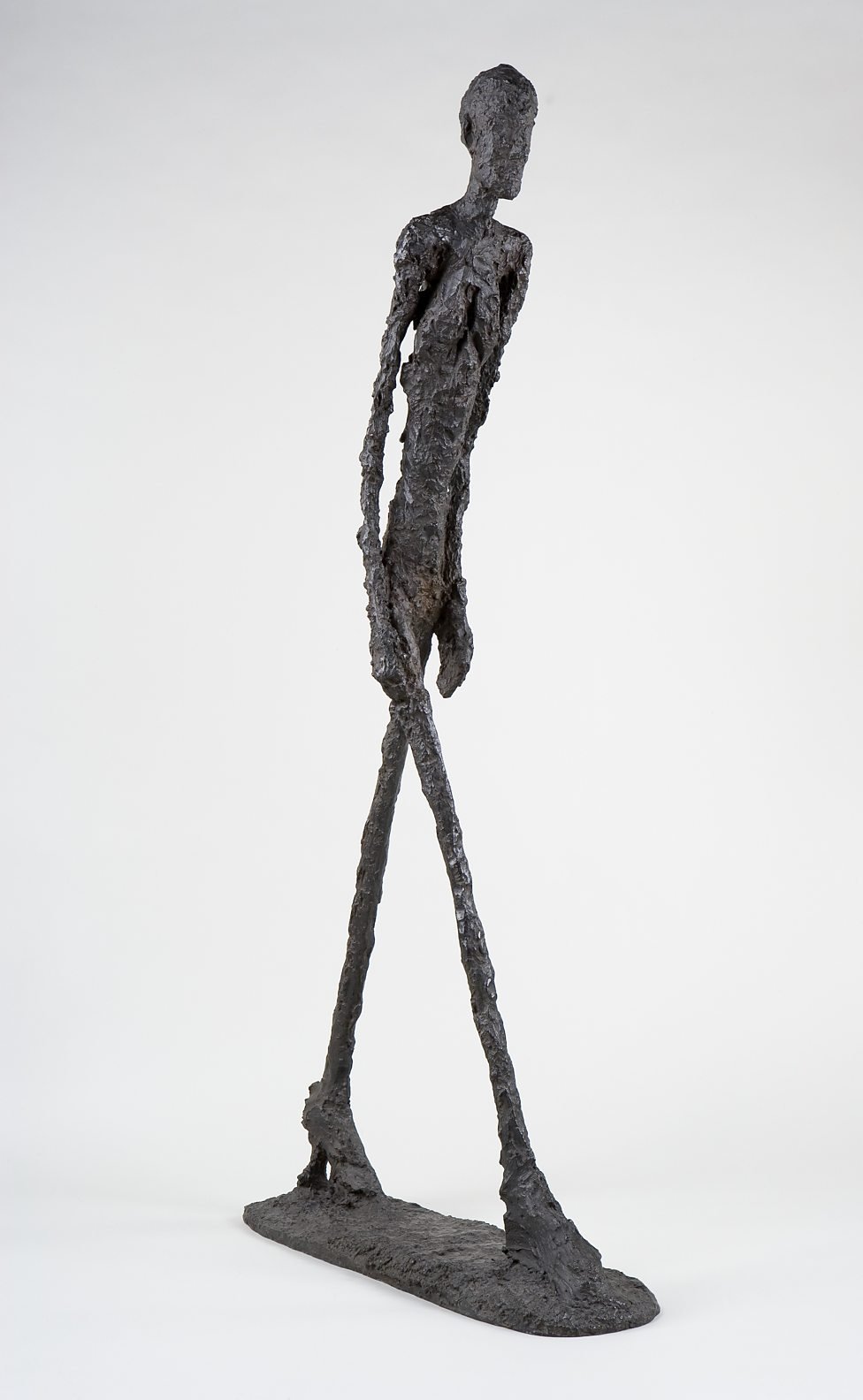
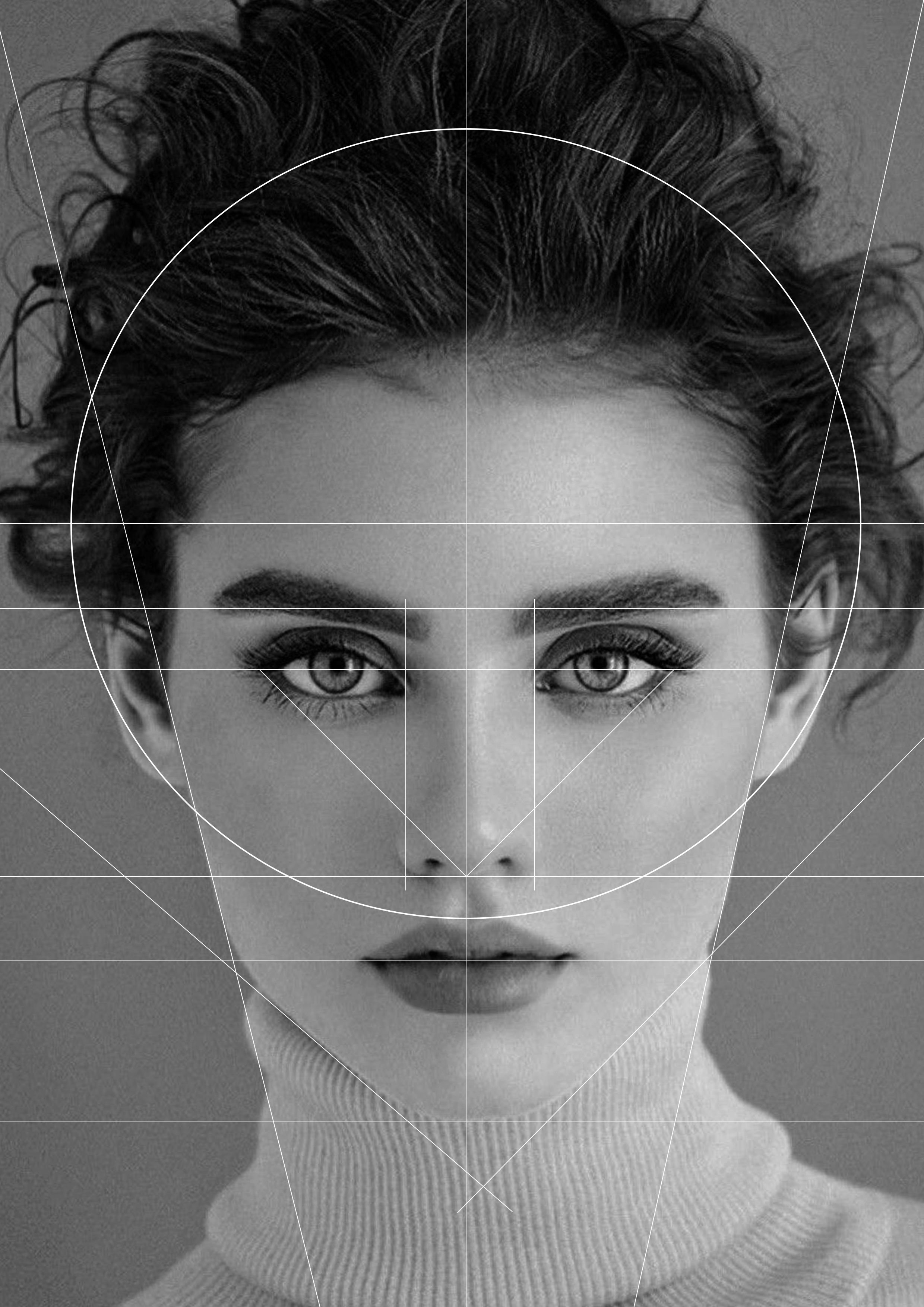
Altered proportion, also known as distortion, occurs when an artist intentionally deviates from standard proportions. This can be used to emphasize certain features, create a sense of movement, or convey a particular mood or idea. If you want another perspective, check out my notes on what is the seal motto editable as well.
Hierarchical Proportion
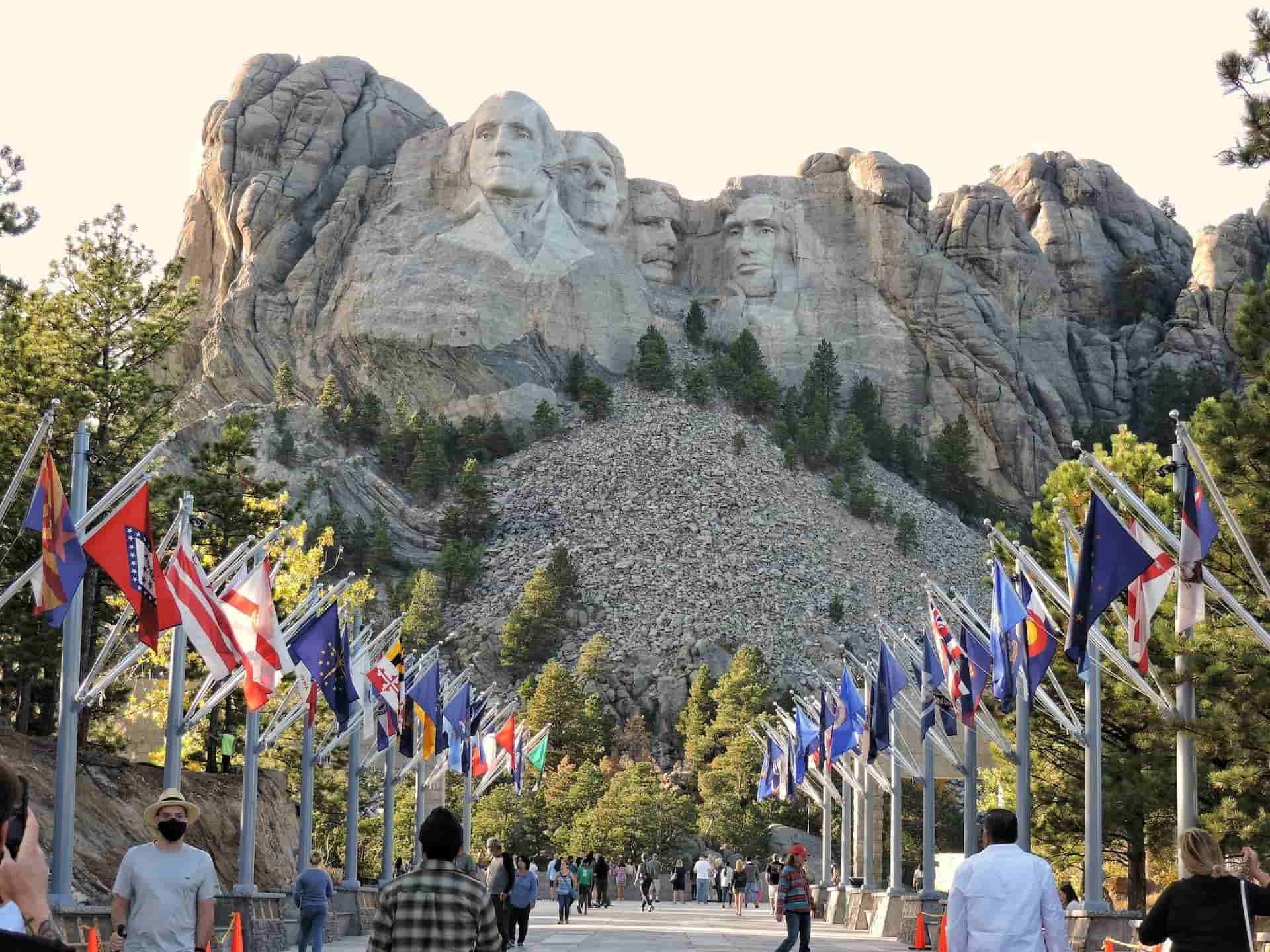
Hierarchical proportion is a technique where the size of figures or objects is used to indicate their importance within the composition. Larger figures are often given more prominence, suggesting power, dominance, or centrality to the narrative. For a closer look at something similar, my post on what is the seal motto letter size covers the details.
Examples in Art History
The use of proportion in art is evident across various movements and cultures. You can also compare this directly with what is the seal motto template to see how they stack up.
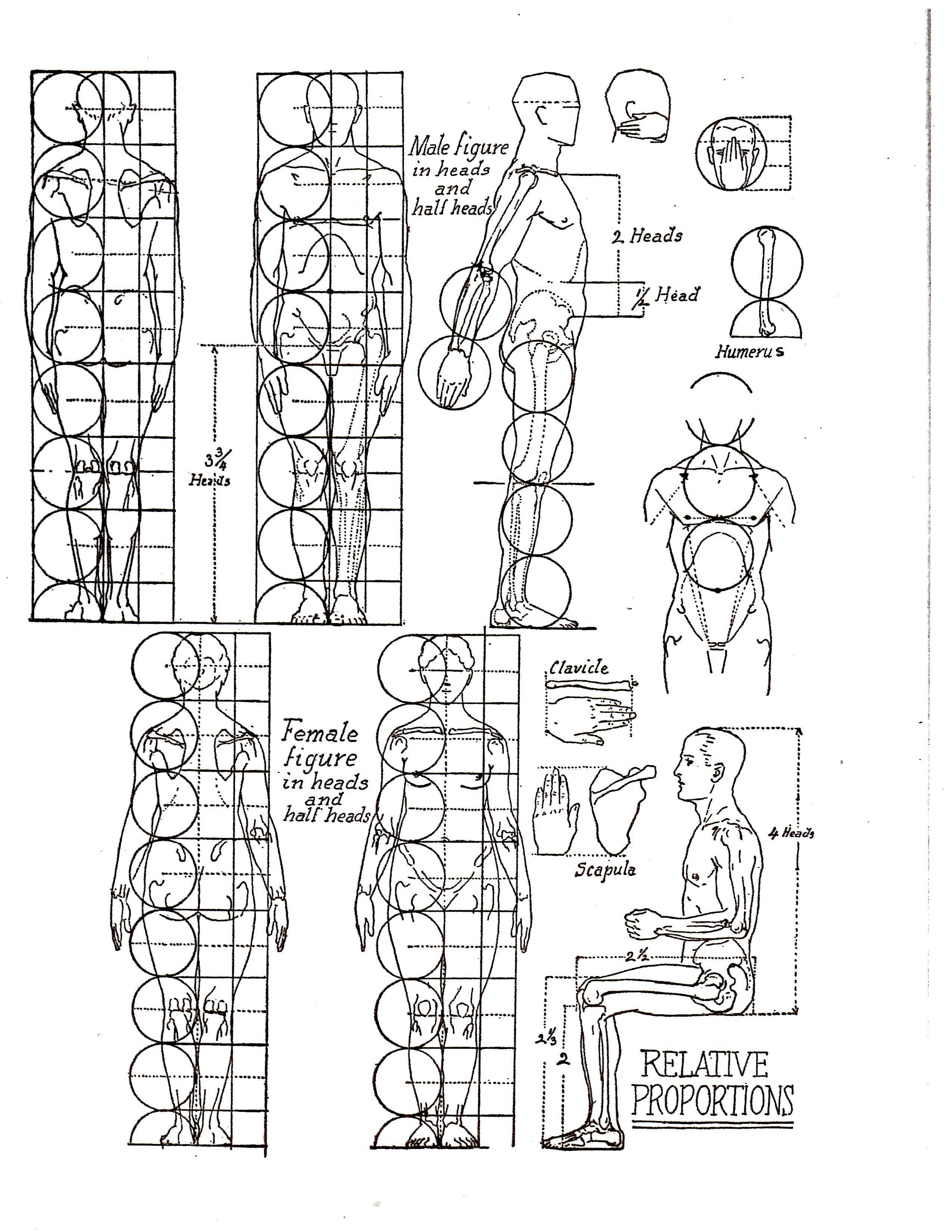
The Creation of Adam by Michelangelo showcases standard proportion in the idealized, muscular figures of Adam and God. If you want another perspective, check out my notes on what is the seal motto for kids as well.
Surrealist artists like Salvador Dalí often employed altered proportion to create dreamlike, uncanny scenes, such as in The Persistence of Memory with its melting clocks. For a closer look at something similar, my post on professional estimate template free covers the details.
In Renaissance art, artists like Leonardo da Vinci used hierarchical proportion in paintings like The Last Supper, where Jesus is depicted larger than the disciples to emphasize his central role.
Practical Applications
Understanding proportion is essential for artists and designers. It can guide decisions on composition, perspective, and the impact of the artwork. For instance, altering the proportion of elements can create a sense of depth or emphasize certain narrative elements.
Proportion in art is a versatile tool, offering artists a way to guide the viewer's eye, convey messages, and create visually engaging compositions. Whether adhering to standard proportions or experimenting with distortion, artists use this principle to bring their creative visions to life.